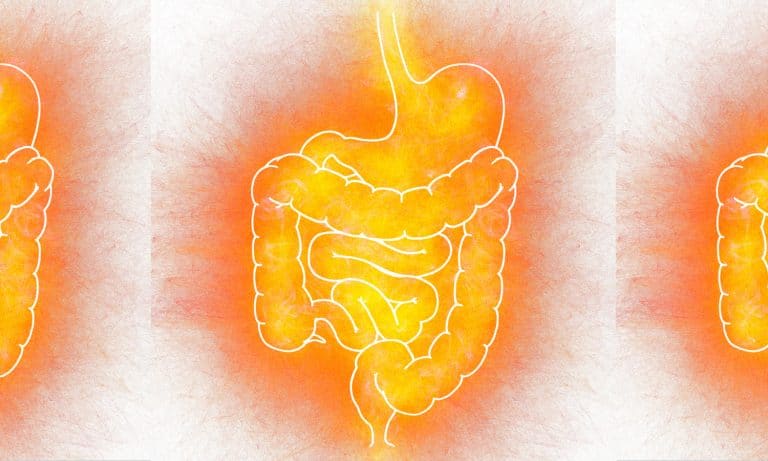
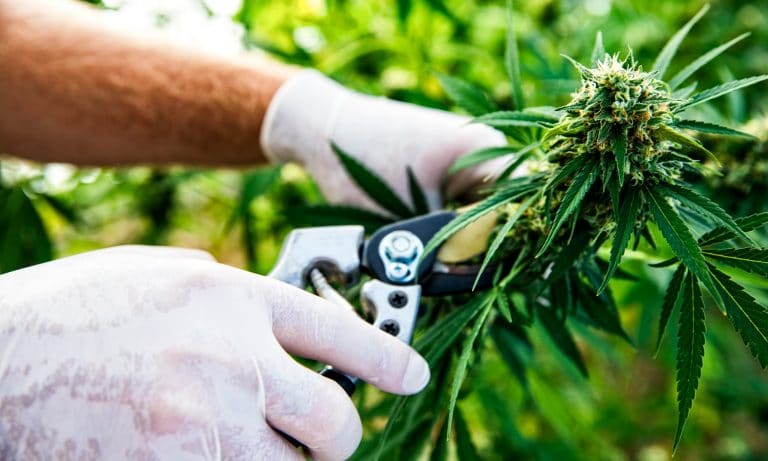
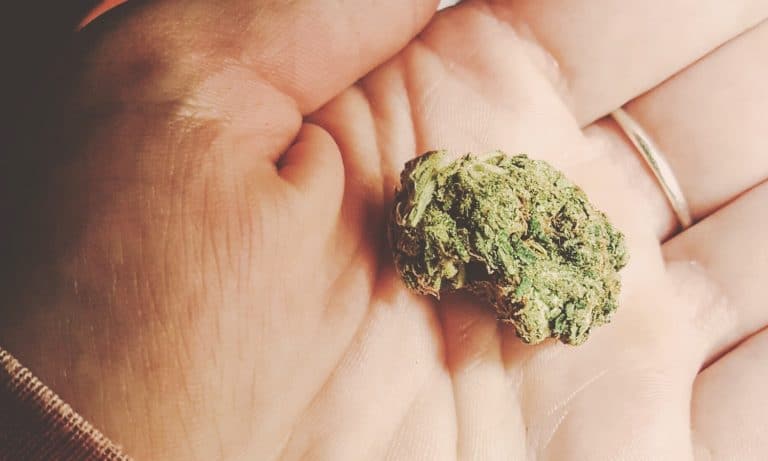
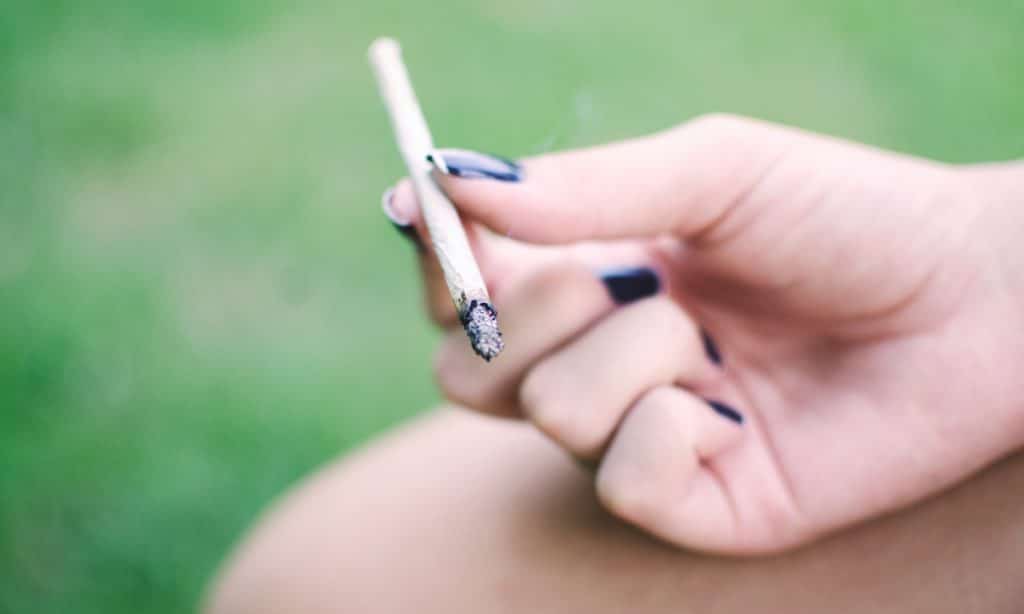
Interestingly, people who smoke cannabis regularly maintain stable body weights. Their BMIs are lower and they don’t have the age-related weight gain that we see in the rest of the population.
If using cannabis gives you the munchies then why aren’t cannabis users gaining weight and why have they been shown to have better gut health?
Keeping your weight under control as you age is difficult. The average person gains somewhere between one to seven pounds a year. After 20 years that’s a lot of extra weight to contend with, but interestingly, people who smoke cannabis regularly maintain stable body weights. Their BMIs are lower. They don’t have this obesity as they age that we see in the rest of the population. At least in large part.
We’re not sure why that is. It might just be because they can get dopamine, and serotonin, and gabapentin, and norepinephrine from things besides a cupcake but it might be more complicated than that.
Photos by: Roberto Valdivia via Unsplash, 377873 via rawpixel
GUT BACTERIA AND CANNABIS USE
The microbiome may actually be the culprit here. In mice, in the laboratory, that are exposed to THC one particular bacteria grows a little more than other bacteria. It’s akkermansia muciniphila. Akkermansia muciniphila is a gut bacteria that produces mucous. Mucous in the gut is critical to protecting the cells in the gut lining but there’s also a question that akkermansia muciniphila may impact the way extra calories are stored as fat.
Very early, very interesting research in a rat model but nevertheless you don’t have to worry that using chronic cannabis is going to make you gain a lot of unnecessary weight. The exact opposite may be true. The mechanisms will be cleared up soon.
Talking to your parents about cannabis doesn’t have to be completely awkward. Even if they were super strict and against pot 100% when you were young, it doesn’t mean that their minds haven’t opened up.
Before you start thinking you’re cool, remember this sobering fact: your parents were likely smoking weed long before you even knew how to say the word. Many Baby Boomers consider themselves former pot smokers, people who enjoyed toking before technology careers, and family all came into play.
Lots of Boomers were also unfortunately swayed with the 80s era “Just Say No” campaign and many were parents themselves when it hit. It’s one of the reasons after school specials clung to the pot topic and why parents and teachers started seeming like such squares.
But the tides have turned once again, and now most educational materials are rooted in the benefits of cannabis, not in scare tactics that helped fuel fear and a failed Drug War, which makes broaching the subject of cannabis with your aging parents all the easier. They’re bound to have heard at least some of the miraculous pot stories going around.
Photo by Darrin Harris Frisby/Drug Policy Alliance
Getting older has its perks: you’ve gleaned some wisdom, can choose eat ice cream for breakfast, and you’ve definitely learned what you like and how you like it. But it comes with some other stuff, too.
Aches and pains are at the top of the aging list for most people. Knees begin to pop and get sore more often, back muscles throb, it gets harder to fall and stay asleep, food goes down in flavor a little, sometimes having an empty nest can be lonely, and being set in your ways can also become a drag.
This is where cannabis and “the talk” come in. Talking to your parents about cannabis doesn’t have to be completely awkward. Even if they were super strict and against pot 100% when you were young, it doesn’t mean that their minds haven’t opened up. It’s hard to stay mad at a plant that’s been proven to be beneficial in so many ways.
Still, bring it up gently, without pressure and with a ton of information. Knowing the ins and outs of what you’re talking about will lend credibility to the argument that mom and/or dad should pick up the pipe/vape pen. Remind them that it’s impossible to overdose on pot, the biggest side effects are an appetite and the giggles and that aches and pains will melt away.
Speaking of which, starting with a topical may be the best way to broach the subject. There’s no chance of getting high from the topical — even if it’s activated with THC — and a good topical with responsibly sourced ingredients can work magical feats on sore spots. Of course, having a toke along with will enhance the effects and add its own medicinal properties, but go at whatever pace your parents are comfortable with and only join in if everyone is really ready.
The MLB and its players union have discussed the possibility of loosening its testing on marijuana, according to the LA Times
This March, John Coyles, the MLB vice president of drug, health and safety programs, sent a memo to players about marijuana. He warned major and minor players alike that CBD, much as any other cannabis substance, was banned for baseball players. Echoing what the PGA Tour told golfers earlier this year, he said using CBD could elicit a positive drug test for marijuana.
“Claims of CBD products being ‘THC free’ are false and misleading,” Coyles wrote in the memo. “We have seen multiple positive drug tests…in the past year for THC that appear to have resulted from the use of CBD products, despite the product labels.”
He isn’t wrong, by the way. Last month, Ellipse Analytics tested 250 top-selling CBD products and found THC in 45% of them. Among products that labeled itself “THC free,” 21% of them were detected for THC. While baseball players don’t sustain the level of injury and inflammation as football players, they still need effective and safe pain management tools. What constitutes as safe and effective is under review, the Los Angeles Times reports, following the death of Angels pitcher Tyler Skaggs.
Photo by Shidlovski/Getty Images
The toxicology report found that Skaggs had the opioids fentanyl and oxycodone when he died by choking on his vomit, as well as alcohol. Opioids and cannabis are listed as drugs of abuse under the MLB’s current policy. Though players undergo routine tests for performance-enhancing drugs, they don’t receive regular testing for drugs of abuse. But in the minors, players have stricter testing and this season 13 players were suspended after test revealed drugs of abuse in their system. However, 80% of those suspended were due to marijuana.
Now the MLB and its players union have discussed the possibility of loosening its testing on marijuana, according to the LA Times. What happened to Skaggs has also opened the possibility of teams testing players for opioid use (team doctors can’t prescribe players opioids). Currently the two sides are now discussing whether players could use cannabis following surgeries, or whether they could use it as general pain relief.
“The parties have discussed whether to loosen baseball’s restrictions on marijuana—not specifically as a trade-off for opioid testing, but as part of the annual review of the sport’s drug policy, according to three people familiar with the talks but not authorized to comment publicly on them,” reports the Times.
According to a new study funded by the National Institute of Justice, scientists found that legal cannabis had little to no effect on crime.
Now that 11 states have legalized recreational marijuana, researchers have begun analyzing what effects that has on a state’s crime rates. According to a new study funded by the National Institute of Justice, scientists found that legal cannabis had little to no effect on crime.
Published in Justice Quarterly, the study focused on the crime rates in Washington and Colorado post-legalization and compared them with states with harsher cannabis laws. To conduct the analysis, researchers used data from the FBI’s Uniform Crime Report from 1999 to 2016, which is compiled from local police agencies. According to the study, the rates of both violent and property crime in Washington and Colorado remained close to other state averages after 2014, the year both states’ marijuana programs went into full effect.
“In many ways, the legalization of cannabis constitutes a grand ongoing experiment into how a major public policy initiative does or does not accomplish its expected outcomes,” Ruibin Lu, the study’s lead author, said in a statement. “Given the likelihood of more states legalizing recreational marijuana, we felt it was important to apply robust empirical methods to parse out the effects of this action on crime in the first years after legalization.”
Photo by FatCamera/Getty Images
Earlier studies, the researchers argue, were not based on hard data produced over time. Instead, these studies relied on anecdotal evidence and numbers over a short period of time. The results of these studies have been used by politicians as proof that cannabis legalization, and the existence of dispensaries, increases violent crime. Like the Justice Quarterly study, other research has demonstrated the opposite.
In one study, researchers found that “adding a dispensary to a neighborhood (of 10,000 residents) decreases changes in crime by 19% relative to the average monthly crime rate in a census tract.” Furthermore, scientists have also reported that dispensary locations do not affect youth marijuana rates. Instead, a study published last year in Police Quarterly showed that clearance rates of violent crimes improved following marijuana legalization in Washington and Colorado.
That said, researchers of the Justice Quarterly study mentioned they could not determine the effect legal marijuana had on other crimes. For instance, crimes like driving under the influence of cannabis. Legalizing marijuana did not amount to the sky falling, but it remains an important public health conversation worthy of further research.
“As the nationwide debate about legalization, the federal classification of cannabis under the Controlled Substances Act, and the consequences of legalization for crime continues, it is essential to center that discussion on studies that use contextualized and robust research designs with as few limitations as possible,” said study co-author Dale W. Willits. “This is but one study and legalization of marijuana is still relatively new, but by replicating our findings, policymakers can answer the question of how legalization affects crime.”
A study looking into the history of marijuana and sex says that dosage plays an important role.
A lot has been written about marijuana’s influence on sex. The general consensus is that cannabis makes sex more intense and pleasurable, even if at times it makes it harder for people to focus. A new review says that a low dose of marijuana might improve people’s libidos, especially women’s.
“Several studies have evaluated the effects of marijuana on libido, and it seems that changes in desire may be dose dependent,” explain the authors of the review. “Studies support that lower doses improve desire but higher doses either lower desire or do not affect desire at all.”
The review surveyed 20 different studies published between 1970 and 2019. “We used the following search terms: ‘cannabinoids,’ ‘endocannabinoids,’ ‘marijuana,’ ‘cannabis,’ and ‘female sexual function’ or ‘sexual function’,” explain the authors.
The studies analyzed include 8 researches with animal subjects and 12 with human participants. The animal trials found that THC had an effect on female hamsters’ libidos. When they consumed THC, they were more likely to mate. The review also found that female hamsters who’d ingested too much THC weren’t as receptive to sex as those who’d consumed lower doses.
As to human studies, we’re still lacking researches conducted with human subjects, so most answers were obtained from questionnaires. Overall, women were more likely to report arousal when consuming marijuana. A study from 1974 said that 57.8 percent of female college students had higher sex drives due to cannabis. Only 39.9 of male participants reported the same. Another study said that women who consume cannabis before having sex were more likely to have pleasurable orgasms when compared to women who didn’t.
While marijuana’s exact role on sex remains unknown, reviews like this are important, re-contextualizing the information we have and guiding researchers for future studies. More and more data suggests that cannabis’ impact on sex is positive, especially when it comes to women.
A Scottish distillery released whiskey stuffed pods and Twitter can’t stop comparing them to Tide Pods.
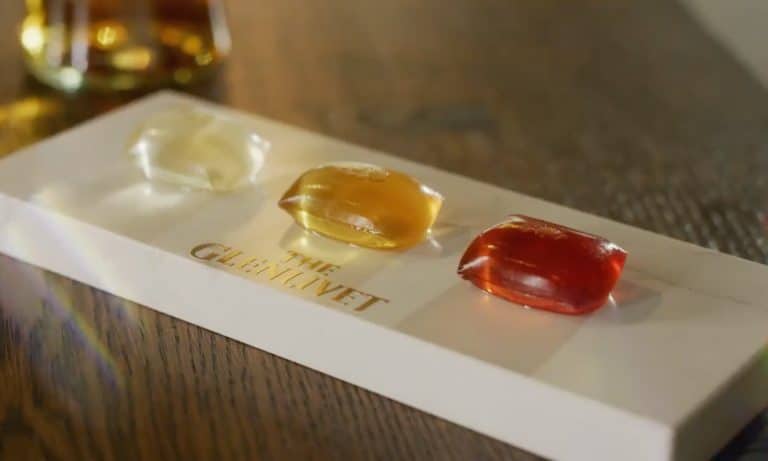
Remember when Tide Pods were considered a health hazard because of their delicious looks? Glenlivet, a Scottish distillery, is apparently still thinking about this, releasing a collection of whiskey-filled pods.
The Tide Pods scandal began as early as 2012, when the pods first entered the market. In the span of a year, over 7,000 cases of kids ingesting these yummy looking pods were reported to authorities. It wasn’t until 2017 that the Tide Pod craze boiled over, becoming a meme where teenagers on social media challenged the other to eat Tide Pods. That’s when Tide had to step in and announce that their pods were a health hazard.
Need to get your drink on at work?
Wanna sneak a little sumpin’ sumpin’ into your next restricted venue?
No worries!
And, you can ditch the flask!
People gon’ be sucking these down like Tide pods! https://t.co/xmiGLcAdKm
Two years later and Glenlivet introduces these capsules. “No ice, no stirrer, no glass,” is how their pods are advertised. Some journalists have compared the drinks to Gushers, ignoring the most glaring influence: delicious looking laundry detergent.
Exec 1: So, Millennials aren’t buying enough premium booze.
Exec 2: Maybe we don’t pay them eno—
Exec 3. Wait, what do millennials love to eat? Maybe there’s something
Exec 4 [[googles frantically]] it says… Tide Pods!
Exec 2 You’ve got to—
Exec 1: That’s it. Make it happen https://t.co/UxgQFqijfW
At last! An end to the tiresome drudge of holding a glass of a fine single malt, warming it in your hand, watching the light play on its deep amber and mahogany depths, enjoying the warm winter aroma rise up as you swirl it in your hand, savouring the taste on your lips. No more! https://t.co/nu59ap1FGj
A new virtual reality headset currently in development wants to determine if drivers are high on weed. Here’s how it works.
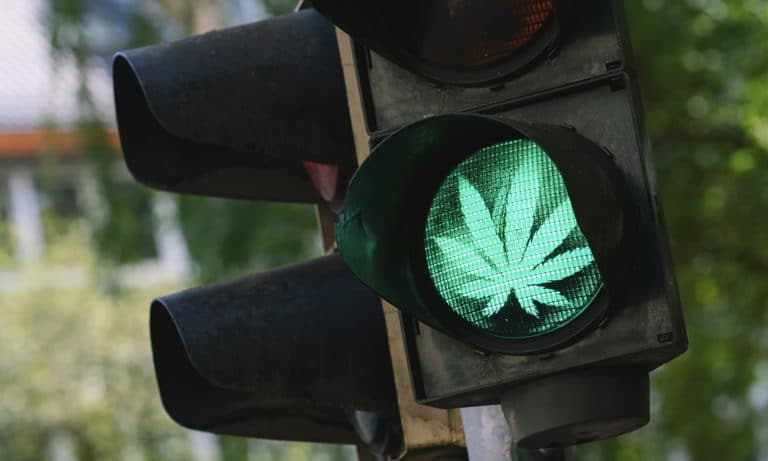
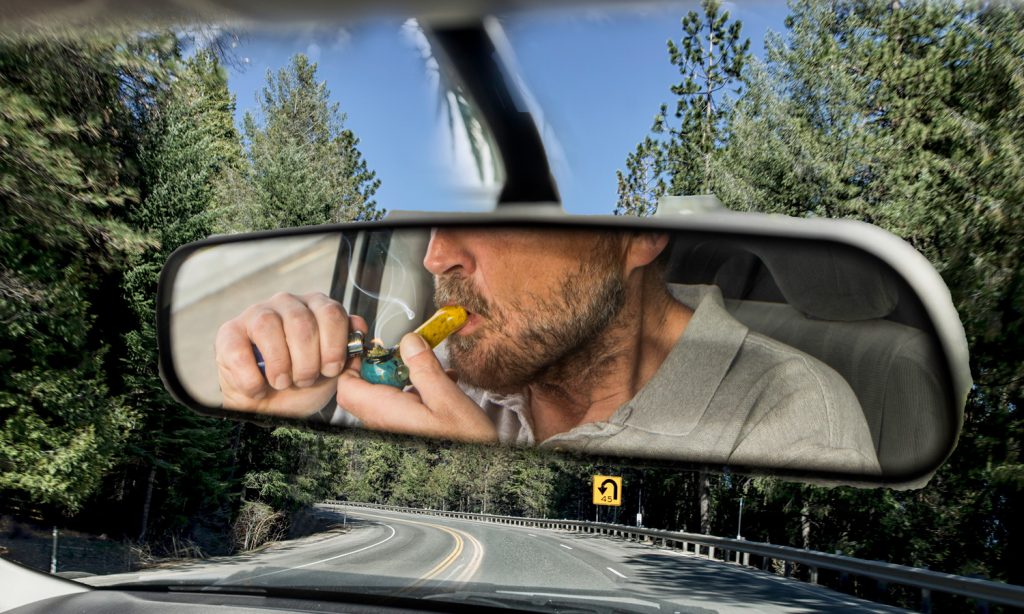
One of the concerns that people voiced with the legalization of marijuana was how to measure its influence on drivers. Like alcohol, marijuana produces an intoxicating effect that could impair people’s driving skills. IMMAD (which stands for Impairment Measurement Marijuana and Driving) is the first device that tries to determine if a driver has consumed marijuana.
According to the International Business Times, IMMAD uses a Samsung VR headset that tests the driver’s vision. According the lead developer Dr. Denise Valenti, vision is one of the first skills that is temporarily impaired when consuming marijuana.
The device flashes gray scale stripes of different frequencies around a small black dot. When the viewer sees a stripe, they press a Bluetooth button to record their response. Impaired subjects should see less stripes than subjects who haven’t been consuming marijuana.
“Marijuana causes temporary paralysis of the cell operating in the retina. So when you have certain neurologic deficit in your retina, you just can’t see the stripes,” said Valenti to American Inno. “If you can’t see, you can’t drive.”
Although it the IMMAD device sounds promising, before it’s introduced to police officers it must first pass some legal hurdles. While the device is in development, the necessary tests that determine its effectiveness — like the ones conducted on subjects under the influence of marijuana — are banned under Massachussetts law. Another factor that researchers must be sure of is that IMMAD measures the influence of marijuana and nothing else, that way no other variables can trigger a false positive.
Like most things marijuana, there’s still a long way to go before substantial change is made.
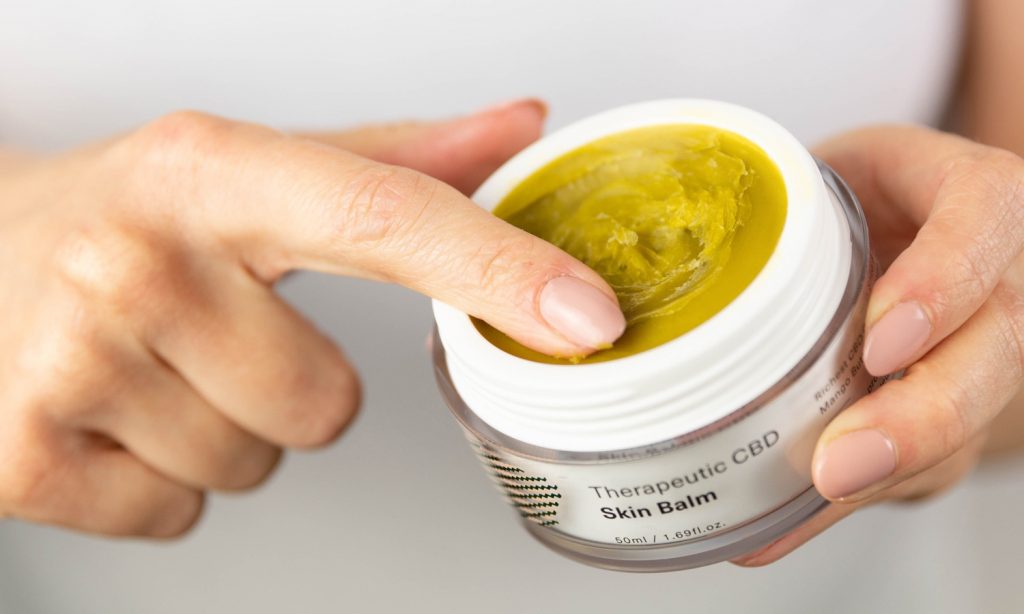
The demand for topical cannabis products has risen in the U.S., especially products that contain only cannabidiol (CBD). But what, exactly, does it do for skincare?
Topical cannabis products are ideal for localized relief, and in recent years, sales of these products have significantly grown. Specifically, topical cannabis product sales in Colorado, Oregon, and Washington increased from $14.2 million in 2015 to $26.39 million the next year. Since then, the demand for topical cannabis products has risen in the U.S., especially products that contain only cannabidiol (CBD). What’s the purpose and functionality of CBD’s presence in skincare products though?
Reasons For CBD’s Presence In Topical Cannabis Products
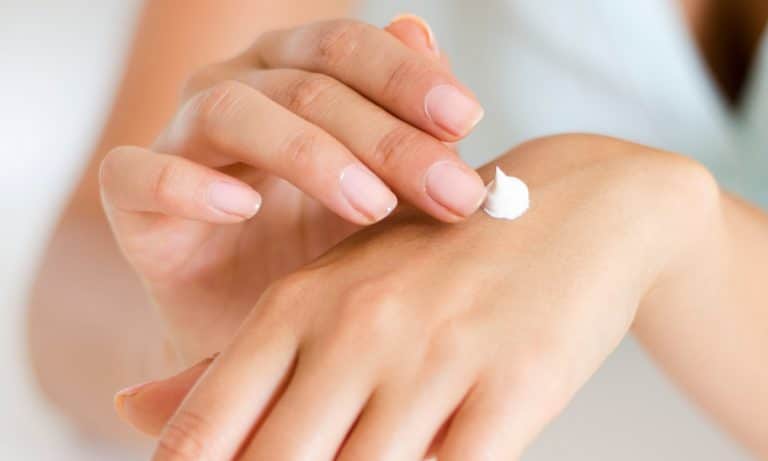
Due to CBD’s plethora of medicinal properties, more people are interested in trying forms of it, especially topical products like lotions, creams, oils, salves, and balms. To achieve localized relief, it’s common for cannabis users to administer topical CBD products to the areas of their body that need the most help. Fortunately, since CBD is non-psychoactive, it can be consumed or applied at anytime during the day or evening without worrying about feeling cerebrally high after usage.
So far, CBD is present in countless skincare creams, serums, oils, and gels with the intention of moisturizing the body’s skin, relieving pain caused by different skin disorders, smoothing out wrinkles, and preventing breakouts and acne. How does this cannabinoid really work in skincare products though, and is it truly effective? One board-certified dermatologist, Jeanette Jacknin who specializes in topical cannabinoids used in different skincare products expressed that several studies have discovered CBD’s impact on the body’s endocannabinoid system, which results in the skin often looking rejuvenated and youthful. The study that Jacknin referred to was one that focused on visible signs of aging in mice in which it was found that CBD could effectively slow down the aging process.
Furthermore, Tamás Bíró—professor, department chair of Immunology at the University of Debrecen in Hungary, and director of applied research at Phytecs shared his knowledge on CBD’s value, especially regarding the treatment of skin issues. Bíró mentioned that CBD possesses anti-inflammatory properties, which can be useful in treating conditions like psoriasis, eczema, and acne. Bíró then conducted cell model research in which it was found that CBD inhibited sebum production while also normalizing overactive sebaceous gland cells, which is known as one major cause of acne. Thus, there’s a significant potential in CBD not only treating various skin disorders but also relieving inflamed and dry skin and preventing acne.
The Growth Of Mislabeled Online CBD Products
Now, let’s touch on the growing issue of mislabeled online CBD products. According to a Journal of the American Medical Association study, it was discovered that there’s an extensive amount of mislabeled online CBD products. Bíró expressed the following about this matter, “…at this moment, CBD and marijuana products are totally unregulated and the ingredients in the jar don’t have to be the same as on the packaging because no one is checking.”
Generally, the most effective ways to find the best Cannabidiol companies on the market is to contact the company and inquire about the steps they take to ensure that their products are consistent and accurate to what’s displayed on their label. These companies should willingly release their up-to-date product’s test results. To avoid the time-consuming process of finding credible CBD products, several CBD-based skincare products are listed below thanks to recommendations from different experts within this cannabis sector.
Effective & Credible CBD Skincare Products
Charlotte’s Web Hemp Infused Cream: Natural Partners is one company that upon request is willing to provide an analysis certificate of any product that’s sold. Natural Partners sell CBD products including Charlotte’s Web body cream that includes Vitamin B, Aloe Vera, and shea butter to help soothe, relieve, and heal inflamed skin. Also, the production of Charlotte’s Web products follows the FDA’s good manufacturing practice guidelines to ensure that they produce safe yet high-quality products.
Myaderm CBD Blemish Control: Myaderm’s products aren’t only formulated by pharmacists, but Myaderm also undergo tests and attains results from Botanacor labs to ensure that each batch of CBD products are pure.
Cannuka CBD Calming Eye Balm: Cannuka uses a mixture of hemp-derived CBD isolate, manuka honey, and Vitamin E to deliver moisture and brightness to the skin near the eyes. The CBD isolate that’s used is tested by Botanacor, and in previous tests, it was found that the products are 99.7 percent pure, and they contain zero impurities.
https://www.instagram.com/p/B2_gEfrDtc7/
Vertly CBD Infused Lip Balm: Vertly’s lip balm not only relives dry and chapped lips, but it moisturizes them and delivers anti-inflammatory properties. Vertly’s CBD is also extensively tested throughout the production stage by starting at the hemp farm and then when CBD is added into the product. Additionally, Vertly is partnered with Credo, a natural beauty store/spa that follows strict standards for the products they stock. Thus, Vertly’s products are held to the same standards.
CBD Skincare Co.Body Bar: These CBD body bars soothe dry and itchy skin while softening it after usage. According to Scott Rushton, a founding partner of The CBD Skincare Co., the following was stated about product testing: “We have a certificate of analysis that each soap actually contains what we say is in it.” The company even adheres to third-party SC Labs testing to confirm the CBD oil’s purity.
https://www.instagram.com/p/BxgFI9pgNpq/
Overall, although there are numerous online CBD skincare products available, it’s crucial to find ones that undergo testing to ensure that they’re safe, pure, and high-quality. Next time you have a breakout, experience dry skin, or a skin issue of yours flares up, don’t worry because CBD can help in more ways than you could imagine.
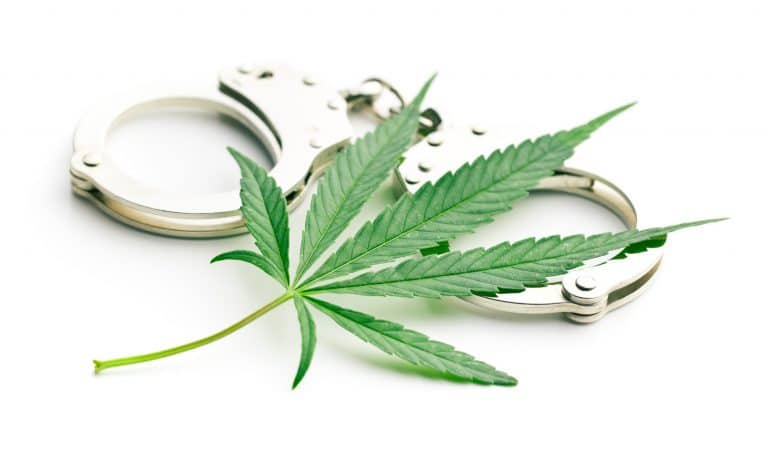
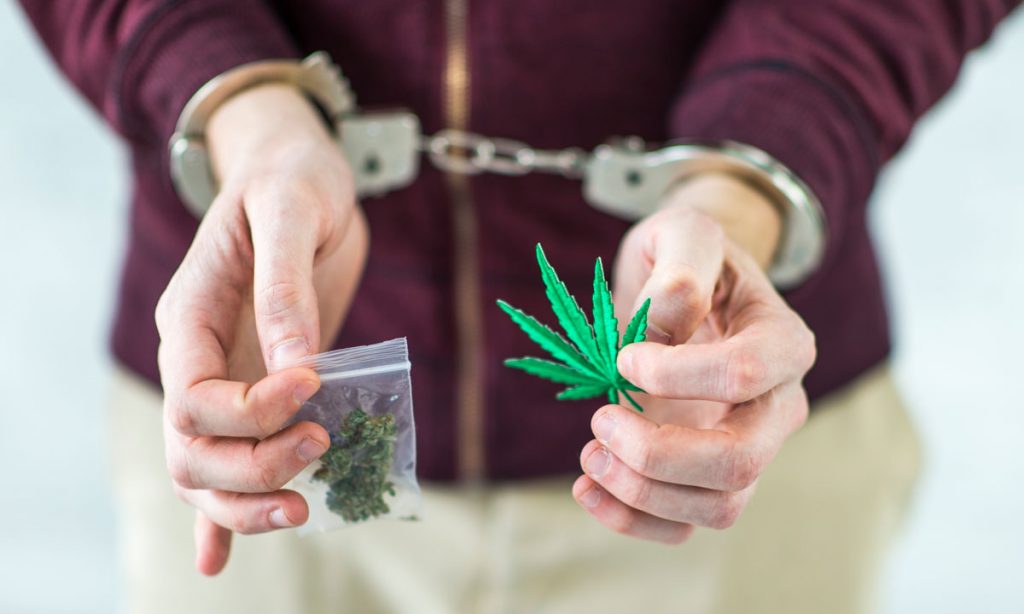
Despite marijuana legalization in 11 states and widespread decriminalization, police still focus on arresting Americans for cannabis possession.
A new crime report produced by the FBI’s Uniform Crime Reporting Program found there were 663,367 marijuana arrests in the United States last year. That amounts to one cannabis arrest every 48 seconds. More alarming, however, is that the FBI’s data shows the marijuana arrests have increasing each year for the past three consecutive years. There were 663,367 cannabis-related arrests in 2017, an increase from 653,249 arrests in 2016.
The data was compiled by the FBI after local police agencies shared their crime data with the federal agency. The numbers reported that more than 90% of these marijuana-related arrests were for possession alone. Furthermore, cannabis arrests outnumbered arrests for burglary, sexual assault, arson, fraud, and disorderly conduct.
“Despite cannabis being decriminalized in over half of the country, a growing number of states enacting laws to legalize adult-use and medical cannabis, and the reality that two-thirds of Americans support legalization, cannabis arrests continue to rise,” Steve Hawkins, the executive director for the Marijuana Policy Project, told The Fresh Toast. “This new arrest data is a stark reminder that cannabis prohibition is far from over.”
Photo by FatCamera/Getty Images
Hawkins noted that focus on marijuana arrests distract police nationwide from focusing on more serious crimes. The same FBI data reported that only 62% of murders, 33% of rapes, 30% of robberies, and 53% of aggravated assaults were cleared nationwide in 2018. A study published in Policy Quarterly last year demonstrated that clearance rates for violent crimes increased following marijuana legalization in both Washington and Colorado. Clearance rates for property crimes also rose in these states, while declining nationwide.
“Moreover, in the absence of other compelling explanations, the current evidence suggests that legalization produced some demonstrable and persistent benefit in clearance rates, benefits we believe are associated with the marijuana legalization proponents’ prediction that legalization would positively influence police performance,” researchers said.
As advocates like Hawkins emphasized, marijuana legalization impacts society in ways beneficial beyond eliminating negative impact from the War on Drugs. If nothing else, it allows police to focus on solving more important matters than prosecution marijuana possession.
“There are many reasons to support replacing prohibition with regulation, but as additional data from the new FBI report illustrates, arresting cannabis offenders prevents police from focusing on real crime,” Hawkins said.
It’s no fun having a syndrome that makes what you’re used to doing either impossible or limited, but there is relief to be had.
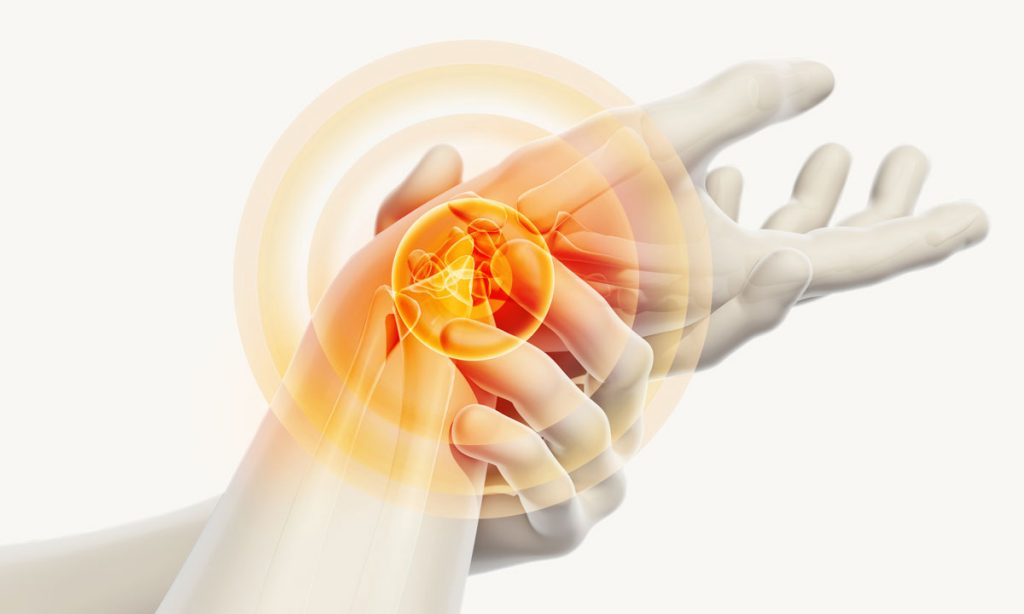
Certain people in the cannabis business are more prone to carpal tunnel syndrome than others who work in the industry. Just like professions that require their workers to type, cook, or use a cash register all day, marijuana trimmers suffer due to the detailed, repetitive nature of their work.
The carpal tunnel is a thin tube in your wrist, pretty much from elbow to palm of the hand, that houses the median nerve, which becomes inflamed when the syndrome kicks in. Fortunately, cannabis is here to save the day yet again.
The NSAIDs or corticosteroids that are commonly used to treat the pain associated with carpal tunnel have side effects that range from weight gain and easy bruising to osteoporosis. On the other hand (no pun intended) cannabis’ side effects are short term and include an increase in appetite, dry mouth and the potential for giggles. CBD has no side effects at all. However, depending on the severity of your carpal tunnel, you still may need to wear a splint to bed in order to combat the numb, tingling feelings.
Photo by yodiyim/Getty Images
Another problem with using the anti-inflammatories like NSAIDs and steroids is that your body builds up a tolerance to them over time. This can lead to stronger painkillers, more discomfort and an increased moodiness. Cannabis is a known anti-inflammatory and though you may build up a tolerance if you’ve never tried it before, it evens out pretty quickly. Let’s say in a matter of weeks, though it certainly varies from person to person.
Cannabis is a natural remedy for inflammation in soft tissues, for nerve damage and for joint pain—all associated with carpal tunnel syndrome. It makes the most sense to use a substance that’s able to relieve the three symptoms of carpal tunnel and that has additional benefits like mood elevation and the alleviation of other aches and pains. If you’re using a topical cannabis product, however, it will be non-psychoactive, but it will work wonders.
THC or CBD Topicals are the best bet for workers who fear drug testing and the products work even better in conjunction with CBD tincture, gummies and/or vape pens. If you’re able to get a bit lifted, though, using an edible or smoking/vaping a good strain for pain, like Girl Scout Cookies, will provide deeper relief.
It’s no fun having a syndrome that makes what you’re used to doing either impossible or limited, but there is relief to be had. Incorporating cannabis into your wellness regime may be the difference between a good day and a bad one, a good night’s rest or an awkward tossing and turning to keep your wrists in position. Cannabis is an excellent medicine, especially when it comes to inflammation, and its potential to help mitigate carpal tunnel syndrome is no small miracle.