Tuesday, December 23, 2025
Home Blog Page 768

Terpenes In Cannabis And Their Impact On Health

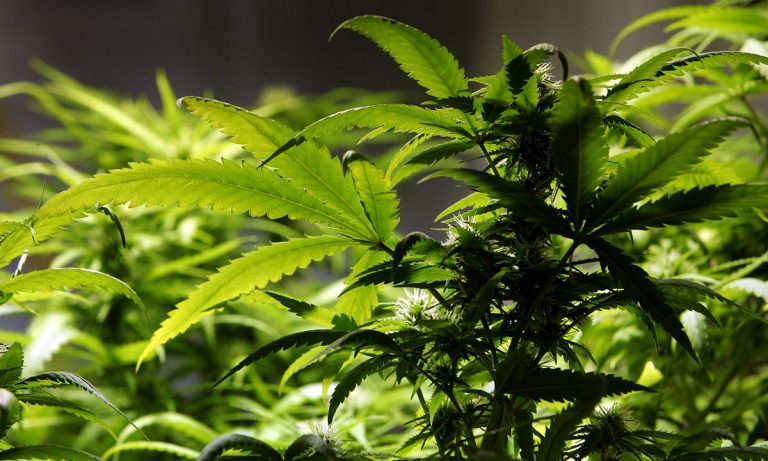
Eucalyptus, pine, lemon, lavender, and cannabis all have very unique aromas. When was the last time you smelled these scents? Regardless of when it was, it’s important to understand that each aroma serves a special purpose. Specifically, they’re all potent molecules known as terpenoids or terpenes for short that are responsible for the scents of different plants, flowers, and trees. Not only do these terpenes contain powerful fragrances, they also contain various medicinal and therapeutic effects. Here is insight on terpenes in cannabis and their impact on health.

In the past, people consumed numerous terpenes to help improve their health. Fortunately for cannabis consumers, over 200 terpenes have been identified in the cannabis plant. Although cannabis is medically, therapeutically, and nutritionally beneficial, the presence of various terpenes in cannabis can positively improve users’ well-being and emotional state of mind to another level. How so? Keep reading to find out and to learn more about terpenes’ vast array of benefits.

The Basics of Terpenoids (Terpenes) & the Most Recognized Cannabis Terpenes

Terpenes are known as potent plant compounds that are the cause for the aromas of numerous plants, flowers, and trees growing wild in nature including the cannabis plant. According to the ‘Generally Recognized as Safe Agency’ by the U.S. FDA, terpenes are responsible for various flavors too, and they share an ancestor with Phyto-cannabinoids. Amongst terpenes are different groupings such as monoterpenes, diterpenes, and sesquiterpenes. All these types can impact both animal and human behavior after inhalation though, and from there, therapeutic and medicinal benefits are often delivered.

Overall, terpenes form the biggest category of plant chemicals, and according to one study, 15-20,000 terpenes have been identified and categorized. Also, the majority of terpenes that have been discovered and reported thus far are classified as safe and non-toxic by the U.S. FDA. In several countries, surprisingly, terpenes are present in different cosmetic and cleaning products and as food additives.

So far, various researchers have described terpenes as being versatile and containing a pharmacological significance. These plant chemicals also form the foundation of aromatherapy—a highly recognized holistic healing method. Aromatherapy has its own set of benefits, but when the aromas of different terpenes are inhaled, individuals can experience an improvement in their emotional well-being.

According to Dr. Ethan Russo, an expert in cannabis synergy and the entourage effect, there are many therapeutic characteristics of terpenes, and they’re healthy for humans and plants. Which terpenes are the most commonly ones found in the cannabis plant though? A handful of the most well-known cannabis terpenes include limonene, β-Myrcene, linalool, nerolidol, caryophyllene oxide, pinene, and β-caryophyllene.

Therapeutic and Medicinal Benefits of Cannabis Terpenes

In addition, although over 200 terpenes have been identified in the cannabis plant, only a handful are significant enough to be categorized as noteworthy. Besides terpenes being responsible for the aromas and flavors of cannabis strains and various medicinal and therapeutic benefits, they also contain potent oils that work to deter bugs and animal grazers while also helping prevent fungus from growing.

As most of you probably know, cannabis itself can significantly help treat various medical conditions and diseases while improving one’s well-being. However, the addition of different terpenes can help improve a users’ mental and emotional state of being that takes them to another level. Below is a breakdown of some benefits of various cannabis terpenes and where they’re commonly found besides in cannabis.

Pinene:

Limonene:

  • In nature, it’s the second most commonly found terpene
  • Based on findings from a mice experiment, limonene is believed to be a powerful anxiolytic agent
  • Contains motor relaxant effects
  • Creates apoptosis of breast cancer cells
  • In the past, a patent was proposed that represents limonene as a terpene that can help treat GERD (Gastroesophageal Reflux Disorder)
  • Bio-available and quickly metabolized
  • Known for its mood-enhancing/uplifting effects
  • Commonly found in citrus fruits like orange peels, lemon peels, and peppermint

β-Myrcene:

  • In mice, it was discovered that β-Myrcene delivers analgesic effects and muscle relaxing properties
  • Found to reduce inflammation
  • According to findings from a mice study, β-Myrcene contains motor relaxant effects
  • Commonly found in basil, thyme, hops, lemongrass, and mangoes

Linalool:

Nerolidol:

β-caryophyllene:

  • Known for its gastro-protective properties
  • It’s believed that it can help treat auto-immune disorders and anti-inflammatory conditions
  • Binds to the CB2 cannabinoid receptor
  • The only terpene that has been found to directly activate a cannabinoid receptor
  • One study found that it can potentially help treat Alzheimer’s Disease
  • Contains anti-cancer properties thus impacting the growth and spreading of cancerous cells
  • Contains anti-inflammatory, analgesic, antioxidant, and gastric cytoprotective effects
  • Commonly found in black pepper, basil, oregano, and green leafy veggies

Caryophyllene oxide:

Due to the findings that have been released thus far and the non-toxic and non-sensitizing make-up of various terpenes and cannabinoids like CBD, it was projected that a combination of CBD-dominant extracts and terpenes could be used as a novel therapy for acne while also delivering powerful therapeutic effects. In general, though, numerous cannabinoids and terpenes can do the following: increase blood flow, improve cortical activity, and help kill respiratory pathogens such as MRSA. So far, different studies have shown terpenes’ efficacy in delivering physical, mental, and emotional health benefits thus indicating that numerous people can benefit from terpene usage.

Regardless of why you use cannabis, next time you visit a dispensary, try purchasing a cannabis strain that contains high quantities of terpenes. Out of all available cannabis products, it’s recommended to purchase an infused tincture, cannabis oil, or a vape cartridge that contains various terpenes and cannabinoids. This way, you benefit from the ‘entourage effect’ while avoiding the negatives that come from combusted cannabis.

To reap the many benefits of terpenes aside from consuming cannabis though, try using essential oils like lemon, peppermint, eucalyptus, or lavender and see how they help improve your well-being!

How The ‘Serial’ Podcast Changed Marijuana Crime Laws In Ohio

First the sultry voice of host Sarah Koenig and rigorous reporting of the hit podcast Serial gave the subject of its first season, Adnan Syed, a new trial and chance for justice. With its third season, Serial addedto its criminal justice résumé by changing the marijuana laws in Ohio.

The focus of an episode in Serial’s third season was a police brutality case in Euclid, Ohio that seemingly originated with a marijuana possession. The show spotlighted how Euclid has some of the harshest marijuana possession laws in Cuyahoga County. Only the municipalities of Euclid and Bedford Heights in the county didn’t fall in line with Ohio state law, which considers less than 100 grams of cannabis a minor misdemeanor.

In Euclid, however, it was considered a first-degree misdemeanor with a punishable fine up to $1,000 and six months in jail.

“A lot of times people don’t realize—they think that with a lot of municipalities being a little more lenient, that it also applies to Euclid. And it did not,” Councilwoman Stephana Caviness told Ideastream. “And maybe that causes incidents to occur that we could sometimes avoid.”

But after discussing the podcast amongst each other, Euclid City Council voted unanimously (8-0) to decriminalize cannabis possession. Now, those caught with less than 100 grams of cannabis will face a minor misdemeanor with a maximum fine of $150.

“We said, we need at least to align ourselves with Ohio Revised Code and align ourselves with the other municipalities in Cuyahoga County. And that’s how it all began,” Caviness said. “So it began with the Serial podcast.”

The episode in question profiled Emirius Spencer, who was savagely beaten by two Euclid police officers, one of which was later identified as a problematic officer most prone to violence in the department. Spencer was attacked by the officers in his apartment complex after they discovered a single blunt on his person. According to CleveScene.com, he’d been knocking on a neighbor’s door hoping to snag a cigarette at the time.

In addition, Serial demonstrated how local officers and prosecutors will “script” testimony together, providing airtight defense to protect themselves, regardless of the constitutional violations.

Sen. Cory Gardner Says ‘Votes Are There’ For Legal Marijuana, But Senate Leadership Crushes His Dreams

U.S. Senator Cory Gardner expressed confidence earlier this week when discussing how “the votes are there” for getting a major marijuana reform bill pushed through the upper chamber. But he was soon shown that Capitol Hill just isn’t quite ready to embrace change.

On Monday, Gardner told Bloomberg that a bill he was co-sponsoring called the STATES Act, which would allow states to legalize marijuana without the threat of federal interference, had the support it needed to make its way through the Senate as an amendment to a more extensive criminal justice bill known as “The First Step Act.”

“The votes are there,” Gardner told the news source.

The STATES Act was the highly publicized bill of 2018 – the piece of marijuana legislation lawmakers felt they could get pushed through Congress because it didn’t force them actually to legalize the leaf at the federal level.

Instead, it was designed to amend the Controlled Substances Act in such a way that states that legalized marijuana could operate without federal intrusion. It would have increased access to banking services and other aspects of everyday commerce that the cannabis industry is sometimes forced to do without.

Unfortunately, the bill just never managed to gain any traction. This is typical with marijuana legislation on the Hill.

President Trump said earlier this year that if the STATES Act happened to slide across his desk, he would “probably” sign it.

It is for this reason that Gardner decided to downgrade the bill to an amendment. He told the Denver Post this was “by far and away the best shot” to get it pushed through. “I can’t think of a more appropriate piece of legislation than this bill to try as an amendment to,” he said adding that “the president supports this legislation, and in its purest form [the STATES Act] is sentencing reform.”

However, the lawmaker didn’t count on Senator Charles Grassley stepping in to block it from a vote, calling it a “backdoor to legalization.” Even though 10 states and the District of Columbia have legalized marijuana for recreational purposes, Grassley said on Tuesday the amendment was “inconsistent with current federal law and allows states the right to break existing law.” Grassley also made comments suggesting now just wasn’t the time for the marijuana discussion.

There is hope that the STATES Act (or some other farther-reaching bill) will find new life in 2019. The Democrats will have majority control in the U.S. House of Representative, which may give marijuana reform a chance to move forward. The Senate, however, is not likely to change its stance on this issue – not without a fight. But lawmakers like U.S. Representative Earl Blumenauer feel that Senate support on nationwide marijuana legalization could be gained once the issue starts taking off in the lower chamber. Some say 2019 could be the biggest year yet for this issue.

Canada Can Combat Marijuana’s Black Market By Following California’s Lead

Canada’s grey market might be collapsing, but it seems that as long as citizens have cell phones, they have access to many impressive products not available in the legal market.

If you’re to believe the Canadian government, legalizing recreational weed is mostly about eradicating the black market, estimated by Bill Blair, Canada’s Border Security and Organized Crime Reduction Minister, to be a $6 to $8 billion industry. Prime Minister Justin Trudeau says the biggest challenge associated with the legalization of cannabis has been the supply shortage but Maxim Zavet, the founder of Canadian licenced producer (LP) Emblem, feels that it’s something more personal to the consumer.

Having just come off of a weekend at the Emerald Cup, Northern California’s premier trade show and cannabis culture festival, Zavet says he’s impressed by the quality of products coming out of the surrounding mountains that make up the Emerald Triangle, much of which wouldn’t be allowed in the current Canadian legalization regime.

Canada's Ultimate Travel Safety Guide For Weed Lovers
Photo by Matthew Henry via Unsplash

California growers are known for their investment in science, their experimentation with different grow mediums and environments, as well as their focus on the plant first. This part of Northern California is the largest cannabis-producing region in the United States, and what grows there is a protected commodity. Just like Parma’s claim on Parmigiano Reggiano, when it comes to Emerald Triangle, quello vero è uno solo—the real one is the only one.

“The brands (in California) have been working at their craft for a while right and really put in a lot of blood and sweat and tears into what they’re doing and now they’re finally emerging whereas in Canada you know it was money first, big corporations getting in, having lots of money to develop these facilities but they’re not resonating with the marketplace and have no brand equity with the marketplace. It’s amazing that being an issue today because people are still choosing the illicit markets over the legal market.”

After spending a week sharing reviews, trusted cannabis connoisseur and longtime grower Travis Lane summarized his experience with various LP cannabis offerings by tweeting, “So, I doubt I will be buying much more legal cannabis anytime soon. I am glad I tried as much as I did. Yeah, most was way below standard, but there is always room to improve.”

Canada’s grey market might be collapsing, but it seems that as long as citizens have cell phones, they have access to many impressive products not available in the legal market, from better buds to concentrates of every consistency and potency. (And edibles!)

As the founder of a publicly-traded medical cannabis LP, Zavet has the been-there-done-that industry background with all the senses of a connoisseur, and he’s sure that California, from grower to consumer, has the best approach. So much so, that he’s bringing a piece of the California industry to Canada. His latest venture, Robes, seeks to imprint on consumers that “you are what you smoke,” priming them for products that, presumably, embody excellent quality. Because who wants to “be” anything less than that?

Artisan producers like Robes are steadily waiting for their turn to enter the legal market. Until now, it’s only been Canada’s LPs in a craze of deal making and greenhouse construction. The micro licenses, meant for smaller, craft cannabis farming (under Health Canada regulations, that means a plant canopy of 200 square metres) are allowed to bring “black market” genetics (i.e., plants and plant seeds) into a facility prior to licensing. As long as that plant is at the producer’s facility from day one, those genetics can enter the Canadian legal cannabis framework.

It’s a unique chance for companies like Robes to choose, and even create, genetics from outside of Canada—California, even—that can set brands apart and help them survive a market full of giants.

Ariana Grande’s Upside-Down Christmas Tree Is The Perfect End To Her Year; Katie Holmes Rings In Her 40th Birthday With Jamie Foxx

0

Ariana Grande’s Upside-Down Christmas Tree Is The Perfect End To Her Year

If your 2018 has been more tumultuous than Ariana Grande’s, then ― first things first ― our sincerest apologies. But take solace in knowing that 2018 is mercifully drawing to a close.

The “thank u, next” singer appears to be taking a tough year in stride, turning a Christmas tree upside-down as a nod to her triumphs and struggles over the last 12 months.

In one photo apparently taken from inside the pop star’s New York City apartment, a Christmas tree is suspended from the ceiling, lights and all with her brother Frankie seated on the floor.

“waiting for santa,” he wrote in his sister’s signature upside down text.

https://www.instagram.com/p/Brgf3_mFcBm/?utm_source=ig_embed

STILL GOING …. Katie Holmes rang in her birthday with a little help from Jamie Foxx

The actress, who turned 40 on Tuesday, and the 51-year-old actor arrived at Serendipity in New York City for a celebratory dinner.

Holmes wore a colorful full-length cardigan sweater, a gray T-shirt, Gucci loafers and blue jeans while Foxx wore a patterned coat, ripped jeans and white sneakers.

The two actors have had a busy schedule in the last few months but have made efforts to see each other regularly.

Prince Charles’ biographer believes the Duchess of Sussex is “playing a dangerous game”

Prince Charles’ biographer, Robert Jobson, believes the Duchess of Sussex is “playing a dangerous game” and thinks Meghan should make attempts to reach out to her father.

Robert Jobson – author of Charles at Seventy: Thoughts, Hopes and Dreams – thinks Meghan will “regret not making contact”.

“I believe Meghan is playing a dangerous game,” he told the Express. “When you still have both parents alive you have no idea what it will be like living without one or both.”

These People Think Santa Should Be Gender Neutral And Carry An iPhone

Following the footsteps of KFC and McDonalds, some people want Santa to be more gender inclusive. Like the heroic companies aforementioned (one converted the Colonel into a woman and the other swapped their “M” logo to a “W” for an entire day), a small group of progressives now wants Santa to be able to represent 51-percent of the world’s population.

The survey, conducted by GraphicSprings, asked people what would the modern Santa look like and how would he be rebranded for today’s audiences. The final results depict a guy who ditched the old boring Santa clothes and is now a total hipster, complete with tattoos and skinny jeans.

The new Santa would also have an iPhone, a beanie, and an Amazon Prime subscription, because reindeer are no longer required when there’s a service that brings you presents on demand. In this instance, Santa would travel from home to home on a hoverboard? Are those even used anymore.

Twenty-seven percent of respondents also claimed that they’d like the new Santa to be a woman or to at least be gender neutral, which is sweet. Most voters thought it’d be cooler if Santa just rocked a white goatee instead, because Santa as a woman requires an excess of mental gymnastics.

The survey answers were provided by 400 participants between the ages of 18 and 25. Over 4,000 people in the U.K. and U.S. were consulted when devising these suggestions.

5 Gift Wrapping Styles And What They Reveal About Your Personality

As Christmas rounds the corner, many of us will be scrambling to get our presents wrapped in time. And whether your style is to stick gifts in a plastic shopping bag or create a Pinterest wonderland of bows and homemade paper that would impress Santa, the way you wrap your gifts can reveal a lot about your personality.

LittleThings compiled a list of 10 wrapping styles that uncover more than just a lovely gift for the holidays. Here are 5 of the most common.

Perfectionist

If people can pick your gifts out of a lineup because they’re always so beautiful and perfect, according to LittleThings:

“You’re very ambitious, but even though you’re career-oriented, you always make sure to find time for your friends and family. You’re a born leader, and people know they can always count on you for helpful advice.”

https://giphy.com/gifs/evite-bow-present-1xo9AKS4eeBJENaRAn

Messy 

If  your presents can be spotted in a lineup because they’re incredibly messy, as if you were in a hurry and just threw some tape at the problem, you’re probably passionate and family-oriented. Says LittleThings:

“People know that you’re energetic and playful, and your friends can always count on you for a good time. Sure, you might have your head in the clouds sometimes, but it keeps you on your toes.”

https://giphy.com/gifs/rX7xJWaDc0JwI

Au Natural

If you have a tendency to not wrap a gift at all, instead preferring to use whatever “gift wrapping” came with the present (plastic bag, grocery bag, department store bag), there’s a good chance you are optimistic.

“You’re laid-back, humble, and you can always find a silver lining in any situation. You don’t really care about appearances and you know it’s what’s inside that counts.”

https://giphy.com/gifs/daenerys-targaryen-tyrion-lannister-stormborn-lz0fR8nwQfbq

Crafty

If you love nothing more than making your own wrapping paper and other decorative accoutrement, you’re obviously crafty. But also, according to LittleThings:

“You’re a pretty busy person, but you actually thrive on being a little stressed out. No matter what you’re working on, you always give it your all.”

https://giphy.com/gifs/evenonsunday-christmas-gift-l3vR0Nr2KMFHfmlva

Gift Bag

If you would rather stick something in a gift bag instead of wrapping it, you’re down to earth.

“You can relate to everyone and you become fast friends with each person you meet. Being the center of attention doesn’t scare you; in fact, you like being the life of the party.”

https://giphy.com/gifs/snl-saturday-night-live-holiday-l2JhEuKn5orBqAlt6

Is It Unethical To Give Your Cat Catnip?

0

As the Christmas season gets underway, thoughts turn to buying gifts for the entire family. For some, companion animals are on the gift list, particularly cats and dogs who share our homes and hearts.

Whether they’ve been naughty or nice matters not, as the more than US$1 billion pet toy industry has everything from the whimsical to practical to keep Fluffy and Spot occupied and caretakers entertained. Many of the go-to items for cats contain catnip.

This herb, which goes by the botanical name of Nepeta cataria, induces changes in cat behavior. In my view, it’s worth considering whether giving a mood-altering substance to a pet is ethical.

Kitty crack?

Catnip is sold in small packets and toys as well as in highly concentrated forms such as oils and sprays. The concentrated forms are different from its availability in nature. If a cat were to encounter catnip in the wild, it would be in the form of leafy greens growing on plants, not concentrated.

Not all cats are affected by the drug, but for some it can have a five- to 15-minute marijuana- kind of effect.

About 30 percent do not respond at all – which means 70 percent do – and it doesn’t have an impact on kittens until they are about 6 months old, the time they attain sexual maturity.

When under the influence, some cats roll around, salivate, and at times, fight with other cats. It is not clear if there are any medicinal benefits. Cat owners often laugh at this behavior of their feline friends as being “high.”

Babes and beasts

As an animal media studies scholar, I argue laughing at a cat who has been given a drug even if they seem happy should raise questions about human power and animal autonomy.

Several philosophers have made an argument for giving the same moral consideration to animals as we would give to humans. Philosopher Jan Narveson, for example, asked in context of eating meat, whether animals suffer and if that was sufficient reason not to eat them.

One animal ethics theory denies moral standing to other animals, stating they lack characteristics that only humans are thought to possess, such as rationality, autonomy and consciousness. But another theory of moral equality argues that there are parallels in mental capabilities between humans and other animals and that moral consideration should not be limited to only our own species.

Philosopher Peter Singer, calls for “equal consideration of interests.” Singer argues that we should not use our species as a measure of the worth or abilities of others, or their worthiness of ethical consideration. Other philosophers too have argued that simply because dogs or other animals don’t have the same vocal structure as humans doesn’t mean they should be treated with less compassion.

Furthermore, humans share many traits – empathy, ability to communicate, eating habits, sociability – with other species. For example, the capacity to love one’s young, the need to have food, water and to spend time with others of one’s own species are not exclusively human traits. According to philosopher Julia Tanner, “It would be arbitrary to deny animals with similar capacities a similar level of moral consideration.”

So, if is unethical to drug a child and to laugh at how he or she responds, should we unthinkingly do the same with our cats?

Consider animal ethics

The discussion on whether giving catnip is ethical has been an ongoing one on social media and other websites.

Should you reconsider giving catnip to your cat? Tanya Plonka

On Reddit, for example, one person commented, “think of it as your cat going out for a few beers after work.” To that, another reader from an Alcoholics Anonymous family responded, asked whether it was ethical to give someone a drug in an otherwise substance-free home.

I asked the nonprofit People for the Ethical Treatment of Animals where they stand on this issue. Media Officer Sophia Charchuk responded:

“PETA is all for treating cat companions to reasonable amounts of high-quality catnip – and for keeping them indoors, where they’ll be safe from cars, contagious diseases, predators, and cruel humans and able to enjoy toys (including those filled with catnip) for years to come.”

However, my point here is not only about whether cats feel pleasure or pain. It’s about taking responsibility for our actions towards our pets and giving them the same moral consideration as we do to humans.

We rarely notice how advertising, television programs, movies and photographs often present a one-dimensional view of animals using them to say something about us, but very little about them. Wolves, for example, are widely shown in advertising and film as intent solely on harming us, rather than the complex, multidimensional pack animals that they are.

This has an impact on how we view animals. I agree with scholars who have pointed out that we need to view animals as subjects of their own lives rather than objects in ours. I believe we need to reconsider the ethics of “catnipping” them.The Conversation

Debra Merskin, Professor, University of Oregon

This article is republished from The Conversation under a Creative Commons license. Read the original article.

‘Vanderpump Rules’ Star Jax Taylor Says Cannabis Saved His Life

When “Vanderpump Rules” star Jax Taylor found himself verging on a downward drug spiral, he credits two things that pulled him out: his fiancée and cannabis. As he revealed in an interview with Men’s Health, Taylor experienced a dark period following the death of his father, who he called his “best friend.” Taylor’s dad died last December after a battle with esophageal cancer.

Taylor told the magazine that he might not be here today if it wasn’t for his partner Brittany Cartwright urging him to use cannabis.

“I was in a deep rut,” Taylor revealed. “I was literally going to lock myself in a room and do enough drugs to hurt myself, adding, ““Brittany was, like, ‘I understand where you’re coming from. I can’t imagine what you’re going through, but can you try something?’”

Taylor said Cartwright encouraged him to apply for a medical marijuana card, which radically transformed his life.

Not only did Taylor leave behind alcohol, drugs, and potential self-harm, he also dedicated himself to his mental and physical health. In the past year, Taylor dropped 42 pounds and works out twice a day, five times a week, often partaking in cannabis beforehand.

Said Taylor, “I tried it and it changed my life. I said, ‘You know what? I’m not going to hurt myself. I’m not going to drink. I’m going to flip this around and make my dad proud. I’m going to go to the gym. We’re going to start some businesses. We’re going to move up.’”

Unhealthy eating habits had also taken over Taylor’s diet. He traded Postmates for Doritos and other junk food for “turkey club sandwiches, chicken, steak, and potatoes.” Cartwright says she’s “very, very proud” of the changes her fiancée has made.

“He impresses me every single day,” she said. “Not only by going to the gym and making healthier choices, but by seeing how happy and confident he is now. He has helped me in so many ways to stick to my own gym classes, and being a great gym partner. We diet together and we have amazing cheat meals together. I think he looks so handsome and his dedication to me and to change is so sexy!”


Nebraska Is Serious About Medical Marijuana Legalization

As more conservative states like Utah and Iowa legalize the medical use of cannabis, and Nebraska finds itself increasingly surrounded by medicalized and legalized states, proponents of a sensible medical approach to cannabis are gaining ground. With serious plans ready to be implemented, lawmakers have begun a petition drive to get medical marijuana on the 2020 ballot.

Beyond “accepting reality,” backers of the measure say that improving public health is a main goal. They point to the plethora of states that have gone medical already, including the District of Columbia, and see medicalization as inevitable.

Though the federal government still holds that cannabis belongs in the schedule I category with no known medical applications, the number of patients and even recreational users add up to enough anecdotal evidence to squash the old stigmas. Though it may take some more time and activist elbow grease, cannabis re- or de-scheduling is only logical.

Logic also applies to the steps Nebraska is taking to ensure a shot on the ballot. State Senators Anna Wishart and Adam Morfeld lead Nebraskans for Sensible Marijuana Laws and it looks like they’re giving the Cornhusker State a real boost on the path to establishing a sophisticated medical program.

Marijuana Policy Project is backing the play and though seeking a constitutional amendment to allow for the use of medical marijuana, and Wishart is giving the Legislature another go at passing it in January, the chances of a filibuster are high, which it would not likely get through. So, the plan is to have the question on the 2020 ballot as a backup.

It takes a village. As Wishart said, “This is the group that’s going to be driving the campaign and then the steering committees are going to be the groups (of) constituents who are going to be affected by this.” With her forward thinking approach and with cannabis being a popular topic in Nebraska, there is a very good chance that the midwest might turn another shade of green in less than two years.

Thirty-three states and D.C. have medical laws and 10 states and D.C. have legalized outright. States that even advocates once thought would never even consider legalizing in some form or another are doing so and others are gaining excitement and momentum, even if their time isn’t quite yet. It’s a buzzing time in the cannabis world and Nebraska is officially on the jay-dar.

Don't Miss Your Weekly Dose of The Fresh Toast.

Stay informed with exclusive news briefs delivered directly to your inbox every Friday.

We respect your privacy. Unsubscribe anytime.