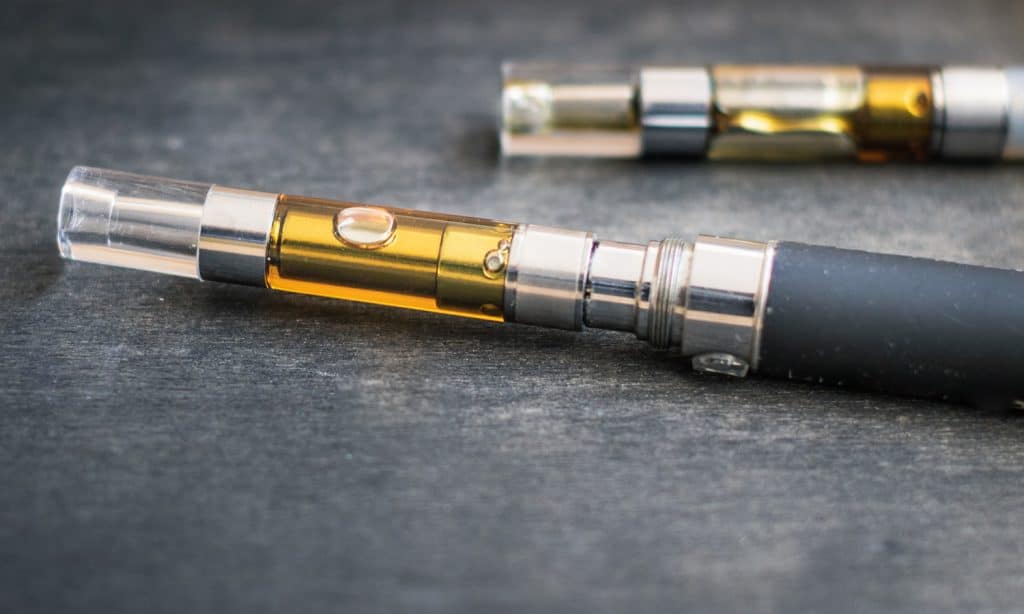
What about combining the magic of the slow cooker with the benefits of cannabis! A match made in chill heaven
Marijuana has become mainstream popular, but not as popular as the slow cooker. Over 70% of homes has one and the last major statistics reported in 2019 say approximately 11.6 million slow cookers were sold in the US and Canada. The slow cooker, originally known as the crock pot, was introduced in the 40s and has become a staple for meals ever since. But what about a different use? Making cannabis oil in a slow cooker is easy!
Cannabis oil has a ton of uses, from massage candles to pizza sauce, and the benefits from incorporating a little CBD into your diet are just as endless as its uses in cooking and salves.
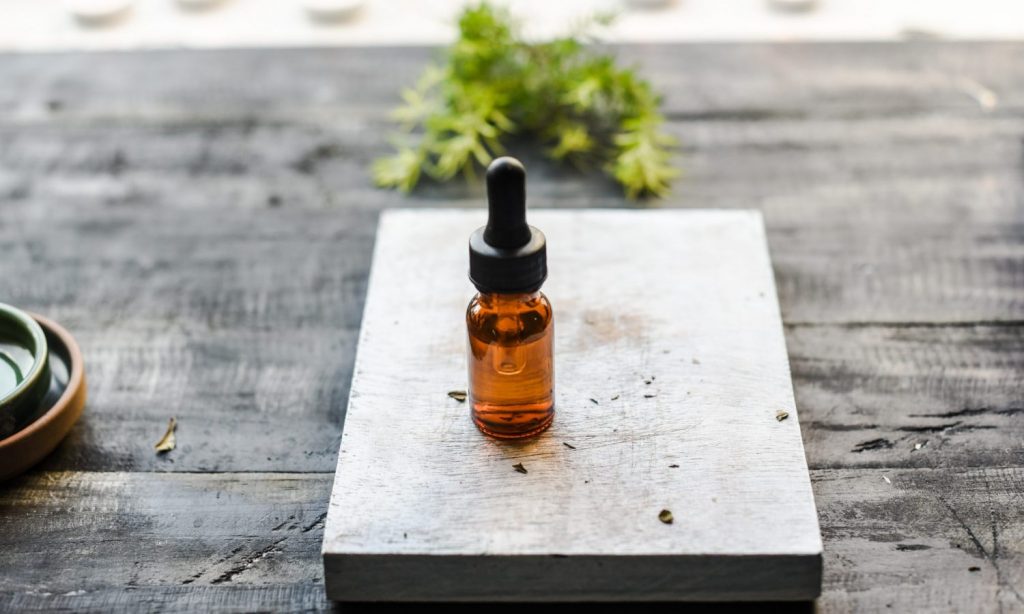
Luckily, making cannabis-infused oil at home is super simple, especially if you have a slow cooker. The recipe is easy to remember: You’ll need two cups of an oil of your choosing for every ounce or ounce-and-a-half of weed. Adjust the marijuana amount to your liking, and choose whichever oil you enjoy the flavor of—coconut and olive oil work best, for their high fat content which absorbs all those good cannabinoids.
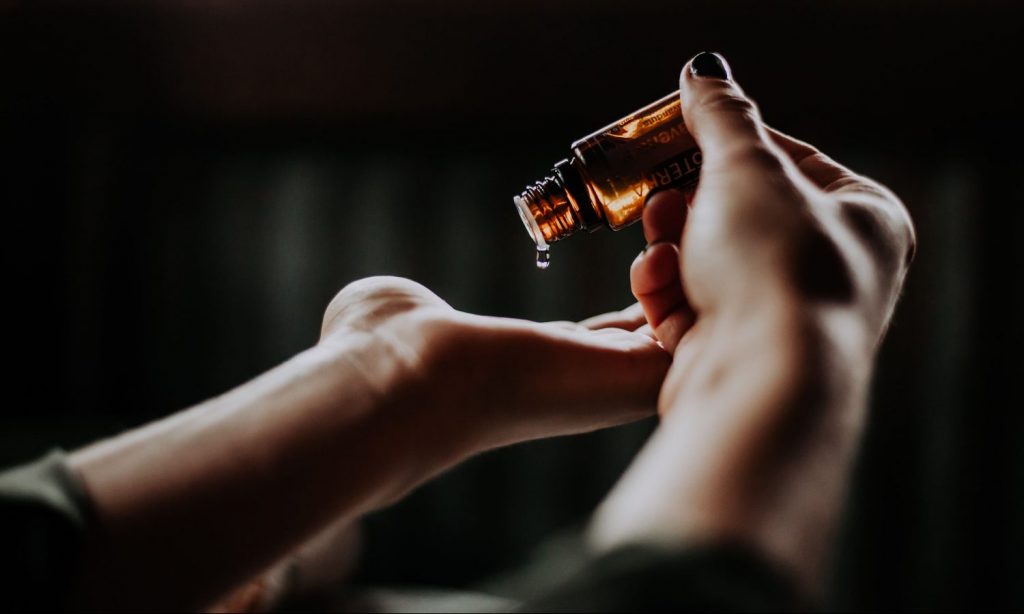
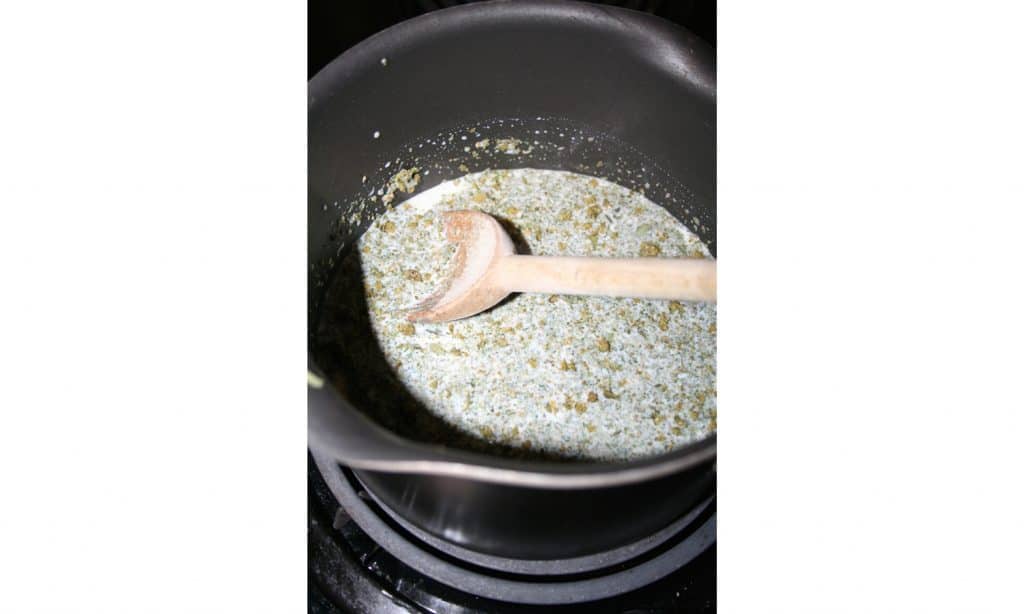
Next, grab your slow cooker and throw the oil in there. In goes the weed next! Don’t panic over throwing an ounce of good bud in there, it’ll be great. Gently mix it up, cover, and cook on the lowest setting for three hours. Allow it to cool, then repeat the heating process again for a more potent infusing.
It’ll smell up the place, so make sure you’re in a friendly environment (or be ready to light a few non-infused candles).
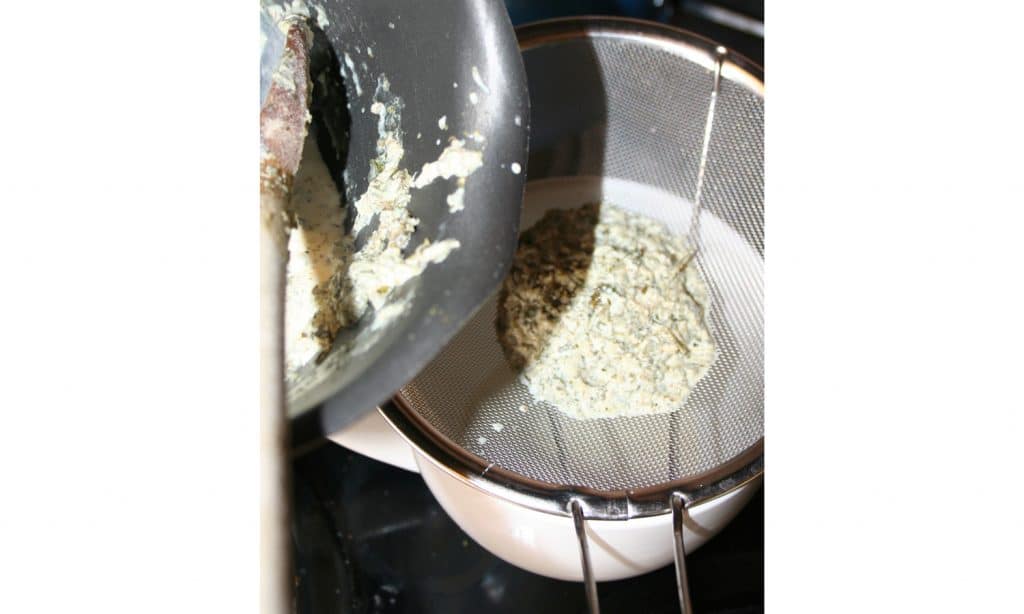
When you’re satisfied with the potency, strain out the oil from the leaves. Now you’re ready to try any one of our oil-infused recipes!
The espresso martini was first served by legendary London cocktail connoisseur Dick Bradshell back in 1983. It was his quick response to a young model requesting a cocktail to “wake her up, then mess her up.” The concoction of vodka, sugar, coffee liqueur and a fresh shot of espresso did the trick and the word spread. It was all the rage during the 90s and the fell out of favor in the early 2000s….but it has returned with a force Everyone seems to be celebrating the Espresso Martini.
In 2022, it became one of the 10 most-ordered drinks in America, knocking out the Manhattan. It become the hot, buzzy drink suddenly ordered everywhere. Some believe the popularity stems for the continued obsession of craft coffee. Cities where coffee is more cult than caffiene never ended their love affair with the fragrant and deeply rich in tasting elixar. London, Sydney, New York City,and a few others keep shaking up the magic. For the rest of the world it took a moment to catch up.
The espresso martini is a vintage cocktail making a comeback The drinks popularity has translated to easy access….Kettle One, One On The Rocks, Cutwater and more have it premade and ready to drink.
The 5 Point Cafe in Seattle has been a bar staple for generations – and has seen trends come and go. Owner David Meinert shares “Espresso Martinis are the perfect evening drink when you need the energy of a morning coffee but the spirit of a nighttime drink. A little buzz served with a kick”.
For those worried about caffeine, espresso typically has 63 mg of caffeine in 1 ounce (the amount in one shot), according to Department of Agriculture nutrition data. Regular coffee, by contrast, has 12 to 16 mg of caffeine in every ounce, on average. That means that ounce for ounce, espresso has more caffeine. BUT, most people have an 8 oz cup of brew coffee, providing 96 to 128 mg of caffeine.
Age is revealed in a variety of ways, habits and language…so how old are you in marijuana world?
The internet is filled with memes and “telltale” signs of age giveaways. From “watching tv” to Teenage Ninja Mutant Turtles” to calling someone on the phone to order a pizza…it pegs you into a certain age category. Well, the same is starting to be true in the marijuana world.
In reviewing data from BDSA, a leading analytic firm which covers cannabis, there are hints of generational differences. And it is upending the industry. The habits of millennials, Gen Z, and Gen X have already changed food, magazines, communication and careers…now it is has arrived for weed. How people consumer marijuana is generally falling into a two major age buckets, and companies will be made or broken by the trends.
Photo by jetcityimage/Getty Images
The 45 plus crowd tend to smoke marijuana. They enjoy the smell of flower, the act of preparation via a joint, a bowl or a bong and the feel of the smoke. It is filled with nostalgia and tradition. For the 50+ crowd, an edible was home made and also a little bit of a chance, you just never fully knew how much it would hit you. Getting stoned was a an adventure because you didn’t fully know how good was your “stuff”.
The under 45 set looks for something which is easy for on-the-go lifestyle. Vapes and edibles are easy to carry and can be slipped into a pocket or bag. Almost 90% of all edibles purchased are gummies. These forms provide a manageable high, are discreet and don’t smell. Now can notice if you bring them to take to a party, a family event or just on a walk. Also, with weed legal and having to conform with label and formula, consumers can fully understand dosage and are able to microdose.
Another clue is how people talk about marijuana. Older users tend to talk about “smoking”, while younger ones talk about “popping a gummy” or “taking a hit”.
Another interesting thing, is Gen Z is entering the age of marijuana use where it is legal to over 50% of the country’s population. There is significantly less stigma to using now then even 20 years ago, so they see it as a healthier alternative to drinking. Decreases in alcohol consumption by Gen Z coincide with an uptick in cannabis use, according to numerous reports. Is this a one-for-one trade in substances? Some signs point that way.
Currently in the industry, flower is the most profitable with gummies being the least. This has direct impact on production and sales, so it will be interesting as the industry continues to expand.
Nurses, the front line works in patient healthcare, come out in support of rescheduling
In the last election, President Biden promised to help the cannabis industry, two years into his term, he agreed to start the process. Now, joining the chorus of supporters, the American Nurses Association publicly supports rescheduling. The medical community has recognized medical marijuana has significant medical benefits, especially in the fight against opioids.
The American Nurses Association (ANA) joins bipartisan governors, Health and Human Service HHS), US Food & Drug Administration (FDA) in recommending the change.
ANA shared this in a public statement “Marijuana and its derivatives continue to be used to alleviate disease-related symptoms and side effects. The findings of anecdotal and controlled studies regarding the efficacy for patient use are mixed. Current federal regulations impede the research necessary to evaluate and determine the therapeutic use of marijuana and related cannabinoids. This position statement does not extend to the current debate on the legalization of marijuana for recreational purposes. The goal is to develop an evidence-based approach to its use in the treatment of disease and symptom management.”
Cannabis is currently a Schedule I drug, listed among those considered to have no accepted medical use and have a high potential for abuse. This makes marijuana classified on the same level as heroin, LSD, MDMA and psilocybin mushrooms.
Schedule III drugs are defined as having a moderate to low potential for physical and psychological dependence. They currently include ketamine, anabolic steroids, testosterone and acetaminophen with codeine.
Photo by thegoodphoto/Getty Images
Cannabis is currently a Schedule I drug, listed among those considered to have no accepted medical use and have a high potential for abuse. This makes marijuana classified on the same level as heroin, LSD, MDMA and psilocybin mushrooms.
Schedule III drugs are defined as having a moderate to low potential for physical and psychological dependence. They currently include Ibuprofen, ketamine, anabolic steroids, testosterone and acetaminophen with codeine.
They continued to state “It is the shared responsibility of professional nursing organizations to speak for nurses collectively in shaping health care and to promulgate change for the improvement of health and health care”. Therefore, the ANA strongly supports:
Scientific review of marijuana’s status as a federal Schedule I controlled substance and relisting marijuana as a federal Schedule II controlled substance for purposes of facilitating research.
Development of prescribing standards that includes indications for use, specific dose, route, expected effect and possible side effects, as well as indications for stopping a medication.
Establishing evidence-based standards for the use of marijuana and related cannabinoids.
Protection from criminal or civil penalties for patients using therapeutic marijuana and related cannabinoids as permitted under state laws.
Exemption from criminal prosecution, civil liability, or professional sanctioning, such as loss of licensure or credentialing, for health care practitioners who discuss treatment alternatives concerning marijuana or who prescribe, dispense or administer marijuana in accordance with professional standards and state laws.
The Drug Enforcement Agency (DEA) has made it clear they are the final authority for rescheduling and it seems the Biden administration has not pushed toward a quick resolution. It would be unprecedented for the DEA to go against the recommendations of HHS and the FDA, but it does mean it will follow or do it any time soon. The statement from the ANA adds to the pressure to act.
It was a great holiday season for lots of fan of marijuana – and only a few Grinches in sight!
The holiday season was great for the cannabis industry. In 2023, Delaware, Ohio, and Minnesota passed recreational marijuana. More than half of U.S. population lives in places where marijuana is legal for recreational use with even more having access to medical marijuana. The holidays are a time of indulgence and spending. Consumers defied expectations for spending in December. Retail sales rose 0.6% in December from November, which was more than analysts expected. The holiday sales confirm marijuana is mainstream by the way the public spent on products.
And in a major culture shift, Gen Z is moving away from alcohol and moving softly toward marijuana. Young adults not in college were even more likely to avoid alcohol. Nearly 30% of this group in 2018 reported that they did not drink beer, wine or spirits. The number was about 24% in 2002.
Decreases in alcohol consumption by Gen Z coincide with an uptick in cannabis use, according to numerous reports. Is this a one-for-one trade in substances? Some signs point that way
Photo by Kindel Media via Pexels
According to BDSA, a leading national data analyst company which covers cannabis, it was an important marijuana sales year. Already, the day before Thanksgiving is a banner year Comparing same 7 holiday days of 2022 to 2023 and they saw an average of a 19% increase year over year. The day before Turkey Day is known as Green Wednesday in the cannabis industry. It is also a large alcohol sales day and is known as Blackout Wednesday or Drinksgiving. But alcohol sales only saw 3.8% rise.
“Christmas is historically a significant holiday for the legal cannabis industry, with the days leading up to Christmas bringing a sizable boost to legal sales. In 2022, the day before Christmas eve (12/23/22) saw the second highest daily sales total of any day that month, with daily sales totaling +38% higher than the daily sales average for December 2022.” shared BDSA.
Edibles saw an even greater boost on the week before Christmas 2023. BDSA reports edible sales on the week before Christmas were +23% higher than the average weekly edible sales total for the month. This is makes sense as gummies are the #1 way people consumer – almost 49% of users say the use have a gummy.
States which started their program (except for NY) did especially well. Marijuana retailers in Michigan sold a whopping $3.06 billion in adult-use and medical products in 2023. There are few Grinches, the Governors of Iowa, Florida and New Hampshire are working hard to block sales and Senator Mitch McConnell is still working to block any national marijuana legalization. And all eyes are on the DEA to see what they are going to do about rescheduling.
The job market has been up and down over the last 6 years, Covid upended things and we came and went through the Great Resignation. For a portion of the country, they have the ability to look at their job and think – is this right for me? Others may not have options and feel stuck, especially those in the service and industrial sectors. But two things are clear, the era of tech people being able to pick and choose is coming to an end.
Your job is the place where you spend large portions of your days, in some cases, the majority of them. It’s also one of the activities that demand the most energy and commitment out of you. An unhappy relationship with your job can strain your personal life, mental health and happiness. The other, is the Great Resignation is over and people are relooking at their job. The number of quits is now back to pre-pandemic levels, when the balance of power had already shifted in favor of workers, as the number of job openings exceeded the number of unemployed workers for large parts of 2018 and 2019.
What what if your job makes you miserable? Here are 5 signs indicating your job isn’t make you happy and you might need a change. Leaving your job is a huge decision which comes with a lot of repercussions. It takes a lot of guts, thought, and financial preparation to decide that you’ll leave the place where you’ve invested a lot of time and effort. Thankfully, there are some noticeable signs that can help you realize if your job is making you unhappy or if you feel like you’re not advancing anymore.
Photo by rawpixel.com.
No Room To Grow
According to the book Emotional Intelligence 2.0, it’s easy to get stuck on jobs, especially if you’re good or enjoy what you’re doing. If you see that the people who surround you are getting promotions, and advancing in their careers, then maybe it’s time to look for another job that’ll help you develop your skills and grow as a professional.
You’re Left Out Of Big Decisions
If you never meet any upper management people and see that your co-workers have important meetings without you, then maybe they see you as someone who’s simply filling in a desk and not providing much input. To solve this, you could try to be more proactive in your work or discussing matters with a superior. If that doesn’t work then it’s time to look for another job or company that better suits your needs.
You Know More Than Your Boss
One of the most frustrating things to experience is to feel like you know more than your coworkers. When you feel this with your superior, then it’s definitely time to consider other options. Considering your boss inferior to you also means that you don’t trust your company’s leadership and that your job isn’t as stable as it should be.
Whether you work at an office or at home, some find themselves hating being a part of it. It’s important to differentiate the casual Sunday night blues with just plain unhappiness over the fact that you have to work. Your job will always be your job, which means that it’s never the most fun activity in the world, but you should get some fulfillment out of it.
Your Personal Life Is Suffering
If you find yourself lashing out on friends, significant others, and family members over your job, you must reevaluate yourself. When it comes to leaving, be smart about it and explain your situation clearly. You must always get the best out of every situation, even one where you’re unhappy with your workplace.
This almost undiscovered compound, present in every singe person — even the most miserable of the breed — plays an important role in regulating mood.
Happiness is a wonderful part of life, but for some or at times, it can be elusive. Finding happiness can be a lifelong journey, but who knew this natural cannabinoid makes you feel happy. Anandamide is a lipid mediator that acts as an endogenous ligand of CB1 receptors. These receptors are also the primary molecular target responsible for the pharmacological effects of Δ9-tetrahydrocannabinol, the psychoactive ingredient in Cannabis.
Anandamide is a natural cannabinoid produced in the human body. The compound gets its name from the Sanskrit word ananda, which when translated to English simply means bliss. This almost undiscovered compound, in every human body, plays an important role in regulating mood. It also has responsibilities related to appetite and pain relief. But its primary role in a complex system is around mood.
Scientists had no clue about anandamide until they started trying to learn more about how THC (tetrahydrocannabinol) binds to the brain. It was during these studies researchers discovered an unusual neurotransmitter manufactured in the brain that seemed to mesh perfectly with THC receptors. This compound was originally called arachidonylethanolamide, but, for obvious reasons, it was given the updated moniker of anandamide.
The anandamide is a part of the human endocannabinoid system working to bring balance to our bodies and minds. People with high levels of anandamide have been shown to be more fearless. Those with lower levels can suffer from mental disorders ranging from depression to schizophrenia.
The good news is there are ways to boost anandamide production in the body. Studies have shown that the feeling commonly referred to as a “runner’s high” is connected to anandamide enhancement. This cannabinol is also in marijuana sativa.
Getting off the couch and engaging in some solid exercise is a good way to give the body an extra jolt of this all-important compound. Interestingly, consuming chocolate and cannabidiol (CBD) has also been shown to create an uptick in anandamide.
The Simpson’s have a record for “predicting” things while making you laugh…and episodes give a green light to weed
Debuting on December 17, 1989, it has run 760 episodes. The Simpson’s holds the record for the longest-running American animated series, longest-running American sitcom, and the longest-running American scripted primetime television series. This includes both in seasons and individual episodes. It seems the public can’t get enough of the dysfunctional family.
As way to keep the public engaged, the creators drop behind the scene information including on-set drama or lucky breaks creators had along the way. Other times, it’s Easter eggs you missed or were left on the cutting room floor.
“Simpsons” writer Josh Weinstein shared a joke which falls into the latter category for the cartoon’s iconic “Who Shot Mr. Burns?” two-part episode. In another example of the Simpson’s creator prediction the future, they understood the upcoming mainstreaming of marijuana.
Josh Weinstein, the writer episode’s script revealed “Simpsons” TV broadcaster Kent Brockman was secretly a marijuana user. Police officers investigate for clues while Brockman reports live from the scene, in the scene Weinstein shared.
During the telecast, sniffer dogs converge upon Brockman, hinting he may have illicit substances on his person. “Brockman takes out a baggie of medicinal herbs and quickly crams it in his mouth,” reads the script. With his mouth full, he asks Wiggum, “Anything else, Chief?”
On the 24th anniversary of "Who Shot Mr. Burns? (Part Two)" – and an era in which marijuana's legal in many places – here's a Kent Brockman scene that got cut after the October '96 table read, implying he clearly likes to smoke it. pic.twitter.com/46X9eH63AL
Weinstein revealed in comments to his post that he assumes the joke “got cut for time ’cause this episode was really jammed with stuff and this was just a side joke.” When one user commented that Kent Brockman always “came across as a coke guy,” Weinstein agreed.
This isn’t the first time “The Simpsons” has included some clever marijuana humor into its writing. In the 2005 episode “Midnight Rx,” the show accurately predicted Canada legalizing cannabis ahead of the United States. There was also the 2002 “Weekend at Burnsies” episode, which follows Homer getting a medical marijuana prescription and includes the most pot jokes possible in any “Simpsons” episode.
TicTok is filled with wellness hacks, health tips and beauty secrets – but do they all work?
When things go viral, they can have an impact. TikTok is in over 160 countries, has over 1.1 billion users, and has been downloaded over 220 million times in the United States alone. Their audience age starts at 13. A variety of trends, health tips and beauty secrets have swept the planet – only to come and go. But most hacks, tips and secrets are from people who may not be experts in the field.
TicTok is more than entertainment. If there’s something young people want to know, almost 40% of them search on TikTok before Google. According to a recent survey from CharityRx of 2,000 adults, one-third of GenZers consult TikTok for health advice and another 44% turn to YouTube before turning to their doctor.
With this information, does TicTok’s Sleep Girl Mocktail work?
Photo by Shane via Unsplash
It’s shaky pseudo-science that winds up going viral, though (sorry, but rubbing banana peels on your face won’t give you wrinkle-free skin). So you need to verify from outside source before you get your hopes up on something.
That’s the case for the so-called “sleepy girl mocktail” that’s making its rounds online. Proponents say the combination of tart cherry juice, magnesium powder and a fizzy mixer like sparkling water or prebiotic soda is a match made in heaven for good sleep. Also, the effect is the same for both genders.
And it actually might help. “There’s sound science to back up the idea that a drink like this could help you relax and possibly fall asleep faster,” says registered dietitian Devon Peart, RD, MHSc. “But it’s not a cure for insomnia or a sure-fire antidote to poor sleep.”
Magnesium helps nerves and muscles function, regulates blood pressure, and helps maintain good bone health. It also helps increase the amount of water in the intestines, which can help with bowel movements. It may be used as a laxative due to these properties. Additional, there is some evidence tart cherry juice can help with sleep, reduce inflammation, and potential other health benefits.
Sleepy Time Mocktail Recipe
1/2 cup pure tart cherry juice.
1 tablespoon of magnesium powder.
A bit of fizzy drink to cut it, like a prebiotic soda or sparkling water.
Simply stir, sip and hopefully enjoy a good night’s sleep
We have seen them on TV, at the airport and occasionally in other places – but how accurate are drug sniffing dogs?
Used at airports, train stations and major event, dog sniffing dogs are common. They have been featured on TV and movies and occasionally, at retirement, celebrated in on the media. But how accurate are drug sniffing dogs?
Belgian Malinois have become increasingly popular for narcotics detection tasks, making German Shepherds and Belgian Malinois two of the most popular narcotics detection breeds. Labrador Retrievers, Terriers (e.g., Fox, Welsh, and Jack Russell) and English Springer Spaniels are also used.
To train a narcotics detection canine, an association must be developed between the canine’s training toy and the odor of controlled substances, usually cocaine, heroin, methamphetamine, and marijuana. When the dog smells the odor of the designated narcotics, it believes it has found its toy. Dogs do not know they are smelling narcotics and not the toy itself. Once this connection between the odor of narcotics and the toy has been implanted in the dog’s memory, it is then taught to perform a certain behavior to signal the handler it has located the odor of what it believes is its toy. This demonstration is commonly referred to as the “alert.”
So how effective are they? It is a mixed bag, and it clear in all studies they aren’t always accurate. Law firms like Keller Law Office in Minnesota claim drug-sniffing dogs are not very accurate. They say multiple studies show alarmingly high error rates, with some results exceeding 50 percent.
A study by Polish researchers from the Department of Animal Behavior at the Institute of Genetics and Animal Breeding of the Polish Academy of Science, found on average, dogs found hidden drugs correctly 87.7% of the time, with false indications happening about 5% of the time, and in 7% of cases, the dogs were unable to find the hidden substances.
The group found German Shepherds were the top narc dog, while terriers, who are often used due to their small size, were poor performers. Dogs performed better indoors than outdoors, while familiarity with room had no significant impact. Finding drugs outdoors or inside of a car were the most difficult tasks; these drug sniffing dogs were only 58% accurate when searching within a car.
Some drugs can also leave residual odors dogs do not distinguish from the actual presence of substances, with cannabis buds and hashish leaving the strongest after-odors, all dogs signaled the presence of hashish a day after it was removed from the location, and 80% did so after 48 hours.
In the UK, revealed drug sniffing dogs had incorrectly detected illicit substances on patrons in almost 75% of the 95,000 searches undertaken since 2012. While they are doing a review, the practice continues.
Police dogs and their efficacy is often perceived as highly accurate and nearly infallible which data doesn’t always support. The good new is K9s are also immune from racial and other biases. Enforcement agencies globally rely on their keen sense of smell to find hidden narcotics.
Other opportunities for is in sniffing out explosives, but dog teams alerted to the training sample in both trials (alert rate = 100%), indicating a strong response to the training sample. On average, dog teams alerted to the 30 g subsample of the confiscated explosive in 10 of 14 trials across all dogs at an alert rate of 71.43%. So still not the best score, but better than average.
The most successful dogs are trained to detect crop pests and diseases. A study by the US Department of Agriculture found these dogs identified trees infected with citrus greening disease with 99% accuracy; they could detect infection as early as two weeks after onset. Maybe it would be a better use?