Sunday, December 21, 2025
Home Blog Page 959

5 Reasons Lying Is Good For You

0

The old adage that lying is bad and you should always tell the truth isn’t completely true. According to new research, we learn to lie when we’re little kids and that it’s a sign of positive brain development. Whether they’re bold faced or little white ones, here are 5 reason lying is good for you.

1. It Makes You A Better Boss

If you’re a boss, it’s not always best to be completely honest with your employees. You still want them to work for you, right? If the goal is to improve their performance, you’re going to want to say some encouraging words, even if they’re little white lies (also known as “pro-social lying” in the world of psychology).

https://giphy.com/gifs/kLLDVeWnNwRXO

2. It Can Be A Mood Booster

According to Forbes, there’’scientific evidence that people suffering from depression are  more honest than the non-depressed. And that those who recover from depression actually become less honest.

Related: 7 Times Fast Food Restaurants Went Too Far

3. It Can Improve Your Relationship

Robin Dunbar, an evolutionary psychologist at Oxford University, told Live Science that while “lying to cover up a misdeed or just to get your way isn’t likely to improve your relationships,” fibbing to protect your partner’s feelings is actually beneficial.

4. It Can Help Keep You Reach Your Goals 

If you’re trying to reach a specific goal, pumping yourself up with encouraging words, even if they are half-truths or not truths at all, will only help motivate you to the finish line.

Related: Does Marijuana’s CBD Show Up In Drug Tests?

5. It Can Improve Self-Esteem

When you feel more confident, you become more confident.

https://giphy.com/gifs/YwpylUojkfOZa

Robert Trivers, an anthropology professor at Rutgers University and author of “The Folly of Fools,” told the Wall Street Journal, “Believing we are more talented or intelligent than we really are can help us influence and win over others,” adding that telling ourselves we’re better than we actually are has the power to persuade other into believe that, too.

Being A Royal Has Been A ‘Romantic Curse’ For Prince Harry

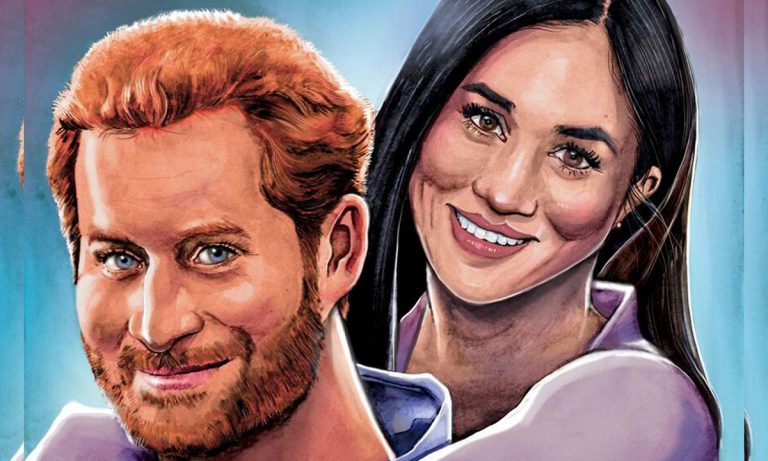
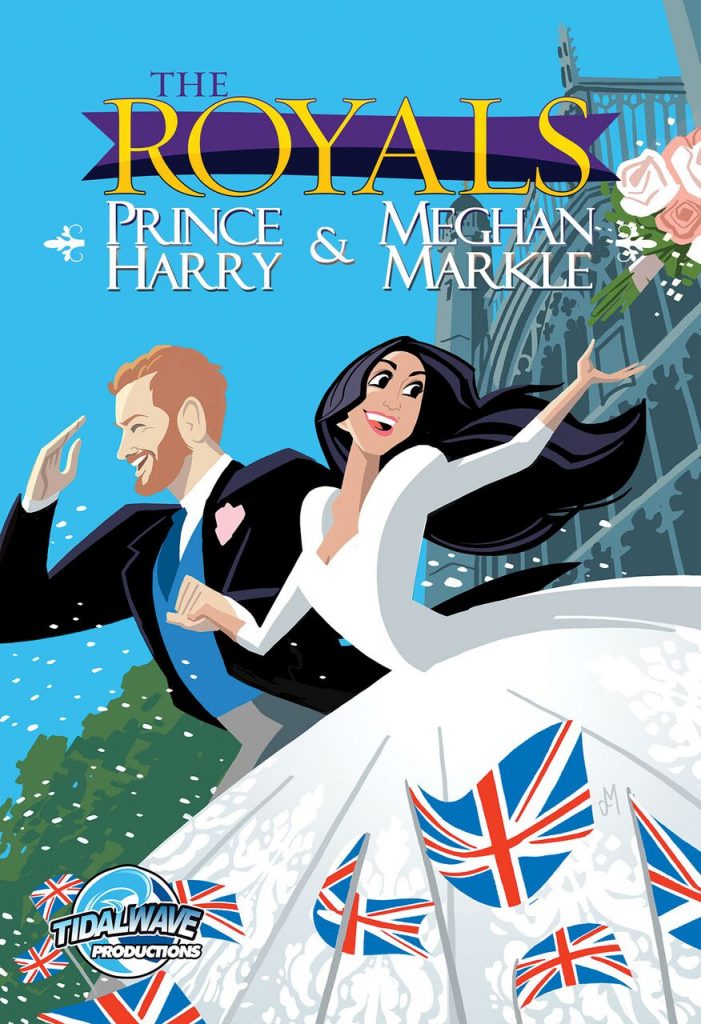
Being a royal is hard when it comes to finding love. No matter how attractive Prince Harry is, sources believe that his love life suffered due to the pressures of his heritage. On the other hand, Meghan Markle seems to have adapted to the spotlight easily.

According to People, Andrew Morton, author of the upcoming Meghan Markle biography Meghan: A Hollywood Princess, says that “being a royal has been a romantic curse” for Prince Harry, ruining relationships with ex-girlfriends Chelsy Davy and Cressida Bonas.

Markle, a successful actress herself, has been able to deal with the pressures of the royal spotlight, which have done nothing to diminish her vocal opinions, her fashion sense and personality.

Sources say that Markle is the one who “wears the trousers” in the relationship, and that Prince Harry loves that she’s opinionated, and that she has her own ideas. Experts believe that Meghan’s immunity to the spotlight is due to the fact that she was already an established celebrity before she started dating Harry.  She starred in “Suits” for over 6 years, and got used to being famous while she was in Hollywood.

Morton claims that Prince Harry has always been “cheeky”, especially when compared to Prince William, his more dutiful brother, straying from royal protocol from time to time. Like Meghan, Prince Harry does things his own way.

Research Suggests Medical Marijuana Can Treat Herpes

Cannabis oil and topicals have been known to produce impressive results with skin conditions like eczema, psoriasis and different kinds of abrasions. A study conducted in 2010 tested a facial lotion that contained cannabinoids on people with postherpetic neuralgia, a pain condition similar to shingles, and the results were very surprising, demonstrating that the lotion reduced pain by 87 percent. New research suggestsseveral medical marijuana can treat herpes. It seems components in cannabis plants may produce similar effects for herpes outbreaks.

Related: Did This Insurance Company Say Kanye’s Weed Use Led To Breakdown?

Herpes is a virus that can take on many different forms, producing different sorts of ailments. There’s genital herpes, shingles, cold sores, etc. Once the virus affects someone, it remains in their bodies, making them more susceptible to developing other kinds of herpes, which might pop up when their immune system gets compromised by high stress or the influence of other diseases.

While only small researches and studies have been conducted, the results show a promising future for treating herpes with cannabis. A study from 1980 treated two groups of infected human cells with THC, one with herpes simplex 1 and the other one with herpes simplex 2. In both cases, the THC stopped the replication of the virus. These results were replicated in different researches in 1991 and 2004. Other studies found interesting results, like the possibility of THC suppressing the spread of genital herpes infections and of reducing the replication of the herpes virus in human cells that have been cultivated in vitro.

All of this information suggests a connection between herpes and cannabis. For marijuana to be considered a viable solution for the disease, the necessary research and studies need to be conducted.

Most Popular Places To Join The Mile High Club

0

The Mile High Club. It sure has the reputation of being something that only the “cool people” are card carrying members of. But, really, how many people are actually having sex on airplanes? And where are they having this alleged sex? Planes are small, and the parts that aren’t are clearly visible to other passengers. Here are the most popular places to join The Mile High Club.

Thankfully, the folks at dating website SaucyDates.com surveyed an international audience of 11,179 people over their dating network and got to the bottom of things.

First up, who are people having sex with?

RELATED: Data Shows People Like Cannabis Before Intimacy

Not surprising, 37 percent are couples traveling together, 30 percent are strangers (what?!) and  18 percent of plane sex occurs with staff. Says SaucyDates: “There are some cases of two staff members but the majority are staff / passenger combinations.” Not to be confused with “couples,” 15 percent of sex is with friends. Says SaucyDates, “Be warned, the risk of getting caught with your friend is much higher. Could this be due to the awkwardness the idea?” Sure.

Toilets

More than half (59 percent)  of people had sex in the toilet which is not surprising as it’s the most private location on a plane, although one of the most cramped. 13% of people who had sex in the toilet were caught.

Seats

How this is done discreetly is pretty mind boggling. A whole 31 percent of people surveyed reported having had sex in their seat, and 14 percent of them were caught. (If you’re wondering how, head to SaucyDates.com for some insights.)

Kitchen / Galley

The most risky place to have sex is definitely the kitchen area. But 9 percent of respondents claim to have had sex in the  galley with 21 percent of them getting caught. As if airline food wasn’t already gag-inducing.

RELATED: Science Tells Us Exactly How Marijuana Makes Us Feel Happy

Only 1 percent of people have had sex in the cockpit (presumably misinterpreting the name). “We discovered that the vast majority of these were private jets or light aircraft,” says SaucyDates. “We stripped these from the results to keep everything to commercial aircraft where possible,” adding: “Our best estimate of commercial flights is 1% of respondents claim to have had sex in the cockpit and it poses the highest risk of getting caught at 27%. The airlines will remain a secret.”

Sex on a plane
Infographic courtesy of Saucydates.com

Only five percent of people reported having had actual sex on a plane, even though 78 percent said they’d like to. As SaucyDates points out, that’s 83 percent of passengers, at any given moment, thinking about having plane sex. “Combine that with a boring long haul flight and free drinks (on some flights) it’s not surprising that it happens,” says SaucyDates.

Study: Cannabis May Help Treat Alcohol And Cocaine Addiction

This study should make some folks stand up and take notice.

The first question, of course, is where did these scientists find addicted rats? They created them, of course. Being an animal researcher is nasty business and condemned widely by animals lovers and advocates, but it happens every day in the interest of improving and extending the lives of humans.

In this case, researchers at the Scripps Research Institute were seeking to explore the effect of cannabidiol, the increasingly popular non-psychotropic compound from cannabis, on addiction. In this case, their test subjects were rats who they had helped to develop alcohol and cocaine addictions.

Over time, the rats exhibited addictive-like behaviors by self-administering the drugs made readily available to them. Stress was measured with elevated maze exercises. They saw CBD affect the rats “without tolerance, sedative effects, or interference with normal motivated behavior.” In other words, the animals improved without inhibiting their daily lives and had long-lasting effects. 

The scientists did not mince words. They reported that CBD reduced relapse that would have normally been provoked by stress or temptation of the available drugs. It also seemed to reduce impulsive behavior. This is key because impulsivity can wreck a human in drug recovery. Any ability to modulate this response in humans could be groundbreaking and life-changing for untold numbers of people.

What this research did not address was the element of connection, which has become increasingly recognized as an important element in addictive behavior. This first gained wide attention in the research community through the now famous “Rat Park” studies. In those experiments, isolated rats provided with a regular water bottle and a liquid morphine solution. The isolated animals chose morphine up to 19 times more often than those placed with other rats with options for socialization and other stimuli. Those who had been fed a morphine laced solution for nearly two months chose water only when moved to the rat park, voluntarily undergoing withdrawal symptoms. 

Author/journalist Johann Hari talks about this in great detail in his Ted Talk which challenges some commonly held opinions in the addiction/recovery community. These discoveries affect the way that many treatment centers for humans operate today, with more focus on a mind, body, spirit health than solely focusing on abstinence.

We cannot be tempted to believe that addiction is easily solved. The current opioid crisis in America makes that painfully evident. Human addiction to drugs is a complex issue that will not be solved with one rat study. This additional insight adds to the tapestry of understanding that researchers and physicians can use to gain a better understanding and, hopefully, to treat people with a higher level of success. This is not just an intellectual exercise, lives are at stake.  

What Are Marijuana Flavonoids And What Are Their Health Benefits?

Thanks to its Schedule I drug stats, the science behind cannabis isn’t as fully realized as it should be. But we still know a lot about the plant—its biological structure, what produces the euphoric “high,” and what differentiates various species of cannabis. It allows us to define whether a cannabis flower is sativa or indica.

In discussing the medicinal benefits of cannabis, you might have heard about flavonoids. All cannabis flower contains flavonoids. In fact, flavonoids can be found throughout nature in flowers, fruits, and vegetables. Flavonoids are responsible for pigmentation and various health benefits, like blueberries’ power as an antioxidant.

As LiveScience explains:

“Like other phytonutrients [plant chemicals], flavonoids are powerful antioxidants with anti-inflammatory and immune system benefits. Diets rich in flavonoid-containing foods are sometimes associated with cancer, neurodegenerative and cardiovascular disease prevention.”

When it comes to cannabis, there are about 20 different flavonoids, according to CBD School. They are responsible for the unique colors like blues and purples you might find in some cannabis flowers. Scientists have also discovered flavonoids unique to cannabis called cannaflavins. Some early studies have shown cannaflavins to be pharmacologically active with anti-inflammatory power possibly stronger than found in aspirin.

Flavonoids also work synergistically with other cannabis components to create what’s known as the “Entourage Effect.” If you’ve used CBD oils or medicinal marijuana, you’ve likely heard the phrase before.

Via CBD School:

The Entourage Effect is the results (the effect) produced from the synergistic interaction of the cannabinoids, flavonoids, terpenes, and fatty acids naturally found in cannabis. The Entourage Effect refers to the beneficial effect of all these compounds working together as opposed to just one or two of these compounds working in isolation.

Simply put: the Entourage Effect is the beneficial effect you get from ingesting multiple components of the cannabis plant together over ingesting one component at a time.

However flavonoids remain understudied because of federal regulations. Not many national researchers are dedicating resources that direction. But research does continue overseas that help us better understand the medicinal power and chemical function of flavonoids.

Manhattan’s Fifth Avenue Will Now Include MedMen Marijuana Shop

The most famous fashion street on the Eastern Seaboard will now feature a cannabis shop. MedMen—the thriving cannabis consumer brand based in California—will open a new medical marijuana dispensary on Fifth Avenue in Manhattan, reports Page Six. Not bad for the brand unofficially called the “Barneys of Weed.”

The 2,000 square-foot medical marijuana dispensary located near Bryan Park will open on 4/20 (for obvious reasons). The MedMen location will be just one of three weed shops in all of Manhattan, where marijuana is medically legal.

It’s another coup for MedMen, which continues to grow and receive all the right attention. This year they’ve been featured on Jimmy Kimmel Live and released an advertisement campaign that earned viral buzz.

As New York state law dictates, the Fifth Avenue MedMen location will only service state residents who qualify medically.

Why Are Canadian Cannabis Stocks Soaring? Is It A Bubble?

Canada is mere months away from full-on cannabis legalization for adult recreational use. Most Canadians are eagerly counting down the days — and the early investors in the industry are eagerly counting their money.

North of the border, stock prices are soaring for companies in the cannabis sector. But some cautious investors are warning of a possible “weed bubble,” according to a report in this week’s Barron’s.

According to the cover story written by Bill Alpert:

One analyst who has studied that opportunity is Daniel Pearlstein of Eight Capital, a tiny Toronto brokerage firm. He’s a bull, convinced that cannabis presents investors with a once-in-a-lifetime chance to get in on an industry that will boom like the internet.

“This is a market that is simply way bigger than a lot of people believe,” he contends.

How big? About $9 billion a year, Pearlstein estimates. Colorado has a sixth of Canada’s population, he notes, and the state’s cannabis sales reached $1.5 billion in its fourth year of legalization. So Pearlstein multiplies Colorado sales by six. And, of course, there are countries with potential markets bigger than Canada’s. Pearlstein believes that federal legalization gives the U.S.’s northern neighbor a head start to becoming the world’s preferred supplier.

Alpert reports that cannabis stocks in Canada are valued at more than $30 billion, about half the market capitalization of the nation’s gold mining industry.

The Barron’s report took a look at some of the market’s big winners in terms of market capitalization (dollar amounts reflect Canadian currency):

  • Canopy Growth Corp.: $6.7 billion, with 69 million in revenue over the past 12 months.
  • Aurora Cannabis Inc.:  $4.5 billion with 2017 revenue of $31.1 million.
  • Aphria Inc.: $2.4 billion with 2017 revenue of $25.5 million.

The reason some investors are jittery is that there is an oversupply of cannabis currently flooding the market. Once the recreational market settles down after the July launch, these “bears” predict a market correction.

Apple Finally Fixes iPhone Slowdowns

Remember that one Apple scandal (yes, there are many of them) where the company admitted that they’d been slowing down older versions of the iPhone as a way of making the device’s battery last longer? Yeah, those days are almost over.

According to The Spec, Apple recently released their latest iOS for iPhones and iPads, which includes an in-depth look into the batteries of your devices, allowing you to manipulate its settings, check your phone’s health, and give you the option to turn off Apple’s default battery setting, which makes your phone very slow. These new settings will only be available on the iPhone 6 and 7.

Back in January, Apple apologized for setting the slowdown of the device as a default, with CEO Tim Cook explaining that the reason behind this was to get better performance out of the phones and not to make more money by selling devices.

Even though the scandal was blown out of proportion, in the end, it was kind of worth it. It’s nice to see Apple reflecting on their mistakes and offering viable solutions for their loyal fanbase.

In the meantime, if your phone still needs a battery replacement, you can take advantage of Apple’s time sensitive offer of switching out your device’s battery for $29. Do it fast, though — there are long lines for this service and the offer ends in January 2019, where you’ll have to pay the standard $79 for a new battery.

Meghan Markle Backlash Begins With A New Biography

Meghan Markle’s engagement has been more or less uneventful and surrounded by positive media. And even when you factor in estranged family members, nothing malicious ever surfaced…until now. Journalist Andrew Morton, who’s published several unauthorized biographies, is coming out with a biography on Markle, detailing her relationship with her ex-husband, her rise to fame, and her desire to become “Diana 2.0.”

Morton has written a lot of books that expose artists and celebrities, such as Diana: Her True Story, Tom Cruise: An Unauthorized Biography, and Monica’s Story, which delved into Monica Lewinsky’s scandal. His books have all caused controversy, with critics claiming that the facts weren’t accurate and that, well, they sucked.

Morton’s new book, Meghan: A Hollywood Princess, announces from the get-go that this isn’t a kind reading of Markle. Excerpts reveal details of Markle’s life, exploring her first marriage to producer Trevor Egelson and the reason behind their divorce. Morton explains that Egelson was a film producer and that he helped Markle acquire her first major film role. After she acquired some fame, Markle ended the marriage abruptly, mailing Egelson her engagement and wedding ring by post.

The Daily Mail reports that Hollywood Princess also explores Markle’s obsession with Princess Diana, claiming that Markle was “always fascinated by the Royal family,” and that she suffered greatly during Diana’s death. As if Princess Diana’s death wasn’t one of the most scarring things the 90’s ever saw.

Other Markle facts include her ditching her old friends once she achieved fame, her love of maintaining friendships with people who help her develop her career, and that she’s a “networker to her finger-tips”. Well, that’s just poor grammar.

Don't Miss Your Weekly Dose of The Fresh Toast.

Stay informed with exclusive news briefs delivered directly to your inbox every Friday.

We respect your privacy. Unsubscribe anytime.