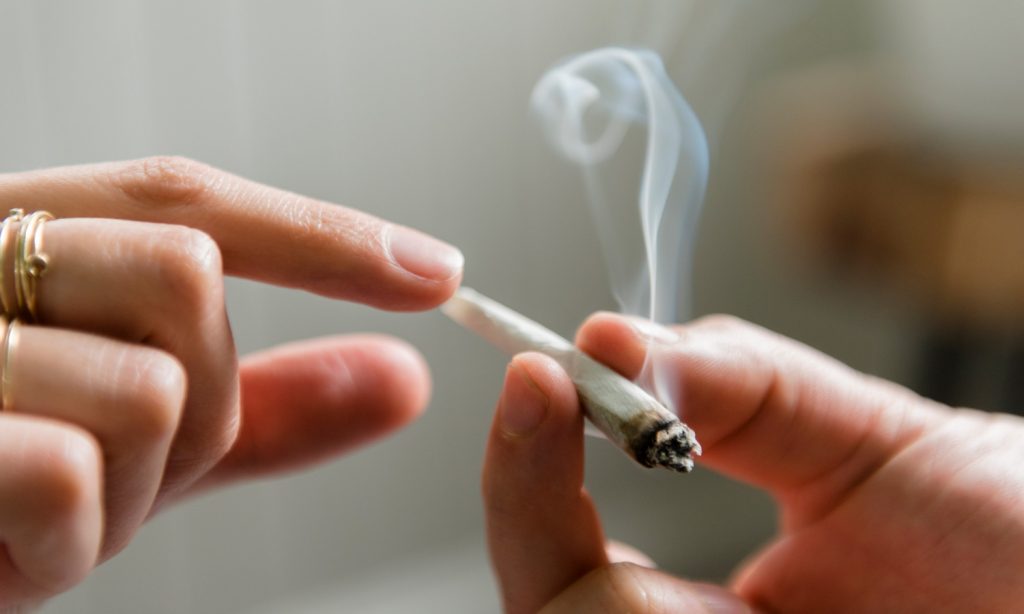
Cannabis has long been associated with brain damage, but this connection is complex, not wholly understood, and even exaggerated.
There’s plenty of myths surrounding cannabis. From it is a gateway drug to making people lazy, cannabis has been accredited with a lot of behaviors. Does smoking cannabis kill your brain cells? Is it a myth weed make you dumber or is this just a prohibition-era misbeliefs?
Despite how widespread this stereotype is, there’s little evidence out there to support or discredit this belief. Many think this started with the infamous fried egg commercial, which started airing in the ’80s and depicted a fried egg as the encapsulation of your brain on drugs. While there are terrible drugs out there, the moderate use of cannabis does not fry your brain.
Photo by Adrian Swancar via Unsplash
When it comes to scientific evidence, there is one study that shows a connection between a smaller hippocampus and chronic cannabis use. The hippocampus, important for memory and learning, isn’t directly related to brain cells but it does show a negative connection between chronic cannabis use and an impaired brain.
Another study, conducted over a period of 38 years, linked cannabis use with cognitive decline. It showed that adolescents who heavily used cannabis and continued to do so as adults lost six to eight IQ points by the time they reached midlife. Those who used heavily and who quit later on in their lives didn’t regain lost IQ points. On the other hand, adults who used cannabis heavily didn’t lose any IQ points.
Other studies show the opposite effect. A study conducted on mice shows that low dosages of THC can reverse age-related cognitive impairments. This link was found in another study conducted on humans with Parkinson’s and Alzheimer’s, which showed that THC and CBD could be therapeutic.
Photo by LordHenriVoton/Getty Images
There’s no clear answer on cannabis and brain cells. While there have been negative associations between heavy cannabis use and the brain, moderate cannabis use has been associated with therapeutic effects.
In order to consume cannabis in a way that’s smart and positive for your health, moderation is key. Instead of consuming cannabis on a daily basis, it might be better for your health and enjoyment to treat cannabis as something that’s pleasurable instead of a habit.
Smoking too much weed can limit your hobbies, motivation and relationships. Here’s how to take it down a notch.
Marijuana is great, but too much of it is usually a problem. With the pandemic and the stress that surrounds our lives, a lot of people have taken to cannabis as a coping measure. While it is a healthier option than drinking alcohol or other types of behaviors, it’s still a substance that should be monitored.
Cannabis overuse could result in cannabis use disorder, a condition that can impair your everyday life and relationships. Luckily, just as cannabis is healthier than other substances, it’s also easier to slow down usage. Symptoms of cannabis withdrawal exist and are pesky, but they’re manageable as long as you do things correctly and take things one step at a time.
Here’s how to slow down your weed use:
Be honest with yourself
Photo by Kyle Glenn via Unsplash
Ask yourself whether you have a problem or not and be sincere with your answer. While it’s valid to cut down when you don’t have a problem, it’s very important to do so when you’re facing a more serious issue. Since cannabis is not generally seen as a concerning activity and its side effects are mild, it’s not easy to recognize if you’re dealing with a cannabis abuse situation. Keep in mind whether you smoke every day or not, if you freak out when you run out of weed or if you need to smoke in order to sleep or to do certain activities.
Ask yourself why you want to stop consuming cannabis, whether it’s impacting your relationships or stopping you from doing other things. The better your answer and the more clarity you have, the stronger your resolve.
Take it slow
Photo by Artur Matosyan on Unsplash
Take your time when slowing down your weed use. Whether you want to completely drop the drug use or simply slow down the amount of weed you smoke on a regular basis, start by decreasing the amount of cannabis you consume during your day. This will help with your withdrawal symptoms, reducing the likeliness of headaches, mood swings, etc.
Add a couple of exercise outings to your week. This will make you feel motivated and accomplished, while purging your body of THC, which is usually stored in your fat cells and released ruing a workout.
Exercise is a healthy activity you can use to fill your time, distract yourself, and get a better night of sleep, something that cannabis abuse can derail.
Cut out excess nicotine, tobacco and alcohol
Photo by Elle Hughes via Unsplash
If your preferred method of consuming weed is via smoking spliffs or blunts, try to eliminate tobacco from the equation. Instead, purchase some edibles or a vape pen to cope with your cravings and be mindful of your use. These new methods will produce a different response from your body, perhaps making you feel more high and thus needing less THC to do so, and will also help you remove tobacco from your system.
It’s also important to avoid replacing your cannabis use with something else like alcohol or nicotine, which could result in worse outcomes.
The commonly held perception that marijuana users are largely sedentary is not supported by new data on young and middle-aged adults.
The cliché of stoners being couch potatoes, eating chips and watching television for hours was once what everyone thought of people who consumer marijuana. But with the medicinal benefits of cannabis becoming more widespread, and as more people, start consuming the drug, the look of the consumer has changed.
More studies are emerging, revealing cannabis users are actually likely to exercise more than people who don’t. The latest study, which was shared in the journal Preventive Medicine, was conducted by researchers from the Brookings Institution together with the University of Miami. For the study, they analyzed the association between exercise frequency and cannabis consumption within the last 30 days to observe if they had increased physical activity.
“Marijuana users are equal to or more likely to exercise than non-users,” write the authors. They add that “the commonly held perception that marijuana users are largely sedentary is not supported by these data on young and middle-aged adults.”
“As additional states legalize the medicinal and recreational use of marijuana, perhaps its impact on exercise, one of the leading social determinants of health, is not necessarily a primary concern.”
Older Studies Support These Claims
In 2019, a paper that was released in Frontiers in Public Health found that in states where cannabis is legal for recreational purposes, people use it either before or after a workout. Many of the participants also added that they believe cannabis helps them feel motivated for a workout, while enabling them enjoy the workout more while assisting in their recovery.
Photo by Shopify via Burst
As a result, they feel motivated to exercise more frequently since cannabis use helps them recover from post-workout pain more efficiently. “Our results suggest that prior findings of cannabis users being more likely to meet official exercise recommendations may be at least partly associated with perceived impacts of cannabis co-use on enjoyment, reductions in pain and inflammation during and after exercise, and to a lesser extent motivation,” the study says.
“Furthermore, participants who use cannabis before and/or after exercise reported that they exercised more, and had positive attitudes about co-use on exercise, which implies cannabis may be a useful tool for exercise among some users. In other words, sedentary cannabis users, particularly those who attribute low physical activity to concerns about recovery, motivation, or enjoyment, may benefit from co-use, provided that they select low-risk exercise options that do not compromise safety during intoxication.”
This is one of a few yet significant studies showing promise that cannabis may indeed impact how we associate exercise.
“These data suggest that many cannabis users in states with legal cannabis access use in conjunction with exercise, and that most who do so believe it increases enjoyment of, recovery from, and to some extent the motivation to engage in exercise. As these factors positively correlate with exercise behavior, using cannabis with exercise may play a beneficial role in the health of cannabis users,” says the study.
“There is a stereotype that cannabis use leads people to be lazy and couch-locked and not physically active, but these data suggest that this is not the case,” writes Angela Bryan, senior author of the study, who is also a professor in the Department of Psychology and Neuroscience and the Institute for Cognitive Science.
The Result: Fitter, Healthier Cannabis Consumers
Naturally, when people are more motivated to work out frequently because of their cannabis use, you get people who are healthier and fitter than their non-consuming counterparts.
Photo by skeeze via Pixabay
A study from the University of Colorado Boulder analyzed it, and their findings were interesting. However, they did limit their study set to senior Americans since “adults over the age of 50 are the fastest growing population of cannabis users in the US and those 65 years and older exhibiting the greatest increase in cannabis use,” says the researchers.
“Body mass index (BMI) of cannabis users was significantly lower than non-users,” says the study. “These preliminary data suggest that current cannabis use status is not associated with a negative impact on fitness and efforts to increase exercise in sedentary older adults.”
In other words, they found that cannabis has no negative impact on exercise but also that regular cannabis users were consistently exceeding their non-using peers when it came to performance.
“Interestingly, numerous studies have found that overweight/obesity rates are significantly lower among cannabis users compared to nonusers,” says the study. “For example, Hayatbakhsh et. Al found that young adults who reported using cannabis daily were approximately one-third as likely to be overweight/obese at 21 years of age compared with young adults who had never used cannabis.”
“Research on the association between cannabis and exercise engagement, although limited, is suggestive of a positive association. A survey of adults 20-59 years of age found that current cannabis users were significantly more likely to meet minimum physical activity recommendations than past users and nonusers,” write the researchers.
While the study authors were unable to provide any explanation as to the reasons behind why cannabis users are fitter than those that don’t partake, they hypothesize that, “As cannabis users report that cannabis use increases their enjoyment of and recovery from exercise, the users in our sample may have found their prescribed exercise program, as well as exercise outside of it, more enjoyable and manageable.”
Bottom Line
People who toke up may tell you that exercising while high makes it much more enjoyable, but beneath the surface there are likely many chemical interactions at work. For example, people say that running gives you a “runner’s high”, which is described as that euphoric feeling that we enjoy when people reach a certain level during their workout. This is because we release chemicals called endorphins.
A 2003 study discovered that the exercise-related euphoria we feel may actually be originating from the endocannabinoid system, since researchers found higher levels of anandamide in the blood of participants who ran during lab experiments. This is why cannabis might make it easier for us to get ahead on those awesome feelings.
So why not incorporate more cannabis into your fitness routine? Go ahead, it will do good for your body.
Older adults who deserve to have every comfort at this last stage of their lives are conditioned by their experience many years ago to remain silent, even in an epidemic of chronic pain.
The misconceptions about cannabis began in the 1930s caused a massive stigma for the plant-based drug. This stigma is still present now, especially in the population that makes up those generations. Seniors want to try marijuana for pain, but the misconceptions of past prevent them from relieve of today. The American Medical Association acknowledges medical marijuana can help patients.
At least 40% of Americans who are above the age of 65 are suffering from several types of pain. Some experience it for a short while, while others have long-term pain.
For seniors above the age of 80, about 75% suffer from chronic pain, especially the ones in assisted living quarters like nursing homes.
Photo by rawpixel.com
Many patients are manage conditions like hip and knee pain, insomnia, cancer, and other tough conditions. Some are also recuperating after major surgeries and are in long term pain. Analgesics do little to relieve pain after continuous use, and people have certainly used the drugs continuously over their long rich lives.
It’s time seniors, as well as their guardians and caregivers, come to terms with the therapeutic benefits from cannabis plants.
Senior Citizens and Cannabis Stigma
When cannabis prohibitions began in the 1930s, the seniors of today were just children. From the onset of their lives, they had it ingrained in them that cannabis was an evil of society. This continued till the mid-1900s when they also instilled the same messages in their children.
The government portrayed cannabis as an ill of society which shouldn’t be condoned, and to these seniors, it has remained an evil of society.
Yes, they may have heard the news about the decriminalization of cannabis in their state of residence, but they still consider it an illegal substance. In a survey carried out by Gallup some weeks ago, less than 19% of Americans above the age of 75 say they have tried using cannabis at some point in their lives. This is how low the acceptance of the drug is among that group.
For the children born in the ’60s, many have taken steps to register in medical marijuana programs. Quite a few of these “grandfolks” bring up topics about marijuana discreetly, as though they feel they are still breaking the law.
The cannabis stigma is worse in senior Americans who are also persons of color. They went through traumatizing episodes due to the War on Drugs and have been left at a disadvantage since then. For most of these seniors, their minds have been conditioned that cannabis use is followed by destruction.
American Seniors Deserve More
Nobody — young or old — deserves to suffer from chronic pain, Especially when effective medical cannabis drugs have been approved for treating such conditions.
Older adults who deserve to have every comfort at this last stage of their lives are conditioned by their experience many years ago to remain silent, even in an epidemic of chronic pain.
Photo by Tim Robberts/Getty Images
Aging itself comes with varying degrees of aches and pains, and all these are compounded by social isolation, insomnia, dementia, disability, and even depression. The current data of senior adults refusing medical marijuana treatment is bothersome. As they choose to remain in pain instead of seeking relief.
Addressing the Crisis
Had it been that these older adults could tolerate NSAIDs, the silent crisis may not have been as serious as this. Drugs like acetaminophen, naproxen, and ibuprofen have intense aftereffects on the body organs of senior citizens. Many who can withstand opioids have managed with it. However, opioids are not sufficient enough to resolve the problem, not to mention the high risk of addiction involved.
Now is the right time for medical marijuana programs to pass on information to the senior generation about the benefits of plant-based medicines like cannabis. Caregivers should also be taught about the non-addictive nature of cannabinoids.
At this present time, medical obstacles such as these should not be a thing. The fear-mongering and propaganda these American seniors were subjected to back then are seriously holding them back from accessing what they need the most.
The federal prohibition of cannabis Is one of the factors that make these older people believe that cannabis consumption is likely to harm them. It seals their life-long belief that cannabis remains a threat to public safety. These old folks can’t be blamed for being wary of plant-based medication because of what they’ve been programmed to believe.
Photo by Tyler Farmer via Unsplash
Hillary Lum, a pediatrician and associate professor at the University of Colorado School of Medicine, said that many of these senior citizens are fearful, and sometimes ashamed whenever they ask about cannabis. In a survey carried out by Lum, and published in 2019, “30% of older adults didn’t answer the question about whether or not they used medical marijuana,” said Lum. “If people feel uncomfortable with it on an anonymous survey, they may also feel uncomfortable telling their doctor. That could have ramifications for their health.”
Older Americans can first be introduced to the wonders of CBD instead of cannabis. Many may show interest in trying CBD to manage their symptoms. Health departments have to make informed medical counsels available at all times for these residents. Safety assurance and access to the drug also have to be made stress-free to encourage these seniors to opt into the treatment.
More Cannabis Research
Medical personnel occasionally lay complaints about being unable to recommend cannabis drugs due to the minimal clinical research carried out in the field.
Even in states that have legalized the medical use of cannabis, doctors have not been fully briefed about the impacts and risks of cannabis use. Due to this, most of these doctors refuse to prescribe medical cannabis to patients suffering from serious conditions.
An example is Texas. The state has over 43,000 doctors and only 150 are registered members of the medical cannabis program. There’s no easy way an uninformed doctor would be able to convince a senior citizen that plant-based drugs can serve as effective treatments.
Federal decriminalization of cannabis will be the most effective way to convince senior citizens and their caregivers that cannabis is their best choice to get relief. Health care providers, journalists, celebrities, family members, caregivers, and older Americans have to speak up about the benefits of cannabis as a reliable pain reliever for Americans. This could incentivize governments to bring barriers down.
A new study finds that a simple everyday activity can help you cultivate your creativity and use it to benefit your life.
Creativity is a very elusive thing, yet one that’s required for most things in life. Whether you work in an office or you’re an artist, creativity makes your work feel more fulfilling and allows you to complete tasks in more inventive ways. According to a study, it’s also something that can be cultivated easily, like by going on a walk or moving around.
The study, published in Scientific Reports and conducted by researchers from the University of Graf, found links between physical activity and imagination. Researchers discovered that active people are able to have more and better ideas during tests of inventiveness when compared to people who are sedentary.
Photo by Jamie Grill/Getty Images
The study tracked the routines of 79 adults while also measuring their creativity, trying to find points in which these two factors aligned. Participants wore activity trackers and after 5 days were asked to visit a lab in order to complete different creative tasks, like finding new uses for car tires, umbrellas, and completing partial drawings. These people were also asked to complete a questionnaire, which assessed their moods.
When this data was crosschecked and analyzed, researchers found that the more active people were, the more creative they were when performing their tasks. These findings had no relation to mood — the links were based solely on activity levels and creative performance.
Physical activity has a history of changing the way we think, reflected in animal and human studies. Movement increases blood flow, oxygenating our brains and providing it with nutrients and blood that promote the cell growth. There’s a reason why people suggest going on walks when feeling stuck at work, or being frustrated by a problem.
When it comes to creativity, the science is much more sparse. This term has always had an aura of mystery, being very abstract and difficult to quantify in scientific studies. Research like this provides more background and information to terms like creativity, which are associated with certain types of people.
Creativity is something that we all obtain, and that can be cultivated and used to our advantage, whether we’re writing a novel or adding numbers on a spreadsheet.
Taco Tuesday is a huge trend, but hot sauce is good every day! Why not add some weed heat for Taco Tuesday with jalapeños? While they don’t bring as much heat as other peppers, they certainly add a rich flavor. They are a staple of the taco bar and pickled jalapeño’s show up in Bloody Mary’s, with eggs and so much more. So why not make a marijuana sauce to give an extra kick?
74% of people like to put hot sauce on their food, but not everyone is down with high or medium heat. Most salsas sold are either mild or medium. In their green form, jalapeño peppers have a fresh, bright, green bell pepper flavor with a gentle kick, almost a nudge. If you leave them to ripen longer, red jalapeño peppers carry a slightly sweeter flavor and increase in spice.
Taco Tuesday is an invention of the US, but is celebrated in a few other countries, such as in Canada, the UK and Australia. In Norway, the terms Fredagstaco and Tacofredag are used to refer to eating tacos on Friday night. In Sweden, serving tacos on Fridays is common for Fredagsmys.
Despite the reports of more potent weed, the addiction rate remains fairly consistent at 9%. That’s roughly the same amount associated with the consumption of caffeine.
It doesn’t matter whether marijuana is purchased from the legal market or the criminal underground. A study finds that it is 25% stronger than it was more than 50 years ago.
Researchers at the University of Bath in the United Kingdom recently examined 80,000 cannabis samples from various spots in the world, including the U.S., Netherlands, U.K., France, Denmark, Italy, and New Zealand. They discovered that cannabis consumers are probably getting a lot higher these days than when Presidents Nixon, Ford, and Carter were still leading the country.
The findings, which were published in the journal Addiction, shows higher concentrations of tetrahydrocannabinol, or THC, since the early 1970s. THC is the psychoactive compound of the cannabis plant responsible for getting a person stoned. Researchers claim that weed has consistently gotten stronger over the past fifty years. The team found a 14% increase in flower strength between 1970 and 2017 and a 24% increase in resin potency since 1975.
Meanwhile, the concentration of America’s popular compound CBD is the same as it has always been.
The latest study is a testament to how growers sometimes look to increase potency to provide the consumer with the illusion of a quality product. But stronger doesn’t always mean better, especially when cannabis is being used to treat various medical conditions, including anxiety and insomnia. Many cannabis users throughout the years have reported better results with strains higher in CBD.
So why is weed getting stronger?
This is mostly because cannabis cultivators now have a better understanding of what makes the plant flourish during the grow process. And as a result, cannabis crops are healthier than they were back then. It is also worth mentioning that the weed of the 1970s probably only contained around 2% THC — not nearly enough to get people as stoned as they have been since legalization started across the United States.
There is also something to be said for how genetics are understood, allowing growers to essentially dictate various outcomes of the plant. The science surrounding cannabis cultivation is just more advanced than fifty years ago, plain and simple.
Photo by CasarsaGuru/Getty Images
However, researchers are concerned that more potent marijuana could force more people to experience addiction as legalization becomes more widespread. “As the strength of cannabis has increased, so too has the number of people entering treatment for cannabis use problems,” said Dr. Tom Freeman, director of the Addiction and Mental Health Group at the University of Bath. “More Europeans are now entering drug treatment because of cannabis than heroin or cocaine.”
In the U.S., President Biden has promised to decriminalize marijuana possession nationwide, but has been slow for action. This is the same man who once said that comparing the weed of the 60s to what the kids are smoking today was like “comparing buckshot in a shotgun shell to a laser-guided missile.”
But is increasing potency a bad thing?
Well, some federally funded studies show that marijuana use is becoming more widespread, especially among adolescents and young adults. Legalization is supposed to diminish those numbers, and in some cases it has. Still, despite the reports of more potent weed, the addiction rate remains fairly consistent at 9%. That’s roughly the same amount associated with the consumption of caffeine.
So even if more of the population starts using marijuana as legalization spreads, it isn’t likely that it will bring about a substantial uptick in addiction rates. Nevertheless, more research is necessary so that the country has a better grip on the potential risks that lie ahead.
Marijuana proponents are ecstatic because this super THC discovery means there is higher quality medicine from this plant.
From a group of Europeanresearchers comes news of the discovery of a super-cannabis compound, a cannabinoid 30 times stronger than THC. It was discovered while they were looking for additional medicinal qualities in a host of cannabinoids among 150 known to exist.
It’s called THCP, and researchers were stunned: “The presence of this new phytocannabinoid could account for the pharmacological properties of some cannabis varieties difficult to explain by the presence of the sole Delta-9-THC.”
And there’s the rub, because that sort of statement plays into the hands of both sides of the cannabis equation.
Smart Approaches to Marijuana (SAM), an anti-legalization organization, usually points to increased use of marijuana by grade-school and high-schoolers as a sign of the bad things in cannabis (inadvertently promoting regulating it for adults, which is what advocates fight for against obstacles from the federal government). They’re cheering an “a-ha” moment as the vaping crisis claims lives, even though thecommonly held finding is that these vapes are black market products available to teens because there is no federal regulation. The cartridges are filled with products other than tobacco or cannabis that affect the lungs.
Stronger THC in cannabis products is one of the talking points from SAM, and this discovery plays right into that particular wheelhouse.
On the other hand, marijuana proponents are ecstatic because that super THC discovery means there is more and better medicine from this plant, demonstrating the range of the natural wonder of cannabis to the health of mankind. More research could find more cannabinoids to help different human health problems. This discovery plays right into their particular wheelhouse.
So the fact remains, this new super-strong THC development is giving researchers pause to consider that THC and cannabinoids have possibly made a leap into expanding more of the good that they can do, alongside a consideration by the military of the potential harm they can do with it. Stand by.
A new survey shows why some people prefer to stick to black-market cannabis.
Legal marijuana is becoming more and more accessible. Still, in countries like the U.S. and Canada, where there are legal markets in place, black market marijuana sales remain consistent. According to a new survey, the #1 reason people are still buying black market weed is price. It is crushing California and other states should see it is a big warning.
The survey, conducted between 2019-2020 and published in the Journal of Studies on Alcohol and Drugs, polled 12,000 cannabis users in Canada and the U.S. and found that price outranked convenience, which is the second main reason people continue to opt for illegal weed.
A 2016 referendum legalized recreational use in California. A goal to eliminate illegal sellers, regulate the substance for safety, and raise tax for the state. The first dispensaries opened in 2018. But the licensed stores have not dented the size of the black market, which has remained steady at around $8 billion a year, according to Tom Adams of Global Go Analytics. The legal business is struggling. In 2022, sanctioned cannabis sales fell 8.2 percent to $5.3 billion.
In both years, the most commonly reported barriers to legal purchasing were price (Canada: 35%–36%; United States: 27%) and inconvenience (Canada: 17%–20%; U.S.: 16%–18%). In 2020 versus 2019, several factors were less commonly reported as barriers in Canada, including inconvenience and location of legal sources. Certain barriers increased in the United States, including slow delivery and requiring a credit card.
In the United States, black market cannabis sales are one of the principal wild cards in establishing a functioning legal cannabis market. States like California, which were the first to establish legal markets, have allowed the two markets to coexist, something that cannabis workers have called extremely unfair.
Alex Brough is the co-founder of Keneh Ventures, a private equity fund that invests in businesses ancillary to the legal marijuana trade. In an interview with Times Union, he compared a legal dispensary owner who ‘does everything above-book’ to a bootlegger selling cheap, untested weed.
“You don’t know any better, you’re not an industry expert, and you go to California, and you go to get an [eighth-ounce] of chronic at this place for $60, and at this place across the street, they’re selling it for $30,” he explained. “If you’re at all budget-minded, you’re going for the $30.”
States in the U.S. that are establishing new cannabis markets can use previous states as guideposts, allowing for more controlled transitions and accurate predictions of how their legal market would work. Still, cannabis black market sales have existed for decades, with businesses having built relationships with shoppers. Creating a new legal market will take time to build and to earn the trust of new shoppers.
A life-threatening illness is one of the most frightening experiences anyone can go through. No one wants to be diagnosed with a terminal illness, and no one wants someone they love diagnosed with the same thing. For almost 2 million people each year, they enter hospice for the last part of their life. It is hard on the patient and the loved ones. Should cannabis be part of hospice care? In some legal states, hospice staff are allowing marijuana to ease suffering, especially for cancer.
As Americans continue to age, the risks of terminal illnesses increase with more people getting admitted to hospitals and hospices. The Centers for Disease Control (CDC) announced that there are an estimated 1.7+ million people in hospices receiving care from varying life-threatening illnesses. This number is a tremendous increase from what was obtainable in the last 20 years. In those hospices, the patients receive a special kind of care that slows the painful process.
The care given to patients is provided by compassionate individuals who are 100% available to make the last life phases very comfortable. While these hospices are doing their best, there are still instances where some patients don’t get better with the care they receive.
Of course, this is a problematic situation, and it has made medical experts seek solutions for hospices, and marijuana is one of the most viable ideas they explore.
Despite the good intentions, the legal status of marijuana affects its use and effectiveness in hospices. For example, although some states have legalized marijuana, it is still not legally accepted at the federal level. The federal level’s lack of support makes it difficult for some healthcare providers to prescribe cannabis for their patients in hospices.
Marijuana in hospices
Marijuana is utilized in hospice care to ease patients suffering as it plays a significant therapeutic role for patients dealing with the emotional despair that comes with a terminal illness.
Hospices are turning to marijuana as a way of reinventing their approach to Medicare for patients. These hospices want a more patient-centric care experience that eradicates the idea that they are cold, ineffective, and unwelcome.
Therefore, hospices in America need to incorporate more effective treatment and care options that help them feel like they are making daily progress. In addition to marijuana, the hospices also integrate additional treatment options such as music, thoughtful quality care, and family moments to make the treatment options relatable.
Photo by Bret Kavanaugh via Unsplash
But medical marijuana has become a new focus for these hospices. As Americans’ attitudes towards marijuana change (from suspicion to acceptance), more hospices are encouraged to consider it as a treatment option.
Currently, 87% of Americans support the utilization of medical marijuana as a treatment option for terminally sick patients. More so, three in five Americans (this is about 58%) express strong support for medical marijuana. So how do hospices use marijuana?
How hospices use marijuana
Primarily, hospices use marijuana as a care treatment alternative to ease the patient’s spiritual and existential suffering. The mild euphoria marijuana offers give the patient a sense of well-being which eases the body, mind, and spirit as they come to terms with the possibility of death.
In 2019, a study showed the impact of cannabis and CBD on hospice and palliative care places, with data drawn from over 300 care professionals from 40 American States. The professionals offered “overwhelming support” for marijuana use in hospices regardless of its legal status in the state.
With such factual details and preference for marijuana in hospices, one can only ask, “How does it help those in the hospices?” Here are answers to that question:
Pain reduction is one of the most prominent benefits of marijuana used in hospices. The patients sometimes experience excruciating pain, which masks them uncomfortable, making their stay at the hospice unpleasant.
But with medical marijuana treatment, pain is reduced and replaced with a euphoric sensation that eases the patient’s mind, thus making them numb to pain. This health benefit of marijuana can only be effective when the substance is used consistently.
Enhancement of the senses
Cannabis is an enhancer that heightens patient sensory perceptions and awareness, thus leading to a better appreciation of tastes, senses, and music. Remember that some people in hospices are older individuals who gradually lose their ability to recognize feelings and their sense of taste. But when marijuana is administered, the patient’s sense of awareness is heightened, enabling them to appreciate every moment even as their days are numbered.
The patients in hospices often struggle with their appetite because of the intense treatments (for example, cancer patients). Decreased appetite is also prevalent because they are emotionally down, with the illnesses taking a toll on their mental health. But CBD is an appetite-boosting compound that encourages them to eat regularly and also snack in between meals. A hospice patient will have a greater chance of better managing illness when he or she consistently eats nutritious meals.
Anxiety is a common symptom that hospice patients experience due to the fear of death and worries about their families. But when medical marijuana is administered the THC and CBD, it contains impacts such as anxiety levels.
THC, when given in smaller doses, decreases anxiety, and CBD also does the same, thus helping the patient feel relaxed and calm, which provides a significant boost to their health.
Bottom Line
Medical experts are increasingly excited at the enormous potential of marijuana. Globally, people are beginning to appreciate the value of cannabis. Marijuana products that have been tested and approved for use should be well-integrated into the healthcare system because of their immense benefits.
Experts and caregivers at hospices derive incredible benefits from cannabis. Both of the plant’s recreational and medicinal properties are highly valued by caregivers and patients. However, for marijuana to reach its lofty potential in hospices in the future, there must be a unified legal status of cannabis from federal to state levels.
Until we have such a unified status, marijuana will continue to impact the lives of hospice patients in the ways currently available, helping them manage their terminal illnesses.