Sunday, December 21, 2025
Home Blog Page 120

The Effects Of Smoking Low-THC, High-CBD Cannabis


For decades, growers have been focused on producing cannabis strains with the highest THC content possible to have a maximum high. High-THC means you’re getting baked, whether sativa, indica or a mix of the two. Now, however, we know CBD can be therapeutic, healing parts of the plant and growers are focusing on high-CBD cannabis that places THC in the backseat.  What are the effects of smoking low-THC, high-CBD cannabis? And what are the benefits?

While CBD doesn’t get the patient high, it does provide a sense of well being and calm. CBD from hemp is legal across the US, while CBD from cannabis is only legal in states that allow for medical and recreational usage. What about a combination?

Related: 8 Things Everyone Gets Wrong About Marijuana’s CBD

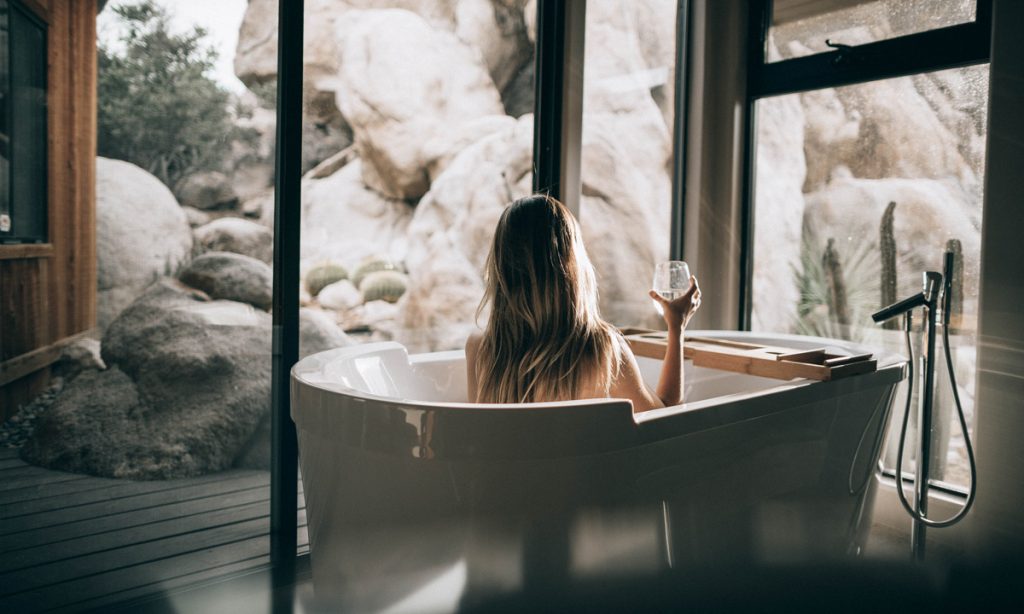
For one thing, there will be a change in mood, just not a drastic one that either has you talking a mile a minute or locked to the couch. The feeling is cerebral and one of well being. The low-THC cannabis makes you feel comfortable in your own skin and has the healing benefits of whole plant medication.

happy
Photo by Andre Hunter via Unsplash


Data shows CBD can help you quit smoking cigarettes, manage your diabetes, acne, Crohn’s, fibromyalgia, multiple sclerosis, insomnia and more. But there must be more research to better understand the benefits and how combination can enhance medical treatments.

So consuming low-THC, high-CBD bud is a little like smoking with the three bears. The high THC strain gets you really high, while the hemp CBD strain doesn’t get you high at all. The strain that has a little THC and a lot of CBD? It’s just right to have you feeling on cloud nine without altering your state to an extreme.

And beyond being “better than nothing,” the high you get added to the relief you feel equal an experience that leaves a lasting impression and will likely have you going back to the bong. It’s nearly impossible to get “too high” on low-THC cannabis, but you are able to find the bliss level.

Related: Ask The Doctor: What Makes CBD So Useful?

So as growers expand their lines to include these new forms of medicinal marijuana, they are bound to continue improving upon the genetics, coaxing all the more CBD out and finding the most beneficial cannabinoids, terpenes and flavonoids to create the finest low-THC, high-CBD cannabis out there. Craft cannabis is definitely the new name of the game and this cannabinoid combo fits right in.

Beer Lingo, A Guide To Becoming A Better Patron

Bars are wondrous places full of beer, chatter, celebration, ways to get drunk and opportunities to meet friends. But they are also tricky. As with most niche scenes, there is lingo you need to know, terms you should memorize and slang with which you should show facility. What’s Imperial mean? How do you pronounce “weisse?” And how much should I tip my bartender? Hang on, because you’re about to find out the answers to all of these. Here is your beer lingo, a guide to becoming a better patron. BTW, the Slavic word ‘beer’ came from the verb ‘to drink’. Initially, beer was any kind of drink.

Hops


via GIPHY

Small green pine cone-like buds that grow on vines. Their oils and acids preserve and flavor beer.

Hoppy

The thing snobby people refer to about beer, and what people who hardly ever drink beer say they don’t like. Hoppy is often used as a synonym for the word ‘bitter,’ but there are plenty of beers that use loads of hops and don’t taste the least bit bitter.

Malt


via GIPHY

The sugars used to sweeten beer.

Related: Does Marijuana Lower Male Testosterone

Malty


via GIPHY

That syrupy, sweet flavor in beer drunk by amateurs.

Perry


via GIPHY

A cider-like drink made exclusively with pears.

Imperial


via GIPHY

A word out in front of certain beer styles (Stout, IPA) meaning they’re much stronger.

RELATED: Gen Z Is Putting Down Beer And Picking Up Marijuana

Mead


via GIPHY

Beer produced from honey, water and yeast.

Ale


via GIPHY

Ale is brewed using a warm fermentation method, resulting in a sweet, full-bodied and fruity taste. It is a maltier, top-fermented beer.

Lager


via GIPHY

A beer that is effervescent and light in color and body. it is a dry, bottom-fermented drink.

IPA

Stands for India Pale Ale because it was originally brewed in the United Kingdom and shipped to British soldiers in India during colonization (which is still basically happening). It is made with more hops, to give it a stronger flavor. There’s no standardised threshold at which a pale ale becomes an IPA, though.

Cask-Conditioned


via GIPHY

The process in which a draught beer retains yeast to enable a secondary fermentation to take place in a cask in the pub cellar. Cask conditioned beer is the traditional drink of the British pub, and served properly, it can be among the most subtle and beguiling of beer types.

Fresh Hop


via GIPHY

Beer made with recently picked hops that haven’t been dried. It provides distinctively grassy, plant-like, and “green” flavor profiles without the bitterness associated with IPAs and other beers featuring copious dried hops.

Weisse


via GIPHY

Pronounced ‘Vice’ is the counterpart in German for “white,” most commonly used in reference to the sour Berliner type of beer, but also sometimes to the Bavarian type, as in weissbier. Weizen is the German word for “wheat,” most often applied to the Bavarian wheat beer style.

Microbrew


via GIPHY

Compared to macrobreweries, which produce millions of barrels per year, microbreweries produce a relatively small amount of beer—between 1,000 to no more than 15,000 barrels annually. But aside from their size, what makes microbreweries special is that they’re known for brewing specialty beers.

The type of beer you do not use for beer pong unless you make more money than your bartender.

Pint


via GIPHY

The size of glass most beers are served in, and also the thing you dropped and smashed when you were trying to text your Uber driver.

Dive Bar

The kind of bar you actually really like going to, unless you’re trying to impress a date or a friend. It is typically a small, unglamorous, eclectic, old-style drinking establishment with inexpensive yet strong drinks; it may feature dim lighting, shabby or dated decor, neon beer signs, packaged beer sales, cash-only service, and local clientele

BTW, the strongest beer in the world has a strength of 67.5%. It was created in 2017 by the Scottish brewery Brewmeister. The beer is called Snake Venom

Pickup Line


via GIPHY

The thing you should never say because it never works.

Tip


via GIPHY

The amount of money you give a bartender after a transaction, which should be more than you initially think to give because A) most bartenders are relatively poor and deserve dough, and B) if you tip a lot you’ll be remembered C) if you tip too little you’ll be remembered D )

How do you want to be remembered?

Patron


via GIPHY

Someone who loves the bar they go to, not just someone who is there a lot. If you’re unclear on the distinction, you’ve never loved before.

Bar Napkin


via GIPHY

Where much great poetry started.

The Bar


via GIPHY

Don’t touch anything behind it.

Hope you enjoyed our beer lingo, a guide to becoming a better patron.

Marijuana Cannabinoids And Kidney Disease

Although there are different diseases and medical conditions that take people’s lives, in the US kidney disease is the ninth leading cause of death. It’s also estimated that 31 million Americans (10 percent of the US adult population) are diagnosed with chronic kidney disease (CKD). The proper functioning of our organs is essential, especially our kidneys. One of the main symptoms of chronic and non-chronic kidney disease includes long-lasting pain, which can lead into other painful symptoms. Currently, many physicians prescribe opioids to patients to help them manage their pain. However, opioids and other pharmaceutical drugs have been proven harmful and addictive. Fortunately, though, cannabis and derivatives of it can provide relief to people with kidney disease, especially chronic pain associated with the disease. Here is information about marijuana’s cannabinoids and kidney disease which might prove useful.

Purpose Of The Kidneys & Possible Causes Of Kidney Disease

For those who don’t know, the main purpose of our kidneys is to clean our blood through the removal of excess fluid, minerals, and waste. Our kidneys also help keep the body clean and free from toxic compounds including byproducts accumulated from chemical consumption, digestion, and even muscle activity. Additionally, the kidneys are responsible for maintaining the correct amount of potassium, sodium, salt, phosphorous, and minerals within our bloodstream.

Regarding possible causes of kidney disease, it’s important to know the different types of this disease. For example, the different types of kidney disease/malfunction are categorized as chronic kidney disease (CKD), acute kidney injury, and acute renal failure (ARF). In most cases, CKD can be caused by immune system conditions such as HIV/AIDS, Lupus, Hepatitis B, and Hepatitis C. Other possible causes for kidney disease include injuries, different medications, or genetic issues.

Also, if an individual has been diagnosed with diabetes, high blood pressure, or one of their relatives has kidney disease, that individual is at a greater risk of being diagnosed with kidney disease.

Current Kidney Disease Treatments

To determine if someone has kidney disease or poor kidney function, a physician can administer different tests to find out what’s going on. Once someone is diagnosed with kidney disease, it’s common to experience chronic pain alongside other physical and emotional symptoms. Many physicians prescribe painkillers like opioids to their patients as a form of pain management. However, opioids can cause and/or intensify additional adverse effects of the disease including nausea, insomnia, anorexia, and pruritis. These adverse effects can negatively impact a patients’ quality of life and overall well-being. Depending on the severity of the disease though, some patients undergo dialysis or a kidney transplant.

Alternative Kidney Disease Treatments (Cannabis)

Aside from the treatments briefly mentioned, many patients seek out alternative forms of treatment like cannabis. Recent research has been done on cannabinoids, which has helped legitimate the usage of cannabis-based medicine. According to the National Institute of Health findings, CB1 and CB2 receptors are found in numerous tissues within the body including the kidneys. Although cannabis and different cannabinoids can relieve many kidney disease symptoms, it doesn’t cure the disease completely.

Regardless, cannabinoids have demonstrated their effectiveness in helping treat symptoms associated with kidney disease including anorexia/cachexia, insomnia, anxiety, depression, and pruritis. Chronic pain is another common symptom associated with kidney disease, which can be treated with THC. It has been found that THC acts as an analgesic in addition to containing anti-emetic, anti-nausea, appetite stimulating, and muscle relaxant properties. Additionally, several clinical studies have discovered that sleep quality significantly improved in patients who consumed cannabinoids to treat chronic pain and intractable pruritis.

Medical Benefits Of Cannabis In Treating Kidney Disease

Furthermore, cannabis and derivatives of it could prevent kidney damage while also relieving pain and other distressing symptoms. Whereas, many non-steroidal anti-inflammatory drugs can result in harmful chemicals entering the bloodstream. As a result, the kidneys are put under significant pressure. Numerous non-steroidal anti-inflammatory drugs including Ibuprofen, Advil, Motrin, Aspirin, and Aleve contain a high amount of substances that are toxic to the kidneys. On the other hand, cannabis has very few side effects on our organs. There’s also no risk of a cannabis overdose resulting in harming or damaging our organs.

Overall, small improvements in kidney disease symptoms through the usage of THC and CBD could be clinically beneficial for patients who experience hard-to-treat symptoms. So far though, cannabis-based medicine for kidney disease, and specifically, CKD is being considered.

Although cannabis doesn’t cure kidney disease, it can effectively alleviate many symptoms associated with it. As a result, a quality of life improvement can occur, which can lead to a life with more enjoyment and less pain. At the end of the day, isn’t that what we all want?

5 Of The Best True Crime Podcasts

There’s never been a better time for lovers of true crime stories. The topic, usually explored in books, novelizations, and TV dramas, is now experiencing a resurgence through Netflix documentaries and podcasts. The really great and notable works are being developed by experts in their respective fields, who deliver information on the cases in ways that are informative, sobering, terrifying, and always entertaining. Here are what we think are 5 of the best true crime podcasts.

Ever since Truman Capote wrote In Cold Blood, we have been drawn to true crime.  So why not escape into the darkest experiences of our recent past?

Cold

RELATED: 5 Scary TV Show Episodes To Watch This Halloween

“Cold” looks into the case of Susan Powell, a young mother of two who disappeared from Utah in 2009. The podcast dives deep into the story of her husband Josh, the prime suspect of her disappearance. Conducted by reporter Dave Cawley, the podcast analyzes Josh’s violent past in detail and supplements the story with journals and written accounts from observers, which paints a vivid and thorough picture of a case that will bug you long after your listening is over.

Crimetown

Season 2 of “Crimetown” is being released this year and it focuses on the city of Detroit, Michigan, mainly the rise and fall of Kwame Kilpatrick, the city’s youngest elected mayor who’s currently serving a 28-year prison sentence. The podcast begins in the 70s, with a racially charged police shoot-out, and continues to track the events that take place in Detroit over the years, painting an in-depth picture of the city and the entire community that was involved.

Happy Face

This twelve part podcast follows Melissa Moore as she reckons and follows the investigation of her father, Keith Hunter Jesperson, a man who was charged with the murder of eight women over the span of five years. Popularly known as the Happy Face Killer, Jesperson committed most of his known crimes during the early 90s. He earned his name from the smiley faced notes he used to send to policemen after his kills.

Dr. Death

RELATED: 5 Tips To Help Cowards Watch Scary Movies

Hosted and reported by science journalist Laura Beil, “Dr. Death” tells the story of Christopher Duntsch, a real life neurosurgeon who killed and maimed dozens of patients under his care. Over the span of two years, Duntsch operated on 38 patients, leaving two dead and 31 paralyzed or gravely injured. The podcast explores his life, his medical training, problems with drug abuse and finally, his imprisonment.

Serial

In its third season, “Serial” switches things up. The podcast that used to track a single crime per season, decided to set camp in a Cleveland courthouse and document the different cases that were filed. The podcast is comprised of nine episodes, each focusing on a different case and its subsequent journey through the justice system.  The result is an interesting documentation of crimes that range in styles and that highlight how justice isn’t always served.

Hope you enjoy 5 of the best true crime podcasts!

Why Royals Do Swan Upping

If you had to guess what “Swan Upping” meant, what would you say? Go ahead, Take a gander. Here’s a hint: it has nothing to do with one-upping a swan, because let’s be honest, swans will always win whatever game you’ve got going on.

Give up? Swan Upping is basically the royal version of census taking. And it’s all the royal Rage. Originally the swans would be part of a feast, but the meat has fallen from favor and they are released to enjoy their freedom.

RELATED: Weed And The Royal Family

The British Crown enjoys ownership of all unmarked mute swans in open water. Rights over swans may, however, be granted to a British subject by the Crown (accordingly they may also be claimed by prescription). Until the 16th century, the ownership of swans in a given body of water was commonly granted to landowners. The tradition of swan upping on the Thames began in the 12th century.

The royal website has more information about the activity.


Only two companies still have swan marks: Vintners’ Livery Company and Dyers’ Livery Company.

Swan Upping is now less about census taking and more about waterfowl education and conservation. The swans are weighed and checked for any signs of injury and illness.

RELATED: Science Says Medical Marijuana Improves Quality Of Life

Vogue reports that the last time the late Queen was spotted at a Swan Upping was back in 2009.

The Mental Effects Of Coffee, Wine, and Cannabis

The three great drivers of the human body is seems are coffee, wine and cannabis.  Yes, there are more, but people to tend to focus on at least one of these three.  Starbucks made a vast change in how we drink coffee and pushed it to the forefront of daily thoughts.  What what is the mental effects of coffee, wine, and cannabis?

  • A coffee drinker will explain the profundity of getting things done.
  • A wine drinker will enthuse about the importance of health and longevity.
  • A cannabis user will extol the benefits of feeling happy on a regular basis.

Coffee

Caffeine in coffee has a chemical structure very similar to a chemical in our brain called adenosine, which is what makes us sleepy. So, when we drink coffee, the caffeine binds to the adenosine (think of it like puzzle pieces fitting together) making it resist binding with the receptors in our brain. We feel awake! The more coffee we drink, however, the more adenosine our body builds up to normalize.
Half Life: about 6 hours

RELATED: Why Are Millennials Drinking Less Alcohol

wine
Photo by shironosov/Getty Images

Wine

Alcohol in wine is a chemical that stimulates a part of your brain often referred to as the “primitive brain” (aka hypothalamus). This part of your brain controls our “simple” functions like hunger, body temperature, fear, mothering (in women), and the need for sex. So, if you suddenly find yourself starved, sweaty and fearlessly wanting physical attention… well, this might be why. Of course, if we drink too much, alcohol is poisonous and our bodies will shut down in order to metabolize it.
Half Life: 1 hour (for 1 drink)

RELATED: Cannabis & Coffee: From Taboo To Trendy

Cannabis

THC in cannabis is a chemical that has an effect on all chemical messages (neurotransmitters) sent around in your brain. In short, it slows down your brain’s messaging system which has several effects. One of the benefits is that it leaves your reward and motivation system (the nuccleus accumbens) on, so you will feel euphoric and positive. On the other hand, we can become paranoid or overeat because THC slows our ability to give good information to the the fear/hunger center in our brain (hypothalamus).
Half life: 36 hours

Focus

Were you hoping to get something done?


Emotions

Time for a roller-coaster ride!


We all need something to help us unwind at the end of the day. You might have a glass of wine, or a joint, or a big delicious blob of heroin to silence your silly brainbox of its witterings but there has to be some form of punctuation, or life just seems utterly relentless. ― Russell Brand, 24 Funny Wine Quotes

Awareness

Did you look over your shoulder once while looking at this? Chances are you just drank some coffee.


Driving

Time to get an Uber.


Hunger

Fortunately for us wine drinkers, food goes really well with wine.


Sex

Yes, please.


Creativity

Melatonin, Marijuana And A Good Night’s Sleep

When it comes to getting a good night’s rest, many cannabis imbibers turn to their favorite indica to help catch some zzzs. While the indica does have a mellowing effect on most, the pot is also working in conjunction with melatonin, a naturally occurring hormone in our brains that play a large role in our sleep patterns.

While melatonin helps us to achieve the all important REM sleep cycle of dreamland, cannabis is notorious for quashing dreams in many users. People from all walks of life anecdotally report that they just don’t dream as much, if at all. Of course there are exceptions. I dream vivid action movie-style and know others with active dream lives as well, but for the majority of heavy weed smokers, dreams are elusive at best.

Related: A Doctor’s Take On Marijuana To Treat Anxiety And Depression

It turns out that people are turning to forums like Erowid to report their experience taking melatonin supplements with their nightly cannabis. Apparently, smoking after taking melatonin not only helps you to drift off into dreamland (a little higher than usual), it also helps you to experience—or at least remember— dreams, which could theoretically mean that the person is getting a better form of rest.

People are finding that they are also able to wean off of benzo type drugs using melatonin and cannabis together. The biggest side effect that both methods share is a rough time getting out of bed in the morning. But other than that, melatonin and marijuana are both tame, naturally occurring substances, while we all know the dirty laundry lists of side effects that come with most Big Pharma productions.

The coolest part about getting your dreams back or intensifying them with these two combined supplements is that the slight psychedelic effects of cannabis can increase the dreamer’s visuals and warp them into funhouse mirrors and detailed landscapes. Some report lucid dreaming as well, where you’re aware that it’s a dream and are able to manipulate what’s going on within.

Related Story: How Using Marijuana Can Effect Your Sleep Patterns

Melatonin supplements also come in handy when there isn’t any weed to be had. When you’ve either run out or had to stop for awhile, melatonin steps in for your preferred strain and helps you fall asleep gently, working with the naturally produced melatonin you already have to put you to bed in no time flat.

Why Your Grandparents Now Consume Marijuana

Anxiety is a common reason geriatric patients turn to medical marijuana, new research finds.

Marijuana use among teenagers have declined in states who legalized. It seems another group has taken the youth position. Here is why your grandparents now consume marijuana.  Yes, baby boomers have seen an uptick in consuming.  As BDS Analytics noted in a consumer report, baby boomers have become an “important and growing segment” of cannabis consumers.  Adults are using marijuana more than ever and those over 65 and over had risen 75% in the past three years.

Neither analysis explained why older consumers were using more marijuana. But a brand new study published in The American Journal of Geriatric Psychiatric may provide answers. University of California, San Diego researchers compiled self-administered data from 568 patients who visited the university’s geriatric clinic over 12 weeks. Questions included if, why, and how seniors used cannabis, what kinds of marijuana they used (CBD or THC?), lifetime use, and how it helped treat symptoms.

You won’t be surprised that older adults choose cannabis for medicinal reasons over recreation. The most common medical reasons included pain, sleep, and anxiety. Researchers were keen to understand why older adults turned to marijuana for anxiety.

RELATED: Study: Older Adults Are Using Cannabis At Higher Rates

“Anxiety was a common reason for using cannabis among older adults,” the study’s authors wrote. “Overall, use of cannabis for anxiety is perceived to be helpful in alleviating symptoms.”

Study: Older Adults Are Using Cannabis At Higher Rates
Photo by rawpixel.com

Those who used marijuana to target anxiety symptoms were more likely to use cannabis with THC, more likely to vape flower, and more likely to consume edibles than other patients. Researchers noted that more than three-fifths of older patients were first-time users, though another significant portion were re-acquainting themselves with the plant. They also suggested cannabis could replace polypharmacy in multiple senior patients who use multiple medications to treat different ailments.

RELATED: Dreaming About Better Heart Health? Here’s What Research Suggests

“More research on cannabis in older adults is warranted including prevalence of use, efficacy in treating anxiety, and potential changes in concurrently prescribed anxiolytic medications as a result of cannabis use,” the study’s authors added.

Another reason for use it helps in the intimacy department. Cannabis helps people relax, heightened their sensitivity to touch, and increased intensity of feelings, thus enhancing their sexual experience

Data Shows People Like Cannabis Before Intimacy

0

In the eyes of cannabis users, marijuana can be used to improve a variety of symptoms that relate to sex.

Data shows people like cannabis before intimacy. A survey looking into the relationship between sex and cannabis shows that, for the most part, people believe that cannabis can really enhance their sexual encounters, producing relief from a variety of symptoms. Cannabis has been identified to have sexually stimulating effects and can intensify sexual experiences.

The survey, conducted by cannabis data company Strainprint, reports that 70% of responders said they had used cannabis as a way of enhancing sex. And 20% of them said they used cannabis before every sexual encounter, which is a little crazy.

Cannabis appears to be very malleable when it comes to sex, with people using it to treat a variety of symptoms, from simple ones, like increasing pleasure in sexual encounters, to more complex ones, such as reducing the symptoms of menopause and impotence.

RELATED: Using Medical Marijuana To Treat Sexual Dysfunction

Legalizing Medical Marijuana Causes People To Have More Sex
Photo by Witthaya Prasongsin/Getty Images

According to the survey, “43% of people surveyed said that they used cannabis to increase their libido, and 53% said they did it to achieve a better orgasm. 41% said that they used it to help them better connect with their partner, and 26% of users surveyed used cannabis to increase endurance and stamina.”

When it comes to the cannabis products used, smoked cannabis is the number one option, with edibles a close second. The more marijuana becomes accepted, the more people will begin to use cannabis-based lubricants and other products designed specifically to enhance sex. When it comes to the make up of the cannabis strain, THC is the clear preference for most people, with 70% of respondents choosing it over CBD or even hybrid strains.

RELATED: Doctor Says Marijuana May Have Caused 12 Hour Erection

Studies conducted on marijuana and its effect on sex are positive, especially when it comes to relieving anxiety, stress and an overall more pleasurable experience. Women appear to reap the most benefits, with data on men showing mixed results.

You can check out more results from the survey here.

Can You Get High From Second-Hand Marijuana Smoke?

0

You’ve heard the fabulous stories about the second-hand high. A friend of a friend got blitzed at music festival by just sitting next to a joint-toking hippie. Or your neighbor went to a house party and felt dizzy from all the smoke. Or your co-worker blamed his lethargy on the dude down the hall in his apartment building. Can you get high from second-hand marijuana smoke?

Is it really possible to feel the intoxicating effects of cannabis by just inhaling second-hand fumes? Nearly every story you hear, however, is, um, highly embellished. Yes, it is possible. But it is even more likely that it’s the placebo effect in action.

What You Need To Know

If your intent is to actually get intoxicated from second-hand smoke, it’s possible. Hotboxing, according to Urban Dictionary is the practice of smoking marijuana in an enclosed space (e.g. a car or a small room) in order to maximize the narcotic effect. The “enclosed space” part of the definition is important. If there is ventilation or air flow, the chances of getting high is limited. Also, copious amounts of smoke will be needed.

If you are outdoors (music festival, backyard barbecue party, waiting at the bus stop) it is simply not possible to inhale enough second-hand smoke to feel any effect.

Even the National Institute of Drug Abuse agrees.

“Studies show that very little THC is exhaled back into the air when a smoker exhales. So little, in fact, that if you sat in a room while people exhaled the smoke of four marijuana cigarettes (sometimes called joints) in one hour, you wouldn’t get high.  You would have to be trapped in a room breathing the smoke of 16 burning joints before it you started to show signs of being high,” NIDA reports.

What About a Positive Drug Test?

Once again, the chances of you inhaling enough THC to test positive is nearly impossible.

From NIDA:

In a 2010 study, researchers measured the effect of secondhand marijuana smoke on non-marijuana smokers.  The non-smokers were placed in a well-ventilated space with people casually smoking marijuana for 3 hours.  The researchers then took blood and urine samples from the nonsmokers. They found that THC was present, but the amount was well below the level to needed to fail a drug test.  Another study found similar results: Testing positive is rare and limited to the hours directly following exposure.

The Bottom Line:

If you are bothered by second-hand cannabis smoke, definitely let the offending person know of your concern. But if you are afraid of getting high or failing a drug test, chill out. The only way you will get buzzed is if you try really hard to do so.

Don't Miss Your Weekly Dose of The Fresh Toast.

Stay informed with exclusive news briefs delivered directly to your inbox every Friday.

We respect your privacy. Unsubscribe anytime.