Sunday, April 26, 2026
Home Blog Page 140

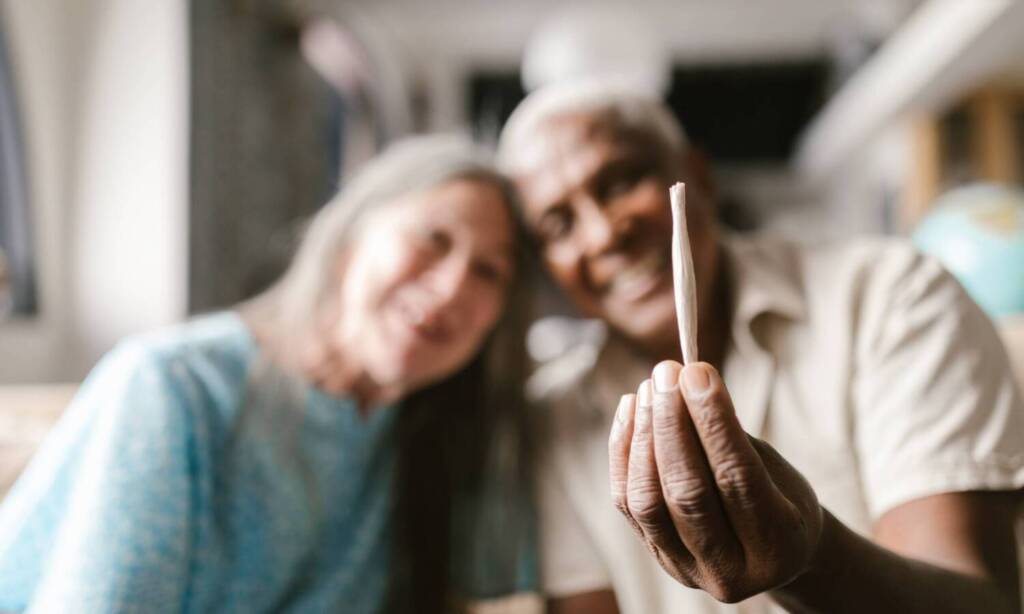
How Marijuana Can Help People Over 60 Date


Starting to date again is tough at any age, but over 60, you may need a little extra help.  Marijuana may be the answer.


The ever popular Bachelor franchise is rolling out a new show – the “Golden Bachelor”. ABC calls it a “whole new kind of love story, one for the golden years.”  For men in the 65+ group, 21% are single while women in the 65+ group, 49% are single. Part of the disparity is a woman’s life expectancy in the US or Canada is around 79 years while men’s are around 73. But why shouldn’t people date and have a good time when you are over 60? In the last 20 years 60 is the new 50 and 70 is the new 55!

Gerry Turner, a 71-year-old grandpa from Indiana will star in the spinoff. A grandfather and widower, he enjoys pickle ball, sports, and eating out. He is just like the millions who want someone, but don’t know how to start.  Many over think they first step.

Cannabis is a way to help people as they enter the dating scene. Marijuana use among people over 60 is on the rise, and some are finding that it can help them return to the dating scene. According to a 2020 study published in JAMA Internal Medicine, cannabis use in adults 65 and older increased by 75 percent over a three-year period.

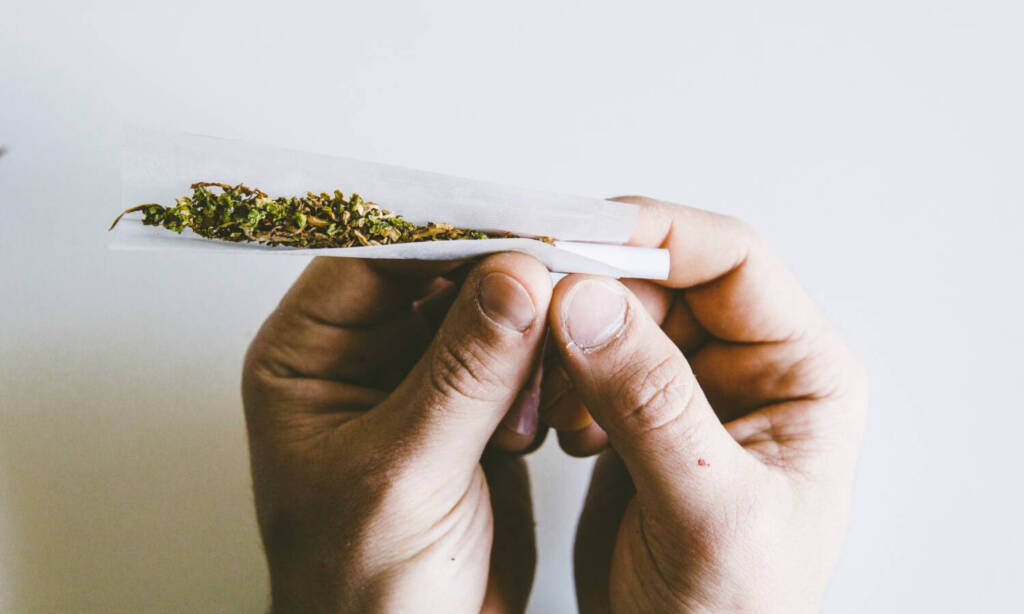
men's white crew-neck T-shirt

Here are some ways that marijuana may be helping older adults get back into dating:

  • Reducing anxiety: Many older adults experience anxiety when it comes to dating, especially if they haven’t dated in a long time. Marijuana can help reduce anxiety and promote relaxation, making it easier to approach potential partners. It also takes away some of the worry during the first few dates allowing you to more relaxed.
  • Increasing libido: Marijuana has been shown to increase libido in some people, which can be helpful for those looking to get back into the dating scene.  Intimacy can take many forms and marijuana or medical marijuana can be able to ease into a physical relationship.
  • Easing pain: Chronic pain is a common issue among older adults, and marijuana has been shown to be effective in treating pain. This allows for greater mobility and reduces self-conscious in the ability to do things with someone new.  A long walk, swimming, etc can make for a great first few dates.  Having better joint dexterity makes dining out and other activities more fun.
  • Providing a shared interest: For some older adults, marijuana use can be a shared interest with potential partners. This can be a great way to connect and bond with someone new

RELATED: People Who Use Weed Also Do More Of Another Fun Thing

do cannabis products over promise and under deliver
Photo by Jamie Grill/Getty Images

It is suggested if you are currently not on using marijuana and on medications, you should talk to your doctor to avoid any mishaps. By reducing anxiety, increasing libido, easing pain, and providing a shared interest, marijuana can be a helpful tool for older adults looking to connect with others. As the old age states, nothing ventured, nothing gained. And having a small edible while making decisions can help you approach life with a fresh look.

RELATED: Science Says Medical Marijuana Improves Quality Of Life

Another reason why marijuana those over 60 may help in the dating scene is shows they are open to new things and new experiences.  It puts them in a mindset that says they are willing to try new experiences including a new person to have a conversation, different activities and untried ways to have fun!

Does Marijuana Dehydrate You


The temperatures are soaring and people are sweltering under record heat and trapped smoke from wildfires.  Sticky clothing, irritable moods and hot cars seems to be on the menu this summer.

Country singer Jason Aldean had to reschedule a concert cut short after he suffered heat stroke on stage, a representative said. Aldean later said he was “doing fine” after rushing off stage Saturday with what he described as “a combination of dehydration and just heat exhaustion.”

Alcohol is known to dehydrate you and is not encouraged in extreme heat, but what about marijuana?

bottled water
Photo by Suzy Hazelwood from Pexels

RELATED: Pickleball Season is Near – You Might Want Some Cannabis or CBD Near

Alcohol is a diuretic and can lead to dehydration. It causes your body to remove fluids from your blood through your renal system, which includes the kidneys, ureters, and bladder, at a much quicker rate than other liquids.   Marijuana is not a diuretic, so it doesn’t send a message to empty your body of fluids.

One of the signs of dehydration is “cotton mouth”. But contrary to popular belief, marijuana cotton mouth is not caused by consuming. Scientists discovered that it occurs when active compounds in marijuana, known as cannabinoids, interact with the human endocannabinoid system. This system is comprised of cannabinoid receptors throughout our brains and bodies that are activated when we ingest cannabis. These receptor sites include submandibular saliva glands located in the bottom of our mouths that produce almost three-quarters of our required saliva. When you use marijuana, certain cannabinoids attach to areas of the brain that normally send messages to your parasympathetic nervous system to produce saliva, essentially slowing it down. This slowdown quickly results in a saliva shortage making your mouth very dry.

For very frequent and large dose users, it can cause some dehydration via extreme nausea from overuse, but the causal user doesn’t have to be concerned.

marijuana edibles
Photo by Daria-Yakovleva via Pixabay

When the thermometer hits the high mark, you might want to adjust the way you consume.  Avoid things that involved active heat and consider a vape, gummy, or oil.

Early symptoms of dehydration include feeling thirsty, being lightheaded, cotton mouth, using the bathroom less and tiredness. Should you start experiencing any of these, go to a cool place and drink lots of water.

RELATED: 7 Ways To Enjoy Cannabis If You Don’t Want to Smoke

A little lagniappe, as long as you stay hydrated while eating spicy food, the perspiration coming from enjoying a three alarm meal will force your body to cool itself quickly and more efficiently.

The French And Marijuana


Joie de vivre (joy of living) is a French phrase often used in English to express a cheerful enjoyment of life, an exultation of spirit. It can be a joy of conversation, eating, of anything one might do…a philosophy of life.  France is the home of fashion, champagne, rosé, l’amour and more.  As the fourth largest European country, it’s 65 million citizens savor long luncheons, 6 weeks vacations, homemade bread and any opportunity to chill.

So where does France, the culture icon of things cool, stand on marijuana? The French are the most consumers of cannabis in Europe. Yet, it remains illegal like most of their neighbors, although there are some signs of hope in Germany, Malta, and Italy.  There are many things at play, EU rules, taxation, the thought of change and of course, the glacial pace of some governments.

restaurant with lighted string lights

As part of the EU, countries are restrained into having a central currency, open borders and tax and crime laws that mirroring their neighbors.  To move one, you must look at moving all, and the bureaucracy of the EU is a slow moving sloth.

Nearly every major milestone in the US cannabis legalization movement came as a result of voter initiative. A California measure in 1996 established the country’s first medical marijuana program, and initiatives are responsible for adult-use legalization in every state where it exists. While some European countries, such as the UK and the Netherlands, allow for referendums, the results of those votes aren’t legally binding; they’re merely advice to lawmakers.

RELATED: TSA And Cannabis: What You Need To Know

This makes the job of European cannabis activists quite different. To get a cannabis proposition on the ballot, American activists first have to spend a lot of time and money to gather enough signatures simply to qualify the measure for the ballot. Then comes campaigning and get-out-the-vote efforts. In Europe that’s not possible, even if you could muster the signatures of 99 percent of the population, there’s still no guarantee that anything will change.

French President Emmanuel Macron wants to update policies where police would issue warnings and on-the-spot fines for cannabis use. While it appears strict, it is a  relaxation of the current rarely enforced law. Officers have welcomed the proposals, saying they will cut down court time and paperwork for an offense which, in many cases, police turn a blind eye.

France

Photo by Flickr user rhodesj

In January 2023, the French Economic, Social and Environmental Council positioned in favor of the decriminalization of the cannabis for recreational use for adults only.

RELATED: Science Says Medical Marijuana Improves Quality Of Life

French culture embraces drinking, but not to excess. Love, but not to inclusivity, and consuming, but not to openly.

NYC Pushes Unlicensed Cannabis Enforcement to Landlords


In April 2023, New York City Councilmember Lynn C. Schulman introduced a bill to the City Council which would prohibit landlords from leasing to a commercial tenant engaged in the unlicensed sale of cannabis. After being approved by the Committee on Public Safety, the bill was sent to, and also approved by, the full Council on Thursday, June 22nd. It will now be sent to the desk of Mayor Eric Adams, who has 30 days to either sign the bill and enact it into law, or veto it.  Meaning NYC is looking at pushing unlicensed cannabis enforcement to landlords.

If enacted, the bill would send city inspectors to suspected unlicensed cannabis stores, which currently number in the thousands. If the inspector finds that illegal cannabis is being sold on premises, the landlord would face a fine between $5,000 and $10,000. A second inspection would later take place, and if the landlord can provide proof that eviction proceedings have begun since the first inspection, the fines may be avoided. Along with the state agencies currently authorized to inspect for relevant violations, the bill would allow the mayor to designate any state agency to inspect for such. While the levying of fines against landlords could significantly reduce unlicensed cannabis stores, a certain provision of the bill may allow for a loophole to be exploited by these unlicensed stores, as further discussed below.

red and blue love neon light signage

Actions against the illicit businesses themselves have already begun in earnest, as Governor Kathy Hochul granted the Office of Cannabis Management (OCM) with enforcement powers newly backed by the state’s FY 2024 Budget. The timing of the bill’s approval coincides with the Governor’s report that nearly $11 million worth of illicit cannabis products have been seized throughout the state so far. The additional step of fining landlords who knowingly rent to unlicensed operators has long been proposed as a deterrent against the illicit market.

The Existing Markets

New York effectively has two cannabis industries: the legal one, born of the Marihuana Regulation and Taxation Act (MRTA) in March 2021, and bound by the OCM’s rigid regulatory framework, and the illegal one, which is vastly larger, older, and unfettered by the restrictions placed on legitimate licensees, including the payment of taxes, and public safety prohibitions on operating in sensitive locations or selling to minors.

Long before the first state-licensed dispensaries opened their doors, it was clear that the two industries could not truly coexist. The unlicensed marketplace (AKA the legacy market, the gray/black market) has opportunistically exploded since the MRTA legalized cannabis throughout the state, and has continued to proliferate at light speed when compared to the legal market, the rollout for which has crawled sluggishly forward under the weight of bureaucracy. Even one of the states with the longest running legal adult-use (recreational) cannabis program, California, sees up to $8 billion in illegal sales every year, generating significantly more revenue than the legal market.

RELATED: Unlicensed Shops in NYC Are Doing Better Than The Naked Cowboy

In response, politicians at every level of state government have proposed some sort of landlord accountability. The idea is that if landlords are discouraged from entering leases with these businesses or punished for having done so, operators will be unable to secure the necessary space or, in the event that they already signed a lease, will face eviction. In either event, these illicit operators will be forced to consider going entirely underground, closing their doors or, perhaps, will consider entering the legal marketplace and obtaining a dispensary license. For many legacy operators, the latter may not be realistic. New York was the first state in the nation to prioritize justice-involved license applicants through its Conditional Adult-Use Retail Dispensary (CAURD) program. But nearly two and a half years after MRTA passed, and with thousands of adult-use cannabis applications submitted, there are only a handful of legally compliant dispensaries open for business in New York.

Landlords who lease space to unlicensed operators cannot plead ignorance to avoid fines. It was initially believed that a landlord could not lease directly to a CAURD license holder, but rather would enter into a lease with the Dormitory Authority of the State New York (DASNY), which would then sublease the space to the license holder. The difficulty in locating and securing compliant premises has led to the OCM approving locations for non-DASNY controlled premises. Both DASNY leases and these stand-alone leases, which Falcon Rappaport & Berkman has extensive experience with, are explicit in their structure and purpose. For these unlicensed stores, landlords across the city enter into non-DASNY leases with tenants who conspicuously advertise THC products for sale. Under the proposed bill, these landlords would be at high risk of enforcement action, particularly after a city agency warning letter which could disallow any landlords’ claims of ignorance.  Falcon Rappaport & Berkman can assist Landlords in drafting leases with more robust use restrictions to discourage unlicensed cannabis sales and ease eviction actions in the event such illegal use has occurred.

RELATED: California or New York – Which Has The Biggest Marijuana Mess?

Unforeseen Consequences

Fining commercial landlords and/or encouraging them to evict illicit cannabis tenants is a predictable step in the implementation of New York’s legal cannabis market. Without it, legitimate license holders will continue to be at a disadvantage in the industry, and neither consumers nor the general public will reap the benefits of a well-regulated marketplace.

time lapse photography of several burning US dollar banknotes

However, the way in which we fine these commercial landlords, or enact other enforcement action, must be carefully examined. A provision of the proposed bill, section C.1., specifies that written notice following an inspection (and presumably any future fines) are only for a property that is used to sell illicit cannabis products and “is not occupied for any other licensed or lawful purpose.” While the bill may still result in fines against landlords of unlicensed cannabis stores, this provision means that if the premises is used for another lawful purpose, these fines against the landlords may not apply. The existing unlicensed market consists of not only stand-alone cannabis stores, but of bodegas and convenience stores selling cannabis products, the landlords of which will likely avoid penalties under this proposed bill.

The complexity and adaptability of the unregulated market should not be underestimated. If enacted, this bill will hinder some significant competitors to adult-use dispensary licensees, but will be far from addressing the entire unregulated market in NY. Frequent reassessment of enforcement action and well-crafted policies will be necessary to ensure a flourishing New York adult-use cannabis industry.

Michael A. Curatola, Esq. helped co-author this article along with contributions from Andrew P. Cooper, Esq., LL.M., and Ariel S. Holzer, Esq. 

Florida Has A Math Problem When It Comes To Cannabis


The Florida Smart & Safe campaign for recreational cannabis use has secured and verified over 1 million signatures.  Roughly .5% of the population stepped up for recreational marijuana.  Despite the support, the group has to get approval from the Florida supreme court before it can go to a general vote. Florida continues to have a problem with cannabis and the public’s approval of legalization.

Florida’s elected leaders seem to have an issue that runs opposite of the public. In a survey from Pew Research, only 10% of the population wants marijuana to be illegal.  A full 89% believe medical marijuana should be available to everyone and 59% believe it should be with alcohol in recreational use.

Ron DeSantis
Photo by Jeff Swensen/Getty Images

RELATED: California or New York – Which Has The Biggest Marijuana Mess?

“I think it’s going to be a tough fight, and I think it could go either way,” constitutional attorney Will Cooper shared with WFLA. “The key is the Supreme Court in Florida. They have a history of being very aggressive and striking down these initiatives relating to marijuana use in Florida.”

Florida Attorney General Ashley Moody already announced intentions to fight the proposed constitutional amendment. Moody’s communications director said it’s essential Floridians know what they’re voting for.  Again, they aren’t sure Florida citizens are smart enough to understand.

Florida twice approved medical marijuana.  The first time it had over 55% of the state vote in favor but the Governor and Florida court said they were ill informed and refused to allow it to pass into law.  Then in November of 2016 Floridians again voted on a constitutional amendment to introduce medical cannabis to the state. The amendment passed with 71.3% of voters in favor of the initiative. Governor Ron DeSantis refused has extremely slow walked the process.  Currently, for a population of 21 million, the state has 501 dispensary locations currently in operation.  Florida also has 1790 dedicated liquor shops not counting convenience stores (9,500+), bars, restaurants, and grocery stores (4,000+).

pharmaceuticals marijuana
Photo by Cappi Thompson/Getty Images

This fight is commons as the they are dealing with two other major issues that can derail the Sunshine State. Public and private university faculty are reporting that they are losing staff at a high rate and struggling to fill vacant positions that were once covetous. A brain drain is happening in the college system and people are declining to move to the state for high-paying technical jobs. The state will have to lean on service workers to generate more taxes.

The second is the soaring cost of home insurance with four national insurance firms refusing to cover Florida. The issue is so dire, there is concern of a housing market crash.

RELATED: Unlicensed Shops in NYC Are Doing Better Than The Naked Cowboy

Twenty perfect of the state’s population if over 65. According to  data in the Journal of the American Medical Association, patients suffering from pain, cancer, anxiety, and insomnia report significant, sustained improvements in their health-related quality of life following the use of medical marijuana.

That is a  amount of the population who can have a direct benefit from better and legal access. So when it comes to legal cannabis, the will of the public and the actions of the state just don’t add up.

NYC Pushes Unlicensed Cannabis Enforcement to Landlords


In April 2023, New York City Councilmember Lynn C. Schulman introduced a bill to the City Council which would prohibit landlords from leasing to a commercial tenant engaged in the unlicensed sale of cannabis. After being approved by the Committee on Public Safety, the bill was sent to, and also approved by, the full Council on Thursday, June 22nd. It will now be sent to the desk of Mayor Eric Adams, who has 30 days to either sign the bill and enact it into law, or veto it. So NYC is pushing unlicensed cannabis enforcement to landlords.

If enacted, the bill would send city inspectors to suspected unlicensed cannabis stores, which currently number in the thousands. If the inspector finds that illegal cannabis is being sold on premises, the landlord would face a fine between $5,000 and $10,000. A second inspection would later take place, and if the landlord can provide proof that eviction proceedings have begun since the first inspection, the fines may be avoided. Along with the state agencies currently authorized to inspect for relevant violations, the bill would allow the mayor to designate any state agency to inspect for such. While the levying of fines against landlords could significantly reduce unlicensed cannabis stores, a certain provision of the bill may allow for a loophole to be exploited by these unlicensed stores, as further discussed below.

red and blue love neon light signage

Actions against the illicit businesses themselves have already begun in earnest, as Governor Kathy Hochul granted the Office of Cannabis Management (OCM) with enforcement powers newly backed by the state’s FY 2024 Budget. The timing of the bill’s approval coincides with the Governor’s report that nearly $11 million worth of illicit cannabis products have been seized throughout the state so far. The additional step of fining landlords who knowingly rent to unlicensed operators has long been proposed as a deterrent against the illicit market.

The Existing Markets

New York effectively has two cannabis industries: the legal one, born of the Marihuana Regulation and Taxation Act (MRTA) in March 2021, and bound by the OCM’s rigid regulatory framework, and the illegal one, which is vastly larger, older, and unfettered by the restrictions placed on legitimate licensees, including the payment of taxes, and public safety prohibitions on operating in sensitive locations or selling to minors.

Long before the first state-licensed dispensaries opened their doors, it was clear that the two industries could not truly coexist. The unlicensed marketplace (AKA the legacy market, the gray/black market) has opportunistically exploded since the MRTA legalized cannabis throughout the state, and has continued to proliferate at light speed when compared to the legal market, the rollout for which has crawled sluggishly forward under the weight of bureaucracy. Even one of the states with the longest running legal adult-use (recreational) cannabis program, California, sees up to $8 billion in illegal sales every year, generating significantly more revenue than the legal market.

RELATED: Unlicensed Shops in NYC Are Doing Better Than The Naked Cowboy

In response, politicians at every level of state government have proposed some sort of landlord accountability. The idea is that if landlords are discouraged from entering leases with these businesses or punished for having done so, operators will be unable to secure the necessary space or, in the event that they already signed a lease, will face eviction. In either event, these illicit operators will be forced to consider going entirely underground, closing their doors or, perhaps, will consider entering the legal marketplace and obtaining a dispensary license. For many legacy operators, the latter may not be realistic. New York was the first state in the nation to prioritize justice-involved license applicants through its Conditional Adult-Use Retail Dispensary (CAURD) program. But nearly two and a half years after MRTA passed, and with thousands of adult-use cannabis applications submitted, there are only a handful of legally compliant dispensaries open for business in New York.

Landlords who lease space to unlicensed operators cannot plead ignorance to avoid fines. It was initially believed that a landlord could not lease directly to a CAURD license holder, but rather would enter into a lease with the Dormitory Authority of the State New York (DASNY), which would then sublease the space to the license holder. The difficulty in locating and securing compliant premises has led to the OCM approving locations for non-DASNY controlled premises. Both DASNY leases and these stand-alone leases, which Falcon Rappaport & Berkman has extensive experience with, are explicit in their structure and purpose. For these unlicensed stores, landlords across the city enter into non-DASNY leases with tenants who conspicuously advertise THC products for sale. Under the proposed bill, these landlords would be at high risk of enforcement action, particularly after a city agency warning letter which could disallow any landlords’ claims of ignorance.  Falcon Rappaport & Berkman can assist Landlords in drafting leases with more robust use restrictions to discourage unlicensed cannabis sales and ease eviction actions in the event such illegal use has occurred.

RELATED: California or New York – Which Has The Biggest Marijuana Mess?

Unforeseen Consequences

Fining commercial landlords and/or encouraging them to evict illicit cannabis tenants is a predictable step in the implementation of New York’s legal cannabis market. Without it, legitimate license holders will continue to be at a disadvantage in the industry, and neither consumers nor the general public will reap the benefits of a well-regulated marketplace.

time lapse photography of several burning US dollar banknotes

However, the way in which we fine these commercial landlords, or enact other enforcement action, must be carefully examined. A provision of the proposed bill, section C.1., specifies that written notice following an inspection (and presumably any future fines) are only for a property that is used to sell illicit cannabis products and “is not occupied for any other licensed or lawful purpose.” While the bill may still result in fines against landlords of unlicensed cannabis stores, this provision means that if the premises is used for another lawful purpose, these fines against the landlords may not apply. The existing unlicensed market consists of not only stand-alone cannabis stores, but of bodegas and convenience stores selling cannabis products, the landlords of which will likely avoid penalties under this proposed bill.

The complexity and adaptability of the unregulated market should not be underestimated. If enacted, this bill will hinder some significant competitors to adult-use dispensary licensees, but will be far from addressing the entire unregulated market in NY. Frequent reassessment of enforcement action and well-crafted policies will be necessary to ensure a flourishing New York adult-use cannabis industry.

Michael A. Curatola, Esq. helped co-author this article along with contributions from Andrew P. Cooper, Esq., LL.M., and Ariel S. Holzer, Esq. 

Consuming And Riding The Waves!

Surfing and marijuana seems to go together like peanut butter and jelly – but behind the scenes?

In Biarritz and Nazaré, Costa Rica to Hawaii and from Australia to the beaches of California, surfers have settled in to ride some of the ocean’s best waves. The worldwide surfing population is estimated at between 17 and 35 million and are passionate about the water, the board, and the culture. Emerging from ancient Polynesia, it took a global hold in the 50s and 60s and continues to go strong. It has affected music, fashion, literature, film, art, and language. Consuming and riding the waves are cultural phenomena.

And marijuana got weaved into the ride, bringing together two iconic chill vibes. Members of Hawaii’s world-famous surf culture have maintained a strong passion for smoking what the natives call “pakalolo”—”paka” means “tobacco” and “lōlō” refers to the THC’s numbing effects.

orange van with surfboard on top

RELATED: Men Consume More Marijuana – Surprised?

“Marijuana was the surfer’s drug of choice, and it fit easily within established surfer culture,” writes Matt Warshaw of the EoS. “Surfers prided themselves on being rebellious—not quite criminal, but not rule-abiding either—and pot was the perfect misdemeanor-level drug. Easy to grow, easy to buy, easy to transport, pot appealed to the surfer’s DIY home-based enterprising spirit.”

Surfers get stoked during the ride and baked before or after. Surfers have a bit of counter culture, but in today’s Insta world, even regional surfers who are good have a big following. Unlike 10 years ago, you have to be on your game for your followers and the video.  Surfing while a bit baked makes it hard to do the split second adjustment which separates amateurs from aficionados.

From a science point of view, marijuana is not seen as a performance enhancing drug. But it is still banned during competition. Selections on who will be tested are made by the World Surfing League (WSL) and International Surf Association (ISL),  for both in competition and out of competition testing. All surfers who compete in any World Surfing League event can be tested at any time whether it is at an event or at their home even.


marijuana leaf
Photo by Olena Ruban/Getty Images

A small amount of cannabis and ease anxiety ahead of the big swell. On the beach afterwards, it can be use to help speed up muscle recovery and relieve tissue swelling.  Water can be rough on the body.

RELATED: Guess What Is Gumming Up The Marijuana World?

Not every surfer is like Spicoli in Fast Times At Ridgemont High, but kicking back post waves, feet in the sand and something to help you chill is still part of the scene.

Road Rash And Marijuana Are Not A Good Match


Over 2 million Americans and Canadians are injured each year from popular summertime activities, according to hospital tracking data from the U.S. Consumer Product Safety Commission. Everyone wants to head out and try something fun. Biking, hiking, bouldering, pickle ball, tennis, and more get us on our feet and outside. While fun and healthy, it is also an invitation to scraps, cuts and bruises.  Road rash is a common injury introduced to toddlers and part of every day life as you continue to age. What about road rash and Marijuana?

What is road rash? It happens to your skin when it gets scraped off by a hard surface or contacts a smooth surface for an extended period. For example, falling while using a treadmill, off of a bicycle, or a tumble on the pickle ball court can cause road rash.  An open wound needing time to heal and have skin grow back over the exposed body. But does marijuana help with road rash or wounds?

person in black and white nike sneakers holding blue and white tennis racket

Marijuana can definitely help with pain management and inflammation. Research suggests, the THC in medical marijuana helps us work through soreness and strain by reducing inflammation at injury sites and by modulating pain signals as they travel to the brain.

BUT, it does not clear it helps with road rash for a couple of reasons. There has not been significant research done on this topic, but a one study showed it did not make any difference in the healing process of the open wound.

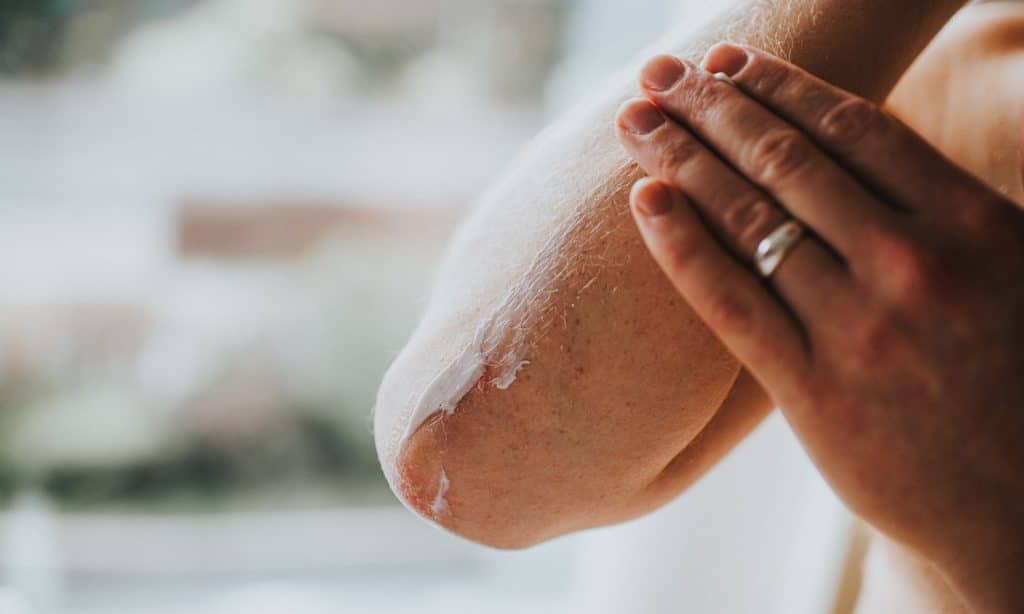
If you use a THC topical cream over the wound before covering it up with a bandage, make sure you check to ensure it is helpful within a day.  A small amount of research says it might help, but nothing has been proven and you don’t want unnecessary scarring.

RELATED: Medical Cannabis Alleviates Neurological & Pain-Related Ailments

Traditional smoking of cannabis, joints, pre-rolls, bongs and bowls are not helpful either. While it could help pain management like ibuprofen, the carbon monoxide in cannabis smoke inhibits blood oxygenation and decreases blood flow, which could lead to tissue death, more scarring and slower wound healing.

group of people in white long sleeve shirt and green pants standing on rocky ground

RELATED: Pickleball Season is Near – You Might Want Some Cannabis or CBD Near

The best way to treat road rash is clean the injury thoroughly, then apply an antibiotic ointment such as Bacitracin or Neosporin. This will help kill any bad bacteria which may have come in contact with your wound. Apply the ointment carefully to not cause more bleeding. Cover the road rash with a clean bandage. Check to make sure the wound stays moist and is covered until the wound is completely covered with new skin. An exposed cut will pick up dirt and debris from the air. A wound that heals in a moist environment is less likely to leave a scar.

The Upside Down World of Alabama and Cannabis

Alabama’s state flower is the camellia, but quietly is also cannabis?


Alabama is a grow state. Agriculture has over a $70 billion economic impact in Alabama. It has more than 44,000 farms covering 8.9 million acres. One out of every 4.6 jobs in the state relates to agriculture and forestry. They know the soil, the seasons and the plants.  And it is has been long a hot bed along with the Florida panhandle in illegal marijuana farms.  Jackson County, Florida was known as a triple treat as within 20 minutes you could be in another state (Georgia, Alabama, Florida) evading the police.  Word is young bucks and old families alike benefit from grows which encroach into tree farms helping them be profitable.

Yet, the state is slow on ramping up medical marijuana, resisting recreational and one of their Senators is ok with helping the industry.  So, you can just never predict what is going to go on in cotton state.

Alabama Senator Tommy Tuberville

RELATED: California or New York – Which Has The Biggest Marijuana Mess?

Alabama elected Jeff Session, an arch enemy of the marijuana industry.  Attorney General during the Trump administration, he put marijuana as a focus and then fell out of favor.  He followed up with the the trend losing his senate race to a football coach. Senator Tommy Tuberville (R-AL) recently stated he would vote in favor of the Secure and Fair Enforcement Banking Act (SAFE Banking Act) of 2023. The SAFE Banking Act is a bill that would prevent federal banking regulators from prohibiting or penalizing a bank from providing financial services to a state-sanctioned cannabis business.

“Yea, I am a supporter of the SAFE Banking Act,” Tuberville shared when asked by a reporter from Alabama Today.

Said Tuberville, “They’re going to have to prove to me that medical marijuana is good. As long as it’s medical marijuana and as long as you have to have a prescription. If we ever put marijuana on our streets legally, it’s over.”  At least he is for helping patients and veterans with PTSD.

This stance is a contrast to his being in hot water for holding up 250 military promotions until he changes the Department of Defense stance on abortion.  Key generals are saying we are reaching a point of a national defense crisis due to the delays.

RELATED: Does Marijuana Play A Role In Mass Shootings?

selective focus photography of pink-petaled flower

While a grow state, Alabama has been slow to the cannabis economy, partially thanks to the efforts of Jeff Sessions. Alabama is currently 44th in the list of state incomes (New York being at the top and Mississippi at the bottom). In 2021, Alabama became the 37th state to legalize medical marijuana. The process to integrate the new law into daily life is a slow one, but one that is set to be complete by early 2024.

Possession is still a crime and dealing is highly illegal, but popular throughout the states especially in mini tech center Birmingham. People of color are four times more likely to be jailed for possessing cannabis.

RELATED: Exclusive: #3 In Senate Talks About Safe Banking

In addition, Alabama is not a big drinking state, falling in the lower 20 on the list consuming alcohol. So while Senator Tuberville might help the cannabis industry and other states economies, Alabama is slow footing forward to where the majority of citizens want to see legalization and access.  You just never know with Alabama.

Guess What Is Gumming Up The Marijuana World?


The cannabis industry is all about good times, sweet memories and a good buzz.  The imagine of a someone kicking back enjoying a joint is in the mind of most people when you think about consuming. But lately, what is in the mind isn’t translating to what is in the mouth.

BDSA, a leading cannabis consumer insights and data company, recently released a report and revealed a twist for the industry.  The data collected also showed 57% of adults across surveyed states agree that adult-use cannabis should be legal. A whopping 74% of the population are cannabis consumers or accepting of people consuming. And in the past six months, 86% cannabis consumers claim they expect to continue, while 66% state they will definitely continue to consume.


clear footed wine glass

What is grabbing attention is HOW people are consuming.  Flower continues to be the largest revenue generator for the industry.  Flower has a mystical hold over older and more traditional consumers who see it as part of the culture. Gen Z and Millennials are driving the second biggest revenue maker which is vaping. It is perfect for an active lifestyle, a variety of dosages, and discreet.

But the big news is while flower and vape are the major revenue earner, the relative inexpensive gummy is the most consumed!  While earning a quarter of the revenue, it turns out the gummy is perfect to “take off the edge” for people. Quick to pop in your mouth, tasty, and no smell.  A fan favorite for the recreational consumer and medical patient.

Specifically, 49% of consumers across adult-use and medical states claimed to have consumed a gummy edible in the past six months compared to 47% who used flower.

This is definitely a change from the way the industry has seen itself with joints, bongs, pre-rolls and bowls. Now a cute, colorful edible is the way of the future. Dispensaries are having to stock up on products.

RELATED: People Who Use Weed Also Do More Of Another Fun Thing

gummies
Photo by Kindel Media from Pexels

Hans Riegel has the title “The father of gummy bears.”  In the 1920s, Riegel developed a soft, gelatin-based treat in the shape of a bear which grew quite popular. He later created Haribo, the prestigious gummy bear creator found on shelves around the world. German language teachers often gifted students with the bears to expose American soldiers to different foods in the mid and later 20th century.  The soldiers brought back these delightfully delicious bears to their families after being stationed overseas.

Gummies become famous when Hollywood started taking an interest. Gummy teddies found roles in so many forms of popular media, like TV shows, movies, and even musicals. Disney released The Adventures of the Gummi Bears in the ‘80s, and the candies even played a part in the Broadway show Hedwig and the Angry Inch.

RELATED: What To Expect From A Cannabis Edible

It wasn’t a leap to make cannabis gummies that have now become ragingly popular and changing the face of the cannabis industry.

Don't Miss Your Weekly Dose of The Fresh Toast.

Stay informed with exclusive news briefs delivered directly to your inbox every Friday.

We respect your privacy. Unsubscribe anytime.