A study conducted in Canada using toxicology results from trauma centers in B.C. has given a little more insight into what impact blood marijuana level has on crashes.
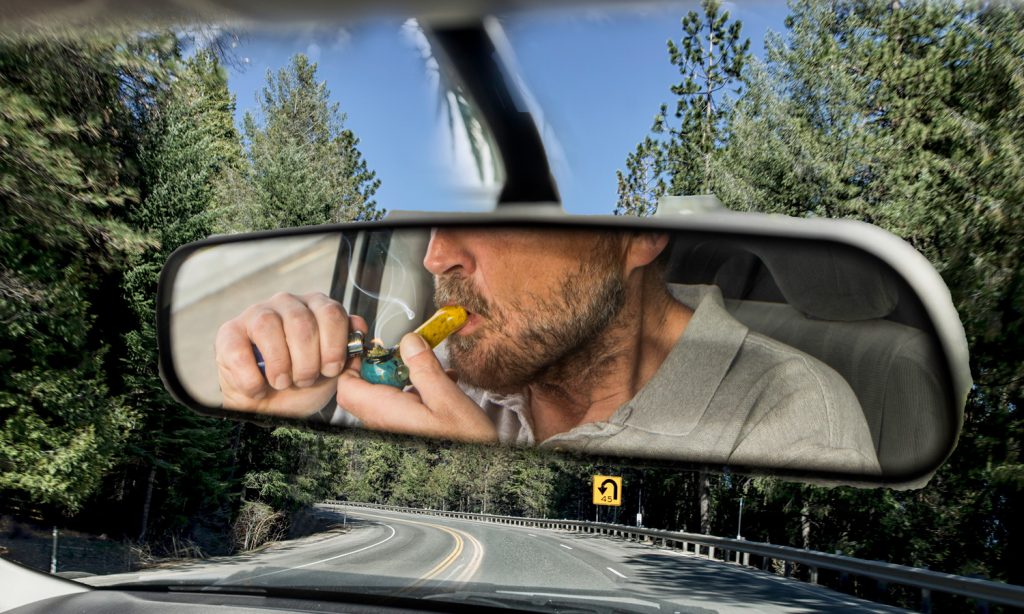
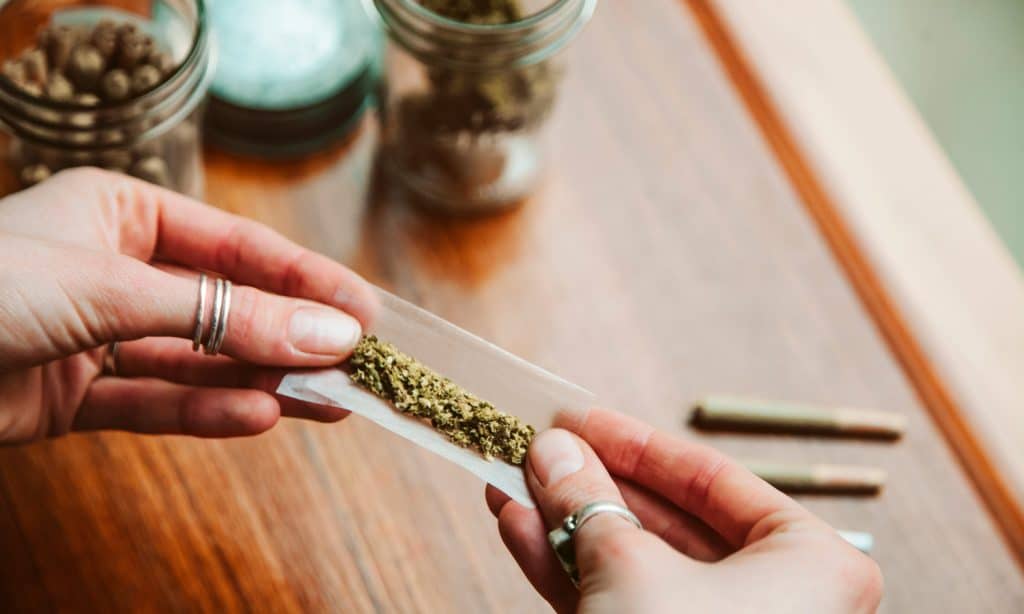
Cannabis is legal for recreational purposes in 11 states around the nation. And along with that legal framework comes rules about how or when you can drive while under the influence of weed. Is a cannabis DUI the same as drunk driving?
When each state legalized cannabis, many simply tacked cannabis on to their existing rules about driving under the influence of alcohol, with cannabis DUIs garnering the same penalties as alcohol DUIs.
Like alcohol, cannabis impairs skills commonly associated with safe driving, like quick reflexes and divided attention. At the moment, though, research into how much cannabis impairs a driver and methods for accurately testing how much marijuana a driver is currently under the influence of are very limited.
In fact, a U.S. House of Representatives Appropriations Committee report in 2019 asked for the NHTSA to coordinate with states in an attempt to develop more reliable guidelines, and acknowledged that creating standardized measurements for drug impairment was “unlikely in the near term.”
Photo by JasonDoiy/Getty Images
A May 2019 study, published in the journal Addiction, using toxicology results from trauma centers in British Columbia has given a little more insight into what impact blood marijuana level has on crashes.
Of the 3005 toxicology reports the study received, alcohol was involved in 14.4% of crashes. THC was involved in 8.3%, other drugs in 8.9% and sedating medications in 19.8%.
The study found there was no increased crash risk in drivers with under 2 nanograms or with 2-5 nanograms of THC per milliliter of blood, and minimal increase in drivers with over 5 nanograms of THC per milliliter. Conversely, there was “significantly increased risk of crash responsibility” in drivers with a blood alcohol concentration of over 0.08%.
The study speculates about the causes of this. There is evidence, it says, that drivers under the influence of cannabis are aware they are impaired and so drive more carefully.
The actress, entrepreneur and mother of three just revealed how terrible it was on the set of 90210. Does marijuana play a role in her life outside of the small screen?
Jessica Alba is an American actress, known for her work in famous films like the Fantastic Four and the successful TV series Dark Angel. Now, she’s mainly associated with The Honest Company, a consumer goods company she founded that sells baby, personal and household products.
This week, Alba made an appearance on the web series Hot Ones, where celebrities are asked questions as they eat progressively hotter wings. Host Sean Evans asked Alba about her experiences while working on 90210.
“On the set of 90210, I couldn’t even make eye contact with any of the cast members, which was really strange when you’re, like, trying to do a scene with them,” she said. “Yeah, it was like, ‘You’re not allowed to make eye contact with any one of the cast members or you’ll be thrown off the set.’”
That sounds like total bummer. Did Alba ever turn to weed to keep her calm?
There are few connections to Alba and marijuana. In 2017, The Honest Company filed a trademark lawsuit against Honest Herbal. According to the lawsuit, THC (see what we did there?) claimed that the hemp company was trying to “confuse consumers and profit from the goodwill and consumer recognition associated with The Honest Co.’s HONEST Marks.”
The suit explained that Honest Company made a “good faith effort to resolve this matter without having to resort to litigation,” but Honest Herbal refused to properly reply to their cease and desist order.
And earlier this year, it was revealed that Alba uses CBD lotions for special occasions, such as Oscar parties.
While there’s not a lot of content out there on Alba and marijuana, there is this photo of her:
One issue that’s unanimous by numerous doctors and researchers is the importance of disclosing cannabis consumption patterns with a physician.
Cannabis is so much more than a plant that can get consumers high. It’s an alternative medicine, a natural remedy, and a difference-making plant that can improve lives. Although cannabis has numerous therapeutic and medicinal properties, when it’s consumed along with prescribed or non-prescribed medications, adverse side effects can occur, which can be harmful to one’s health. Even though nobody has died from a cannabis overdose so far, there are concerns about combining cannabis products with various medications.
Here’s why it’s crucial to discuss cannabis consumption patterns with a doctor or healthcare provider.
Concerns & Lack of Research Findings
As time goes on, more of cannabis’s health benefits are being discovered. However, limited research exists on the effects caused from combining cannabis with different pharmaceutical medications or over-the-counter meds. Just like with other drugs, when cannabis is combined with different medications, certain side effects can arise, which may be negative and detrimental to one’s health and well-being.
For years, researchers have tried determining how prescribed and non-prescribed medications interact with different cannabinoids. Despite the variety of studies that are underway about this topic, do you know how complex the cannabis plant is? It contains more than 400 already discovered chemicals and over sixty cannabinoids! But, there’s still much to learn about other cannabinoids, their safety profiles, and their effects.
What has been widely discussed thus far though is the safety profile of the cannabinoid, CBD. According to the World Health Organization and the U.S. DEA, cannabis has not only been deemed as a safe substance, but CBD in particular has been recognized as a non-toxic, non-addictive, non-psychoactive, and safe compound.
Existing Research Findings About Combining Cannabis with Various Medications
Since cannabis remains a Schedule I illegal substance in the U.S., very little legal research is conducted about its many cannabinoids and its interaction with other medications. Thus far though, according to Drug.com, 612 existing drugs were found to interact with cannabis. Surprisingly, 129 of those 612 drugs resulted in major interactions when they were combined with cannabis. You may wonder what kind of interactions occurred. They vary based on the specific medication and cannabis product that were consumed and their dosages.
Photo by FangXiaNuo/Getty Images
Sedative Drugs and Antidepressants
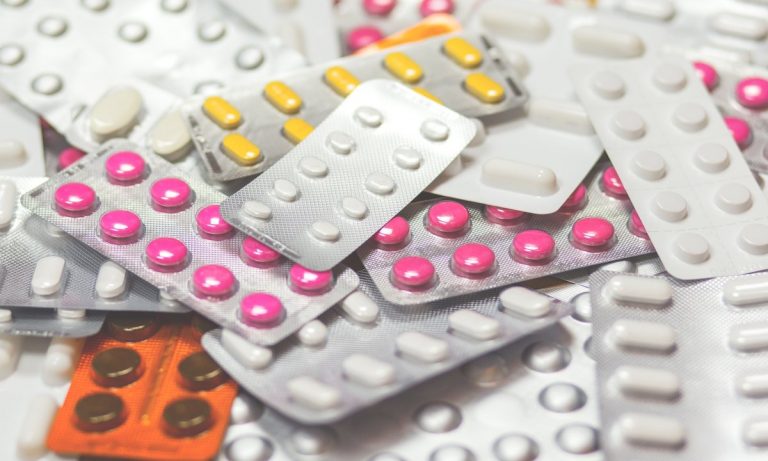
When cannabis is combined with sedative drugs like Ativan and, the results can be potentially dangerous, especially because adverse side effects can worsen including drowsiness, dizziness, and confusion. A few other drugs that are known to cause adverse interactions with cannabis include antidepressants like Zoloft, Celexa, and serotonin norepinephrine reuptake inhibitors (SNRIs) such as Cymbalta. The latter drugs have shown their ability to deliver additional psychoactive effects that impacts the brain and central nervous system just like cannabis does.
This is explained further by Dr. Greg Carter from Washington State University via this statement:
I think for any other drug that is potentially sedating or has some of the same effects as cannabis, it can enhance those effects. That’s not necessarily a drug-drug interaction in the way physicians think of it, but it can enhance the central nervous system depressing effect of other medications.
Anti-Anxiety and Over-the-counter (OTC) Medications
In addition, when cannabis is combined with anti-anxiety medications including Klonopin and Xanax, an interaction between two psychoactive compounds occur in the brain. This interaction can lead to negative effects while also making it difficult to differentiate which drug causes which side effect. Generally, if a prescribed or non-prescribed medication has sedative effects and if it’s combined with cannabis, the sedative effects may feel more intense.
Furthermore, if over-the-counter medicines, like Benadryl or Mucinex, are taken, negative effects might occur. Next time you feel a cold coming on, consider thinking twice before combining over-the-counter meds with cannabis. Rather than exposing yourself to the possibility of experiencing more uncomfortable symptoms aka adverse side effects, try refraining from using cannabis while taking OTC medications. Since little research exists on the interaction between cannabis and OTC medications, why risk consuming these drugs together?
Cannabis’s Synergistic Effects
Moreover, although there can be negative drug interactions between cannabis and various prescribed and non-prescribed medications, in some cases, cannabis works synergistically. How so, exactly? This can be in the form of cannabis either improving or negatively impacting a medication’s effects.
In particular, one study found that Phyto-cannabinoids and cannabis terpenes interact with one another, which can create synergy in regards to helping treat inflammation, pain, addiction, cancer, epilepsy, and various fungal and bacterial infections. It has also been discovered that a combination of THC and CBD can result in synergy in which both cannabinoids work together to produce more effective results.
Additionally, one noteworthy study was conducted about cannabinoid and opioid synergy, which is further explained by Dr. Daniele Piomelli: “THC in cannabis can work synergistically with opiate drugs increasing their pain-killing effects. There’s no evidence that THC also increases the addictive effects of the opiates, although this issue requires more study.”
Overall, more research must be done to better understand the relationship between combining cannabis with other medications. However, one concept that’s unanimous by numerous doctors and researchers is the importance of disclosing cannabis consumption patterns with a physician.
Moving forward, will you think twice about combining cannabis with other drugs? Or, will you take a gamble, and risk experiencing negative side effects or adverse drug interactions? The choice is yours.
Gamers find that weed helps them feel euphoric, more focused and more willing to stay the course of a marathon gaming session.
Video games continue to roar. The medium, one of the most popular ways of providing entertainment for people of all ages and genders, has been earning more and more respect over the years, with successful titles making their way into movies and TV shows. Since playing video games is so engaging and attention grabbing, adding a joint to the mix doesn’t sound like a bad idea.
Marijuana and video games are longtime companions for a reason. Gamers find that weed helps them feel euphoric, more focused and more willing to tune in to a marathon gaming session. Here are a few games you can play if you’re looking to mix it up over the weekend:
Animal Crossing: New Horizons
Photo by Sara Kurfeß via Unsplash
One of the most famous games of the year — and quarantine — has been Animal Crossing. For some reason, people really enjoyed the mental break of going into a remote island, making friends and remodeling the place as they see fit. I wonder why.
Aside from the endless memes that have appeared since the game’s release, Animal Crossing is one of those games that can be played nonstop, without that much brain engagement. It never runs out of activities, whether your avatar has furniture to build, villagers to befriend, fishes to fish or bugs to catch.
When subscribing to the Nintendo Switch Online you’ll gain access to dozens of NES and Super NES games, which are simple and have a retro look that’s cool and nostalgia inducing for every person who likes a good throwback. For 20 bucks a year you’ll have access to pivotal games in the gaming industry, like the original versions of Gradius, The Legend of Zelda, Super Mario Bros, Metroid, and more.
Spider Man
Spider Man was one of the biggest hits of the video game industry in 2019, providing a re imagination of a well known story. You play as Peter Parker and luckily you’re not forced to go through yet another origin story; in the game Peter is in his 20’s and faces off against famous enemies like Doc Ock, Wilson Fisk, Electro, and a bunch more. It’s like a very long Spider Man movie where you get to experience like you’re swinging through New York and doing a lot of fun stuff.
One of the most successful and beautiful games of the year is also one of the most depressing, so tread carefully. If you’re the kind of stoned person who enjoys movies like 2001: A Space Odyssey while high, you might also be the kind of stoned person who enjoys The Last Of Us Part II. You might miss out on some parts of the story or some great dialogue but you’ll definitely enjoy busting some Infected and traveling through an amazingly dilapidated and realistic looking Seattle.
Doom Eternal
Doom Eternal is a little different than the previous Doom games, a franchise that’s known for just shooting a lot of stuff. While you still get to shoot a bunch of stuff in Doom Eternal – like, a lot of it – there’s also a focus on storytelling, which might turn off some seasoned players but also expand the scope of the game. It’s a good game for those players who want some action but don’t mind a little story.
Donald Trump has tested positive for COVID-19. Here’s how VP Mike Pence could assume the role if Trump gets too sick to govern.
Now that President Trump has tested positive for the coronavirus, what happens if he can’t perform the duties of his elected office?
The recent diagnoses follows the presidential debate and several rallies where Trump was seen interacting with lots of different people. The news that both Trump and First Lady Melania have been infected with COVID-19 has dominated the media, derailing Republican rallies and events that were meant to occur through November 3, the day of the presidential election.
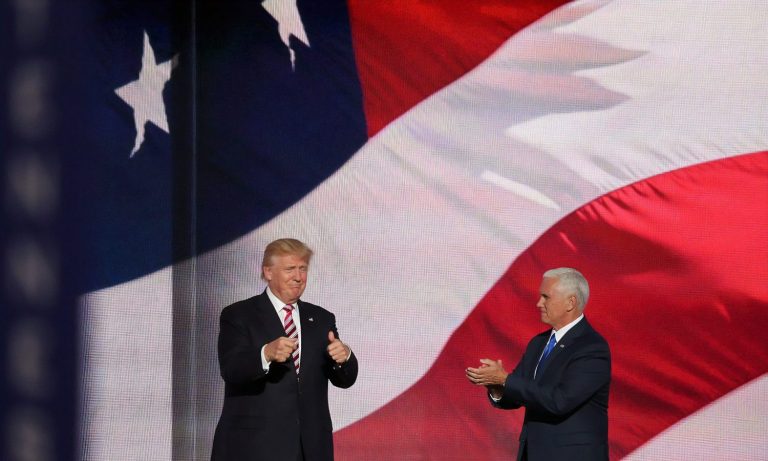
Should Trump become incapacitated, his duties would be fulfilled by the nation’s vice president, Mike Pence.
There are several sections in the U.S. Constitution that allow for a vice president to take control in a scenario like the one we’re going through. According to U.S. News, under Section 3 of the Constitution’s 25th Amendment, which was included after John F. Kennedy’s assassination, a president could declare in writing their inability to discharge their duties.
The vice president would then serve as acting president while the former president remains officially in charge of the office. Once the president is fit to return, they should declare in writing that they’re able to discharge their duties.
Photo by Zach Gibson/Stringer/Getty Images
This section of the constitution has some precedent in recent history, with Ronald Reagan enabling it when he had surgery to remove a precancerous lesion. His vice president, George H.W. Bush, was acting president for a period of 8 hours.
In 2002 and 2007, when George W. Bush was president, he invoked this right twice, leaving vice president Dick Cheney in charge of the office for a couple of hours on each date.
Another option that would allow Vice President Pence to take over Trump’s administration is one that’s never been used before. Under Section 4 in the U.S. Constitution, the vice president and the majority of officials in either cabinet can inform congressional leaders that they believe the president “is unable to discharge the powers and duties of his office,” allowing the vice president to take over.
If two thirds of the members of the House of Representatives and of the Senate believe that the president isn’t fit to lead the country, the vice president would remain in charge until after the following presidential election is held.
ICYMI: Here are the headlines making news this week on The Fresh Toast.
A study using toxicology results from trauma centers in B.C. has given a little more insight into what impact blood marijuana level has on crashes; Kate Middleton had the nerve to break royal protocol by doing this to her body; and whether marijuana legalization will be on the agenda for either of the next two presidential debates is, well, debatable. But it’s worth reviewing where each ticket stands on the issue.
Let’s dive into these stories and more as we round up the top five headlines on The Fresh Toast this week:
4 Perks Of Taking A Cannabis Tolerance Break
Photo by Radu Florin via Unsplash
Just like any other addictive compound, the repetitive use of cannabis increases our tolerance. In the case of weed, the more you consume it, the less responsive your endocannabinoid system becomes, specifically to THC. While this may not be a problem at first, the more time that passes, the more tolerance you’ll build. At some point, you’ll find yourself smoking a full joint and feeling no effects, which is inconvenient, expensive and frustrating.
Is A Cannabis DUI Really The Same As Drunk Driving?
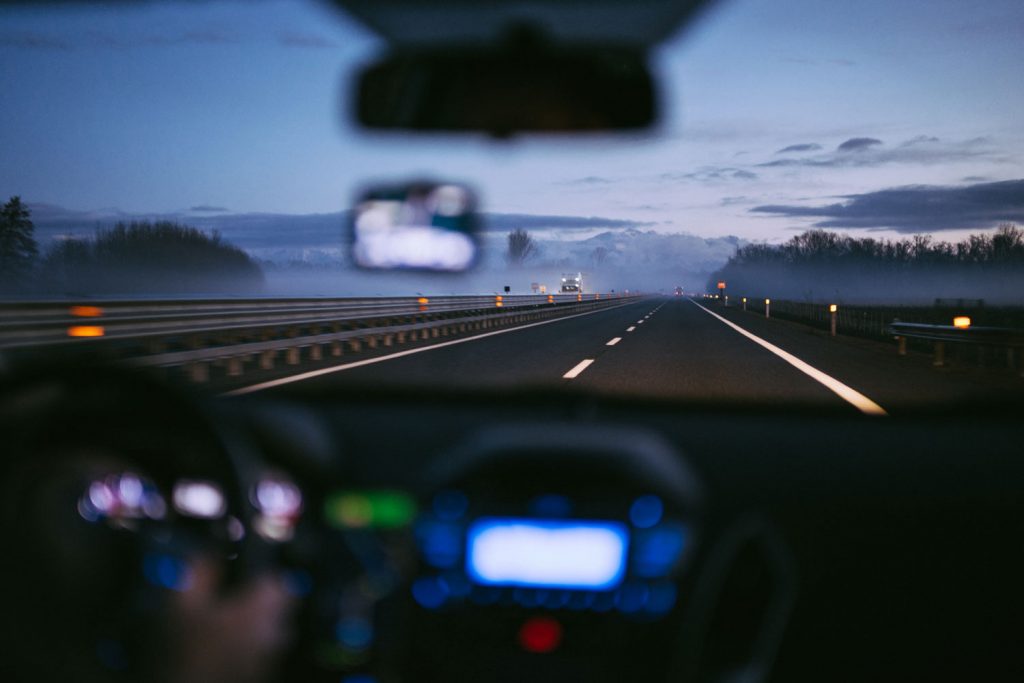
Photo by Samuele Errico Piccarini via Unsplash
Cannabis is legal for recreational purposes in 11 states around the nation. And along with that legal framework comes rules about how or when you can drive while under the influence of weed.
When each state legalized cannabis, many simply tacked cannabis on to their existing rules about driving under the influence of alcohol, with cannabis DUIs garnering the same penalties as alcohol DUIs.
Kate Middleton Has Been Down-Low Breaking This Royal Rule For Years
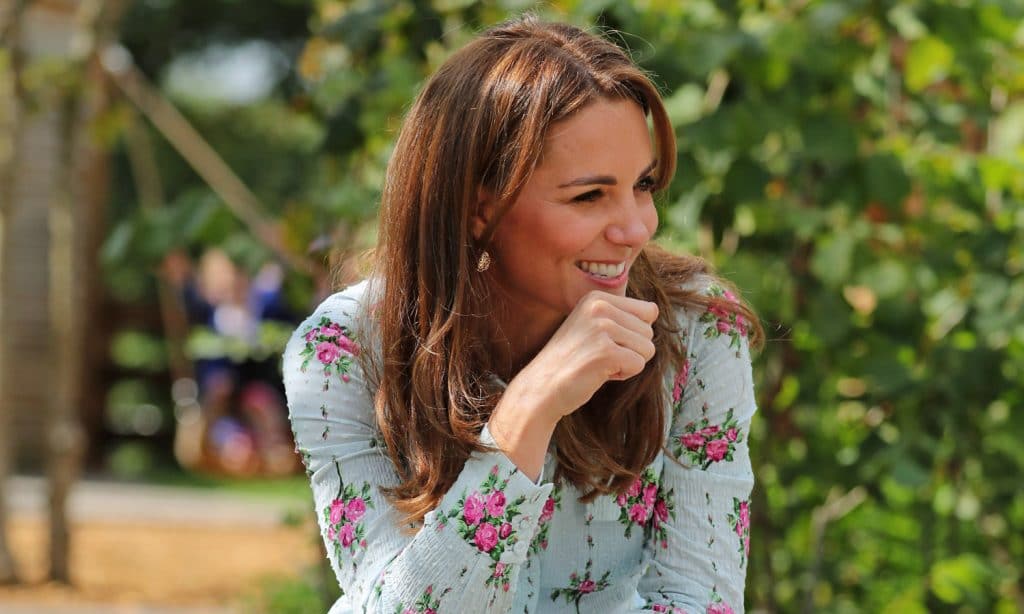
Photo by WPA Pool/Pool/Getty Images
Meghan Markle has made a name for herself as a rule breaker, whether it’s wearing a messy bun or skipping nylons with a dress, but unlike the Duchess of Sussex, Kate Middleton has been pretty strait-laced. That is, until now.
American Progressives Have Ignored Successful Alternatives To The Drug War — Is That About To Change?
Photo by Joshua Sukoff via Unsplash
The cannabis communities (note the plural) were disappointed (again) last week when the Democratic-controlled House of Representatives delayed a vote on the Marijuana Opportunity, Reinvestment and Expungement (MORE) Act until after the elections. Although it is obviously frustrating, the short delay may actually ensure greater success in November.
Where The Presidential Candidates Stand On Marijuana Legalization
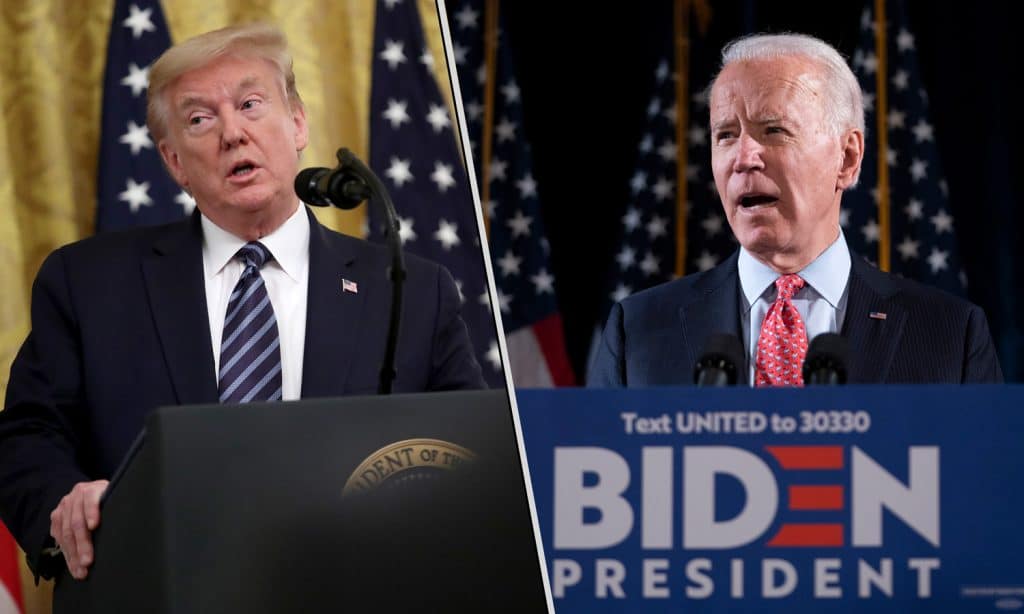
Photos by: Win McNamee/Staff/Getty Images; Drew
If Biden/Harris win in November, they will likely redo a marijuana legalization bill that will be a sort of hybrid STATES Act meets MORE Act. If they get a Democratic majority in both the House and the Senate, legalization may just happen faster than most people think.. maybe state by state, maybe the entire country.
If Trump/Pence win in November, there will likely be no movement on legalization unless its tagged to a Republican version of social justice reform. The administration may go ahead with rescheduling it to allow medical research. But a Republican Senate majority, historically, would continue to kill any outright marijuana legalization bill.
Four years before she married Prince Harry, Meghan Markle wrote in her blog something that resembles her life today.
In 2014, several years before she would meet Prince Harry, Meghan Markle wrote in her now-defunct blog, The Tig, about wanting to be a powerful figure in society. And you know what they say about manifesting your destiny.
The blog was deactivated in 2017, when her and Harry’s relationship became serious, but an archived version has come to light in which Markle talks about her dreams of becoming a princess. But not the Disney kind. Prefacing an interview she conducted with Princess Alia Al-Senussi of Libyan royalty, a woman she refers to as “cool” and “smart”, Markle wrote:
“Little girls dream of being princesses. I, for one, was all about She-Ra, Princess of Power. And grown women seem to retain this childhood fantasy. Just look at the pomp and circumstance surrounding the royal wedding and endless conversation about Princess Kate.”
And in a rapid-fire question and answer round during an interview with Hello! in October 2017, months before her first romantic encounter with Harry, Markle was asked: “Prince William or Prince Harry?”
“I don’t know,” laughed Meghan.
“Harry?” she was prompted.
“Harry? Sure,” Meghan said with a chuckle, giggling at the question.
Back when she was a teenager, Kate Middleton starred in a play where she had her future predicted by a fortune teller. In the eerie scene, which was uploaded to YouTube, the psychic takes her hand and tells her, “Soon you will meet a handsome man, a rich gentleman…”
She replies: “It is all I ever hoped for. Will he fall in love with me?”
The CDC issued a statement regarding COVID safety guidelines during Halloween. Here’s what they said about costume masks and the protection they may offer.
Now that Halloween is around the corner, the Centers for Disease Control (CDC) is trying its best to provide clear guidelines and recommendations for us. We already know we’re supposed to avoid large parties, haunted houses and trick or treating, but what about Halloween masks?
According to the CDC, people should continue to use face masks as a way of staying safe. Sadly, Halloween masks, unless they’re made of two breathable layers that cover nose and mouth, won’t keep people safe from the virus.
“Do not use a costume mask (such as for Halloween) as a substitute for a cloth mask unless it is made of two or more layers of breathable fabric that covers your mouth and nose and doesn’t leave gaps around your face,” explains the organization.
Photo by Oscar Chevillar via Unsplash
The CDC also warns against wearing a cloth face masks underneath a Halloween mask, since this could make it difficult to breathe and may result in dangerous situations for the wearer. “Do not wear a costume mask over a cloth mask because it can be dangerous if the costume mask makes it hard to breathe. Instead, consider using a Halloween-themed cloth mask.”
It’ll be difficult to try to recreate a Halloween like the ones we’ve experienced in previous years, but this doesn’t mean that people can’t get creative with their plans. The CDC offers some pretty snoozy (but safe!) alternatives that will still allow you to celebrate the holiday. These include:
Having a small group, outdoor, open-air costume parade where people are distanced more than 6 feet apart
Attending a costume party held outdoors where protective masks are used and people can remain more than 6 feet apart
Having an outdoor Halloween movie night with local family friends with people spaced at least 6 feet apart
Visiting pumpkin patches or orchards where people use hand sanitizer before touching pumpkins or picking apples, wearing masks is encouraged or enforced, and people are able to maintain social distancing
When it comes to treating high blood pressure, anxiety and even acne, CBD may be a safe and natural option for certain people.
Cannabidiol, or CBD as it’s more commonly known, has emerged in recent years as a popular natural treatment for a variety of ailments. It is one of the many compounds that makes up cannabis, or marijuana, but doesn’t produce the same psychoactive effects that cannabis is known for.
CBD doesn’t have the intoxicating effects of THC, and can provide certain people with a number of benefits. Here are four of the most surprising benefits of consuming CBD.
Acne treatment
A large portion of the population deals with acne at some point or another. Most of the time it’s a genetic condition passed down from your parents, but it can also be the result of a number of factors, including hormone imbalances, exposure to harmful bacteria, and certain medications. It can be a painful condition that results in unsightly pus-filled pimples.
You can try to treat acne using skincare products like Proactiv’s acne treatment system. However, some studies have suggested that CBD can also play a role in treating acne.
CBD is known to have anti-inflammatory properties and, when consumed, can affect the cells responsible for producing sebum, one of your body’s natural oils produced by the sebaceous glands.
One of the causes of acne is an overproduction of sebum, which mixes with dead skin cells and clogs up your hair follicles. By reducing the amount of sebum produced, CBD can balance out your body’s natural oil production and prevent clogged follicles, thereby alleviating the symptoms of acne.
Pain reduction
In some cases, CBD can be an effective treatment for chronic pain and inflammation. This could be partly due to the fact that one of the systems in our body that plays a role in regulating pain response is known as the endocannabinoid system, which produces endocannabinoids, or neurotransmitters that bind to cannabinoid receptors in your body’s nervous system.
Consuming CBD-infused products, made by companies such as CBDfx, can help relieve the symptoms of those suffering from chronic pain and inflammation by interacting with these endocannabinoid neurotransmitters and altering their activity.
A number of studies have supported the claim that CBD has natural pain-relieving effects, specifically in cases where a patient has multiple sclerosis (MS) or arthritis.
In fact, an oral spray containing both THC and CBD called Sativex has secured regulatory approval in multiple European countries to treat pain caused by certain conditions. Several studies have shown that Sativex offers promising results when it comes to pain relief for patients suffering from MS and arthritis.
Heart health
More than 100 million people, or nearly half of all adults in the United States, deal with high blood pressure. High blood pressure can increase the stress put on your heart and blood vessels and lead to serious medical problems, such heart attacks, strokes, and heart failure. However, some research has shown that CBD may be an effective natural treatment for high blood pressure.
In a study published by the American Society for Clinical Investigation, researchers gave nine healthy male volunteers a 600 mg dose of CBD or placebo in a randomized double-blind study.
Photo by Larisa Shpineva/EyeEm/Getty Images
When the researchers gave the men stress tests that would usually result in heightened blood pressure levels, they found that those given CBD had lower than normal rises in blood pressure. They also concluded that CBD may play a role in reducing your resting blood pressure levels.
Therefore, it’s reasonable to think that CBD may provide your heart and your circulatory system with important benefits, similar to how sterol supplements by iHerb promote cardiovascular health.
Anxiety treatment
Many adults suffer from anxiety and depression, mental disorders that can be devastating and seriously affect one’s quality of life in some cases. When it comes to treating these disorders, CBD may be a safe and natural option for certain people.
By interacting with the receptors in the brain that produce serotonin, a naturally produced chemical known to contribute to one’s well-being and happiness, CBD can help regulate mood and act as an alternative to traditional pharmaceutical drugs, some of which have harmful side effects.
In studies regarding anxiety and depression conducted on both humans and animals, CBD showed promising results. In one particular study, researchers gave a dose of CBD to volunteers suffering from social anxiety and had them undertake a public speaking test. They found that a 300 mg dose of CBD proved effective in reducing anxiety levels in the volunteers during the public speaking activity.
More and more research is being done about the effects of CBD as it gains popularity among people. So we soon may know even more about the unique benefits that CBD can provide. Thus far, though, it appears to be a very promising natural treatment, with a bright future ahead of it.
Everyone has different beliefs and relationships when it comes to food. Here are some “food rules” you should be wary of.
There are some things about food that you know implicitly, such as eating late is a bad idea and eating as a reward only reinforces a weird relationship with food. Some of these rules are helpful and meant to keep you healthy, but others could result in a charged relationship with food that can result in eating disorders, low self-esteem, and a lot of unhappiness.
Food is a complicated issue for many of us and we should all be more gentle with ourselves and our relationship with it. Self magazine spoke with different dietitians who talked about the most popular “food rules” that people should unlearn. Even when they provide helpful guidelines, dietitians believe that this advice shouldn’t be interpreted as a rule.
Here are 5 of the most popular ones:
Emotional eating is bad
Unless you’re a robot, there’s no way that eating isn’t tied to some sort of emotion. People go out to eat when they’re celebrating, bonding or just want to get out of the house. They also eat when they’re mourning, which can act as a processing tool. “[Emotional eating] is simply another way of seeking comfort when needed,” says Kimmie Singh, M.S., R.D. “Part of having a healthy relationship with food includes having permission to eat emotionally when it is helpful.”
While eating can be one of your coping mechanisms, it shouldn’t be the only one you use. If you have trouble accessing other tools, you should talk to someone and look for outside help.
While home cooking is generally associated with healthier habits, this doesn’t mean that processed or frozen foods can’t be a part of healthy meals. For some families, it’s unrealistic to cook every meal from scratch. They should know that there are plenty of foods that can be purchased that can also be delicious and healthy as long as there’s enough veggies and healthy proteins to choose from.
Drink water when hungry
Drinking water is sometimes used as a way of keeping hunger at bay. Surprise, it doesn’t work. “This rule is used to suppress hunger, and while it may keep you temporarily full, the body will eventually figure out that no energy is coming into the body,” says Carolina Guizar, M.S., R.D.N., C.D.N. You should eat when you’re hungry.
While carbs are the enemies of most fad diets, they’re great and necessary for our bodies, just like veggies, proteins and fats. Carbs are necessary for providing us with energy when we need to work out or complete our everyday activities. With no carbs, it can be really difficult to not feel lethargic and like we can’t get through with the tasks that make up our day to day lives. Our brains thrive on carbs. Don’t ignore them.
Be wary of sugary fruits
A lot of people talk about how bad fruits are and how much calories and sugar they contain. While they do contain sugar in the form of glucose (as opposed to cane sugar), they also have fiber, vitamins and minerals that are good for you. Fruits are delicious and also make for great replacements for other desserts, satisfying a craving while avoiding the side effects of caloric sweets.