Sunday, May 10, 2026
Home Blog Page 471

Can Marijuana Help You Study?

0

There’s a lot of anecdotal evidence on marijuana use and studying. Does this practice provide any benefits?

Marijuana is the average co-ed’s drug of choice. While a lot of people encounter cannabis when they’re younger, it’s not until college that their stoner persona solidifies. New college students are entering a stage where they’re able to smoke to their heart’s content without worrying about their parents or teachers. It’s natural for them to want to smoke all the time.

Now that colleges and universities are back in session all over the country, it’s natural for the topic of marijuana and its effects on studying to surface. Like most things marijuana, your collegiate performance under the influence is mostly up to the choices you make and the way in which your body responds to the drug.

While a lot of people use marijuana to enhance TV and food consumption, people have started to enjoy other benefits of cannabis, such as enhancing creativity and minimizing anxiety. Depending on the dosage and strain you’re consuming, marijuana could either help you narrow your focus or provide you with ideas you wouldn’t have had while sober. If you’re studying with others, it might also encourage you to engage in deeper conversations, something that works if you’re the kind of person who learns by listening to others and talking through topics.

RELATED: Can Microdosing Help You Work From Home?

Books About Marijuana
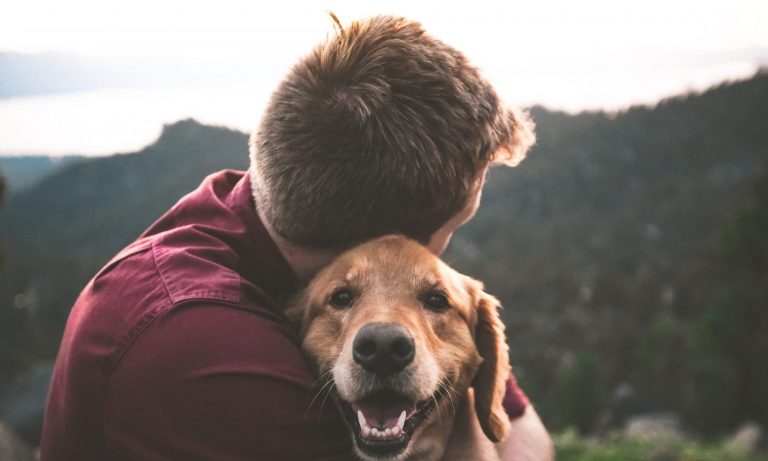
Photo by Caio via Pexels

It’s important for you to test the waters first   and proceed carefully. Start off slow and try smoking before studying a topic you’re interested in. Do not get stoned before a midterm! You should also be able to differentiate between subjects; there’s a difference between a math and creative thinking class — and knowing which one pairs best with weed is a priority.

Now that many classes are held via Zoom, there’s  more room to experiment with marijuana while still being responsible. Attending a class while high doesn’t sound like the most pleasing experience, but a little toke won’t hurt anyone, especially now that there’s a lot of virtual learning going on meaning less pressure to not smell skunky for your teacher and classmates.

RELATED: How Will College Campuses Tackle Legal Marijuana?

As always, it pays to visit your dispensary or have a talk with your weed guy and purchase a product that’s more expensive, but ultimately more manageable and effective . It also helps to be careful, particularly if you’re not that experienced. Marijuana can stimulate your brain,  but it can also make you feel hazy and lethargic. Analyze your past experiences with the herb and see if studying while smoking works for you.

While there have not been many studies conducted on the matter, there’s tons of anecdotal evidence that says that for some, marijuana can be a useful tool for studying. Like everything else in school, it pays to experiment and find out what works best for you.

Toxic Positivity And How To Avoid It

0

Toxic positivity is when we choose to ignore our negative emotions in order to remain positive for the benefit of others. Here’s why it doesn’t work.

2020 has been a tough year. The pandemic and the political climate has made it challenging for people to remain optimistic, causing many of us to hold on to any shred of positivity while pushing down our negative emotions. While staying positive during stressful times sounds like the kindest way to be, it’s not always easy to accept this truth when you’re in a desperate place.

In its most basic definition, toxic positivity occurs when we try to mask our anxiety or sadness with an upbeat attitude, especially to please others. We all appreciate an optimist, but sometimes this kind of “look on the bright side” forced attitude can be unhelpful.

“The pressure to appear ‘OK’ invalidates the range of emotions we all experience. It can give the impression that you are defective when you feel distress, which can be internalized in a core belief that you are inadequate or weak,” psychotherapist Carolyn Karroll explains to Healthline. “Judging yourself for feeling pain, sadness, jealousy—which are part of the human experience and are transient emotions—leads to what are referred to as secondary emotions, such as shame, that are much more intense and maladaptive. They distract us from the problem at hand, and [they] don’t give space for self-compassion, which is so vital to our mental health.”

Here’s what you can do to prevent toxic positivity:

Don’t shy away from negative emotions

10 types of marijuana for depression
Photo by Xavier Sotomayor via Unsplash

RELATED: The Simple Thing You Can Do Right Now To Improve Your Mental Health

People’s tolerance for negative feelings and emotions varies depending the way their brain works, how they were raised, and their level of openness. While some are comfortable feeling sad and understanding that these emotions are temporary, others prefer to block out their feelings and pretend that they don’t exist. No matter where you land on this scale, sometimes the best thing you can do is acknowledge that you’re feeling sad and give yourself the proper time to experience this. It’s not easy, but it helps you be in tune with your feelings and also become a better friend and listener.

Avoid being tough on yourself

It’s normal to not want to be sad, but that doesn’t mean you should be hard on yourself for feeling this way.  Give yourself time to mourn, whether your sadness comes from a breakup, the loss of a job, or the pandemic. Avoid putting a timeline on things; instead, try to push yourself to a better place each day, by eating healthy, connecting with others, getting enough sleep and taking better care of yourself in general.

Work on being a better listener

how to help a friend whos having a bad high
Photo by Teddy Rawpixel via rawpixel.com

RELATED: 5 Mental Health Instagram Accounts You Should Follow

Now that you understand what toxic positivity is, try your best to not minimize your friends’ experiences. If they come to you with an issue, focus on listening to them and not trying to make them feel better. Sometimes the best thing you can do is to let your friend speak, nod and tell that it sucks that they’re going through a rough time.

There’s No Link Between Legal Marijuana And Car-Related Pedestrian Deaths

0

Researchers analyzed data spanning two decades and detected no uptick in pedestrian deaths following new marijuana laws.

When states legalize marijuana for adult-use or medicinal purposes, new research states it is not connected with increases in pedestrian fatality rates. Investigators at the University of Minnesota found that legalization was actually associated with declines in overall motor vehicle-related deaths.

The study, published in the journal Traffic Injury Prevention, analyzed traffic-related and fatal motor vehicle crashes in three legalized states—Oregon, Washington, and Colorado—as well as five control states, or where cannabis remained illegal. Records spanned between 1991 to 2018 and used crash data from the Fatality Analysis Reporting System (FARS).

RELATED: Legalizing Medical Marijuana Could Make Workplaces Safer

“While attention has been given to how legalization of recreational cannabis affects traffic crash rates, there has been limited research on how cannabis affects pedestrians involved in traffic crashes,” researchers wrote. “This study examined the association between cannabis legalization (medical, recreational use, and recreational sales) and fatal motor vehicle crash rates (both pedestrian-involved and total fatal crashes).”

is new marijuana breathalyzer technology on the way
Photo by JasonDoiy/Getty Images

Comparing states with differing cannabis laws, researchers failed to identify any jumps in pedestrian-involved fatal motor vehicle crashes following the end of prohibition in some states. Washington and Oregon, in fact, “saw immediate decreases in all fatal crashes following medical cannabis legalization,” according to researchers.

RELATED: Half Of Marijuana Users Think They Can Drive While Stoned — Is That Wrong?

“Overall, these findings do not suggest an elevated risk of motor vehicle crashes associated with cannabis legalization, nor do they suggest an increased risk of pedestrian-involved motor vehicle crashes.”

A 2016 study reported medical marijuana laws were associated with drops in traffic fatalities among young drivers. In addition, states with legal medical cannabis had lower overall traffic death rates than prohibition states. Research published last year, highlighted by NORML (the National Organization for the Reformation of Marijuana Laws), found California’s 1996 medical marijuana laws resulted in significant declines in overall vehicle fatalities.

This Is Why Cannabis Is So Effective At Easing Inflammation

Cannabis has a positive effect in taming inflammation and a myriad of ailments associated with swelling.

While inflammation is the cause of many maladies, it’s also sometimes the remedy. It accounts for back pain, arthritis flare ups, headaches, bowel disorders and even an increase in heart disease. Alzheimer’s is yet another affliction associated with inflammation. And cannabis? It’s a known anti-inflammatory.

As studies show, not only does cannabis have a positive effect in taming inflammation and a myriad of ailments associated with inflammation, the entourage effect created by the combination of cannabinoids, including THC, gives a person an even better result. When this synergy takes place, inflammation is greatly relieved, and thus so are the diseases and pains that go with it.

Quality and longevity of life are sincere goals of most human beings, and accomplishing those goals takes a level of fitness that is somewhat lacking in the average American lifestyle. Many people unable to exercise or stretch for their health aren’t capable because of inflamed joints or other painful inflammations that hinder activity.

RELATED: Using Cannabis To Treat Inflammatory Bowel Disease

Because cannabis works as an anti-inflammatory, it could very easily be the ticket to better health and wellness all around. If the joint pain isn’t in the way and the mindset is elevated to a can-do level, the world opens up a bit and the first steps toward holistic health have been taken.

Photo by gilaxia/Getty Images

Cannabis has been studied for the relief of inflammatory bowel diseases like Crohn’s and one study showed that the anti-inflammation properties are to be thanked. Although the initial purpose of the study to seek complete Crohn’s remission wasn’t achieved, it was found that 10 out of 11 patients treated had “clinical, steroid free benefits.”

Steroids and other anti-inflammatory pharmaceuticals have many side effects. For steroids, immune system efficiency can go down and muscle weakness may occur among other problematic possibilities. For NSAIDs, the most common over the counter anti-inflammatory, prolonged use can result in stomach pain and eventually to ulcers.

RELATED: 5 Ways Medical Marijuana Can Help You Deal With Chronic Pain

One thing cannabis is short on is side effects. Sure there’s dry mouth, increased hunger, an enhancement of the senses and, oh yeah, a substantial reduction in inflammation, but aren’t most of those things part of the point? It’s no wonder that so many patients use cannabis for chronic pain, inflammatory bowel disease and even Alzheimer’s. It’s truly a miracle plant.

Flower Or Concentrates: Which Do Cannabis Consumers Prefer?

0

Even though cannabis concentrates are rising in popularity, new data says that many marijuana users prefer to smoke flower.

Despite technology and the much touted strength of cannabis concentrates, a large percentage of marijuana users prefer to stick to the classics. A new report published in the journal Drug and Alcohol Dependence found that about eight in 10 cannabis consumers prefer flower over cannabis concentrates.

Researchers from Arizona State University surveyed 574 cannabis users from across the U.S., focusing on their cannabis habits — specifically, their consumption of herbal cannabis and concentrates and how the two differed when it came to psychological and physical effects.

Seventy-eight percent of respondents said that they preferred flower over concentrates, referencing the fact that concentrates were more likely to produce paranoia, marijuana hangovers and forgetfulness.

RELATED: Differences In Marijuana Highs: Flowers, Edibles and Concentrates

The main difference in the subjective effects of marijuana and concentrates is in terms of their positive effects, with marijuana producing greater positive effects than concentrates,” researchers explained. “Negative effects of marijuana and concentrates were small, suggesting that extreme negative effects are unlikely for regular cannabis users.”

3 Popular Ways To Consume Marijuana Flower
Photo by Instants/Getty Images

RELATED: 4 Myths About Cannabis Concentrates

While there are plenty of differences between cannabis concentrates and flower, the biggest one is that concentrates are more potent, which complicates their dosage and creates a bigger risk for a bad high (definitely not recommended for beginners!).  Concentrates have a THC potency range of 50-80% while flower usually has a 10-25% range. 

Another fact that can’t be discarded is the long history of marijuana flower. While smoking flower produces tar and is harmful for the lungs, plenty of cannabis users enjoy the ritual of grinding their marijuana and preparing a joint, smoking it by themselves or amongst friends.

Feds Want To Know: Will Milk Drinkers Get High If Cows Eat Hemp?

0

Little is known about how eating byproduct cannabis material will affect cattle, but the feds are paying to find out.

Kansas State researchers will receive federal funding to study what effect adding industrial hemp to livestock feed will have on cows. The study will focus on whether or not cannabinoids are stored in the meat and milk of the cow, and if so, could it be transmitted to humans.

The U.S. Department of Agriculture’s National Institute of Food and Agriculture gave the K-State team $200,000 in funding as part of the institute’s Agriculture and Food Research Initiative Competitive Grant. Kansas farmers can currently cultivate non-psychoactive hemp, thanks to the 2018 Farm Bill, but can’t feed cattle any residual hemp product.

RELATED: Beer Distributor Adds Hemp Beverage To Lineup

“Although hemp can be legally cultivated under license in Kansas, feeding hemp products to livestock remains prohibited because the potential for cannabinoid drug residues to accumulate in meat and milk has not been studied,” K-State’s Hans Coetzee, who is head of the anatomy and physiology department in the College of Veterinary Medicine, said in a statement.

Richard Branson
Photo by Leon Ephraïm via Unsplash

Using cannabis as animal feed isn’t a new concept. Following the first wave of statewide legalization back in 2012, a Washington state butcher received publicity for adding leftover marijuana stems, leaves, and root bulbs to pigs. The meat didn’t get customers high, but the butcher reported the taste was “more savory.”

Hemp-fed pork actually became a culinary trend in the Pacific Northwest, believe it or not. Different publications from VICE to Eater have explored what hemp-fed pork tastes like as well, and often report that the animal tastes healthier and meatier.

To that point, the K-State team said most research on the effect of cannabinoids focused on humans, mice, and cattle. Little is known about how cows could respond to cannabis consumption, although their digestive systems would promote the change in diet.

RELATED:New Studies Show Marijuana Effective At Treating COVID-19 Symptoms

“While varieties of hemp may be planted for a single or dual purpose, such as for seed and fiber, byproducts consisting of leaves, fodder and residual plant fibers remain after harvest,” added Michael Kleinhenz, assistant professor of beef production medicine. “These byproducts could serve as potential feedstuffs for animals. Because these are predominantly cellulose-containing plant materials, the ideal species for utilizing these feeds are ruminant animals, specifically cattle.”

Kamala Harris Questions Discriminatory Marijuana Prosecutions, But Ignores Her Past

0

Kamala Harris used marijuana arrest records to demonstrate how policing can affect white and Black Americans differently.

Cannabis continues to be a buzzword from the Biden-Harris ticket, as the Democratic nomination attempts to appeal to marijuana-focused voters and distance itself from the Trump administration. The issue, as potential Vice President Kamala Harris said in a recent CNN interview, is folded into criminal justice reform, which requires addressing following a year marked by civil unrest and protest.

CNN’s Dana Bash asked Harris about comments made by Attorney General William Barr, who publicly rejected the position that two criminal justice systems exist separate for white and Black Americans.

“I think Donald Trump and Bill Barr are spending full-time in a different reality,” Harris responded. “There are huge disparities in our country based on race. It does us no good if we want to solve those disparities to pretend they don’t exist.”

RELATED: AG William Barr Inappropriately Used DOJ Funds To Target Marijuana Industry

She detailed how policing white and Black Americans for the same issue can result in different outcomes, as it does with cannabis-related arrests.

“You can look at, for example, marijuana offenses,” she said. “Equal use between white population and the black populations, but black people are exponentially more likely to be arrested and prosecuted for those offenses.

“I don’t think that most reasonable people who are paying attention to the facts would dispute that there are racial disparities and a system that has engaged in racism,” she continued.

RELATED: Kamala Harris Will Help With Cannabis Reform (And That’s Good Enough For Me)

Harris, however, did not address her own role in prosecuting marijuana offenses as California Attorney General. Under her watch between 2011-16, more than 1,500 people were sent to state prisons for marijuana-related misdemeanors. Although crime records show declines for low-level cannabis offenders after 2011, it is questionable what role Harris played in that. Lawmakers placed a widespread emphasis on reducing California prison populations at the time, as the institutions had become overcrowded.

When she was announced as Biden’s running mate, President Trump and many notable GOP party members attacked Harris for her complicated history on cannabis. Since becoming a U.S. Senator, however, Harris has sponsored important cannabis legislation and advocated for its legalization.

5 Life Hacks You Wish You Knew Sooner

0

By tweaking a few little things here and there, you can make your life so much less complicated. Here are some hacks everyone should know.

If we were ever in need of some simple tricks to make our lives easier, it’s now. While life hacks may sound like they take some effort, they’re actually creative solutions to simplify everyday tasks. Here are just a few clever and effective shortcuts that you’ll wish you had in your arsenal sooner.

No more leaky trash

Taking out the trash is always an unpleasant experience, especially if you have a big bin and the trash has been sitting there for days. While the smell is always unpleasant, the worst part about taking out the trash is the tendency for bag to break and leak into your bin, floors…everywhere. In order to prevent leaks and an overall bad time, put some newspaper at the bottom of the bag, ensuring that there won’t be any accidents and your trash won’t topple over.

Quickly clean your microwave

cbd water is the next big thing
Photo by TapisRouge via Pixabay

RELATED: 9 Social Media Hacks That Will Improve Your Feeds And Simplify Your Life

Microwaves can get dirty in a hurry, especially since the device isn’t exactly at the top of our mind when it comes to appliances that need to be cleaned. If there’s dried food in your microwave, try heating a bowl filled with water for 2 minutes. The steam created by the hot water will force any gunk to become unstuck, making it easier to clean. Be careful as you take the water out, since it’ll be very hot.

Use velcro to keep rugs in place

While you certainly don’t need to put velcro under every rug, you should consider this hack for the most traversed areas in your home, like the rug in the TV room or the one in the living room. Velcro is discreet, and will save you the hassle of always having to move the rug around because someone kicked it up or moved it out of place.

TV as a phone charger

the 10 best tv shows movie to watch when high
Photo by franckreporter/Getty Images

RELATED: 5 Netflix Hacks You Should Be Using

Phone chargers are one of the most necessary and often forgotten items, especially when traveling. If you don’t feel like going  to your nearest convenience store, you can always use your TV, which most likely has a USB port in the back. The charge will likely be slow, but it’s a good hack to have in unexpected situations.

No speaker? No problem

Speakers are great, but sometimes you forget about them or they’re too expensive and your computer does a fine enough job playing music. But in a pinch, you can put your phone into an empty glass, mug or bowl. Paper cups tend to work best (or even Solo cups), boosting the volume to higher decibels. While the sound won’t be as good as the one you’d get from a regular speaker, it works when there’s no other option.

What To Know About Treating Joint Pain With Cannabis

While CBD and THC certainly can’t take over the entirety of a pain management regimen, studies on cortisone treatments are bringing the conversations of cannabis to greater light.

From joint pain to the often debilitating effects of arthritis, corticosteroid injections have been a staple in managing pain and inflammation for the almost 30 million Americans that suffer from osteoarthritis (OA). With new research showcasing the long-term effects of one of the most used treatments for OA, doctors and researchers are concerned about the risks of injections and the potential risks involved with cortisone. 

Boston University study published this month found that patients who had been given the medicine by injection found a risk for “accelerated OA progression or adverse joint events after treatment.” Meaning, when a patient was treated for osteoarthritis via a shot of cortisone, it may have accelerated the progression of the disease, including complications, joint destruction, and bone loss. 

RELATED: What’s Next For Rheumatoid Arthritis And Cannabis?

Interestingly, the study found that certain preexisting conditions, such as older age and Caucasian race seemed to increase the risk for the outcome even more. Researchers recommended MRI pre-screening before injections were given to identify the area better and find if the danger could be accurately assessed before the dose was given. 

Understanding the Effect of Cannabis on OA

Long cited and used for inflammation and joint pain, cannabis and CBD oil have helped with not only chronic pain conditions, but managing symptoms of OA. In a 2018 study published in the Current Opinion in Pharmacology, researchers stated, “There is a growing body of scientific evidence which supports the analgesic potential of cannabinoids to treat OA pain.” To dive deeper, Dalhousie University in Nova Scotia found that since OA pain is multi-faceted, cannabis can help trigger the body’s own endocannabinoid system (ECS) to block pain receptors and potentially offer relief. 

cannabis may treat fibromyalgia pain according to new study
Photo by Ake via rawpixel.com

Even the Arthritis Foundation is taking notice, releasing its first guide to CBD for those that suffer from the condition. According to Dr. Daniel Clauw, a contributor to the guide, “Right now, it (CBD) appears to be fairly safe and might help certain types of pain.” 

RELATED: Dear Dr. Green: Can Marijuana Topicals Help With Arthritis?

While CBD and THC certainly can’t take over the entirety of a pain management regimen, studies like the one conducted on cortisone treatments are bringing the conversations of cannabis and CBD to greater light and offering less stigmatization, which opens the door for better education for all. 

The Curious Case Of GW Pharmaceuticals

0

Disclaimer: The views expressed in this article solely belong to the author and do not necessarily represent those of The Fresh Toast.

In 2005, GW hired a vociferous medical marijuana opponent to help them distinguish their version of THC from medical cannabis. Here’s why that’s a problem.

Let me make clear that I do not have any problems with the “pharmaceuticalization” of cannabis. If the pharmaceutical companies can manipulate the molecules and/or combine cannabinoids with other substances and thereby help sick and dying people, or just make healthy people feel better and make a profit doing it, everyone wins.  

However, when a company uses marijuana prohibition and the Drug War to lobby for state violence against sick and dying people to try to monopolize medical access to a plant that has been used medically for millennia, I have to object.  

After GW Pharmaceuticals developed “Sativex”, its version of THC, it met with “skepticism” in the U.S. drug war establishment, basically the entire U.S. government, because if it was approved for use in the U.S., that would suggest that “marijuana” might actually have medical use. Heresy!! 

So, in 2005, GW hired former deputy drugs czar and vociferous medical marijuana opponent, Dr. Andrea Barthwell, to help GW distinguish its products from medical cannabis. 

Hiring a professional prohibitionist to represent GW in the U.S. was a perfect way to sell Sativex to the U.S. pharmaceutical bureaucracy. Instead of proving that the government was killing people by denying them access to a plant, it could proclaim that medical marijuana wasn’t really necessary.   

GW’s CEO, Justin Gover, said that Barthwell “understood the tension between concerns about cannabis being used as an herbal material, even for medical purposes, and the potential for the plant to be exploited in a pharmaceutical way.” 

And they definitely got what they paid for. Talking about medical marijuana Barthwell, in a speech given in Belleville, Illinois on Feb. 8, 2005 said, “It is not a medicine. You don’t know what’s in it. If there were compelling scientific and medical data supporting marijuana’s medical benefits that would be one thing. But the data is not there.” 

Barthwell told PBS’s NewsHour on Oct. 14, 2003: “[T]he constituent part of marijuana, which is useful in the treating of HIV wasting, nausea associated with chemotherapy, and potentially pain, is available to physicians to prescribe in the form of Marinol 

What we’re saying is that 21st century medicine dictates that we pursue the avenues that would allow us to develop the medications that would be useful in these disorders rather than turning our medical care system back to the 19th century where plant products were in fact distributed by snake oil salesmen for the treating of a number of symptoms… 

Physicians who are compassionate and practicing scientifically based, evidence based 21st century medicine would much prefer to use Marinol, which is available to them, than suggest that their patients smoke a plant. They would not want to engage in asking a patient to smoke opium to treat pain or to chew deadly Nightshade to stabilize their heart beat.”  

Now think about this for a moment. Why would a cancer patient or someone with AIDS, or whatever, use marijuana, and run the very real risk of arrest if their doctors were telling them about Marinol?  And if it actually worked??  

RELATED: We Must End Marijuana Prohibition For Economic Recovery In A Post Pandemic World 

And how did GW get the idea that this plant really had medical potential? Because it was being used by the very patients who Barthwell’s former employer wanted arrested.  

And where did it get its cannabis genetics? “In 1998 GW Pharmaceuticals entered into a contract with HortaPharm B.V., a cannabis research and development corporation based in Amsterdam. The company was founded by two expert horticulturists from California, Robert Connell Clarke and David Paul Watson, and grew and developed specialized strains of cannabis with permission from the Dutch government.” 

Ironically, Watson is reputed to be the developer of the “Skunk” strain of cannabis, which is the focus of much hysteria in the UK. 

In a 2004 interview with FastCompany.com “02-01-04: 

“Dr. Dope’s Connection, David Watson, the CEO of the Dutch RD company Hortapharm, has assembled what is arguably the world’s most comprehensive cannabis-seed library.”  

hemp cannabis product sales projected to hit a billion dollars in 3 years
Photo by ulleo via Pixabay

Watson talked about meeting Dr. Guy: 

 “We grew plants that were 98% THC, or 98% CBD. And that’s what Geoffrey Guy [founder of GW Pharmaceuticals] was looking for. He wanted different cannabinoids — THC, CBD, CBC, CBG — which he could then blend in different ratios and explore them for their medical efficacy. We were the only ones in the world who had what Geoffrey badly needed. 

FC: How did you meet Dr. Guy? 

DW: We had sent a representative to a meeting of the Multiple Sclerosis Society in England, which Geoffrey attended. We were the only people there that were supporting the U.K. government’s position on medical marijuana, which was to take a step-by-step approach to studying the issue. Everybody else just wanted to legalize medical marijuana tomorrow. We felt it was better to test the materials first and put them through a normal drug-approval process. Our colleague impressed Geoffrey, and he contacted us. 

When Geoffrey came over here in 1998, we were getting close to our financial limit. We’re an R&D company — we didn’t have a product that was making an income. The problem for Geoffrey is that all cannabis experts have backgrounds — they’ve built their expertise by working with an illegal material. But Hortapharm was fully licensed by the Dutch government. So Geoffrey got a legal supply of pharmaceutical grade germ-plasm. And he got me and Robert Clarke to pass along our knowledge. We gave him at least a five-year head start.” 

So American “marijuana refugees” who fled Barthwell’s Drug War provided her future employer with a five year head start???  

Meanwhile, on October 18, 2006, a few months after Dr Barthwell went to work for GW, Charlotte Figi was born in Colorado. “At 3 months old, she had her first seizure. Due to her Dravet syndrome, at age five, she used a wheelchair, had up to 300 grand mal seizures a week, and had trouble speaking.”  

RELATED: Is Trump Willing To Lose the Election For Marijuana Prohibition?

In 2012, Figi’s mother searched for “CBD marijuana oil” for her daughter’s treatment. Figi began taking oil from the marijuana plant, “Hippie’s Disappointment,” which contained low THC. With the use of Charlotte’s Web, Figi experienced an immediate reduction in her epileptic seizures, down from 300 a week to two or three per month. 

In 2014, GW patented Epidiolex. That was two years after Charlotte Figi’s mother found the ironically named CBD. So, should the Figi’s have been arrested for giving their child a drug that would not be approved by the FDA for another four years? 

As the prohibitionists like to say, “Think of the children!” How many children and their families suffered because Dr. Barthwell’s former employer opposed medical marijuana?  

Meanwhile back in the U.K., is GW still supporting marijuana prohibition? GW has a market value over $2 billion, which is around twenty times its revenue. On the other hand, they have huge greenhouses full of some of the world’s best genetics that they got from American marijuana refugees. I wonder what Dr. Barthwell would say about that. 

Richard Cowan is a former NORML National Director and author of the nationally syndicated column, Marijuana Weekly News

Don't Miss Your Weekly Dose of The Fresh Toast.

Stay informed with exclusive news briefs delivered directly to your inbox every Friday.

We respect your privacy. Unsubscribe anytime.