You should try to take better care of yourself during the pandemic, paying special attention to your mental health.
The pandemic has a way of messing with even the most organized routine. The stress of the news cycle, the isolation, and all that time spent indoors makes it easy for the hours to blend together and lose meaning.
Eating, showering, working and watching Netflix might be the only things you have mental space for, and that’s okay. But every day you should try to work a little bit on yourself, making yourself feel better even if the world feels crazier than ever. Focusing on our needs will help us function better and be a better and more considerate part of society. Here are 5 self-care tips we should all be using now.
Make a list of things you’re grateful for
When we’re depressed and anxious it’s easy to focus on all the bad and stressful things going on in our lives, forgetting about the good parts. Think about whatever good thing is going on in your life and highlight it. Writing it down will help you get some perspective. It’s also nice to see all of the good stuff piled up together. Plus, the more you focus on the good things in your life, the more good things you’ll receive.
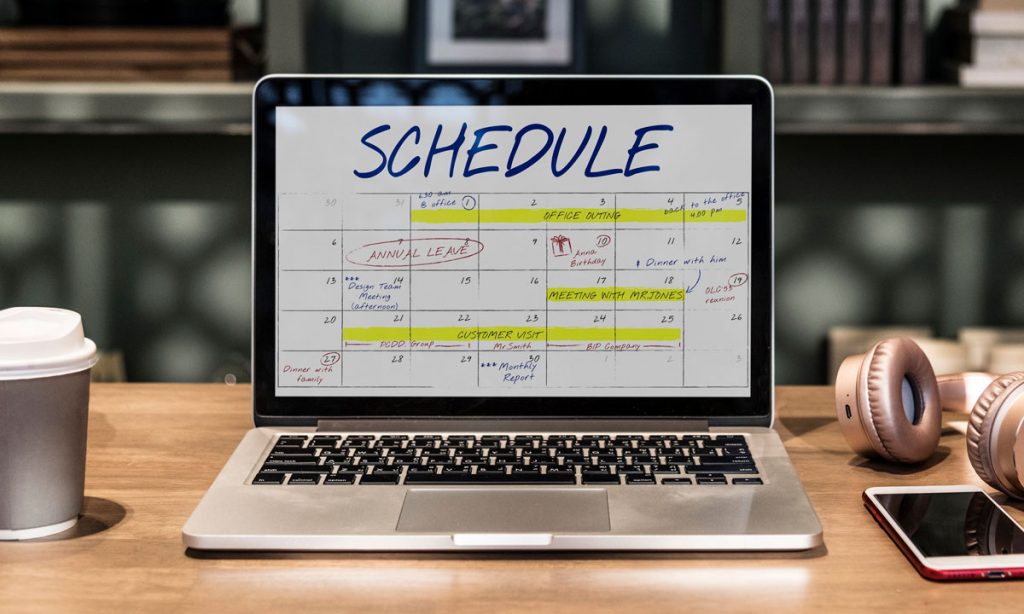
Working from home demands a lot of discipline. It’s very easy to blur the lines between your work time and your free time if you don’t have to physically leave your house. If you started off quarantine with a strict routine that has slowly fallen apart, it’s time to start again. Switch things up by making simple changes, such as waking up a bit earlier or taking a shower first thing in the morning. These small tweaks can help you be more productive in the long run.
Limit your news intake
At some point you have to stop reading the news and all the heartbreaking reporting that’s going on. While you should still remain informed, try catching up on news twice a day for a period of 15 minutes. Even better, try to limit your news intake to once a day, preferably before the end of the day.
Try reading that book or article you’ve been meaning to read for weeks, pushing yourself for about 30 minutes a day. This small challenge is a good amount of time for people who can’t focus enough to read entire books. The more you practice, the more likely you’ll start reading more. Reading before bed is a good habit to pick up nowadays, especially if it replaces your late night social media habit.
Develop a bedtime routine
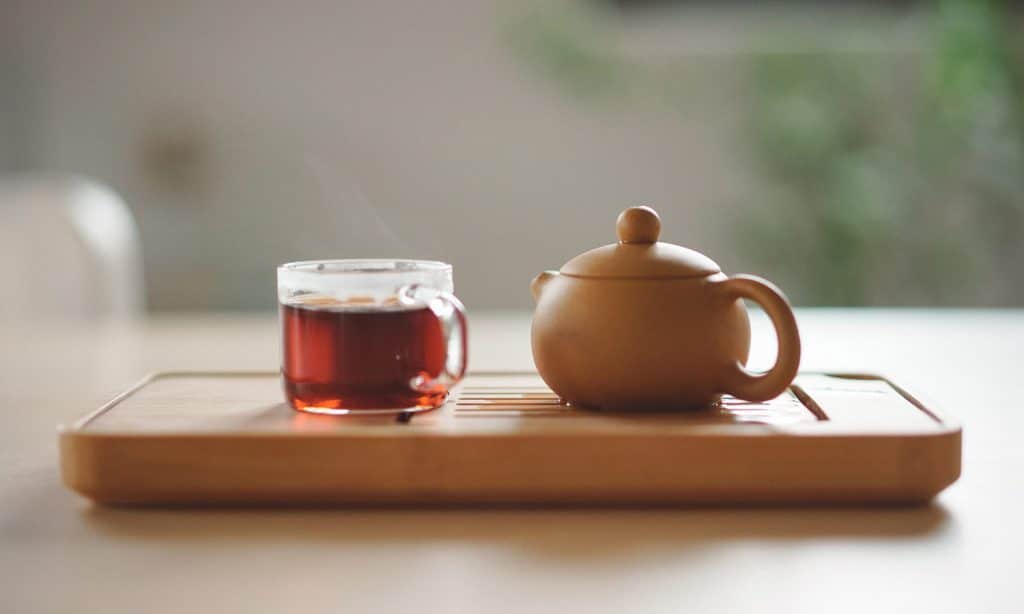
Routines are extremely helpful for developing habits that ultimately benefit your health, including sleep. Try to maintain a steady routine before bed, such as limiting your screen time, having tea, reading a book or meditating. It can be as simple as just laying in bed at the same time every night — anything to help you wind down.
Hopefully these 5 self-care tips we should all be using now is helpful.
Many people have benefited from using cannabidiol (CBD), a substance scientifically proven to be safe for human consumption — even for children. It not only has a wide range of therapeutic benefits but also has been useful for treating numerous serious ailments and disorders. However, not all products touted as “natural CBD oil” are actually as natural they claim to be. You have to be a bit watchful, here is how to spot fake CBD.
Natural CBD is admittedly safe. But they don’t include products that are made from synthetic lab-produced cannabinoids or contain contaminants, high levels of hallucinatory cannabinoids like Tetrahydrocannabinol (THC) or other harmful substances.
Using such products will do more damage to you than simply making you fail a drug test. You can end up falling horribly sick or even dead!
With the growing popularity of CBD products, some unscrupulous cannabis growers and CBD oil manufacturers are taking advantage of loopholes in the existing regulations and the vulnerabilities of the common man in this country to push their business forward with cheap, artificial and untested products in the name of CBD oil.
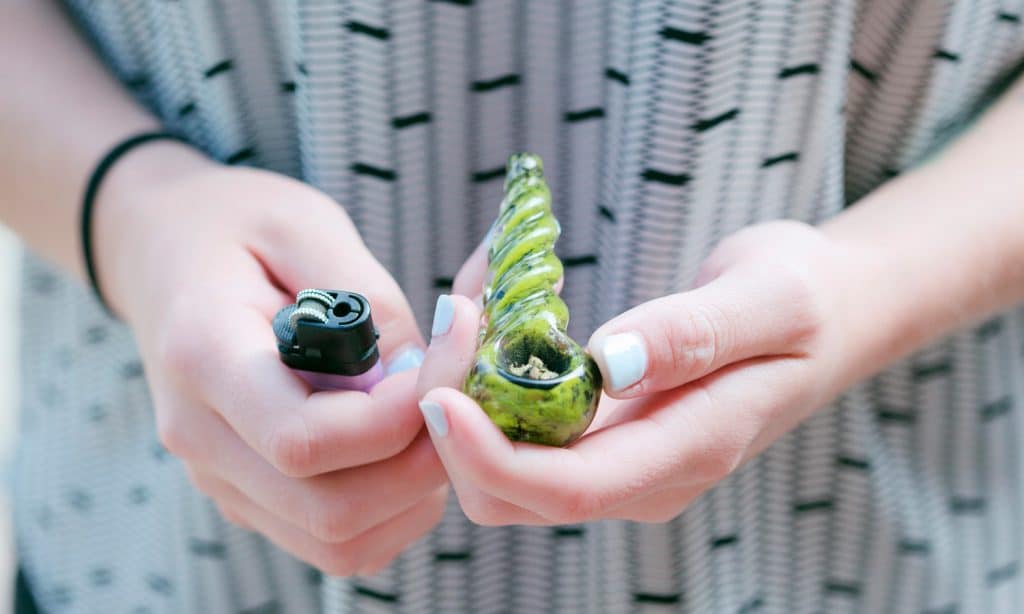
Photo by HighGradeRoots/Getty Images
Cheap Synthetic CBD
From a once non-existent market category to a $1 billion industry, the hemp-derived CBD has become a booming industry today.
But, it was disheartening to hear of 50 people falling severely ill after using CBD oil in Utah last year. It is worse when we find out that the oil that those people unwittingly smoked up thinking it was genuine CBD vape oil did not even contain any natural cannabinoid, but contained some lab-produced synthetic cannabinoids.
The reason why people fall for these products are usually because of three reasons:
Their low price,
Tall promises of curing all health conditions, and
Claims of not being detected on a drug test.
The unfortunate thing is these people were plain and simple duped! The company lied to its customers, and as a result, harmed them in ways that their unwary consumers were not prepared for.
These dangerous designer drugs had prompted the US Centers for Disease Control and Prevention (CDC) to issue a nationwide health warning about these man-made synthetic cannabinoids.
This is precisely why most reputed brands who sell genuine products are obligated to present their proof of their genuineness to their customers. They post the results of their products tested by third-party laboratories, also known as a Certificate of Analysis, which tests not only for synthetic components, but also other contaminants like heavy metals and pesticides and heavy metals as well as natural cannabinoids that possess hallucinatory effects, like THC (tetrahydrocannabinol, a natural cannabinoid found in cannabis plants).
Spice
Photo courtesy of DEA
Known by different names — K2, Spice, Mr. Happy, Scooby Snax, and Kronic — is nothing but a group of lab-made synthetic cannabinoids that have been associated with a lot of people falling sick.
Originally designed by scientists for research, this drug is made from dried plant materials, sprayed with hallucinogenic chemicals.
However, with the production method of this drug being published in scientific journals as part of their research, this knowledge also fell into the hands of some unscrupulous, over-ambitious drug makers, who used it to produce illicit drugs.
Once it hit the market, it came out as a new form of marijuana and people started rolling up the plant material into “joints” and smoking them like marijuana.
This synthetic marijuana or fake weed is also sold in a liquid form that can be inhaled through a vape pen or mixed in tea to consume.
Although these are man-made cannabinoids, it has the same effect on the human brain (especially the endocannabinoid system) as THC, but with far more intensity (even up to 100 times more intense).
With no way to regulate them, there is no saying which hallucinogens are being used by the manufacturers to make their products.
The “Free” Scam
Nothing in the CBD world is free. It simply can’t be. Manufacturing a bottle of genuine, natural CBD oil is expensive. If anybody tells you otherwise, be sure you are being tricked.
While searching for CBD oil online, if you come across phrases like:
Best Price, Limited Offer
Limited-Time Special Offer
Special Discount For Only Today
Then be alert. Look up the brand and find out if their products are genuine.
And if you see:
CBD oil free trial
Or, they tell you to submit your credit card to free stuff
DON’T BUY, REPORT.
Some “free sample” offers are nothing more than hidden subscription ploy to force you to give away your credit/debit card details, which they will use to forcefully sell you low-quality products. You may even find it difficult to cancel the alleged subscription. You may have to call up your bank or credit card company to cancel their card to stop payments.
Some other scammers will charge you more for what they are selling by simply calling it shipping and processing fee (while they send you a low-quality product).
Quite a few reputed CBD brands offer quality products at a fair price. Do due diligence while looking for a CBD product and research on their makers. Find out everything you can about a company and the brand before you blindly fall for such “Free, Free, Free” lure.
Photo by Tiara Leitzman via Unsplash
Pushing Hemp Seed Oil Instead of Hemp CBD
Another reason for the confusion among users and abuse of the market is ignorance. Not only do you need to be wary about “fake CBD” and “free samples”, but you should also learn everything there is to know about how CBD is sourced and manufactured.
If you have, you would know that hemp seed oil is not CBD oil derived from hemp.
So, when you research on any brand, look for its ingredients on the label or their website.
If it is Hempseed Oil, it will be listed as Cannabis Sativa Seed Oil.
If it is genuine CBD oil, you may see Cannabidiol, full-spectrum hemp, hemp oil, PCR (phytocannabinoid-rich) or PCR hemp extracts written on the label.
Also, look at their CoA for their products on their product webpages.
Yes, they are lab tests, but not difficult for a layman to read and understand. It is meant for you, so it’s really quite simple.
Hemp seed oil: Although a good carrier oil for CBD, it is not the same as CBD oil. So what is it?
For that, you need to know where CBD oil is sourced. The best quality and most potent CBD oils are produced from hemp flowers. While the rest of the plant – like its leaves and shoots – may be used too. But, they have far less CBD content.
The smaller seeds, in particular, have the least amount of it – traces at the best. Hemp seeds can be used to make hempseed milk or granola. They can also be cold-pressed to produce oil. But this oil is only good for cooking, making beauty products, or making paint.
While hemp seed oil does have some benefits, like mild anti-inflammatory effects and skin moisturizer, it does not have sufficient levels of CBD to be called “CBD oil”.
This means you would end up paying much for the product that it deserves. Intentionally or unintentionally, some companies try to push a cheaper product like hemp seed oil.
Tricking Consumers with Low CBD Content
Apart from hemp seed oil, there are other CBD products that don’t contain enough CBD to have any perceivable health benefits.
Always look for the CBD content in mg on the label. This is the concentration of the CBD contained in the product. The total volume of the liquid does not guarantee CBD content.
For instance, a 3 oz. bottle of tincture, priced at $50 and containing only 100 mg of CBD, may seem like a good deal. But, it is actually not. It is costing you $0.50/mg. A 1 oz. bottle, priced at $132 and containing 3000mg of CBD, is, in fact, a better deal ($0.04/mg).
Making Sure You Get Quality Product
Photo by Yana Tatevosian/Getty Images
By now, you must have understood that buying CBD oil isn’t as easy as you may have thought – click-click-click.
You need to do a lot of research…
Research on how CBD oil is sourced, extracted, processed, purified, and the end product manufactured.
Research on the companies and brands selling the products
Studying the CoAs, if they are provided by the companies. If they are not provided, they are obligated to provide one on request.
Understanding the current market situation and the presence of synthetic cannabinoids, scammers, and cheap variants with tall claims.
The actual health benefits of CBD, so you don’t get lured by brands that make outrageous claims like curing cancer!
Bad highs can make people feel uncomfortable and out of sorts for long periods of time. Here’s how you can help out a friend in need.
Bad highs are a dime a dozen. Experiencing one is awful and even when you think you’ve taken every precaution, there’s no guarantee that your body won’t surprise you with a bad or strange reaction to marijuana. It is one thing to have a bad high, it is another to watch someone you know suffer. Here are ways to calm down a friend with a bad high.
Watching a friend or loved one go through a bad high is also a complex process, especially if you’ve consumed weed with them. Paranoia and bad vibes are contagious, so it’s always important to keep a cool head no matter what they’re experiencing. As long as the marijuana you purchased is from a reliable source and you haven’t mixed any drugs, your friend should be okay, even if they feel awful.
Take preventative steps
If your friend has little experience with marijuana, suggest purchasing a cannabis strain that contains manageable amounts of THC. Tell them to speak with their weed person and ask for something that’s light and that won’t lead to a bad high. If your friend is consuming from a pre-rolled joint, advise them to have a couple of puffs and wait 20 minutes before engaging again. If you guys are consuming an edible, take small dosages (like, 5mg) and be patient.
Help your friend lay or sit down and make them feel cozy and comfortable. Surround them with pillows and blankets. If there’s a dog or a cat nearby, put them in their vicinity. Remind them to take deep and comforting breaths.
Remind them that this is a temporary situation
The bad high has kicked in and there’s nothing you can do to reverse it. Take a deep breath and build up your patience. Make it clear to your friend that this is a temporary situation and that no one has ever died of a bad marijuana high. Try speaking in a soothing voice and not indulging in their paranoia, encouraging them to lie down and take deep calming breaths. Try to keep them distracted with a chat about everyday things or hold their hand and remind them that they’re not alone.
Napping is one of the world’s best remedies; it has a particular power over bad highs. If there’s a bed or couch nearby, try to get your friend to lie down and offer some privacy. Putting on a rom-com or sitcom won’t hurt to help distract them. When they wake up, they’ll feel much better.
Take them outdoors
Nature and fresh air work really well for some people, allowing them to breathe deeply and get some much needed perspective on their problems. Still, make sure to not leave your friend alone and talk to them through their process, keeping them as calm and distracted as you can. They’ll feel better in no time. A couple of prolong hours, tops.
Jeff Bezos is one of richest person in the world. As the founder of Amazon, he has transformed shopping – but does he consume and just chill?
Jeff Bezos is the head of Amazon and the richest person in the world by a considerable margin. Believed to become the world’s first trillionaire by 2026, Bezos has been one of the few figures who appears not to have been influenced by the pandemic, at least in terms of money. Amazon’s stock has increased by 25% this year, and shows no signs of stopping any time soon.
News on Bezos and his marijuana use is sparse, with no clear comments on what he thinks of the drug, much less if he uses it. The Rooster says that Bezos’s position on marijuana is unclear although he does have liberal views. If Amazon sales were to benefit from marijuana legalization in some shape or form, we doubt Bezos would be opposed to the plant.
Still, Amazon has a complex history with marijuana. According to Market Watch, Amazon reportedly fired and blacklisted an employee due to his medical marijuana use. The man from New Jersey filed a lawsuit and explained that he never used marijuana during work hours and wasn’t impaired on the job.
Photo by Christian Wiediger via Unsplash
On the other hand, Whole Foods, a subsidiary of Amazon, appears to have a more open relationship with marijuana, with some experts arguing that it’s only a matter of time before the herb makes its way onto shelves. “If cannabis is ever passed in Texas, chances are good that grocery stores will be selling that too,” said Whole Foods CEO John Mackey. “You just never know what happens over time with markets. They change and evolve.”
With the small bits of data that are available, we’re all making assumptions, especially when it comes to Bezos and his personal relationship with weed. For all we know, he might be a secret pothead.
Hitting on someone through direct message is common, but not always successful. Here’s how you can improve your odds.
Nowadays, approaching someone without a match on a dating app might as well be an extreme sport. Introducing yourself to someone at a bar? That’s the stuff of romantic comedies (set in a post-pandemic world, of course).
There are strange instances of relationships that start of through direct messages (DMs), although they are quite rare. These situations are hard to approach since most people tend to distrust online strangers. Still, the more time we spend online — and nowadays, that’s a lot — the more savvy we are in communicating through these outlets and discerning if people are worth our time or not.
Here are some tips that could make it easier for you to slide into your social media crush’s DMs:
Sending a DM to a stranger, be that a famous person or someone random, is kind of like a shot in the dark, especially if they’re relatively well-known. Most of us are so paranoid and oversaturated with content that we tend to ignore messages and emails from strangers, thinking they’re either spam or bots. Have this in mind before hitting “send” on a message. Avoid sending them multiples, since this is very creepy, and be as respectful as possible to show that you’re a real person with a personality and quirks. Even if you want to make your intentions clear by being flirtatious, there’s no need to overdo it. The DM is enough of a hint.
Keep your social media profile looking good
Contacting a stranger through DM has a two-part plan for success: your message and your profile. Keep your profile up to date, post things that you’re interested in, and have some nice profile pictures at your disposal. Avoid having TV or movie characters and memes as profile photos, since these make people think you’re a troll. Also, work hard on trying to have a unique voice online. It’s not easy, but it’s worth it.
Do your research and message them about something that they like. And whatever you do, avoid sending a DM that just says “you’re hot.” If you’re trying to reach someone on Twitter, reply to one of their tweets with something smart or interesting, maybe a funny gif if you’re that type of person. If you’re DMing on Instagram, avoid commenting creepily on their photos from two years ago. Reply to one of their stories or most recent photos instead.
Be aware that your odds of success are low
Social media has basically given us carte blanche to thirst over strangers and interact with them, even if we don’t have thousands of followers. If you want your DM to survive the masses and be special, it’s best to be nice about it and avoid pestering people. It’s that simple.
Since moving to Los Angeles, Meghan Markle and Prince Harry have been trying to adjust to post-royal life. But friends say Harry is having a harder time adapting.
Meghan Markle and Prince Harry, who are getting ready to celebrate their two-year anniversary May 19, are still getting used to life in Los Angeles after moving to the West Coast in late March. But while Markle has reportedly found solace returning to her roots (she was raised in L.A.), Harry is having a more difficult go at it.
The most brutal part of stepping down from his full-time royal duties in January was not being able to use his official military appointments, which the Queen bestowed upon him. According to Vanity Fair, this has been the toughest part for Harry post-royal life because the military is such an important part of who Harry is.
A source told the magazine that Harry has been feeling homesick in L.A. and that “he has a lot of friends in the military community in the U.K. and of course he misses them. This is a very strange time for us all, but I think Harry is missing having a structure to his life right now. He doesn’t have friends in L.A. like Meghan and he doesn’t have a job. So at the moment he’s a bit rudderless, but it won’t always be like this, and he knows that.”
One of the things keeping Harry occupied is his and Meghan’s charity Archewell, named after their son, Archie. Harry also finds comfort continuing to oversee the Invictus Games, a foundation which he created to empower service men and women living with life-changing injuries.
In fact, in a video posted on the Invictus Games Twitter account May 9 (what should have been the kickstart of this year’s event), Harry encouraged the Invictus family to check in on those “who have gone quiet or that are no longer visible on the chat sites.”
Meanwhile, the Duke and Duchess of Sussex are staying in Tyler Perry’s 8-bedroom, 12-bathroom Tuscan-style villa perched on a hilltop overlooking 22 acres in the “ultra-exclusive” Beverly Ridge Estates until they find a more “suitable” home for their family. Harry may still be adjusting, but at least he’s doing it in style. That’s gotta help with the adjustment, right?
In every state except Maine, a majority of respondents characterized legalization as a success.
Eleven states have legalized marijuana for recreational use and a plurality of adults in those states don’t regret it, a new poll finds. That doesn’t mean adults in these states consider legalization an unmitigated success. Instead they would characterize recreational marijuana legalization as more of a success than a failure.
YouGov polled more than 32,000 Americans, asking if adult-use legalization in their state “has been a success or a failure.” In every state except Maine, a majority of respondents characterized legalization as a success. At least two-thirds of adults called legal adult-use marijuana a success in five states — Colorado, Nevada, Oregon, Washington, and Massachusetts.
“This polling data reaffirms that most voters do not experience ‘buyer’s remorse’ following marijuana legalization,” NORML’s Deputy Director Paul Armentano said in a statement. “In the minds of most Americans, adult-use marijuana regulations are operating as voters intended and in a manner that is consistent with their expectations.”
Photo by Bill Oxford/Getty Images
These beliefs appear strongest in states with the longest ties to legal recreational marijuana, YouGov noted. In the poll, respondents could choose between five different answers: “Success only,” “more of a success than a failure,” “more of a failure than a success,” “failure only” or “don’t know.”
Approximately one-fourth of residents in Colorado, where voters approved recreational marijuana in 2012, called adult-use marijuana laws a “success only” while 45% of them labeled the laws “more of a success than a failure.” A little less than one in five Colorado residents (17%) said recreational marijuana laws were a “failure only.”
Maine isn’t as high on the state’s legal recreational marijuana laws, though they have good reason. Less than half of respondents (47%) said legal marijuana has been more of a success. A third of residents said they were uncertain about the laws while one five said they were more of a failure. Though Maine residents voted to legalize adult-use marijuana in 2016, lawmakers and regulators still have not fully implemented marijuana laws.
The pandemic has encouraged people to video chat and connect before having to face real world distractions.
Like most things in the world right now, dating has been heavily impacted by the coronavirus. Social distancing guidelines encourage people to stay home and away from their loved ones, never mind strangers meeting through dating apps. While singles quarantined alone are reporting a lot of stress and loneliness, some experts believe that, in the long run, the pandemic might alter dating for the better.
There’s always been some sort of crisis going on in the dating world, whether it’s a declining marriage rate, declining sex rate or the much maligned “hook up culture,” which encourages momentary and abundant connections without real depth.
The pandemic is reshuffling that a bit. Despite the fact that people are not meeting up in person, they are video chatting a lot. The New York Times reports that 69% of Match.com users are open to video chatting with dating prospects, with a large cluster of them already doing this. Before the pandemic, only 6% of people were interested in video calls.
Looking at people — even if it’s through video — is a much different experience than looking at a photo, exchanging a few quick words and rushing to meet up on a date. Speaking to this person through a video chat or a phone call allows you to get a realistic impression of them, one you could not accurately get from a traditional social media profile.
Photo by Anastasia Shuraeva via Pexels
According to the New York Times, the pandemic has created a temporary fix for the two most important issues we stumble upon when dating: sex and money. “When singles meet in person, they’re obliged to navigate this nether world: Should I kiss him or her? What if they invite me back to their pad?”
There’s no need to worry over who’ll pay the bill, the gender imbalances that implicitly exist or how long you have to wait until it’s appropriate for you to kiss and hook up with this person. The pandemic creates an environment where these situations are temporarily off the table. In the long run, the connections made throughout this time period could prove to be more impactful and long lasting.
Working at home can mess up your usual daily movement and activity. Here’s tips to counterbalance the damage your body suffers from sitting all day.
The monumental shift to working at home has upended the way we think, produce and feel. Working at home usually means going down the rabbit hole of projects and not really moving, much less standing for long periods of time. Such inactivity is tough on the thought process and the body. Here are 4 ways to counteract sitting all day.
Modern life asks us to spend much of our daily routing sitting down, but quarantine life takes this to a new extreme since there’s no commute or even the need to walk to your car every day. Excessive sitting is a serious issue, leading to back problems, cardiovascular conditions and an increased risk of developing chronic pain and depression.
We’re used to working for long periods of time, taking mental breaks but not physical ones. Once every hour (set a reminder if it helps), go for a short walk, have a glass of water or stretch on your feet. This will provide immediate release of tension and will help you feel more productive, especially if you’re having a hard time finding motivation and drive to complete your work.
Work on your breathing
Breathing patterns are very important for your posture, with long hours spent on a chair encouraging poor breathing. This results in tension, tight muscles, lethargy and more. Try breathing in from your belly and diaphragm. In order to get this habit down, lay down on your back with your knees bent and place one hand on your belly and the other on your chest. Breathe in and out, feeling the flow of air on each hand.
Deep lunges and rotations target most body parts affected by long hours spent sitting down. These exercises are simple and provide plenty of relief and toning for a lot of muscles. Lunges relax your hip flexors, stretch your spine and extend your core. Adding in rotations ensures that both sides of your body are getting equal attention.
Use house items to stretch
Take advantage of your door frames, couches, chairs and desks, utilizing them for releasing tension in your body. Here’s a list of exercises you can complete without having to leave your office.
Marijuana could regulate the main gateway COVID-19 enters host cells in patients, new research concludes.
New research into preventive measure and possible treatment to the novel coronavirus has yielded an unlikely candidate — cannabis. At the pandemic’s start, public health officials warned inhalation of combustible marijuana could make individuals more susceptible to contracting the coronavirus and worsen illness symptoms. This hypothesis came from preliminary data out of China and Italy where underlying lung disease correlated with more hospitalized COVID-19 patients.
A new study published in the journal Preprints, which is not peer-reviewed, finds certain marijuana strains could prevent the spread and severity of COVID-19. It’s all tied to how the coronavirus is transmitted between patients. Like most respiratory illnesses, tiny droplets carrying the disease expelled by coughing or sneezing go airborne. Once a non-infected patient inhales those droplets, it typically enters your body through cells in your lungs and corresponding tissue.
The scientific community has recently identified the ACE2 protein as the primary gateway the coronavirus infects patients. Researchers suspect modulating the level of proteins present in a patients could prevent susceptibility to the disease. In a study completed before the pandemic, researchers had observed the combination of THC and CBD cannabinoids could lower gene expressions that produce and regulate ACE2 proteins.
This made researchers from the University of Lethbridge in Alberta, Canada curious. After all, it could mean cannabis might help prevent the coronavirus from infecting patients. The scientists corroborated the findings, though they were using cannabis oils on human cultures that contained ACE2 proteins.
Novel combinations of cannabinoids “may become a useful addition to the treatment of COVID-19,” the researchers wrote. “They may also be used to develop additional easy-to-use preventative strategies such as mouth wash and throat gargle products that may be tested for their potential to decrease viral entry via the oral cavity and may be used both in clinical practice and at-home treatment.”
Photo by boonchai wedmakawand/Getty Images
According to the researchers, the most effective marijuana profiles to decrease ACE2 production were a 1:21 THC-to-CBD ratio oil and a 1:3 ratio oil. These disparate ratios caused scientists to conclude other cannabis properties could be playing a role in regulating reduced ACE2 activity. Israeli researchers recently identified cannabis terpenes as possible antiviral agents and have begun testing their effectiveness against the coronavirus.
“While our most efficacious extracts require further validation in a large-scale analysis and an animal model, our study is crucial for the future analysis of the effects of medical cannabis on COVID-19,” concluded the researchers. “Given the current dire and rapidly developing epidemiological situation, every possible therapeutic opportunity and avenue needs to be considered.”