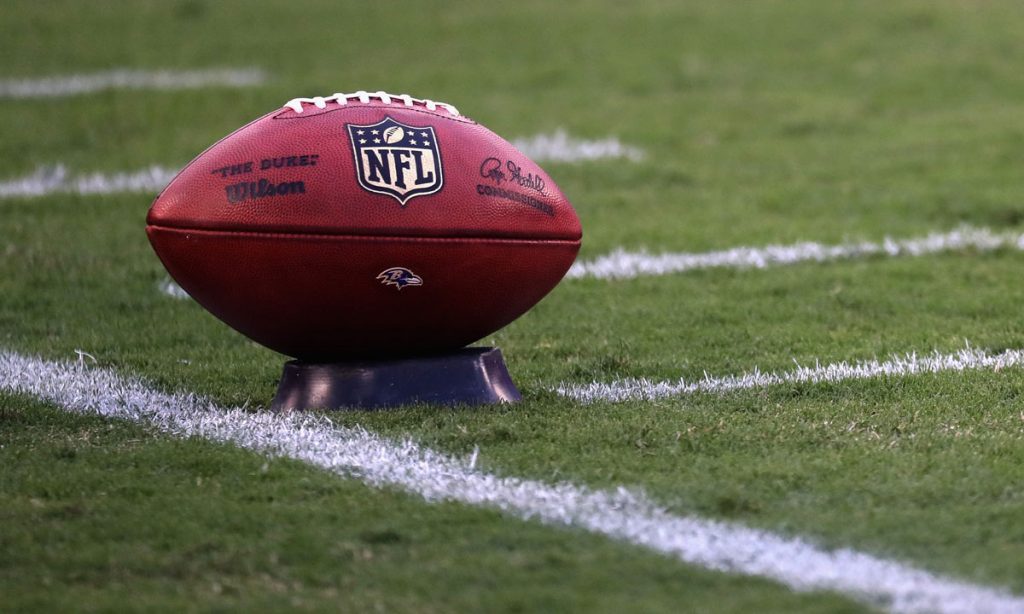
In a new interview, Tom Brady says the thought of disappointing his dad stopped him from becoming a regular marijuana user.
A new interview with SiriusXM host Howard Stern revealed a candid and vulnerable Tom Brady, who left the hallowed New England Patriots this offseason to join the Tampa Bay Buccaneers. Brady opened up about past marital problems, suffering multiple unreported concussions, and when he knew it was time to leave the Patriots.
Brady also admitted to previously consuming marijuana, though he did so in the most Tom Brady way possible.
“In the end what kept me from smoking a lot of weed and obviously, in high school, you try that and you go to parties and drink,” Brady told Stern. “But what kept me from doing that was I always thought I would be letting my dad down.
“I definitely had fun in high school with partying and drinking and smoking weed on occasion,” he added.
Photo by Rob Carr/Staff/Getty Images
Often heralded as the greatest quarterback of all time, Tom Brady led the Patriots to nine Super Bowls and won six of them. He also won three NFL MVP awards. But he told Stern he probably knew last season would be his last as a Patriot.
“I don’t think there was a final, final decision until it happened, but I would say I probably knew before the start of last season that it was my last year,” he said. “I knew our time was coming to an end.”
The 13-year-old with Dravet Syndrome who inspired the popular CBD brand passed away from complications associated with COVID-19.
Charlotte Figi came to fame as the sweet little girl who suffered hundreds of seizures a day from a rare condition called Dravet Syndrome. She was the patient that inspired the Colorado-based Stanley Brothers to create the cannabidiol (CBD) heavy version of cannabis to treat her condition back in 2011. The response was somewhat miraculous.
Unfortunately, Charlotte has passed away from COVID 19 at the age of 13. According to reports, she had tested positive and went to the hospital. She was released on Sunday, but apparently took a turn for the worse and returned. A family friend posted on Facebook “Charlotte is no longer suffering. She is seizure-free forever.” The family has requested privacy.
Charlotte’s parents were willing to take chances with cannabis as a treatment and their bravery resulted in the migration of many families to Colorado seeking the same treatment. She was featured in the now-famous CNN episode where she was treated on camera and millions were able to see with their own eyes the response CBD had on epileptic patients. She was six years old at the time and had been suffering from seizures since the age of three.
Colorado legalized medical marijuana and then adult-use marijuana causing the state to become the home of many cannabis companies. Stanley Brothers eventually changed the name of their company to Charlotte’s Web (OTC:CWBHF), the strain that was named after Charlotte. The company has ultimately captured 20% of the CBD market and is now a publicly-traded company with a market cap of $452 million. The company’s website posted the following message:
Charlotte was ten feet tall and carried the world on her shoulders.
Inspiring is a lacking word, as are courageous and vivacious and strong and beautiful.
She was divine.
She grew, cultivated by a community, protected by love, demanding that the world witness her suffering so that they might find a solution. She rose every day, awakening others with her courage, and with that smile that infected your spirit at the cellular level.
The infinite compassion of community members who sacrificed their time, resources, and ideas to tend her garden of love were instrumental in her care, but there was no one more committed than the selfless Paige, both a mother and a warrior, both a human and an angel. Charlotte’s cause was her family’s cause and created a foundation of plant-based health that breathed life into their daughter, and the countless sons and daughters like her.
Charlotte, then, became everyone’s daughter or sister or friend and enlivened empathy and love from anyone who had the privilege of hearing her story, as millions did. Her story built communities, her need built hope, and her legacy will continue to build harmony.
To Paige, Matt, Greg, Max, and Chase – we are humbled by your grace, as the fruits of your kindness have fed the world with love.
She was a light that lit the world. She was a little girl who carried us all on her small shoulders.
Her legacy lives in the garden, in the blooming of ideas, in the fragrance of compassion, in the greenery of nurturing us to be better humans in all ways, always.
What began as her story, became the shared story of hundreds of thousands, and the inspiration of many millions more in the journey of their betterment. Charlotte was and will be, the heartbeat of our passion, and the conviction that the dignity and health of a human being is their right.
Charlotte, you are the light of our lives.
Thank you for your life, your bravery, and your beautiful soul.
We love you, Charlie.
-Joel, Jared, Jesse, Jon, Jordan, Josh, and Austin Stanley
Massachusetts registrations more than doubled following shutdown of recreational marijuana sales.
The majority of Americans believe medical marijuana dispensaries should be considered “essential businesses” during the coronavirus pandemic, a YouGov poll found last week. Eight of the 11 states that have legalized adult-use marijuana have allowed recreational cannabis sales to continue, permitting stores follow strict social distancing protocol. In Maine, legal recreational marijuana sales haven’t started yet while Vermont has yet to form regulation around adult-use marijuana operations.
That leaves Massachusetts as the only state to halt legal recreational marijuana sales in the country. When Massachusetts Gov. Charlie Baker shut down all “non-essential” businesses on March 23, he included adult-use cannabis stores among the group. While some residents rushed to stockpile legal goods, others admitted they will turn to the black market. Baker stated last week restarting recreational cannabis sales was a “non-starter” until May 4.
In response, Massachusetts applications for medical marijuana cards have surged in recent weeks. Regulators see around 500 registrations in a usual 10-day period. In the weeks following the shutdown, more than 1,300 people have filed paperwork to receive medical marijuana cards.
The Massachusetts Cannabis Control Commission has lifted some restrictions around becoming a medical marijuana patient. In-person doctor visits are no longer required and certified physicians can approve medicine over the phone. Some of the benefits medical marijuana patients have over recreational consumers include tax-free purchases, home delivery, and higher THC concentrations in edibles.
Photo by Sonya Yruel/Drug Policy Alliance
According to CCC Chairman Steven Hoffman, this spike in registrations came as no surprise.
“There’s always been a belief that people were—some people and I don’t know the percentages—but some people were using the adult use market to satisfy their medical needs,” he told reporters. “And I think since the adult-use market is temporarily shut down, I think those people are applying for medical licenses.”
Gov. Baker refuses to re-open recreational marijuana stores because he believes it will attract out-of-state visitors into the state, thereby furthering the spread of the novel coronavirus. The CCC has discussed recreational manufacturers selling products through medical retailers, both to keep the adult-use market afloat but also meet this new demand.
“We do have to be mindful of [the] supply chain,” CCC executive director Shawn Collins said. “And so looking at manufacturing, cultivation and allowing for some wholesale operations there could be a consideration—which really would leave the retail aspect of the essential services as the remaining elements of the shutdown.”
While it’s been proven that sex provides health benefits, but what about immunity?
Does sex boost your immunity? Couples who are quarantined together or singles who are spending time at home might be having more sex or masturbation sessions than usual. Despite the stress and anxiety that surrounds us in quarantine, there’s also plenty of boredom and free time, which is usually when the horniness comes in. This is great, but does sex or masturbation actually boost your immune system?
Orgasms, cuddling and physical contact have long been associated with positive health effects, from stress relieving properties to stronger and healthier bodies. But scientific research shows a more complicated landscape.
A 2004 study found that having regular sex (once or twice a week) was associated with higher levels of immunoglobin. This could be due to the physical aspect of sex, since higher immunoglobin is also reported in people who workout regularly. The study also shows that couples who had more sex than once or twice a week didn’t have higher levels of immunoglobin, meaning that more sex doesn’t mean that people’s immunse systems are instantly stronger.
Photo by South_agency/Getty Images
Sex is a process that not only involves the physical but also the emotional side of things. Researchers theorized that those who are having more sex might be trying to make up for other insecurities in their relationship, which could augment their stress and reduce the benefits of sex.
While data on sex and its effects of health is confusing, it still shouldn’t discourage couples or singles from sex or masturbating. While an orgasm might not protect you from the coronavirus, it will offer a much needed mental break, a boost in endorphins and serotonin, relaxation, better sleep and a fun way to pass the time.
A Wisconsin psychiatrist called upon the FDA to temporarily allow psychedelic treatment to combat the inevitable spike in depression and PTSD from the pandemic.
Late last year, the Food and Drug Administration (FDA) declared psilocybin therapy a “breakthrough therapy,” a qualification that fast-tracks research amid the typically bureaucratic drug trial process. The FDA assigns this designation to a potential drug in clinical trials when initial evidence indicates it could represent a vast improvement from available treatment.
In this case, trials conducted by mental health care company Compass Pathways found psilocybin (“magic mushrooms”) particularly effective in combating both treatment-resistant depression and major depressive episodes.
A psychiatrist is now calling upon the FDA to “temporarily approve” the use of psilocybin and other psychedelics to treat mental illness related to COVID-19. Morgan Campbell, a resident psychiatrist in Wisconsin, wrote in The Sacramento Bee the FDA should lift restrictions and allow licensed professionals to administer psychedelics for mental illness caused by the coronavirus pandemic.
“To address the inevitable spike of mental illnesses, we must hasten the approval of new evidence-based medications for depression and PTSD,” Campbell wrote. “These include the psychedelic compounds MDMA and psilocybin.
“Twenty years of trials for psilocybin, and 10 years for MDMA, show that they outperform currently approved medications for depression and PTSD.”
Photo by RapidEye/Getty Images
Campbell referenced the FDA’s “breakthrough therapy” designation given to psilocybin and MDMA therapy last year. MDMA, the active ingredient in ecstasy, was shown to effectively treat post-traumatic stress disorder in clinical trials last year. One such clinical trial included firefighters, police, and veterans, who were given two doses of MDMA. The drug drastically reduced PTSD symptoms, lasting up to one year, when the trial ended.
Similarly, a 2020 study published in the Journal of Psychopharmacology demonstrated one dose of psilocybin reduced symptoms of “anxiety, depression, hopelessness, demoralization, and death anxiety” in cancer-related psychiatric distress. The effects were found to last multiple years.
Pandemics cause serious increases in depression and PTSD, as researchers found with the 2003 SARS outbreak. Dr. Anthony Fauci said at a White House briefing this week that “normal” life before the coronavirus pandemic “may never return.” To deal with these changing realities, Campbell believes psychedelics could prove essential in helping patients maintain positive mental health.
He wrote, “Because of how many years MDMA and psilocybin have been tested for safety and efficacy, there is better quality evidence for these psychedelics than the evidence that will be required to approve COVID-19 antivirals.”
You’ve seen them online. Those cannabis products everyone raves about. But before you hit the “order” button, do your research. Here’s what you should look for.
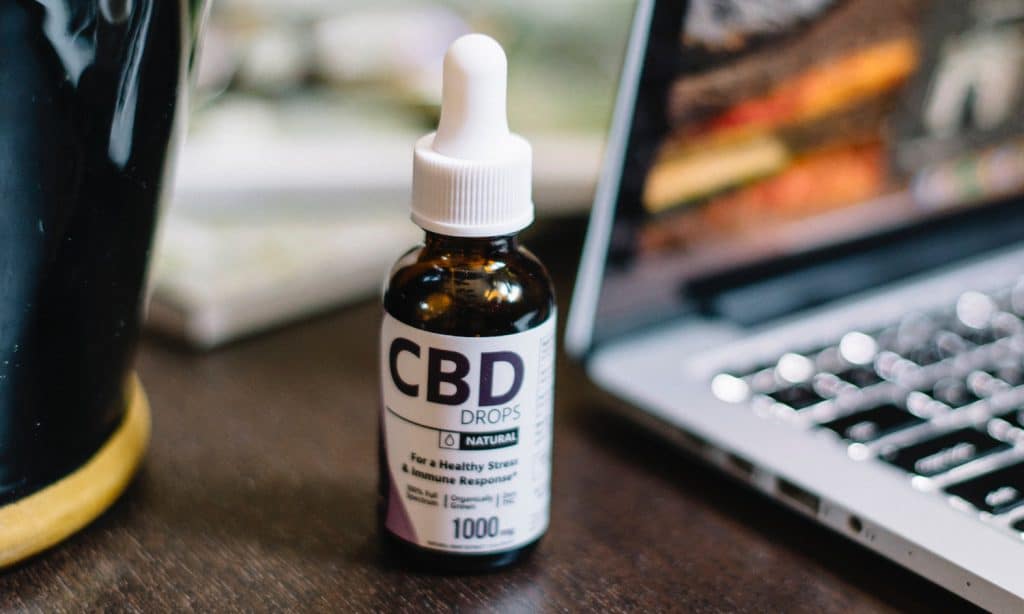
When purchasing anything at all, what works for you is what you should buy. Regarding cannabis, the tincture that everyone recommends is a good place to start your research. TheTHC/ CBD oil tincture that you decide to purchase should resonate with you and your needs.
Once you have answered these types of questions, the selection for the best starts. A good place to start are those tinctures that everyone recommends. Those are a good starting point for your search.
THC Tincture VS CBD Tincture
Generally, if shopping online, the CBD options will beCBD from hemp. THC in amounts more than 0.3%, are not allowed to be sold online because of legality. Hemp CBD is legal if THC is tested and is less than 0.3%.
If you are looking for a THC tincture, even the bestCBD tincture may not be good for you if it’s specifically THC you’re after. THC and CBD are both great but are very different from each other. If you are in a legal cannabis state and looking for THC, you’ll find the bestoil tincture selection at a cannabis dispensary.
The same is true for someone who wants a CBD tincture. If someone is shopping for THC free CBD, a full spectrum product will not be best. What’s best may be a broad-spectrum and/or isolate CBD tincture.
Cannabis ratios for oil tinctures look like: 1:1, 2:1, 3:1, 4:1, and so on. These ratios generally tell how much CBD to THC is in the product. Here are examples of ratios you may find on oil tinctures:
1:1 — a balanced half and half of CBD and THC. Still psychoactive.
4:1 — More CBD than THC and considered a middle/mid. Less psychoactive.
8:1 — High CBD, low THC and considered the ratio for wanting virtually no high.
Someone may recommend a 1:1 product; however, if you want zero THC, that 1:1 will not be a good choice for you.
Cannabis Spectrums
Generally, tinctures are available in different spectrums when CBD is the focus: full, broad, isolate, and nano. These spectrums determine the range of cannabinoids in the tincture:
Full Spectrum: will contain all of the compounds that the plant carries: the terpenes, essential oils, and cannabinoids- including THC.
Broad Spectrum: the “in between” option of isolate and full spectrums- Broad spectrum will have most of the plant’s compounds but in this spectrum, THC is removed.
Isolate: known as the purest form it extracts a single compound and “isolates it” from the others. Isolate removes all other compounds leaving just the CBD cannabinoid.
Nano: the water-soluble option- meaning, it dissolves in water.
Terpene Enriched Oil Tinctures
Photo by HighGradeRoots/Getty Images
Terpenes are the oil compounds responsible for the fragrance of the cannabis plant (and many other plants) as well as the flavors, effects, and colors. There are over 20,000 terpenes in existence. The cannabis plant produces about 100 of them.
Terpenes are important because they contribute to the impact that each cannabinoid has on our bodies. Knowing about the terpene profile within thecannabis oil tincture is an important consideration.
Here are a few popular terpenes and their said effects:
Linalool: pain reducer, anti-microbial, reduces anxiety, and lowers depression
Humulene: fights tumors, helps terminate cancer cells, antibacterial, anti-fungal
Oil Tinctures with Added Ingredients
Somecannabis oil tinctures are flavored, contain essential oils, and have added carrier agents. CBD in tincture is less potent than CBD oil. This is generally because of the other ingredients being added to enhance the flavor. Some of those ingredients include: herbs, sweeteners, vitamins, and carrier agent like MCT or coconut oil.
So, you see, the cannabis oil tincture that everyone buys may or may not work for you. Those brands/companies may be great places to start your research; however, there are many considerations and those vary by person. You should buy the cannabis oil tincture that is best for you and your needs.
The coronavirus has caused a worldwide mental health crisis. Here are some tips on getting help without losing all of your money.
The coronavirus has affected our lives and state of mind in unprecendented ways. While some people who’ve struggled with anxiety and depression throughout their lives are experiencing these symptoms with more regularity, the coronavirus has acted as an inciting incident for people who’ve never struggled with mental health issues.
Symptoms of anxiety and depression tend to become the center of people’s lives, not leaving much room for other thoughts and behaviors. When in lockdown and with so much time on your hands you may find it hard to do any of the things you’d expect to love to do in your ordinary life, such as watching TV, reading a book or cooking a delicious meal.
While not suited for people who need immediate relief from depression or anxiety, CBD products can be used for relieving a variety of symptoms as long as you commit yourself to the product and are patient. CBD works differently depending on the user; some people experience instant relief while others only notice a difference after using the compound for a significant amount of time. Here’s a list of products that can work for beginners.
Meditation apps
Meditation apps are helpful for those who need some orientation with meditating or don’t have the habit formed. Quarantine is the perfect time to take up this habit, which will show benefits after you’ve practiced it continuously for a good amount of time.
Due to the pandemic, mental health hotlines are experiencing a sharp rise in usage across the country. Check with your local government for hotlines and resources they’re providing, with the closer to home it is the better, since the pandemic is affecting states in different ways.
Teletherapy
For people who are used to going to therapy, the coronavirus has eliminated that resource from them. Fortunately, there’s been a huge rise in Zoom, FaceTime, TokBox and more, between mental health workers and patients. Speak with your therapist and set some ground rules, such as taking your therapy seriously or getting dressed for your sessions. If you have no therapy, check your insurance plan or use a resource like TalkSpace, an app that connects you to a therapist through video and text.
Crisis text lines are also on the rise, helping those who feel more comfortable expressing themselves over text or who find texting a quicker and easier method. Crisis Text Line connects you with a counselor who’ll help you come up with a plan that’ll suit your needs and personality type.
The stress and loneliness of coronavirus has us drinking more. Here’s what you can do to keep an eye on that before it gets out of hand.
Nielsen reports that alcohol purchases have increased 55% due to people spending more time indoors in order to curb the spread of COVID-19. While escapism is necessary in times of crisis, experts are concerned, since consuming an excess of drugs and alcohol during this time period could affect people’s health once the pandemic is over. But how to manage how much you drink in a longer term stressful atmosphere.
Alcohol, although calming, is also a depressant and, thus, a bad substance to overindulge in when anxious or depressed — scenarios that are likely when staying indoors while surrounded by economic and health uncertainty.
On the other hand, consuming large amounts of alcohol with regularity could also impair your immune system and make it more likely for you to be affected by infectious diseases like COVID-19. Here’s how you can keep an eye on your alcohol intake while still giving yourself some room to have a drink every now and then:
Set some rules that work for you, such as avoiding alcohol when sad or depressed. That’s an important one. If you have alcohol right in your line of sight, it’s way likelier for you to indulge, so put the bottles in a cabinet or someplace that’s less visible. Try limiting your drinks to the evenings and limiting your drinks. Another schedule that could work is drinking on weekends, giving you more room to have more drinks and adding more of a rhythm to your life.
Stay busy
Photo by Christin Hume via Unsplash
You’re less likely to spend your time drinking if you find other fun activities to keep you busy and distracted, such as binging a show you’ve been meaning to watch for years, crossing books off your reading list or doing something totally different, like painting or knitting. Everything is fair game during quarantine.
If you think you have a problem, talk it out with a friend, roommate or partner, someone you trust who won’t judge you. They might suggest new ways of coping or come up with activities to do together. If your problem is more serious, contact experts and look for online resources.
55% of those surveyed said they stocked up on weed to calm themselves during the coronavirus outbreak. Meanwhile, 22% just wanted to chill at home.
Republished with permission from American Marijuana. Written by Dwight K. Blake.
As of March 24, 2020, the coronavirus disease had swept through over 195 countries with over 260,000 confirmed cases worldwide. This caused a panic that led people to stock up on foods, toiletries, and other basic needs.
But how did it affect marijuana consumers? Let’s take a look at the survey presented below.
Compared with Marijuana, Which One Is More Important Amid The COVID-19 Pandemic?
Major takeaways:
Across the board, the U.S. marijuana consumers would prefer food, face masks, hand sanitizers, and toilet paper over marijuana if they had to choose between marijuana and these.
Among these necessary items for the COVID-19 pandemic, a surprising 28% of the 990 participants would rather value marijuana above face masks.
It’s obvious how 83% of the participants would rather choose toilet paper over marijuana but it’s a shocker to see that 5% of the same participants value marijuana above food during these times.
Number of Consumers Who Stocked Up on Marijuana Amidst The COVID-19 Pandemic
Major takeaways:
49% of participants DID stock marijuana products during the coronavirus pandemic outbreak while 51% DID NOT stock marijuana products.
Reason Why The U.S Marijuana Consumers Stocked Up On Marijuana Amidst the COVID-19 Outbreak
Major takeaways:
55% of those stocking pot said they did so to calm themselves during the coronavirus outbreak. Meanwhile, 22% of them didn’t even care but just wanted to stock up on some marijuana to chill at home.
The other 23% stocked up on marijuana because of the fear of both the pandemic and marijuana product shortage.
Reason Why The U.S Marijuana Consumers DID NOT Stock Up On Marijuana Products Amidst the COVID-19 Pandemic
Major takeaways:
36% of participants didn’t stock up on marijuana products because they didn’t worry at all about the marijuana product shortage while 35% of survey takers valued toilet papers, face masks, and hand sanitisers over marijuana products.
The remaining 29% didn’t stock up on marijuana products as they didn’t feel the need to stock consumer goods at all.
If the U.S Government Imposes Nationwide Quarantine, Which Among the Following Activities Would you Rather Do?
Major takeaways:
28% of the 990 participants would rather binge-watch TV shows should the U.S. government impose a national quarantine, making it the most-preferred activity during self-quarantine.
The least preferred activity is to do indoor exercise/sport activities, taking up only 13% of the 990 participants.
17% of them would just rather smoke weed during self-quarantine than doing any of the presented activities. This is even higher than the percentages of those choosing to surf the internet (15%), and to do indoor exercise/sports (13%).
Number of Consumers that Used/Consumed More Marijuana Products since the COVID-19 Outbreak
Major takeaways:
34% of participants have consumed more marijuana products since the COVID-19 outbreak while the remaining 66% haven’t.
How Do U.S Marijuana Consumers Feel towards the COVID-19 Pandemic?
Major takeaways:
54% of the 990 U.S. marijuana product consumers feel calm about the global coronavirus pandemic thinking everything will be alright while 40% are worried sick.
Only 55 (6%) of the 990 participants don’t really care about the COVID-19 pandemic at all.
Methodology and Limitations
To collect the data shown above, we surveyed 990 respondents who are U.S marijuana consumers. A qualifying question was included to make sure the participants are truly weed consumers. An attention-checker question was also added to ensure the participants did not mindlessly answer questions.
Because the survey relies on self-reporting, issues such as telescoping and exaggeration can influence responses. Please also note that this survey’s results do not reflect our opinions.
Fair Use Statement
If you know someone who could benefit from our findings, feel free to share this project with them. The graphics and content are available for non-commercial reuse. All we ask is that you link back to this page so that readers get all the necessary information and our contributors receive proper credit.
This article was reposted from Green Market Report.
The cannabis industry does not qualify for bailout money and is essentially at risk of total collapse if it cannot find a way to survive on its own.
The U.S. economy is clinging to life support in the wake of the coronavirus. Businesses all across the nation have been forced to shut down, and a record number of Americans are now living on unemployment benefits. Some financial analysts say the country hasn’t seen anything even remotely this horrifying since the Great Depression. So, to say we are living in tough, uncertain times, well, that is putting it lightly.
But, never fear, Uncle Sam is coming to the rescue. The federal government is throwing small businesses all across the country a life preserver, of sorts, in the form of cash bailouts to help keep the lights on, employees paid and them in good enough shape to recover from the madness.
If you own a marijuana business, however, you should know that none of the approved $350 billion is coming your way. Although more than half the nation has legalized the leaf for medicinal and recreational use, the herb is still a Schedule I dangerous drug at the federal level. This means the cannabis industry does not qualify for bailout money and is essentially at risk of total collapse if it cannot find a way to survive on its own while the country hunkers down for the next few months.
Considering the industry was already suffering from some relatively troubled times before the virus struck, many cannabis businesses may soon go broke and evaporate from the scene altogether.
It is for this reason that a gang of U.S. Senators fired off a letter to the Small Business Administration (SBA) last week, asking that legal cannabis operations be considered for economic assistance. While the SBA has acknowledged that hemp operations would, in fact, qualify for loans and other financial reprieves, its policy does not allow the doling out of funds for any service “directly” or “indirectly” associated with a business entity that grows or sell marijuana.
And that could tank some smaller operations.
Official White House Photo by Andrea Hanks
“Consequently, small businesses in states with some form of legal cannabis must choose between remaining eligible for SBA loan programs, or doing business with a rapidly-growing and legal industry,” reads the letter signed by eleven U.S. Senators, including Democratic presidential candidate Bernie Sanders.
The Senators concluded their plea by saying they “strongly support ensuring that SBA loan programs are made available to all cannabis small businesses.”
For the cannabis industry to be given the same loan consideration as any other legitimate business, Congress must first legalize marijuana at the federal level. There’s no other way around it. As long as marijuana hangs in its current Schedule I listing under the Controlled Substances Act, unexpected devastation, like with the coronavirus, is going to leave these operations without a safety net. Make no mistake about it, cultivation companies, dispensaries and other businesses connected to legal marijuana are very much on their own until Uncle Sam makes a change.
And that’s not happening anytime soon.
As we pointed out in a recent article, federal lawmakers may have no choice but to take a look at legal weed once the virus debacle is over. Much like it was done with alcohol following the Depression, nationwide cannabis legalization might be needed to give the economy an added boost. It’s a long shot, of course, especially with Republican domination still running the show on the Hill.
Still, full-blown legalization is something that could gain high-powered momentum in 2021 if the Democrats come out on top following the November election. Until then, expect cannabis businesses to start dropping like flies in the months to come. While many have been deemed “essential” in their respective neck of the woods, the financial climate (high unemployment rate, etc.) could start to affect the bottom line — making a post-virus recovery next to impossible.