Wednesday, June 17, 2026
Home Blog Page 574

Miley Cyrus Blames Grammy Snub On Her Marijuana Love Affair

Miley Cyrus wasn’t in attendance to celebrate her father’s historic Grammy win, and suggests the reason involves her love of weed.

Do you remember a little song called “Old Town Road” by Lil Nas X? Of course you do. It was one of the biggest smash hits of 2019, following the release of a remix version featuring Billy Ray Cyrus. The song earning two Grammys Sunday, winning “Best Music Video” and “Best Pop Duo/Group Performance” categories.  It was grand night at the awards show, minus one.  Miley Cyrus blames grammy snub on her marijuana love affair.

What might surprise you is those Grammys represents the first two Grammys in Billy Ray Cyrus’s career. Yes, the country musician with a career spanning nearly 30 years didn’t win a Grammy until he sang, “Baby’s got a habit: diamond rings and Fendi sports bras.”

To celebrate the achievement, Billy Ray had his youngest daughter Noah Cyrus in attendance. Notably missing from the Grammy awards ceremony? His very famous daughter Miley. Though she tweeted a sweet congratulation to her father, Miley later suggested a more plausible theory as to why she wasn’t invited to the Grammys.

RELATED: The Oscar Nominees We Suspect Will Use The Weed In Their Gift Bag

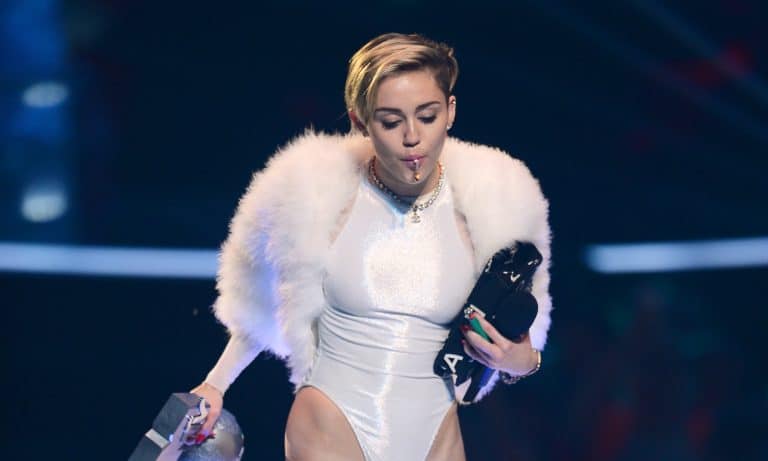
“& we wonder why I’m not invited to award shows anymore …” Miley tweeted, alongside a video from the 2013 MTV Euro awards where the singer smoked marijuana live onstage.

Miley has had a rather wacky on-again, off-again relationship with marijuana in the public eye. But you might be surprised to learn Miley had originally inspired different lyrics to her father’s “Old Town Road” verse. When Billy Ray Cyrus originally submitted the song to Columbia Records for approval, they requested he omitted one word—marijuana.

“For some reason I thought it was funny to say, ‘Baby’s got a habit: diamond rings and marijuana,’” Cyrus told ‘Taste of Country Nights’ host Evan Paul last year.

RELATED: The Word ‘Marijuana’ Got Nixed From Billy Ray Cyrus ‘Old Town Road’ Remix

Conspiracy theory: Do the Grammys want to distance itself from marijuana by denying Miley Cyrus attendance to its show? Their silence on the matter might be deafening to some right now. Or they just don’t want to deal with Miley Cyrus’s erratic behavior. Both could be plausible.

Tribal Cannabis On A Comeback Tour?

Tribes can still consider legalizing medicinal and adult-use cannabis on their lands. Whether they should or not will depend on the state in which the tribal lands are located.

For people in the know, the cannabis industry is an unpredictable roller coaster for a number of reasons having to do with federal illegality, evolving state regulations, and market volatility.

One faction of the industry that many thought would immediately take off is cannabis being grown and sold in Indian Country by Native American Tribes. And with good reason. In December 2014, the federal government announced that when it came to cannabis, it would not essentially treat Native American Tribes as it treats the states. Meaning, cannabis in Indian Country would not be a major enforcement priority similar to the states pursuant to the August 29, 2013 Cole Memo.

Since that announcement, a number of tribes indicated an interest in tribal cannabis, and our law firm ended up putting on the first national Tribal Marijuana Conference, attended by more than 400 people, from more than 75 tribes and more than 35 states. Tribes began to move ahead.

RELATED: Goodbye Cole Memo, Hello Uncertainty For Cannabis

The momentum behind tribal cannabis came from the Wilkinson Statement in which the Department of Justice (DOJ) stated it would not focus its resources on prosecuting growing or selling medical or adult-use cannabis on tribal lands, even when state law prohibits it, and the eight enforcement priorities previously outlined in the 2013 Cole Memo were supposed to guide federal enforcement of cannabis laws on tribal lands . It is important to note that none of this changed federal drug laws or the federal government’s ability to enforce those laws. Therefore, any tribe that considered setting up a legalized cannabis regime would have been wise to enact and enforce “robust regulations” so as to comply with the Cole and tribal cannabis memos and to increase its odds of avoiding unwanted federal intervention.

Legal marijuana States Buying 'Nasal Rangers' To Detect Illegal Grows
Photo by Riccardo Livorni/EyeEm/Getty Images

As a result of the excitement on the back of the Wilkinson Statement, several tribes considered regulating, cultivating, and selling cannabis on their sovereign lands. However, very few and perhaps none of those enterprising tribes have experienced much success. Federal intervention was a roadblock in some instances, and even for tribes that entered into state compacts for commercial cannabis production and sales — see, for example, the Suquamish tribe and Warm Springs tribes, in Washington and Oregon — things have been slow to materialize. Tribes have been beset by internal political and organizational issues, as well as shady consultants and the general chaos that comes with the “gold rush” mentality. In all, the energy behind tribal cannabis slowly fizzled as it became clear that state compacts were pretty much the only way to avoid the Feds when it came to cannabis — and that even those compacts were no guaranty of success.

In early 2018, then acting U.S. Attorney General Jeff Sessions rescinded all DOJ guidance on cannabis, including the Wilkinson Statement. Even before then though, the reality of tribal cannabis hadn’t really materialized. As of today, U.S. Attorneys no longer have any uniform enforcement priorities when it comes to cannabis, and they’re free to address federal cannabis law enforcement as they see fit according to their districts’ priorities and resources. To date, we’re not aware of any U.S. Attorneys taking any action against state-licensed cannabis operators just because they’re in operation in violation of the federal controlled substances act (CSA). And the current U.S. Attorney General, Bill Barr, testified before Congress that he would basically operate according to 2013 Cole Memo principles, which has been accurate to date.

What this means, in all reality, is that tribes can still consider legalizing medicinal and adult-use cannabis on their lands. Whether they should or not will depend on the state in which the tribal lands are located and how and whether the U.S. Attorney in that district is going to treat this tribal experiment. There’s also still the question of whether state cannabis compacts make sense for tribes and how the U.S. Attorneys (now with no Cole Memo in place) will react to tribes that forego compacts.

RELATED: Breaking Cannabis Banking: Tips On Getting An Account

Perhaps more than any of this, the question of whether legalization on tribal lands makes any business sense still reigns supreme. Is it legally, culturally, and practically better (and cost effective) for the tribe to act as a licensing regulator, a landlord to a licensee, or to be the cannabis licensee itself? Is it better for the tribe to be able to access legalized markets through state licensing systems through a compact that may at the same time eliminate other important tribal cannabis business choices and waive certain tribal sovereign immunity powers? Or is it better for the tribe to treat cannabis like gaming by providing a unique cannabis experience strictly contained within tribal lands but managed by a third party operator?

Tribes likely still have a variety of choices in the cannabis game (including around hemp under the 2018 Farm Bill), but many ambiguities still exist, and no tribal gold standard has emerged. I will say that our firm has seen an uptick of tribal cannabis requests lately (especially in California, which is relatively cannabis-business friendly). This tells me that tribes continue to mull what could still be a very lucrative business opportunity in the years to come. Someone just needs to break the mold.

Hilary Bricken is a partner at Harris Bricken, a law firm with lawyers in Seattle, Portland, Los Angeles, San Francisco, Barcelona, and Beijing. This story was originally published on the Canna Law Blog

Donald Trump Says Marijuana Causes You To Lose IQ Points

In leaked audio, Donald Trump states his belief that marijuana causes users to ‘lose IQ points,’ a statement refuted by the National Institute of Drug Abuse.

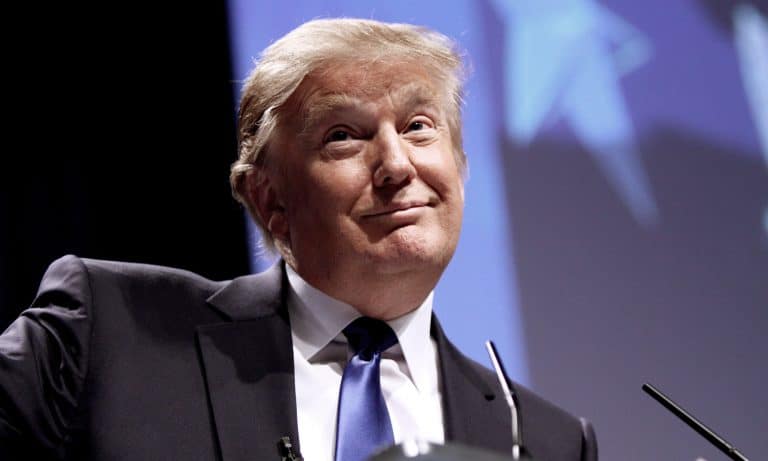
According to the President of the United States, smoking marijuana cause you to lose IQ points. That statement comes from a conversation Donald Trump had at a private donor dinner in April 2018, as footage from that night was recently released by Lev Parnas, a former associate of Trump’s private attorney Rudy Giuliani.

In the leaked recording, Trump states that he isn’t sure if marijuana legalization is “a good thing or a bad thing.” The conversation was sparked by recent marijuana legalization movements across the country and reflects a different position from Trump than statements he’s previously made in the public eye. In June 2018, Trump was asked about the STATES Act, a bipartisan bill co-authored by Sens. Cory Gardner and Elizabeth Warren that would give states the ability to create their own cannabis legislation without federal interference.

“I support Senator Gardner,” Trump said when asked if he endorsed the bill. “I know exactly what he’s doing. We’re looking at it. But I probably will end up supporting that, yes.”

The leaked conversation from the private dinner months earlier tells a different tale. Parnas initiated a dialogue with Trump, asking if he would allow access to banking for marijuana companies in legal cannabis states. (Cannabis companies don’t have access to traditional financial services available to other businesses, due to federal regulations.) Trump first seemed confused at the idea.

“You’re talking about marijuana, right?” Trump asks. “Why, you can’t do banking there?” When Parnas explains the problem it poses to marijuana businesses, Trump adds, “It’s all working out. That whole thing’s working out.”

The SAFE Banking Act, which would end federal prosecution from financial institutions offering services to cannabis companies, was passed in the House in a landslide vote last year. The bill currently remains stalled in the Republican-led Senate.

RELATED: Donald Trump Is Securing The Wrong Border Against The War On Drugs

Later, Trump states his opinion on marijuana in the recorded conversations.

“I don’t know if that’s a good thing or a bad thing,” says Trump. “Do you think the whole marijuana thing is a good thing?”

“In Colorado they have more accidents,” he adds. “It does cause an IQ problem. You lose IQ points.”

Donald Trump, Jr. eventually comes into the conversation to offer an alternative view on marijuana than his father’s.

“Between that and alcohol, as far as I’m concerned, alcohol does much more damage,” Don Jr. says.

RELATED: The Surprising Way Trump’s US-China Trade Dispute Hurts Marijuana Users

Trump’s belief that marijuana causes you to lose IQ points has been refuted by his own government agency, the National Institute of Drug Abuse. While the agency notes a New Zealand study that shows cognitive decline in middle age following persistent adolescent marijuana use, NIDA denies that adults consuming marijuana causes an IQ problem.

“Recent results from two prospective longitudinal twin studies did not support a causal relationship between marijuana use and IQ loss,” NIDA writes on its website. The agency adds that “no predictable difference was found between twins when one used marijuana and one did not.”

‘Hot Plants’ Prove Problematic For Hemp Entrepreneurs

A hemp plant can “go hot” (aka experience a spike in THC levels) due to using a new seed variety, environmental factors, or a plant left to flower for too long.

Just over a year from the date when the 2018 Farm Bill removed hemp from the list of controlled substances and legalized it for industrial growth, issues plaguing hemp producers in 2019 are coming to light. The most dominant pitfalls include a glutted market, unpredictable climate, problems with mold and pests, and a chronic shortage of adequate drying facilities.

Seasoned farmers are no strangers to these types of problems, but industrial hemp poses a new challenge: how to bring a crop in under the .3% THC limit mandated by the federal government.

In an October article by Chuck Abbot at www.agriculture.com, analysts at agricultural lender CoBank forecasted that changing federal regulations would make it difficult for growers to keep up with guidelines for testing plants for excess THC. The National Law Review published a piece on Jan. 19, 2020 entitled “Key Takeaways From USDA Final Interim Rules for Domestic Hemp Production”. (These interim rules are set to expire in 2021 and will be replaced by finalized regulations.)

RELATED: USDA Releases Hemp Rules

The scope of the rules includes conditions for growing, processing and/or selling hemp, and requires an approved testing and sampling procedure to ensure that no plant exceeds .3% THC content. Unfortunately, the currently approved method focuses solely on identifying the THC content of the plant rather than its genetic profile (which can definitively identify the plant as hemp). Testing only for THC content leaves this undetermined.

Dumbies Keep Stealing Hemp Crops Thinking They're In 'Marijuana Heaven'
Photo by Bloomberg Creative Photos/Getty Images

A hemp plant can “go hot” (aka experience a spike in THC levels) due to using a new seed variety, environmental factors, or a plant left to flower for too long. This can lead to what the National Law Review article describes as “excessive non-compliance and crop destruction”, not to mention devastating financial losses for growers. Writing for local Denver publication Westword, Mathew Van Deventer reports that fourth-generation farmer Randy Taylor was forced to destroy eighty acres under hemp production when that hemp tested at .47% THC by the Colorado Department of Agriculture. The CDA is attempting to address this conundrum by approving and overseeing the development of industrial hemp seeds specifically engineered for low THC/high CBD content.

RELATED: Top 4 Predictions For Hemp And Hemp CBD In 2020

Theresa Bennett’s Q&A with Vote Hemp President Eric Steenstra at www.hempgrower.com provides further insight into the issue. Steenstra shares that there has been almost a 500% increase in the number of people growing hemp nationwide over last year. These new growers are largely unfamiliar with the complexities of the genetic seed make-up required to keep THC in crops from spiking. As a result, buyers are favoring larger-scale operations with tested seed stock and reliable facilities, which edges new growers out of the market before they gain a foothold.

Despite the obstacle that regulations regarding THC content pose for unseasoned producers, industrial hemp still shows a profit margin generous enough to lure those willing to educate themselves and keep abreast of the changing guidelines into the industry. Hopefully, the lessons of 2019 will make for a less perilous and more profitable learning curve for aspiring hemp entrepreneurs in 2020.

This article originally appeared on Green Market Report.

Similarities Between Hemp And Marijuana Have Ohio Police Confused

0

Lawmakers in Ohio are finding it hard to differentiate between hemp and cannabis, two compounds where one’s legal and the other is not.

The differences between hemp and marijuana are plenty, especially when viewed through the eyes of the law. It makes it very problematic then that both compounds look exactly the same.

There have been different cases in the state of Ohio that reflect this confusion within the law. The most notable one occurred last week when Kareem Hunt, running back of the Cleveland Browns, was caught speeding. After officers searched his car, they found what they thought was marijuana.

“The reason I’m not citing you for this is because the marijuana laws have changed in the state of Ohio,” the officer told Hunt. He then explained that hemp and marijuana are very hard to differentiate from each other, especially when looking at the compound on the side of the road. “So, it needs to be tested, basically,” the officer said.

RELATED: The Surprising Effect Marijuana Legalization Has On Police Traffic Searches

Another example that better illustrates the current state of disarray in cannabis laws is one that allowed a man holding 91 pounds of cannabis to walk free. News 5 reports that even with testing, authorities couldn’t determine if the seized product was illegal marijuana or legal hemp.

Man Caught With 91 Pounds Of Marijuana Escapes Conviction
Photo by Juanmonino/Getty Images

“[The prosecutor] tested for the presence of THC and thought that was going to be sufficient,” said defense attorney Ian Friedman. “If you don’t get the concentration correct, you’re not going to be able to establish what it is.”

While hemp contains small amounts of THC that won’t get users high, it still contains trace amounts of the cannabinoid. Ohio lawmakers still haven’t figured out a way of testing the amount of THC present in hemp or cannabis, which would be the only accurate way of knowing what the product is.

RELATED: Police Field Tests Can’t Distinguish Between Hemp And Marijuana

Ohio Attorney General David Yost has advised not to bring cannabis related cases to courts. “As prosecutors, we have an ethical responsibility to prosecute when evidence shows a person committed a crime. We thoroughly review all cases prior to presenting them to grand jury. Because of Ohio’s new marijuana law, testing is being done to determine the percentage of THC in marijuana seized by law enforcement,” he said.

The Attorney General’s office expects labs to be able to tell how much THC is in hemp and cannabis by sometime this spring. In the meantime, I guess people in Ohio have a little more leeway than residents of other states where cannabis remains illegal.

10 Mainstream Businesses Betting On CBD

CBD’s takeover and introduction into the mainstream has been unprecedented, making many well-known business eager to get involved.

CBD has been called the “next gold rush” so many times that the phrase is starting to lose its impact. Still, the numbers don’t lie, and everything suggests that CBD wellness products are here to stay. It is so popular, here are 10 mainstream business betting on CBD.

Although reading about CBD’s success is awesome, all of this progress won’t truly hit you until you stumble upon a cannabis-laced product while conducting your regular shopping. And the more cannabis is embraced across America, the more likely this is to happen to people with all sorts of backgrounds.

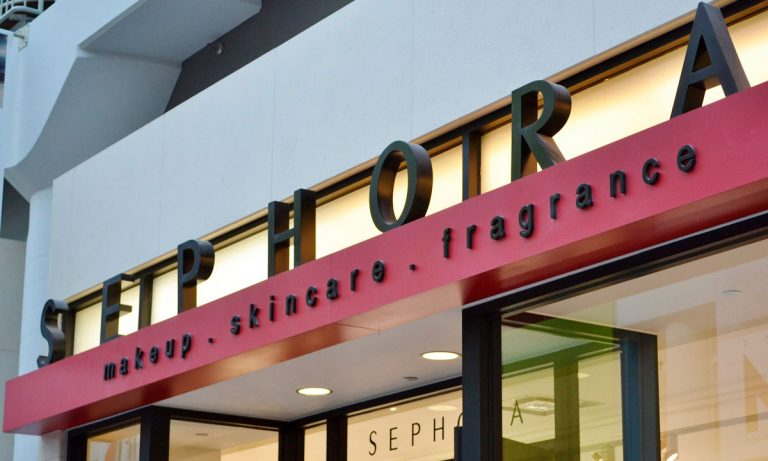
Sephora

CBD and hemp oil are huge within the beauty industry, with dozens of small companies gaining traction and popularity thanks to the growing cannabis industry in America. Sephora, one of the largest distributors of beauty products in the world, has added curated cannabis sections to their stores. These feature notable hemp and CBD products like Lord Jones and Herbivore Botanicals.

RELATED: Sephora Kicks Off 2020 By Launching Their Largest CBD Partnership Yet

https://www.instagram.com/p/B2j2eK7lRMv/

Ulta Beauty

Ulta Beauty, known for its wide range of beauty products, announced that in March 2020, they’d carry their first batch of CBD skin-care products. The lotions and creams available will be five different ones from Cannuka, a company known for blending CBD and manuka oil. These products will be available for purchase in Ulta Beauty stores and online.

Neiman Marcus

On January 14, 2019, Neiman Marcus announced that they would offer CBD beauty products in their stores, including brands like Sagely Naturals, Cannuka, Cannabliss Organic, Code of Harmony, and more. “Cannabis beauty brands are becoming increasingly popular and CBD products are the next big thing in beauty. Neiman Marcus plans to continue to expand our CBD assortment while offering customers the latest and greatest in Trending Beauty,” said Kim D’Angelo, beauty buyer for Neiman Marcus. The products offered include face balms, lotions, soaps, serums and masks.

DSW

DSW also took the leap into CBD beauty products, which is weird because they specialize in selling shoes. DSW is partnering with Seventh Sense products, selling their body lotions, foot creams and muscle balms.

According to a press release, the agreement followed a successful test phase conducted in 2018 in which Green Growth Brands sold select Seventh Sense products in 10 DSW stores. During the first 10 weeks of the test period, 74.4% of product presented on shelves was sold, significantly exceeding expectations.

You’ll find these products in 94 out of DSW’s 500 stores all across the U.S..


View this post on Instagram


A post shared by Seventh Sense (@seventhsensebotanicals) on

Urban Outfitters

Urban Outfitters, known for its clothing and accessories that target men and women between the ages of 18 to 30, recently announced a partnership with CBD for Life. This company has been around since 2015 and specializes in beauty products containing CBD. You can find these products in select stores in California and New York.

Simon Malls

Simon Malls, the biggest mall owners in America, are opening over 100 CBD stores across the U.S.. In early 2019, they announced their partnership with Green Growth Brands, an Ohio-based cannabis company.

“We are committed to adding new and dynamic retailers and uses to our shopping destinations, and the GGB shopping experience is exactly the type of innovation our customers want and expect from us,” said John Rulli, president of Simon Malls, via press release. Rulli continued to express his support for CBD, explaining that the stores weren’t pop-ups or temporary. “It’s a category that we are embracing and getting behind.”

Whole Foods

https://www.instagram.com/p/B4nly7vJ38z/

RELATED: What The Year Ahead Looks Like For CBD

Whole Foods founder Steve Mackey recently said that once cannabis is legalized in Texas, grocery stores would probably get involved within the business. “You just never know what happens over time with markets. They change and evolve,” he said. Although selling marijuana in the aisles of Whole Foods sounds like a distant truth, the licensing of CBD and hemp products could occur much sooner, especially considering how other companies and competitors are approaching the matter.

Walmart

Walmart, or the store where you can buy anything and everything, showed some interest last year in CBD. In October 2018, Walmart’s Canada division was conducting research in order to add CBD products to their stores, causing a brief but considerable 2.5% bump on their share price. Currently, you can purchase some of their products online, but we’re still awaiting news to confirm their full investment in the cannabinoid.

Anthropologie

Anthropologie, the high end store of URBN brands, is now selling CBD and beauty products. In their catalogue you can find products from beloved CBD brands like Cannuka, Helias, Kana and more. Anthropologie has hundreds of stores located throughout the country, facilitating CBD soaps, face masks, bath salts and more.

Saks Fifth Avenue

https://www.instagram.com/p/B7CpiObBwcp/

Saks Fifth Avenue, one of the oldest and most widespread luxury retail stores in America, is also selling a variety of CBD products, ranging from independent brands to more commercial ones. At the start of this year, they completed a partnership with Tarot, a brand of CBD tinctures & haircare that means that Saks is interested in pursuing other kinds of wellness CBD products, not only those that focus on skincare.

And education guess would say 10 mainstream business betting on CBD will soon increase to over 100 if all goes well.

Most Of Us Have Ditched Out New Year’s Resolution By This Date

0

A survey conducted on 2,000 people found that by February, most of us have already given up on our New Year’s resolutions.

A new poll found that most people give up on their New Year’s resolution after the first month of the new year. By February 1, the average American turns the clock back to the previous year and returns to old habits.

The poll, conducted by One Poll and Crispy Green, the top freeze-dried fruit brand in the country, gathered data from 2,000 Americans and found that people’s resolutions last for an average period of 32 days. Sixty-eight percent of participants quit before even hitting this mark.

The study asked people several questions, including why they gave up on their resolutions. Most people say that they quit due to a lack of discipline. People also blamed their busy schedules, pressure from peers and friends and more.

TOP 5 REASONS PEOPLE FAIL AT THEIR NEW YEAR’S RESOLUTIONS
1. Lacking self-discipline to stay on track                                           52%
2. Too busy/hectic to keep up with the new routine                            43%
3. Social pressure                                                                               40%
4. Familial pressure                                                                            39%
5. Negative influence by partner                                                         35%

“Since the top two reasons we don’t stick to our resolutions are a lack of discipline and a busy schedule, choosing a healthier grab-n-go snack can be one simple way to stay on track,” stated Crispy Green. “Of course, if the snack satisfies without sacrificing taste, you might have to remind yourself that you didn’t fall off the wagon.”

RELATED: How CBD Can Help You Keep Your New Year’s Resolutions

How To Avoid Overeating After Workouts
Photo by Victor Freitas via Unsplash

New Year’s resolutions cause a good amount of stress on people’s lives, with most of us taking them on despite thinking that at some point we’ll have to quit them because it’s unreasonable to stick to them for the rest of our lives. The study says that 1 in 7 people take on resolutions thinking that they won’t be able to go through with them.

RELATED: 5 New Year’s Resolutions That Are Actually Doable

Crispy Green says that no matter what our resolution is, it’s always worth sticking to it, whether you’re choosing to spending less money, eat more healthy foods or visit the gym more often. It doesn’t matter if we break our resolutions every now and then, what matters is that we continue to try to improve ourselves and let it go if we fall off the wagon.

“The real challenge is to remain positive and optimistic when we do suffer a ‘little fail’ and try and remain focused on the big picture. Remember, life is not a race … it’s a journey.”

How Birth Control Can Affect Your Sex Drive

0

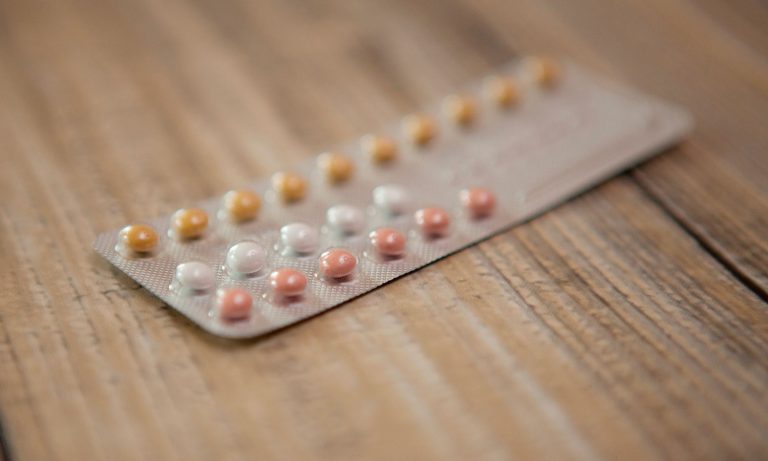
Birth control pills are the most effective way of managing different hormonal conditions. The fact that they can lower people’s sex drives is understandably stressful.

Birth control is one of the most effective ways of managing a variety of hormonal issues, from irregular periods, to acne and ovarian cysts. But whenever you alter your hormones, there’s a possibility of throwing your body out of sync, sometimes even messing with your libido.

Hormonal birth control options, like the pill, work by shuffling around your neurotransmitters in order to rearrange whatever is out of balance. These neurotransmitters are responsible for the fluctuations of your mood.

“Most studies suggest that fewer than 5% of people on birth control experience a decrease in sex drive, meaning that most women using contraception don’t notice a difference,”  gynecologist Dana Shanis told the Huffington Post. “Some women even notice an improvement in their sex drive while using birth control. This could be because they’re less worried about becoming pregnant.”

The 5 Most Interesting Discoveries About Sex Made In The Last Decade
Photo by franckreporter/Getty Images

Birth control hormones can at times decrease your levels of testosterone or increase them, thus altering your sex drive. While a change in sexual appetite is not common — in fact, the majority of women who report a change in libido say they have more desire to have sex —  there are still cases where the pills you consume take a toll on your body and relationships.

There are options with no side effects

The one way to limit these changes in hormones would be to use a birth control option that’s hormone free, such as condoms, copper IUD, diaphragms, and such. While some of these methods are effective methods of preventing pregnancies and sexually transmitted diseases, they won’t address plenty of the solutions that birth control pills provide, such as preventing cysts, controlling irregular periods, managing acne, and more.

Gynecologists also explain that our sex drive is made up of a combination of mental and physical processes. While there’s a hormonal component to your libido, a large percentage of it is psychological, meaning that you could be experiencing a reduced sex drive due to a variety of stressors like physical discomfort, period irregularity or cramps.

Finding a birth control option that works for you is a complex process, be that a hormone pill or something else. Finding the right fit for you involves a good amount of trial and error. Before you make any decision, you should talk to your doctor and explain what’s going on with your body and what you’d like your birth control option to do for you.

Which Oscar Nominees Will Use The Weed In Gift Bags

Once again, Oscar nominees will receive a gift bag that includes marijuana, and we have an idea who will be the first to use it.

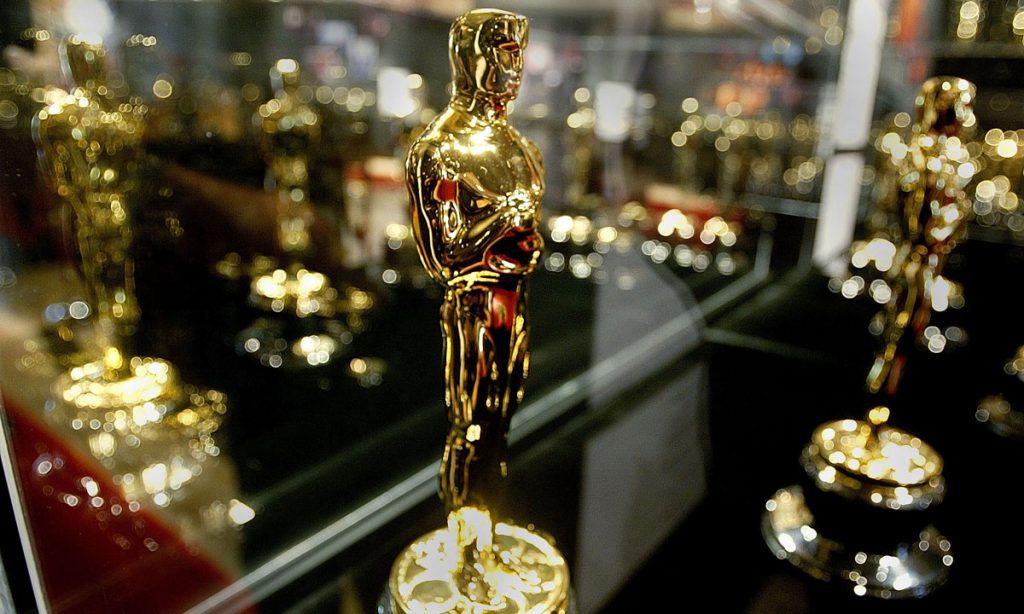
When the Oscars come around each year, most think about stars, prestige, and Hollywood royalty. But, if you’ve been following closely, this year’s Academy Awards (Feb. 9) should also make you think of marijuana. And you wonder which Oscar nominees will use the weed in gift bags.

Since 2002, Hollywood players nominated in major categories have received a highly curated swag bag from marketing company Distinctive Assets. And for the past couple of years, that has usually included something marijuana related.

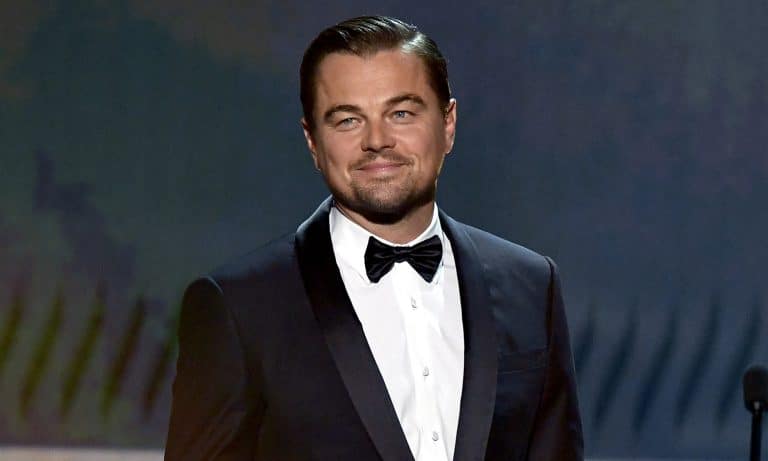
To be clear, the Academy of Motion Arts and Sciences is not giving its nominees free weed. In fact, nominees like Leonardo DiCaprio, Charlize Theron, and Adam Driver won’t even receive real marijuana in their “Everyone Wins” gift bags because California law prohibits cannabis companies from giving out free samples.

RELATED: Does Brad Pitt Smoke Weed?

Instead, Coda Signatures, known for their premium infused truffles, will give Oscar nominees a certificate for a private edibles experience worth $10,000. They’re calling it “a one-of-a-kind Cannabis-Infused Chocolate Culinary Experience,” where Coda’s Director of Edibles will visit private homes and oversee a handcrafted tasting for the nominated actors and directors.

A very important question remains: Who among the nominees will actually indulge in this experience?

There's Now An Oscar For Most Popular Film
Photo by Carlo Allegri/Staff/Getty Images

We can probably rule out Bong Joon-ho, director of the South Korean thriller Parasite. Recreational marijuana remains illegal in Korea. Two years ago, when Canada legalized adult-use cannabis, Korean police reminded citizens living abroad they would be punished for illegal marijuana use, even if it was done so abroad. The Irishman director Martin Scorsese is probably a “no” as well. A famously hard partier early in his career, he eventually became clean after a near-death cocaine incident in 1978.

However, many nominees are a probable “yes.” Scarlett Johansson, for example, was known as the “Cheech and Chong” of her high school with boyfriend Jack Antonoff, the hit-record producer and creative force behind the band Bleachers. Johansson “smoked elegantly,” one classmate said. Charlize Theron will almost definitely redeem that gift certificate as well — and her mom will probably join her. According to Theron, her mom re-introduced her to marijuana in order to help with her insomnia.

RELATED: Charlize Theron Says Mom Was Her Secret Drug Dealer

We’re pretty sure the entire Once Upon A Time in Hollywood cast will participate in the marijuana experience. Director Quentin Tarantino once told Jimmy Kimmel “a smoking apparatus found its way” to a hangout between himself and Brad Pitt, who has his own well-known history with marijuana. Vape lord Leonardo DiCaprio openly smoked a weed pen at the 2016 SAG Awards, according to Miley Cyrus. And Margot Robbie wore an Alexander Wang dress emblazoned with marijuana leaves when she hosted Saturday Night Live back in 2016.

You’ll have to guess for yourself about the rest of the nominees. Though we’ll add this about Tom Hanks. If ol’ Tommy boy doesn’t use the free weed certificate, his son — a rapper who goes by the name Chet Haze due to his love of weed — certainly will.

The Facts About Cannabis And Migraines

With study after study touting the benefits of marijuana for migraines, a 2019 study had some of the biggest findings, with research showing a 50% decrease in migraine severity. 

It’s 2 o’clock on a Tuesday afternoon and the sharp pains clue you in to the inevitable — you’re getting a migraine. While many Americans suffer from migraines, very little information is on the market around why they occur and what truly can eliminate the affliction once and for all. So can marijuana help migraines?

Migraine facts and stats

According to migraine.com, a community of those looking for information around the ailment, over 38 million people in the United States have migraine disease with studies estimating 12% of adults in the U.S. suffer from migraines.

The Migraine Research Foundation shared key facts: 

  • Migraines are an extraordinarily prevalent neurological disease, affecting 39 million men, women and children in the U.S. and 1 billion worldwide.
  • Migraines are most common between the ages of 18 and 44.
  • Migraines tends to run in families. About 90% of migraine sufferers have a family history of migraines.

Research in the front seat

Taking note of more Americans than ever requesting medical marijuana for migraine relief, the Agency for Healthcare Research and Quality (AHRQ) asked for opinions from the public on how marijuana has helped or impacted their migraines. (Conducted by AHRQ’s Evidence-based Practice Centers (EPC) Program, details are here.) This is the first time in recent history the government has asked for individuals’ stories around marijuana to better understand effect and need.

RELATED: What Migraine Sufferers Need To Know About Excedrin Being Pulled

With study after study touting the benefits of marijuana for migraines, a 2019 study published by the American Pain Society had some of the biggest findings, with research showing a 50% decrease in migraine severity. 

relieve your migraines
Photo by JGI/Jamie Grill/Getty Images

Coming in just months after the CDC announced they would be expanding the opioid guidelines, ears are perked to see how the United States government combats both the opioid epidemic and the rise of medical marijuana.  

“CDC is committed to evaluating the guideline to identify the impact of the recommendations on clinician and patient outcomes, both intended and unintended, and revising the recommendations in future updates when warranted,” the CDC said.

Focused on evidence-based healthcare which uses data and research to implement changes in how certain protocols are handled, the AHRQ is hoping to break barriers between patients and doctors to give a voice to individuals that suffer from migraines. 

RELATED: Marijuana Cuts Migraine And Headache Pain In Half

Other entities are working on research of their own. According to the American Migraine Foundation, the American Registry for Migraine Research (ARMR) is already helping patients by reminding patients to take the study to their doctors to help with their healthcare plans.

With drug giant Novartis pulling migraine medicine Excedrin just last week, many individuals with migraines are feeling a crescendo in wondering what will happen next. One thing is certain: Everyone is taking note of different methods to pain relief and finally, individuals are being given a place to share their voice.

Don't Miss Your Weekly Dose of The Fresh Toast.

Stay informed with exclusive news briefs delivered directly to your inbox every Friday.

We respect your privacy. Unsubscribe anytime.