Wednesday, June 17, 2026
Home Blog Page 583

Expect More Teens To Smoke Marijuana In 2020

0

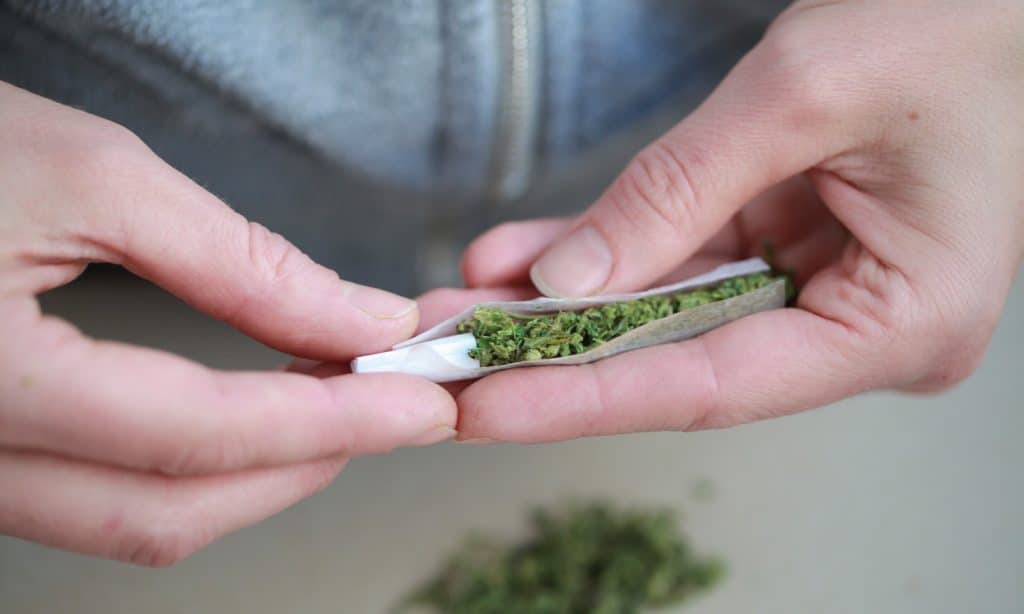
Simply put, kids like weed, and they are finding ways to get their hands on it, just like you did with booze back in the day.

It’s officially 2020, so it’s time you finally realize that much of the puff, puff, pitch spewing from the mouths of die-hard cannabis advocacy groups is just talk. They may tell you that the legalization of marijuana is a sure-fire way to keep your kids from getting stoned on the regular, or that establishing a taxed and regulated market makes weed unappealing to whippersnappers. In reality, little Timmy and Janie are more interested in pot than ever before.

That’s right, the secret is out. Parental figures from all walks of life should consider themselves warned. The cold hard fact of the matter is that teens are destined to get more red-eyed and ripped in the new year because, well, it’s a trend that has been swelling ever since Colorado and Washington became the first states to go green. Simply put, kids like weed, and they are finding ways to get their hands on it, just like you did with booze back in the day.

For a while, it was starting to look as if the claims that legal weed was boring in the eyes of the great American adolescent were valid. In fact, a National Survey on Drug Use and Health published in 2017 showing pot use in teens (ages 12-17) indicated that they were smoking less marijuana in all but one of the five states that had ended prohibition. This was the tale of the tape spanning from 2014 to 2016 — right when adult use was first starting to take hold across the country.

RELATED: Legal Weed Does Not Increase Underage Cannabis Use

Of course, this gave the pro-pot folks some vindication because all of the sudden, there was finally some validity to the claims they had been feeding everyone from the public to politicians in their fight to bring weed to the mainstream. The stats also reported that teens were losing their lust for alcohol, tobacco and heroin, too. And parents rejoiced that the kids of today were becoming a little more straight edge and boring than when they were coming up in the world. 

Marijuana Really Helps You Poop, According to Science
Photo by OlegMalyshev/Getty Images

But then it happened. Teens, all of a sudden, started getting high. Reports began to surface a couple of years ago showing that while the kids of today were, in fact, smarter about avoiding the dangers of booze and cigarettes, that wasn’t stopping them from exploring the wastelands of inebriation with the help of our old friend Mary Jane.

Researchers from Columbia University said in 2018 that kids have bought into the “marijuana is safer” hype and are now dabbling in the doobie more than anything else. The study showed that while the youth from the 1990s was most curious about cigarettes, that all changed over the past decade. They have since kicked the Marlboro man down the dusty trail, and now, cannabis has become the nitty-gritty of teenage rebellion. 

RELATED: Teenagers Ditch Alcohol And Cigarettes For Weed And Vaping

Even the latest Monitoring the Future survey from the University of Michigan, which is paid for by the federal government, shows the youth has gone wild for weed. Pot use among high school seniors has nearly doubled from where it was 30 years ago. And Wall Street investment firms are telling their investors that juvenile weed consumption is a solid reason to stay the course when it comes to their pot-infused portfolios. Because, as it was so eloquently put by Cowen and Company, “teenage cannabis consumption has interestingly remained fairly steady.” Therefore, they will likely grow up to become the cannabis industry’s customers of tomorrow. 

how rising levels of anxiety in teens might support the rise of cbd
Photo by rawpixel.com

So, while everyone is making predictions for 2020, mine is that we will continue to see higher rates of teenage pot consumption sweeping the country. The black market is still too strong to prevent kids from getting their hands on weed. It’s like they always say, where there’s a will, there’s a way. Now, that doesn’t mean that increased pot consumption in this demographic is going to create a population of zombie burnouts and ultimately contribute to the demise of civil society. There’s still no evidence that pot use is a gateway to harder drugs, and the rate of dependency is extremely low. That means parents shouldn’t flip their script if they discover their teen is part of this new toking trend.

It’s just a shift in the scene. Still, it’s one they say could stunt the growth of their maturing brains. But considering that these fiends are already intellectually stifled by cell phones, social media, video games and other digital lesions of the soul, I’m going out on a limb and saying that not much more damage can be done. We’ve always known that times were a-changing, but nobody ever promised it would be for the better.

Lack Of Access To Medical Marijuana And CBD Is Cause For Concern

The many layers of marijuana reform laws often hit those experiencing devastating illnesses particularly hard, especially given the fact that marijuana research is still stalled in the US.

Emily* is an up and coming professional in the east coast, living with an invisible chronic illness that not only causes pain, but makes working 40 hours a week nearly impossible. The solution that Emily believes has saved her career, comes in the form of a vaping “pen” and THC. Living in a state without medical marijuana access, Emily feels torn. 

On one hand, she believes marijuana has helped her elevate her career by allowing her to show up to the office, but on the other, she lives in a constant fear that she describes as an entity slowly circling above her head. “There are days I don’t know how I could function without the help of my vaping pen,” Emily explains. “At some point, I might have to move, leaving my family to be able to have access to a drug that my lawmakers believe only harms me.” And Emily isn’t alone. 

Todd*, a 57-year old in Indiana recently shared his story about being a first-time cannabis user. After a debilitating illness, Todd experienced a severe reaction from a pharmaceutical medicine which caused pain that was almost intolerable. Todd tried cannabis as a last resort for the excruciating nerve pain and soon found it worked better than any alternative. 

Todd explained, “I immediately noticed two things when I started lighting up: First, the nerve pain was gone within minutes. Secondly, my ulcerative colitis symptoms were alleviated.” In fact, Todd’s restroom frequency went from 7 times each day to three per week. While his condition will follow him for the rest of his life, cannabis seemed to quiet hid digestive system. His care team was baffled, and with a strict diet in place, Todd has found a life-changing alternative to expensive and often side-effect-ridden pharmaceutical medicines. 

However, as a business owner, Todd is forced to take a massive risk for both his business and health which has placed him in an impossible situation: He must either move to Michigan or Illinois, (where marijuana is accessible,) or break the law. “The reality is, I’m off all medicine right now,” Todd noted, “It’s really unbelievable.” 

What Todd describes is well-known in research circles and those who experience similar effects on their gastrointestinal condition with THC. The Crohn’s and Colitis Foundation issued a statement in 2018 in support of research and findings around marijuana’s impact on the gut. 

Long-studied for its effect on CB1 and CB2 receptors in the gut, the journal Gastroenterology and Hepatology explained the importance of studying THC and CBD for those struggling with colitis and other gastrointestinal issues, stating that:

“The most-studied receptors, CB1 and CB2, are expressed in the gastrointestinal tract, enteric nervous system, brain, and immune cells, which are areas of interest in patients with IBD. Activation of these receptors may result in gastrointestinal effects. A 2009 study in a mouse model of colitis found that when the CB1/CB2 receptors were activated, there was a decrease in inflammation. This provides a potential rationale as to the role of cannabis in the management of IBD and IBD-related symptoms.”

does your child suffer from seizures here are the states with cbd only laws
Photo by Tinnakorn Jorruang/Getty Images

Health equity starts with accessibility

Todd may have reprieve. One reform bill in Indiana is changing the conversation around marijuana, and aims to research underlining effects of marijuana criminalization. Led by State Senator Karen Tallian (D-Ogden Dunes) the bill hopes to decriminalize possession for smaller amounts of marijuana (under one ounce.) State Senator Karen Tallian (D-Ogden Dunes) shared exclusively:

“It’s clear Indiana has to address its outdated and confusing cannabis laws. Our state legislature has been afraid to confront the entire cannabis question and takes every opportunity to stop debate. In 2018 alone, there were more than 22,000 arrests for marijuana possession in Indiana. We have to stop spending our community money, time and efforts on this issue when there are so many more pressing priorities. Given the fact that our neighbors in Illinois and Michigan have both legalized marijuana, it certainly makes no sense for Indiana to continue with its obsolete policies. Decriminalization is the minimum that we should be doing to stop putting Hoosiers behind bars for something that is legal in our neighboring states.”

Senator Tallian is gaining support quickly with NORML, which is mobilizing in Indiana on the heels of both Illinois and Michigan electing to decriminalize marijuana within the past month. A study completed in November 2019 by Pew Research Center, showcases that over two-thirds of Americans support legalization of marijuana. Among its findings, Pew noted: 

  •  The share of U.S. adults who oppose legalization has fallen from 52% in 2010 to 32% today.
  • An overwhelming majority of U.S. adults (91%) say marijuana should be legal for medical use while 59% of individuals polled stated it should be legal for recreational use.
  • Only 8% of those polled stated it should remain illegal in all circumstances. The silent generation, (born between 1928 and 1945) had a rate of opposition at 64%. 
What Your Marijuana Smoking Choice Says About Your Personality
Photo by Zummolo/Getty Images

Dispensary drought

Even more worrisome, a lack of access tends to leave those already marginalized with lower incomes without options, even when dispensaries are in place. Dr. Julia Arnsten, chief of the Division of General Internal Medicine at Albert Einstein College of Medicine and Montefiore Health System penned a piece that described in detail the barriers to new methods of care and health disparities that are beginning to take place. She said:

“Without a more equitable system, this new health care disparity will become entrenched alongside so many others, leaving many of those most in need of medical cannabis without access to it.”  

Describing how marijuana can be used to avoid dependence on opioids, Dr. Arnsten explains that data gathered from the last two years of New York’s Medical Marijuana program pinpoints an important finding: 

More than 70% of registered patients seek medical cannabis to treat chronic or severe pain, often in an effort to avoid prescription opioid medications.

While the doctor advocates for patients to purchase marijuana from legal dispensaries, many still obtain marijuana from other unregulated sources. The reasons, the doctor explains, have to do with cost, transportation woes, a lack of insurance coverage and the inability to pay via credit card.

The many layers of marijuana reform laws often hit those experiencing devastating illnesses particularly hard, especially given the fact that marijuana research is still stalled in the United States due to the drug’s classification. Whether drought of inaccessibility, the effect of marijuana legislation has real-world effects on family, neighbors and those in the community. 

*The names have been changed to protect the identities of those interviewed for this article.

This Week’s Music: Justin Bieber, Usher And Raye

This week’s column: Justin Bieber’s much awaited return, Usher’s collab with Ella Mai and a new song from Raye.

This Week’s Music is a weekly column that discusses the weeks’ best, worst, and most interesting songs. We try to select songs of different artists and genres to keep things interesting and to please a variety of music fans.

This week features Justin Bieber’s much awaited return, Usher’s collaboration with Ella Mai and a new song from Raye. Check them out!

Pop

Justin Bieber – Yummy

After a year-long hiatus, Bieber is back and, if this is the kind of work he’s making now, he should have stayed gone. “Yummy” is awful, a rip-off of all of the worst aspects of modern hip hop without adding a personal twist or even some coherence. It’s three minutes of sound torture.

Usher feat. Ella Mai – Don’t Waste My Time

RELATED: This Week’s Music: Drake, Travis Scott And Ed Sheeran

Another artist making a comeback is Usher, who, unlike Bieber, seems to be more aware of his musical surroundings, partnering with Ella Mai and making something that’s fun and sexy. Mai and Usher’s voices compliment each other, creating an old school R&B song that capitalizes on each of their talents.

Raye – Please Don’t Touch

The best song of this week’s column conveniently comes from its least famous artist. Rachel Keen, aka Raye, is a British 20-something-year old who’s primed to make a big splash in 2020. “Please Don’t Touch” is melancholic and woozy in all the right ways, smart enough to trick you into dancing your heartbreak away. The song’s sad and reflective lyrics are perfectly hidden behind a glossy production that’s accessible and fun.

Will The Federal Ban On Flavored E-Cigarette Pods Serve Its Purpose?

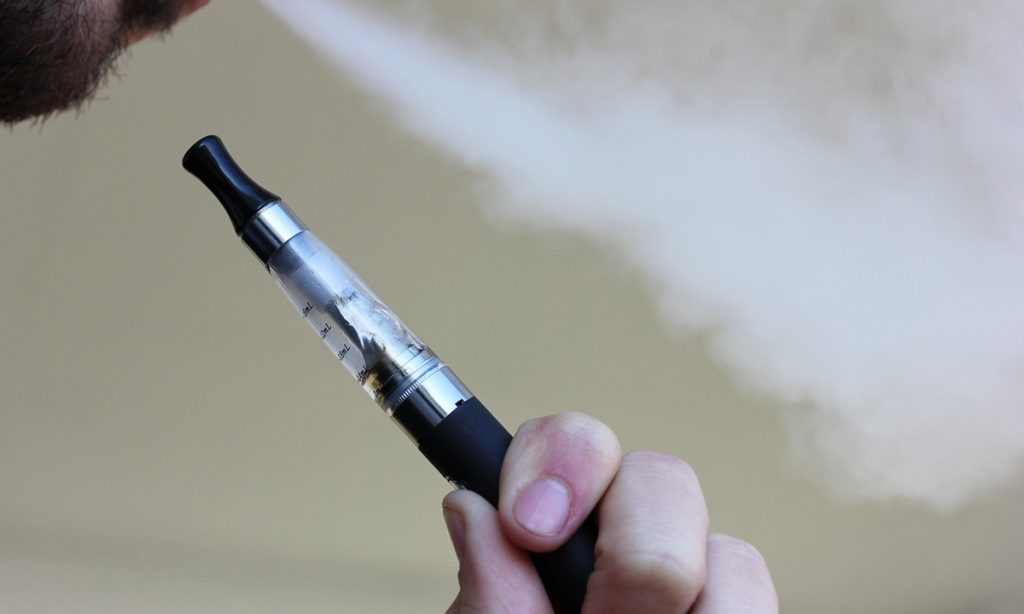
The ban would barely impact the use of vaping devices among the youth, according to one analyst, and will simply burden adults who are trying to switch.

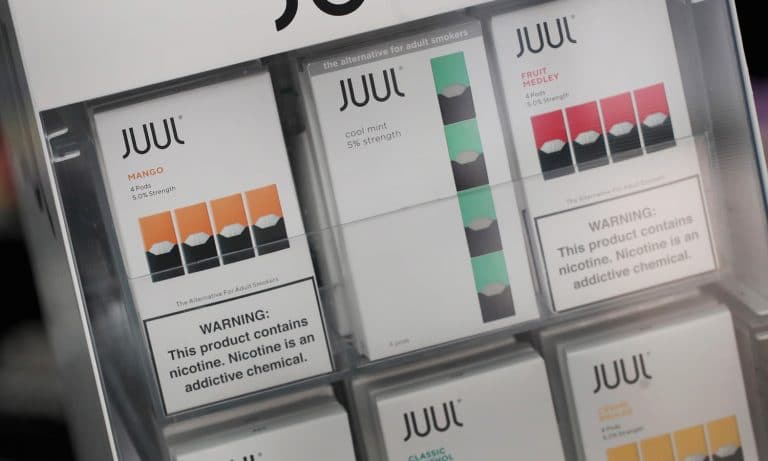
The Trump administration is set to ban most fruit and mint-flavored vapes in an attempt to curb teen usage.

The modified policy would pull pod-based flavored vaporizers off the market that are made by companies such as Juul, NJOY Holdings and Reynolds American.

The policy would still allow menthol- and tobacco-flavored e-cigarette pods, as well as “open-tank” vaping devices.

Analyst Says Ban Will Have Hardly Any Impact On Use

Reason Foundation policy analyst and Young Voices tobacco policy contributor Jacob Rich commented on the news for Fox Business.

Only 23% of teens say that flavors play any role in their choice, with curiosity being the No. 1 reason for trying vaping by far, Rich said.

RELATED: Update On Vaping Bans: Massachusetts, Montana, New York And More!

Vapes have helped reduce smoking rates among all age groups, he said.

The ban would barely impact the use of vaping devices among the youth, in Rich’s view, and will simply burden adults who are trying to switch, he said.

Study Shows Adolescents Who Use E-Cigs More Likely To Use Cannabis Later On
Photo by lindsayfox via Pixabay

Siegel Asks Whether Ban Is Comprehensive Enough

American physician Dr. Mark Siegel also joined Fox Business to talk about the ban, and said that it almost goes far enough, referring to so-called “puff bars,” or disposable imitation cartridges that are flavored and include nicotine.

RELATED: Flavored E-Cigarettes Are Fueling Dangerous Increase In Tobacco Use

“There’s a culture of vaping, and a lot of the same people who are vaping e-cigs are also turning around and vaping marijuana-based products, but before they used to have a joint, and now they have vaping devices. So I think it can have a carryover and indirect effect.”

Bella Thorne Calls For Social Equity In Cannabis Industry

The actress wants to help destigmatize cannabis and provide easy access to the largest amount of people possible, including kids.

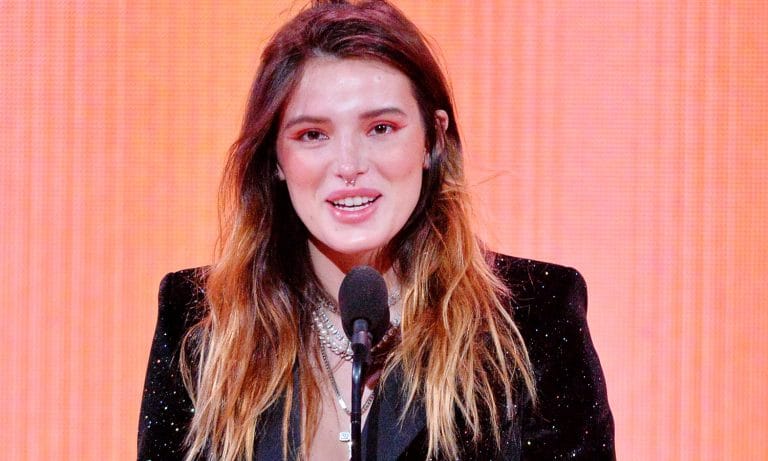
A few weeks ago, I spoke with Bella Thorne, Disney Channel child actress turned singer, an book author for a Forbes article. We went into cannabis, sex, and other taboo topics, as we discussed the launch of her new weed brand Forbidden Flowers, released in partnership with Glass House Group.

But Bella, who’s always been a rebel, cares about people. She’s a rebel with a cause – or a few, to be honest.

One of them is destigmatizing cannabis and providing easy access to the largest amount of people possible, including kids.

RELATED: Americans Want It, Some Politicians Prefer a Nanny State

“I’m sorry, but if marijuana is going to stop your kid from committing suicide, or if weed is going to help your kids who has eating disorders; or if weed is going to help your kid with their overwhelming anxiety… Just get over it. There’s much worse things than weed,” Bella told me at the time.

I decided to circle back with her on what’s next in her weed-related plans. I was expecting her to bring up a new line of edibles, or THC-infused lubes, or something like that. Instead, she raised the issue of social equity and record expungement.

“I don’t know the best way to go about it just yet, but I really want to find a way to get people to pay attention to of those still incarcerated for marijuana charges,” she said. “It’s just absolutely ridiculous… You’ve got a person in jail for manslaughter, and their prison sentence is shorter than that of someone who was caught caring and eighth of weed in their in their pocket.”

Black Market Marijuana Buyers Might Be Getting Hemp Instead
Photo by Anton Petrus/Getty Images

She added, flustered: “I’m sorry, what? How does this make sense? How does our justice system make sense?” For reference, as explained in this recent article on the “Last Prisoner Project,” a program aimed at getting people in jail for cannabis out of prison and back into society, more than 40,000 people are currently serving time for cannabis-related offenses in the U.S. alone.

RELATED: People Who Use Weed Also Do More Of Another Fun Thing

Bella asks: How is it possible that, “at this point of cannabis being so legalized and so normal that you can literally go down the street and puff a smoke,” people are still in jail for some weed?

“So, I’m trying to think of ways to get people to pay attention; to hear their names; to kind of blast their names in our faces; because it feels that, as a society we can’t ignore the people that we put in jail… We can’t, as a society, just put people in jail and then go like, ‘Okay, bye now! See you never again,’ and just forget about them forever… I just hate this so much. It’s crazy

Here’s What Kind Of CBD Product Is Most Popular In Each State

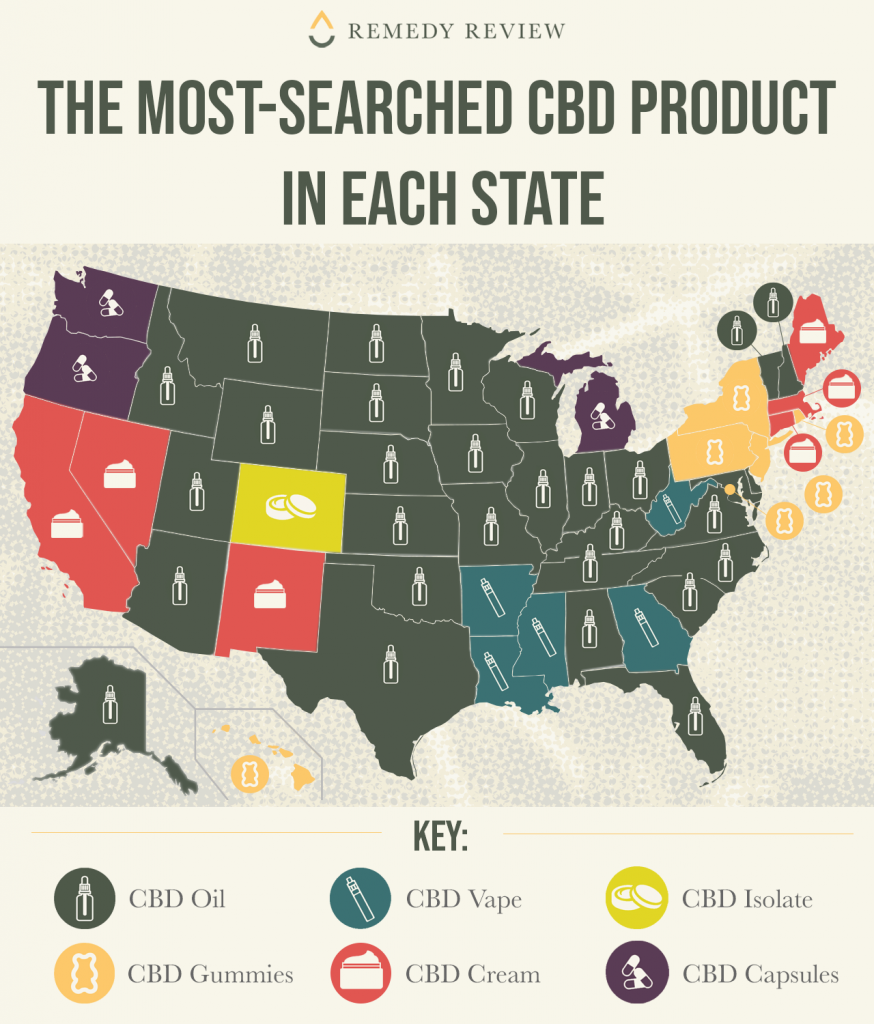
It comes as no surprise that CBD oil was the most popular product across 30 different states, since most CBD companies focus on producing CBD oil tinctures as the first step to their business.

By Melena Gurganus.

Interest in CBD products is continually on the rise, especially in the eyes of Google.

People search the internet giant for different CBD application styles all year round—but which products are the most searched for in each state? Remedy Review did some research on Google Trends to find the most-searched CBD product for all 50 states (and the District of Columbia).

Here’s how the findings stacked up:

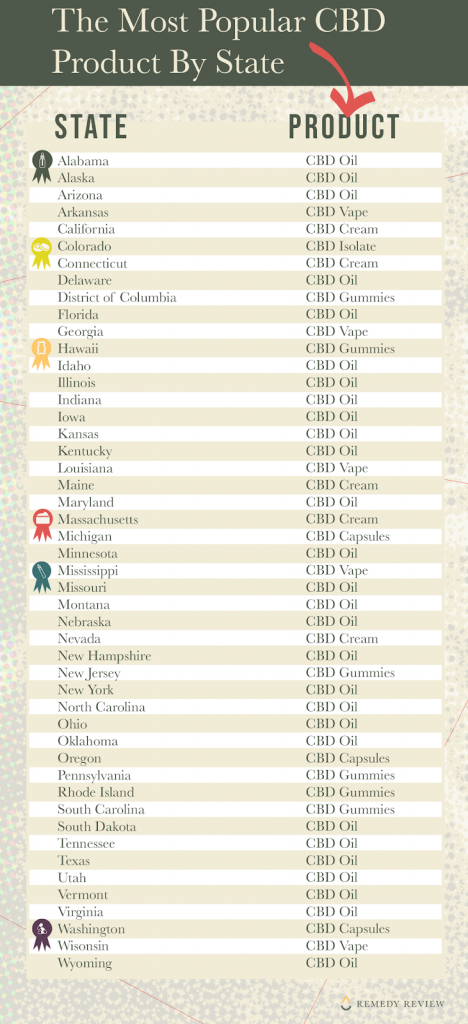
It comes as no surprise that CBD oil was the most popular product across 30 different states, since most CBD companies focus on producing CBD oil tinctures as the first step to their business. Other products like CBD creams and gummies tied for second place, each winning 6 states.

RELATED: 5 Of The Most Popular Ways To Take CBD

Search interest in CBD vapes was isolated to one region of the country, as all five states that searched the most for CBD vape products were located in the South. The popularity of CBD gummies was paramount in the Northeast, as 5 out of 6 states with the most search interest in those products were located in this corner of the country. However, Hawaii beat out all of those states for the most overall interest in CBD gummies.

Colorado was another outlier in the data findings, as it was the only state to express the most search interest in CBD isolate. This is especially intriguing given the wide availability of legal cannabis products within the state, yet people are most interested in finding something that only contains CBD.

RELATED: How To: A Beginner’s Guide To Buying CBD Products

Listed below you can find the total list of states and the most popular CBD product for each, along with badges to denote the states with the most search interest for a particular product.

The Buzz on CBD

CBD, or cannabidiol, is a cannabis compound that has become increasingly popular in the past few years. Many people use CBD products as a way to promote general health and overall wellness, but more scientific research is needed to validate the effectiveness of these products. Additionally, the CBD market is a highly unregulated place, and it isn’t always easy to find the best hemp extracts. Because of this, it’s necessary for consumers to research various CBD companies to find the one that’s right for them to ensure they are getting a high quality CBD product.

Melena is the Associate Editor of Remedy Review where she aims to advance the wellbeing of people by informing readers on CBD and other natural health alternatives.

The preceding article does not represent the opinion of Benzinga and has not been edited. 

This article originally appeared on Benzinga.

What Is CBG And Is It Legal?

Like CBD, CBG is among the 100+ molecules in the cannabis plant. Unlike CBD, the legal status of CBG products may be less problematic.

Looking back, 2019 was the year of cannabidiol (CBD) in the cannabis industry. CBD continued to make its way into countless consumer products, from sodas to sports bras. The CBD craze was a long time coming: we began covering that cannabinoid back in 2015, when industry began promoting CBD products in earnest and the FDA fired off warning letters (a time-honored tradition at this point) telling people to stop making health claims, and to stop selling this stuff altogether.

Recently, another cannabinoid has begun getting a lot of buzz inside the cannabis industry, much like CBD before it. That cannabinoid is CBG (cannabigerol). Like CBD, CBG is among the 100+ molecules in the cannabis plant. From a scientific perspective, CBG is unique for the “precursor” role it plays in synthesizing other cannabinoids–including THC and CBD–and in synthesizing the overall chemical composition of the plant. From a regulatory perspective, the legal status of CBG products may be less problematic than CBD products.

Why is that? First, some context. We have explained on this blog that it is illegal to add CBD to many products, in FDA’s view, due to the “drug exclusion rule.” According to FDA, products containing CBD cannot be sold as dietary supplements because CBD was investigated and approved by FDA as a new drug (Epidiolex). If something is a non-exempt “drug” it cannot be placed in the food stream under the Food Drug & Cosmetic Act. We wouldn’t mind seeing someone take a run at FDA for this interpretation with respect to CBD, but right now that’s the framework.

RELATED: What You Need To Know About The Healing Benefits Of Marijuana’s CBG

Unlike CBD, CBG not been approved as a drug, and FDA itself has acknowledged that “parts of the cannabis plant that do not contain THC or CBD might fall outside the scope of the [drug exclusion rule].” If CBG is approved as a drug at some point down the line, it also seems likely that the drug exclusion rule would not apply: this is because the rule contains an exception for substances marketed as foods or dietary supplements prior to any FDA clinical investigation. People are already marketing CBG products as foods and dietary supplements.

5 Predictions For The Cannabis Industry In 2020
Photo by FatCamera/Getty Images

This domestic legal framework, alongside the fact that CBG can be lawfully produced and extracted from hemp under the 2018 Farm Bill, seemingly gives CBG a viable legal runway. Of course, everything here is conditioned on manufacturers and sellers steering clear of unapproved health claims.

The international legal framework seems promising as well. CBG is not listed on the schedules set out in the U.N. Single Convention on Narcotic Drugs of 1961 and does not appear to be controlled by any other international treaty. This means that countries are not required to control CBG. The cannabinoid is likely legal under international law and potentially ripe for export.

RELATED: 10 Glorious Cannabinoids In Marijuana And What They Can Do For You

Before CBG takes off in a major way, two things probably have to happen. The first is that consumers need to take interest. It’s hard to know exactly how that will play out, although industry may feel incentivized to promote CBG given its clear potential and the possibility of avoiding FDA entanglements. It does appear that CBG, like CBD, CBN, and other cannabinoids, contains promising medical applications– even if they should not be advertised. The U.S. National Center for Complimentary and Integrative Health, for example, announced its intent last year to research CBG for pain management. Industry white papers have been written on CBG research as well. (For a comprehensive offering by Hemptown USA, go here.)

A Marijuana Compound Responsible For Flavor & Smell Might Help Treat Pancreatic Cancer
Photo by Bloomberg Creative Photos/Getty Images

The second thing that must happen is for CBG to be grown at scale so that prices drop. CBG genetics are coming into refinement, but CBG distillate remains about six times the price of CBD distillate at wholesale. High prices are often good for farmers, but certain producers may hesitate to move in, given that: 1) CBG is also more expensive than CBD to extract, and 2) plants must be harvested early to produce pure CBG (before it synthesizes into other cannabinoids). Ultimately, the early harvest requirement may not be all that bad given today’s alternative– namely,  growing hemp for CBD and dealing with the new and very problematic “total THC testing protocol” adopted by USDA for finished hemp products.

We will continue to track CBG as this story plays out in 2020 and beyond. For now, it seems that this cannabinoid may have a promising role to play and that hemp growers and processors should take a hard look at CBG this spring.

Vince Sliwoski is an attorney at Harris Bricken, a law firm with lawyers in Seattle, Portland, Los Angeles, San Francisco, Barcelona, and Beijing. This story was originally published on the Canna Law Blog

Meme Of The Week: People Are Arguing Over Subway Seats On Twitter

0

A Twitter user asked people what their seat preference was when riding the subway, unknowingly inspiring this week’s meme.

The beginning of the year is a weird time for everything, including Twitter humor. There’s not much material out there to make memes, forcing people get creative with their ideas and jokes. This explains this week’s meme, which is a discussion about New York subway seats that transformed into a discussion about seats in general. It’s very weird.

The tweet asked users about their preferred subway seat spaces, prompting responses of all kinds from people who took things literally, elaborating on the benefits of finding a seat near the door or the middle spot where there’s more leg room. And then there were those who just wanted to make fun of such a random question.

RELATED: Meme Of The Week: A Pug MRI Is The Creepiest And Funniest Thing Online

Office spaces were brought up, movie theaters made appearances, states and their particularities were mocked and, of course, the Subway restaurants were brought in.

Check out some of the funniest replies below:

RELATED: Meme Of The Week: The Best Memes Of 2019

4 Predictions For The Marijuana Industry In 2020

As 2019 comes to a close, here’s what we believe will emerge from the cannabis industry in the new year.

As the largest voice in cannabis with over 2 million people reading our content daily, The Fresh Toast has the unique opportunity to observe the trends, successes, innovation and struggles of the marijuana industry on a regular basis.

Here are our predications for 2020.

No major legislative changes

As an intense election year starts, the focus on marijuana will take a back seat in Washington D.C.. Last year, the Brookings Institution conducted a public opinion survey that showed two-thirds of those polled were open to legal marijuana, but it isn’t a burning issue that drives election decisions. We predict the FDA will continue to focus its attention on medical marijuana, vaping and CBD, but no major changes are expected.

At least two states will legalize marijuana and slightly expand the market, but the decision will be on unlocking additional state income as opposed to massive public support. California and Washington, inadvertently, will continue to promote the black market as they focus on revenue and enact high taxes instead of moving an entire market into the legal space.

RELATED: These States Are Most Likely To Legalize Marijuana In 2020

Expect continued disruption with illegal products and the ongoing fumbling of the Florida rollout where 71% of the electorate voted for medical marijuana. Canada will refine its rollout providing better access to the end consumer, and as they do, they will highlight effective benchmarks for both Canada and the U.S. markets.

Judge Dismisses Federal Marijuana Lawsuit, Says Weed Can Be Beneficial
Photo by matt_benoit/Getty Images

Focus on company outcomes

Still recovering from the marijuana stock hangover, focus will be on companies that deliver profits, or, at the very least, solid profit-centric growth. One of the most important moments of 2019 was the appointment of David Klein as board chairman of Canopy Growth. This move, supported by their biggest investor, Constellation, positions them away from Wild West start-up to potential Fortune 1,000 company. Klein’s appointment signaled that the company will have the culture to enjoy the benefits of the staid public markets.

2020 will also see an expansion in Canada and newly legal U.S. states with retail outlets. This will unfold in two ways. One is real time data and results from the open markets, especially in Canada. You are less likely to have massive stock share swings, like Tilray prior to Canadian legalization or Massroots before the focus on realistic business plans.

The second is with increased coverage on corporate governance and ethics as was exposed by the Medmen lawsuit or CannTrust’s operations. The public loves a juicy scandal, so expect more companies to have their day in the public eye.

Consolidation in the market and focused investment

Regardless of year, the trend is always “the big get bigger.” Solid companies, such as Have a Heart, GW Pharma, Charlotte’s Web, and others — Green Sky Labs, Headset, Harvest Health & Recreation — will continue to grow, but smaller companies will continue to have an uphill battle.

Like alcohol, fashion, and retail, size matters. It is hard to be profitable and return value to investors if you have a limited market. Investors are also wiser realizing just because a company is entering the marijuana space, it doesn’t guarantee you a bountiful return. Expect to see an increase in mergers, buy-outs and company closings.

how to invest in marijuana stocks
Photo by p_saranya/Getty Images

With the whole of the marijuana industry grossing roughly the same amount as Subway, it is flooded with ancillary companies trying to solve every problem from point of sale and grow lights to  edibles and farm facilities. In the more than 500 industry events held annually across the U.S. and Canada, you see a frenzy of smaller companies trying to break out of the pack. With the rollback of tax incentives for craft brewery reducing the beer market, you will see a “rightsizing” of the market in the next 18 months — this could be a lesson for the edibles market.

Brenda Smith, Managing Partner of CB Capital Concierge, notes that cannabis is a capital-intensive industry funded largely by private capital. She sees a slowdown in public filings on the Canadian Stock Exchange (CSE), and more diligence from private investors unless companies have a clear path to profitability. The green rush is over: Companies need to demonstrate fundamental value and a competitive advantage in the market.

CBD continues to grow

In 2016 CBD was considered a part of the marijuana industry. Now it is viewed as a stand-alone market that will rival cannabis in size. Like the vitamin and supplement markets, it has taken a strong hold with the public and will continue to generate products and profits.

The absence of psychedelics has also opened retailers from Walmart to Dillard’s to placing CBD products on store shelves. Expect the FDA to shine a light on CBD with a focus on testing.

RELATED: CBD Market Set To Grow 700 Percent By 2020

The Farm Bill, passed in December 2018, allows for a somewhat expansion of the market which means an increase of products. The short take is that the market will continue to expand and grow, but can they keep the mainstream market’s attention if they aren’t effective?

And as a last note, may everyone have a healthy and prosperous new year!

What Does Instagram’s Ban On Vaping Influencers Mean For Cannabis?

As explained by Facebook, the company seeks to filter certain types of content to avoid encouraging the use of products that threaten the health of its users.

Facebook Inc FB 0.05% recently announced an advertising ban system for Instagram aimed at prohibiting posts that promote the use of vaporizers or weapons.

While the ban is focused on curbing the use and promotion of tobacco-related vaping products, it has many cannabis-related influencers thinking they’ll even more obstacles than they already do when it comes to their professional and network development on social media.

Benzinga reached out to influencers in the cannabis space and asked what the ban means for them, and contacted Instagram parent company Facebook, Inc. FB 0.05% for comment.

Instagram’s Cannabis Stance 

The battle between Instagram and cannabis is not new.

Although Instagram’s latest initiative is not focused on cannabis products, but rather on nicotine vaping products, the move came as no surprise for cannabis influencers who are already used to all kinds of restrictions.

As explained by Facebook, the company seeks to filter certain types of content to avoid encouraging the use of products that threaten the health of its users.

“Content that attempts to buy, sell or trade marijuana, including marijuana vape products, is not allowed on Instagram,” a Facebook spokesperson told Benzinga.

“Our policy prohibits any marijuana seller, including dispensaries, from promoting their business by providing contact information like phone numbers or street addresses. We do allow marijuana advocacy content as long as it is not promoting the sale of the drug.”

RELATED: How Facebook And Instagram Hold Back Cannabis Progress

Where does Facebook draw the line? How does it make sure to stop harmful promotions while still allowing those who seek to generate awareness around products with medical properties? How does it ensure cannabis consumers and influencers do not see their speech restricted?

Here’s what top influencers in the space think.

Steve DeAngelo – @steve.deangelo

For Harborside Inc’s HSDEF Steve DeAngelo, Facebook and Instagram are not “really serious about protecting the public from contaminated vape pens.”

Otherwise, “they would allow legal, licensed cannabis companies to advertise on their platforms — because every single case of a contaminated pen has been traced to unlicensed, underground sources,” he says.

RELATED: Social Media Bans On CBD Ads Make No Sense

“Until that happens, influencers will find a way to drive traffic to unlicensed suppliers, no matter what steps Facebook takes. It’s more effective to use market forces than brute force.”
Alice Moon – @thealicemoon

Alice Moon is a cannabis entrepreneur who was deleted from Instagram when she had 14,000 followers. She’s now back up to almost 9,000.

Moon points Benzinga toward Instagram’s history of deleting cannabis-related accounts.

“I’m afraid that this new policy will open the door for Instagram to target cannabis influencers even more so than before,” she says. “The AI may be trained to delete posts that contain smoke, so how will it know the difference between vape smoke and dab smoke?”

Moon says she hopes Instagram will “consider creating a pathway for cannabis influencers to safely exist on their platform. Otherwise, every person who smokes on their page is at risk for deletion.”

RELATED: Marijuana Industry’s Secret Weapon? Social Media Influencers

The Facebook spokesperson tells Benzinga that the sale or promotion of marijuana has long been prohibited on Instagram: “these new policies apply to tobacco vapes.”

Rachel Wolfson – @wolfiecomedy and @wolfiememes

With a combined Instagram following of roughly 100,000, Rachel Wolfson, weed comedian, is as Insta-savvy as one can get.

She was not surprised at all when she learned about Facebook and Instgram’s new policy.

“It will definitely affect the way cannabis companies advertise products on social media,” she tells Benzinga.

“It’s just their latest effort in censoring cannabis content. It’s hilarious alcohol [which kills people] only gets ‘special restrictions,’ yet weed and vaping get categorized with weapons,” Wolfson says.

“It will be interesting to see how they choose to control the content once it becomes federally legal.”

Facebook tells Benzinga that dispensaries can promote the use and federal legalization of marijuana on Instagram so long as they do not promote the sale of the drug or contact information for the store.

Andrew DeAngelo – @andrew_deangelo

Andrew DeAngelo, Steve’s brother, has a smaller, but engaged Instagram following.

He was not surprised to see “Big Tech banning vape ads” either, he says.

“Many cannabis companies have had multiple Instagram accounts closed for years now just for being cannabis companies,” DeAngelo says.

“We have learned how to get around the bans by Big Tech with decentralized messaging and community influencers, but it’s hard and presents constraints.”

Bans like these ultimately drive more activity to the illicit market by “confusing consumers and constraining operators,” he says. “It’s a great way to get more people sick.”

Jon Cappetta – @joncappetta and @hightimesmagazine

Jon Cappetta is the vice president of content for High Times Holdings. This means he’s ultimately responsible for numerous social media accounts beyond his own that boast more than 33,000 followers, including those for High Times Magazine, Dope Magazine and others.

“Blanket enforcements like this are intentionally vague so the platform has as much freedom to flag or remove as it likes,” he says.
While Instagram may say it’s concerned about nicotine right now, there’s no way to know where their priorities will be tomorrow, Cappetta says.

Think about it: glass art like bongs or pipes are technically tobacco products; 510 thread batteries are technically vape products. Brands that make anything associated in any way with either category could now be in danger of losing their pages if they gain any momentum with this ban.”

These limitations, in addition to the ban on traditional cannabis advertising, make Capetta think this it’s “a clear signal of ‘we don’t want your kind on our platform.’”
Bess Byers – @imcannabess

One of the top influencers in the cannabis space is, without a doubt, Bess Byers. She’s been in a battle of sorts with Instagram for quite some time now: her account has been deactivated and reactivated so many times it’s impossible to keep track.

As founder of Blaise Creative, Byers creates content under the premise that she cannot pay for advertising — and does not intend to either.

“This forces me to think outside the box and build an authentic audience. Moreover, I don’t like or trust Facebook Inc., so I don’t want to give them money in addition to the data they already collect from me,” she tells Benzinga.

RELATED: Is Facebook Blocking Marijuana-Related Searches?

“I do wonder if Instagram’s ban also includes artificial intelligence or image recognition software. I’ve theorized posts with smoke clouds get shadow banned or suppressed in their reach.”

Other creatives Byers knows have noticed the same issue, she says.

Instagram does use AI to find content promoting the sale of marijuana, the spokesperson told Benzinga, while emphasizing that the new vape policy solely targets tobacco.

Data on the amount of drug sales removed from Instagram is available in its Community Standards Enforcement report, according to the company.
Bentley Rolling – @bentleyrolling

Bentley Rolling might have one of the coolest jobs on earth: cannabis photographer and videographer. One of the ways he landed it was by building a strong social media presence.

He expresses frustration about seeing legal cannabis being grouped in with tobacco vaporizers. “Vaporization is one of the more healthy ways for people to medicate,” he says.

“There are many companies dedicated to providing patients with high quality, compliant vaporizers. They are already taking a huge hit to their sales based on the misinformation and false propaganda around vaping.”

The regulation around legal cannabis is more strict than for organic food, Rolling says, adding that both the extract and the cartridge and hardware are tested.

He was unsurprised to learn that Instagram has started cracking down on posts promoting vaping.

“With the extreme uproar around vaping-related illnesses, it was only a matter of time. As a community, we’ve gotten used to living in a perpetual gray area. What we’ve come to learn over the years is to never give up. They can try to silence our community, but we’re here and we’re not going anywhere. The key to legalization is education.”
Jonathan Hirsh – @weedstagram416

In Jonathan Hirsh’s view, social media is, unfortunately, “not a place for free speech.

“As Facebook is a private company, they have the right to govern their property as they see fit,” he says, noting he that he is unsure we’ll ever see true free speech for cannabis communicators.

These issues are compounded by unclear rules, he says.

He does suggest cannabis influencers use the “Age Gate” option when it’s available.

“I have generally avoided discussing cannabis e-vapes as I have always had a suspicion that they were incredibly unhealthy for a multitude of reasons. From the cartridges themselves, to the material being processed into oil, to the terpenes being added back in at unknown ratios, and yes, even the cutting agents,” Hirsh says.

“So for now I will continue avoiding discussing cannabis e-vapes and posting educational content surrounding the industry, growing, extracting and all the cannabis gadgets.”
Jacqui Childs – @jacquichilds

Boasting 136,000 followers on Instagram, more than 2 million on Facebook and 30,000 more on Twitter, Inc. TWTR 1.9%, Canadian Jacqui Childs has a big reach in the cannabis space.

In an already challenging space where brands and influencers need to think outside of the box to get their message across, the new ban will only force them to get more creative, she says.

“First they took the likes away, then deleted posts and shadow bans. The rules are the rules whether we like them or not, but I’m up for the challenge and I believe other creative geniuses in the space will be able to work within these new guidelines, as long as the guidelines are made clear — social platforms are famous for draconian behavior.”

She suggests that influencers not put all their eggs in one basket and perhaps focus on other online platforms.

“As an influencer you want and need your voice to be heard. Add all the apps and platforms to your voice and become a choir.”

Tyler Knight – Herbfluence
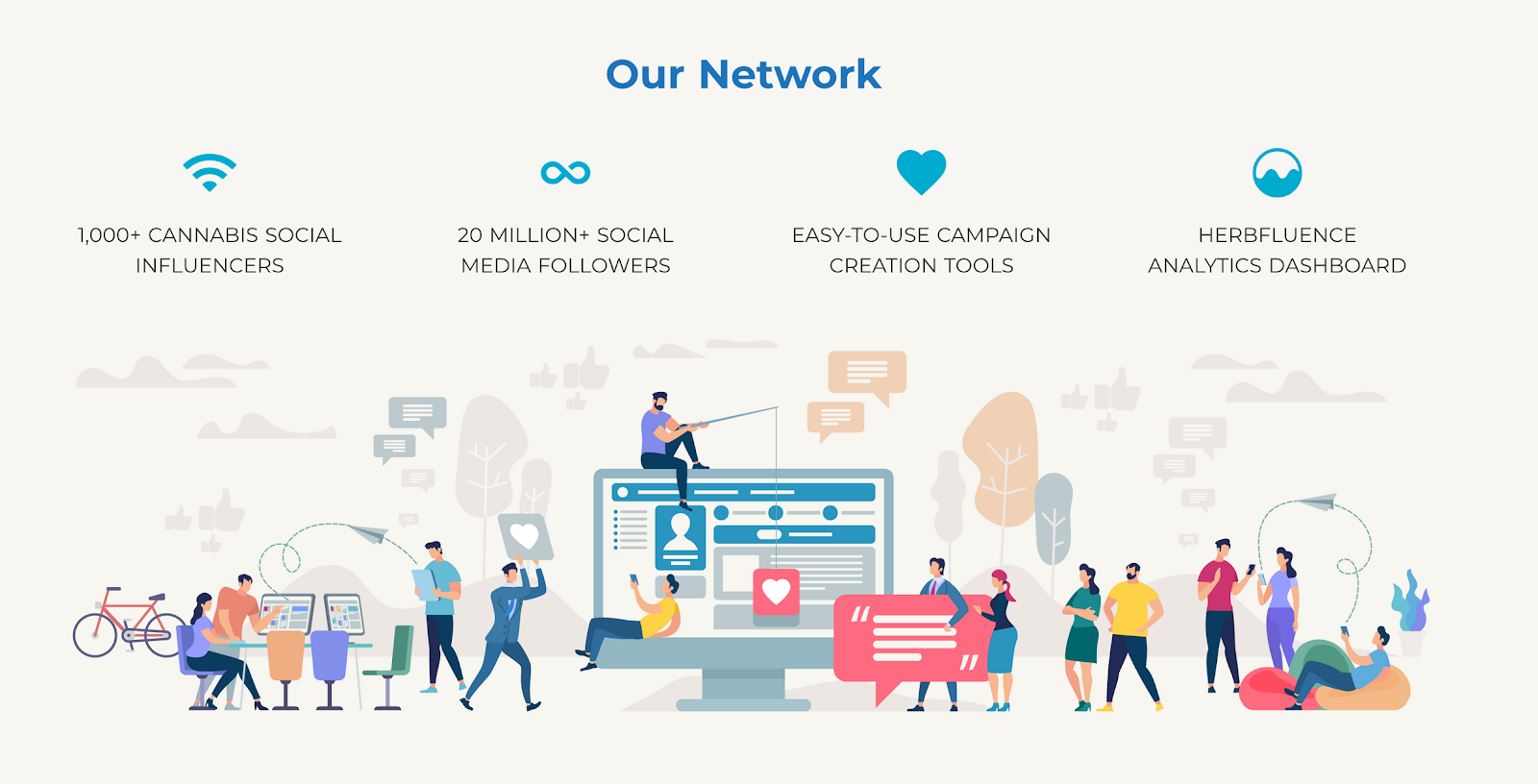
Finally, we spoke with Tyler Knight, founder and CEO of Herbfluence, an online platform that connects cannabis social media influencers with brands looking to advertise to the millions of cannabis consumers in the U.S. and Canada.  Herbfluence launched last month and already has more than 120 of the leading cannabis influencers on board, with a combined reach of over 15 million cannabis consumers, as well as several client brands.

Facebook makes it “incredibly difficult” for businesses in the cannabis space to advertise their products, communicate with their customers and grow their sales, Knight says.

“Moreover, many of their cannabis policies are unclear and often arbitrarily enforced,” he says. “I believe Facebook’s cannabis advertising policies are stifling the sales of thousands of small businesses, making it more difficult for hundreds of influencers to make a living, and hampering the legalization movement.”

The more this friction and frustration is alleviated, the more the industry will be able to move forward, Knight says.

Jose Rodrigo Safdiye contributed to this report.

This article originally appeared on Benzinga.

Don't Miss Your Weekly Dose of The Fresh Toast.

Stay informed with exclusive news briefs delivered directly to your inbox every Friday.

We respect your privacy. Unsubscribe anytime.