Sunday, June 28, 2026
Home Blog Page 631

South Park Mocks MedMen

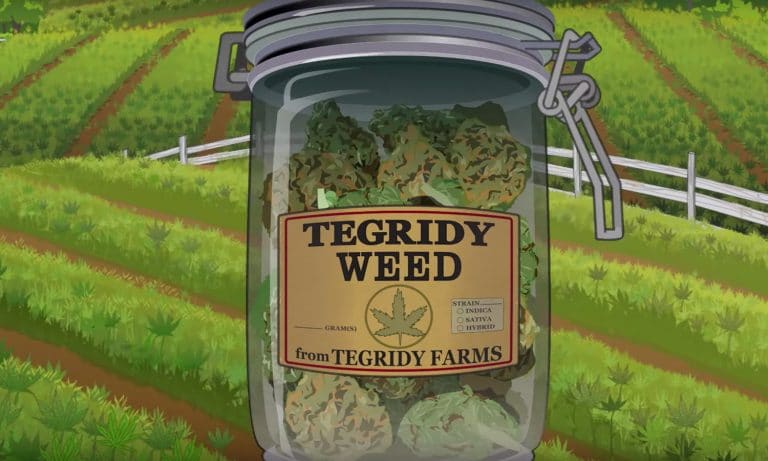
Fiction mirrors reality, as South Park’s Tegridy Farms fights to ban home growing marijuana with dispensary chain MedMen in its latest episode.

You would think writing 23 seasons of South Park episodes could cause creators Trey Parker and Matt Stone to lose their fastball. But its season 23 premiere, “Mexican Joker”, showed that not to be the case. One of the biggest American marijuana companies probably wishes otherwise.

That’s because in its season premiere on Comedy Central, South Park squarely aimed its punchlines at dispensary chain MedMen, lambasting the company’s allegedly shady business practices and political maneuvers. The episode continues the plot around Randy Marsh’s Tegridy Farms, a weed-growing operation Randy started to live a simpler life away from big-city problems like school shootings.
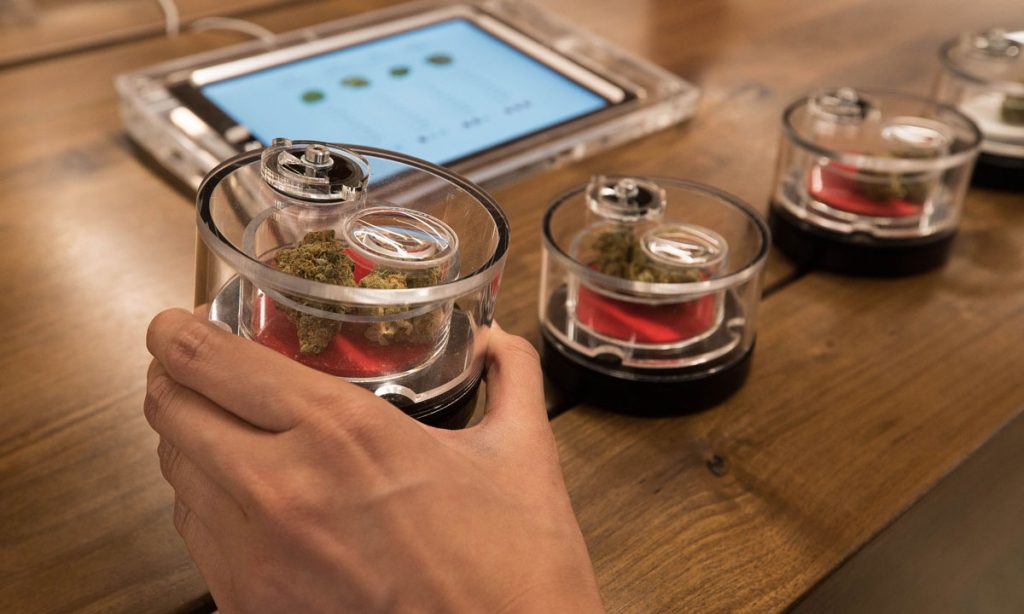
Photo courtesy Medmen

But in “Mexican Joker,” Randy has been seduced by the big profits in legal marijuana. He expands his operations to cover all of 420 Valley—an actual Colorado valley full of legal marijuana operations. When Randy learns his former South Park neighbors, now customers, have started growing their own cannabis plants, he becomes incensed. Randy claims these neighbors stole his idea. Their actions will negatively impact his children’s life, just not how you might expect.

“While you assholes were out screwing around, I went out and made a living!” Randy yells. “When you grow your own pot, you’re taking weed out of my children’s mouths!”

RELATED: The 3 Best ‘South Park’ Marijuana Episodes Of All Time

Stan, at the behest of his father Randy, petitions South Park City Council to ban home-growing in the town. “As the son of a proud American farmer, I’m concerned about what homegrow can lead to. People can grow weed wrong and poison themselves…wait, what?” Stan says, realizing how foolish the stance is.

As preposterous as Stan’s words sound—”Unscrupulous growers could use cheap irrigation and drown babies,” Stan says, clearly reading a statement prepared by Randy—it somewhat mirrors real life. Gov. Andrew Cuomo’s proposal to legalize marijuana in New York, a bid that ultimately fell short, included a ban of home-growing cultivation. Cuomo got the idea from big marijuana corporations like MedMen, who advised the state on legalization and regulation strategies, including a section on “The Fallacy of Home Grow.” The corporations claimed home growing would sustain the black market, undermine law enforcement as well as public health, and cut into New York’s tax revenue.

South Park makes its criticisms literal when fictional executives claiming to represent “billion-dollar marijuana company” MedMen show up at Tegridy Farms. They heard of Randy’s push to ban home growing and want to help, while also protecting their financial interests at heart. “You seem to be fighting the same fight we are,” one MedMen exec states. The group shares a joint and laments all the drowning babies caused by home growers. Eventually, Randy gets down to brass tacks.

“So you guys want to team up and piggyback on the goodwill of the legalization movement for some good old-fashioned crony capitalism?” he says. “I’m totally in.”

RELATED: What MedMen’s Financial Woes Means For The Cannabis Industry

Randy goes on to destroy all the home grows of South Park residents and watches his profits once again rise. Along the way he experiences existential crisis and pushback from his allies. “Weed isn’t supposed to be some money-grubbing business model,” Towelie says. “It’s a gift from God and not something to be exploited by some stupid towel.” (Randy is a stupid towel, according to Towelie; this is still South Park after all.) The episode ends with Randy, in a Godfather-like speech, boasting the spoils of his bounty.

This isn’t the first time South Park lampooned MedMen either. Earlier this year, the dispensary chain teamed up with director Spike Jonze and actor/activist Jesse Williams to produce a social justice campaign titled “The New Normal.” The commercial detailed America’s history of marijuana, and how its prohibition disproportionately harms lives, especially for communities of color. However, South Park’s parody of the commercial flips the script on MedMen.

“Our country did lose its way and begin a War on Drugs that was and still is just a war on people,” Randy narrates in the parody. “And then a bunch of young corporate banker types come along telling us we’re all in the ‘new normal,’ as they try to turn god’s green miracle into an easy buck for themselves.”

We can’t help but ask: How did Randy lose his tegridy along the way? If the season premiere is any indication, we’re sure we’ll find out—and the jokes on corporate cannabis will keep coming.
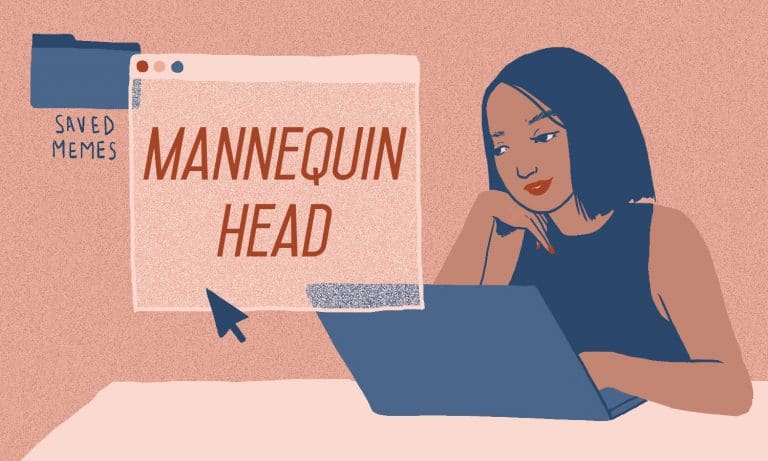

Meme Of The Week: This Shaking Mannequin Head Is Twitter’s Favorite Reaction

0

A shaking mannequin head becomes this week’s most notorious and viral meme. Check out some of our favorite tweets.

The internet is the only place in the world where you’d find a shaking mannequin as the funniest and embodiment of… everything.

RELATED: Meme Of The Week: Alienstock Music Festival Produces A Fresh Wave Of Alien Memes

There’s something universal about this clip and it’s intense rave music, something that perfectly embodies ridiculous people or bouts of outrageous anger. We love to point out people who remind us of the mannequin and hate to admit that on our bad days we’re just as bad and shaky.

People’s reactions to the meme are varied. It can represent dumb politicians, old fashioned anger or a particularly strong caffeine induced panic attack. All replies are valid and great. Check out some of our favorites below:

RELATED: Meme Of The Week: Jonah Hill Drops His Coffee And The Internet Is Entranced

4 Sex Therapists Reveal The Questions They Get Asked Most

0

“Sex is under-taught, so most of us gleaned what we know from well-meaning friends and pop culture. As a result, we’re left to fill in the blanks ourselves and can feel isolated.”

Sex can be tricky — not so much the act itself, but the psychological impact it can have on our mental state. That’s why Reader’s Digest talked with nine sex therapists, to find out some of the common questions they are often asked. Here are four that many of you can probably relate to.

Cyndi Darnell, a sex and relationship therapist based in New York City.

“The most common question I get is some variation on ‘am I normal?”

“Sex is under-taught, so most of us gleaned what we know from well-meaning friends and pop culture. As a result, we’re left to fill in the blanks ourselves and can feel isolated. People feel afraid to ask for help or worse still, do not know who to ask!”

RELATED: 5 Most Common Sex Fantasies According To Sex Workers

Photo by Annette Sousa via Unsplash

Sara Stanizai, a licensed marriage and family therapist in Long Beach, CA.

“Boundaries can be blurred when people communicate with friends or acquaintances on Kik, text, direct messages, Snapchat, and other platforms.”

“I tell my clients in this situation that the flirter has to be open about the communication and what they’re getting from it. People who keep these kinds of secrets often feel immense shame about their needs and about the secrets. If they can share that part of themselves with their partners, they have an opportunity to become more open and connected, which can actually bring the two of you closer.”

Dr. Dori Gatter, psychotherapist and relationship expert.

“Usually one partner wants to know this in order to prove to their spouse that they don’t have enough sex; meanwhile the other partner is waiting for my answer, convinced it will prove they are normal.”

RELATED:  A Professional Escort Reveals All Her Secrets During Reddit Tell All

“‘If we take the time to peel back the many layers of what this is really about, interestingly enough it usually comes down to the same need for both partners: the need to feel loved, seen and validated. Men need to have sex in order to feel loved, seen, and validated. Women need to feel loved, seen, and validated in order to have sex. Quite the conundrum. It is an age-old issue that presents itself to this day in pretty much all of my couples sessions.”

Boost Fertility
Photo by Caiaimage/Trevor Adeline/Getty Images

New York City sex therapist Cyndi Darnell.

“In the vast majority of sex acts, procreating isn’t the motivator—people have sex for all kinds of reasons! But for many women, exploring pleasure remains a taboo, so it remains an obligation rather than a pursuit of enjoyment. Until women experience themselves as sexual beings—whose role is not solely to procreate or perform for their partners—women’s sexuality will continue to be viewed as mysterious and unreliable, when in fact, it’s perfectly normal.”

Does Drinking Alcohol Affect Your Odds Of Getting Pregnant?

0

While not much is known about the drink and it’s effect on our bodies, studies suggest that even small doses can delay the pregnancy process.

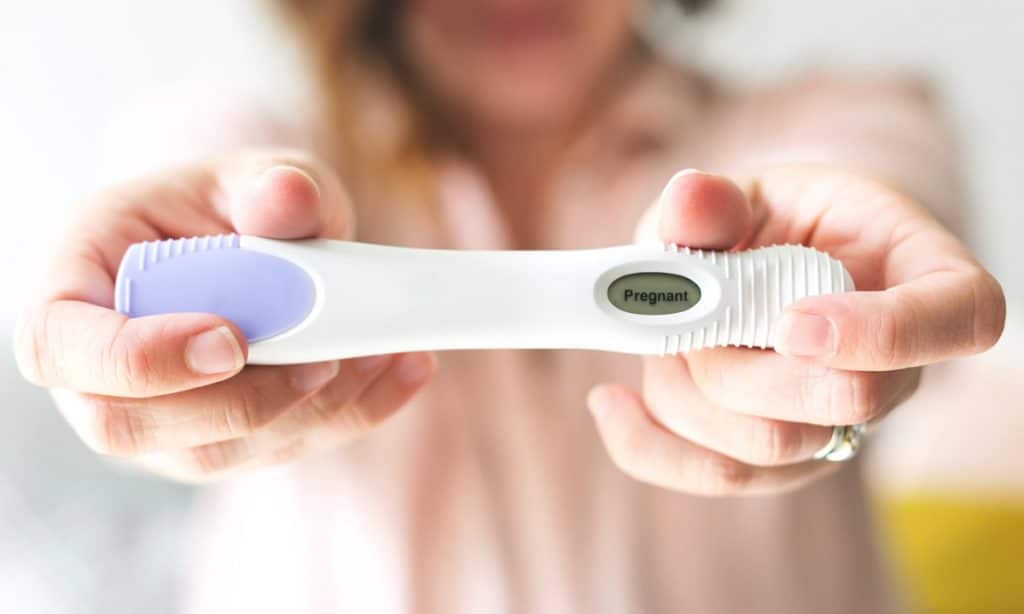
Fertility is a prickly subject, with some couples struggling for years to conceive and others getting pregnant by accident. It’s a stressful topic, one that is influenced by hundreds of variables that are out of our control. One thing that’s manageable however, is your lifestyle decisions, which significantly impact your odds of conceiving and delivering a healthy baby. Among these is alcohol, and how much you consume of it.

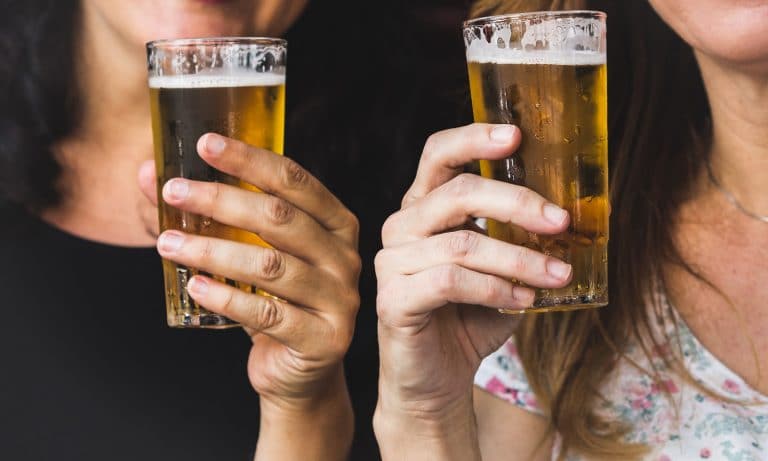
While drinking alcohol during pregnancy is never a good idea, there are plenty of questions regarding the moments prior to pregnancy. Alcohol’s effects on fertility are complicated, with studies showing that even light doses can delay pregnancies. Heavy drinking, aside from significantly delaying pregnancies, can also reduce the chances of delivering a healthy baby.

RELATED: Having A High Alcohol Tolerance Isn’t As Great As You Might Assume

heres how marijuana affects fertility in men and women
Photo by Sarah Pflug via Burst.

According to YourFertility.org, it’s important for women to be careful when consuming alcohol and trying to conceive. “Binge drinking (more than six standard drinks on one occasion) can cause miscarriage, stillbirth, premature birth, small birth weight, and Foetal Alcohol Spectrum Disorder (FASD),” explains the site.

Data shows that alcohol consumption negatively impacts both men and women, although in different ways. No one knows exactly what alcohol does to women’s reproductive systems, but even light drinking has been associated with delays in the pregnancy process. A 2017 study that looked into Fetal Alcohol Syndrome concluded that women should avoid alcohol altogether while trying to conceive. “No ‘safe dose’ has been identified, and effects to the fetus may begin as early as immediately after implantation.”

RELATED: Let’s Talk About Your Drinking Habits And How Harmful They Might Be

In the case of men, it’s only heavy drinking that should be a concern since it’s correlated to impotence, lower sex drives, and lower sperm quality.

The good news is that if you’re planning on having babies in the future, there’s no reason to stop drinking now. In an interview with The Huffington Post, Ryan Martin, a reproductive endocrinologist, said that a history of moderate alcohol consumption is unlikely to mess with your future pregnancies.

Fiona Apple Smokes A Ton Of Marijuana To Cure Her Insomnia

Fiona Apple has struggled with insomnia her whole career, but cannabis has finally helped her achieve a good night’s sleep.

Everyone is talking about Fiona Apple again like it’s the 1990s. The chatter has been largely driven by the appearance of Apple’s hit single “Criminal” in the strip-club crime drama Hustlers. One of the movie’s most memorable scenes features Jennifer Lopez pole-dancing to “Criminal,” including a double-heel tap that literally shakes the audience’s sense of balance.

But in a recent interview with Vulture discussing Hustlers and her J.Lo booty story, Apple revealed how cannabis cured her insomnia. Throughout her career Apple has discussed her inability to sleep, with some songs dedicated to her insomnia. She tried various medications, she told Vulture, thought most of those medications was “giving me nightmares,” she said.

“I was on way too much medication for a while,” Apple told Vulture. “Now I’m on way less medication. But pot helps me. Alcohol helped me for a while, but I don’t drink anymore. Now it’s just pot, pot, pot. And I get up at like 5 a.m.”

Sounds pretty healthy! Apple is onto something too with curing her insomnia through cannabis. Last year, The National Academies of Sciences, Engineering and Medicine released a 400-page report titled “The Health Effects of Cannabis and Cannabinoids,” which found marijuana as effective treatment for pain, muscle spasms, and insomnia. In addition, a 1973 study suggested that THC reduced the time it took for those with insomnia to fall asleep. Dr. Jordan Tishler, a leading expert on cannabis therapeutics, also says cannabis is less habit-forming than other common prescription sleep medications, like Valium or Ambien.

RELATED: Here’s The Science On Why Marijuana Makes You Sleepy

By the way, Apple isn’t the only celebrity who uses marijuana to cure her insomnia. Helen Mirren and Donald Sutherland discussed sleeping problems in a New Yorker story last year. When Mirren reported sleeping seven hours a night, Sutherland was astonished and inquired how she slept that much.

“Marijuana, darling,” she advised. “That would help.”

Sorry, But CBD Products Probably Contain Some THC

Scientists tested 250 top-selling CBD products and detected THC in 45% of them, raising questions about FDA regulation.

CBD is anywhere and everywhere these days, asserting itself as the biggest wellness trend in the country. According to a Gallup poll released last month, 14% of Americans say they use CBD products. That equates to more than 45 million Americans using CBD products, based on latest available U.S. Census estimates.

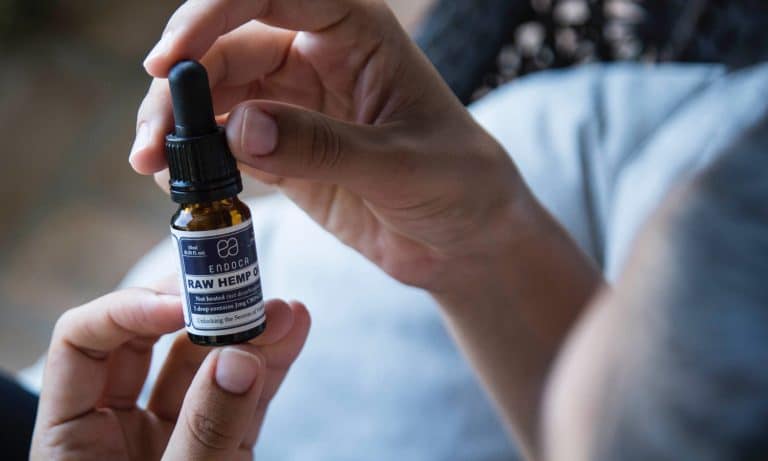
But if you’re among those 45 million Americans, there’s a good chance your CBD product included some THC, the cannabinoid responsible for marijuana’s psychoactive sensation. Ellipse Analytics, a Denver start-up focused on purity and big data in food products, recently tested the 250 top-selling CBD products and detected THC in 45% of them. Among products that claimed it was “THC-free,” 21% in fact contained detectable levels of THC, Ellipse announced.

RELATED: The Truth About CBD For Your Pets

“In the absence of a federal definition of THC-free, consumers are essentially being misled to believe their CBD products are free of THC,” Dr. Sean Callan, Senior Vice President of Innovation and Operations at Ellipse Analytics, said in a statement.

how to choose cannabis topicals that will actually work
Photo by Hemptouch CBD via Unsplash

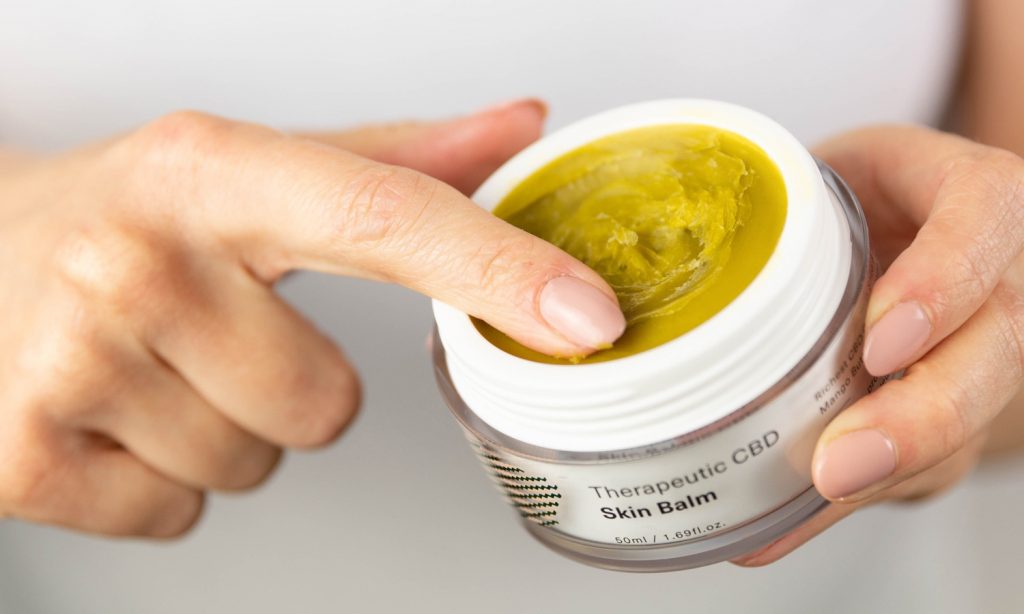
An important reminder: CBD may be legal, but that doesn’t mean it’s regulated. Hemp-derived CBD products were made legal through the 2018 Farm Bill. So long as they don’t contain above 0.3% THC, they’re legal. The Food and Drug Administration, though, has dragged its feet in instituting regulations on CBD products. We’ve heard hints for months and months that FDA regulations were coming for CBD, but we haven’t seen anything yet.

In light of America’s vaping crisis, Senate Majority Leader Mitch McConnell has stepped in. Earlier this month, he drafted a measure that would force the FDA to set temporary guidelines of “enforcement discretion” around hemp-derived CBD products. Should the bill pass—there hasn’t been a vote yet—the FDA would have 90 days to draft such guidelines and 120 days to institute them.

RELATED: Are CBD-Infused Alcohol Beverages Legal?

What’s clear is that CBD products need regulation or, as Dr. Callan insinuated, people could lose their jobs.

“Ultimately, without federal or state intervention, the ‘safe’ amount of THC in a finished good will most likely be established through class action lawsuits,” Dr. Callan said. “People consuming CBD products making false THC-free claims are unknowingly ingesting THC and potentially failing drug tests.”

CBD Shows Therapeutic Effects On Psychosis

Psychosis is the loss of contact with external reality, meaning that those afflicted with this condition, unaware of their circumstances, can potentially experience delusions, hallucinations, and more.

CBD has already been shown to have an antipsychotic effect in humans, but how and why has remained unclear. But if results of a new study on the therapeutic effects of cannabidiol on psychosis is able to be replicated, it could have extremely important implications in the area of psychiatric treatments.

The study abstract’s conclusion was this: “Cannabidiol may partially normalize alterations in parahippocampal, striatal, and midbrain function… As these regions are critical to the pathophysiology of psychosis, the influence of CBD at these sites could underlie its therapeutic effects on psychotic symptoms.”

RELATED: Reality Check: Cigarettes And Pot Linked To Teen Psychosis?

Photo by rawpixel.com

Psychosis is the loss of contact with external reality, meaning that those afflicted with this condition, unaware of their circumstances, can potentially experience delusions, hallucinations, and agitation; hostility and aggression are also in the psychosis realm, making these results all the more potent.

Interestingly, in more participants in the CBD versus the placebo group who were patients, activation of CBD effects had higher potency, whereas the control group had lower. It was also found that:

In patients with psychosis, the effects of CBD on psychotic symptoms have been associated with its influence on levels of the endogenous cannabinoid anandamide. Therefore, future studies need to investigate the neurochemical and receptor-level mechanisms that may underlie the antipsychotic effects of CBD.

CBD is known for a number of therapeutic usages, from anti-inflammatory properties to the quelling of seizures, but this new study shines light on CBD’s effects on the brain and the regions in which its benefits are most effective, especially in the area of psychosis.

RELATED: Which To Choose: Pure CBD Extracts Or Cannabis-Derived CBD With Some THC?

Often associated with schizophrenia, psychosis actually encompasses a much broader portion of the population. During the study and fMRI scans, to test the study’s hypothesis they, “identified regions where there was a linear pattern of activation across the 3 groups such that the level of activation in participants…receiving CBD was intermediate to that of participants…receiving placebo and control participants.”

For the general population, though CBD has gained in popularity a hundred fold in recent years, “feeling” its effects is a toss up, as it is non-psychoactive. CBD could be doing a lot of good and even some repair work inside our bodies via our endocannabinoid systems, but unless you’re experiencing inflammation, high anxiety or sleeplessness, it can be difficult to gauge its effects. Studies like these further legitimize CBD and its place in our society.

5 TikTok Videos Every Internet User Should Watch

TikTok is one of the world’s most popular apps for a reason. You don’t even need to know what it is to be familiar with some of these videos.

There’s more to TikTok than the controversy that surrounded the app when it first started.

Originally known as Musical.ly, TikTok has become Vine’s spiritual successor, a space where people get to upload their weirdest and dumbest videos without judgment. Although there’s still a lot of clips of kids lip syncing (I ignore those because they make me cringe), it’s an app that has grown on people. No one knows exactly what’s going on there, but I like it.

You don’t need to have a TikTok profile to have stumbled upon some of these videos, some of which have made people internet famous. Here are the 5 best TikToks that internet users of all ages should know about:

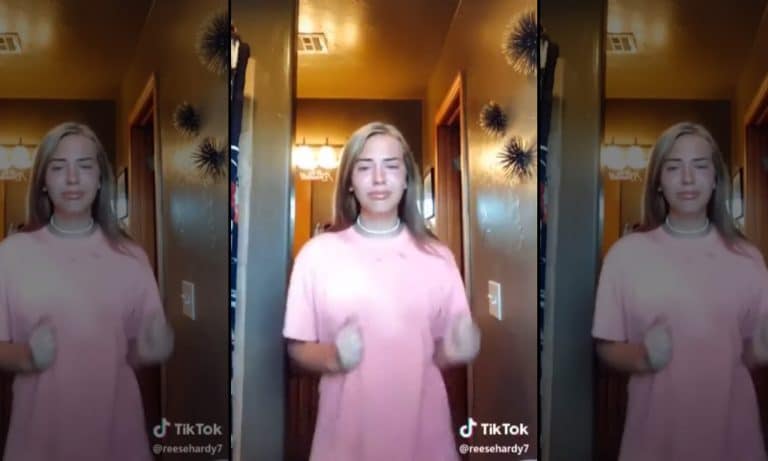
Crying Tik Tok Girl

I don’t know what was going on with this girl or why she chose to dance to Mariah Carey’s “Obsessed,” but her impact has been tremendous. “The crying girl from Tik Tok” is a phrase that most internet users understand and that has made us laugh and say “same.”

RELATED: Everything You Need To Know About TikTok, The Next Big Social Media App


Kombucha girl

Brittany Broski, aka Kombucha Girl, has grown into an icon thanks to this video, embodying a meme that’s still referenced weeks after it was first published. I sincerely hope it lives on forever.

The effect of Dora the Explorer

Young ones (Gen-Zs) have a very sophisticated humor that makes other demographics feel old and dumb. This video is one of those, something that older people would never even think of. I think this girl is a genius.

Oh, Steve

Here is the perfect mix of a blooper and an asshole cat with great timing.

Pretty Little Banana

And my favorite one of the bunch: Pretty Little Banana. There are no words that can accurately describe this video. Just watch.

RELATED: Influencers Are Charging People To Be Their ‘Close Friends’ On Instagram


There’s A Rush To Create The ‘White Claw Of Cannabis’ For CBD Seltzers

Many companies have surfaced, claiming to be the ‘White Claw of Cannabis,’ but have any of them succeeded yet?

If you haven’t noticed, White Claw has taken over America’s drinking scene. Some consider the spiked seltzer as a healthier alternative to regular cocktails, while others simply enjoy the taste. But one thing’s for sure: White Claw has developed an allegiance we haven’t seen in some time. Fans wear the brand’s logo on skirts and shirts and gladly post pictures online with the drink in hand. An entire economy of memes — social media’s richest currency — has cropped up around White Claw culture.

Suffice to say, competitors have noticed. Nowhere is this more demonstrative than in the cannabis scene, as corporations and small businesses alike have rushed to develop marijuana’s version of White Claw. According to analytics shared with The Fresh Toast by Headset, which tracks cannabis sale data, beverages haven’t caught fire in the cannabis industry quite yet.

Marijuana beverage sales account for about 1% of all cannabis product sales in Washington, Colorado, California, and Nevada combined. Edibles, meanwhile, hover between 11-13% of all cannabis sales. Amidst the country’s vaping crisis, however, we’ve already seen changes in consumer behavior. Flower, pre-rolls, and edibles have all been on the rise in response to customers shying away from concentrates and vaporizer products.

RELATED: I Used A Decarboxylator To Make Weed Beer And It Was Amazing

Photo by Erdmann-Crew via Pixabay

Could beverages slide in as a healthy wellness alternative, much like White Claw did? Various companies sure hope so. Count Cannabiniers among them, which recently launched Creative Waters, a line of cannabinoid-infused sparkling waters. Some products include CBD only, while others are infused with THC:CBD ratios for microdosing purposes. Even the way the company discusses their product is straight from the White Claw playbook.

“Creative Waters expands our portfolio of revolutionary smoke-free wellness products for those consumers looking for a safe, easy on-ramp into cannabis consumption,” Maikel van de Mortel, EVP of Marketing for Cannabiniers’s parent company, said in a statement.

Then you have a brand like Recess, a hyped New York-City based entrant given kudos by legitimate food publications like Bon Appetit. Check out the company’s tag line: “We canned a feeling.” First of all, that’s literally impossible. Even if it were, it’d probably be unhealthy to bottle feelings inside aluminum cans. Then again, consider White Claw’s slogan: “Claw is law.” It’s equally nonsensical! But both phrases play to digital audiences, where nonsensical one-liners can quickly gain traction and transform into memes.

https://twitter.com/Things4WhitePpl/status/1151397850636419072

Several other companies like this exist. Sprig, which began as California’s first microdosing THC-infused beverage sold in medical dispensaries, has also launched a line CBD-infused sodas. (Quick tip: Go Zero Sugar; the sodas with sugars choke your taste buds with their sweetness.) Mountjoy Sparkling, DRAM Dose, and Queen City Hemp are other brands gaining traction in the CBD beverage scene.

RELATED: How Rock Climbers Can Use Marijuana In Recovery And Training

Not that you’d necessarily know to tell any of these brands apart. All of them borrow a similar aesthetic to LaCroix and White Claw—simple and sleek, with a touch of winking goofball. None have completely broken through with the impact of the brands they reference, though. One thing’s for certain, though: Companies will keep trying until someone succeeds as the White Claw of Cannabis.

Does A Drinker Or Toker Make a Better Partner

0

The last thing most people using cannabis want to do is fight or be aggressive. The same cannot be said of alcohol, which is blamed for approximately three million violent crimes a year. 

Does a drinker or toker make a better life partner? While alcohol does not cause violence, it isn’t exactly an innocent bystander. Domestic abuse is a sad and terrifying reality for many of people throughout the world. Also known as intimate partner violence (IPV), this crime not only brings fear, anxiety and injury to its victims, but also death in some cases. Even more alarming, it happens with tragic frequency.

In a Centers for Disease Control (CDC) study examining the deaths of women in 18 states over the course of a decade, domestic abuse was the leading cause of death. In fact, of the over 10,000 deaths, as many as 55% of women had been killed by a partner or former partner.  

RELATED: Here’s Why Millennials Are Choosing Cannabis Over Alcohol

Cannabis May Help Treat Alcohol And Cocaine Addiction
Photo by Matthew Henry via Burst

According to data released by the National Council on Alcoholism and Drug Dependence, two-thirds of perpetrators of domestic abuse were reported to be drinking alcohol at the time of the attack. It is believed that each year approximately three million violent crimes are committed under the influence of alcohol.

The majority of men who are high-level drinkers, per guidelines of the National Institute on Alcohol Abuse and Alcoholism (NIAAA), do not abuse their spouses. However, the World Health Organization reports that, “Studies of intimate partner violence routinely identify recent consumption of alcohol by perpetrators.”

A team of scientists from the University of Tennessee studied the behaviors of men over a 90-day period. They compared the incidence of physical, psychological and sexual aggression and the use of alcohol and the use of cannabis.

They were clear in their findings:

“On any alcohol use days, heavy alcohol use days (5 or more standard drinks), and as the number of drinks increased on a given day, the odds of physical and sexual aggression perpetration increased. The odds of psychological aggression increased on heavy alcohol use days only. Marijuana use days did not increase the odds of any type of aggression.” – RC Shorey

These findings may not surprise anyone with experience with both alcohol and cannabis. The last thing most people using cannabis want to do is fight or be aggressive. The same cannot be said of alcohol. 

In advance of alcohol prohibition, nearly 150 years ago the Woman’s Christian Temperance Union (WCTU) campaigned not just against the widespread consumption of alcohol. The movement also spoke out against the domestic violence that too often accompanied it. Sadly, it was the first time in America that it had been widely considered a social justice issue.

RELATED: Proof That Marijuana Is More Than 100 Times Safer Than Alcohol

Science: Mixing Cannabis And Alcohol Can Be Dangerous
Photo by freestocks.org via Pexels

If we are serious as a country about the epidemic of intimate partner violence we cannot afford to overlook the significance of research like this. Legal cannabis markets are already seeing a change in alcohol sales. Market research has projected that nearly ½ of all millennials in California are willing to switch to cannabis. Some people would simply rather consume cannabis. In both American and Canadian studies, about 40% of individuals chose marijuana over alcohol.

Cannabis cannot save us from aggression and violence, but it seems to have the ability to dampen those tendencies. It’s not unreasonable to forecast that, with growing legalization, fewer people could be victimized by those who should be loving them. That would be a profound unintended consequence you won’t hear cannabis prohibitionists speculate on — for good reason.

Don't Miss Your Weekly Dose of The Fresh Toast.

Stay informed with exclusive news briefs delivered directly to your inbox every Friday.

We respect your privacy. Unsubscribe anytime.