Tuesday, May 12, 2026
Home Blog Page 995

Doctor’s Take On FDA Study On PTSD And Cannabis

Here is our doctor’s take on FDA study on PTSD and Cannabis study

We often see PTSD in the headlines along with the hardships it has had upon those who have served our country so valiantly. Yet this barely scratches the surface of the damage this disorder has had on all of the individuals who suffer from this, their loved ones, co-workers and society in general.  

Those in the armed services do not have a monopoly on PTSD. We see this unfortunate disorder among people who have suffered a great trauma in their lives. This can be a single event or many events built upon each other. We do know that there are some individuals who are at higher risk of PTSD, especially those who already suffer from anxiety. 

PTSD may manifest itself with variable symptoms such as poor sleeping, nightmares, flashbacks, lack of concentration, irritability, anxiety, paranoia, depression and physical symptoms such as headaches, temporary blindness, and nervous ticks. There is a significant risk of addiction to drugs and alcohol along with difficulty in maintaining personal relationships. Suicidal and homicidal thoughts can be part of the syndrome. Just think about how this has affected families and our society. 

We have treated people with emotional support and long-term desensitization therapy. Many medications have been used as therapy such as SSRIs, tricyclic antidepressants, MAO inhibitors, mood stabilizers and benzodiazepines. The fact that there are so many different types of medications which can be used, exemplifies the difficulty in treating this disorder and the many complicating factors in the diagnosis and treatment.  

On the forefront of investigation of cannabis as a treatment for PTSD is a group called MAPS (Multidisciplinary Association for Psychedelic Studies). They started one of the few FDA approved studies of cannabis for PTSD in February 2017. On January 30, 2018, the 38th of 76 participants was enrolled in the study. This study is evaluating the safety and efficacy of four different potencies of cannabis (High THC, High CBD, THC/CBD, placebo) in U.S. veterans. 

It is quite unusual and very exciting that the FDA is willing to have a study done with a medication that is listed as a Schedule 1 drug. At this time it is still a federal offense to prescribe or use the drug even though it is legal in many states. I personally look forward to the results of the study for many reasons. The first is obvious; this will give us information about whether cannabis in any form has value in the treatment of PTSD. If we see that we have a positive treatment for veterans, just think about the other people who can be helped by this drug.  

This might also demonstrate to the FDA that this is a drug that can and should be studied in the future in a formal clinical setting. This can give us information about titration and dosing of CBD/THC for the many diseases in which it is presently used. Finally, if we have proof that there are positive effects in treating diseases with cannabis, we are closer on the road to changing the FDA Schedule of the drug and making it legal from a federal standpoint. This would also allow M.D.s to become partners in the use of the drug and encourage them to study it as part of their medical practice. 

Now you know our doctor’s take on FDA study on PTSD and Cannabis study.  We need to support our veterans.
How Cannabis Can Help Those Who Suffer With Psoriasis

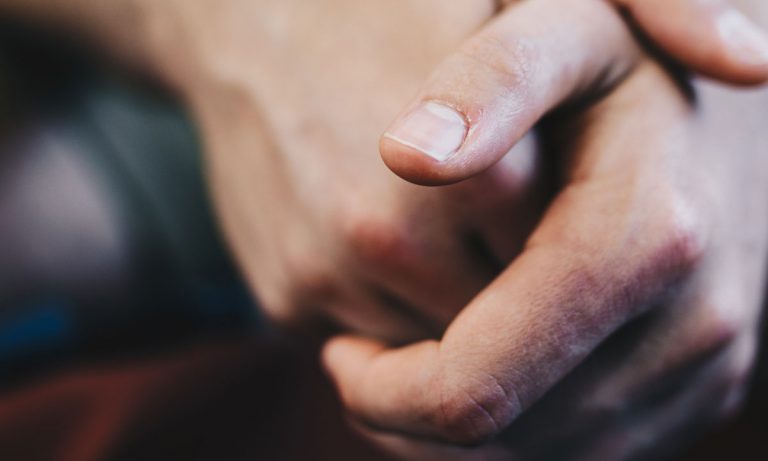
Psoriasis is one of the most common autoimmune diseases, affecting about 7.5 million in the US with 150,000 new cases each year. It is caused when skin cells get a wrong message to grow too quickly. These cells don’t shed as normal ones do, resulting in red, patchy, and sometimes scaly, buildup. Commonly affected areas are the knees, lower back, scalp, and elbows.

It is not contagious — sufferers must have the gene that can cause it — and some may report pain in the affected areas. According to the Mayo Clinic, changes in lifestyle such as regular moisturizing, quitting smoking and managing stress may lessen the effects.

The disease is chronic and there is no cure. Treatment is treating the symptoms, something Cannabis may help with.

THC And The Immune System

A University of South Carolina study found that THC, one of the two major compounds in cannabis, and part of a family of compounds called cannabinoids, can suppress the body’s immune response which is what leads to outbreaks. Cannabinoids are also potent anti-inflammatory agents, a 2009 study found.

Mood

Psoriasis affects mental health. Stress can cause outbreaks and worsen them. A 2010 study published in the journal Archives of Dermatology found those afflicted have a 39 percent increased prevalence of depression. And those suffering from depression may increase their chances of Psoriasis. A 2013 study found severely depressed women were nearly twice as likely to develop it. Cannabis’ euphoric feeling has been shown to reduce stress levels in low doses.

CBD Topicals

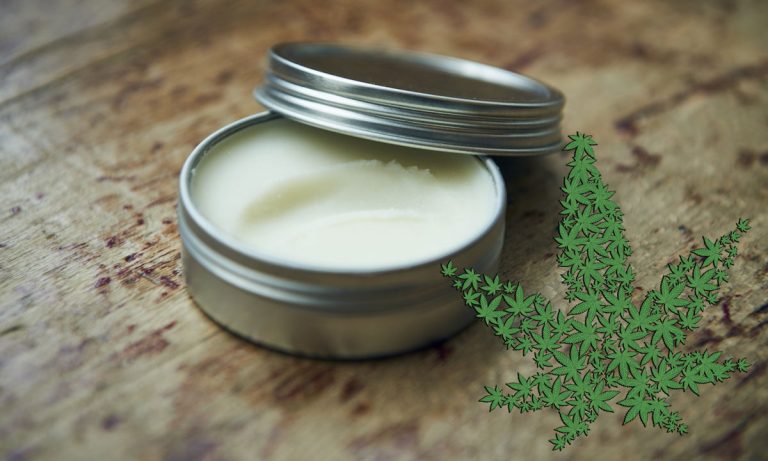
For those who suffer pain with outbreaks, Cannabis-based topicals can help. CBD, the other major compound in Cannabis, will not leave the user euphoric, but acts as a pain reliever. Since many of these topicals also contain moisturizers, they can also help to treat the redness and scaly buildup. Some of these balms also contain THC and can lessen inflammation.

Vape, Don’t Smoke

As said above, a common lifestyle change doctors encourage for sufferers is to quit smoking. Marijuana has essentially the same irritating effect on skin as tobacco. Dermatologist Bobby Buka told the Huffington Post,“The delivery system is really critical … Even a bong would be preferable,” to smoking, and recommended patients use a vaporizer instead.

Ask The Doctor: What Makes CBD So Useful?

As the Winter Olympics soar to their conclusion, it’s clear that the Russian doping scandal did little to diminish the majesty of the spectacle. But the controversy did highlight the critical work of an organization whose mission is to best ensure that athletes are playing clean of performance-enhancing drugs: the World Anti-Doping Agency (WADA). While WADA’s enforcement ability sometimes seems quite wan — the International Olympic Committee’s “punishment” of Russia was in name only — the agency has taken a hard line in its pronouncements to hold athletics to the highest moral standard.

That’s why the world took notice last fall when WADA dropped from its list of prohibited substances a substance called cannabidiol, better known as CBD. The exemption was soon followed by the World Health Organization’s (WHO) Expert Committee on Drug Dependence issuance of a report, opining that naturally occurring CBD is safe and well-tolerated in humans (and animals), and is not linked with any negative public health concerns. WHO concluded that CBD does not induce physical dependence and is not associated with abuse potential: “To date, there is no evidence of recreational use of CBD or any public health related problems with the use of pure CBD.”

And yet…fast forward to February. Just a few weeks ago, 23 retail stores in Murfreesboro, Tennessee were raided, padlocked, and their owners arrested and locked behind bars, for the crime of…selling CBD products. Termed “Operation Candy Crush,” a multi-agency law enforcement operation charged store owners for targeting kids with marijuana-laced candies.

The retailers were released on bail, a judge quickly reopened the stores, and a hearing set for March 19 should clarify what really happened. But the incident already shines a huge spotlight on a large and growing national controversy:

What the H is CBD?

In 2013, CNN’s Sanjay Gupta brought to the world’s attention a fascinating chemical compound that a growing number of parents swore was helping provide desperately needed relief to their severely ill children. CBD is naturally occurring, and even before the WHO report, was viewed by most of the medical profession as safe to consume. However, its most common source was quite controversial — the cannabis plant. CBD began to be held up as a piñata in the increasingly intense national debate over legalizing medical marijuana.

It turns out, however, that marijuana is not the only variety of cannabis. Marijuana is distinctive by its significant content of tetrahydrocannabinol (THC), the psychoactive compound that gets people high. A typical joint today will contain upwards of 5-20 percent THC.

But there’s another variety of cannabis that contains no THC, or only a tiny trace. It’s called industrial hemp. Hemp is defined by federal law as cannabis sativa L, and all parts of that plant, containing 0.3% THC or less. It’s like the natural food version of decaffeinated coffee or non-alcoholic beer.  Except of course, hemp foods are high in nutritional value, with plenty of protein and all nine essential amino acids.

Hemp was a leading U.S. cash crop in the 18th and 19th centuries, grown by many of our nation’s founders — Lexington’s Henry Clay was a hemp farmer, too — and was critical to U.S. efforts in both world wars. But in the early 20th century, as “reefer madness” enraptured the nation, hemp farming was banned in the U.S.

That all changed just a few years ago when political leaders like Kentucky’s U.S. Rep. James Comer and Sen. Majority Leader Mitch McConnell helped develop new federal and state legal permissions for hemp. The 2014 U.S. Farm Bill created a pilot program regime that allows states to regulate hemp growth and cultivation, and permits commerce in hemp and hemp products. The 2016 Omnibus Law subsequently prohibited federal agencies from interfering with hemp pilot programs. It also specifically banned federal dollars from being spent to hinder the interstate sale or transport of hemp products. (More details on legality can be found here.)

As part of this grand experiment, a new sub-industry has developed: CBD products derived from hemp. Unlike products marketed for medicinal value, hemp-derived CBD is sold over the counter at health food and natural food stores across the country, next to other natural supplements such as fish oil and Vitamin D. Like those nutrients, consumers take CBD oil, foods and capsules for general health and wellness, without promise of disease remediation. I’m a satisfied customer.

Best yet, even in this pilot program phase, hemp-derived CBD is already creating new economic opportunities for farmers and small businesses. Kentucky’s hemp program, led by Agriculture Commissioner Ryan Quarles, serves as the model for the nation: Hundreds of jobs have been created, and millions of dollars of revenue have been earned in the Bluegrass State alone. Economists predict a multi-billion dollar U.S. industry in the short term. And think about this: Farmers who have struggled because of the decline of tobacco — a product that kills people — are now finding new opportunity in hemp, a plant that’s not only good for health and wellness, but also is sustainable and healthy for the planet.

Hemp is not marijuana. Hemp-derived CBD is not medical marijuana.

Of course, that hasn’t stopped the media from lumping them all into the same rhetorical basket. It hasn’t stopped unscrupulous sham artists from inappropriately marketing CBD as a wonder drug that solves all ailments. And worse, it hasn’t stopped scoundrels from targeting children with products that contain high levels of THC, under the guise of CBD’s emerging celebrity.

But these bad apples should not be used as a pretext to undermine the re-emerging U.S. hemp industry. Legislation is currently pending in Congress that would clarify hemp as an agricultural commodity and permanently remove it from the purview of Controlled Substances Act. Its prospects look bright because it has the support of liberals like Rep. Jared Polis (D-CO) and Sen. Ron Wyden (D-OR); Tea Party icons like Sen. Rand Paul (R-KY) and Rep. Thomas Massie (R-KY); and mainstream, pro-law enforcement conservatives like Rep. Comer, Leader McConnell and House Judiciary Chairman Bob Goodlatte (R-VA). Critically, the legislation has also won the endorsement of influential national agriculture organizations such as the American Farm Bureau Federation and the National Farmers Union.

As I discussed here, I have become the most unlikely hemp advocate. You too can join the battle to permanently legalize hemp. If you want to learn more and/or take up the cause, click here.

Prince Harry And Meghan Markle Want Girls To Break Gender Stereotypes

On International Women’s Day, Prince Harry and Meghan Markle decided to talk to young women and girls about careers that involve science, technology, engineering and mathematics (STEM). With this, the royal couple is finding ways to encourage women to break gender roles and stereotypes.

According to The Telegraph, Prince Harry and Meghan Markle attended an event where young women were engaged in activities designed to boost their abilities in STEM. Prince Harry told young girls that they must have “brains the size of a planet” and that they should work on developing interest in apps and the Internet.

Markle spent time helping the girls with their work, and asking about what they were doing. She claimed several times that their projects were cool and that she was very impressed with the girls and their jobs.

It’s amazing to see so much young talent, so much confidence. It’s such a strong program.

The couple spoke with tons of girls and then listened to three star students who’d prepared different speeches on their favorite inspirational women, discussing why it was important to become role models for women and why they must forget about all sorts of harmful stereotypes on gender.

How Puerto Rico’s Medical Marijuana Market Is Making A Comeback

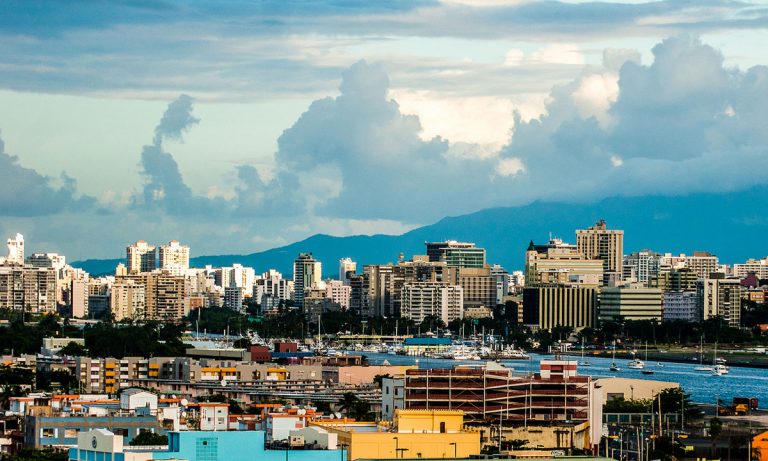
Puerto Rico continues to rebuild itself after Hurricane Maria, and one of those areas is their medical marijuana program, which was legalized in 2015. It was in its infant stages when Maria ravaged the island, but now, with a lot of hard work and heart, the program is not only back on its feet, but seemingly flourishing.

The patient count is beyond 20,000 with the addition of approximately 500 new patients per week. Secretary of Health Rafael Rodríguez Mercado was at the Senate this week to answer questions coming from the Commission on Federal, Political and Economic Relations, who has the medical marijuana industry under a microscope.

“Over 20,000 jobs this industry has generated will be protected,” said Puerto Rico Governor Ricardo Rosselló Nevares, “and new jobs and investment will be added.” Which is fantastic news for the island, whose recovery efforts have been brave, heartfelt and likely all-consuming. To have good news such as this is a blessing in itself.

San Juan’s Green Spirit Industries plans on making money on the newly flourishing marketplace. They have five medical marijuana dispensaries in various stages of being built. Demand is high and Green Spirit has their finger on the pulse of the movement.

Future Farm Tech is another group investing in the island’s cannabis future. In a joint venture with TCG Investments, it’s acquiring economic interest in another five medical marijuana dispensaries.

Investing in cannabis is itself on the rise, no matter where you are in this lifted world. But it is especially great to see Puerto Rico, whose economy was crushed by Maria, affected so positively by cannabis.

It also shows a great deal of passion for the plant that it’s been so highly prioritized. When Maria hit, the roofs came off of the growing facilities and processing plants, the electricity went out and the plants were pummelled. “Overwhelming” is not the word for what it must have been like to begin the rebuilding of the nascent industry.

A flourishing cannabis market could go far in helping to rebuild other parts of the island’s infrastructure as well. As we’ve seen all over the US, where there’s a burgeoning pot industry, there’s money, money, money to be made. We wish them all the luck and prosperity they can find in the green gold market and beyond.

Cannabis 101: How To Tell If Your Marijuana Is Moldy

0

A frightening, new report emerged last week out of the UC Davis Department of Medical Microbiology, claiming that scientists had discovered the presence of a dangerous fungus on the medical marijuana being sold in dispensaries throughout the northern portion of California that is, so far, suspected to have killed at least two patients.

It seems that after a number of leukemia and lymphoma patients showed up at the UC Davis medical center with a rare, severe lung infection, researchers launched a full-scale investigation into the matter in hopes of determining a cause. What they discovered was these people had been smoking medical marijuana tainted with a dangerous mold – something that has little to no impact on the body of a healthily individual but it is potentially life threatening for those patients with weakened immune systems.

The report prompted a certain level of panic within the cannabis community, especially in those states, like California, which do not yet require dispensaries to test their marijuana before making it available to the public, raising all sorts of questions over how to determine whether medical marijuana was infected with a fungus.

So, how can you tell if you have moldy weed?

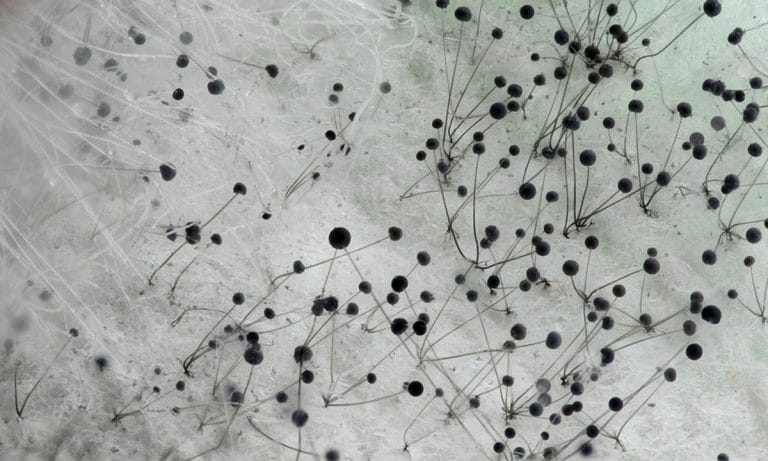
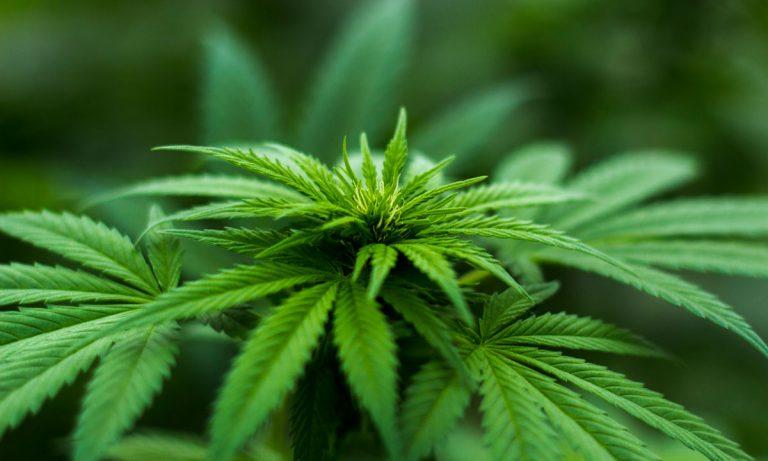
For starters, it is important for a person to use their basic senses when examining cannabis that is suspected of having mold. If the product has a musty smell and some discoloration (black, light blue or green dots), it should be discarded immediately.

The mold itself (Aspergillus) may appear to be a cluster of white crystals known as Trichomes. But upon closer inspection, the growth will not look or feel much differently than what might appear on bread once it starts to deteriorate. Some people mistake cannabis crystals for mold, but the dangerous fungus will actually grow on top of these formations – making it simple for the consumer to locate. However, not all infected weed is easy to spot. If the dispensary happens to trim the mold from the product, it may look healthy but it will still contain spores that will make it unsafe for consumption.

And according to The 420 Shack, no amount of fire or even a nuclear blast can kill the spores.

“The spores can survive pretty much anything this side of hard radiation. So, NO, you cannot kill the spores with fire,” the report reads. “If by chance you have a very weak immune system or you’re immune compromised, when you smoke moldy weed the spores can settle into your lungs and grow large mold balls, which are hard to get rid of and sometimes have to be removed surgically.”

It is important to remember that moldy marijuana cannot be made fit for consumption. Infected products should always be thrown out- even if the consumer is relatively healthy and at little risk for a lung infection.


Can Consuming Marijuana’s CBD Improve Your Sex Life?

CBD is THC’s non-psychoactive counterpart that is credited with helping ease what ails ya without getting one high. Did you know that it’s a great addition to the bedroom as well? Not just for sleeping, either. The calming, stress-eradicating properties of CBD are getting more and more people in the mood at the end of the day instead of just plain in a mood.

The sexual inhibition system (SIS) and the sexual excitation system (SES) work together to steer your sex drive into overdrive, but when stress and anxiety are present, sometimes the SIS prohibits the SES from doing its job. It’s why people around the world come home from a long day at their jobs with “headaches.”

Enter CBD! Impossible to overdose on and available in many forms, so pick your favorite, CBD offers the brain a chillax mode without the “spaciness” that can come with getting high. This clear headedness along with the induced lack of stress and reduced day-to-day woes makes for fewer inhibitions and a sense of calm and sexiness between partners.

If you happen to be between 30 and 50, you can join the ranks of anecdotal reporting. Such reports show that men have intensified orgasms on CBD, women get to that sweet spot sooner and there is a deeper sense of connection between the partners.

Erectile dysfunction can be attributed to weakened blood flow. However, some experts also say that a toxin named dioxin could be to blame. Again, it’s CBD to the rescue by flushing the dioxin out of one’s system and preventing it from reforming in fat cells.

THC is actually called the culprit in erectile dysfunction, overpowering the CBD and causing anxiety in certain strains. So in other words, if you’re a high-functioning CEO coming home to your equally tired and stressed wife, and you know that a good romp in the hay would improve both your comportments, but you’re just not in the mood, reach for the CBD vape instead of the THC vape. It could have you back in the saddle again in no time.

For women who’ve experienced pain or discomfort during sexual intercourse, CBD increases blood flow and lubrication, a more relaxed, natural, painless way to get at it without the help of pharmaceuticals or even getting high. All in all, CBD is the new “must have” of the boudoir.

This Is The One Big Problem People Are Having With iPhone X

0

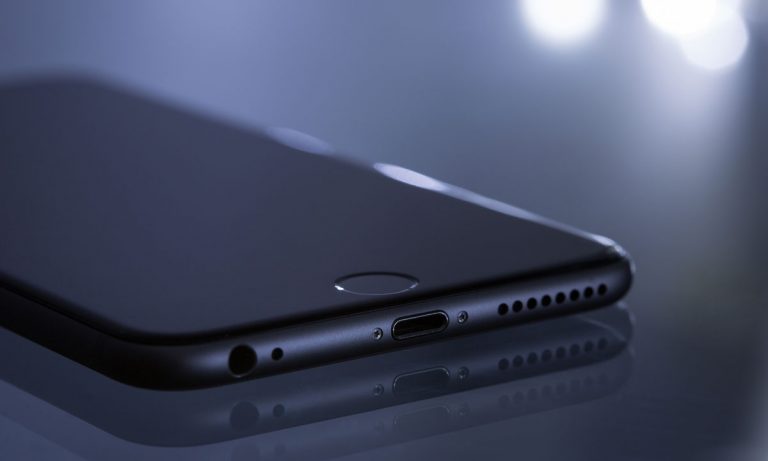
Michael Olson, a respected analyst from Piper Jaffray, claims that Apple has a big problem; users can’t get on board with the iPhone X prices.

In a survey of 1,500 iPhone users, it was discovered that 31 percent of the subjects would not upgrade to an iPhone X, claiming that the device is too expensive. This is something that has never happened before. Even though Apple has always produced expensive products, users were always willing to pay more, believing that the quality of their purchase was worth it.

The second part of the study asked iPhone users why they wouldn’t upgrade phones, here, 41 percent of them answered that the phone they had now “worked just fine.”

According to Forbes, Apple’s problem lies beyond the iPhone X’s original and super expensive price. They argue that the company’s real issue is how Apple has priced everything surrounding the device, and the fact that users are supposed to purchase other things to take advantage of the iPhone X’s features, such as wireless charging pads and a fast charge cable.

Repairs for the iPhone are also extremely expensive, with a cracked screen costing up to 550 dollars. Of course, you can get AppleCare, but it costs 199 dollars, and it still doesn’t cover all accidents your phone might experience.

Apple plans on switching things up in the future. Hopefully they’ll lower their prices, or at least include more stuff in the iPhone’s box. It makes little sense to advertise and emphasize features that people won’t be able to access once they purchase the device.

Medical Marijuana Is Real, Despite What US Health Secretary Says

According to US Health and Human Services Secretary Alex Azar, “there really is no such thing as medical marijuana.” Take a minute and let that sink in. The Cabinet member who advises the President on matters of health does not believe marijuana is medicinal.

Azar made the audacious claim last week in Ohio during a press conference on opioids at an inpatient facility that treats newborns suffering from prenatal drug exposure. He went on to say, “there is no FDA approved use of marijuana, a botanical plant. I just want to be very clear about that.”

Yes, he is correct that the FDA has not approved cannabis as a medicine. But if Azar seriously believes that marijuana has no medicinal properties, he is way off the mark. Just ask the doctors.

According to a 2013 survey published in the New England Journal of Medicine, 76 percent of physicians responding from around the world were in favor of medicinal cannabis, even though many came from jurisdictions in which it is totally illegal. A 2014 WebMD survey reported that 82 percent of U.S. oncologists and hematologists were in favor of patients having access to medical cannabis.

Of course, Azar may be a bit biased. Before being tapped to become head of the Dept. of Health and Human Services, Azar spent a decade at Eli Lily, one of biggest players in the pharmaceutical industry. For the last five years, Azar was the president of Eli Lily and served on the board of directors of the Biotechnology Innovation Organization, a pharmaceutical lobby.

The relief provided by cannabis is very real. Most cannabis patients are searching for relief and finding it with cannabis, sometimes as a last resort.

Indeed, more than two million Americans in 31 states legally use cannabis for a treatment for an assortment of conditions, including seizures, cancer, chronic pain, muscle spasms, insomnia, anxiety, and more.


Is Chance The Rapper Involved With NBC’s ‘Fresh Prince’ Reboot?

Since the beginning of the year, rumors have swirled around NBC rebooting its iconic sitcom The Fresh Prince of Bel-Air. The original was literally built around Will Smith, then a bubbling celebrity and rapper with his partner DJ Jazzy Jeff.  With TMZ reporting that folks in charge have registered new trademarks around Fresh Prince characters, it’s looking like the rumors could soon become reality.

But what celebrity or rapper could possibly match the charisma and undeniability that Will Smith originally brought to the role? According to Smith’s former partner in crime, DJ Jazzy Jeff, the right choice would be Chance the Rapper.

“I think Chance [The Rapper] would be a really good Fresh Prince,” Jeff told HipHop DX. “Cause Chance always seems to have a lighthearted demeanor. He’s got a serious side to him but Chance is always smiling. Chance is always trying to do something really positive. I think Chance would be a really good Fresh Prince.”

Jeff also added that Chance is a “trailblazer” in the same way Smith was.

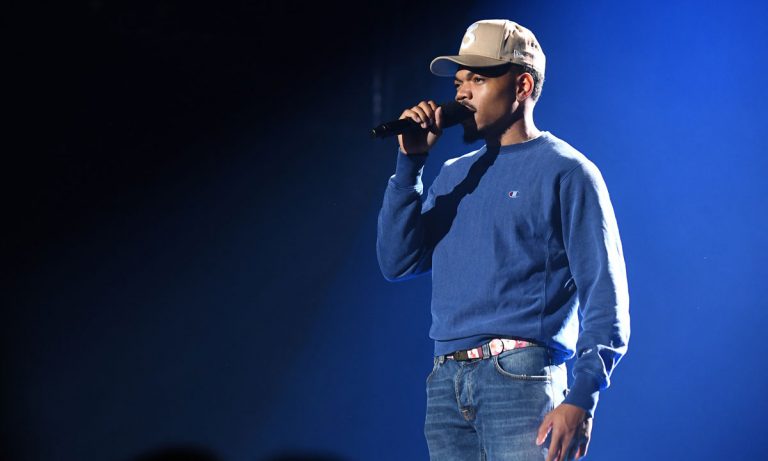
This week, Chance appeared on Pitchfork’s “In Sight Out” conversation series at Chicago’s Museum of Contemporary Art, where he addressed questions about new music, collaborating with Kanye and Childish Gambino, as well as the Fresh Prince rumors. Unfortunately, in the latter case, Chance stated unequivocally that he wouldn’t reprise the Fresh Prince role for a reboot.

He did add, however, that he’d write some music for the project, should it come to fruition.

https://twitter.com/TheTRiiBE/status/970825819789627392

TMZ has also hinted the Fresh Prince reboot might instead follow in the footsteps of the Boy Meets World reboot by switching the main role to a female character. In other words, it’d be The Fresh Princess of Bel-Air.

Smith himself has also hinted on his Instagram page the possibility of the show becoming an animated series.

https://www.instagram.com/p/BehDh3anodP/?utm_source=ig_embed

Don't Miss Your Weekly Dose of The Fresh Toast.

Stay informed with exclusive news briefs delivered directly to your inbox every Friday.

We respect your privacy. Unsubscribe anytime.