Tuesday, May 12, 2026
Home Blog Page 1009

Why Is Compton, CA Rejecting Legal Marijuana Sales?

0

Kendrick Lamar hails from a long list of Compton rap progenies—a list that includes the likes of Eazy-E, The Game, and Dr. Dre, whom he collaborated with for a song on his debut album called The Recipe. The two Compton rappers boast about the recipe of why everyone loves the city they call home. “They come for women, weed and weather,” the pair raps.

Indeed Compton, California has a long association with cannabis and they can thank Dr. Dre for that (his inaugural album was called The Chronic, after all). Even now, rappers will brag that Compton has the best weed. So you think the city, with the booming green rush and California legalizing recreational marijuana sales, would want to cash in, right?

Except that hasn’t happened at all. Technically speaking, you still can’t purchase marijuana legally in Compton. That’s because Compton voters overwhelmingly voted against proposals to allow recreational and medicinal sales within the city.

Via the Los Angeles Times:

To some outsiders, it might be a surprise that Compton would close the doors on pot sales and the tax revenue they bring. But after decades of black Americans being cast as the face of the underground pot market, Compton and other Southern California cities with large African American populations have opted against legalizing the pot trade, worried about the effects on the community and the message it sends.

One city official described the voter decision the “healthiest and most forward-looking for our community.” Part of the problem revolves around the ongoing banking issue with legal cannabis sales. In short, federal banks will not accept cash produced from cannabis sales, which has forced the cannabis industry to remain an all-cash business, leading states like California to consider establishing its own banking system.

But the problem isn’t changing anytime soon. As a result, Compton estimates legal marijuana would cost $6 million to hire staff for necessary paperwork and increase law enforcement, fearing the all-cash businesses could be subject to robberies or worse.

Both potential measures to establish taxes and infrastructure for a Compton cannabis industry failed to pass by a 3-1 margin in a special election last month, thanks to grassroots local opposition. The city and its citizens have decided “the drawbacks outweighed any potential tax benefits the city would’ve collected.”

“They want to be the All-American Compton,”Marijuana licensing attorney Dermot Givens told the LA Times, but “Everybody in the world knows that if you go to Compton there are gangs and weed. True or not true. That’s the image.”

He also added, “Compton should want to capture the marijuana market and brand it just like the wines and champagne. Claim it. We got the best weed in the world. They would make a fortune. Like cognac.”

Apple’s Latest OS Update Fixed A Giant Bug You Didn’t Know About

0

Apple recently had a big problem with the Telugu language. For some reason, if you used a character of the Indian language a bug would pop up, crashing iMessage, Twitter, and even your wi-fi. Once the app crashed, it would become unresponsive, forcing people into their only recourse of action: uninstalling and then reinstalling or setting the phone on fire, either option is fine.

One week after reports surfaced about the bug, Apple released a software update fixing the Telugu bug—just one of many recent glitches.

The amount of bugs that are currently plaguing Apple devices is so bad that, according to Gizmodo, the company delayed the release of their new software, iOS 12, because they want to focus on fixing and ironing out the main issues with the iOS 11.

To update your software, head over to Settings, General, and finally tap on Software Update.

In the future, if you want to avoid bugs, the best thing you can do is keep your software up to date and check the General tab in your Settings regularly. If your iPhone is relatively old, then don’t update the software because it’ll only make your device slower. And stay far away from the Telugu language.

Watch Anna Wintour Shade The Queen Of England At NYFW

Anna Wintour is considered fashion royalty, so it was no surprise to see the editor of Vogue sitting front and center at New York Fashion Week. What was a bit surprising is that when she sat next to literal royalty, she kept her glasses on.

That’s a big no-no for Brits, who are royally pissed off at Wintour for not showing respect to their Queen by removing her signature sunglasses.

https://www.instagram.com/p/Bfbj3MrgtdX

Queen Elizabeth was at NYFW for designer Richard Quinn’s show, where she presented him with the inaugural Queen Elizabeth II Award for British Design; going forward, the award will be presented to a different designer each year.

Mashable spoke to royal etiquette expert William Hanson who said Wintour should have removed her shades in the presence of the Queen, saying that she’s removed her glasses for other royal events.

“Although I know that Dame Anna would have meant The Queen no deliberate disrespect, it is a shame that the queen of fashion’s protocol was far from on trend yesterday,” he says.

He does admit that the Queen probably didn’t think much of Wintour’s failed removal of the glasses and that the Queen “would probably have noticed and internally thought it was a bit odd, but The Queen has seen it all and clearly took it all in her stride!”

Wintour, who is rarely seen in public without her shades, once told 60 Minutes that she wears them to hide her reactions at fashion shows, which makes total sense. She said, “They’re seriously useful. I can sit at a [fashion] show and if I’m bored out of my mind nobody will notice. If I’m enjoying it, nobody will notice. So I think at this point they’ve become really armor.”


This Texas Lawmaker Is Blocking Congress From Voting On Marijuana

Congress has not approved any marijuana-related amendments since 2013, when the medical marijuana protections known as the Rohrabacher-Farr amendment was first pushed through. In fact, federal lawmakers have not given any consideration to additional riders protecting the cannabis industry for the past few years.

Some marijuana reform advocates believe Representative Pete Sessions of Texas, who serves as the chairman of the House Rules Committee, is to blame for this shortcoming. Not only does he decide what pieces of legislation reach the floor of the lower chamber, he also hates marijuana.

Earlier this week, Sessions told those in an attendance at the US Department of Health and Human Services Region VI Opioid Summit that legal marijuana is as much to blame for addiction in America than any other substance. Perhaps even more, since it is legal in many states.

“If addiction is the problem and we have marketers of addiction that include marijuana — because all you have to do is go to any of the stores in Colorado and they can give you high to low to medium to chocolate — we ought to call for it what it is,” he said. “If it were nicotine, it would have been outlawed; well, it would have been handled differently. But this is a political issue.”

Congressman Sessions’ comments are similar to those expressed by Attorney General Jeff Sessions, who said recently that the opioid crisis “Is starting with marijuana and other drugs, too.” It seems the faces of the federal government have forgotten that not even their own health agencies believe marijuana to be a gateway drug. It was the National Institute on Drug Abuse that said, “The majority of people who use marijuana do not go on to use other, ‘harder’ substances.” The agency explained that alcohol and nicotine were more likely to inspire people to use harder substances.

Nevertheless, Sessions suggests there are “better alternatives” to solving the opioid crisis than legalizing marijuana. He believes the leaf is so much stronger now, that it is impossible to escape its grips.

“I referred to marijuana as merchants, this is merchants of addiction, they are making it more powerful and more powerful and more powerful,” Sessions said. “When I went to high school … in 1973, I graduated, marijuana, on average, is 300 times more powerful. That becomes an addictive element for a child to then go to the next thing.”

It is this anti-marijuana outlook that has prevented additional marijuana amendments from getting passed, according to some cannabis advocates. Reports show that Sessions’ Rule Committee has blocked proposals regarding cannabis banking and retail pot sales in the District of Columbia since 2016. Sessions, however, is up for reelection this year.

Treating Irritable Bowel Syndrome With Medical Cannabis

Irritable Bowel Syndrome affects an estimated 10 to 15 percent of the US population, though only five to seven percent have been diagnosed with it. The disease affects twice as many women as men.  It is one of the most commonly diagnosed diseases by primary care doctors and the most by gastroenterologists.

The symptoms include abdominal pain, constipation and diarrhea. It is also called irritable colon, mucous colitis, spastic colon, spastic colitis, and nervous stomach. There is no cure for IBS. Treatment currently focuses on addressing the symptoms. Those treatments typically focus on lifestyle and diet changes, and reducing stress levels.

Cannabis has shown in one study that it can help with IBS treatment, especially strains with a high level of CBD. Cannabidiol or CBD addresses pain but doesn’t get the user high the way the more commonly known compound in marijuana, THC, does.

A 2015 survey by Care By Design showed a marked improvement in symptoms.

Among IBS sufferers who had been taking high CBD cannabis in several forms, respondents reported:

  • Before starting CBD treatment the average pain score of IBS sufferers from one to ten with the latter being “I feel the worst imaginable” was just more than seven.
  • Following CBD use the average pain score was four.
  • Seventy percent of CBD users reported improved mood.
  • More than 15 percent said they had more energy after the treatment.

The survey didn’t just focus on IBS. It included 16 ailments from sleep problems to post-traumatic stress syndrome. And although Care By Design obviously had a stake in the results, other surveys have backed up the findings, somewhat.

A 2005 report said CBD has potential in treating the disease, that CBD products “provide new therapeutics for the treatment of a number of gastrointestinal diseases, including nausea and vomiting, gastric ulcers, irritable bowel syndrome, Crohn’s disease,” and related ailments.

The bottom line: If you are in a medical-marijuana state, ask your doctor. If you aren’t in one, ask your doctor. There are other conventional treatments they can prescribe. Remember there is no cure for Irritable Bowel Syndrome, but there is help.

People Have This Many Bad Days A Year, Study Finds

Having a bad day? Take comfort in knowing you’re not alone. A new study shows Americans have roughly 60 bad days each year.

Two-thousand people (all employed) were surveyed by fitness app Freeletics, which conducted the study to find out what triggers our bad days and the toll it takes on our health. The number-one day ruiner? Sleep.

Not getting enough sleep was the biggest bad day trigger, with 67 percent of people surveyed saying it’s a total downer. The survey also showed the average person blames work for 4 out of 5 bad days each month, or to put it another way, just about every Monday.

The New York Post reports that 34 percent have had their days ruined by having plans fall through, and a whopping 25 percent said a bad hair day led to a dud day.

Other day ruiners: worrying about money, not having hot water for a morning shower and feeling sick. To make matters worse, the research showed that 50 percent of people reach for junk food to cope with a bad day, while 34 percent reach for the bottle.

Freeletics says that a little workout therapy can do wonders by boosting your mood and helping you sleep better, among other things. According to The New York Post, the more frequently somebody works out correlated with how likely they were to report that exercise helps them deal with stress.

John-Francis Kennedy, Training Specialist at Freeletics, said:

These findings make a lot of sense, as working out after a tough day can be a very effective stress reliever, especially because it boosts those all-important endorphin levels.

Of the people who worked out just 2 to 3 times per week, nearly half (46 percent) deemed it a good stress reliever. And for those who worked out up to five times per week, the percentage skyrocketed to 64 percent.

Kennedy says any form of exercise can help relieve stress by increasing the level of some hormones, dopamine, serotonin and endorphins in the body. He added, “These, in turn, contribute to the feeling of happiness and a reduced level of the stress hormone cortisol.”

And Kennedy says you don’t need to kill yourself with sweat; a simple 20 minute workout will do the trick. And that does not include walking to the nearest fast-food joint and back.

Royal Movie Alert: Who Will Play Prince Harry And Meghan Markle?

The Lifetime channel is making a movie out of Prince Harry and Meghan Markle’s romance, because nothing stays good in this world forever.

The movie called Harry & Meghan: A Royal Romance (gag) has already started shooting in Vancouver, and it stars fellow ginger Murray Fraser as Prince Harry, and Parisa Fitz-Henley as Meghan Markle.

A post shared by Lifetime TV (@lifetimetv) on

Prince Harry and Meghan Markle aren’t the first royal couple to get the Lifetime treatment; back in 2011, Lifetime also made a movie about Prince William and Kate Middleton, titled William & Kate. The film had awful reviews, but it proved to be a successful experiment, since thousands of people watched it. Lifetime was pretty smart in releasing the film right before the wedding took place, so they could get the most attention and viewers as possible.

As for Meghan and Harry, the Lifetime channel still hasn’t announced the film’s release date. The channel will probably release it during the week of the wedding, just to keep things interesting and increase their amount of viewers. We’ll be sure to hate watch it the minute it’s available. How could you not?

Evil Genius Creates Your Worst Nightmare: An Organ Of Singing Furbies

Move over Texas Chainsaw Massacre, move over The Strangers, move over The Shining, and move over Get Out. While these movies ostensibly bill themselves as thriller and/or horror movies, the scares exhibited by those pictures far pale in comparison to what you are about to witness.

Members of the media can be prone to fear-mongering, but I promise you, I’m not lying when I say this is the most horrifying creation I’ve ever witnessed in my young life.

Below you will see a creation known as a Singing Furby Organ. Welcome to your nightmares.

This video comes courtesy of Sam Battle, the man behind the YouTube channel Look Mum, No Computer. He previously has made such Frankensteins (his words) like a fidget spinner guitar synth, but this Furby Organ blows that and all others out of the park.

While the technology and wiring skills to enable this abomination are truly impressive, we’re still kind of upset this exists. You will never outlive the horror of 44 of these monsters singing in unison. Good luck sleeping tonight.

A Morsel Of Nostalgia: CannaBonbon Cookies Recipe

0

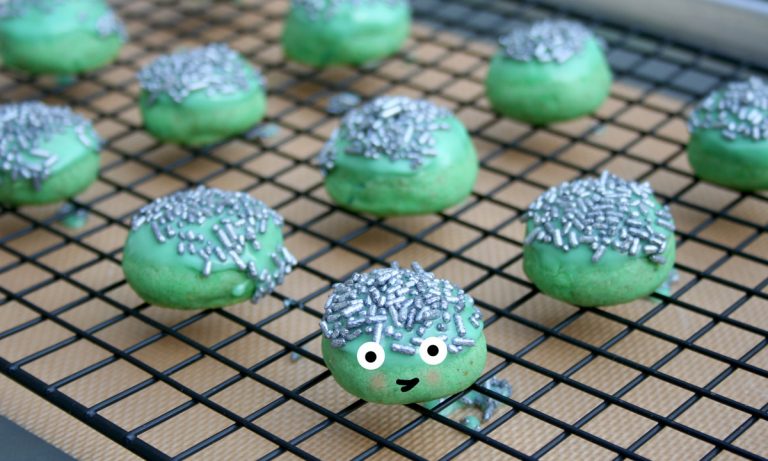
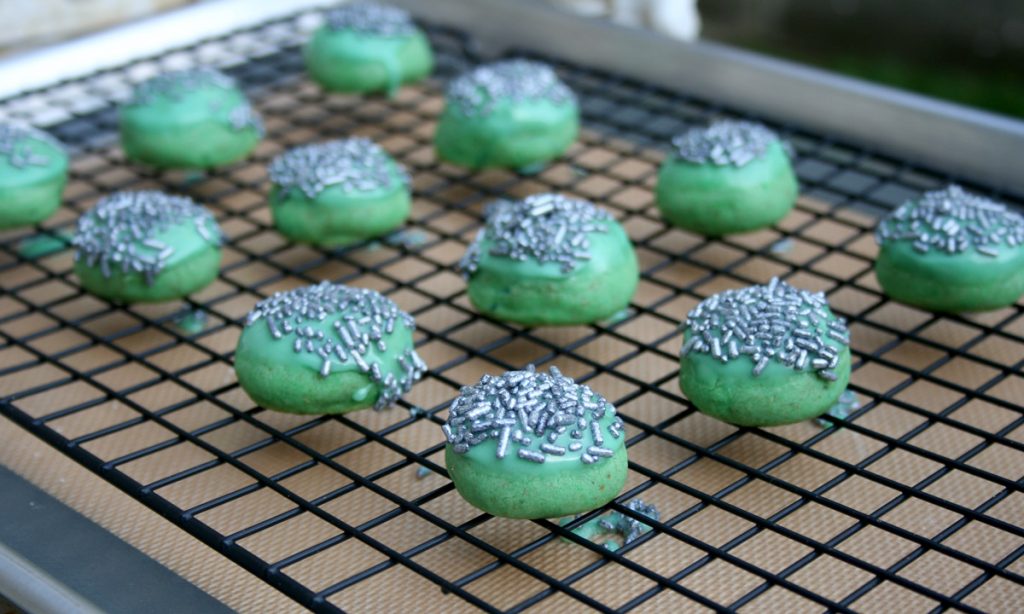
If you’re looking for a sweet little morsel with nostalgic appeal, look no further than the Bonbon Cookie. According to the Betty Crocker Cooky Book, which is where I discovered the recipe, this cookie was simply all the rage between 1955-1960. These bite-sized cookies have the visual appeal of bonbons, but a pleasant, buttery, shortbread-like flavor.

I’m fairly certain that Bonbon Cookies were never intended to be adapted into a cannabis-infused treat, and that’s what makes this recipe so fun. Making these cookies will make you feel like Donna Reed with a dark side. The earthy flavor of cannabutter works nicely with the sweetness of the icing, making for a thoroughly enjoyable edible experience.

Photos by Jessie Moore

CannaBonbon Cookies

Adapted from Betty Crocker’s Cooky Book

Makes 24 cookies

For The Cookies:

● 1/2 cup cannabutter, softened (see recipe note)

● 3/4 cup sifted confectioners’ sugar

● 2 teaspoons vanilla extract

● food coloring, if desired

● 1 1/2 cups all purpose flour

● ¼ teaspoon salt

To fill: about ½ cup chocolate morsels, nuts, dried fruit, etc.

For The Icing:

● 1 cup sifted confectioners’ sugar

● 2 tablespoons cream

● ½ teaspoon vanilla extract

● Food coloring, if desired

To garnish: sprinkles, crushed nuts, pearl sugar, etc (optional)

1. Preheat your oven to 350 degrees F. Line two baking sheets with parchment paper or silicone mats.

Photos by Jessie Moore

2. In the bowl of a stand mixer fitted with the paddle attachment, mix the cannabutter, confectioners’ sugar, vanilla, and food coloring (if using).

Photos by Jessie Moore

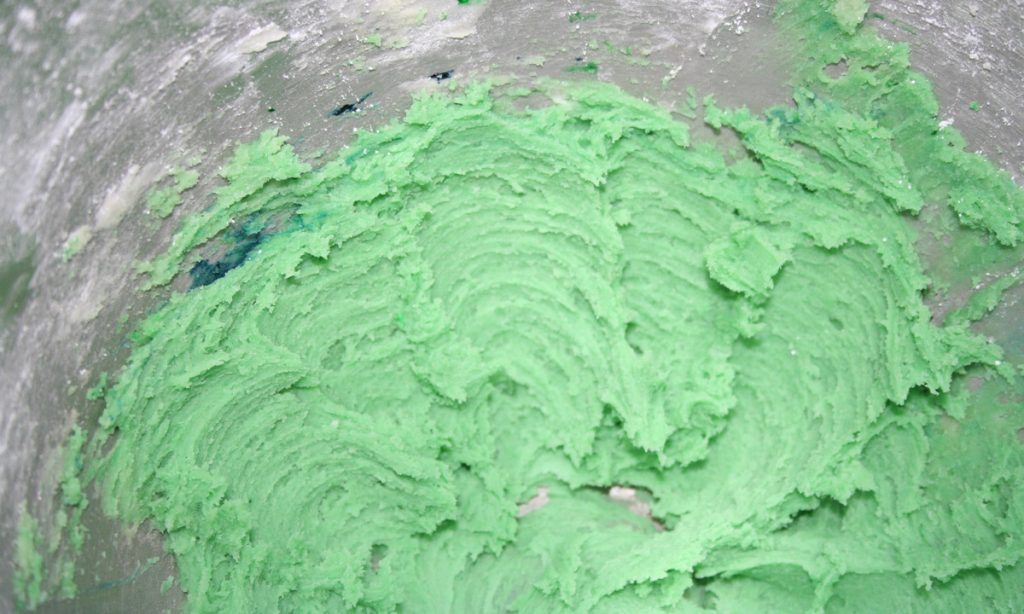
3. Blend in the flour and salt, mixing until the dough comes together into a somewhat play doh-like texture (easy to shape, not too stiff but not too soft). If the dough is too stiff, add a tiny bit of milk or cream.

Photos by Jessie Moore

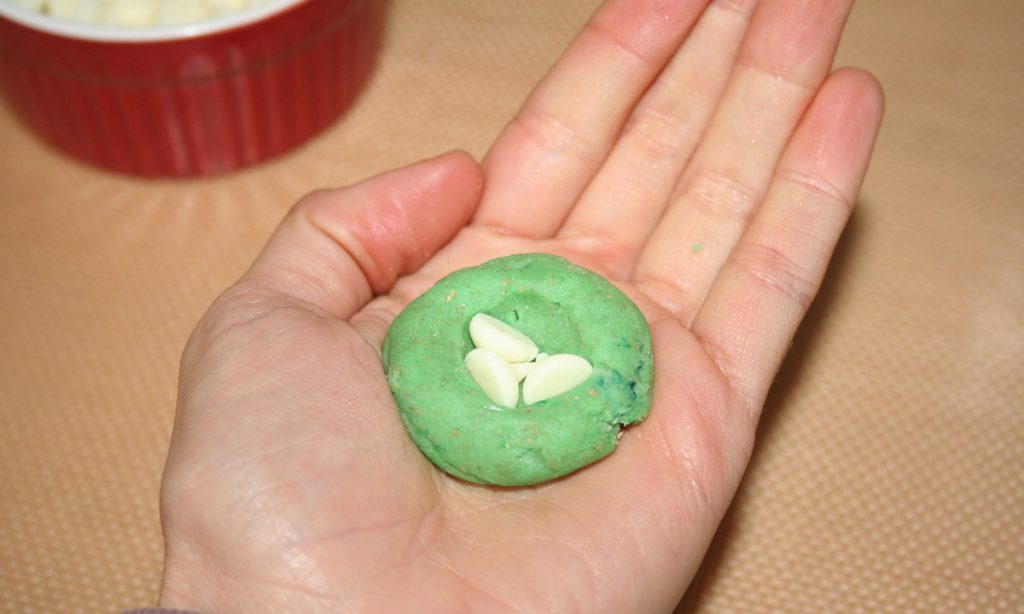
4. Wrap a tablespoon of dough around your chosen filling (I used a few white chocolate morsels per cookie), making sure to form a seal all around the filling to keep it from melting or falling out during baking.

Photos by Jessie Moore

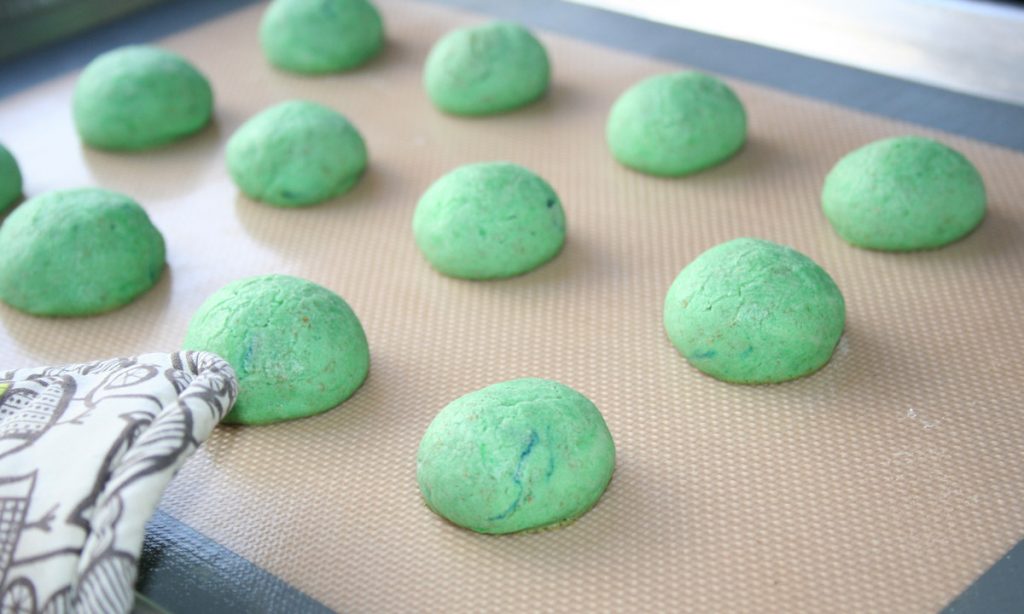
5. Place the cookies about an inch apart on the baking sheets, with 12 cookies per tray. Bake for 12-15 minutes, or until they are lightly golden on the bottoms and have a matte finish on top. Let cool briefly on the sheets, then transfer to a wire rack to cool completely.

Photos by Jessie Moore

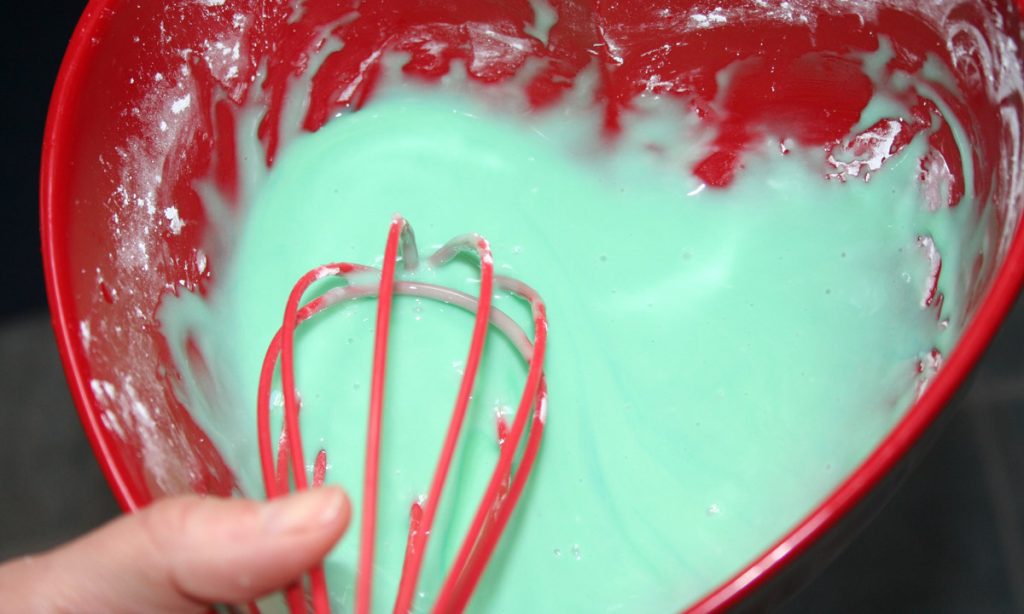
6. While the cookies cool, make the icing: whisk together the confectioners’ sugar, cream, vanilla extract, and food coloring, if using. The icing should be fairly thick, like a thick syrup texture.

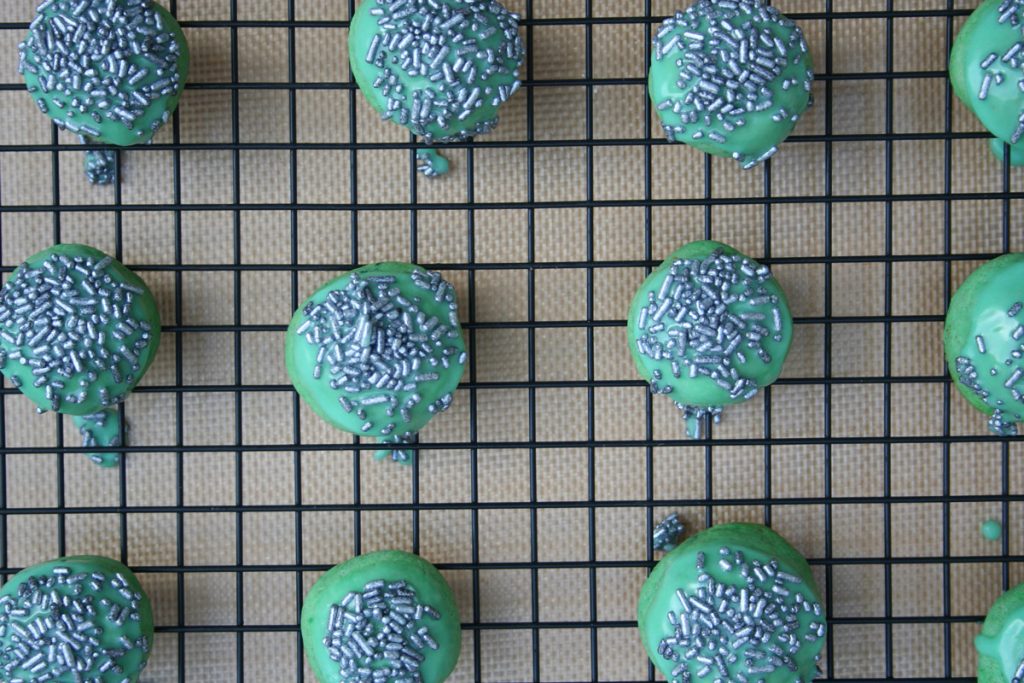
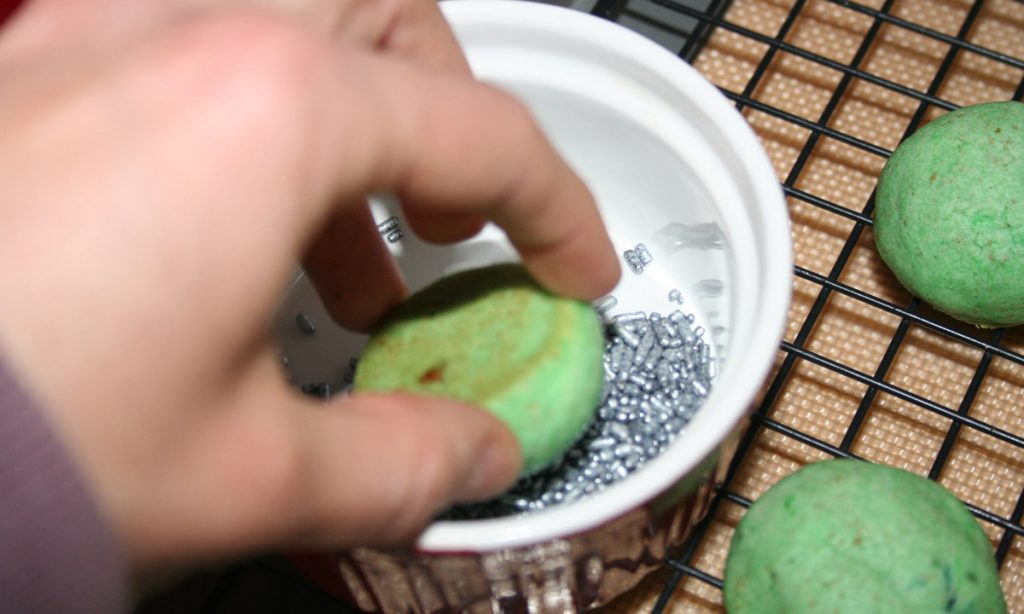
7. Dip the tops of the cookies in the icing, then immediately dip in sprinkles or any desired topping (it will stick best while the icing is still wet). Let “set” and enjoy!

Store leftovers at room temperature, well wrapped in a single layer, for up to 3 days; these cookies can also be frozen for up to a month.

Photos by Jessie Moore

Recipe notes:

To attain the perfect texture in these cookies, cannabutter made with butter or a vegan butter substitute is ideal; cannabis oil or coconut oil is not suggested.

I “dosed” this recipe with 1 teaspoon of cannabutter per serving. The strength of your finished product will depend on many factors, including the type of marijuana you used and how you made your cannabutter. For more tips on proper dosage, visit this post.

These Countries Have The Most Expensive Cannabis In The World

When is a dime bag not a dime bag? Well, it could be when that’s not the local currency. Although other times the cost of a gram may set you back up to three times that ten-spot. It’s not only a matter of supply and demand. Risk figures prominently in the equation.

The cities where cannabis costs the most have one major thing in common: Recreational and medicinal use is against the law and the penalties, even for possessing a minor amount, can be severe, even by South Dakota standards.

Seedo, a company that makes a device allowing users to grow cannabis plants at home, recently released a report that shows where the cost of a gram could set you back considerably more than ten bucks. They compiled the list through crowdsourcing and cross-referencing it with the World Drug Report 2017.

5. Bangkok, Thailand

Price per gram: $24.81

Even though it’s the namesake—if perhaps not exactly the originator—of the Thai stick, cannabis can net heavy penalties for users and growers. Possession of what is locally called ganja — the name comes from an Indian word, it’s not a Jamaican influence — can result in up to five years in prison and a fine. Penalties for growers can reach 15 years and a fine.

That’s not to say it’s necessarily hard to find. Despite its legal status, it is sold openly in bars and restaurants in areas in the country. Tourists have served jail time. A common scam is for a bartender to sell to tourists, then turn the traveler into someone who may or may not be a cop who then shakes them down for money and confiscates the drugs. The drugs, of course go back to the bartender who runs the scam again.

4. Hong Kong, China

Price per gram: $27.48

Violating Chapter 134 — the Dangerous Drug Ordinance — of the city’s law can result in stiff penalties. Trafficking can get you life. Possession or use can mean up to seven years and a $128,000 fine.

For bowl-is-half-full types, if a tourist is arrested on drug charges, they will not be deported to mainland China, unless the tourist in question is already wanted there, and even then that requires a court order.

Supply and demand may also play a role in the high cost. In December the South China Morning Post reported that police seizures of cannabis, by amount, grew 238 percent in the first 10 months of 2017. This coincided with use by those under 21 reaching 63 percent — a 50 percent hike.

3. Kyoto, Japan

Price per gram: $29.65

Japan is world-renowned for its harsh drug laws — just ask Paul McCartney. Despite a history of cultivation that dates back more than 10,000 years ago, cannabis has been illegal in the country since 1948.

Use and possession can get offenders locked up for up to five years, in addition to a fine. Selling or growing can put you away for up to 10 years and, of course, a fine.

2. Seoul, South Korea

Price per gram: $32.44

Cannabis simply isn’t that popular in South Korea, despite its population. In 2015, of the 11,916 arrests in the entire country for drug crimes, 1,100 were for the herb. Koreans have a history of cultivating hemp for fabrics since 3000 B.C.

Cannabis was made illegal in 1976 — in part because of concerns that use was rising around US military bases. Civil liberties? Not in this case. Police have the authority to stop anyone and test them for drug use. The hair follicle test most commonly used can find THC as far back as three years in some cases. And that is enough to send you to jail. Merryjane.com reports that most Americans arrested for a positive test have spent a few days to a few months incarcerated.

1. Tokyo, Japan

Price per gram: $32.66

As mentioned above, Japanese officials do not mess around with cannabis users. In addition to those penalties, foreigners can be permanently banned from entering the country ever again.

Fortunately (again, bowl-half-full), unlike South Korea police have to ask if it is OK to search you. And there are some places where dealing is known to happen, though they are pretty sketchy.

As if the police and legal system weren’t aligned against users, there’s also the risk that because of societal norms, a citizen might turn you in.

…  and in the US

Though none of the cities are in the US, Washington, D.C. was the most expensive American city at $18.08 a gram, ranking at number 11 on the world list. Voters made possession and use legal in the district in 2014. But selling is illegal and police are starting to crack down on those using “trades” to skirt the law.

Don't Miss Your Weekly Dose of The Fresh Toast.

Stay informed with exclusive news briefs delivered directly to your inbox every Friday.

We respect your privacy. Unsubscribe anytime.