A new study says that lonely people have stronger activity in the brain regions associated with imagination.
In the Insta/TicTok world, there is pressure to be popular and hang out with cool friends at trendy places. Post Covid it seems friend groups are reforming in old and new patterns and half half the people online are heading for vacation. There’s not a lot of positive stereotypes associated with loneliness; it’s largely considered detrimental to our health and happiness. But a study suggests loneliness might help strengthen our imaginations.
The study, published in the journal Nature Communications, found that lonely people show more activity in the areas of brain tied to reminiscing, future planning and thinking about others. These ties were strengthened and the gray matter was larger when compared to people who weren’t feeling lonely.
Photo by Kat Jayne via Pexels
Researchers pulled over 40,000 brain images from U.K. Biobank, a database of biological storage. The scale of the study is substantial, featuring the MRI scans of people between the ages of 40 to 69, who filled out assessments that discussed whether they felt lonely or not. The scans were then studied and analyzed, compared with the brain scans of people who said they didn’t feel lonely.
“The researchers’ hypothesis that the default network in the brain was active during loneliness was a logical one, because those are parts involved in thinking about self,” explains CNN Health.
Loneliness has long been a concern for people, with studies finding that it’s detrimental for our health and that it even increases the odds of developing dementia in adults and perhaps worsening symptoms of Alzheimer’s.
Studies like this are very important in the shade of this year, one that has been very lonely by nature, teaching us the ways in which our brain works and some of the changes it might have been submitted to. While young adults and people are more prone to social media – it might be better to take breaks and enjoy a down time and relax.
The Jed Foundation, a non-profit whose focus is on mental heath shared “One of the greatest benefits of spending time alone is how it helps you develop a better since of self. The more you know and understand yourself the more likely you are to do things that you love, learn things that interest you and spend time with people who make you feel good.”
Tips to make your dreams come true for a good night’s sleep and good morning
Occasionally being tired is part of life. New babies, great parties, bing watching, late flights or just plain old can’t sleep. But if you have too many of these kind of nights, or nights where your rest is interrupted, you may become a victim of an even worse longterm consequence: insomnia. So, dreaming of a good night’s sleep? Here are some tips.
The National Heart, Lung and Blood Institute shares Sleep deficiency is linked to many chronic health problems, including heart and kidney disease, high blood pressure, diabetes, stroke, obesity and depression. Sleep deficiency is also linked to a higher chance of injury in adults, teens, and children.
Aside from the medical side did we mention not feeling good, being crabby and putting a serious cramp into your social life is also a side effect?
Here are 5 (mostly) easy ways to improve your sleep.
Cut out stimulants
Love your coffee and smokes? You might want to cut back. While not an easy ask, giving up cigarettes and coffee may be necessary for a good night’s rest if you’re having issues falling asleep. Some people see it as to get through their day, but at night, they’re both disastrous when bedtime rolls around. At the very least, try cutting them out after lunch and see if it helps.
Caffeine can stay in your body for as long as 14 hours. The Mayo Clinic also says it may increase the amount of times you wake up during the night and decrease the amount of good sleep you get. Experts advise taking your last sip of coffee no later than noon.
Set a bedtime and stick to it
Your body loves routines, eating, working out, and also sleeping. Just like anything else, your body has to do something enough that it becomes a habit. By going to bed at the same time every night, you’ll train your body to re-set its sleep pattern. Your circadian rhythm, or biological clock, regulates your body’s day and night processes over 24 hours. Waking up and going to sleep at the same time every day reinforces your circadian rhythm and helps your body run efficiently. You’ll likely find that you even get up earlier on weekends but feel more rested.
Workout
Adding a good gym workout or even long walk to your daily routine will not only help you fall asleep, it will improve your quality of sleep. According to the Sleep Doctor:
In addition to improving the quality of sleep, exercise also can help you increase the duration of your nightly rest. Being physically active requires you to expend energy, and helps you feel more tired and ready to rest at the end of the day. Research indicates that exercise—in particular, regular exercise that’s part of a consistent routine—can help boost sleep duration, in addition to sleep quality.
A regular exercise routine can also help relieve stress and anxiety, which is often the culprit of a “toss and turn” kind of night. Says the Sleep Doctor, “just 5 minutes of exercise can trigger anti-anxiety responses in the body. Mind-body exercise such as yoga can help quiet the parasympathetic nervous system, which can help you relax.”
According to Dr. Tishler, prescription medications are usually only effective in treating the physiological causes of insomnia, not the wellness associated with both body and mind.
The benefits of using medical marijuna go far beyond extending the duration of sleep, which is merely one component of feeling well-rested, including:
Improved sleep hygiene.
Sleep hygiene refers to your quality of sleep (and the habits which contribute toward it, such as avoiding caffeine). Many users of medical marijuana report experiencing deeper, more satisfying sleep with fewer interruptions from waking in the middle of the night.
Decreased sleep latency.
Sleep onset latency (SOL) is how long it takes for a person to fall asleep from a state of total wakefulness. Marijuana can decrease SOL so that you fall asleep in a matter of minutes rather than hours.
Lack of “hangover” or impaired memory.
Many insomnia sufferers have experimented with alcoholic “nightcaps” before bed in an effort to fall asleep faster. However, this often proves counter-productive, as drinking before bed can cause you to wake feeling groggy, disoriented, headache-y, and poorly-rested. Similarly, many who use conventional sleep aids, have found themselves subject to morning fuzzy-headedness and even loss of short-term memory. Marijuana does not produce unpleasant hangover effects, though patients are advised to stay well-hydrated.
Unplug
This may seem like a no brainer, but turning off your electrical devices before bedtime can help you sleep. The blue glow of an iPhone, laptop, or iPad can slow down the production of the sleep hormone melatonin. According to a 2015 study:, the use of these devices before bed also reduces alertness the following morning.
Use of light-emitting devices immediately before bedtime also increases alertness at that time, which may lead users to delay bedtime at home. Overall, we found that the use of portable light-emitting devices immediately before bedtime has biological effects that may perpetuate sleep deficiency and disrupt circadian rhythms, both of which can have adverse impacts on performance, health, and safety.
So, give your device a rest so you can finally get some.
No matter what you identify – marijuana can have different impacts on you based on gender. Research based on women/men is rare and there needs to be much more medical marijuana research done. Here are five ways in which cannabis can affect men and women in differently:
While research A little relief followed by caution is what research from OHSU discovered. Women using cannabis on a frequent weekly bases can develop heavier cycles and also disrupt their ovulating opportunities.
Women are also able to feel more pain relief than men due to THC’s relationship to estrogen. Research conducted on mice supports this belief, demonstrating 30% more relief from the females than the males. Men will have to consume much more cannabis to experience the same amount of pain relief.
Researchers at Washington State University have found evidence indicating that females may build up a tolerance to marijuana more easily than males do. This is positive since they will have to smoke much more to get the usual high. This trait was demonstrated on a study conducted on mice, which proved that females developed a resistance within a period of 10 days, at which point they needed a much higher dose of cannabis to show a response to the plant.
Stanford Medicine, of all people, did a study on sex and marijuana indicates that, despite concerns among physicians and scientists that frequent marijuana use may impair sexual desire or performance, the opposite appears more likely to be the case. In low doses, cannabis improves the libido of women, but high doses have the opposite effect due to the way in which THC affects estrogen, impairing it and making women less interested in sex. When it comes to men, it’s more complicated because it raises their libido shortly after smoking while consumed in low doses. When consumed in high doses, the spike in libido is much shorter. Old users find it is a great way used in lower dosage to “reignite” the fire and making it a more pleasurable process for both. I this
Also according to the researchers from Washington State University, men’s hunger is greatly more affected than women’s, making them eat much more than them. This could have an impact on health and clothing options.
Medical marijuana glaucoma treatment can help reduced eye pressure and relieve pain. But it isn’t the cure people think.
Glaucoma is the second leading cause of blindness (cataracts are number 1) with about 3.5 million Americana and Canadian’s suffering through this disease. It is a gradual loss of vision caused by damage to the optic nerve making it tough for improvement. It comes in several varieties, but essentially the culprit is increased interocular pressure (IOP) caused by a build up of fluid in the eye. Can cannabis help? Here is some information about glaucoma and medical marijuana.
What Is Medical Marijuana Glaucoma Treatment? The discovery of cannabis’s glaucoma-fighting power was happy accident in the War on Drugs. In the early 1970s, a group of UCLA researchers, led by Drs. Robert Hepler and Thomas Ungerleider, began studying the telltale marijuana “red eye” and pupil dilation in hopes of somehow using the phenomena to help the DEA to narc out stoners. The real takeaway, however, was something not at all expected: Cannabis—particularly the THC in cannabis—reduced eye pressure by 25 to 30 percent. That result is currently as good as any produced by an FDA-approved glaucoma medication.
What’s the Catch? Unfortunately, the effect cannabis has on IOP lasts only about three hours, and THC, the element most responsible for pressure relief, is also the most psychoactively potent. To be completely treated, you’d need to smoke around six or seven joints a day. The potency can vary so you could vape or have low dosage preroll – but you would still be dependent on THC hitting your system often.
Photo by Flickr user National Eye Institute
What Do the Pros Say? Neither the American Association of Ophthalmology, American Glaucoma Society, nor the Glaucoma Research Foundation endorses medical marijuana glaucoma treatment. This is partially because they view having a perpetual pot high as a less-than-optimal way of being in the world, but they also have a medical reason: Lowered blood flow can damage the optic nerve, and one of the side effects of cannabis is to lower blood pressure. Ironically, then, pot can both ease glaucoma and make it worse.
What’s Next? A topical treatment could be a way of sidestepping the intoxicating side effects of smoked or ingested cannabis. THC eyedrops have been tested, but there are practical hurdles to clear: THC dissolves best in alcohol or oil—neither of which is something you want to put in your eye. Saline-based THC eye drops, at least at the moment, can’t deliver a powerful enough does. More troubling, topical THC can damage the surface of the eye. But this doesn’t mean that THC therapy is at an impasse, just that more research and testing is needed.
Bonus, Non-Glaucoma Factoid: Dr. Hepler’s team also found that cannabis suppresses tear production. While that’s bad news for wearers of contact lenses, one canny housewife reported that toking up was a prophylactic against that well known culinary malady: chopped-onion induced lachrymosity.
Want to join the extreme experience when you consume? Maybe try an enhanced pre-roll
Consumers don’t mind the extreme experience occasionally – we have Doritos Extreme, XXXXX Hot Sauces, TikTok chalneges – everyone wants more, extra, extreme and mainly different. So what about a cannabis infusion pre-roll??
An infusion is the introduction of marijuana concentrates into other products like pre-rolls, oils, or edibles. This process enhances the potency and flavor of marijuana products, making them more appealing to users who prefer a stronger experience.
Infusion methods vary depending on the desired final product. But they all involve heating cannabis and a carrier substance (butter or oil) together to transfer terpenes and cannabinoids.
Here are the main infusion methods you need to know:
Decarboxylation involves heating cannabis to activate the cannabinoids, making them more bioavailable. You can do this in an oven or a specialized device, and it’s always the first step in most infusion processes.
Oil-based infusion is when you heat cannabis concentrates in a carrier oil, such as olive oil. The resulting product is cannabis-infused oil that you can use in topicals and edibles.
Alcohol-based infusion is soaking cannabis flowers in high-proof alcohol to create a tincture that can be added to drinks or used sublingually.
Fat infusion involves heating cannabis in fat to create fat-infused butter that can be used in baked products.
Understanding infused pre-rolls
Pre-rolled infusion is another method of cannabis infusion where cannabis extracts are added to pre-rolled joints. Also known as infused blunts or infused joints, these products come in various strains and flavors. As mentioned earlier, you can find them at licensed cannabis dispensaries in states where marijuana is legal.
They typically combine high-quality flower with cannabis extracts to create a more potent and flavorful smoking experience. Infusion methods vary depending on the desired final product. But they all involve heating cannabis and a carrier substance (butter or oil) together to transfer terpenes and cannabinoids.
It’s important to note that infused pre-rolls can be very potent and may not be suitable for novice cannabis users. It’s always a good idea to start with a small amount and wait for the effects to kick in before consuming more.
Infusion methods vary depending on the desired final product. But they all involve heating cannabis and a carrier substance (butter or oil) together to transfer terpenes and cannabinoids.
Here are the main infusion methods:
Decarboxylation involves heating cannabis to activate the cannabinoids, making them more bioavailable. You can do this in an oven or a specialized device, and it’s always the first step in most infusion processes.
Oil-based infusion is when you heat cannabis concentrates in a carrier oil, such as olive oil. The resulting product is cannabis-infused oil that you can use in topicals and edibles.
Alcohol-based infusion is soaking cannabis flowers in high-proof alcohol to create a tincture that can be added to drinks or used sublingually.
Fat infusion involves heating cannabis in fat to create fat-infused butter that can be used in baked products.
Here is how pre-rolls can potentially enhance your marijuana experience:
Increased potency
The quality of a regular joint varies depending on the strain, quality of the flower, and the skill of the one who rolled it. But an infused pre-roll guarantees high potency because of concentrates such as hash, oil, or kief.
When you smoke infused pre-rolls, you’ll get a more intense and longer-lasting “high” than a regular joint. A few puffs can give you the experience you desire.
It’s worth noting that these products are ideal for those who’ve built up a tolerance to cannabis. That means they need a higher potency to achieve their desired effects. Therefore, they’re not recommended for newbies.
Another important thing to remember is that infused pre-rolls vary with the type, quality, and amount of concentrate used. So, it’s essential to purchase your infused pre-rolls from a reputable marijuana dispensary.
Enhanced flavor
The cannabis concentrates or oil adds a robust and flavorful taste to the infused pre-rolls. There is a wide range of strains and flavors to choose from, which is great for marijuana enthusiasts.
This enhanced flavor allows you to enjoy your smoking experience. At your nearest dispensary, you’ll likely get different flavors based on their components. If you’re a beginner, it’s a good idea to consult the budtender before completing the purchase.
It’s also worth noting that various strains you’ll find at the store have different effects and benefits. If you’re adventurous, you can explore several strains and flavors and find what works best for you.
Infused pre-rolls are often more convenient to use than traditional flowers, as they don’t require grinding or rolling. As such, it’s a great option for those who want a quick and easy smoking experience.
It’s useful when you are traveling or in situations where you may not have access to rolling papers or other smoking accessories. Infused pre-rolls are ready for use; you just need your lighter.
Infused pre-rolls also come in different sizes and packaging options, making them easy to carry and store. Some brands offer individual pre-rolls that are packaged in child-resistant tubes, making them easy to carry in a pocket or purse. Other brands offer larger packs of pre-rolls that are sealed for freshness, making them easy to store and use over a longer period.
Precise dosing
Infused pre-rolls are made using precise measurements and techniques, ensuring each joint has a consistent and reliable dose of cannabis. This means that you can have better control over your cannabis consumption and can accurately determine the amount of cannabis you are consuming with each puff.
For medical cannabis users, precise dosing is particularly important as they need to ensure they take the correct dosage to manage their symptoms effectively. Infused pre-rolls can provide a reliable and consistent dose, making it easier for medical cannabis users to manage their dosing.
Additionally, precise dosing can be beneficial for recreational cannabis users who are looking to have a more controlled and predictable experience. Infused pre-rolls can help users avoid overconsumption or taking too little, resulting in an unsatisfying experience.
Potential medicinal benefits
Infused pre-rolls may have additional medicinal benefits beyond those of traditional pre-rolls. Of course, experts are still doing their research. Also, these benefits depend on the specific cannabis strains and concentrates used.
Pain relief
Infused pre-rolls may provide pain relief due to the added concentrates, such as CBD, which has analgesic effects. Additionally, smoking cannabis can activate the body’s endocannabinoid system, which is involved in pain regulation.
A caution that infused pre-rolls are not for the newbie or beginner.
Studies show marijuana users are less likely than non-users to develop metabolic syndrome, which makes it difficult to lose weight.
Spring is here and summer is around the corner. As we scroll Instagram and TicTok, we are already seeing beautiful bodies on a boat, be a pool or lounging on the beach. While the concept of sexy bodies are involving (think Lizzo and Peter Davidson), most American carry a something extra that doesn’t make baring the body comfortable. Can cannabis help get ready for swimsuit season? Well, according to a study published in the American Journal of Medicine, marijuana users are less likely than non-users to develop metabolic syndrome, which is a significant risk factor for obesity, type II diabetes, and heart disease.
Conducted by scientists at the University of Miami in Florida, this study examined the relationship between cannabis consumption and the individual components of metabolic syndrome, such as high blood pressure, increased abdominal fat, elevated blood sugar, and unhealthy cholesterol levels.
Nearly 8,500 people from age 20 to 59 provided survey data for the study. Participants were separated into three categories—current marijuana users, past users, and those who had never smoked the herb. Whereas metabolic syndrome afflicts 22 percent of the U.S. adult population, less than 14 percent of current cannabis-using adults in this study had metabolic syndrome.
Among young adults, cannabis consumers are 54 percent less likely than non-consumers to present with metabolic syndrome. Past marijuana use is associated with lower odds of metabolic syndrome among middle-aged adults. And seniors who medicate with cannabis tend to be slimmer and less insulin-resistant than seniors who just say no.
The Munchies Receptor
The results of the study, entitled “Metabolic Syndrome among Marijuana Users in the United States,” may seem counterintuitive given marijuana’s notorious appetite-stimulating effects, jocularly known as “the munchies.” Under the influence of marijuana, flavors seem to jump right out of food. That’s because tetrahydrocannabinol (THC) activates CB1 cannabinoid receptors in the brain that rouse one’s appetite and heighten one’s sense of smell.
The munchies are a scientifically proven phenomenon. THC is a CB1 “agonist” that turns on the appetite receptor and causes it to signal. An “antagonist” will block the receptor and prevent it from signaling. Tetrahydrocannabivarin (THCV), a minor but medically significant component of the cannabis plant, is a neutral CB1 receptor antagonist.
Scientists have also synthesized “inverse agonists” that can activate a cannabinoid receptor and cause it to signal in the opposite manner from how it functions naturally. A CB1 inverse agonist will curb appetite and reduce food intake by binding to CB1 receptors, whereas THC boosts appetite and food intake by binding to CB1.
One could reasonably assume, given what we know about the munchies, that increased use of marijuana will result in greater caloric consumption with consequent adverse metabolic outcomes, including obesity. However, the results of this study and other reports indicate that such is not the case. Indeed, the opposite appears to be true.
In addition to underscoring potential health benefits of herbal cannabis, these findings highlight the discrepancy between human research that links marijuana use to lower rates of obesity compared to preclinical studies involving synthetic isolates in which CB1 antagonism (blocking the munchies receptor) and CB1 inverse agonism (flipping the anti-munchies switch) are shown to prevent obesity.
How is it possible that marijuana consumption, which activates CB1, is associated with preventing obesity in humans, while blocking or reversing the CB1 receptor via a synthetic, single-molecule compound results in weight-loss in animal models and human trials? What can explain this apparent contradiction? It may have something to do with the complementary, yet opposing functions of two different sets of cannabinoid receptors.
CB2 Receptor Activation
Australian scientists recently examined the role of the cannabinoid CB2 receptor “in modulating energy homeostasis and obesity-associated metabolic pathologies.” The CB2 receptors are concentrated in the peripheral nervous system, immune cells, and in metabolically active tissue. The Australian researchers found that CB2 receptor activation by JWH-015, a “selective CB2 receptor agonist,” reduces food intake in mice and prevents the build-up of body fat.
THC, a non-selective, plant-derived agonist, binds to both the CB1 receptor and the CB2 receptor. The fact that THC and other cannabis components (including the aforementioned THCV) activate CB2 receptor signaling may explain why marijuana users are less likely to develop metabolic syndrome than marijuana abstainers. Metabolic syndrome is a generalized, low-grade inflammatory condition, and the THC-sensitive CB2 receptor regulates immune function and inflammation.
CB2 receptor activation—through healthy diet and cannabis-enabled stress reduction—may prove to be a better strategy for preventing and treating metabolic syndrome than the misguided attempt by French pharmaceutical giant Sanofi-Aventis to market Rimonabant, a synthetic CB1 inverse agonist as an appetite suppressant. Promoted as a blockbuster diet drug in 2006, Rimonabant was soon recalled in Europe because of severe side effects, including neurological deficits, depression, and suicide. The anti-munchies pill was never approved for sale in the United States.
This is a long way of saying, maybe have less calorie filled beer or overly sugary cocktails for a vape or an oil if you want to be beach ready.
Don’t be ridiculous, Andrea – there are lots more ways to get high!
Viral trends are exploding – from vodka butter, mushrooms over meat, half proof cocktails, to tinned dinners – so why not start something new in cannabis? Mix it up on how to consumer marijuana with these 5 fresh ideas.
Soup Mix
Bring out the Ina Garten or @dudethatcooksz and make your own spring soup with a kick! Break away from the brownie cliche and embrace other food groups. Celebrity chef and founder of the modern hospitality education company Repertoire, Justin Khanna, shares “incorporating marijuana in soups becomes easy in spring with the already-vegetal-heavy seasonal flavors – asparagus, fava beans, and peas. If you’re looking for depth and richness, add garlic to marry the entire bowl together”. Soups can be sipped in a small amount, stored easily and you can make a variety of flavors.
While it may sound a little weird, THC infused suppositories work great for medical patients who are in search for immediate relief. While they take a little while to kick in, the body ends up absorbing around 80% of the cannabis, a much higher amount than when you consume marijuana through smoke or vape. The same goes for marijuana tampons, which are a game changer for women who suffer from endometriosis and seriously painful cramps. Can’t Afford $50 Marijuana Tampons? Here’s How To Make Your Own.
Sublingual Strips
Quick and discreet are the catchwords of sublingual strips. Place the THC under your tongue and you take off for your flight in 5 to 15 minutes. For those who don’t want to smoke or have coughing or esophageal issues – this is a great option. Also a fun way to do something that should have the same impact as smoking or vaping.
Taking a page from the cigarette industry – THC transdermal patches are among the most peculiar cannabis products out there. They deliver strong results IF you place the patch in a veinous area of the body. These patches release THC directly into the bloodstream over a slow period of time, preventing negative side effects and bad highs. It’s a method that’s discreet and beneficial for people who don’t want to inhale or eat any type of cannabis. Here’s Why You Might Want To Try Some Transdermal Cannabis After Your Next Workout.
Gum
Here is something to chew on – cannabis infused gum is another item available. Blend in the flavor of bubble gum, spearmint, and other old school taste with an old fashioned high. The amount of THC varies depending on the brand. JoyGum, for example, has 10mg of weed per serving, providing a kick that’s manageable and that is available in different flavors. Cannabis infused gums make great options for people who are looking for the medicinal and relaxing benefits of the drug. Low dose gum could help those experience increased anxiety.
From flooding in Florida to the Washington, spring doesn’t seem to be near, but allergy season is upon us. It seems cruel to be wearing a heavy cut and dodging the wacky weather while having to endure stuffy nose, runny eyes and more.
There are way to help during this rough transition. First, make sure you don’t have a cold. Cold and allergies are two entirely different things. While the common cold is caused by viruses, seasonal allergies occur when the immune system overreacts to an allergen. Still, colds and allergies can share some symptoms in common, such as a runny nose, sneezing, and congestion. Other symptoms, such as body aches and fever, are not associated with allergies, and the itchy eyes common to an allergic reaction rarely occur with a cold.
If you stock up on CBD now, you may be able to avoid some of your usual issues. It turns out, CBD may prevent your cells from releasing histamines, which means less sneezing, wheezing, all those other pesky symptoms.
A way to go through the blooming season is to explore what CBD can and can’t do for your spring allergies.
As mentioned above, CBD can help suppress your mast cells (the ones that are responsible for allergic reactions) from releasing histamines. Normally, when you are allergic to something outside, like pollen or grass, your body’s immune system activates a chain reaction to release histamines as a form of protection. That unfortunately also results in lots of allergy symptoms. But Allergy medications act as antihistamines, and CBD does essentially the same thing. That means less sneezing, coughing, and watery eyes — even as pollen season gears up.
What does inflammation have to do with allergies, you ask? Well, if you’re allergic to pollen, for example, being near it causes inflammation and swelling of the lining of your nose and the protective layer of your eyes. Thus, why you feel “stuffed up” and why your eyes are watering. CBD is an anti-inflammatory, so it can help you get through the season unharmed.
Adding to the misery of a stuffy head, unsightly body blemishes as it becomes short sleeves season is the worst! Rashes and eczema due to allergies can be downright miserable and tough solve quickly. CBD calms skin, helps with itching, and reduces inflammation. That’s why you see it in so many topical products now. If you live with eczema, or experience rashes or itching due to seasonal weather, you’ll want to look into topical CBD cream to find some relief.
Remember, CBD may do a lot to ease your allergy symptoms. Unfortunately, it’s not a cure, though. Don’t go off your usual allergy medication and make sure to keep up with those allergy shots. Talk to your doctor if you aren’t sure what medications you’ll need to feel better.
And make sure you don’t buy into myths about seasonal allergies. Take trusted advice
and know cut flowers aren’t a trigger, local honey doesn’t fight off allergies and rain doesn’t wash it all away.
Bank failures, Indictment, weather – it has been a week, time to set back and unwind in a healthy way.
Rough weather, indictments and calls for riots, bank failures have dominated the news – all that is missing are murder hornets and an interview from Prince Harry and Meagan. Maybe it is time to unplug, unwind and chill in a healthy way. Relaxation is “a process that decreases the effects of stress on your mind and body.” It Has Been A Wild News Week – Here’s How CBD And Weed Can Help You Relax
According to the Mayo Clinic, nearly everyone can benefit from learning relaxation techniques. Breathwork and meditation are common relaxation techniques, as is drinking herbal tea or using aromatherapy. Consider a long walk, yoga or just turning off the news and turning on some calm music.
In the first set of relaxation techniques, you are interacting with your autonomic nervous system to lower your state of arousal. In the second set of relaxation techniques, you are using natural compounds to promote feelings of relaxation. These natural compounds could be anything from lavender or chamomile, to cannabis or CBD.
Interestingly, the compound in lavender that relaxes you is called linalool, which is a terpene that you can find in various cannabis strains.
What does it look like to use cannabis or CBD to help you relax?
It could be a weekend warrior who uses a 1:1 THC:CBD tincture most nights to relax after working at a high-stress job, taking care of the kids, and maintaining a rigorous training schedule. Or a yoga practitioner staying healthy at 70 by using CBD oil to amplify the relaxation brought on by her yoga nidra meditations. Or a young couple who shares a joint before bowling night to relax and be more present in the moment.
Photo by Fiordaliso/Getty Images
Does Weed Help You Relax?
What is the difference between using weed to relax and using weed to relieve stress? While stress relief and relaxation are interrelated concepts, we are drawing a distinction between these two goals.
When you use weed to relieve stress, you are bringing yourself from a state of mild physical or emotional discomfort, anxiety, or unpleasantness to a normal state. When you use weed to relax, you are in a normal state, and you are using cannabis to banish any remaining tension and sink into a state of deep calm and relaxation. Of course, many Jointly users want to relieve stress and relax at the same time, so these experiences are often chosen together.
So, does weed help you relax? Weed is well-known to produce feelings of calm and relaxation at low doses. According to a joint study from University of Chicago and University of Illinois in Chicago, a low dose of cannabis significantly reduced feelings of stress and promoted feelings of relaxation in healthy subjects. But a slightly higher dose increased feelings of stress.
Higher doses of cannabis may not relax you, as THC has a biphasic response in which low doses relieve stress and promote feelings of relaxation, while high doses may increase stress or even make you paranoid. In general, side effects from cannabis can be mitigated by taking the minimum effective dose you need to get the results you want.
Does Weed Relax Muscles?
Muscle tightness and cramps can be caused by some common medications, by dehydration, or by overexerting yourself. Tight muscles and cramps can be painful and unpleasant, but there is some evidence that weed helps relax tight muscles. Most of the research on how weed affects tight or spasming muscles has been done on multiple sclerosis. While medical marijuana may be part of the treatment plan for multiple sclerosis, we are discussing using weed relax tight muscles from the wear and tear of daily life.
Muscle spasms are thought to originate in areas of the brain that control movement, and several of these sites contain high concentrations of endocannabinoid receptors. While the exact mechanisms by which cannabis alters movement haven’t been teased out, the way cannabis affects these brain areas likely plays a role in why so many people find that weed relaxes tight muscles.
Photo by Kampus Production via Pexels
Why Does Weed Help You Relax?
We have determined that a low dose of cannabis may promote feelings of relaxation and that weed does relax muscles, but why does weed help you relax? Weed is great for relaxing because of the wide variety of psychoactive effects produced by cannabis. Remember that the definition of relaxation is a state in which you are free from negative emotion, which allows you to have greater resilience when you are experiencing stress.
Cannabis promotes feelings of relaxation by decreasing feelings of stress and anxiety, elevating your mood, uplifting and energizing your mind, and keeping you occupied in the present moment. Together, this combination makes cannabis a highly effective relaxation tool. To learn all about the different ways cannabis helps relieve mild daily stress or how weed uplifts and energizes your mind, click those links!
But here is a quick overview of why cannabis helps you relax:
Cannabis produces its effects when molecules called cannabinoids interact with your endocannabinoid system (ECS). The ECS is a “ubiquitous system that provides homeostatic balance to the nervous and immune systems, as well as many other organ systems.” The ECS plays a role in modulating everything from sleep, to mood, to appetite, which is why cannabis can produce such a wide range of effects.
The ECS is composed of the endogenous ligands (AEA and 2-AG) also known as endocannabinoids, their receptors (CB1 and CB2), and the enzymes that degrade and recycle the ligands. Ligands and receptors are like keys and locks. When the ligand binds to the receptor, it produces a signal in the cell. To understand why cannabis has such a relaxing effect, we need to zoom in a little bit on how THC affects the brain.
A Deep Dive On Why Weed Relaxes You
Most psychoactive effects from cannabis come from THC interacting with CB1 receptors in your brain. Within the brain, CB1 receptors are expressed on GABAergic, glutamatergic, serotonergic, noradrenergic, and dopaminergic axon terminals. An axon terminal is the end of a nerve fiber that holds neurotransmitters and releases them across the synapse to the target cell. GABA, glutamate, serotonin, noradrenaline, and dopamine are neurotransmitters.
Neurotransmitters are chemical messengers that are released from the axon terminal of a neuron and trigger changes in the target cell.
When you ingest THC, “activation of these [CB1] receptors results in a robust suppression of neurotransmitter release into the synapse.” In other words, THC interacts with CB1 receptors on axon terminals, which suppresses the release of neurotransmitters. Glutamate is the primary excitatory neurotransmitter and GABA is the primary inhibitory neurotransmitter, and “the equilibrium between GABAergic and glutamatergic transmission provides an appropriate emotional reactivity.” Basically, GABA helps you feel calm, and glutamate stimulates your brain.
CB1 receptors are widely expressed on GABAergic neurons and, to a lesser extent, on glutamatergic neurons. Scientists have proposed that “low THC doses…act preferentially on glutamatergic neurons, whereas high THC doses have been proposed to act also at GABAergic neurons.”
Essentially, a low dose of THC may suppress the release of glutamate in your brain, relaxing you. A higher dose of THC may suppress the release of GABA, leading to anxiety. This reality may explain why cannabis has biphasic effects, promoting relaxation in low doses, but sometimes increasing anxiety in high doses.
Photo by Andrea Piacquadio via Pexels
Meditating While High
One of the best ways to relax is to combine your favorite relaxation technique with cannabis. For example, you could try meditating while high. You might wonder, does weed help with meditation? Can you meditate while high?
As you might expect, the best way to enhance your meditation practice with marijuana is to microdose. High doses of cannabis are more likely to cause anxiety or disorientation, which may make it difficult to meditate while high.
Some people find that weed helps them meditate because it helps them stay present in the moment. When mindfulness practitioners are tuning into their environment, they listen to the sounds around them, they feel the breeze on their skin, they smell the air—they tune in to their sensory perceptions and the world around them.
Cannabis is well-known to increase your sensory perception, possibly amplifying your connection to the present moment. If you want to supercharge your relaxation, try meditating while high.
Does CBD Relax You?
Many people find CBD to be more relaxing than THC. While CBD is a cannabinoid like THC, it exerts its effects through different mechanisms of action.
Research has shown that CBD can affect the serotonin system and the ECS in ways that may promote relaxation. For example, levels of the endocannabinoid AEA are correlated with feelings of relaxation, and CBD has been shown to elevate levels of the AEA by inhibiting the enzymes that break it down.
You can incorporate CBD into your relaxation practice in lots of creative ways. For example, you could massage a CBD balm into your feet before taking a relaxing walk. Or you could take a CBD oil capsule before your meditation session. Or you could take a few puffs of a high CBD strain before taking a bath. Both full-spectrum CBD and isolate CBD bolster your endocannabinoid system and can promote feelings of relaxation. Please note that CBD is not an FDA approved treatment for stress and anxiety disorders and we are discussing using CBD to improve your general well-being.
How Much CBD to Relax?
How much CBD do you need to take to relax? CBD has a good safety profile and is well-tolerated in most people from doses of 5mg to 500mg. Of course, everyone is different. The way CBD affects you might not be the same as another person. The best way to find out how much CBD you need to relax is to experiment with different dosages and CBD products and record your experiences on the Jointly app.
Best Weed Strains to Relax
If you have been inspired to add cannabis to your relaxation toolkit, you might be wondering what is the best marijuana strain to relax and mellow out? If you search online, you will find recommendations about Blue Dream, OG Kush—potent, high-THC strains that have a significant psychoactive effect. But before you choose your relaxing weed strain, we encourage you to look at our article Why Jointly is Better than a Strain Finder. In that article, you will learn what strain names really mean and how to use Jointly to discover the most effective products in your area.
Jointly is a cannabis wellness platform that helps you achieve your wellness goals with cannabis and CBD. Perhaps you will discover that you feel the most relaxed when you eat a 1:1 weed gummy in the afternoon, after a hard workout.
When you use Jointly, you are rating how well a product helped you achieve your wellness goals. Over time, your average ratings should go up as you optimize how you consume cannabis and CBD. Use the Results Tracker feature to make sure your results are improving over time.
How to Find Cannabis and CBD Products for Relaxation
Looking for products that can help relax? Brands and manufacturers have designed a vast range of legal cannabis and CBD products for this exact purpose: lemon balm-infused CBD gummies, vape pens with relaxing blends of terpenes, CBD-rich bath bombs and more. But how do you know if these products actually work? Jointly’s Product Finder feature allows you to look up legal, licensed cannabis and CBD products in your state based on your wellness goals. Select Relaxation and see how other users like you rated a product on a scale from 1-10, based on how well it helped them relax. By reporting your cannabis and CBD consumption, you are contributing important data to the Jointly community and helping Jointly make better product and routine recommendations for you.
Download the Jointly app on the App Store or the Google Play Store to get started on your cannabis wellness journey.
These cannabinoids are intoxicating, and the somewhat questionable regulatory standards surrounding them can result in inconsistent potency.
You may have heard of them, but what are they — and are they really any different from one another? We are here to avoid the confusion and help understand the cannabinoids Delta-8, 9, and 10 THC.
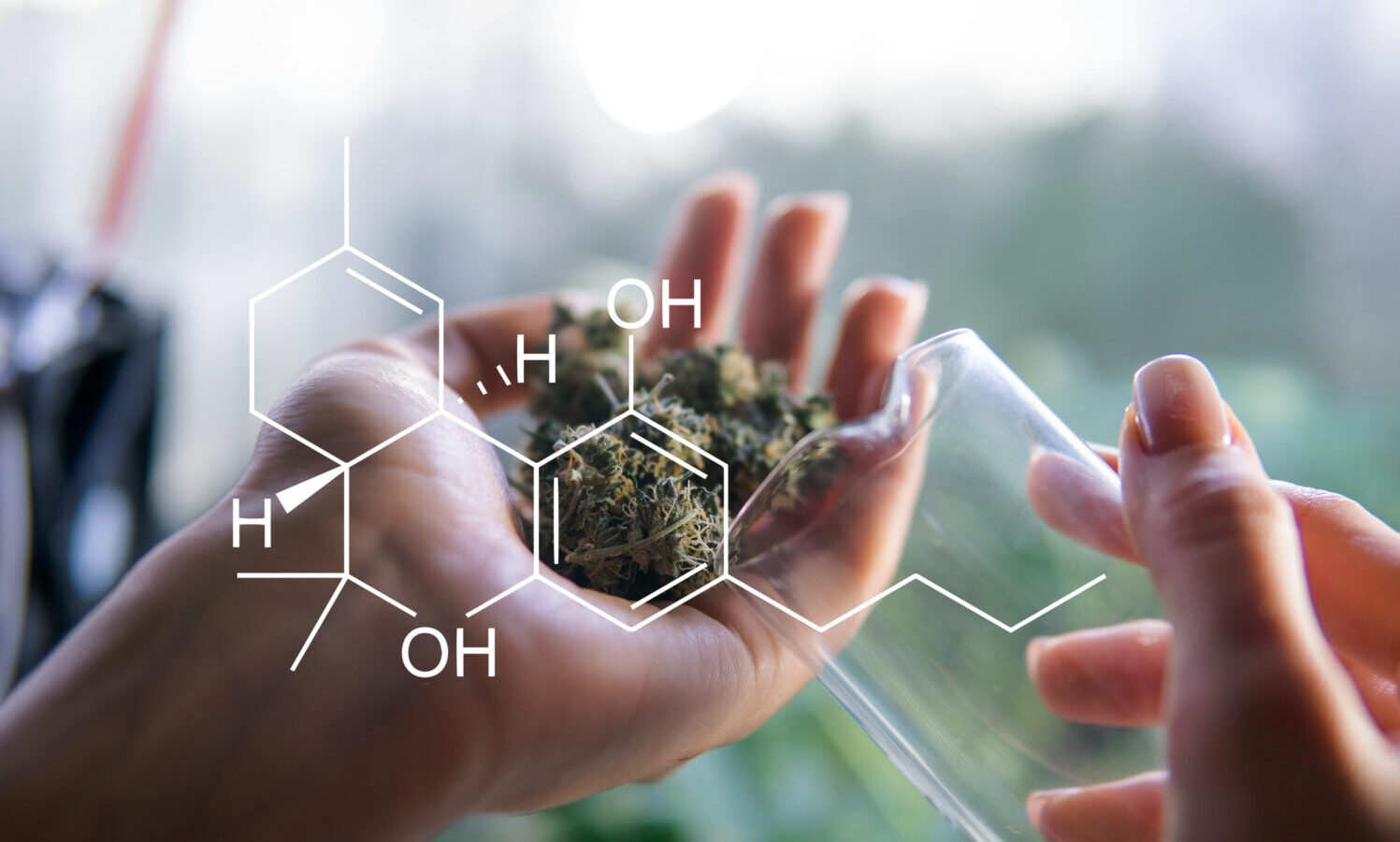
When we talk about cannabis, the THC that is typically referred to is delta-9 THC. Delta-9 THC is the tried and true classic, most often responsible for the high that people associate with cannabis. Where things start to get complicated is when we talk about delta-8, delta-10, and other cannabinoids (the chemical compounds in cannabis that are responsible for its effects).
To understand the difference we can look to the 2018 Farm Bill, which separated hemp from cannabis. The big distinction between the two is that hemp specifically has under 0.3% delta-9 THC (on a dry weight basis). However, as we all quickly found out, delta-9 THC is not the only intoxicating cannabinoid. Using federally legal hemp, operators have been able to convert CBD to delta-8 THC, delta-10 THC, and other intoxicating cannabinoids (usually through a chemical process called isomerization).
Photo by HighGradeRoots/Getty Images
Delta-8 and delta-10 THC have slight differences in their chemical structure as compared to delta-9 THC. By using hemp and keeping delta-9 THC concentration below 0.3%, people have created THC isomers that are technically federallylegal.
As far as their effects, delta-8 and delta-10 THC are generally considered to be similar but slightly less potent than delta-9 THC. Still, these cannabinoids are intoxicating, and the somewhat questionable regulatory standards surrounding them can result in inconsistent potency.
While these are some of the most common, they are not the only intoxicating cannabinoids out there. Others, such as THC-P and HHC, are created through similar chemical processes as delta-8 and delta-10 THC. THC-P and HHC are also intoxicating, with some even claiming THC-P is more potent than the standard delta-9 THC due to more effective binding to your endocannabinoid receptors.
While there are a wide array of intoxicating cannabinoids to choose from, with more to come, customers should still be cautious in their use. Since most of these products are developed without many restrictions or testing requirements, some can be quite harmful.
A similar chemical compound known as THC-O (acetate) has been used for its intoxicating effects, but we now know that heating THC-O can form ketene, a compound that is quite toxic to your lungs. The DEA also recently took the position that most forms of THC-O are not actually found hemp (despite the ability to convert CBD to THC-O), making THC-O as federally illegal as your standard delta-9 THC rich cannabis.
While many of these cannabinoids can be legal federally, that does not mean they are necessarily legal in your state. Additionally, with a 2023 version of the Farm Bill coming this year, the hemp-derived cannabinoid industry could see a significant shake-up.