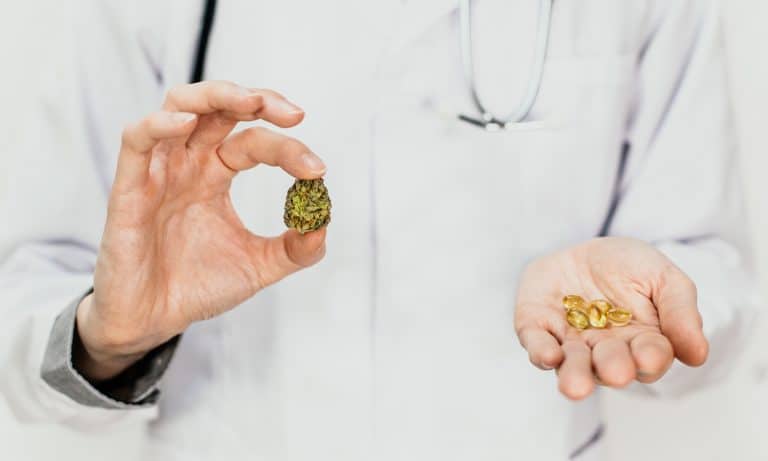
Regulations, ethical guidelines set by a medical practice, and local criminal statues (which are always changing) vary widely by state, by county, and by community.
There are few topics that spark as much debate as the use of products like THC in medical treatments; emotions are strong on both sides. However, it is essential you do prepare to understand the compound, the active ingredient in marijuana, and scourged as the side villain in medical treatment.
Medical marijuana is currently legal in 33 states. But it is still illegal in the disapproving eyes of the federal government. The Obama administration did not make prosecuting medical marijuana even a minor priority. About 85% of Americans support legalizing medical marijuana, and it is estimated that at least 7 million or more Americans currently use it, in one form or another, for a variety of ailments.
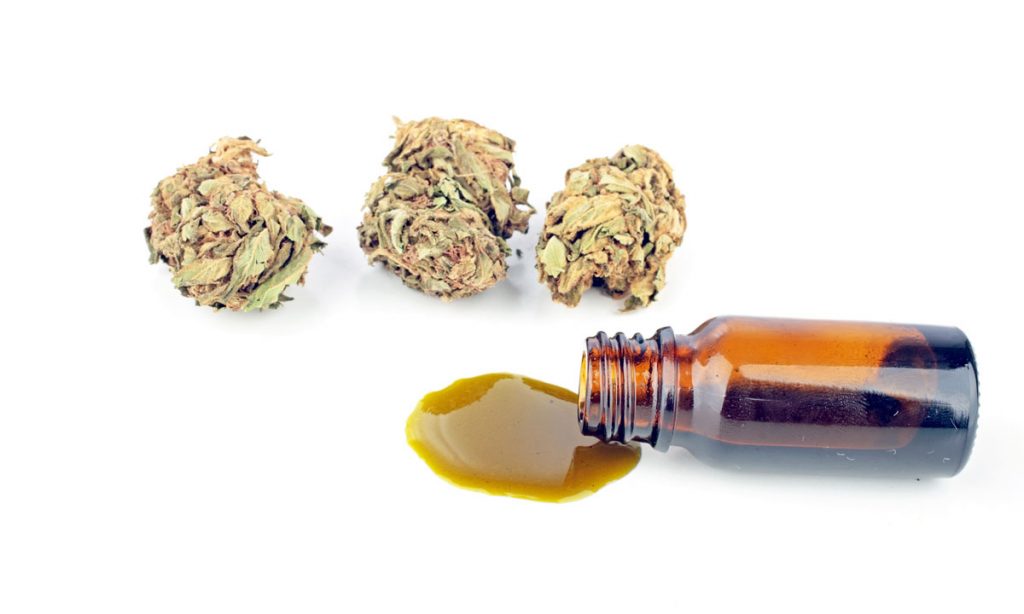
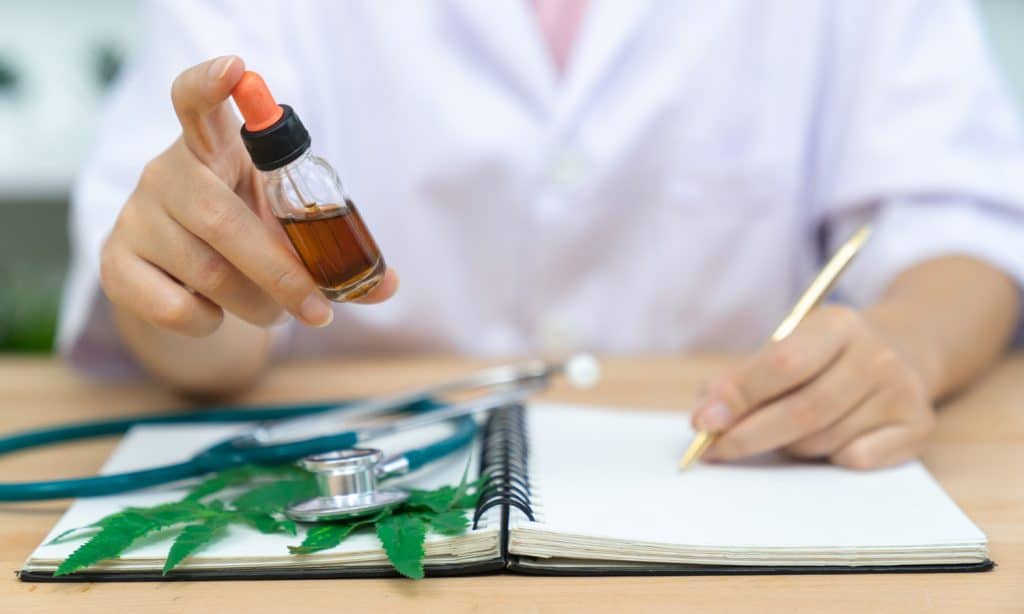
There are various ways to administer THC, and an even greater number of treatments. For example, a dispensary in Brattleboro, Vermont, uses a tincture made from organic cane alcohol and CO2 cannabis. Vermontonians with specific conditions, including cancer, multiple sclerosis, HIV, AIDS and other chronic and/or debilitating ailments, are usually approved for tincture treatments. But in most cases, there is little or no insurance coverage for these treatments, including Medicaid.
Photo by Nisangha/Getty Images
Traditionally a tincture is one of the oldest methods to concentrate plant compounds in medical treatment. Tinctures are also the preferred way to administer plant-based compounds to be used in various forms of treatments. One of the strongest benefits of using tinctures in treatment is their inherent versatility.
Marijuana is quite effective for the chronic pain that plagues millions of Americans, especially as they age. Part of its allure is that it is clearly safer than opiates (it is impossible to overdose on and far less addictive) and it can take the place of NSAIDs such as Advil or Aleve, which have caused inflammation.
The preferred dosage of a tincture will vary from person to person, depending on their pain level, the type of problem they are trying to manage, and whether they are using a CBD or THC tincture. If you are under medical supervision, consult with your physician to determine the appropriate THC to CBD ratio.
Cannabis could stand to benefit women in a multitude of ways throughout their lives, providing pain relief while also improving their quality of life.
The medical benefits that cannabis could provide women is unparalleled, especially when compared to the traditional treatments that are currently available. From PMS to menopause to endometriosis, cannabis could present exceptional relief for women throughout their lives. Here are 3 ways cannabis can help women live their best life!
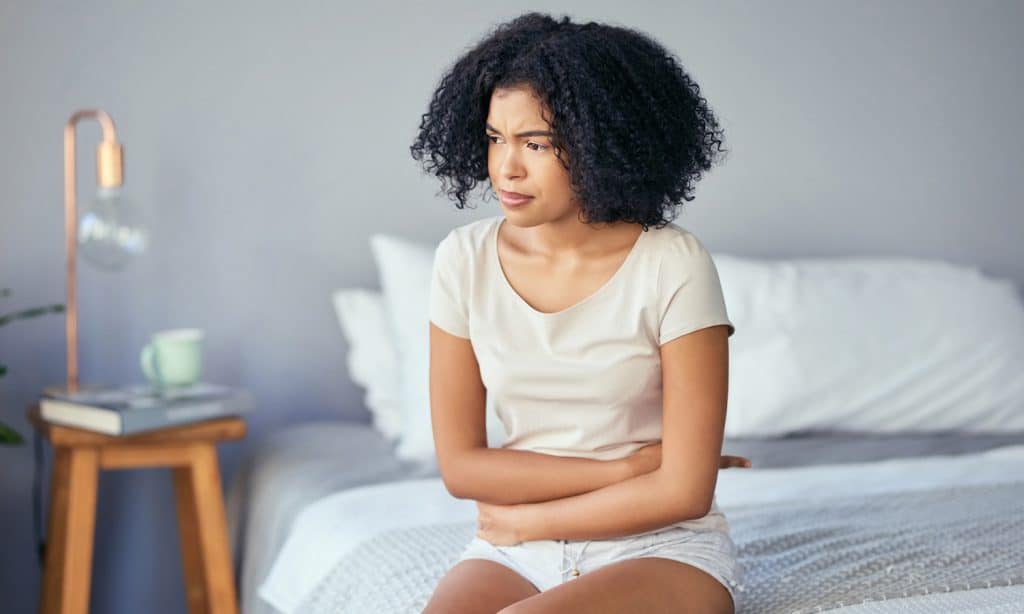
Menstrual Cycles And PMS
Photo by LaylaBird/Getty Images
While these cycles are essential for a healthy reproductive system, they also come with a batch of side effects that can be severe and crippling. Menstrual cycles commonly cause symptoms such as mood swings, cramps, and nausea among others depending on the person and the severity of the cycle. The good news is that cannabis provides alternative treatment options that are effective and natural.
Mood swings are one of the most common side effects of women’s menstrual cycles. And since many individuals who consume cannabis feel euphoric, happy, relaxed, and stress-free, so it makes a lot of sense that cannabis could be an effective treatment option.
Menstrual cramps are also very common and coincidentally the utilization of cannabis to treat menstrual cramps dates back to the 1800s, when it was documented that Queen Victoria utilized the plant for treating her cramps.
Menopause
Photo by Lucia Lambriex/Getty Images
Menopause is another inevitability for women. For most, menopause occurs later in life but there cases where the condition is accelerated due to medical conditions.. With menopause comes an entire array of different side effects and health concerns.
The body naturally produces an endocannabinoid known as anandamide, which together with the endocannabinoid system helps to regulate body temperature. Studies have shown that replacing anandamide with the phytocannabinoid THC can help regulate and even lower body temperature. This means that cannabis could combat hot flashes and night sweats, some of the most common side effects of menopause.
Anandamide also plays a crucial role in balancing hormones as well as regulating sleep and appetite. When cannabis is consumed the body utilizes cannabinoids such as THC and CBD to replace anandamide as well as assist it in maintaining homeostasis throughout these areas. This means that the consumption of cannabis could also help with anxiety, insomnia, and depression, all of which are commonly suffered by women during menopause.
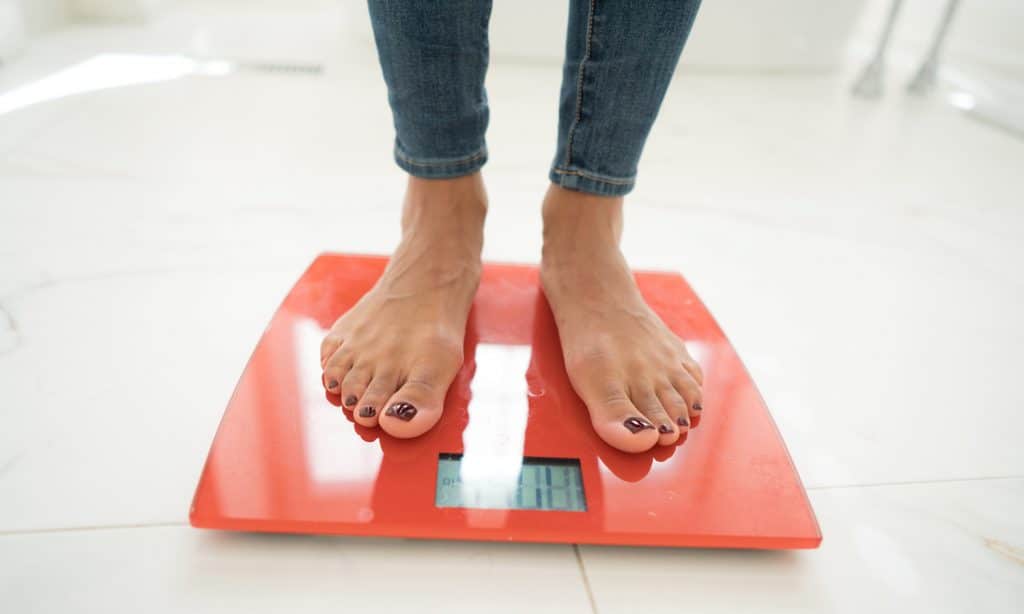
Weight Management
Photo by kate_sept2004/Getty Images
Despite the age-old stereotypes and stigma surrounding munchie eating stoners, there’s scientific proof that individuals who consume cannabis on a regular basis maintain a lower overall body mass index. Studies have shown that exercising activates the ECS in the same manner that consuming cannabis does. This means that oftentimes the effects of exercise such as “runner’s high” are very similar to actually getting high off of THC. For this reason, many individuals are choosing to consume cannabis before and after their workouts to enhance the effects of both their exercise routine as well as their cannabis.
Not knowing which day it is could be a symptom of “boreout.” Here’s what that means and how you can make it better.
No matter your situation, 2020 likely has thrown a curveball to your everyday routines. Whether that’s working from home, unemployment, added stress or relocation, these changes have left a significant imprint in the lives of people from all over the world. Even if we’ve spent over six months acclimating to these pandemic conditions, they’re still challenging.
The lack of structure that our lives are faced with can make it difficult for us to forget about the nuances of each day. Before the pandemic, routines used to be comprised of riding cars or subways, moving from point A to point B. This feeling of loss and lack of structure is not that uncommon.
Similar to burnout, “boreout” is a term used to describe this feeling of days spilling into each other. It’s also known as the moment when your work feels like it’s not challenging you, as if you’re simply going from task to task with not much enjoyment and with limited stimulation.
The fact that our routines have been disrupted and our communication with coworkers is now mostly based in digital spaces can be contributing factors to this, resulting in a lack of motivation and a general unease. Here’s what you can do to make every day a little more different and have more fun and productivity in your daily routines.
Most of us miss the structure that we used to have before the pandemic hit, our commutes and routines before going to work. While it’s difficult to create a new routine when working from home, little things, like having coffee by your window or taking an early shower, can help you start your day on the right foot. Create a list of mini tasks you can complete throughout the day that will make you feel more productive. These can be work related, such as checking and replying to emails at noon, or housekeeping tasks like making your bed or doing the dishes after having lunch.
Think about your long-term goals
If you find yourself not really enjoying what you’re doing, this may be a good moment to think and ask yourself what your long-term goals are. Make a short list and try to resolve the things that make you uncomfortable about your life as it is right now. If you think it’s unrealistic to attain your dream job, at least take some conscious steps that will inch your closer.
It’s important to go out of your house, especially if you’re feeling stuck. During week days, try to find a spot where you can work while also taking advantage of the weather before it gets too cold. Find some wi-fi or carry a portable hotspot with you. Even if you only work here for a couple of hours, once you return home you’ll likely have a fresh mindset.
Take on a new challenge
Our days blur together when we’re feeling unmotivated to do anything out of the norm. You might not notice that you’re feeling stuck since you’re still able to work and be productive, so it’s important to develop an eye for these types of signs. Don’t ignore the feeling of boredom and try something different, whether that’s a new workout program, an online workshop or cultivating a new hobby. While this won’t change your situation, it will help you find fulfillment and enjoyment in other areas of your life.
If you’re struggling with depression, I would recommend being evaluated by a physician who specializes in depression before initiating medical marijuana or increasing the dosage.
Here is a doctor’s take on marijuana to treat anxiety and depression.
We are in a very stressful time in our lives. For those who have a history of anxiety and depression, the current worldly troubles can lead them back into or worsen these ill feelings. For those who have never had anxiety or depression before, this can be the beginning of a difficult time.
It can be overwhelming to think of COVID-19, job insecurity, food and housing insecurity, managing schooling for the kids, racial issues and typical stressors of life for an extended period of time. But unfortunately, this is where we are without a specific timeline as to when it will sort itself out.
Having an open discussion with family, friends or heath care providers about personal mental health issues can be frightening. This is an important topic that needs to be addressed. Without facing the issues, depression and anxiety can worsen. We all know someone who is struggling whether ourselves or others. We need to be aware of symptoms such as pessimism, feelings of hopelessness, decreased energy, sleep disorders, decreased interest in hobbies and activities such as sex, persistent physical symptoms that do not respond to therapy, suicidal thoughts or attempts.
Unfortunately suicide has been the second most common cause of death in people aged 15-29.
When many people hit this wall of distress they begin self-help. When this therapy involves exercise, meditation or talking to friends, it can be very therapeutic. When this involves overuse of alcohol or drugs, it can become dangerous.
So my question is: where does cannabis fit into this picture of therapy for anxiety and depression?
We have many people using medical marijuana for anxiety/depression. There are also many who are self-medicating with recreational marijuana.
Unfortunately, the studies regarding cannabis and depression/anxiety have mixed resultsi. The studies themselves are done with difficulty since cannabis is a Schedule 1 drug. Often the dosage of the drug is incompletely known since the drug is supplied by the patient.
Photo by Fernando @dearferdo via Unsplash
Insomnia can promote depression or be caused by it. Many people use THC/CBD to help them sleep. In many cases this works well. For others it causes increased anxiety and sleeplessness. It has been reported that the sleep architecture of cannabis induced sleep has a smaller REM componentii. This component of sleep is important for memory and mood.
Does cannabis improve or worsen depression? Some studies have shown that increasing cannabis use is related to increasing depressioniii. But the question I would ask is: Does the cannabis cause worsening depression or do people who become more depressed tend to use more cannabis to attempt to alleviate the symptoms?
Other studies have shown improvement in depression with cannabis useiv. The study from Yale showed that THC was more effective than CBD in improving some depressive symptoms, making 64% of people more relaxed and peaceful, but worsened motivation in 20%v.
If a person is having difficulties with depression, I would recommend being evaluated by a physician who specializes in depression before initiating medical marijuana or increasing the dosage. It can be a slippery slope to move from a therapeutic dose to a dosage of abuse. Once the decision to use medical marijuana is made, it is beneficial to enlist the help of a budtender for decisions regarding strains.
With regards to depression with oneself or others, this is another case of “If you see something, say something”.
i The Lancet. “Insufficient evidence that medicinal cannabinoids improve mental health.” ScienceDaily. www.sciencedaily.com/releases/2019/10/191028213912.htm
ii Schierenbeck T, Riemann D, Berger M, Hornyak M. Effect of illicit recreational drugs upon sleep: cocaine, ecstasy and marijuana. Sleep Med Rev. 2008 Oct;12(5):381-9. doi: 10.1016/j.smrv.2007.12.004. Epub 2008 Mar 3. PMID: 18313952.
iii Lev-Ran S, Roerecke M, Le Foll B, George TP, McKenzie K, Rehm J. The association between cannabis use and depression: a systematic review and meta-analysis of longitudinal studies. Psychol Med. 2014 Mar;44(4):797-810. doi: 10.1017/S0033291713001438. PMID: 23795762.
iv Yale J Biol Med. 2020 Jun; 93(2): 251–264. Published online 2020 Jun 29. PMCID: PMC7309674 PMID: 32607086
v Li X, Diviant JP, Stith SS, Brockelman F, Keeling K, Hall B, Vigil JM. The Effectiveness of Cannabis Flower for Immediate Relief from Symptoms of Depression. Yale J Biol Med. 2020 Jun 29;93(2):251-264. PMID: 32607086; PMCID: PMC7309674.
Even ingredients or substances that are not expressly listed in the FDA regulations may be prohibited if proven to be unsafe for their intended use.
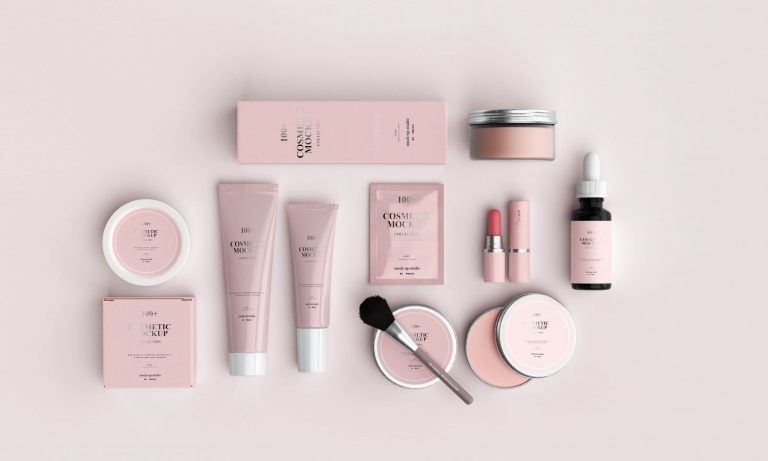
It is well known by now that CBD-infused cosmetics represent the lowest level of risk for businesses. Indeed, CVS, Walgreens and Sephora are only a few of the major national retailers that now offer these products for sale. This is partially due to the fact that the Food and Drug Administration (FDA) and many state regulators do not seem to take issue with the sale and marketing of these products but also because the cosmetic industry has been self-regulated for nearly a century.
Unlike foods, dietary supplements and drugs, cosmetics are not subject to pre-market approval. Instead, the FDA relies on consumer complaints to monitor this self-policed industry — for example, recalls of cosmetics are voluntary actions taken by manufacturers or distributors. Nevertheless, some federal laws and regulations apply to cosmetics marketed in interstate commerce. Both the Federal Food, Drug and Cosmetic Act (FDCA) and the Fair Packaging and Labeling Act (FPLA) mandate that cosmetics be safe and properly labeled.
Generally, the FDA will deem a cosmetic is unsafe or “adulterated” if it contains a harmful ingredient. Through its rulemaking process, the FDA has banned a small list of ingredients or substances from cosmetics. Yet, even ingredients or substances that are not expressly listed in the FDA regulations may be prohibited if proven to be unsafe for their intended use. In its cannabis FAQs, the agency explained that:
“Ingredients not specifically addressed by regulation must nonetheless comply with all applicable requirements, and no ingredient – including a cannabis or cannabis-derived ingredient – can be used in a cosmetic if it causes the product to be adulterated or misbranded in any way.”
As such, manufacturers and distributors of CBD-infused cosmetics should ensure that their products are free of all substances found in the FDA regulations but also that their products are safe for human consumption before they are placed in commerce. Adopting these good business practices will not only shield the CBD companies from falling under the scrutiny of the FDA, it will also protect them from strict liability and other types of consumer lawsuits.
Moreover, growing concerns regarding the safety of cosmetics resulted in demands for safer, clean labeled products, which in turn, led the global natural and organic beauty market to explode, including the sale of safe and clean CBD-infused cosmetics. Thus, ensuring the safety and quality of CBD-infused cosmetics does more than mitigate the risk of enforcement actions: it also provides CBD manufacturers and distributors with an opportunity to increase their revenues by giving consumers what they want.
Photo by vadimguzhva/Getty Images
In addition to ensuring the safety of their cosmetic products, CBD manufacturers and distributors must also check that their products are properly labeled or not “mislabeled.” A cosmetic is misbranded if it is labeled in a false or misleading way, if it fails to include mandated labeling information or if it is made in a deceptive manner.
According to several studies conducted in the past two years, many CBD-infused cosmetics found on the market are mislabeled because they contain false potency claims, specifically lower concentrations of CBD than those listed on their labels. This issue is so prevalent in the industry that several companies, including Charlotte’s Web, have been hit with consumer class action lawsuits. Therefore, anyone manufacturing, distributing, selling or advertising CBD-infused cosmetics should make sure that their labeling is true and accurate, even if the FDA has yet to regulate the sale and marketing of these products.
In sum, even if CBD-infused cosmetics represent the lowest level of risk for companies, safety and labeling requirements still exist under federal and state law and must be followed.
From some of the recent reports about CBD oil and its interactions, to the way it’s administered, here are some thoughtful takeaways for your patients.
The past treatments of severe pain have been over the counter pain remedies, or in severe cases, some drugs related to opioids. There is now an alternative with fewer risks of addiction. Cannabidiol (CBD) is gaining some momentum in the world of health and wellness, specifically in the treatment of anxiety and chronic pain.
Multiple studies have shown that dosages of CBD oil help minimize the sensitivity of the pain receptors that are triggered by medical conditions, and disorders that normally trigger pain and other discomfort.
The American Epilepsy Society has stated that cannabidiol research offers hope for seizure disorders, including in rare types of epilepsy and conditions that afflict younger patients. and that research is currently being conducted to better understand safe use.
Photo by krisanapong detraphiphat/Getty Images
Here are five thoughtful takeaways for your patients, from some of the recent reports about CBD oil, its interactions and the way it is administered. Because marijuana is a Federal Section I drug, there are no medical insurance plans that currently cover CBD.
A doctor from Northwestern indicated that there is some misunderstanding of how broadly beneficial CBD treatment is.
The most significant research shows CBD is effective, and potentially beneficial, via a 2018 study, to treat two forms of epilepsy, Lennox Gestault syndrome (LGS) and Dravet syndrome. LGS is a severe form of childhood epilepsy. Dravet Syndrome is a rare, drug-resistant epilepsy that begins in infancy. It was treated using Epidiolex, a CBD oral solution.
Your patients must inform you, as their doctor, what medications they are taking. Although CBD is relatively safe, there is one area of concern, how CBD interacts with certain medications. CYP 450 are a group of enzymes that help to metabolize new medications. A drug that inhibits CYP3A4 will slow down the metabolic process, resulting in an excessive number of drug concentrations, and leading to risks such as drug toxicity.
Drugs are metabolized and eliminated by enzymes in the liver. CYP3A4 is one of the enzymes in this family. But unfortunately, CBD oils can interfere with how CYP3A4 metabolizes the medication that help. This drug interference is important and warrants further study in the short term.
There’s big potential for the use of marijuana in treating patients with dementia. Although this connection is in the pure concept level, this is an area that will require a lot more study, and medical tests.
Many publications and medical professionals are reporting ongoing research into the use of CBD oil. Months may pass before we hear the results of these studies by medical professionals. There is still much research to be completed to ensure expanded safety for all CBD users.
Now that the weather is changing, it’s important to understand a few things about COVID-19 and the flu.
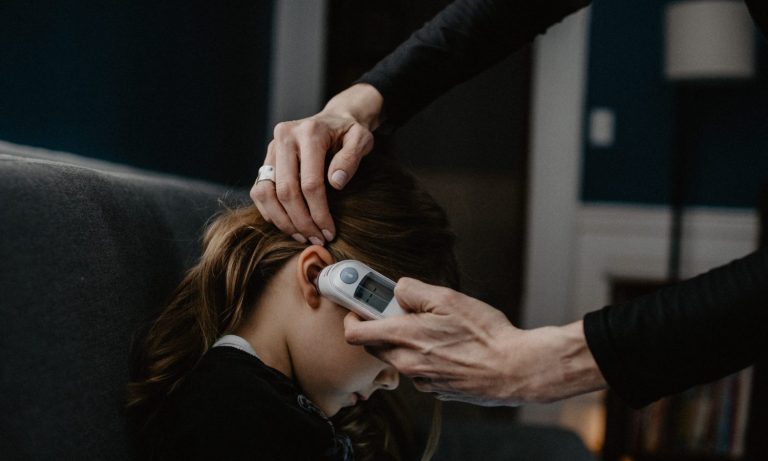
Flu season occurs every year during the fall and winter months. While each year varies in terms of cases, the flu season generally kicks off by mid October and peters out by May. This year is a special one due to the existence of COVID; while health and distancing measures will be effective in controlling both of these illnesses, you can expect some extra stress due to the similarity of these conditions.
Now that the weather is changing, it’s important to note a few key elements when it comes to COVID and the flu. Here are some facts you should keep an eye out for:
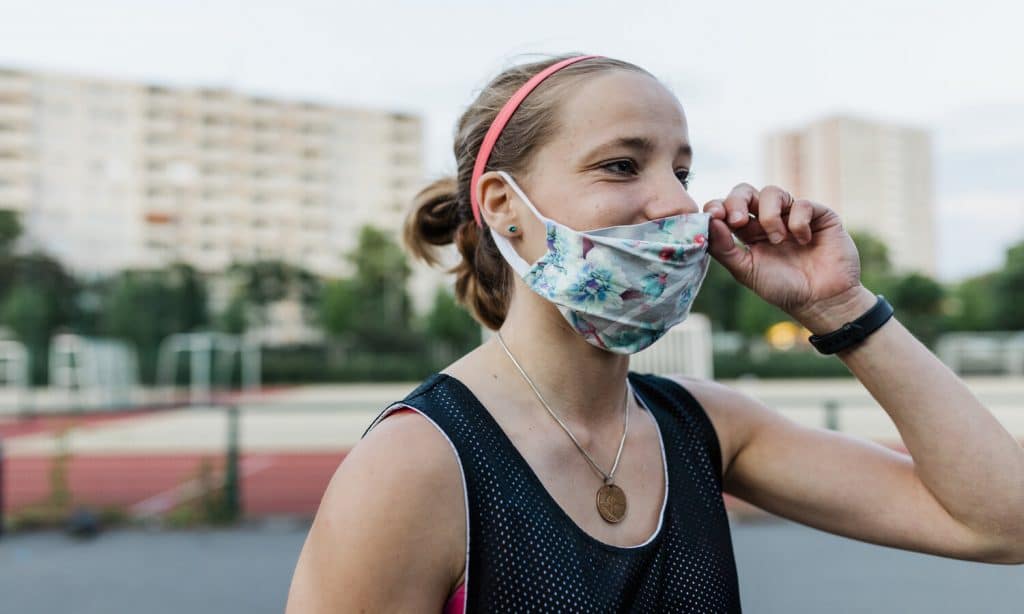
Even with masks on, you should still watch out for the flu
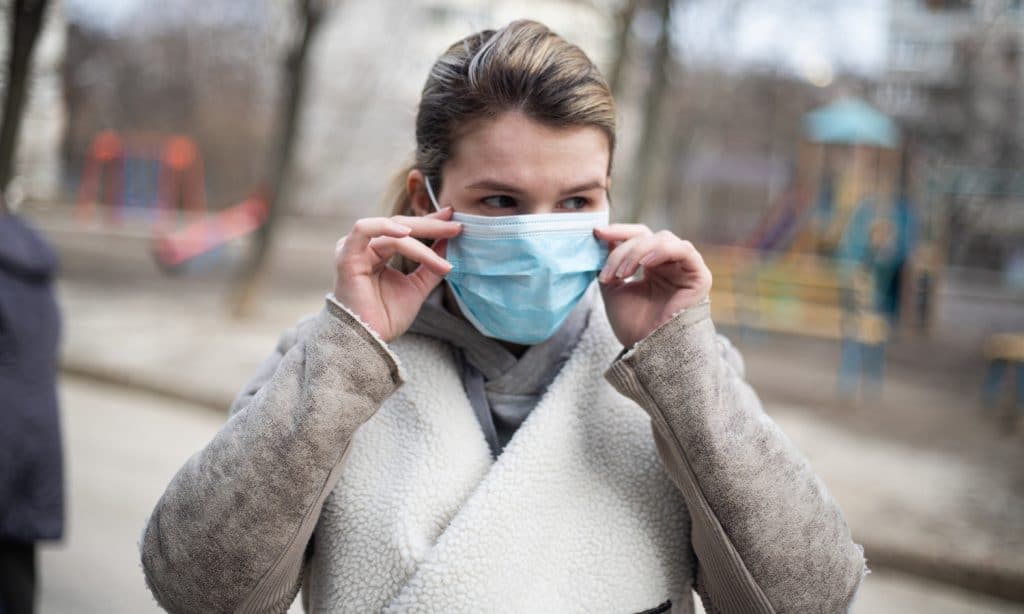
A lot has been said about the protection that face masks provide, including the fact that their use, along with appropriate social distancing guidelines, will make it more likely for the spread of the flu to be somewhat controlled. Still, even if you do everything right, you can still catch a virus. While everything we do to protect ourselves helps reduce risk, it doesn’t mean that there is zero risk, which is why you should plan ahead and get your flu shot as soon as you can.
The flu vaccine won’t make you sick
While a flu shot might produce a slight fever and an achy arm for about a day, it won’t result in you getting sick or being more likely to catch a cold, the flu or COVID. These side effects are experienced by small amounts of people with almost all types of vaccines, and they shouldn’t be confused with an illness.
While a lot of people have been comparing COVID and the flu because of shared symptoms like coughing, chills and fever, the viruses are actually different. They affect people in different ways, are more dangerous to some people than others, have different incubation periods and different death rates. Getting a flu shot could help people differentiate the disease they have and decrease the odds of getting a particularly bad case of the flu while COVID cases are on the rise.
The smell of weed is tough to hide, particularly when your neighbors are working from home. Here are a few tips that can help.
More people are living in urban settings, close to neighbors and using communal property more. Also, more people are working at home, in coffee shops and even outdoors. So ho two smoke weed without annoying people, especially your near neighbors.
While nosy neighbors are never fun, it’s always important to be respectful and avoid annoying others to the best of your ability. You also don’t want them calling your landlord because that’s an extra source of stress that you don’t need.
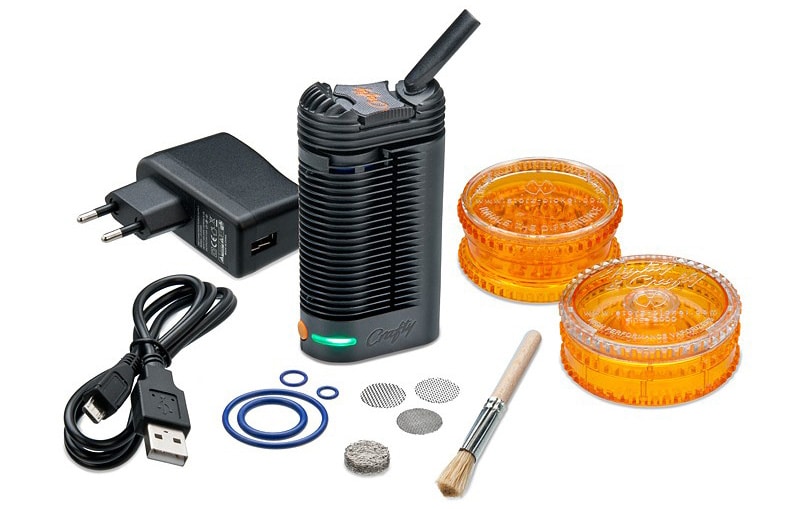
While edibles and topicals are your best bet if you want to avoid attracting any unwanted attention, not everyone enjoys these methods on an every day basis. The smelliest ways to consume weed are joints, with almost every step of the way creating strong odors that can be detected by neighbors. If you can’t live without joints, make sure to smoke when your neighbor is out or late at night. Vaporizers are good ideas for people who want to stick to flower and who don’t want to attract a lot of attention.
Get the right accessories
Photo courtesy of Vape World
While there’s no need to relive high school memories and use a sploof, there are accessories you can keep around that will disguise the smoke your joints produce. The Smoke Buddy is a popular and discreet device that won’t mess with your apartment decor and that will eliminate all smells, leaving your fabrics protected against weed smell and keeping your neighbor far away.
While Febreze is effective in covering up most smells, it’s also a very strong scent that is not discreet when trying to mask marijuana. Try to have different types of candles and oils that are pleasant and that you can light up after a smoke session. The more natural the smell, the better since artificial scents produced by air fresheners are the strongest and thus the most likely to raise red flags for any prying noses. (Pssst. These Are The 5 Best Candles For Cannabis Smokers.)
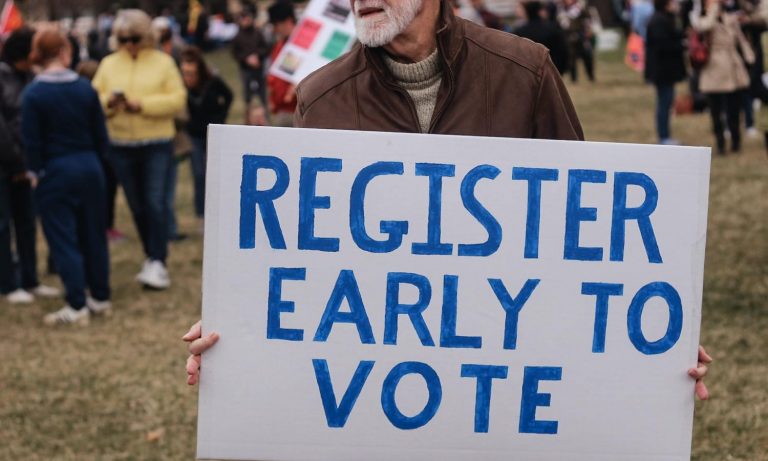
Raise your hand if you’re feeling election fatigue? Here are some tips that can help you stay sane.
We’re less than a month away from the presidential election, meaning our stress and election season burnout levels are reaching their peak. This year has been a tough go for those who like to stay involved in politics; it’s been filled with controversies and negative news, and we’re not out of the woods yet. You might find yourself feeling guilty over dreading the news and being unable to stop your consumption of it, since you’re trying your best to be a responsible citizen.
While we’re almost out of the woods, at least when it comes to elections, there are a few things you can do to tend to your election burnout without completely disconnecting from the news. Here are 4 effective tips:
Social media notifications make it very difficult for you to avoid these types of apps, prompting you to return to them even if you’ve spent hours scrolling through them already. Mute these apps and give yourself set times of the day to check them, whether that’s three times a day or only once. If something big happens you’ll still find out about it, whether you check Twitter 20 times a day or just twice.
Get involved locally
If there’s one thing that politics can make us feel is helpless, which is why getting involved might make you feel less uncertain and better about yourself and the causes you care about. Do some research and try to get involved with something you care about in your community, whether that’s an environmental group, an animal shelter or an LGBTQ organization. You can sign up for donations or do some volunteer work, whatever works best for you.
Although trite, exercise is effective in managing stress, anxiety and in making you feel better. Working out will help you clear your head, boost your self esteem and contribute to a healthier lifestyle.
Spend sometime on a hobby or series
There’s no need to consume so much news or to spend all of your free time scrolling through social media apps. Try to do something that allows you to disconnect from the real world for a little while, whether that’s binging on the latest Netflix series or trying out a new hobby that allows you to practice a new skill and find some enjoyment in something tangible.
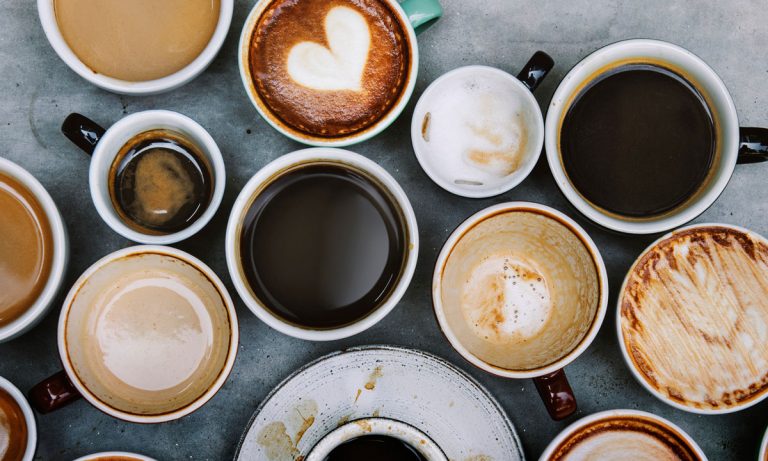
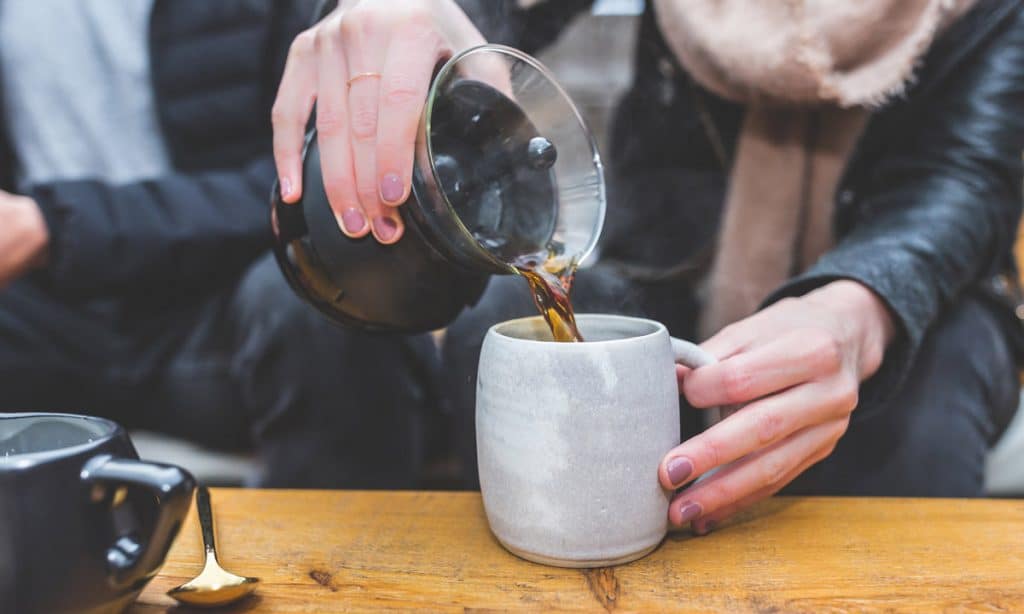
Coffee and caffeine creates a mellow yet productive kind of equilibrium. But, there’s more to the relationship between cannabis and coffee than you might think.
Plenty of weed enthusiasts know that the best way to start your day is to blaze up with a fresh cup of coffee (we’ve already found a number of different ways to incorporate cannabis into our morning joe). But why exactly is combining weed and coffee such a wondrous thing?
Most people would probably answer this question by saying something about the complementary effects of the two substances when they’re combined. The caffeine gives you energy, while the cannabis takes the edge off of the caffeine, which creates a mellow yet productive kind of equilibrium. But, there’s more to the relationship between cannabis and coffee than you might think.
The link between cannabis and caffeine has to do with your metabolism. A study published in the Journal of Internal Medicine last year found that increased coffee consumption led to a drop-off of blood metabolites in the endocannabinoid system (ECS). The ECS helps regulate a lot of important bodily functions like mood, appetite, stress, inflammation, and sleep.
The lead author of this study, Marilyn Cornelius, explains that the endocannabinoid metabolic pathway is an important part of how the body regulates stress. An increase in stress, like that which occurs from consuming large quantities of caffeine, results in the destruction of endocannabinoid neurotransmitters. Cornelius says this could be the body’s attempt to bring stress levels back down to equilibrium.
Photo by Matthew Henry via Burst
As you consume more caffeine and your endocannabinoid neurotransmitters deplete, less of them reach the ECS. This is because the ECS’s primary goal is to achieve and maintain homeostasis, or internal balance, within the body despite changes happening in the external world. Your body produces endocannabinoids naturally, which it then sends out to different parts of your body to make sure everything is balanced and functioning properly. In this way, your body’s endocannabinoids act like THC and CBD, but they have a much shorter and lesser effect than do actual, plant-derived THC and CBD.
When you use cannabis, however, the opposite of this phenomenon occurs. The plant-derived cannabinoids that enter your body when you use cannabis act on the body by imitating the endocannabinoids your body produces naturally. These are the agents responsible for the recreational and medicinal effects of cannabis.
Whether cannabis use offsets the loss of endocannabinoids due to stress/caffeine intake is unknown, Cornelius says, but logic would suggest that it’s entirely possible this is the case. That cannabis and caffeine impact each other in some way is undeniable. Until science catches up with the rest of us who enjoy a strong cup of coffee with our wake n’ bakes, though, we can only speculate as to the physiological effects of ingesting both substances together on the body.
But, whatever the physiological implications, the magical feeling after toking up and enjoying a nice cup of coffee is enough for this stoner to keep with the cannabis-and-caffeine combo to start each day.