Tuesday, June 16, 2026
Home Blog Page 499

How To Cope With Coronavirus ‘Re-Entry’ Anxiety

The country is slowly reopening, causing a lot of anxiety for those who feel uncertain about their health and future.

The coronavirus is here to stay. Despite rising cases all over the country, and the opening, closing and re-opening of some businesses, large parts of the U.S. are moving forward with the economy. This is daunting for many of us who aren’t sure how to move forward with our lives while under constant threat of the virus.

It’s logical to be afraid of this new phase of the virus, and to want to be safe from harm in the face of these stressful times. Here are 5 coping methods you can use if you start to feel too overwhelmed by the spread of the virus.

Take it slow

If you’re anxious about going back to “normal,” take things slow. Don’t throw yourself out into the world and try to take on more than you can. Test your limits and do what makes you feel safe and comfortable, whether that’s going back to your office while wearing a mask or simply browsing a bookstore.

Tackle negative emotions with positive behaviors
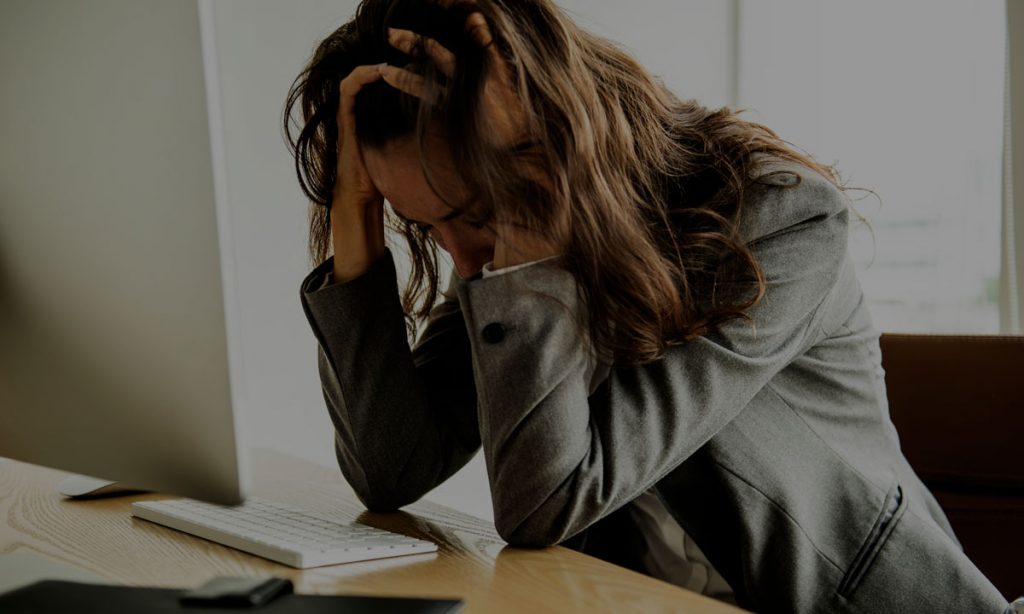
Photo by rawpixel.com

RELATED: 5 Creative Ways To Practice Self-Care

Whether that’s exercise, meditation or talking to someone in person or through video chats, try to process these harmful thoughts by getting them out of your system. Remember to stay in the present; most of your concerns are over stuff that hasn’t even happened, and likely never will.

Recognize negative thoughts

We all have negative thoughts, but try to recognize the thoughts that make you feel very anxious, especially when related to the coronavirus. If your mind starts wondering over all the bad stuff that could happen to you, remind yourself that the future hasn’t happened and that there’s no way of knowing if things will go wrong. Keep track of these behaviors and notice what triggers them and how you can control them.

Remember that anxiety is temporary

Is There A Safe Way To Go To A Salon Right Now?
Photo by Edgar Chaparro via Unsplash

RELATED: 3 Ways You Can Stay Safe While Visiting A Salon

Although anxiety is very stressful and uncomfortable, it can be useful by helping you to be more careful and take better care of yourself. Avoid fighting your feelings, and try to acknowledge them, recognizing that they won’t last forever.

Protect yourself

One way of making you feel less anxious is to try to manage that anxiety by taking care of yourself and others. Wear your mask, keep social distance and wash your hands often. If you feel like a restaurant or someplace you’re visiting is too crowded, head out and find somewhere that feels more safe and comfortable for you.

Do Elderberry CBD Gummies Boost Immunity?

0

While the research is pretty scarce, it is worth noting that these berries have a ton of vitamins, including high C, E, and B6 content.

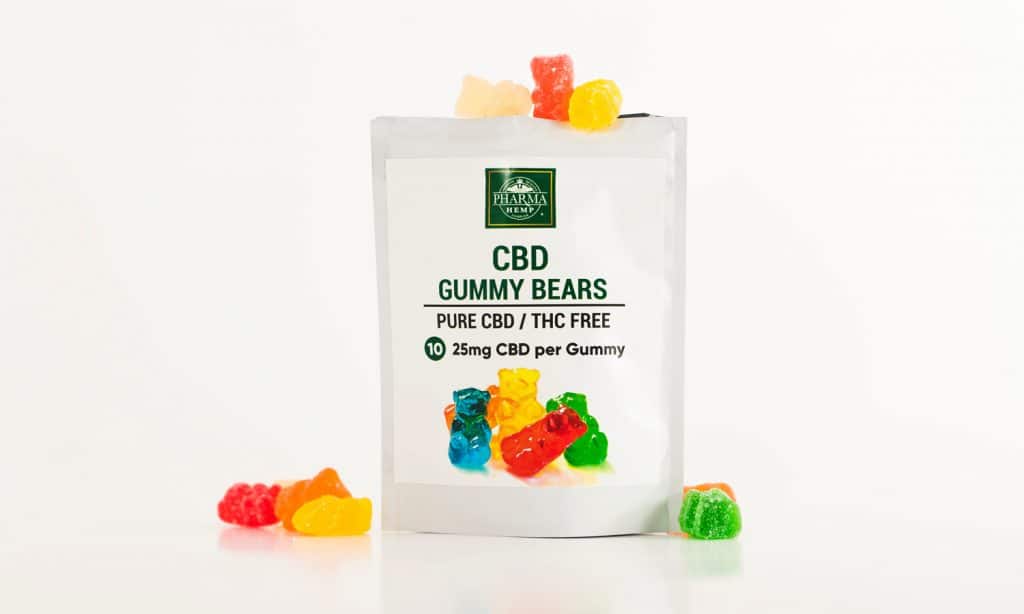
Staying well is at the forefront of everyone’s mind right now. In your search for immune-boosting products, you may have stumbled on cannabidiol and elderberry gummies. These edibles are infused both with hemp-derived CBD and elderberry syrup.

Sold by a variety of brands, these supplements boast of cold and flu prevention, allergy relief, and germ-fighting powers. Will popping these gummies will keep you from getting sick? Here’s what we found out.

CBD and the Immune System

Can CBD Boost Your Immune System?
Photo by Carol Yepes/Getty Images

RELATED: Myths Vs. Facts: Everything You Should Know About CBD Gummies

The belief that CBD could boost the immune system is based on research the suggests that this cannabis product interacts with the endocannabinoid system to reduce inflammation throughout the body. Additionally, research published by the Journal of Neuroimmune Pharmacology on how cannabinoids interact with the immune system suggests that it could have the potential to help regulate the immune system, helping to prevent infection and suppress overactive immune function in the case of autoimmune disorders.

Additional Benefits of CBD Could Keep You Well

Can CBD Help With Winter Colds & Flu?
Photo by David Mao via Unsplash

RELATED: Can CBD Help With Winter Colds And Flu?

What we know about the body is that lack of sleep and stress can prevent it from fighting off illness. This could be one more way cannabidiol could be used to keep you well. This hemp-based product could indirectly boost your immune system by helping you get better sleep and helping you cope with the stressors life throws your way by reducing anxiety.

Elderberry and the Immune System

Myths Vs. Facts- Everything You Should Know About CBD Gummies
Photo by Pharma Hemp Complex via Unsplash

Elderberry syrup is made from the berries of a plant by the same name. You can make it yourself by simmering the berries, then straining them out, and mixing in honey once the juice has cooled. You can also buy gummies or syrup from the store if you’d rather not make them yourself.

RELATED: Gummy Products Are Changing The Way People Think About CBD

The reason elderberry is so popular as an immune-boosting product is because of research documenting shorter symptoms in individuals with the flu. While the research is pretty scarce, it is worth noting that these berries have a ton of vitamins, including high C, E, and B6 content.

If you’re considering using a CBD product infused with elderberry to fight off illness, do a little research first. While it might help your immune system work harder, it isn’t a substitute for getting the flu shot, handwashing, or practicing social distancing in the wake of the COVID-19 outbreak.

PSA: Don’t Drive High Even When Chased By An Ax Murderer

A significant number of cannabis users believe driving while high isn’t a problem, but this ad probably won’t strengthen their case.

So here’s the situation. The federal government wants to raise awareness around drug-impaired driving, with a specific focus on cannabis. This is no reefer madness or bureaucratic overreaction, as you might expect. The Trump Administration doubled down on an anti-marijuana White House campaign earlier this year and Attorney General William Barr was caught inappropriately using Justice Department funds to target the legal cannabis industry.

Despite whatever suspicions of the feds you may have, the reality remains: Americans feel comfortable getting behind the wheel after consuming cannabis. A 2019 poll found more than half of marijuana users think they can drive while stoned and Colorado cannabis consumers believe the state’s stoned driving polices are out of touch.

RELATED: The Number Of People Who Get Behind The Wheel After Smoking Weed Will Surprise You

How does the government believe it will convince these folks? With a public service announcement, of course. And what is the message of that PSA? That under no circumstances should you drive while high, even when an axe murderer chases you through empty woods and your life is at stake!

We’re not joking. Watch this.

The video is the result of a partnership between the National Highway Traffic Safety Administration and the Ad Council. Vox Creative, an advertising agency under the Vox Media umbrella, developed the advertisement, which will run as a 30-second version on national TV.

is a cannabis dui really the same as drunk driving
Photo by Samuele Errico Piccarini via Unsplash

“Many marijuana users don’t see a problem with driving after use, but research shows marijuana can slow reaction time, impair judgment of distance, and decrease coordination—all skills necessary for the safe operating of a vehicle,” the Ad Council said in a statement.

RELATED: States With Legal Marijuana Are Spreading Reefer Madness…But Why?

“Our campaign targets young men aged 18 to 35, many of whom reject the common stereotypes of marijuana users—and reminds viewers that if you feel different, you drive different,” the statement continued. “Don’t drive high.”

RIP Lester Grinspoon, The Forbidden Cannabis Professor

0

Lester’s courage and intellectual integrity will always stand as a rebuke to the cowardice and dishonesty of the medical establishment, and to those who have corrupted science to promote the arrest of millions.

My old friend, Lester Grinspoon, died on June 24, his 92nd birthday, but I have waited over a week to write about it, because I wanted to see if either the New York Times or the Washington Post would print his obituary. Finally, on July 2nd, the Times finally did it.  RIP Lester Grinspoon, the Forbidden cannabis professor

The Post still had not followed suit, but it did print an obituary for a famous pastry chef, who popularized creme brûlée, and that did make it easier to get blow torches for dabbing.

I first met Lester at the first NORML conference in 1973, two years after the publication of his book Marihuana Reconsidered

He had decided that he would not smoke marijuana until after the smoke had cleared — to use an appropriate pun. And at that conference, the smoke definitely had not cleared. 

As he got up to speak and looked across the room, he joked that he decided that the audience probably knew more about it than he did (not really). He was still very busy testifying at legislative hearings and he thought it would hurt his credibility if he had smoked the devil’s weed.

Remembering Dr. Lester Grinspoon, The Intellectual Leader of The Marijuana Movement
Photo by Bloomberg Creative/Getty Images

We stayed in touch over the years, and almost twenty years later, when I became the NORML National Director he was very supportive. Also, as it happened, in 1993 his book Marihuana, the Forbidden Medicine was published by Yale Press, because Harvard Press would not print it.

RELATED: Science Says Medical Marijuana Improves Quality Of Life

I went to Yale, so I had the happy job of writing a review of the book for YP, and I noted that not a single major newspaper had published a review, nor had a major medical journal. I got a very nice letter from YP asking that I delete that part because they were confident that it would soon be reviewed.

I agreed, of course, and joked that 30 years after I graduated I was still getting Cs from Yale. Sadly, I was right. The book was almost completely ignored. 

Almost 30 years later, Lester was still being slighted by the Harvard quackocracy. In 2018, The Harvard Crimson printed an editorial criticizing Harvard Medical School for never promoting Grinspoon for a full professorship, because of his support for legalizing marijuana and for drug law reform.

RELATED: 5 Pro-Tips To Come Down From A Marijuana High Quickly

Lester’s courage and intellectual integrity will always stand as a rebuke to the cowardice and dishonesty of the medical establishment, and to those who have corrupted science to promote the arrest of millions.

Richard Cowan is a former NORML National Director and writes Marijuana Weekly News column for LA Weekly.

5 Tips That Can Help You Start Meditating Successfully

Meditating can be tough if you don’t know where to start. Here are some things that can help you.

We are living in anxious times, making meditation one of the surest and most efficient ways of obtaining some much needed calm. The problem with meditating is that it’s kind of hard. For some reason, sitting still and trying to stop your mind from drifting all over the place is not easy, especially if you’re anxious or surrounded by stressors.

For beginners, it’s important to remember that meditation can look like anything. It’s something that depends largely on the person who is doing it. Some might practice meditation in the morning, others in the evening, some sitting down and others laying in bed. It really doesn’t matter. Here are 5 tips that can help you get started:

Adapt your meditation to your needs

If you’re a morning person, try to practice some mindfulness as you have your morning coffee. Focus on the smells and the taste of your drink and try your best to stay as present as you can. If you feel your mind drifting, rein your thoughts back in. Use your coffee as your signpost, taking advantage of all the strong and pleasant smells and tastes it provides.

Find a space that works

jogging or meditating whats the best way to boost your brain
Photo by Jared Rice via Unsplash

RELATED: 4 Meditations For Your Fluctuating Quarantine Moods

One thing that can help you sit down and stay still for a while is to find a space that’s quiet and peaceful, where you can meditate without interruptions. Finding a space like this with roommates and family members around is hard, so try to take advantage of the time you have and of your “meditation area.” Add nice and calming things to this space, such as candles, comfy cushions, and the like. Try to avoid meditating in bed or in your work chair, since this might make it more difficult for you to disconnect.

Use an app 

Meditation apps are awesome. While most of the good ones are paid, they do come with some free trials that can help you get started, and make you realize that maybe the price is worth it. Harry Styles partnered up with the Calm app in order to read bedtime stories to people and help them chill out. There’s that if you’re into him. If you’re feeling anxious, here are 5 Apps To Help You Manage Your Anxiety.

Put away your phone

Spiritual Activities
Photo by Isabell Winter via Unsplash

RELATED: Using Marijuana For Better, More Relaxing Meditation Sessions

When you start meditating, be sure to put your phone on silent and to place it somewhere that isn’t visible or accessible. If you’re using an app, be sure to trigger the “do not disturb” feature, that way your meditation won’t be interrupted by messages, emails or notifications.

Create a routine

What matters most with meditation is practice. Be sure to be as consistent as possible with your meditation routines, starting off slow in order to keep yourself from getting overwhelmed. Try different techniques, whether you’re visualizing something beautiful and calming or you’re listening to soothing sounds.

The Latest On COVID-19 And Cannabis

Israeli researchers are using cannabis treatment to down-regulate the inflammation storm before patients develop severe lung inflammation.

With the widespread impact of COVID-19 on the nation’s health and the rising need for readily available therapies, alternative treatment sources are being studied with enthusiasm.  There is increasing interest in the possible beneficial role of cannabis in the cycle of care and therapy treatments.

Israeli researchers from the Medical Cannabis Research and Innovation Center at the Rambam Health Care Campus in Haifa, Israel, are looking at this possible connection. Dr. Igal Louria-Hayon says the focus currently is just how much cannabis influences the inflammation.

“We began to understand that cannabinoids take part in the communication network of cells in the immune system. While working full force on these findings, the corona[virus] outbreak suddenly broke,” Dr. Louria-Hayon said. “As we are situated in one of the biggest hospitals in Israel, naturally, our team became part of the worldwide efforts to fight the pandemic.”

When the body recognizes a new invader, such as when a large number of white blood cells are activated and release inflammatory “communication molecules” called cytokines, then more white blood cells are activated and regulate the inflammation process, Dr. Louria-Haydon said.

RELATED: A Doctor’s Insight On Treating COVID With Cannabis

The Israeli researchers believe that cannabis may affect the cytokine storm, which occurs during COVID-19 disease. Their research goal is to apply cannabis treatment to down-regulate the inflammation storm before patients develop severe lung inflammation, he explained. The center aims to treat the inflammatory “storm” as it develops before the patient ever reaches the ventilator stage.

Drug Trial Planned for Synthetic Cannabinoid COVID-19 Treatment
Photo by Jasmin Merdan/Getty Images

There are thousands of different cannabinoids, even within one type of cannabis plant. So, not every cannabinoid would have the inherent anti-inflammatory properties, the Israeli researchers explained. The researchers use a complex based on more than 100 types of strains and cannabinoids which target and treat the inflammation. Similarly, the researchers understand that more than 20 different cells are involved in the inflammation process.

RELATED: Can Marijuana Terpenes Treat COVID-19? These Scientists Believe So

“Based on its analysis, we will progress to the second clinical experiment where we will treat COVID-19 patients with the candidate strains that presented anti-inflammatory potential on human-derived cells (the first experiment),” Dr. Louria-Haydon said.

In May 2020, the Israeli government had given its blessing to the exportation of its medical cannabis products abroad. Some 60,000 Israelis use medical cannabis as a treatment (under exclusive license), with an estimated 25 tons of medical cannabis consumed per year.

Biden Task Force Does Not Recommend Legalizing Marijuana

While the unity task force pushed Biden farther left on cannabis policy, the former Vice President still doesn’t support ending prohibition.

Joe Biden will not change his mind on cannabis anytime soon. A task force formed between Biden and Bernie Sanders, which had prior heated discussions on cannabis, agreed on multiple criminal justice priorities, but marijuana legalization was not among them.

Instead, the official policy recommendations (released Wednesday) for Biden as he embarks on winning the general election as the presumptive Democrat presidential nominee represents a reiteration of his previous cannabis views. He believes in cannabis decriminalization, not legalization. The recommendations, however, supply more details about specific marijuana polices Biden could pursue if elected President.

“Democrats will decriminalize marijuana use and reschedule it through executive action on the federal level,” the document reads. “We will support legalization of medical marijuana, and believe states should be able to make their own decisions about recreational use.”

The task force also recommended it would not launch federal prosecution for matters legal at the state level. The statement is an obvious reference to current Attorney General William Barr, who was accused of inappropriately using Justice Department funds to target the legal cannabis industry.

RELATED: What’s The Difference Between Marijuana Legalization And Decriminalization?

In addition, the task force document discussed moving cannabis-related crimes out of the criminal justice system and into a supportive, treatment model.

“All past criminal convictions for cannabis use should be automatically expunged,” it reads. “And rather than involving the criminal justice system, Democrats support increased use of drug courts, harm reduction interventions, and treatment diversion programs for those struggling with substance use disorders.”

RELATED: Marijuana Legalization Could Get A Boost Post Coronavirus 

The task force was filled with acolytes from Sanders and Biden’s respective camps. It did appear, however, the Sanders group was successful in pushing Biden a little further left on cannabis policy in Congress. In its official recommendations on criminal justice reform, the task force focused on ways to reduce incarceration and re-invest in communities disproportionately affected by the War on Drugs.

Will Bernie Sanders Push Joe Biden To Dramatic Marijuana Reform?
Photos: Joe Raedle/Staff/Getty Images; Scott Eisen/Stringer/Getty Images

“Lift budget rider blocking DC from taxing and regulating legal marijuana and remove marijuana use from the list of deportable offenses,” read the recommendations. “Encourage states to invest tax revenue from legal marijuana industries to repair damage to Black and brown communities hit hardest by incarceration.”

RELATED: Looking Back: President Obama’s Impact On The War On Drugs

It’s important to remember these recommendations don’t constitute official platform statements from the Biden campaign. Rather, they represent official positions for Biden and the Democratic party to consider when drafting the party’s 2020 platform. The task force was an attempt to bridge the ideological divide among Democrats — between the party’s more progressive coalition and its traditionalist one. Because Biden and Sanders formed the task force themselves, it’s expected these recommendations carry significant weight to the party.

That, however, does not mean cannabis advocates were supportive of the recommendations.

“It is impractical at best and disingenuous at worst for the Biden campaign to move ahead with these policy proposals,” NORML Executive Director Erik Altieri said in a statement. “Rescheduling of marijuana under the Controlled Substances Act would continue to make the federal government the primary dictators of cannabis policy, and would do little if anything to address its criminal status under federal law.”

The Difference Between Marijuana, Hemp And Cannabis

At the end of the day, it’s up to you what you decide to call your weed. But when it comes to its legal use, most lawmakers prefer this term.

Now that marijuana is earning legal status across the U.S., more people are getting involved, whether recreationally, medically or professionally. As more people discover its value, the more its reputation is boosted. But that doesn’t mean we are any better at knowing what to call it.

As we grow more comfortable speaking about marijuana, it’s important for us to understand the difference that exists between the vocabulary associated with it, specifically cannabis, marijuana and hemp. On the surface, they appear to be the same thing, but there are some differences that matter, especially when speaking about the plant within a legal context.

“Cannabis” is the botanical term for marijuana. It doesn’t have any legal significance. It simply refers to the cannabis plant, the one that contains all of the cannabinoids, including CBD, CBN and THC. More specifically, the word refers to the genus of flowering plants in the family Cannabaceae. It’s also a term that has been under increasing use, especially since it focuses on the medicinal benefits of the plant.

RELATED: Is Marijuana A Drug Or Something Else?

“Marijuana” is the term that’s been used in legal contexts, and it’s also the one that’s associated with the negative connotations and perceptions that the drug has been subjected to throughout history. It’s the term that appears in the Controlled Substances Act and refers to the cannabis plant that possesses more than 0.3% of THC. This kind of plant is the one that remains illegal on a federal level.

Here's How You Can Disinfect Cannabis Packaging
Photo by Iryna Veklich/Getty Images

“Hemp” is the easiest term to understand for its simplicity. It refers to the part of the cannabis sativa plant that contains less than 0.3% of THC and that is legal on a federal level. Hemp is non-intoxicating and the use of it leads to products that don’t get people high. So, while hemp is not illegal, marijuana can be depending on your location.

RELATED: How Marijuana Slang Evolved Across States And Generations

Some believe that the term “marijuana” shouldn’t be used since it has a charged history of racism, particularly of Mexican immigrants. Others believe that using the term “cannabis” shies away from THC, and that the compound is nothing to be embarrassed of.

At the end of the day, it’s up to you what you decide to call your weed. When it comes to its legal use, however, “marijuana” is the term that most lawmakers prefer.

Oregon Measure To Legalize Magic Mushrooms Qualifies For November Ballot

The measure would allow the production and use of psilocybin for therapeutic treatment under the supervision of medical professionals.

Oregon will vote to legalize the use of therapeutic psilocybin under medical professional supervision this year, after an initiative qualified for the November ballot. If approved, Oregon would become the first state to allow the use of psilocybin, the psychoactive ingredient found in psychedelic mushrooms.

The group behind the ballot question, Initiative Petition 34, collected 164,782 signatures from Oregon residents to put the Oregon Psilocybin Services Act on the ballot. 112,020 signatures was the official amount required to qualify.

RELATED: The Psilocybin Movement Is Like The Cannabis Movement (Except When It’s Not)

“This careful, regulated approach can make a real difference in peoples’ lives and we’re looking forward to bringing this program to the state,” Sheri Eckert said in a statement. Eckert, along with her husband Tom, were chief petitioners on the measure and also founded the Oregon Psilocybin Society.

Back in May, Dr. Bronner’s soap company donated $1 million to the campaign effort. The company previously donated $150,000 in September of last year as well. Dr. Bronner’s supported the ballot initiative because of how the Eckerts thoughtfully constructed the measure. The Oregon Psilocybin Services Act will allow the production, delivery, and administration of psilocybin at supervised, licensed facilities. It will also a two-year development program to train licensed therapists on psilocybin-assisted treatment.

Oregon Measure To Legalize Magic Mushrooms Qualifies For November Ballot
Photo by moxieprof via Pixabay

“We want to make sure it’s done in the right way and we feel that Tom and Sheri are putting forward models based on the best practices based off of the clinical trials coming out of Johns Hopkins and NYU but making it accessible for everyone,” Dr. Bronner’s CEO David Bronner said in May.

RELATED: Will Psilocybin Clinics Be The Next Big Thing In Treating Depression?

“In many ways, the therapeutic container is like the analog to the indigenous ceremonial container.”

Johns Hopkins researchers have previously called for psilocybin mushrooms to be made legally available for mental health applications. Different studies have found psilocybin significantly reduced depression and anxiety in patients, especially those who had not responded to traditional therapeutic treatment.  A small Johns Hopkins study showed that psilocybin significantly eased depression and anxiety in patients with life-threatening cancer as well.

Personal Trainer Reveals The Reason Why You May Hate Fitness

The relationship we have with physical fitness can be affected by our early childhood experiences with sports.

Fitness is not for everyone, or so we’ve heard. Despite the mental and physical benefits associated with regular exercise, a lot of people just aren’t into it. Some experts believe this is because of our early experiences with sports.

A 2018 study, published in Translational Journal, found that negative childhood experiences, particularly those gathered in middle school gym classes, such as being picked last in a sports team, result in embarrassment. Not surprising, these kids are more likely to avoid and resent physical activities as adults.

Personal trainer Lauren Leavell told the Huffington Post that the pressure that kids feel to perform well in sports can inform their later experiences in fitness, for better or worse. “I never participated in after-school sports but I did take dance classes,” she said. “I believe there can be a lot of positive habits formed with movement if the sport or activity is something that is encouraging and positive. For others, these childhood extracurriculars can feel punishing and discourage folks from participating in that type of movement later.”

RELATED: Now Is The Perfect Time To Improve Your Workouts With Weed

Most of us have complicated relationships with our bodies and, thus, with fitness. It’s important to get kids and adults to understand that working out and moving shouldn’t be related to your weight or your body’s appearance.

want to get fit in 2018 cannabis can help
Photo by Brodie Vissers via Burst

Kids and adults should be encouraged to try new activities, dropping them if they don’t like them and choosing to pursue other sports that they find entertaining and fulfilling. “Currently, there are so many opportunities online to try teachers from all over the world. It is the perfect time to test something new and not worry about the commitment,” said Leavell.

RELATED: 5 Ways To Keep Up With Your Quarantine Workout Once You Return To The Office

Adults and kids should try their best to change their relationship with exercise. These activities can and should be fun, especially during these trying, stressful and uncertain times.

Don't Miss Your Weekly Dose of The Fresh Toast.

Stay informed with exclusive news briefs delivered directly to your inbox every Friday.

We respect your privacy. Unsubscribe anytime.