Cannabis can help relieve symptoms of anxiety, stress, and depression amid the coronavirus pandemic.
With a national disruption to routine and a general destabilizing effect on our collective mood, the coronavirus is causing an uptick in anxiety nationwide. Between mid-February and mid-March, anti-anxiety medication prescriptions rose 34%, according to a new report from Express Scripts.
This represents a stark 180-degree turn, as doctors prescribed benzodiazepines like Xanax and Valium less in recent years. Prescriptions for anti-anxiety medication dropped more than 12% over the past years, but the trend seems undone by the coronavirus pandemic. The rapid prescription rise corresponds with when the World Health Organization declared the coronavirus a global pandemic.
Anxiety isn’t the only mental disorder exacerbated by the global pandemic. Antidepressant prescriptions jumped 18.6% while sleep medications rose 14.8% as well in the same time span.
If you are experiencing these symptoms but don’t want to rely on pharmaceutical medications, cannabis can help. A 2015 rat study reported that marijuana “could potentially help” reduce symptoms from stress-induced depression. Additional animal studies found taking CBD amid dramatic instability resulted in less stressful experiences versus those that did not.
But a landmark 2018 study published in the Journal of Affective Disorders provides the most significant answers. Using data provided by marijuana app Strainprint, researchers saw that around 90% of patients reported decreases in symptoms of anxiety, depression, and stress after smoking cannabis. Researchers did see less dramatic results over time with depression symptoms, but not with anxiety and stress. That’s why in a time of intensive short-term instability, marijuana might work best.
Photo by Gift Habeshaw via Unsplash
“Cannabis reduces perceived symptoms of negative affect in the short-term, but continued use may exacerbate baseline symptoms of depression over time,” researchers concluded.
However, the study emphasized consuming proper strains of marijuana to combat specific symptoms. Those with anxiety often worry smoking marijuana will cause worse symptoms of paranoia and deep unrest. Because most people receive marijuana from a friend or a at party, it isn’t optimized for their best practice. In those situations, where the cannabis in question is purchased on the black market, you could be smoking a high-THC strain without realizing.
The aforementioned study says those strains aren’t ideal for anxiety symptoms. Instead, you should acquire high-CBD or 1:1 CBD/THC strains to lower feelings of anxiety or stress. If you can’t access a legal marijuana dispensary at this moment, you can always ingest a dose of CBD oil beforehand to even the cannabinoids in your system.
Five teenagers who called themselves the “Waldos” came up with the term well before it swept the nation.
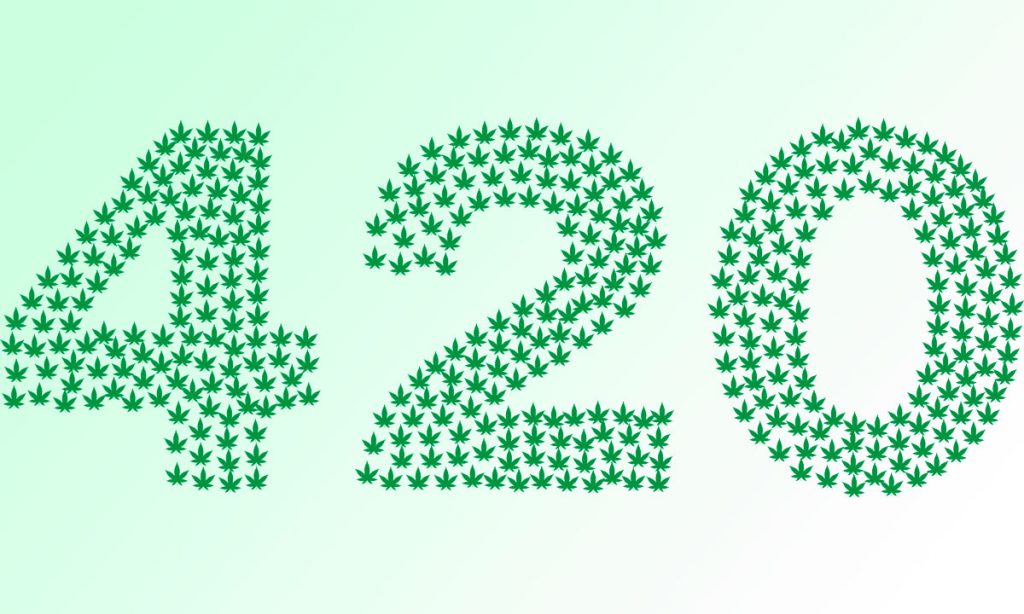
420 is weed’s magic number. While the origins of the date are not known by the average marijuana user, even those who know of the drug peripherally have heard of the popular weed reference. Where does the date come from? Turns out a group of teenagers ignited the 4/20 craze.
Some of the explanations behind this date are ridiculous, with some claiming that it stems from Adolf Hitler’s birthday (?), that the marijuana plant contains 420 different elements or that 420 is the code police officers used when they spotted someone smoking weed.
According to Time magazine, most marijuana experts say that the number dates back to 1971, when a group of Marin County, CA teens known as the “Waldos” — Dave Reddix, Larry Schwartz, Steve Capper, Mark Gravitch and Jeffrey Noel — would meet at 4:20 p.m. every day after school to get high by the statue of the chemist Louis Pasteur. They would say the number 420 to each other, which was a coded way of saying marijuana.
Dave’s brother, Patrick Reddix, was working with Grateful Dead bassist Phil Lesh. They toured together, spreading the term among band members, other bands, friends and groupies, until it gained worldwide recognition.
Photo by GDJ via Pixabay
In the 70s, April 20 was a date only celebrated among smokers and outcasts. Smoking marijuana was associated with hippies and those who protested against the war effort and large corporations in America. Nowadays, its reception has shifted so much that the date is treated as a holiday, especially by canna-businesses which offer discounts on their products.
Capper said it wasn’t until 1997 that he realized how big the term 420 had gotten until Schwartz told him. “Larry called me up one day. He said, ‘Steve, it’s everywhere. There are T-shirts and hats. Everybody is capitalizing on it.’ ”
Sadly, and in an unbelievable twist, Pat Reddix passed away in December 2018.
“I was there, and Pat died at exactly 4:20 p.m.,” his brother Dave said. “It’s on his death certificate. What are the chances of that?”
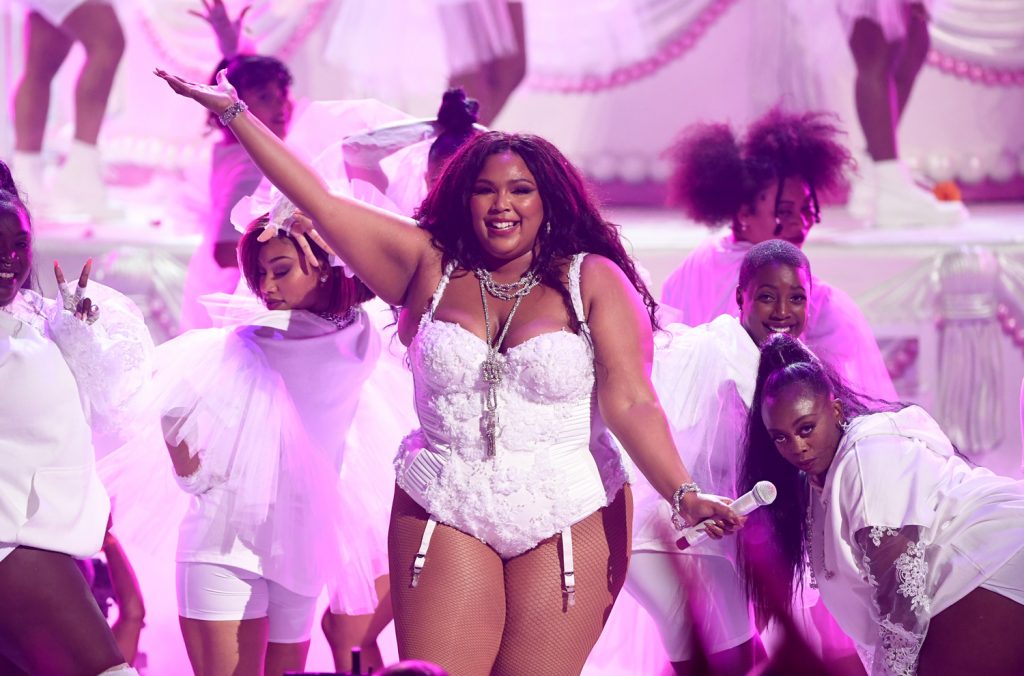
Lizzo is one of the most famous artists in the world. Does she smoke weed?
Lizzo has been making music for years but it was only recently that she’s been embraced everywhere, from the VMA’s and Grammys, to movies and TV series watched by millions.
With the coronavirus pandemic, she’s donated food to hospitals and has also tried to entertain people as best she can, providing at-home concerts and guided meditations.
But, like with many Americans in lockdown these days, does she smoke weed?
When it comes to Lizzo, it’s not a question of whether she smokes weed or not, because we can all assume that she does. The problem is finding publications where she discusses her marijuana habits. While she’s open in her media interviews, no journalist has asked her directly about her marijuana use, probably because they’re talking about more pressing matters.
So, while Lizzo may not be a Seth Rogen kind of celebrity that advocates for the drug, she’s pretty open about the fact that she loves it and that it’s fun for her.
Bad highs suck, and are made even worse during lockdown. Here’s what to do while high on 4/20.
This 4/20 marks the first time the iconic stoner holiday is spent in quarantine. Sure, there are those who usually spend 4/20 getting high at home, but sometimes, you just want to be surrounded by friends. Sharing is caring, and all that.
Regardless of your plans this year, we suggest stocking up ahead of time and devising some sort of plan so you can have a great time indoors.
What you do with this day is up to you, but here are a few suggestions of what not to do while getting high in quarantine:
Going to the grocery store
This year’s 4/20 falls on a Monday. If this is the day when you usually stock up on groceries and necessities, don’t get high before you go out. Apart from the fact that visiting a grocery store while high during a pandemic sounds incredibly stressful, the weed might make you act fuzzy and distracted, which is annoying and dangerous when following social distancing guidelines.
If you haven’t heard, Zoom meetings are very trendy right now. Despite this, getting high and going on a video call is not the best idea, especially when it involves coworkers or your parents. Be sure to organize your 4/20 celebrations with this in mind, keeping your smoking session to the latter part of the day or postponing it until the weekend.
Bake (no, the other kind)
Baking has been hyper popular during quarantine. It’s why yeast and flour are hard to find in most grocery stores. Not only does baking require hard-to-find ingredients, it demands focus and skill. What makes it so great for self-isolation is also what makes it so bad for being stoned. You don’t want to waste your ingredients on baking something that’ll most likely end up inedible if you prepped it while high and woozy. A better plan is to bake ahead of time, that way you have snacks at the ready.
Despite the ethical dilemma of ordering online whilst in a pandemic, we’re shopping now more than ever. While it’s okay to support small businesses and to order necessities during a time of crisis, it’s also important to think things through before shopping, especially when impulse buying something you don’t really need. Adding weed to the mix might cause a mental break down when you check your bank account the next morning.
Watching intense movies
This suggestion depends a lot on who you are as a person. If you’re someone who enjoys being high and watching disturbing stuff, go for it, live your life. If you’re someone who’s susceptible to what they view, that scary movie you’ve been meaning to watch can wait until after your high has passed. Believe us: Parasite is much better viewed sober.
With so much time on our hands, getting high is a simple way to have fun. Here are 5 methods you should try that don’t involve inhaling.
In the age of coronavirus, one of the few outlets we have for fun and escape is marijuana. A new poll found that people have increased their cannabis use in significant ways, claiming that 33% of Americans tried marijuana in March compared to last year, whereas only 12.5% of people had tried it.
Unlike alcohol, marijuana won’t leave you with a hangover or pack on the calories (you do have to be wary of the munchies). Since COVID-19 is a respiratory disease, these 5 methods of consuming cannabis won’t harm your lungs in any way.
Baking
Baking with marijuana is awesome, whether you’re keeping things simple with firecrackers or taking the more elaborate route of preparing a pot cake or brownie. With all kinds of weed baking it’s important to decarboxylate, which is the process when you heat up marijuana in order to bring out its effect. If this is your first time preparing these treats, remember to always use a recipe, learn the basics of cannabutter and start off slow. The pot brownies might be delicious, but eat too many of those things and it’s easy to have a lonely quarantine freak out.
While some people believe that the uplifting effects of caffeine might cancel out marijuana’s mellow, others believe caffeine makes for a better high. The only way to know is to try it out for yourself. Coffee and cannabis is a popular way to blaze up in the mornings for a reason, so don’t knock it ’til you try it!
There are dozens of marijuana topicals, ranging from skin care products to shampoos and conditioners. These products are infused with cannabis and also contain other nutrients, oils and natural scents. They wont’ get you high, but they will relax you.
Lubricants
Cannabis lubricants have experienced a boom of sorts recently. Brands like Foria are beloved by many and manufacture products that contain THC, CBD, or combinations of both.
As for CBD lube specifically, benefits include pain and inflammation management, which are reportedly very helpful for women, especially those who struggle with painful or uncomfortable sex.
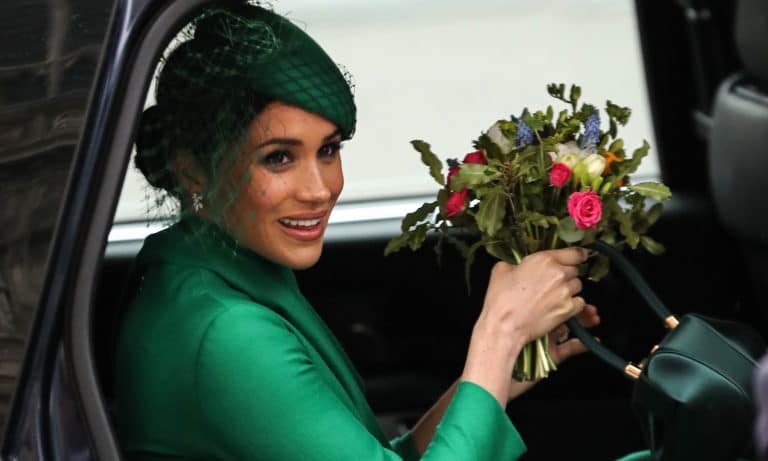
Megs and Harry are soaking up the sun in Los Angeles and, according to those close to the couple, Meghan is starting to feel like her old, pre-royal self.
Ever since Meghan Markle and Prince Harry completed their royal duties more than two weeks ago, the Duchess is starting to feel more like herself again. (By the way, the couple is still referred to as the Duke and Duchess of Sussex, Earl and Countess of Dumbarton, and Baron and Baroness Kilkeel.)
US Weekly reports that ever since the two moved to Los Angeles in March, they’ve been trying to rebrand themselves as something other than “royalty.” Good luck with that.
“They’re very content and happy to finally be all settled in,” an insider tells the magazine. “And of course, Meghan feels more at home too and she’s really starting to feel like herself again.”
Another source tells Us that Harry is “excited for the future” with his growing family. “For Harry, the thing is, he’s always wanted Meghan to be happy, safe, and comfortable. He will go wherever she goes, and he’s made that clear … It’s the next chapter for him, and a breath of fresh air from his former duties.”
Photo by WPA Pool/Pool/Getty Images
Us confirmed earlier this month that the royal(ish) pair were getting ready to launch Archewell, a charitable foundation named after their son, Archie, that will focus on emotional wellbeing.
The couple was most recently spotted partnering with Project Angel Food to deliver meals to those in need in West Hollywood — while wearing masks, of course. The organization’s director, Richard Ayoub, told a local paper that, “They wanted to help us relieve some of the drivers from their workload. So they made deliveries in West Hollywood today. It’s really, really amazing. We loved having them and they are the most down-to-earth people.”
In addition to settling into her new normal with Harry, Markle has already accomplished quite the “to do” list. According to Cosmo, she’s narrated the Disney+ movie, Elephants, and has plans to possibly write another cookbook and relaunch her popular lifestyle blog, The Tig.
Just because you’re stuck at home from the coronavirus doesn’t mean you have to be alone this 4/20.
Spend enough time around cannabis enthusiasts, and you’ll quickly learn 4/20 is, by default, a social holiday. It’s been this way from its inception in the early 70s, when a group of California high school teenagers gathered every day by the same statue to share a couple joints. Eventually, someone from that group worked with Grateful Dead bassist Phil Lesh and the tradition spread to the biggest group of hippies any generation has ever known.
Sadly, this 4/20 will not follow tradition. The coronavirus pandemic has isolated us, with shelter-in-place orders prohibiting any meaningful physical social interaction. But that doesn’t mean this 4/20 needs to be lonely. Many cannabis groups have pivoted to hosting virtual events and most don’t cost a thing. We’ve rounded up some notable ones you can participate in on Monday.
Now's your chance to get good at weed. Join us on 4.20 for a workshop/ virtual smoke sesh. We'll be talking & learning & celebrating all things weed. It's free! But all donations will benefit @lastprisonerprj's Covid-19 emergency relief efforts. https://t.co/dscFanr5xU
From the Miss Grass brand comes the Get Good at Weed Summit. You should think of it as a digital smoking session, lunch-and-learn, and wellness workshop rolled into one. Notably, comedian Chelsea Handler will host a segment about how you in fact get good at weed. RSVP is free, though all donations will go to the Last Prisoner Project.
Two of the bigger names in cannabis events, The Emerald Cup and the National Cannabis Festival, join forces to create an online festival benefiting coronavirus relief funds. Melissa Etheridge and the Pharcyde will perform on the livestream, as well as a live taping of the Great Moments in Weed History podcast. Doug Benson will also make an appearance. The festival is backed by well-known advocacy groups like the Drug Policy Alliance and Americans for Safe Access.
Weedmaps will host a similar virtual festival with established musical acts like Wiz Khalifa, Berner, and Billy Ray Cyrus. Comedian Joey “Coco” Diaz will also perform.
“4/20 has not only become a celebration for cannabis enthusiasts around the world, but culturally, it has also served as a reminder for how far we’ve come since the days of prohibition and the continued work that is ahead,” said WeedMaps CMO Juanjo Feijoo. “We’re excited to partner with some of the best in music and entertainment to celebrate the plant and the culture with our community.”
Don’t care about the glitz and glamour? Just want to kick it with some fellow marijuana-loving buddies? This event is for you. International Highlife will invite enthusiasts from all over the world to join in a giant online smoking session hosted on Zoom. “This is the 420 you’ll be telling your grandkids about!” event organizers boasted.
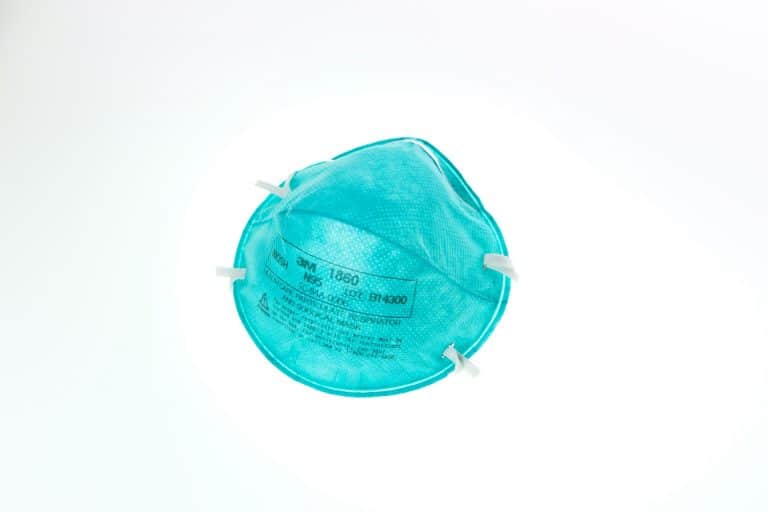
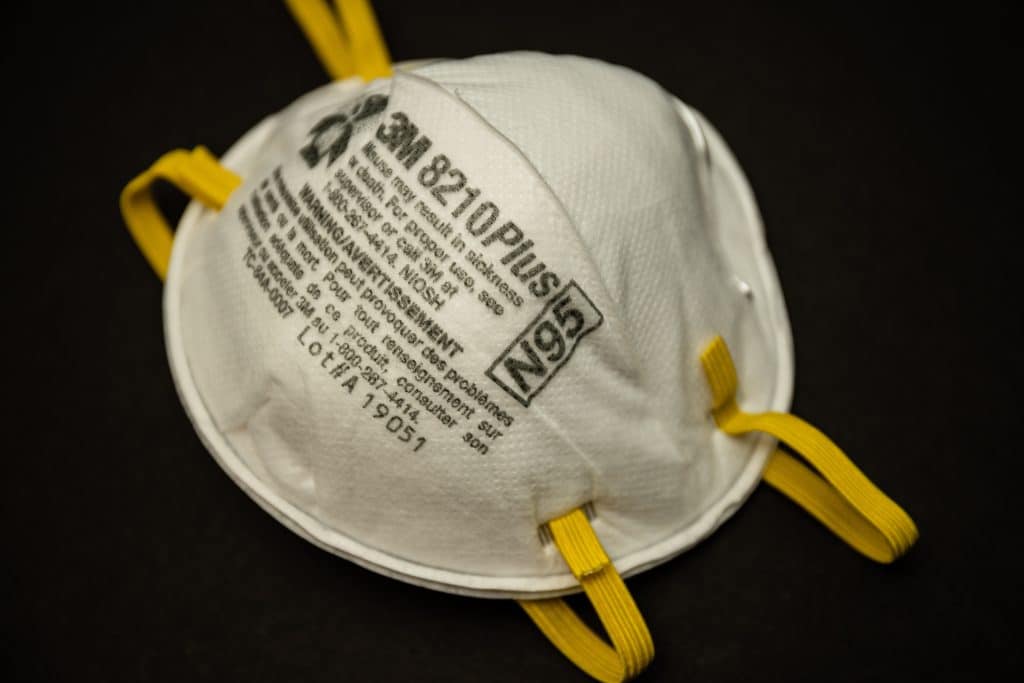
The Centers for Disease Control states that certain guidelines must be met for implementing standards of safety when reusing PPE and masks.
“Disposable filtering facepiece respirators (FFRs) are not approved for routine decontamination and reuse as standard of care. However, FFR decontamination and reuse may need to be considered as a crisis capacity strategy to ensure continued availability. Based on the limited research available, ultraviolet germicidal irradiation, vaporous hydrogen peroxide, and moist heat showed the most promise as potential methods to decontaminate FFRs.” – (CDC)
What once was disposable is proving to be healthcare’s greatest weapon against COVID-19. In early April, the U.S. Food and Drug Administration (FDA) shared an emergency use authorization (EUA) that showcased the potential decontamination and reuse of millions of N95 respirators in the United States. The FDA mandated new guidelines just last week on decontaminating personal protective equipment (PPE), such as N95 masks and disposable filtering facepiece respirators (FFRs) to help guide healthcare personnel and organizations on sound hygiene and safety best practices.
A study completed by Battelle Memorial Institute from 2014 to 2016 showcased proper protocols when decontaminating N95 masks after a health emergency that was cited by the FDA. In the study head researcher, William Richter shared, “The project successfully demonstrated the feasibility of a test approach to evaluate FFR reuse and establish testing methods for future investigation of additional decontamination technologies.” Cited in the current COVID-19 crisis and as a precursor to the EUA, the study laid important groundwork for understanding decontaminating respirators and masks.
Stephen M. Hahn, M.D., FDA Commissioner explained the FDA’s decision, saying, “This authorization will help provide access to millions of respirators so our healthcare workers on the front lines can be better protected and provide the best care to patients with COVID-19.” (Their full Q&A on PPE and safety procedures can be found here.)
The FDA’s newest EUA gives permission to decontaminate Advanced Sterilization Products (ASP) using the STERRAD Sterilization Cycles (STERRAD 100S Cycle, STERRAD NX Standard Cycle, or STERRAD 100NX Express Cycle) which can sanitize an average of 480 respirators a day.
Photo by Jonathan J. Castellon via Unsplash
The Centers for Disease Control (CDC) — via their partner site, the National Institute for Occupational Safety and Health (NIOSH) — states that certain guidelines must be met for implementing standards of safety when reusing PPE and masks. The CDC advised using caution on reusing respirators as, “there is no way of determining the maximum possible number of safe reuses for an N95 respirator as a generic number to be applied in all cases.”
When it comes to CBD the research is limited, but a small clinical trial at Colorado State University found that CBD oil reduced seizures in epileptic dogs.
Given that we’ve all been staying home lately, it seemed like a good time to talk about our four-legged friends and CBD. In fact, if I think about it, I first saw hemp-derived CBD (Hemp CBD) “in the wild” at my local pet store here in Seattle. Now CBD is so ubiquitous that I hardly notice it sitting on the counter when I pick up dog treats.
That changed when I started looking into Hemp CBD pet products in preparing for a CLE put on by the Seminar Group. Below are five things I learned about Hemp CBD for pet products in preparing for my presentation at CBD Considerations in the Northwest.
1. Many pets, like humans, have an endocannabinoid system.
The endocannabinoid system (ECS) is a signaling system found in the cells of most mammals, including humans, cats, and dogs. The ECS is essentially a network of receptors in the brain, organs, tissue, glands and nervous system. The ECS is far from fully understood but is believed to promote homeostasis in mammals, keeping internal systems balanced despite external factors. This can include regulating things like appetite and digestion, motor control, sleep, and muscle and bone growth. Endocannabinoids, produced naturally in the body of mammals, are neurotransmitters that act as messengers in the body to communicate with itself.
Endocannabinoids connect to receptors to relay messages within the body. There are two main endocannabinoid receptors:
CB1 receptors – mostly found in the central nervous system which includes the brain and spinal cord.
CB2 receptors – mostly found in the peripheral nervous system, which includes cells and organs.
Unlike endocannabinoids which are naturally occurring in mammals, phytocannabinoids are produced by the cannabis plant, as well as other plants. Phytocannabinoids include THC, CBD, CBN, and CBG. THC binds to the CB1 receptors, but the way that CBD interacts with ECS is not fully understood in humans or animals, despite the fact that Epidiolex has been approved as a drug for treating epilepsy.
The impact of phytocannabinoids on the ECS is far from fully understood, whether in humans or animals, but there are some findings on phytocannabinoids and the ECS in dogs. For example, the US government conducted studies and found that dogs have many cannabinoid receptors in their cerebellum, brain stem, and medulla oblongata. This is believed to explain why THC causes static ataxia, an inability to sit still causing shaking and imbalance, in dogs. Remember, sometimes things that are safe for humans are dangerous for animals, including chocolate which is toxic in dogs.
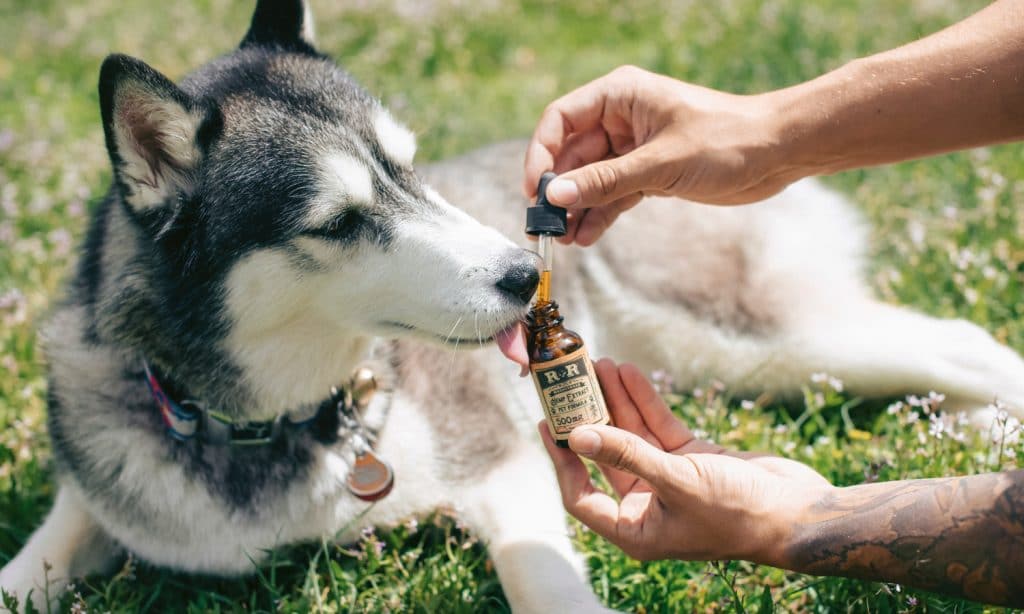
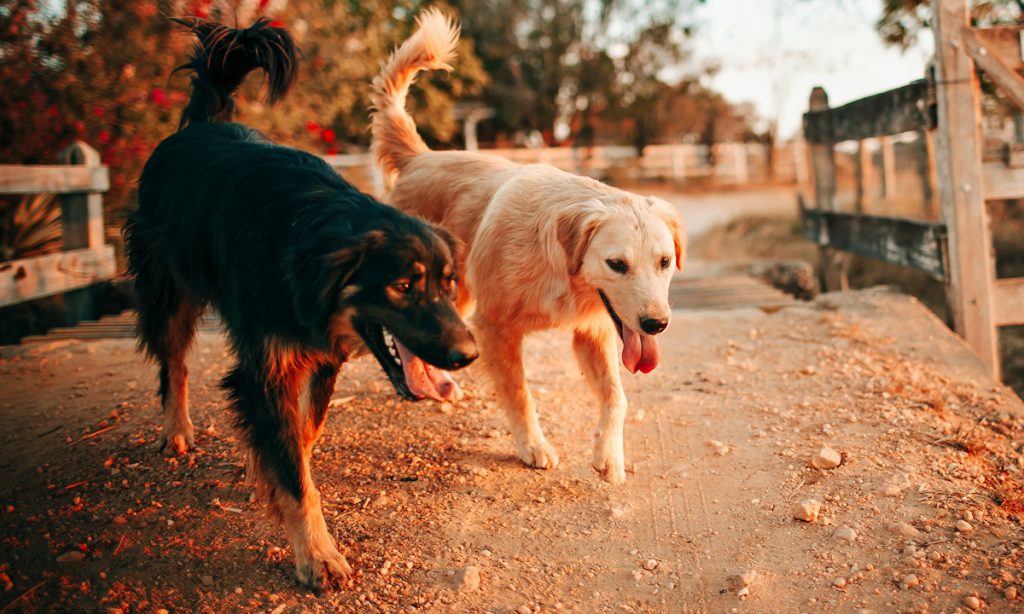
When it comes to CBD the research is limited, but a small clinical trial at Colorado State University found that CBD oil reduced seizures in epileptic dogs meaning that it may have similar effects as found in humans.
2. The FDA regulates pet products and does not approve of the use of Hemp CBD in most scenarios.
Photo by R+R Medicinals via Unsplash
The Food and Drug Administration (FDA) has taken a position on Hemp CBD in pet products that is very similar to its position on Hemp CBD in food. CBD products intended to have a therapeutic benefit or intended to diagnose, treat, cure or prevent disease are drugs under the Food, Drug and Cosmetic Act. The FDA has sent warning letters to manufacturers of Hemp CBD pet products who made such claims. There is no equivalent to dietary supplements for animals, so structure-function claims about Hemp CBD also can classify pet products as drugs.
New animal drugs are subject to pre-market approval. The FDA requires that sponsors of new drugs establish that the drug is safe and effective. At this time the FDA has not approved any drugs for animals.
Similarly, animal food products are also subject to pre-market approval. Food must be approved for specific species. The FDA has not approved the use of CBD in animal food either.
The FDA regulates pet food labeling but has a powerful partner. The Association of American Feed Control Officials (AAFCO) establishes model labeling regulations which are in turn implemented by many states. AAFCO is a non-profit, non-governmental agency that doesn’t have actual regulatory authority over pet food. Instead, it is an important advisory body that works with the FDA. AAFCO members include state agencies, the FDA Center for Veterinary Medicine and the Candian Food Inspection Agency.
3. AAFCO says that “hemp and hemp products may not be used in animal feed or pet food in the United States.”
According to a statement released by AAFCO in 2019, “hemp and hemp products may not be used in animal feed or pet food in the United States.” AAFCO reasons that although private companies are working on applications to determine that pet food is safe, those applications have not been approved.
4. Some states follow the FDA and AAFCO (like Washington) while others are more lenient.
Could Treating Dogs With CBD Save Their Lives?
To really understand the power of AAFCO in regulating animal food, look no further than Colorado. Colorado was one of the first states to embrace hemp and has passed legislation that allows Hemp CBD to be added to man food and dietary supplements, so long as those products are prepared in licensed food handling facilities. But things are different when it comes to pet food.
According to the Colorado Department of Agriculture’s website, the same is not true for animal feed:
“Currently, CDA does not approve registration applications for commercial feed products that contain industrial hemp since it is not an approved ingredient recognized by the Association of American Feed Control Officials (AAFCO, an organization of state agriculture departments from all 50 states) or the US Food and Drug Administration (FDA) Center for Veterinary Medicine. CDA’s decision not to approve these products complies with AAFCO’s position on industrial hemp as well as the positions of other state agriculture departments. Products in the Colorado marketplace containing unapproved ingredients can be subject to Withdrawal from Distribution Orders.”
But not every state follows AAFCO. For example, Florida allows for hemp extract in animal feed.
5. Pets have been a major factor in the changing attitudes of Hemp CBD.
One of the first states to strongly regulate the sale of Hemp CBD products was Indiana. Back in 2018, I wrote about how Indiana had passed comprehensive legislation on labeling and manufacturing Hemp CBD products. Since then, many other states, including Utah and Texas have adopted similar labeling standards, making Indiana a leader in Hemp CBD policy. That’s in large part thanks to Indiana dog and CBD user Teddy McDermott.
A few months before Indiana’s Governor Eric Holcolmb signed Indiana’s CBD legislation, he got involved in a public dispute regarding CBD products and pets. This started when Hammond, Indiana’s mayor Thomas McDermott Jr. publicly stated that he would be giving his aging dog Teddy, CBD. McDermott did this in defiance of Indiana Attorney General Curtis Hill’s statement that CBD products were illegal in Indiana. Gov. Holcomb joined the Fido-based fray when he told the Times of Northwest Indiana that he was open to treating Indiana’s “first dog” Henry with CBD oil if it could relieve the miniature schnauzer’s pain.
Perhaps Governor Holcomb did his research in treating Henry with CBD but I like to think it had to do with McDermott’s dog Teddy and his Twitter feud with AG Hill. Don’t worry, I have receipts:
Is this how Indiana’s Attorney General (@AGCurtisHill) wants to see me dressed? All because @tommcdermottjr gets me CBD Oil for medicinal purposes?
Dogs like Teddy helped normalize CBD in conservative states like Indiana. Hemp CBD pet products exist in a legal gray area but in most cases appear generally to be safe. However, stakeholders still need to establish the safety of these products with AAFCO and the FDA. Remember, what is safe for you may not be safe for your pet, so proceed with caution when giving your pets Hemp CBD.
Podcasts about love and sex are like the 3D version of reading a love and sex column. Here are 5 of our favorites you can listen to right now.
While a sex and advice columns are not things you normally associate with podcasts and radio programs, there are tons of them and they are very beloved by many. And while it might sound crazy to listen to someone else’s sex stories, if you’re alone and in quarantine, this might make the experience even more titillating.
Quarantine or not, podcasts focused on love and relationships work really well, functioning as if you were having an intimate conversation with a friend, only they’re the ones doing all of the talking and handing down the knowledge.
Whether these people are giving out therapist-like advice, telling you their most personal and embarrassing stories, or simply traveling the world and talking about sex when people were allowed to do these kinds of things, these podcasts are a good time. They might also teach you a thing or two about sex, cultures and relationships.
Here are the 5 must listen podcasts about love and sex.
Hosted by Courtney Kocak & Sofiya Alexandra, Private Parts Unknown is a travel podcast that discusses the different ways in which people interact with sex and gender throughout different countries. The conversations are funny and always enlightening, explaining why countries and their people are the way the are. I think we could also use any stories that involve travel right now.
Nicole Byer is a hilarious person, and her podcast is no different. Interviewing different guests that range from celebrities to experts, Why Don’t You Date Me? establishes intimate conversations that touch upon a little bit of everything. Queer relationships, STIs, single living, and bad hook-ups all have a spot on this podcast.
U Up? is a podcast hosted by Jordana Abraham, co-founder of Betches, and comedian Jared Fried. They discuss about all things modern dating, from wild sexual encounters to labeling relationships. It’s a good listen for anyone’s who’s young and single or anyone’s who’s curious about Tinder culture.
LoveLink is what you’d expect when you mention a traditional sex podcast: a program that features two hosts that are actually therapists and interview experts from all sorts of backgrounds, always with love and sex at the forefront.
Classroom Crush has a delightful idea at it’s core: one funny host who invites individuals on her show with the sole purpose of revealing their most embarrassing and life-impacting childhood crushes. Who doesn’t want to listen to that? It’s a million dollar idea.