Sunday, June 21, 2026
Home Blog Page 546

Marijuana 101: Know Your Cannabis Social Etiquette

The cannabis community, no matter how much it cleans itself up, is still a group of individuals who usually lack prejudice and who are rich in compassion.

One of the great things about marijuana smokers, both professionals and occasional users, is that they’re generally amiable people. They may have their social quirks like anyone else, but if need be, those quirks and tendencies can be quelled with a little lesson, then you will know your cannabis social etiquette. Which, it is totally  a thing.

First things first, don’t bogart the joint, my friend. We all know the rule of puff, puff pass, but, even if your story is the most engaging piece of oratory in the room, don’t hold the joint hostage while you tell it. In fact, you can pause for effect, punctuating a point, with a strategic and gracious hit and hand-off.

Once you’re done with that joint, go to the bathroom and freshen up before going back out into the world. There’s nothing shameful that needs to be hidden about cannabis, however, like with alcohol, if you reek of it in public, you carry more of the vestiges of a stigma with you. Normalizing weed doesn’t mean making a spectacle of it.

RELATED: 3 Etiquette Tips For Consuming Marijuana In The Age Of Coronavirus

Offering cannabis in the form of a tincture, even high grade CBD tincture or an edible at a social event or dinner, is naturally circumstantial. Use your best judgement as to whether or not it’s appropriate and don’t partake if the other party declines. Especially at a cannabis business meeting, it may be appropriate — especially if a product is a sample — to imbibe on the spot, but offer your co-worker an edible to-go instead. They may need to drive or have other meetings to attend.
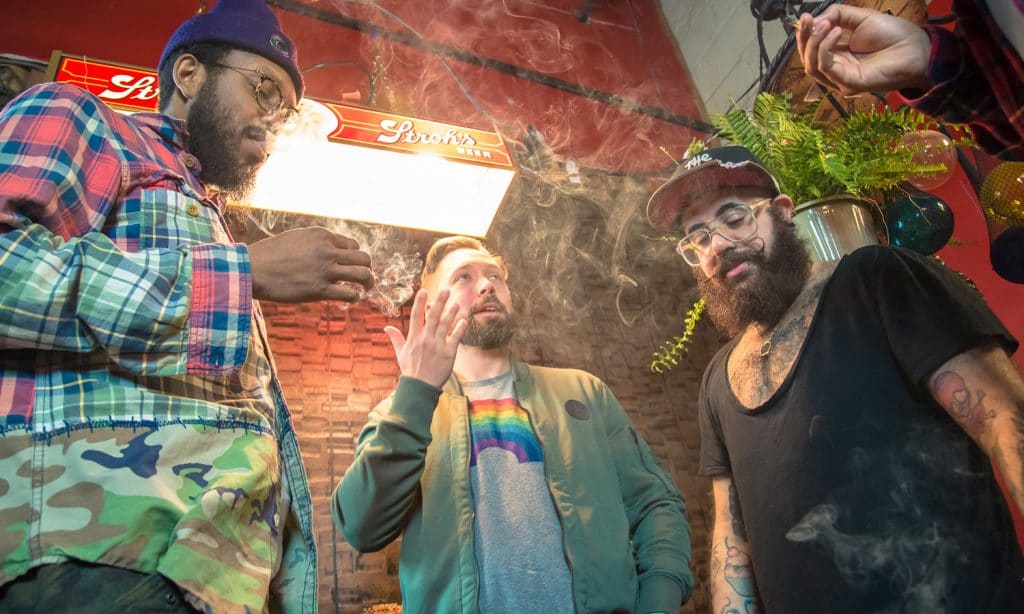
How To Sniff Out Free Weed At A Party
Photo courtesy of Cannaclusive/Flickr

Even if you’re lucky enough to live in a legalized state that allows for social consumption, be welcoming to outsiders. If someone asks to join your table, make room, pass the e-nail and maybe everyone will be able to try some new product.

RELATED: 5 Etiquette Tips For Smoking Marijuana With Friends

If you are the newbie, be polite, try to BYOC (unless in dire need), but just be yourself. The cannabis community, no matter how much it cleans itself up, is still a group of individuals who usually lack prejudice and who are rich in compassion. As the cannabis movement started to spread in the medical world, it is that same aspect of wellness and giving that are the roots to where we’ve grown.

Don’t be afraid to ask, but whether asking, offering or simply sitting in, do it with simple love. That’s the biggest bit of etiquette there is in the cannabis community. And always pass to the left.
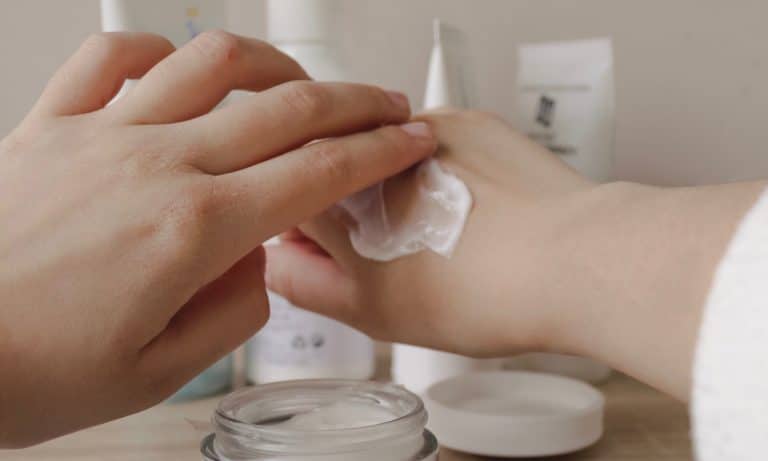
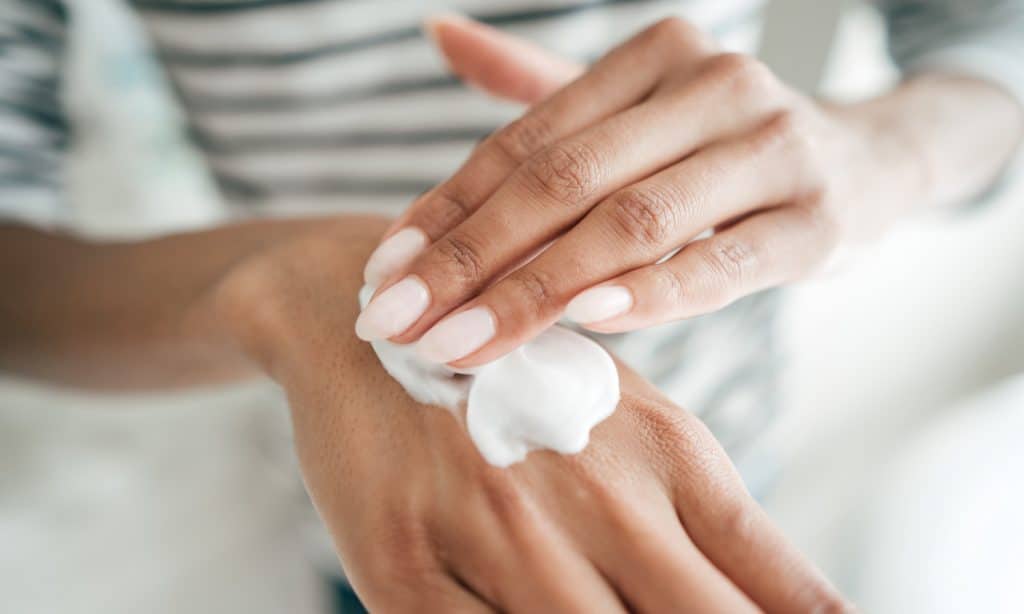
Chapped Hands? Here Are 4 Remedies To Help

We can keep COVID-19 at bay with proper handwashing and keep our sanity with frequent moisturizing. 

With COVID-19 being declared a pandemic, frequent handwashing has been on the minds of many. While Americans are washing their hands more than ever before, some are experiencing drying, cracking and bleeding. Frequent handwashing can cause chapping and peeling, so what should the average person do? 

The Fresh Toast recently checked in with three nurses who shared important tips for keeping hands free from dry, chapped skin. On the front lines of fighting the coronavirus, these three explained how they keep their hands at their best. (Last names have been withheld to protect the privacy of these women.)

Lanolin

One nurse, Dianne, swears by Lanolin, a type of wax that comes from sheep and their wool. Known for its effects in keeping skin soft and smooth, Dianne mentioned she believed it wasn’t just the lanolin itself, but how it’s placed on the hands that truly helps. She explained, “Wash and dry your hands, but don’t over dry them. Get it to the point where the water is absorbed, then place 2 pea-sized blobs on your hands and rub it in.” Also using Lanolin on her chapped nose under her mask and cracked heels, she said it’s every nurse’s best friend.

Frequent moisturizing

5 Things You Can Make With Leftover Marijuana Stems
Photo by kate_sept2004/Getty Images

RELATED: Cannabis And Hand-Washing: Can Weed Eliminate Bacteria?

Amber, a pediatric nurse,  stated the secret to keeping hands safe from chapping was to frequently moisturize them. As nurses are constantly washing their hands, Amber recommended taking a moment to moisturize hands after every hand-washing to ensure skin doesn’t crack or bleed.

Nightly gloves

Amy, who works in hospice in St. Cloud, Minnesota, shared that often she sees reactions to frequent hand-washing in rashes or painful skin in older adults. She’s started to utilize a nightly routine for herself of spreading Vaseline on her hands, (especially on the knuckles) and  placing gloves over to save her sheets. She said she’s used it with a few patients who have had skin issues with their hands, and it seems to work wonders.

Check the ingredients

5 New Ways To Fight Acne
Photo by Matthew Henry via Burst

RELATED: 5 Popular Moisturizer Ingredients That Can Harm Your Skin

Dermatologist Paula Zook of Spectrum Dermatology believes that looking at ingredients in both hand soap and lotion can give a glimpse to how drying the product is. She told KOMO News to avoid alcohol, isopropyl alcohol and fragrances for the best experience. Dr. Zook also mentioned to check the consistency of lotions and opt for using one that’s firmer in texture, versus watery. 

The Centers for Disease Control has a guide to handwashing and explain that individuals should scrub their fingers anytime before, during or after preparing or eating food, after using the toilet and after coughing, sneezing or blowing the nose.  

To those on the front lines of this virus: Thank you. And to everyone else, we can help keep COVID-19 at bay with proper handwashing and keep our sanity with frequent moisturizing. 

Should COVID-19 Allow Medical Patients To Grow Marijuana

0

While some medical marijuana states allow home cultivation, others do not, potentially harming lives during the coronavirus outbreak.

This past month, numerous cities and states recognized marijuana as an essential good under quarantine from the novel coronavirus, allowing medical dispensaries and recreational cannabis stores to remain open during the pandemic. Governments also lifted restrictions around delivery and curbside pickup rules.

Another option exists, however, that could improve upon social distancing efforts even more: Letting people grow their own weed at home. Bill Caruso, an attorney and founding member of New Jersey United for Marijuana Reform, recently said that support for home cultivation exists among patients and industry professionals.

“I talk to a lot of folks in the industry. A lot of people think that the industry is fighting this,” Caruso said during an NJ Insider webinar. “I have not heard one credible source in the cannabis industry that is opposed.”

Other advocates and industry leaders argued during the webinar that medical patients shouldn’t have to rely on outside sources to acquire plant medicine. This is especially true for at-risk patients, who could be placing themselves in more danger by accepting deliveries or picking up cannabis curbside.

RELATED: Do You Still Need A Medical Marijuana Card in 2020?

“If you have a child with Dravet syndrome and you don’t have access to your medicine, that’s a big freaking deal. And that should make people angry, right? People should not have to worry about where they’re going to get medicines for themselves or for their child,” said Scott Rudder, president of the New Jersey CannaBusiness Association.

Italian Government Approves Of Marijuana Home Growing
Photo by Duncan McCulloch/Getty Images

Lawmakers and big industry players alike have fought home growing in multiple states. Home cultivation was included in the initial 2009 draft for medical marijuana legislation in New Jersey, but was eventually removed to increase its likelihood of passing.

The gambit worked. However, corporations such as MedMen and Vireo Health advised New York lawmakers not to include home cultivation in recreational legislation because it would be too dangerous in the hands of consumers (which later inspired a parody from South Park).

A similar plan was hatched when trying to introduce recreational marijuana legalization on the Florida ballot in 2020. The campaign was backed by the state’s biggest medical marijuana players Surterra and MedMen, but banned any home growing in its petition. When it failed to garner enough support — despite raising $8.7 million in funding — some Florida cannabis advocates were quietly pleased, due to lack of a home growing provision.

RELATED: How The Coronavirus Has Negatively Impacted Marijuana Legalization

While New Jersey advocates don’t believe anything will change in the short-term, they believe the coronavirus could eventually push lawmakers to reconsider the ban on home cultivation.

States that currently allow home cultivation for medical marijuana patients include Washington, Oklahoma, Arizona, New Mexico, Montana, and Missouri. Other states like Maine, Alaska, Massachusetts, Rhode Island, and Colorado allow home growing for recreational and medical users alike. Meanwhile, California, Michigan, Vermont, Oregon and Nevada permit medical patients to grow more plants than recreational customers.

Sex Clubs Are Now Hosting Digital Orgies Because Of Coronavirus

0

The current pandemic has impacted most activities and businesses, including sex clubs.

The coronavirus pandemic has limited most of our social contact, making having sex with people you don’t live with a big risk. Orgies are logically a bad idea in times of pandemics, which has forced sex clubs to get creative.

The New York Post reports that a London-based sex club called Killing Kittens is using Zoom for digital orgies. This Friday, the group has scheduled its first meeting, with over 100 guests having already RSVPd.

“It’s a two-hour virtual house party,” said Emma Sayle, Killing Kittens’ founder. “Obviously, there’s not an actual orgy in place, but it’s adult, there will be a lot of nakedness and lingerie on display and people challenging each other to do certain things with each other.”

porn lovers seem to be less sexist than regular men
Photo by kmatija/Getty Images

RELATED: Should The Coronavirus Alter Our Dating Behavior?

Aside from the sexual aspect of things, Sayle explains that these Zoom meetings are also opportunities for people to socialize, have fun and bring a party experience to the comfort and safety of their homes. While the digital party is a trial, the event will cost $25 per couple and will put a cap on 55 screens, which makes for a cluttered Zoom meeting. Traditionally, real life entrance to the event is priced at $312 per couple.

While the coronavirus is not a sexually transmitted disease, the easiest way to catch it is by standing close to someone. “But as during sex there is very close contact between two individuals, the chance of someone contracting the virus from another infected person is almost 100%, specifically due to the kissing involved,” Dr. Muhammad Munir of Lancaster University told The Guardian.

RELATED: How To Make It Through Quarantine With Kids Or Roommates

While it’s easy enough to walk through a room and avoid people who are outwardly displaying symptoms, the coronavirus is known for its long gestating period and affecting some people in asymptomatic ways. At the moment, in-person sex clubs and orgies are kind of out of the question.

Canadian Scientist Wants To Do COVID-19 Marijuana Research

0

Dr. Mohan Cooray believes the naturally occurring immunomodulatory properties that plant cannabinoids possess absolutely require expedited investigation.

Just how will the coronavirus epidemic end? It’s a question you’ve probably wondered about multiple times during this period of quarantine and social distancing. If not, you likely wish things would just go back to normal. According to experts, one way the outbreak could end is doctors developing medications that prevent and/or treat the infection.

One medical supplier recently asked Health Canada for approval to study the effects of cannabis on COVID-19 patients. Dr. Mohan Cooray, who serves as president and CEO of Cannalogue, an online medical cannabis retailer in Toronto, wants to examine if certain cannabinoids can reduce inflammation and potential boost immune systems in a formal, rigorous setting.

“What we know from medical cannabis over the course of the literature and the experience we’ve had in Canada over the years is that there are known anti-inflammatory properties that cannabinoids have—cannabinoids being the active ingredients that come from the cannabis plant,” Dr. Cooray told The Toronto Sun.

RELATED: THC-A: A Better Anti-Inflammatory And Neuro-Protectant

Previous studies have shown that marijuana’s entourage effect — when whole-plant cannabinoids like THC, CBD, or CBG work in unison, instead of isolated doses like you find in CBD oil — demonstrates particular effectiveness in reducing inflammation. Other research has shown flavonoids in cannabis — the genes responsible for a plant’s color and pigmentation — contain anti-inflammatory effects 30 times more powerful than aspirin.

Understanding The Importance Of Marijuana Studies And Outcomes
Photo by boonchai wedmakawand/Getty Images

Dr. Cooray believes now is the time to build upon that research.

“On top of that, we know from a medical standpoint that these active ingredients have immunomodulatory properties, meaning that they augment the immune system to make it better… and we’ve seen this in diseases such as Crohn’s disease, rheumatoid arthritis and multiple sclerosis that medical cannabis functions as a naturally occurring immunomodulator,” he said.

RELATED: Marijuana Legalization Could Get A Boost Post Coronavirus

A previous study published in the peer-journal AIDS Care, for example, focused on how cannabinoids affected HIV/AIDS patients. Researchers found those who were cannabis users developed stronger immune systems and generated more T cells that kill the HIV virus. But, the study’s authors wrote, “the mechanisms by which marijuana act upon immune and neurocognitive functioning cannot be determined from the current study.” This is where Dr. Cooray hopes to improve our current understanding.

“Cannalogue is committed to doing our part.  The need is too great and we have to act now,” he told Yahoo. “We are not suggesting with the current knowledge of medical cannabis that it is a prevention, treatment or cure for COVID-19 or coronaviruses. However, plant cannabinoids have naturally occurring immunomodulatory properties that absolutely require expedited investigation given the current global COVID-19 pandemic.”

Is Resin A Good Replacement For Marijuana

0

The thing to keep in mind is that resin is just tar, ash and burnt carbon that just so happens to have some THC trapped inside.

Things happen and you suddenly have no more stash, is resin a good replacement for marijuana.  As times could get hard in some parts of the United States, specifically in areas of prohibition or in places that may opt to include dispensaries in the next wave of closures. After all, desperate times call for desperate measures, and these are about as desperate of times the nation has seen in over 100 years. But, in looking to the dark days ahead, can these resin hits really work to curb the stoner appetite when supplies go dry? 

RELATED: NORML Gives Marijuana Consumption Safety Guidelines During Coronavirus Outbreak

Resin was once the last resort when the person who ventured out to score a bag of weed came home empty-handed. It’s that black, sticky and, let’s face it, gross, tar-like substance that builds up in our pipes and bongs over time. Most cannabis users make it a point to clean this stuff out of their smoking devices on occasion to ensure the collected residue isn’t clogging up the air flow or making their weed taste bad. 

But some marijuana users, admittedly the more desperate of the breed, have been known to scrape out the resin from their paraphernalia and either smoke it right then and there or save it back for a rainy day.   

How Often Should You Change Your Bong Water?
Photo by vladans/Getty Images

We’re not going to mince words, resin is the bologna sandwich of the cannabis scene. Yet, in a pinch, resin hits, in all of their disgusting glory, can be used to get the despaired user high to some degree. Although most of the THC burns up as soon as marijuana is held to a flame, some residual is always collected in the resin. So while some old-time stoners might swear on a stack of Bibles that resin hits get them higher than a Tibetan monk, the truth is this crud only contains small amounts of the stoner compound. Sure, smoking it might get the doobie desperado high, but it is more likely to give them a splitting headache than anything that resembles pleasure. 

Resin hits also taste awful. But more than just their foul flavor, they are about as unhealthy as it gets. We all know by now that just burning plant matter like the Gods intended is not the healthiest choice when it comes to consuming marijuana. But the cannabis user who relies on resin hits to get high during the Coronapocalypse is at serious risk of respiratory issues — something that’s probably not a good idea considering that’s the part of the body this virus likes to target. 

RELATED: What Is Hash And Why Is It Making A Comeback?

The thing to keep in mind is that resin is just tar, ash and burnt carbon that just so happens to have some THC trapped inside. It’s the foul demon of marijuana past. It resembles the plant only slightly in effect, but does more harm than good. And while smoking resin every so often is not considered dangerous, doing it regularly could inevitably bring about unwanted health problems.

Our advice is to stock up now on all of your favorite cannabis products while you still have time, or you could always learn the art of home cultivation. There is just no telling how deep of a pit this coronavirus is going to drive the nation into before it is over. It is always better to be prepared than empty handed, especially when those empty hands are reduced to scraping out bong resin.

The Connection Between Ayurveda, Cannabis, And Psychedelics

Ayurveda incorporates natural tools, such as seed oils, herbs, teas, and nourishing foods, into detoxifying and rejuvenating routines.

As Nathan Howard, co-founder of East Fork Cultivars, reflects, “We’re seeing across the United States and beyond a resurgence of plant-based medicine. Whether the plant is cannabis or psilocybin-producing mushrooms, people are finding genuine relief from a variety of ailments from these plants.” As part of this conversation, people are tapping into the practices of Ayurvedic medicine.  What is the connection between Ayurvedic, cannabis and psychedelics?

Joanna Matson-Tandberg, Ayurveda practitioner, cannabis consultant, yoga healer, and founder of ZVEDA Botanicals, offers a succinct description of Ayurveda, a medical science that dates back over 5,000 years, and originated in the southern region of India. 

This broad spectrum system focuses on healing the physiological, mental, emotional, and spiritual body. Ayurveda translates to the wisdom (ayur) of living (veda), and offers common sense approaches to aligning one’s life-style with that of their own individual constitution, or dominant energy, that regulates and sustains every living organism. Ayurvedic medicine teaches that everything in the universe is formed through endless variations of the five elements: ether, air, fire water, and earth. 

When someone has too much of, or not enough of, any of these energies, which regulate and maintain all functions of life, Ayurveda offers daily routines, foods, and herbs to gently and effectively draw the energies, and therefore, the person, back to a place of homeostasis. Here, illness is viewed as an expression of disharmony from within, therefore, treatment must be determined by diving deeply into one’s understanding of their own tendencies, behaviors and norms. 

RELATED: What We Can Learn About Cannabis From Chinese Medicine

Ayurveda incorporates natural tools such as seed oils, herbs, teas, and nourishing foods into detoxifying and rejuvenating routines based on the individual, the time of year, and location of residence. Included in these tools are cannabis and psychedelics, two natural medicines that have historically been used alone and/or in combination with other herbs, often in ceremony, for healing the many complex levels of the human body, beginning with the mind. 

5 Most Common Myths About Hemp Oil And CBD Oil
Photo by MysteryShot/Getty Images

Each person has a system of receptors, the endocannabinoid system (ECS), which regulates most, if not all, other systems in the human body. If the ECS is out of balance, all other bodily systems may fall out of balance. This means that by including cannabis in an integrative approach of healing using Ayurveda, one can focus on healing the main power switch, the ECS, first and then focusing on balancing and healing the underlying energies in the body with other beneficial herbs and oils.

RELATED: Could Psychedelics Be What Brings Us Back To Nature?

Also, Matson-Tandberg observes the ways that cannabis, along with psychedelics, has the power to open one’s mind and view one’s actions and thoughts from an entirely different — and often quite broader — angle. “It can help bring forward the Parasympathetic Nervous System, which is our physiological and chemical version of Rest and Relax, while allowing the Sympathetic Nervous System, our Fight or Flight response, to retire and release stress.”

In her estimation, “Incorporating mind-opening agents of change into our healing protocol allows us to have a bird’s eye view of our own limitations that we often inflict upon ourselves, and to clearly see a new path to self healing and self love.”

Study Finds Medical Marijuana May Be Too Strong For Pain Relief

Results of the study found that between 70-90% of legal marijuana products contained THC levels higher than 15%.

Substituting medical marijuana has helped those living with chronic pain regain some control over their lives, as it boosts sleep, relieves symptoms of depression, and reduces neuropathic pain. But researchers are now questioning its use. A new study finds medical marijuana maybe too strong for pain relief.

According to a new study published in the journal PLOS ONE, 90% of cannabis products sold in medical dispensaries contain levels of THC two to three times higher than what doctors recommend.

“We know that high-potency products should not have a place in the medical realm because of the high risk of developing cannabis-use disorders, which are related to exposure to high THC-content products,” Alfonso Edgar Romero-Sandoval, the study’s lead author, said.

For the study, researchers gathered more than 8,500 cannabis products across 653 dispensaries in legal medical marijuana states, including California, Colorado, Massachusetts, New Mexico, Maine, Vermont, Washington, New Hampshire, and Rhode Island. The goal was to analyze THC and CBD levels in medical marijuana products compared to recreational ones.

They also tested whether CBD and THC levels met those advertised, and if those levels were suitable to satisfying medical needs.

RELATED: A Pain Management Doctor Shares How Marijuana Is Impacting His Patients

Results of the study found that between 70-90% of legal marijuana products contained THC levels higher than 15%. The researchers also noted a prior study focused on Washington state, where more than 90% of cannabis product contained more than 15% THC. This could mean the commercial market bears significant influence on medical products, the study’s authors wrote.

Pain Patients More LIkely To Develop Marijuana Dependence
Photo by rawpixel.com

“Several earlier studies showed that levels of up to 5% tetrahydrocannabinol (THC)—the main psychoactive compound in marijuana that provides pain relief as well as intoxication—were sufficient to reduce chronic pain with minimal side effects,” Romero-Sandoval said.

Researchers didn’t pinpoint any significant differences across state markets. However, they found medical dispensaries with products advertising low levels of CBD, around 2%. In recreational markets, CBD levels were closer to 1.3%. This was concerting because CBD can lower some of THC’s negative psychological effects, researchers say. As a medicine, the plant works best when utilizing the entourage effect, or when multiple cannabinoids work in conjunction with one another instead of one cannabinoid exclusively prioritized.

RELATED: Side Effects Of Marijuana Vs Conventional Medications

According to Romero-Sandoval, 60-80% of medical marijuana use is for pain relief. Introducing higher levels of THC immediately could not only create a dependence, but also cause patients to seek increased THC levels after developing a tolerance.

“Better regulation of the potency of medical marijuana products is critical,” Romero-Sandoval said. “The FDA regulates the level of over-the-counter pain medications such as ibuprofen that have dose-specific side effects, so why don’t we have policies and regulations for cannabis, something that is far more dangerous?”

What Is Reiki And Is It Right For You?

Reiki was developed in Japan in the 1920s by Makao Usui, a Zen Buddhist who realized the technique during meditation.

Reiki is a form of alternate healing that originated in Japan. Also referred to as “energy healing,” it’s a technique where the practitioner places his or hands on or several inches above a client’s body and channels energy through the hands into the client. People seek reiki to heal anxiety, achieve deep relaxation, release stress, and to compliment other forms of healing. It has been used to treat all forms of maladies and diseases.

Generally, a session takes place without talking, and the client lies down, face-up on a massage table. The setting should be peaceful and relaxing. A session may last anywhere from 30 to 90 minutes. For those facing a serious health issue, reiki practitioners often recommend four sessions over four days.

During a session, the practitioner places his or her hands, palms down, gently on the client (who is fully dressed), and holds them for a period of time in one place. A number of positions may be used during the session, and clients may experience pleasant sensations such as heat or warmth.

what is reiki and is it right for you
Photo by Diego PH via Unsplash

The practitioner is said to channel “chi” or “ki”, the universal life force, and directs this into the client while meditating or using certain symbols. By using life force, the practitioner tries to activate the natural healing process of the patient’s body and restores physical and emotional well-being. The practitioner also channels his or her own healing energy and uses it to strengthen the energy in others.

Reiki practitioners are not licensed or regulated in the U.S., except in Florida and Texas where they are required to be licensed massage therapists. The states of Colorado and California require certain disclosures be made. The National Institutes of Health reports no negative effects of reiki, but claims clients may feel some anxiety, lightheadedness or fatigue.

Reiki is non-denominational and is not a religious practice. Since the technique was developed, several branches of reiki have emerged.

Reiki is taught in private educational institutions with degrees of achievement. While there is no governing body that determines the various levels, most reiki schools or organizations have a beginning, intermediate and Reiki Master level.

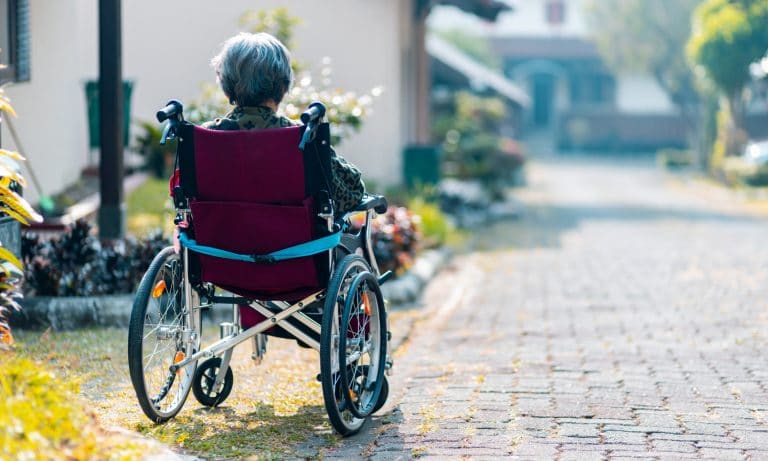
Wheelchairs Are Getting A Makeover: Here’s What You Should Know

While standing wheelchairs are offered on the market, UPnRIDE offers users the ability to take the device everywhere they go.

Late last month, the US Food and Drug Administration gave approval for a free-standing wheelchair that offered a different model of accessibility for those diagnosed as a quadriplegic. Offering options for individuals that prefer to stand, the UPnRIDE Robotics mobility device can move from a sitting to standing position and may be used indoors or out.

Dr. Armit Goffer, UPnRIDE founder, shared that this wasn’t just a project of innovation, it was an invention that deeply touched his life. As a quadriplegic, Dr. Goffer had looked forward to offering other choices in their mobility.

The approval of our UPnRIDE standing wheelchair is another very important milestone in our mission to offer health benefits and improved quality of life to millions of people suffering from walking impairments,” Goffer explained. “I have had a longstanding vision that all people confined to a wheelchair should have access to enhanced mobility and enjoy the many health benefits associated with the ability to perform everyday tasks in a standing position. With the introduction of UPnRIDE, this dream is becoming a reality.” 

While standing wheelchairs are offered on the market, UPnRIDE offers users the ability to take the device everywhere they go. Featuring an auto-balancing mechanism, it can help with fatigue or complications that come from remaining in one position for an extended period of time. 


View this post on Instagram


@UpNRide UPnRIDE Robotics announced on Thursday that the US Food and Drug Administration (FDA) has cleared its Robotic Standing Wheelchair for marketing and use across the United States. The UPnRIDE will become available to wheelchair users and the elderly in the US, the Israeli company said. The FDA gave UPnRIDE initial clearance in September. The device provides users with safe and functional mobility in a standing position in almost any environment, indoors and outdoors, the company says. It is suitable for most wheelchair users, including paraplegics, quadriplegics, the elderly and people suffering from MS, ALS, CP, stroke or TBI. #stand #mobility #wheelchair #upnride #moment #quadriplegic #israel #paraplegic #wheelchairs

A post shared by NoCamels – Israel Tech News (@nocamels) on

Additionally, the UPnRIDE device could be used by individuals who need mobility devices who are looking for ways to combat fatigue or pain that often comes with the repetitive motion of wheelchairs.

Over 5 million Americans experience pain from spinal-cord injuries. New Mobility, a magazine for wheelchair users, recently wrote about the benefit of CBD for individuals with SCI’s, or spinal-cord injuries.

Dr. Gregory T. Carter, a physiatrist in Washington state, shared with the publication that “Cannabinoids have immunomodulatory and neuroinflammatory properties, which contribute to the anti-spasticity and pain-reducing properties of cannabinoids.” He went on to explain, “The vast majority of my patients with SCI are using some form of cannabis. . . there is good animal model evidence that the cannabinoids work, at least partially, through some of the same pathways as baclofen.”

Don't Miss Your Weekly Dose of The Fresh Toast.

Stay informed with exclusive news briefs delivered directly to your inbox every Friday.

We respect your privacy. Unsubscribe anytime.