Monday, June 15, 2026
Home Blog Page 56

Fun Facts About Halloween

The longer nights, the wind, the chill – all great for Halloween.

Halloween is big in the US with 96.95% of 25 to 34 planning to celebrate in some form – this is more than the 18-24 crowd (93.18%). The holiday come to the US in the 19th century was with my traditional coming  from the Irish and Scots, and Cajuns. It is now a huge season and worth a record $12.2 billion in spending. This is a significant increase the $8 billion spent in 2020. It is also one of the top 5 drinking and top 10 marijuana holidays in North America.

RELATED: Crazy Trend Of Pumpkin Spice Alcohol and Marijuana

The word “Halloween” is derived from “All Hallows’ Eve,” which refers to the evening before All Saints’ Day. As Irish immigrants brought their traditions to America in the 19th century, Halloween evolved into a community-centered holiday characterized by activities like trick-or-treating, costume parties, and pumpkin carving. Interestingly, the first jack-o’-lanterns were made from turnips, not pumpkins, as they are today. The traditional colors of black and orange with black symbolizing death while orange represents the fall harvest.

lighted Jack-o'-Lantern

Halloween costumes were originally vampires, ghosts, skeletons, scary looking witches, and devils. Over time, the costume selection extended to include popular characters from fiction, celebrities, popular memes, ninjas and princesses. In the 1940s, Halloween retailers Ben Cooper, H. Halpern Company (Halco), and Collegeville started licensing costumes for existing characters like Superman and Donald Duck. These store bought outfits were more appealing and easier for kids and adults. You didn’t have to think, everything was all put together. The Ben Cooper company were the first to premier the very popular Richard Nixon mask in the late 1960s, which sold as equally well as its Ronald Reagan mask even in the late 1980s.  The women’s lib and gay revolution introduced the sexy costume in the 70s. These cultural events made way for the normalization of sexy costumes today.

RELATED: What Is California Sober

On average, children eat around 7,000 calories and three cups of sugar on Halloween, which is equivalent to almost 169 sugar cubes.  Adults eats about 3.4 pounds during the time around the holiday – about 222 sugar cubes.

The most popular candy for Halloween is:

  • M&M’s.
  • Reese’s Cups.
  • Sour Patch Kids.
  • Skittles.
  • Starburst

At your next event, you can share these fun facts about Halloween.

Christopher Columbus And Cannabis

He is honored for helping open the new world…and a certain plant had helped a quite a bit.

There are so many myths and stories around Columbus. Did he discover North America (spoiler -looked like the Vikings beat him to the continent)? He wasn’t about gold and glory, he was about bringing religion to the world in honor of Catholic Spain. The other big myth is he was Italian, but now it is believed he was Spanish and Jewish, and hid it to avoid being prosecuted. But what about Christopher Columbus and cannabis.

RELATED: Science Says Medical Marijuana Improves Quality Of Life

Cannabis played a significant role in 16th century society, particularly in England and Europe. It was considered the “golden age of hemp”, especially under the reign of King Henry VIII. In 1533, the king introduced a hemp cultivation law requiring landowners to dedicate 1/4 acre for every 60 acres to growing hemp, or face fines. European herbals and pharmacopoeias of the time listed various medical applications for cannabis. The number of reported medicinal uses for cannabis doubled during this period as travelers brought back information from the East. And, it helped make Columbus’s journey possible.

three masted sailing ship, christopher columbus, sails

Hemp fiber was in high demand for producing durable sails, ropes, and nets for the expanding English navy…and the Spanish noticed. The sails and ropes of his three ships the La Santa Clara (Niña), La Pinta, and La Santa Gallega (Santa Maria), were made of hemp. The cracks between the planks were filled with hemp to make the ships watertight. No other natural fibre can withstand the forces of the open ocean and the stresses of salt water.

The hold of the Santa Maria, his flagship, was filled with hemp seeds. The ship had a supply of food provisions including salted meats, dried fish, hardtack biscuits, beans, lentils, and cheese, meant to last the duration of the voyage.  And hemp served as a protein-rich source nutritious snack for the crew, aldditionally the hemp seeds could be planted in any newly discovered regions.

RELATED: Couples Using Cannabis Can Increase Intimacy

The ships’ lamps were fuelled using hemp oil and these lamps lighting the way and most clothes had hemp fiber. But it is doubtful they used the cannabis hemp for fun. The ships were roughly 60 feet long and 20 feet wide. And they had carried around 88 men. So their was a ton of focus in the open ocean…and very little privacy.

Hemp’s contribution is displayed in Barcelona at the base of the statue honoring the explore. It has cannabis leaves.  So this Columbus Day, now the humble cannabis plant helped out quite a bit.

Do Marijuana Strains Really Matter

There is lots of talk about indica, sativa, and hybrids – but does it really matter?

All of Canadian and over 50% of the US population have access to legal cannabis, and use is increasing and people are being more open. Sales are rocketing, but like spririts and wine, do people really focus type of strain?  Do marijuana strains really matter and what should you know? A YouGov survey asked how people purchased wine, which sells more than the cannabis industry. The top three factors in choosing a wine is price (by far), brand and ratings. With marijuana, it is markets by strain and price.

RELATED: Diddy’s Failed Cannabis Investment Saves Industry A Scandal

Marijuana, derived from the cannabis plant, is commonly categorized into three main types: indica, sativa, and hybrid. While these classifications have been widely used, recent research suggests that the distinctions may not be as clear-cut as once believed.

Photo by Riccardo Livorni/EyeEm/Getty Images

Indica

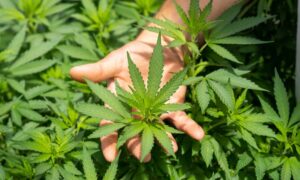
Cannabis indica plants are typically short and bushy with wide leaves. Originating from the Hindu Kush mountains of Afghanistan, India, Pakistan, and Turkey, these plants adapted to harsh, dry climates. Indica strains are often associated with relaxing and calming effects, making them popular for nighttime use. They are commonly believed to have higher levels of CBD compared to THC, although this is not always the case.

Sativa

Cannabis sativa plants are generally tall and thin with narrow leaves. They are native to hot, dry climates with long sunny days, such as Africa, Central America, and Southeast Asia. In North America, they are grown in the American South (illegally) or in grow houses. Sativa strains are typically associated with energizing and uplifting effects, often described as producing a “mind high”. They are frequently used during the day and are thought to have higher THC content compared to CBD.

Hybrid

Hybrid strains are the result of crossbreeding indica and sativa plants. Due to extensive breeding over the years, most strains available today are hybrids. Hybrids can be indica-dominant, sativa-dominant, or balanced, offering a wide range of effects depending on their specific genetic makeup.  Breeders create hybrids to combine desirable traits from different strains, such as flavor, aroma, potency, and specific effects

RELATED: Boomer And Gen Z Consume Marijuana For Similar Reasons

While the indica-sativa-hybrid classification system remains popular, it’s important to note that these categories are not scientifically accurate predictors of a strain’s effects. The cannabis plant has evolved significantly due to selective breeding, and pure indica or sativa landraces are now extremely rare. Modern cannabis research focuses on the plant’s chemical composition rather than its physical characteristics or supposed lineage. The effects of a particular strain are determined by its unique profile of cannabinoids (such as THC and CBD) and terpenes, rather than its classification as indica, sativa, or hybrid.

You Will Fall For These Autumn Cocktails

The change of seasons has started – so why not add some autumn cocktails?

The leaves are changing, the air is bit more brisk and sweaters and jackets are being pulled out of the closet. Summer is over and autumn is here, and with it is a desire for full, refreshing drinks that have a richer, deeper flavor. You will for for these autumn cocktails which will help brighten the evenings.

RELATED: Beer Sales Flatten Thanks To Marijuana

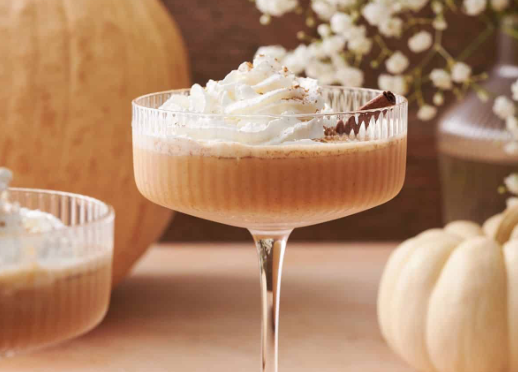
Pumpkin Pie Martini

Canadians and Americans spend over half a billion dollars on pumpkin spice products annually, and Starbucks alone sells than 20 million Pumpkin Spice Lattes each year. So why not up the game and make it into a cocktail?

Ingredients

  • 3/4 tsp pumpkin pie spice
  • Lemon wedge
  • 4 oz vodka
  • 3 Tbsp half and half
  • 3 Tbsp pumpkin puree
  • 2 Tbsp maple syrup
  • Whipped topping, for garnish
  • Cinnamon sticks, for garnish

Create

  1. Combine sugar and pumpkin pie spice in a shallow dish
  2. Using a lemon wedge, wet rim of martini glasses, then dip glasses in pumpkin spice sugar to coat rim
  3. Fill cocktail shaker with ice and add vodka, half and half, pumpkin puree, and maple syrup
  4. Shake vigorously until well chilled
  5. Strain into glasses
  6. Top with whipped cream and a sprinkle of the remaining pumpkin spice sugar

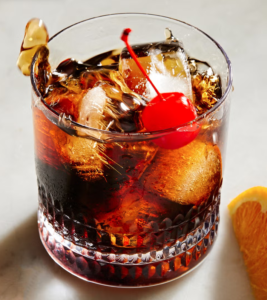
Black Russian Cocktails

The Black Russian cocktail was invented in 1949 by Belgian bartender Gustave Tops at the Hotel Metropole in Brussels. He created the drink to honor Perle Mesta, the United States Ambassador to Luxembourg at the time. Mesta was a socialite known for her lavish parties and was a regular at the hotel bar. It the perfect starter drink or late night cocktail.
Ingredients
  • Ice
  • 2 oz vodka
  • 1 oz Kahlúa or coffee liqueur
  • Orange slice or Maraschino cherry for garnish

Create

  1. Fill a large measuring glass with ice
  2. Add vodka and Kahlúa and stir with a bar spoon or another long-handled spoon until mixture is chilled, about 30 seconds
  3. Strain into an ice-filled rocks glass
  4. Garnish with an orange slice or cherry

Autumn Old Fashioned

The Old Fashioned is an OG drink since it  was first created in the 1800s. First known as the Whiskey Cocktail, it followed the basic formula for cocktails which included a spirit, sugar, water and bitters. As it was quick and simple to make with just some standard readily-available ingredients, it was originally enjoyed first thing in the morning as a hangover cure. Over the years, bartenders have tweaked the drink again and again….so why not add an autumn twist to yours?

Ingredients

  • 1/2 oz apple cider
  • 1 tsp dark brown sugar
  • 2 dashes Angostura bitters
  • 1 1/2 oz Bourbon
  • 1 thin apple slice for garnish
  • 1 cinnamon stick for garnish

Create

  1. In a mixing glass, combine the cider, brown sugar, and bitters
  2. Stir until sugar has dissolved
  3. Fill the mixing glass with ice and add the bourbon.
  4. Stir until chilled, about 15 seconds.
  5. Strain into a rocks glass over fresh ice
  6. Garnish with the apple slice and cinnamon stick

RELATED: Rainy Weather Cocktails

Pear-Ginger Shrub

Shrubs are the hot new things a great option. These mocktails have all the flavor without the alcohol. They are an old way of preserving fruit in vinegar that has found new life in the cocktail world. The result is a sweet-tart syrup that can be added to cocktails, or served on its own with a splash of club soda or seltzer.

Ingredients

  • 2 pounds ripe pears (about 4 medium)
  • 1 1/2 cups (300g) sugar
  • 1-inch piece fresh ginger with skin, grated
  • 1 1/2 cups apple cider vinegar, raw or pasteurized
  • 3 to 4 ounces club soda, chilled, to serve

Create

Chop pears, with skin, into 1/2-inch dice

Combine pears with the sugar in a nonreactive container (glass or plastic), tossing the pears to evenly coat them, and lightly crushing them.

Add the ginger and cover the pear and ginger mixture with a tea towel

Let it sit in a cool, dark place for 48 hours, stirring the mixture twice during this period

After the resting period, strain through a fine strainer into a jar or bottle that can accommodate an additional 1 1/2 cups of liquid

Pour in the apple cider vinegar and stir to combine

Seal the jar and refrigerate for 10 days, after which it is ready to use (The shrub will keep for up to 6 months refrigerated)

Combine 1 ounce of the Pear-Ginger Shrub with 3-4 ounces of chilled club soda. Stir gently to combine.

Hope you fall for these autumn cocktails.

Marijuana Edibles Make A Dramatic Improvement

While popular, cannabis edibles have had a challenge with how long it takes to “hit”, which causes some consumers to overindulge – but a change is here!

Cannabis has become mainstream with almost 90% of the public believing it should be made legal in some form. And while smoking is still the most popular consumption among experienced users, gummies and vapes are close behind. Newer users prefer consuming in a discreet way without the smell and can be taken anywhere.  And while it seems back in the day everyone had a story about overdoing it with pot brownies, things have changed. Now, marijuana edibles make a dramatic improvement in when it takes effect.

RELATED: The Most Popular Marijuana Flavors

While vaping works similar to smoking, edibles process cannabis differently. When consumed, edibles go through the digestive tract where the cannabinoids are absorbed. Unlike smoking, which delivers cannabinoids directly to the bloodstream via the lungs, edibles take a more circuitous route.  This is why it can take form 45-90 minutes for edibles provie the high.

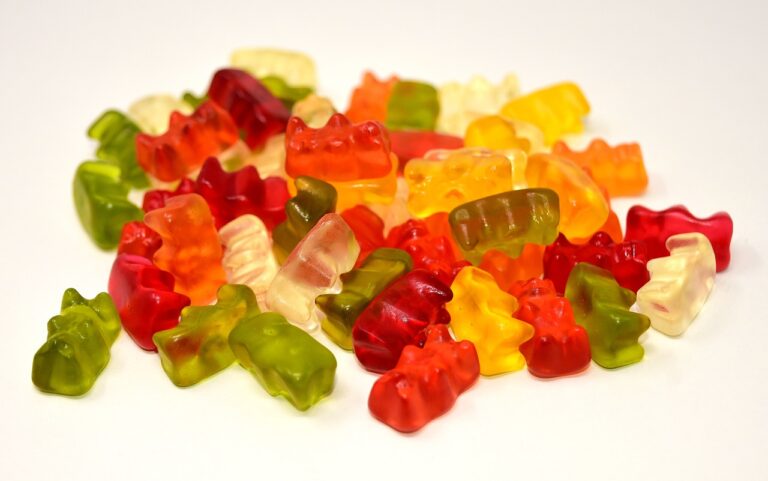
But new technology is making a difference, cannabis beverage (including hemp) are quicker acting, and now a gummy is hitting the market which takes effect within 5-15 minutes. Wana Brands is hitting their multi state markets with the new gummy and it is proving a benefit for consumers.

marijuana clock
Photo by coffeekai/Getty Images

“As we uncover more information about cannabinoids and how they interact with each other, we are discovering new opportunities to create products that speak to very specific outcomes,” said Joe Hodas, President of Wana Brands. “A growing number of consumers are seeking out ways that cannabinoids can help them negotiate daily or occasional stresses, and Wana Optimals Quick Lift is a great example of how integrating three key cannabinoids can achieve results unlike any other gummy on the market.”

The new method for gummies allows them to bypass the liver and enter the bloodstream through the stomach. As a result, these gummies will have a quicker onset which an be beneficial.

RELATED: This Natural Cannabinoid Makes You Feel Happy

Both Boomers and Gen Z are using marijuana for fun, but also for anxiety, chronic pain and more. The new gummies allows the medical benefit to received more.

Science Says CBD Oil May Help Heal Wounds

Nothing is worse than a wound, the pain, the slow healing and the potential scar…but it seems CBD oil may help.

It happens to everyone, a fall, a surgery, something which breaks the skin and becomes an open wound. It can hurt, itch or just look really bad. Not healing properly also causes problems.  Scar tissue doesn’t allow hair to grow, tends to get sunburned and can be sensitive to the touch. Research has managed to find a path to help with wounds, but more needs to be done. With all the things developed to help, science says CBD oil may help heal wounds. And this can be a good news to the 100+ million who get a nasty wound each year.
Some new research shows cannabinoids appear to improve skin wound healing through a variety of mechanisms. This is supported through a variety of in vitro and animal studies. Animal studies suggest application of cannabinoids may improve the healing of postsurgical and chronic wounds.

Text

It is natural CBD is seen a solution to the wounds, it has multiple ways to help the body. It is a potent anti-inflammatory properties which canhelp reduce inflammation associated with wounds. By decreasing inflammatory markers and cytokine production, CBD may help control swelling and promote faster healing. Also, it can increase blood flow to the injured area, bringing more oxygen and nutrients to promote healing
It also can help with pain since the the analgesic effects  can help reduce pain associated with woundshis pain relief may allow for better wound care and less discomfort during the healing process.
Datas shows CBD exhibits antibacterial and antiseptic effects which can help keep wounds clean and prevent infection. This is crucial for proper wound healing, especially for open wounds and preventing scarring. The antioxidant properties of CBD can help reduce oxidative stress in wounds, which may contribute to faster healing
The study showed 72% of CBD-treated patients experienced complete wound healing compared to only 30% in the control group. Research has managed to find a path to help with wounds, but more needs to be done.

How Cannabis Helps With A Good Mood

There is lots going on in the world…but marijuana may be able to lift your spirits.

Back to the office, weather, politics, Karens, all taking a bite of your spirits. Over 50% of Gen Z feels anxiety, While it looks like it can be a rough autumn, there is hope. Some are born with a set of genetic variants making it easier to feel happy, while others are less fortunate. Genetic variants also play a role in an individual’s responsiveness to the environment. Some need a little more help, be it music, pets, or more. Here is how cannabis helps with a good mood.

RELATED: Science Says Medical Marijuana Improves Quality Of Life

Cannabis has gained popularity not only for its recreational use but also for its potential mood-enhancing effects. The science behind cannabis’s ability to influence mood is complex and multifaceted, involving various chemical compounds and their interactions with the human brain and body. At the heart of cannabis’s mood-altering effects is the endocannabinoid system (ECS), a complex network of receptors and neurotransmitters found throughout the body. The ECS plays a crucial role in regulating various physiological processes, including mood, appetite, and pain sensation.

Ancient Chinese Tomb Shows Evidence Of Cannabis Use
Photo by CRYSTALWEED cannabis via Unsplash

The two main compounds of make the difference. First is THC (Tetrahydrocannabinol). This is the primary psychoactive compound in cannabis. It binds to cannabinoid receptors in the brain, particularly in areas associated with pleasure, memory, and cognition. By stimulating these receptors, THC can induce feelings of euphoria and relaxation. The other is CBD (Cannabidiol). Unlike THC, CBD is non-psychoactive but still interacts with the ECS. It has been shown to have anxiolytic (anti-anxiety) properties, which may contribute to improved mood.

Another path to helping is cannabis compounds can influence the release and reuptake of various neurotransmitters. Those including

Dopamine: THC can increase dopamine release in the brain’s reward centers, leading to feelings of pleasure and euphoria.

Serotonin: CBD may enhance serotonin signaling, which is associated with mood regulation and anxiety reduction.

GABA: Cannabis can affect GABA signaling, potentially promoting relaxation and stress relief.

.The anxiolytic effects of certain cannabis compounds, particularly CBD, may help reduce stress and promote a sense of calm. This stress-reducing effect can contribute to an overall improvement in mood.

RELATED: Couples Using Cannabis Can Increase Intimacy

It’s important to note that the mood-enhancing effects of cannabis are often dose-dependent. Lower doses tend to have antidepressant and anxiolytic effects, while higher doses may increase the risk of anxiety or paranoia.

Is Smoking Marijuana Bad For Your Lungs

It is clear tobacco is bad for the lungs and body, but what about cannabis?

More people are consuming marijuana, and it is taking a toll on the alcohol industry. But while marijuana is healthier than alcohol, what about tobacco? Is smoking marijuana bad for your lungs? There are multiple ways to consume cannabis – gummies, oils, vapes and smoking. Smoking is currently holding on to the most popular way to consume, but new users consider it “old school”.  One key reason is the effort needed to smoke.  Vapes and gummies are easier to use “on the go” and have don’t have the smell. So they are easier in larger social situations. But there is still a faithful core committed to smoking.  And for them, the lung question is important.

RELATED: Science Says Medical Marijuana Improves Quality Of Life

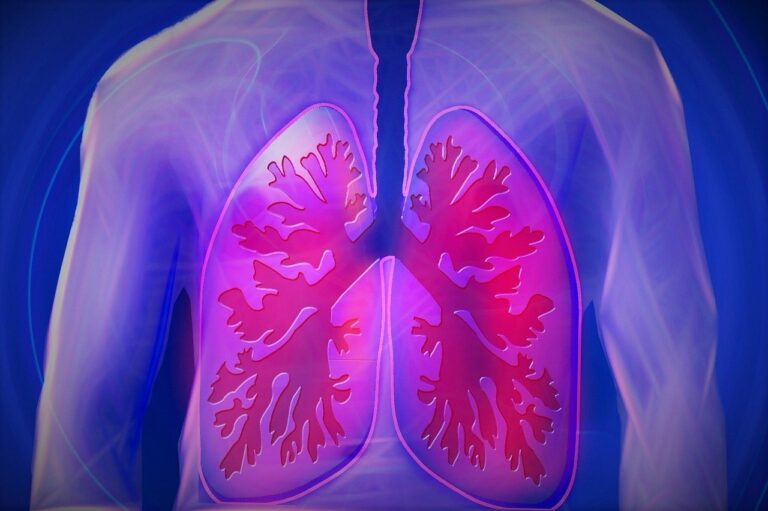
Smoking marijuana damages the lungs and can lead to chronic respiratory issues. Regular marijuana smokers often experience symptoms like chronic cough, increased phlegm production, wheezing, and acute bronchitis. The smoke from marijuana combustion contains many of the same toxins, irritants, and carcinogens found in tobacco smoke.

smoking marijuana
Photo by AnnaStills/Getty Images

Interestingly, studies have shown mixed results regarding marijuana’s effects on lung function measures. Some research indicates marijuana smoking is associated with airway inflammation and increased airway resistance. However, other studies have found that low to moderate marijuana use may not significantly impair lung function and may even be associated with increased lung capacity. The reasons for these conflicting findings are not fully understood, but may relate to the bronchodilating and anti-inflammatory properties of some cannabinoids.

Emphysema rates appear higher in marijuana smokers compared to tobacco smokers and non-smokers. Marijuana smoking has been linked to large air pockets forming between or within the lungs, especially in heavy users. However, the evidence for increased risk of lung cancer or COPD from marijuana alone remains inconclusive and requires further research

RELATED: Biden Administration Puts A Knife Into The Cannabis Industry

While marijuana smoke contains harmful compounds similar to tobacco smoke, there are some key differences. Marijuana is typically smoked less frequently than tobacco, leading to lower overall exposure.

But Marijuana smokers tend to inhale more deeply and hold smoke in their lungs longer, potentially increasing damage.  And additionally, unlike tobacco, marijuana smoke is usually not filtered, which may increase toxin exposure.

Occasional use cases much less harm, so this information is for more for daily consumers, which can lead to other issues.

Like Drinking, You Shouldn’t Consume Marijuana And Drive

The old guard is still working hard to bring back the War on Drugs – state by state.

Since the arrival of Uber and Lyft, drunk driving has slowly started to decrease. Researchers estimate ridesharing was responsible for a 6.1% overall reduction in traffic fatalities and a reduction in alcohol-related within four years after their launch. Drunk driving became illegal in 1988 when the National Minimum Drinking Age Act was fully implemented. But in today’s world, drinking is slowly losing favor to using cannabis. But like drinking, you shouldn’t consume marijuana and drive.

RELATED: Science Says Medical Marijuana Improves Quality Of Life

While smell and breathalyzer tests have been effective for alcohol, technology has not fully caught up with cannabis. But that shouldn’t be a reason to skate the issue and try to drive eif stoned. Cannabis use can significantly impair driving ability and increase the risk of motor vehicle accidents. While the effects are generally less severe than those of alcohol, cannabis still poses dangers to road safety that drivers should take seriously.

The Surprising Effect Marijuana Legalization Has On Police Traffic Searches
Photo by kali9/Getty Images

While both substances impair driving, there are some key differences. Cannabis users tend to drive more cautiously and slowly compared to drunk drivers.  The impairment is usually more subtle and shorter-lasting than alcohol impairment.

But marijuana alone affects several key skills required for safe driving:

  • Slowed reaction time: Cannabis use delays a driver’s ability to respond quickly to sudden changes on the road.
  • Impaired coordination: Motor skills and hand-eye coordination become diminished.
  • Distorted perception: Cannabis can alter depth perception and time awareness.
  • Reduced attention: Users may have difficulty focusing on driving tasks and maintaining lane position

The level of impairment tends to be dose-dependent, with higher THC doses leading to greater driving impairment and crash risk

RELATED: Biden Administration Puts A Knife Into The Cannabis Industry

Driving under the influence of alcohol and cannabis is illegal in all U.S. states, even where cannabis use is otherwise legal.  But unlike alcohol, there is no universally accepted blood THC level indicating impairment, making enforcement challenging. Research and both for private companies and governments are figuring out ways to gauge impairment with cannabis.

Combining cannabis and alcohol leads to significantly higher levels of impairment than either substance alone.

The end of the story, is be care and keep other in mind when you think about getting behind the wheel.

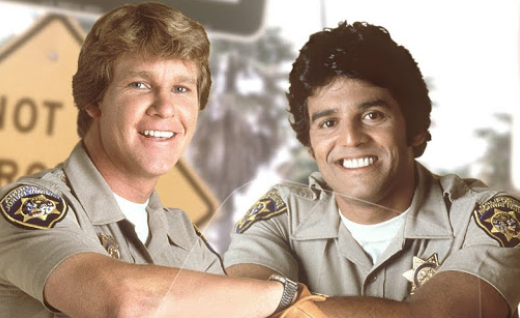
Can You Become A Cop If You Have Consumed Marijuana

Police forces are hiring all over the country – but can you join up if you have consumed marijuana?

Across the country, cities and states are experiencing a law enforcement hiring binge. From Seattle to Charlotte, hiring bonuses, and more being used to recruit more women and men to the force.  But can you become a cop if you have consumed marijuana? As usual, the answer is, it depends.

RELATED: Vaping Could Have This Effect On Men

To become a cop, you have to do the following. You have to be generally over 21, have at least a high school diploma or GED, and pass a background check. Then you go a training program or police academy, pass the state law enforcement exams and pass the physical fitness and medical exams.  But what about cannabis use?

Many police departments have relaxed their stance on past marijuana use for officer candidates. While some agencies may still automatically disqualify applicants for any past use, this is becoming less common. Instead, most departments now consider factors like:

  • Recency of use
  • Frequency/extent of use
  • Type of drugs used
  • Time elapsed since last use

For example, some agencies may allow applicants who haven’t used marijuana in the past 1-3 years, depending on their policies. The specific thresholds can vary widely between departments. With marijuana legalization expanding across the U.S., police agencies are adapting their hiring practices. Some cities have reduced waiting periods between last marijuana use and application eligibility.

There’s growing recognition strict lifetime bans on past use may eliminate otherwise strong candidates. Agencies in states with legal recreational marijuana are grappling with evolving policies. Current use of marijuana, even in legal states, remains prohibited for active-duty officers in most jurisdictions due to federal law and concerns about job performance

RELATED: DeSantis Uses Hurricane To Damage Marijuana Initiative

If you have a history of marijuana use and want to pursue a law enforcement career:

  • Be honest about past use during the application process
  • Research specific agency policies, as they vary widely
  • Emphasize growth, maturity, and commitment to a drug-free lifestyle

Don't Miss Your Weekly Dose of The Fresh Toast.

Stay informed with exclusive news briefs delivered directly to your inbox every Friday.

We respect your privacy. Unsubscribe anytime.