“Game of Thrones” star Kit Harington admitted it was “really odd” to kiss his “best friend” Emilia Clarke onscreen in the season 8 premiere that aired Sunday, in part because Clarke is so close to his wife, former “GoT” actress Rose Leslie.
“Emilia and I had been best friends over a seven-year period and by the time we had to kiss it seemed really odd,” Harington, 32, told The Daily Mirror.
“Emilia, Rose and I are good friends, so even though you’re actors and it’s your job, there’s an element of weirdness when the three of us are having dinner and we had a kissing scene that day.”
We still don’t know who will come out on top when the final season of the HBO fantasy series comes to a close, but we’ll just go ahead and nominate “The Good Place” star to take the Iron Throne for this epic dragon costume.
Bell attended a premiere bash, complete with appropriately-themed snacks like “Hodoritos” and “Dragon’s Slop,” alongside husband Dax Shepard to celebrate the show’s Season 8 kickoff on Sunday night.
The actress committed and then some to her look, rocking a skin-tight dragon costume with a tail, wings and icy blue contacts.
There is only one thing Joe Jonas needs to have at his wedding.
“I mean, we are getting married in France, so a lot of Coors Light is necessary,” the singer said of planning his upcoming wedding to Game of Thrones actress Sophie Turner in an interview on the Zach Sang Show.
“Not hard, really, to get that, but we needed to make sure that was going to happen,” Jonas said.
As it turns out, the brothers are trying to avoid the same mistake they made planning Nick‘s wedding to Priyanka Chopra last year.
“We learned a lesson from my wedding,” Nick said in the interview. “Our friends drink a lot of beer, specifically, and we ran out of beer at the wedding, at my wedding, which was a big issue.”
According to Kevin, once the beer was out it was all downhill from there.
“It starts to get very dark very fast with hard alcohol instead,” Kevin joked. “It’s just like ‘Oh, we’re doing this now? Okay.’ “
No official date for the wedding has been revealed, but last month Joe told James Cordon on The Late Late Show that they plan to have a summer wedding.
The couple first started dating in November 2016 after Joe slid into Turner’s Instagram direct messages after mutual friends mentioned they should meet.
Daily life aboard the International Space Station moves fast. Really fast. Traveling at approximately 17,000 miles per hour, 300 miles above the Earth, astronauts watch 16 sunrises and sunsets every “day” while floating around in a box with a handful of people they depend on for survival.
One need look no further than Hollywood blockbusters like “The Martian,” “Gravity” and “Interstellar” for futuristic visions of life beyond Earth as we venture longer and deeper into outer space. But what about the human body’s response to real-life spaceflight – what are the health effects? Will space travelers age at different rates than those of us on Earth? Just how adaptable to the space environment are we?
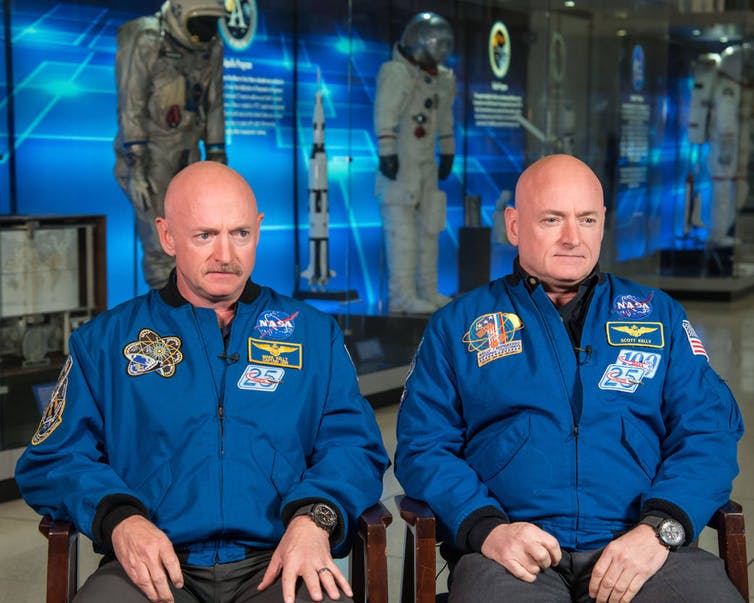
Certainly these are concerns for NASA. How space travel and long-duration missions might change the human body, and whether those changes are permanent or reversible once astronauts return to Earth, is largely unknown. The opportunity to explore these intriguing questions arose with identical twin astronauts Scott and Mark Kelly.
In November of 2012, NASA selected astronaut Scott Kelly for its first one-year mission. At a press conference not long thereafter, it was Scott who hinted that that this mission might provide the chance to compare the impact of space living on his body with his Earth-dwelling identical twin brother, Mark Kelly, who had also been an astronaut and former Navy test pilot. Remarkably, the Kelly twins were individuals of similar “nature (genetics) and nurture (environment),” and so the perfect space experiment was conceived – featuring “space twin and Earth twin” as the stars. Scott would spend a year in space aboard the International Space Station, while his identical twin brother, Mark, would remain on Earth.
The NASA TWINS Study represents the most comprehensive view of the human body’s response to space flight ever conducted. Results will guide future studies and personalized approaches for evaluating health effects of individual astronauts for years to come.
As a cancer biologist at Colorado State University I study the impact of radiation exposure on human cells. As part of the TWINS Study, I was particularly interested in evaluating how the ends of the chromosomes, called telomeres, were altered by a year in space.
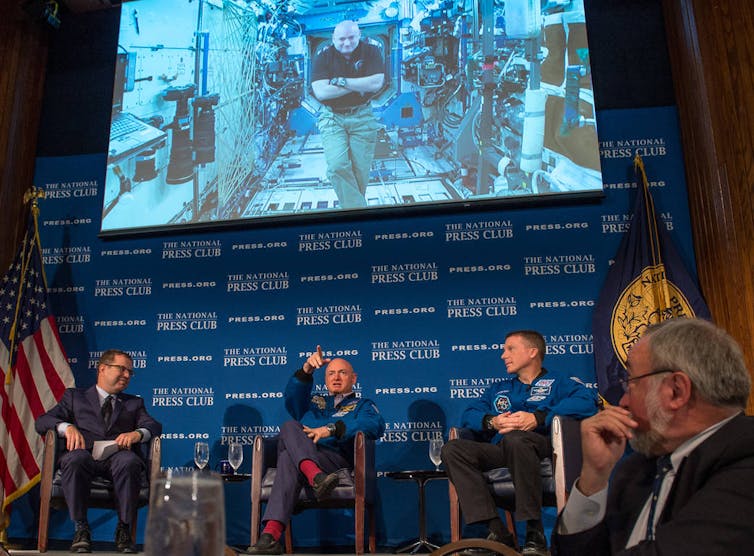
One day before astronaut Scott Kelly reaches the six-month mark in space, he talks live from onboard the ISS with John Hughs, left, his twin brother Mark Kelly and Astronaut Terry Virts, right. NASA/Bill Ingalls
Teasing apart health effects of space living
NASA put out a call and selected 10 peer-reviewed investigations from around the country for the TWINS Study. Studies included molecular, physiological and behavioral measures, and for the first time ever in astronauts, “omics”-based studies. Some teams evaluated the impact of space on the genome – the entire complement of DNA in a cell (genomics). Other teams examined which genes were turned on and producing a molecule called mRNA (transcriptomics). Some studies focused on how chemical modifications – which do not alter the DNA code – affected the regulation of the genes (epigenomics). Some researchers explored the proteins produced in the cells (proteomics), whereas others scrutinized the products of metabolism (metabolomics).
There were also studies examining how the space environment might alter the microbiome – the collection of bacteria, viruses and fungi that live in and on our bodies. One investigation examined the immune response to the flu vaccine. Other teams searched Scott’s biological samples for biomarkers of atherosclerosis and upward fluid shifts in the body due to microgravity, which can affect vision and cause headaches. Cognitive performance was also evaluated using computer-run cognition tests specifically designed for astronauts.
More than 300 biological samples – stool, urine and blood – were collected from the twins at multiple times before, during and after the one year mission.
The Kelly twins are without a doubt one of the most profiled pairs – on or off our planet. They are also one of the most interviewed. One question often asked is whether Scott will return from space younger than Mark – a situation reminiscent of “Interstellar” or Einstein’s so-called “Twin Paradox.” However, because the ISS is not traveling anywhere near the speed of light relative to us, time dilation – or the slowing of time due to motion – is very minimal. So any age difference between the brothers would only be a few milliseconds.
Telomeres are the protective sections of DNA at the tip of the chromosomes. As people age the telomeres get shorter. VectorMine/Shutterstock.com
Even so, the question of spaceflight-associated aging and the accompanying risk of developing age-related diseases like dementia, cardiovascular disease and cancer – during or after a mission – is an important one, and one that we aimed to address directly with our study of telomere length.
Telomeres are the ends of chromosomes that protect them from damage and from “fraying” – much like the end of a shoestring. Telomeres are critical for maintaining chromosome and genome stability. However, telomeres naturally shorten as our cells divide, and so also as we age. The rate at which telomeres shorten over time is influenced by many factors, including oxidative stress and inflammation, nutrition, physical activity, psychological stresses and environmental exposures like air pollution, UV rays and ionizing radiation. Thus, telomere length reflects an individual’s genetics, experiences and exposures, and so are informative indicators of general health and aging.
Telomeres and aging
Our study proposed that the unique stresses and out-of-this-world exposures the astronauts experience during spaceflight – things like isolation, microgravity, high carbon dioxide levels and galactic cosmic rays – would accelerate telomere shortening and aging. To test this, we evaluated telomere length in blood samples received from both twins before, during and after the one year mission.
Scott and Mark started the study with relatively similar telomere lengths, which is consistent with a strong genetic component. Also as expected, the length of Earth-bound Mark’s telomeres was relatively stable over the course of the study. But much to our surprise, Scott’s telomeres were significantly longer at every time point and in every sample tested during spaceflight. That was exactly the opposite of what we expected.
Furthermore, upon Scott’s return to Earth, telomere length shortened rapidly, then stabilized during the following months to near pre-flight averages. However, from the perspective of aging and risk of disease, he had many more short telomeres after spaceflight than he did before. Our challenge now is to figure out how and why such spaceflight specific shifts in telomere length dynamics are occurring.
Our findings will have relevance to earthlings as well, since we all grow old and develop age-related conditions. These TWINS Study results may provide new clues into the processes involved, and thereby improve our understanding of what we might do to avoid them or extend health span.
The long-term health effects of long duration spaceflight are yet to be determined, but the TWINS Study represents a landmark step in humankind’s journey to the moon, Mars and beyond…and to making science fiction science fact.
This season, up your cookie dipping game with a DIY marijuana milk. Basically, what you’re doing here is infusing the milk with marijuana by slowly cooking it over low heat. You’re left with a thick, slightly sweet, distinctly marijuana-scented batch of milk which can be used either as a drinking liquid or as an ingredient for cooking or baking.
I personally think it tastes great slightly warmed with a little honey, but you can add some wherever you’d normally use milk: your morning cereal, a batch of buttercream, or stirred into coffee.
Photos by Jessie Moore
Canna-Milk
Makes about ¾ cup (the milk reduces slightly during cooking)
1 cup milk
About 3 grams marijuana (see recipe notes, below)
* This recipe can be scaled up or down using the same ratios
1. Decarboxylate the marijuana. Scatter the marijuana on a lined, rimmed baking sheet; toast at 240 degrees F for 30-40 minutes, turning a few times throughout the baking. Remove from the oven, let cool completely, and then grind it finely. You can also grind it before, but I find that it’s easier to grind after this heating process as it is drier.
Photo by Jessie Moore
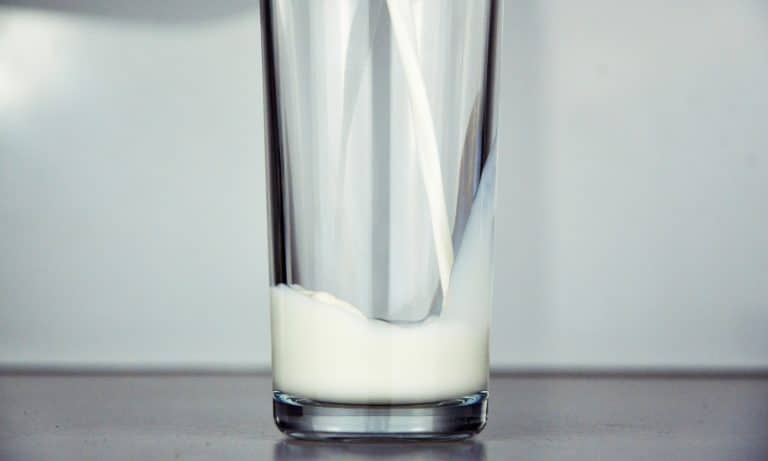
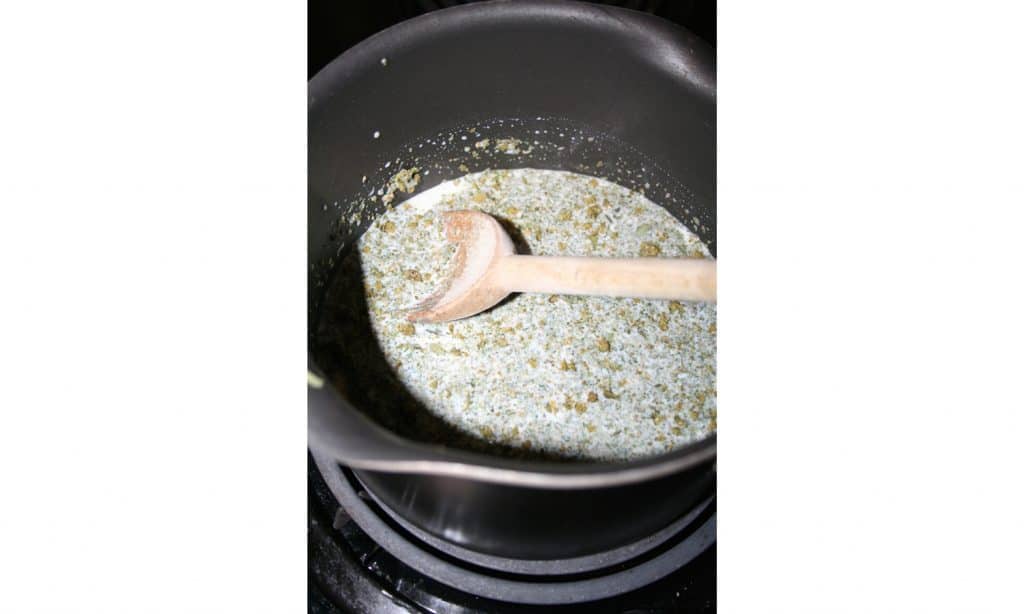
2. Pour the milk into a saucepan. Add the marijuana. It will float at first, but as it warms it will become more combined. Place the saucepan over medium heat, and bring the mixture to a simmer, stirring occasionally to discourage scorching on the bottom of the pot.
3. Once the mixture comes to a simmer (with bubbles around the edges and steam coming off the mixture, but not boiling), reduce the heat to the lowest setting. Cook, uncovered, for 30-45 minutes, stirring every few minutes and making sure that the mixture isn’t getting so hot that it scorches the bottom of the pan, and that it isn’t forming a “skin” on top (if it does, just break it up and stir it around) If it seems like the milk is reducing a lot, add ¼ cup more. The mixture will thicken slightly as it cooks; it will also begin to take on a slightly greenish-yellow tint.
Photo by Jessie Moore
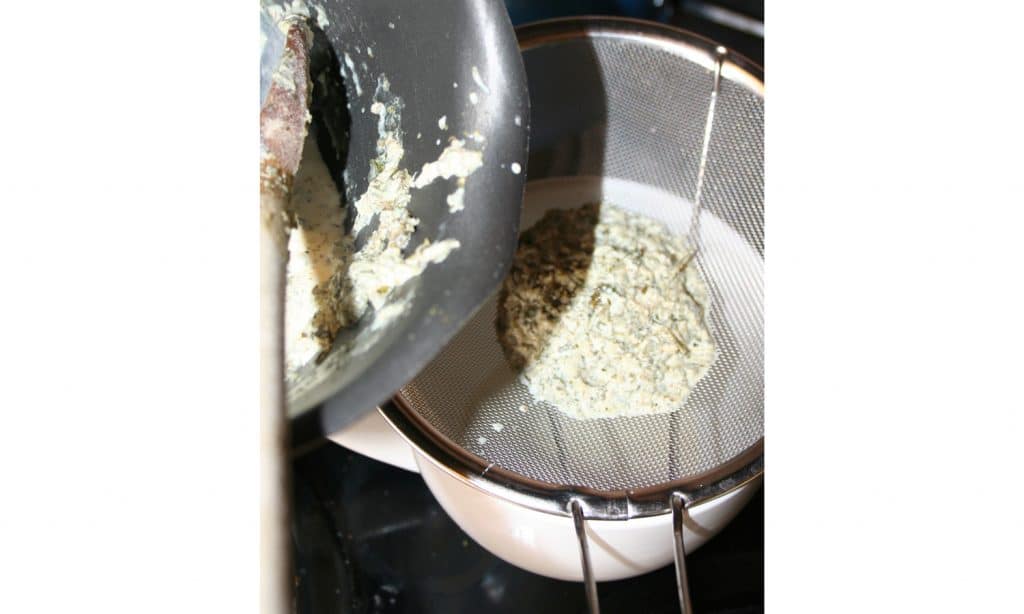
4. Remove from heat and let the mixture cool completely (I let it cool with the marijuana still in the mixture; extra infusing couldn’t hurt, right?). Strain through a mesh strainer or cheesecloth into your storage container. Place in the fridge, and enjoy as you see fit.
Photo by Jessie Moore
Recipe notes:
Dosage: dosing your marijuana milk can be tricky because of the differing strengths of strains and your personal tolerance. I personally found that about 3 grams per cup of milk was a good amount. For me, each “serving” was about ¼ cup. So, each serving had about 1 gram of marijuana, which for me is a little more than the average joint. If the average joint is far larger or smaller for you, you can adjust this recipe accordingly.
Dilution: The milk will reduce during the cooking process. You can either add more milk during the cooking process if it is losing a lot of volume, or you can mix a little milk in after your batch of cannamilk has cooled, so that it will bring it back to the original amount of liquid.
Storage: Store your canna-milk as you would store regular milk, in a sealed container in the fridge. Keep in mind, the expiration date on your milk is still going to be the expiration date for your canna-milk, so consume with that in mind!
Serving suggestions
How should you use your canna-milk? Here are just a few ideas:
This Week’s Music is a weekly column that discusses the week’s best, worst, and most interesting songs. We select songs with different artists and genres to keep things interesting and to please a variety of music fans.
This week’s column features the return of The National, a primer on South Korean sensation BTS and a contemplative song from PJ Harvey. Check them out!
Rock
The National – Light Years
After a three year break, The National is back with a new album. “I Am Easy To Find” is the band’s eight record and will be released this May 17. “Light Years” is a gorgeous single and the perfect reintroduction to the band, held together by a melancholic piano and precise vocals. The single grows slowly with violin strings and second voices, never forgetting its initial simplicity. The National is one of the most reliable bands of the last decade. Eight albums in and their sound is just as beautiful and complex as ever.
Many people have heard of BTS and the hype that surrounds them, but they don’t really know their music and why they’re such a big deal. Originally from South Korea, BTS is made up of seven band members. They’re so beloved in their home town that it’s rumored that one in every 13 tourists visiting the country are doing so in order to get to know where the band comes from. If you’re not acquainted with K-pop, BTS’ music might be confusing; aside from the language barrier, their sound is a mix of electronic and hip hop that is jarring for the uninitiated. But it’s worth getting to know them, since everything suggests that they’re here to stay and that K-pop is a genre that’ll become influential in the music industry.
Soundtrack
PJ Harvey – The Moth
PJ Harvey is a beloved musician, known for her iconic albums and aesthetic. She has worked with plenty of recognized bands and has built a respectable career as a composer for stage plays, having done work on productions of “Hedda Gabbler” in New York and “Hamlet” in London. “The Moth” is one of two singles produced for “All About Eve,” the London production of the revered play and film. Featuring vocals from Lily James, the song is layered, haunting and moody, establishing a unique tone for this beloved story.
We have all heard about the supposed benefits of using marijuana seeds. Those who push for the use of these seeds have reported that they can be used as medicine, leading to numerous health benefits. It can be hard to know whether to believe the hype around the medicinal properties of this plant. Relying on scientific results is one of the best ways to decide whether the seeds can improve your health or not. here are 8 ways marijuana seeds can be used for everyday medicine.
They’re An Excellent Source Of Nutrition
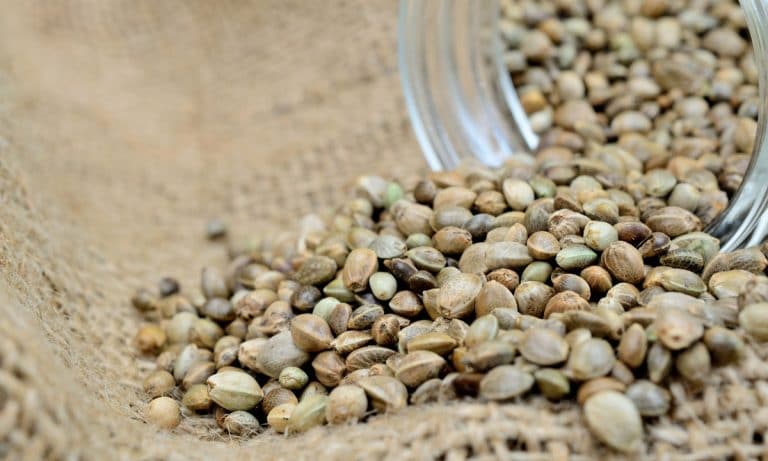
Hemp, one of the plants under the species name cannabis sativa, has seeds that make for an excellent source of nutrition. Research shows that hemp seeds contain more than 30 percent of healthy fats. Some of the essential fatty acids found in these seeds are linoleic acid and alpha-linoleic acid, which is considered to be the plant-based omega-3. Using the seeds will also help you to benefit from the gamma-linoleic acid which promotes the growth of cells, muscles and organs while supporting normal body functions.
Other nutrients found in the seeds are calcium, potassium, vitamin E, sulphur, phosphorous, magnesium and zinc.
Anxiety, Depression And Insomnia
Cannabis seeds can also help greatly in dealing with anxiety and depression. This is very helpful since they help in relaxing the body as well as muscles. With these properties, the seeds can also be used to help control nervous, muscular spasms and mobility problems. The relaxation that the compounds in the seeds bring can go a long way in helping to reduce the frequency of epileptic fits.
Those who experience difficulties falling asleep can benefit from using cannabis seeds. The seeds help to reduce the anxiety we experience just before sleeping, allowing the user to enjoy deep and relaxing sleep.
Skin Health
Deficiency of fatty acids in the body can manifest in many ways, the most common being thick patches of skin, cracked heels and a host of other skin problems. Since one cannabis seed contains high amounts of fatty acids, using the seeds will alleviate symptoms associated with dermatitis and relieve the effects of eczema.
Heart Health
Cannabis seeds contain a huge number of compounds that are good for a healthy heart. One of these compounds, amino acid arginine, is known to enhance blood flow in the body and maintain the optimal blood pressure. Nitric oxide, which derives from the compounds found in these seeds, is also responsible for helping body muscles to relax and dilate blood vessels so as to allow for free flow of blood.
The seeds can help to significantly reduce blood pressure, reduce the chances of blood clots and speed up recovery after a heart attack.
Plant-Based Protein
Although high-quality animal sources are remarkable for proteins, cannabis seeds are a great option for vegetarians. Two to three tablespoons of the seeds will supply you with around 11 grams of proteins. You will also get amino acids such as cysteine, methionine and lysine.
Digestion
Whole cannabis seeds can be used to support digestive health, thanks to the soluble and insoluble fibre contained in the seeds. Soluble fibre can dissolve easily, a factor that slows down digestions and makes you feel full for longer. This will go a long way in helping you to deal with weight control. Insoluble fibre is incapable of dissolving, making it a great product for adding bulk to stool. The resultant effect of this is that food moves seamlessly through the digestive tract and is eliminated healthily.
PMS And Menopause Symptoms
The gamma-linoleic acid contained in these seeds is known for reducing the effects of a hormone known as prolactin. The hormone prolactin is associated with the physical and emotional symptoms of premenstrual syndrome and menopause. These seeds can help to reduce symptoms during these times.
Helps To Prevent Cancer
Cannabis is said to promote good general health and has been found to help in the prevention of tumours and various forms of cancer. According to some studies, using cannabis seeds will reduce the risk of developing colon and intestinal cancers. The medicinal properties of the seeds make it a great substance for relieving pain during chemotherapy.
With the wide array of benefits cannabis seeds can have on the body, it’s clear to see that their use in medicine should be considered and used.
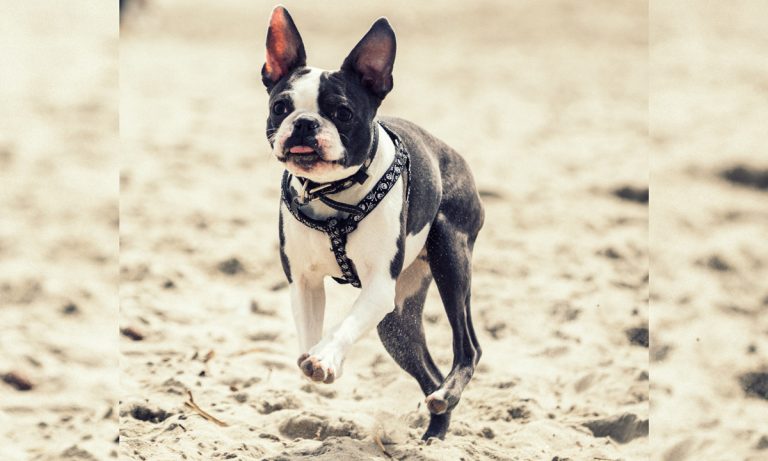
This week on the Dogs of Instagram: the Boston Terrier. As Jules Winnfield said in Quentin Tarantino’s Pulp Fiction, “A dog’s got personality. Personality goes a long way.” And while very true, there’s no doubt some dogs exhibit more of it than others. Take for instance the Boston Terrier. The exuberant breed is popular for its lively and quirky energy, which can make for some non-stop entertainment. They are intelligent, stubborn, loyal, loving, athletic, and one of the longest living breeds, with an average life expectancy of up to 15 years.
Interesting fact: The Boston Terrier is one of few terrier breeds to originate in America — a crossbreed between an English Bulldog and an English Terrier.
Here, we pay tribute to five of the quirkiest Boston Terriers of Instagram.
Companion animals are part of our families, but inevitably the time comes for us to say goodbye to them due to old age or disease.
Many pet lovers opt to bury their pets in the backyard. However, there are some hidden risks to this, and there are other options that will help other pets, and even the owners who love them.
Donating their body to science, for research and veterinary training, can potentially help hundreds of pets.
Why the backyard isn’t best
Backyard burial may seem like the easiest way to respectfully take care of your pet’s remains. Unfortunately, it can be dangerous for other pets and wildlife. Most pets are put to sleep with an extremely concentrated anaesthetic agent, which results in a very peaceful death (hence the term euthanasia, which means “good death”). However this drug, pentobarbital, persists in the buried body of the pet for up to a year. Any animal scavenging on the remains will be poisoned by the euthanasia solution.
I have seen two cases in my career where this has happened, with serious consequences. In one case a family had their pet mouse put down and buried it in the backyard. The family’s terrier dug up and ate the mouse, and was comatose in intensive care for nearly a week. In another case, two farm dogs scavenged some bones from a cow which had been euthanased on a farm months before. One dog died and the other was seriously ill for several days.
If your pet dies of a disease which could be spread to other animals or even people, their body might also pose a risk. While vaccination has reduced the amount of dangerous pet diseases in the community, some diseases like parvovirus still occur in outbreaks and are very hardy and spread readily between dogs.
This virus causes severe and sometimes fatal gastrointestinal disease in puppies and young dogs. Thankfully there are not many diseases we can catch from our pets, but some – such as salmonellosis and toxoplasmosis – can make sensitive people very ill.
What do to instead
One option is pet crematoriums and cemeteries, which are available in most large cities and regional centres in Australia. The services are very professional and cover a variety of options and price ranges that suit most pet owners. Costs may vary with the size of the pet.
Professional burial or cremation avoids the risks of environmental contamination or disease that might occur with backyard burial. For my own pets which have passed away, I chose cremation which typically costs A$200-300, and then buried their ashes under a memorial tree in my garden.
If you do chose backyard burial, make sure you enclose your pet’s body first. Shutterstock
However, there is another path. As a veterinary pathologist, my job is to conduct autopsies on animals to determine their cause of death. We also use the knowledge and samples we get from the autopsies to conduct research to improve our understanding of diseases and treatments in both animals and people.
Our pets make excellent “models” of diseases in both pets and people, allowing scientists to study the development and progression of a disease and develop new treatments.
Cancer is the most common cause of death for pet dogs. Many popular breeds get the same cancer at high rates, providing ample valuable research material. These dog cancers are similar in appearance, behaviour, treatments and genetic causes to many human cancers.
What’s more, because dogs share our home environments, but age faster and show more rapid cancer progression than humans, studying dogs provides faster research results. In the United States, dog cancer trials are already informing trials on new human treatments.
Another area where dogs are valuable scientific allies is in the study of rare genetic and developmental diseases in children. As we have bred dogs for specific appearances, from squishy-faced French bulldogs to lanky greyhounds, we have unwittingly created genetic abnormalities. Some of these are close counterparts of rare genetic disorders in children. Thus, dogs can be used to help identify the genetic mutations behind the disease, and how the faulty gene affects human children.
Universities have rigorous ethical reviews for this type of research. However, it is vital that we have the opportunity to take samples of both common and rare pet diseases to form tissue banks. Most of this sampling happens during an autopsy after the pet has died or been put to sleep. These tissue samples are used to research better treatments.
How to donate
If you are interested in donating your pet’s body, your veterinarian can direct you to potential local options. In most large cities this will be the veterinary school at the local university. Alternatively, you can contact the veterinary science school directly through their website or general enquiries telephone number.
Most schools are interested in all species for teaching. My institution takes everything from mice to horses, and exotic pets like snakes and lizards. All these species provide opportunities to learn about their anatomy and diseases.
Beyond helping us research human diseases, veterinary schools need pet body donors to help teach anatomy, surgery and pathology. At its most ethical this training is done on the bodies of animals that have died from natural causes.
Donated pets provide my students with a valuable understanding of how disease affects the body. Further, we report the autopsy findings back to the pet’s veterinarian. This information is crucial to vets who want to confirm diagnoses, and for giving grieving owners some closure.
If you do opt to bury your euthanased pet, please consider enclosing their remains in a container that would prevent other animals accessing the body. Many local councils also have restrictions on pet burial, and it is worth looking at your local area’s guidelines.
Ultimately though, I would urge you to donate your pet’s body to science. The loss of a pet can be heartbreaking, but there are many ways to create a meaningful legacy from that loss which helps both pets and people.
Just when you thought Meghan Markle was no longer relatable, what with her fancy new royal title and Prince husband, she recently disclosed a common dating faux pas even us normals beat ourselves up over.
When the couple met for drinks in 2016 after being set up by a mutual friend, Markle felt herself falling hard a little too fast.
The actress told the BBC:
We met for a drink, and then, I think, very quickly into that we said, ‘Well what are we doing tomorrow? We should meet again.’
Mama Mia points to royal biographer Andrew Morton, who described the couple’s evening as “intoxicating” to the point that Markle thought perhaps she hadn’t played it “cool” enough when Harry asked for that second date.
“As she relived that fateful evening in her mind, she perhaps wondered if she had been too eager to accept his invitation to meet again the following day,” Morton wrote in Meghan: A Hollywood Princess.
We imagine the interaction between the two looked something like this:
During the couple’s engagement photo call in November, 2017, Harry revealed, without hesitation, that he knew Meghan was the one “the very first time we met.” And according to Morton, that seems to be the case.
“They were mesmerized by one another, Harry enthralled by her beauty, sophistication and perceptiveness. She understood him as a man, not a title” wrote Morton.
“As [Prince Harry] subsequently confessed, he realized that he would have to up his game.”
Meghan, you had nothing to worry about, but you already know that.
When it comes to being a marijuana user while searching for gainful employment, there is always a moment of panic when a human resources manager calls to say they need a drug test before making a job offer. Even though you’ve done your best to clean up in anticipation of a whiz quiz, weed can be a wonky, unpredictable beast at times so who knows if it is all out of your system or not. This scenario will no longer be an issue for some if all goes according to plan in New York City.
Earlier this week, New York City Council’s Committee on Civil Human Rights approved a measure that would make it illegal for most employers to drug test job applicants for marijuana. It is something they have been working on ever since Governor Cuomo announced last year his plan to legalize the leaf for recreational use. And even though legal weed has hit some snags over the past few months, the committee still believes it is necessary to revamp the drug testing policies in the city to provide more New Yorkers with opportunities to go to work.
“We need to be creating more access points for employment, not [fewer],” said Public Advocate Jumaane Williams, according to Crain’s New York Business. “It makes absolutely no sense that we’re keeping people from finding jobs or advancing their careers because of marijuana use.”
The proposal offers a gateway for marijuana users having trouble finding a job. It prevents most public and private companies from using a failed test for marijuana as disqualifier. However, once an employee is on the clock, nothing is stopping a business from imposing drug tests in cases involving accidents. And showing up to work impaired would still lead to disciplinary action, including termination.
“This is not a permission to come to work high, it is not permission to come to work impaired, but we are not speaking about that,” Williams said. “We are speaking about people who are prevented from going to work in the first place.”
Furthermore, not every career would be protected under the bill. Police officers, construction workers and commercial drivers would still have to pee clean before getting a job. Basically, all state and federal workers would continue to be subjected to the same drug testing protocol that has been in place since the Reagan Administration. Still, if the bill passes, it is conceivable that thousands of people would be given a chance to get a job that they may have struggled to find before.
“Through this legislation, there will still be a good number of folks who will no longer have to submit to testing just to get employment,” Dionna King, a policy manager at the Drug Policy Alliance, told the New York Times.
Not everyone is excited about the prospect of ending marijuana testing. Some believe that companies should have the right to whatever pre-employment standards they choose. “I believe private businesses should have the power to determine their own hiring practices,” said the Council’s minority leader Steven Mateo.
The bill still needs the approval of the full City Council. From there, it would require the signature of Mayor Bill de Blasio.
Nowadays, you can find a meme that expresses every single human emotion. There are also those “one size fits all” memes that are capable of expressing all of your thoughts, from something very relatable to a situation that’s personal and that only a small group of people will understand. These memes go viral faster, covering our entire timelines and driving us crazy very quickly.
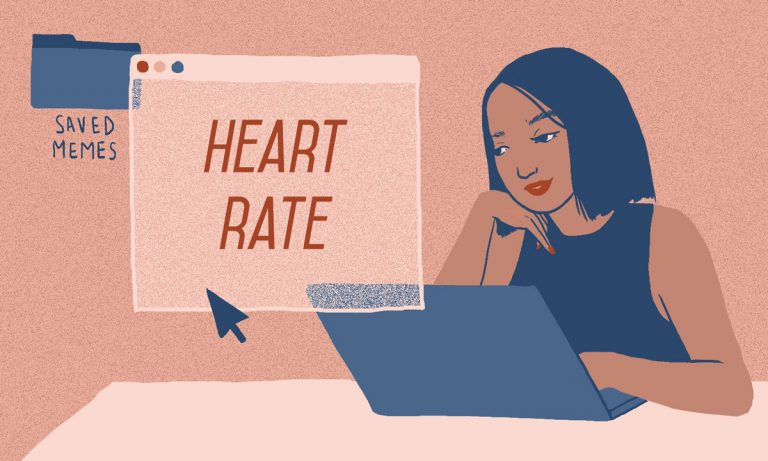
The heart rate meme is one of these examples. It’s used to represent things that make you happy, excited or afraid. Basically, anything that gets your blood going, be that when someone text an ominous “we need to talk” or when you can’t feel your phone in your pocket.
This meme is not the most necessary or thought provoking one but, are any of them? Some versions of the heart rate meme are fun and relatable, more than an excuse for people to play around with slashes and punctuation marks. Here are some of our favorite versions: