Wednesday, December 24, 2025
Home Blog Page 785

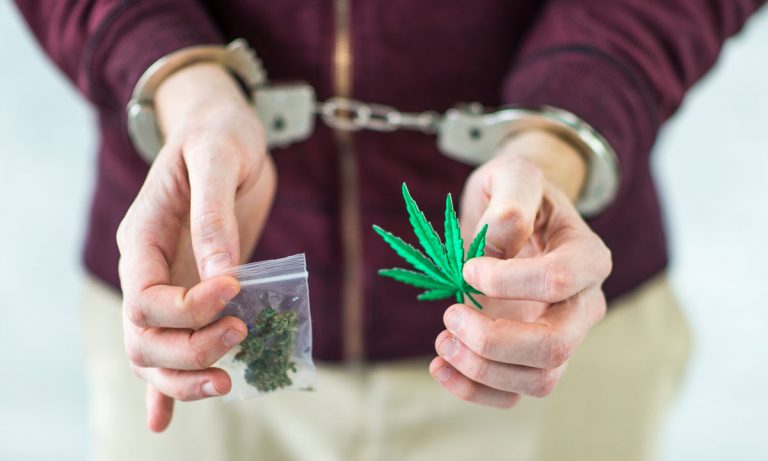
Study Slams Cost Of Cannabis Legalization, But Relies On Flawed Data

Is the cost of legalized cannabis too high? According to one study commissioned by the Centennial Institute at Colorado Christian University, the answer is yes. Hoping to understand the impact of cannabis legalization fully, the study examined publicly available data in the state of Colorado, highlighting nine areas of interest. Those areas include health, productivity, traffic, crime, housing, environmental impact, cannabis tourism, homelessness, and pets.

According to the study, for $1.00 generated by Colorado’s cannabis industry, state residents spent approximately $4.50 to mitigate the costs of legalization. The most significant contributors to costs were related to the healthcare system and high-school dropout rates.

The study also highlights the dramatic rise in cannabis-related calls to the state Poison Control center, the correlation between cannabis use and those without a college degree, and the yearly estimated costs for cannabis users ($2,200 for heavy users, $1,250 for moderate users, and $650 for light users).

“Studies such as this show that the only people making money off the commercialization of marijuana are those in the industry who profit at the expense of public health and safety,” said Kevin Sabet, an ardent cannabis critic and president of the anti-legalization group Smart Approaches to Marijuana (SAM), in a statement.

While the study presents a damning portrait of cannabis legalization in Colorado, the study also relies on flawed estimates and simple correlations to arrive at many of its conclusions.

For example, when addressing the issue of cannabis addiction, researchers are keen on pointing out that the costs of treatment for cannabis addiction are approximately $31.4 million. However, what is not mentioned, although it is clearly presented in the study’s chart, is that the number of individuals admitted for treatment is the lowest it has been in 10 years.

Researchers also note that fewer cannabis users have a college degree (19%) when compared to non-users (27%). However, according to the study itself, on average recreational cannabis users have a slightly above average income ($60,000).

Furthermore, when calculating the potential cost of cannabis use among students, researchers take a specious approach. To come to their conclusion, researchers multiply the number of students who dropped out of high school and multiply it by the number of high school students who use marijuana and the cost of not earning a high school diploma. The study assumes that students who use cannabis will drop out of high school, ignoring all other mitigating factors or the fact that Colorado’s high school graduation rates are at an eight year high.

In the absence of long-term data, studies like the one commissioned by the Centennial Institute will remain inherently flawed; highlighting the need for extensive, peer-reviewed studies into the actual effects of legalizing adult-use cannabis in the United States.

This article originally appeared on Green Market Report.

Australian Medicinal Cannabis Product Prices Falling Rapidly

The results are in from the first structured review of legal medicinal cannabis product prices in the Australian market, and it’s very encouraging for patients. The study, undertaken by Cannabis Access Clinics Research Centre, revealed that over the past 12 months, the number of legal products available to Aussie patients is up threefold from 11 products to 35, and entry level product prices have nearly halved as pricing competition has intensified.

Patient costs higher than illegal products, but affordable for most patients

Patients paid on average A$373 per month during 3Q 2018, about 25% higher than pricing for illegal products. The cost to patients, however, remains variable depending not just by product type prescribed, but also by pharmacy margin, which fluctuates significantly from an average of 26% to as high as 140%, and by the dosage required to see benefits. CBD products are also much cheaper than those with THC. Taken as a whole, however, prices paid by many patients fall within the limits of what is considered affordable.

Chronic Pain: Patients paid A$353 per month on average for legal medicinal cannabis.

Epilepsy: Patients with epilepsy require much higher dosage prescriptions in order to see benefits and spent an average of A$992 per month on treatment.

Other indications: A range of other indications analyzed include insomnia, fibromyalgia, anxiety, and multiple sclerosis. The average product costs for these patients as a group was A$212 per month.


Prices expected to continue to decline as more players enter the market

Cannabis Access Clinics Research Centre expects product prices to continue to trend downwards. It’s expected that many more suppliers will enter the Australian market from established production hubs like Canada and Europe, and Australian cultivators and manufacturers are also expected to come online in 2019, further adding to pricing competition, and inevitably lower prices.

Patient access to safe and legal medicinal cannabis improving in Australia

Medicinal Cannabis in Australia is legal at the federal level, but products are strictly regulated. Products need to be pharmaceutical grade and are available from pharmacies via doctor prescription only. Until recently patients have found getting doctor prescriptions extremely difficult, but with the launch of national clinic networks such as Cannabis Access Clinics, patient numbers are now growing rapidly.

5 Sleep Tricks For When You’ve Tried Everything

0

You’ve spent the last two hours alternating between rolling around in bed, lying on your back scrolling Facebook on your phone, dropping your phone on your face, and counting down the hours you have left before dawn. Nothing works, not warm milk (ew), a hot bath (not with these roommates), a boring nature documentary or even that lying tea called “Sleepytime.” All of your Reddit links have gone from blue to purple. It’s desperation time.

When all else fails, try these five simple alternative sleep remedies for drifting off to dreaming, right now.

Relax, Progressively

University of Maryland Medical Center outlines a technique that sends you on a mental trip down your own body. Hot, right? Here’s how it goes: Close your eyes and start by sensing your feet. Pay attention to their weight on the bed, whether your toes are tense or relaxed, how your heels feel, moving up to your ankles. Consciously relax each muscle, moving up through your calves, thighs, abdomen, arms, shoulders, neck and face. Keep scanning, relaxing anything that’s tense, and repeat from your head down until you’re dreaming.

Fake It Til You Make It

It could be as simple as telling yourself you’re sleepy. You’re going to feel very silly doing this, but try snoring lightly. This goes along with the next tip: If you’re breathing slowly and heavily, your body naturally responds with relaxation. Telling yourself you’re sleepy — or even telling yourself that you have to get out of bed in five minutes for work — might just be the mental push to send you into unconsciousness. The Rabbit Who Wants To Fall Asleep, a children’s book written by a psychologist and self-published to mixed reviews from exhausted parents — is based on this idea: If you repeat, over and over, that’s your sleepy, perhaps eventually you are.

Try Calming Breath Exercises

Make like Anna Nalick and just breathe. Dr. Andrew Weil’s 4-7-8 method for relaxed breathing claims to knock you out quickly: Exhale loudly through your mouth, then inhale through your nose while counting to four. Hold your breath for seven seconds, then exhale through your mouth with a “woosh” for a count of eight. The pause is the most important part, according to Weil — it allows oxygen to circulate through your lungs and body, and has a calming effect similar to a meditation sesh.

Get Up!

Dr. Robert Rosenberg says that after 20 minutes of lying awake, he gives up and gets up. Keep screens — television, tablet, iPhone and otherwise — off or on nighttime mode so you don’t undo all of the sleep-work you’ve done already. And of course, if your insomnia starts impacting your waking hours, talk to a doctor about your options, self-medicating or otherwise.

Find Yourself In The Clouds

Slide the glass of wine aside and grab your bowl. But how you get your THC sleep depends on what kind of snoozefest you’re seeking. Inhaling smoke will put you out faster, but popping a high-fiber edible will release more slowly, helping you stay asleep longer. Tinctures are where it’s at for clients of Elizabeth Knight, founder of Vallejo, Cali. based Pianta Tinta Collective. A tincture that’s a combination of cannabidiol (great for reducing pain and inflammation) and THC is most popular and effective, she says, that’s an Indica or Indica-dominant strain. A low dose of THC gives medicinal benefits without an uncomfortable over-high.

The Science Of How CBD Works In The Body

Although cannibidiol (CBD) doesn’t make people feel high like THC does, it’s causing quite a buzz among scientists, health professionals, and medical marijuana patients. But how does CBD work in the body? Let us explain and show how the science of how CBD works in the body.

CBD-rich products are used to treat a wide range of conditions: chronic pain, cancer, Crohn’s, diabetes, rheumatoid arthritis, PTSD, cardiovascular disease, anxiety, antibiotic-resistant infections, multiple sclerosis, schizophrenia, and more.

Below is a useful infographic that will give you an overview:

The Science of CBDRELATED: Science Says Medical Marijuana Improves Quality Of Life

Studies show that the use of CBD may help reduce pain by influencing endocannabinoid receptor activity, reducing inflammation, and communicating with neurotransmitters related to pain.

  • Endocannabinoid system
    CBD interacts with the endocannabinoid system in the body. The endocannabinoid system has cannabinoid receptors located throughout the central and peripheral nervous systems. It helps regulate various bodily functions, such as pain perception, mood, sleep, and immune system response.
  • Serotonin receptors
    CBD also acts on the brain’s serotonin receptors. Serotonin is a neurotransmitter that helps regulate mood. The use of CBD increases serotonin levels in the brain. For this reason, CBD may be a viable treatment option for anxiety or depression. The effects of CBD on the brain may also help in the treatment of neurological disorders, such as epilepsy, multiple sclerosis, Parkinson’s disease, and Alzheimer’s disease.

Considerations

Although the use of CBD is generally safe, it can cause side effects in some cases. It can lead to a decrease in appetite, which can cause changes in weight. It can also cause diarrhea or fatigue. It interacts with several medications, so individuals should speak with a medical professional before trying CBD.

Couples Who Have The Most Sex Have This One Thing In Common

0

There are a lot of myths surrounding sex and marriage, particularly the amount of sex couples have after tying the knot. There seems to be a belief that marriage ruins relationships, kills sex drives and adds an extra layer of pressure on couples. This belief is reinforced by everything we see in movies, books, TV shows, you name it. We often see depictions of married characters who have sparse and predictable sex, or who blame their marriage for stealing their freedom. 

http://giphy.com/gifs/marriage-SZhK4NGBdTQUE

While it’s true that couples that have been together for over 20 years have less sex than couples who just started dating, it’s not as bad as you think.

Studies have revealed that married couples have much more sex than single people (duh), that the sex they have is way more varied, and that they have a lot more oral sex, which makes a lot of sense. The longer you’ve been with someone, the more trust you develop in the bedroom and in every other aspect of your relationship.

http://giphy.com/gifs/himym-high-five-XRB1uf2F9bGOA

Another study revealed something a little more unpredictable and harder to explain. The most sexually active American couples all share a common factor: kids under the age of six. These couples are having sex at least 80 times a year, which is more than couples that have no kids and couples that have older kids.

We can make a lot of assumptions from these statistics and interpret them in different ways. Couples with older kids are presumed to be older themselves, which can suggest that they have a lower sex drive. They’ve probably been together for a longer period of time, which can explain the decrease in sex.

Couples with kids under six years of age have the added pressure of toddlers around the house, which makes them spend their time more efficiently and wisely. Another explanation is that they simply need the stress relief, which is totally understandable.

5 Pro-Tips To Come Down From A Marijuana High Quickly

More American people than ever have access to legal cannabis, and you can expect that a lot of people are going to Maureen Dowd themselves into a blanket burrito. This is what many call rookie syndrome, when you just get too stoned to function normally. Here’s how to get unhigh quickly.

Whether smoking a high-THC strain for the first time, or eating something more potent than what you’re used to, getting too stoned is something that happens to many people at some point. Proper dosage greatly affects an experience, and that becomes hard to do when you’re smoking or eating something particularly tasty. Beginners are most susceptible to getting too stoned, but one don’t worry. You won’t die; no one has yet!

Cannabis Users At Low Risk For Developing Mental Health Issues
Photo by MStudioImages/Getty Images

Getting unhigh is not exactly as easy as you think, but there are certain things that can definitely help you out of a corner. Like many intoxicants, it’s really a waiting game, as you have to allow time for your body to metabolize the THC just like you would with alcohol. That’s also why edibles can be dicey, the effects take more time to fully present, and longer to die down as they travel through your system. Edibles and dosage in general can work on everyone differently, so if you don’t have a firm idea of your tolerance, caution is your best bet.

RELATED: Cannabis 101: How Long Does A Marijuana High Last?

If somehow you find yourself glued to a couch or hiding in your covers imagining the FBI busting through the door, try one of these five ways to chill out.

#1: Breathe

How Cannabis Can Help You Take Your Meditation Practice To The Next Level
Photo by Lua Valentia via Unsplash

This can seem like a “duh” piece of advice, but it really isn’t easy to remember if you’re coughing up a lung or starting to hit an anxiety plateau. Deep belly breaths are important to do throughout the day for optimal oxygenation of your blood, but they can also get you out of a jam if things start feeling too fuzzy.

If you have a smartphone, a free app can prompt you to do this throughout the day, or whenever you need to check in. Just one minute of focused breathing is usually enough to undo a nosedive from a too-deep bong rip.

#2: Lemon Pepper

black peppercorn is the perfect fix for weed paranoia
Photo by Calum Lewis via Unsplash

Science is slow to give us bedrock guidelines about not only dosage of cannabis, but how to alter, extend, or end a high. Right now what we know is based on “the entourage effect,” which is how cannabinoids and terpenes work together to create different intoxication effects. From what we know about terpenes, lemon and pepper share more than a few chemicals with cannabis.

RELATED: Marijuana Overdose: Don’t Freak Out, It’s Only Cannabis

It is these chemicals, piperine and limonene, that help to create an active, less anxious cannabis experience. This can help fish you out of a pothole too. Simply squeeze a lemon and crack some pepper into water, or waft peppercorns under your nose (but not up it). Essential oils would also work great for a quick fix. These terpenes help mitigate anxious or paranoid feelings, helping to center your stone.

#3: Hydrate

cbd water is the next big thing
Photo by TapisRouge via Pixabay

Water has a way of undoing plenty of life’s mishaps. Chugging a big glass of water is not a silver bullet, but generally helps take the edge off any type of excess. Being dehydrated can also make you feel lightheaded to start, and mixing that with any substance is pretty much not ideal. Being hydrated before you even smoke is a great way to prevent drama.

#4: Caffeine  

Better Than Coffee
Photo by Matthew Henry via Burst

Having a nice mid-afternoon coffee can’t make you unhigh, but it can help you re-focus. If you find yourself too sleepy or foggy, caffeine is key to keeping the wheels on. Caffeine is one of the most consumed substances in the world and it’s because our brains work harder on it. Coffee or tea can give you a few minutes to get it together, and if you’ve not eaten or had a pick-me-up in the afternoon, caffeine could be the tipping point between medicated and messed up. Just make sure the coffee does not contain cannabis as well.

#5: Eat/Shower/Take A Nap

Trying To Get Some ZZZZs? Here’s Why Nyquil Isn’t Your Best Bet
Photo by Ivan Oboleninov via Pexels

These are all interchangeable to suit the situation you may find yourself in while too high. Taking a shower or simply hitting the pillow are last-ditch efforts to settle down an overzealous experience. In fact, being the basics of self care, eating, bathing, and sleeping could be just what you were missing, and can snap you out of a downward spiral so you can go about your business.

Getting too high can suck regardless of you doing it on purpose or by accident. Using the above tactics can help you take a breather from being too up in the clouds.

In These Chill Photos, Dogs Are Super Chill About Being Chill

0

Everyone wants to be chill, but everyone don’t know how to be chill. It isn’t easy, the chill life. To become chill, one must first know what it means to be chill. They must learn to embrace the chill lifestyle. They must go inside the very essence of chill in all its forms: chill, chillin’ (real chill masters know it’s never spelled with a g), chilled, and chillera. If you’re looking for inspiration to live the chill life, look no further than these dogs, the very definition of what it means to be chill.

Meme Of The Week: ‘Not A Cellphone In Sight’ Makes Fun Of Really Annoying People

Older generations can sometimes find great pleasure in listing out all the things that young people have ruined. The list of activities, businesses, and more that millennials have ruined has long past the point of obnoxiousness and is now simply hilarious.

The “Not a cellphone in sight” meme reflects this, making fun of people who love to reminisce about the past, when people did other things aside from looking down at their phones. When there were no internet trolls and the world was full of people ready to engage with each other and have meaningful interactions. Right.

Know Your Meme reports that this post first appeared in early November, when Twitter user @VersaceCroccs uploaded a picture of a painting of Jesus’ crucifixion. Jesus lies there on the cross, surrounded by guilty parties, all looking away in shame and guilt. You can’t spot a single cellphone.

As the hours and days progressed different users gave the meme a whirl, making references to other paintings, dinosaurs, and cultural milestones like Real Housewives, Parks & Recreation and Shrek. Check out some of our favorites:

FDA Commissioner: Federal Marijuana Legalization Is An ‘Inevitability’

Don’t be surprised if you see the feds move on marijuana legalization in the coming years. According to Food and Drug Administration (FDA) commissioner Scott Gottlieb, federal action on marijuana is inevitable and will happen “soon.”

Gottlieb made the following statement in a recent CNBC appearance, though the FDA commissioner also denied that cannabis has any therapeutic value. Still, he believes there’s “probably going to be a policy reckoning around this at some point in the future.”

“Obviously it’s happening at the state level, and I think there’s an inevitably that it’s going to happen at the federal level at some point soon,” Gottlieb said.

The commissioner was careful not to make any clear assertions about legalization in his appearance. Gottlieb fell behind his agency, stating that it wasn’t within FDA’s responsibilities. Instead, his job was to ensure no companies were producing wild and untrue claims about cannabis products.

“We do regulate compounds that are making drug claims and we regulate botanical use of marijuana,” the commissioner said in the TV interview. “We have approved compounds derived from marijuana, but there is no demonstrated medical use of botanical marijuana. That’s the bottom line.”

That last line might strike intelligible viewers as an odd statement coming from the FDA. That’s because earlier this year, the federal agency approved Epidiolex, the first medication derived specifically from the cannabis plant to receive FDA approval. So does cannabis have medical value according to the FDA or not? We’ll just have to wait for the inevitable conclusion to this saga, it seems.

This Week’s Music: A$AP Rocky, Ari Lennox And Alessia Cara

This Week’s Music is a weekly column that discusses the weeks’ best, worst, and most interesting songs. We try to select songs of different artists and genres to keep things interesting and to please a variety of music fans.

This week A$AP Rocky makes a trippy comeback, Ari Lennox joins the new R&B up and coming singers, and Alessia Cara gets closer to the release date of her latest album. Check them out:

Rap

A$AP Rocky – “Sundress”

Sampling Tame Impala’s “Why Won’t You Make Up Your Mind?” is always a good idea, especially when paired with a trippy video that depicts a dance club where time stands still. The music video, directed by Frank Lebon, tells the story of a woman who confronts Rocky with a gun in the middle of a dance club; everyone around them seems frozen in time, unable to do much except dance. “Sundress” is brief and lean, a good refresher as A$AP Rocky’s first song since the release of his last album Testing released in May.

R&B

Ari Lennox – “Grampa”

Related: This Week’s Music: Bon Iver, The Chainsmokers And Zayn Release New Songs

“Grampa” is soulful and soultry, a throwback to the R&B of the 90s and early 2000s. It’s a simple song that holds back more than it lets on, boasting silly lyrics to boot. Ari Lennox is a D.C. native who boasts a singular and powerful voice. The song, backed by deep bass and drums ends up giving off a sensual and seductive vibe that works to its advantage. While there’s not a lot of room for Lennox to show off her skills and vocal range, she still manages to shine in this interesting single.

Pop

Alessia Cara – “Not Today”

“Not Today” is one of the tracks from The Pains Of Growing, Alessia Cara’s second studio album set for release Nov. 30. The 22-year-old singer and songwriter has done a lot with her career, working on her voice and crafting songs that are always honest and quirky. Although her work can sometimes tread the line between sweet and saccharine, “Not Today” is sad yet somehow hopeful. Not her best song but a good entry in her roster that lets listeners know that it’s okay to cry today and maybe tomorrow. Someday you’ll be fine.

Don't Miss Your Weekly Dose of The Fresh Toast.

Stay informed with exclusive news briefs delivered directly to your inbox every Friday.

We respect your privacy. Unsubscribe anytime.