For as old as McDonald’s is, it can still surprise you. The fast food chain that’s existed since the beginning of time — the 1950s — has dozens of secret combinations just waiting for someone to order. McDonald’s secret menu is not an official “menu”, it’s more like an unspoken knowledge that’s been passed down by loyal customers for some time now. It also has a sort of cult following; there’s an Instagram account dedicated to it and dozens of video reactions of people trying out the meals.
While there are some items on McDonald’s secret menu that will leave you feeling puzzled, there are others that sound incredibly delicious and creative. The Daily Mail compiled a list of all the hacks they could gather. Here are four of our favorites:
Even though the meal sounds and looks like it could give you diabetes, deep down you know you want to order one. The Double Cheeseburger McChicken is exactly what it sound like: two burgers stacked in one large (and hard to eat) pile. You might vomit afterwards, but you can say that you got a life experience that most people haven’t.
Fans of McDonald’s ice cream can rejoice since they can add some Apple Pie into their McFlurries for an extra sweet kick. The person that’s serving you might hate you, but you won’t be craving sweets for a really long time.
If you want to be a psycho and mess with McDonald’s fry winning formula, you absolutely can. Order them well done and they’ll be cooked for twice as long for extra crispiness.
The craziest item on the secret menu is definitely the Land, Sea, and Air burger, which combines three patties of different animals into one huge stack. The catch, aside from how complicated it is to eat, is that you have to pay for the three different burgers individually. The final product may taste good, but is it really worth it?
Snoop Dogg is getting ready to release his first cookbook, and surprisingly, it doesn’t contain any marijuana recipes.
From Crook to Cook, which comes out October 23, is filled with some of Snoop’s favorite recipes, from lobster thermidor to waffles. And of course, gin and juice. If you watched Snoop’s cooking show with Martha Stewart, Martha & Snoop’s Potluck Dinner Party, you know the guy likes to cook — and is even skilled in the kitchen.
https://www.instagram.com/p/Bmy6zqVAvca/
“You know it’s blazin’ up in my kitchen. I’m takin’ the cookbook game higher with a dipped and whipped collection of my favorite recipes, ya dig?” Snoop said in a statement.
Book publisher Chronicle Books says while the recipes will “satisfy those munchies,” don’t expect anything like pot brownies. But who needs spiked baked goods when you have Frito BBQ twists?
And while there won’t be any cannabis recipes this time around, Chronicle has revealed that they’ll be partnering with Snoop’s media start-up, Merry Jane, to release a series of cannabis-themed books scheduled to hit bookstores in 2020.
Snoop joins fellow hip-hoppers 2Chainz, Coolio, and Kelis, in writing a cookbook. And as Uproxx puts it, “Action Bronson and Lil’ B both have some pretty dope web cooking shows that you can check out while you wait on Mr. Broadus’s opus.”
We are now a nation divided by……. beverages! Cleanses, teas, juices, and detox elixirs, Oh my! It’s impossible to keep up on the latest drink-your-health trend. If you’re like me, you have taken it upon yourself to purchase every pretty drink, elixir and tonic featured on the exposed chilly shelves of the Whole Foods refrigerator case. I simply shake my money tree and it just seems reasonable to pay between $6 and $10 for a bevvy in a cool bottle of fancy, fancy lemon cleanse!
We have such a sophisticated selection these days with so many choices between pressed, cold–pressed, blended, raw, fermented, filtered, organic, bio-dynamic, etc. We have moved beyond the old school “master cleanse,” which is a homemade concoction of water, grade B maple syrup, lemon juice and cayenne pepper, and fermented teas like kombucha are as common as Minute Maid!
It seems that more and more folks have at least dipped a toe in the sea of healthy-bevvy options out there, there is something for everyone! However, to keep yourself in stock of these healthy bevvies, you pretty much break the bank. Maybe I am healthier for it, but it is not as fun to drink to my health in the cardboard box that we had to move into now that I am all caught up on the latest nutrient- dense elixers!
https://www.instagram.com/p/BhZHcCfF0kd
I do admit, often when someone else makes a salad for you it tends to taste better than as if you had made it yourself, ever notice that? Thanks to our brain chemistry, there is something inside us that likes to hold the Starbucks cup rather than tote around our self-made coffee brew. Same goes with all these fun and fancy first-world-problems juices, drinks and tonics for purchase.
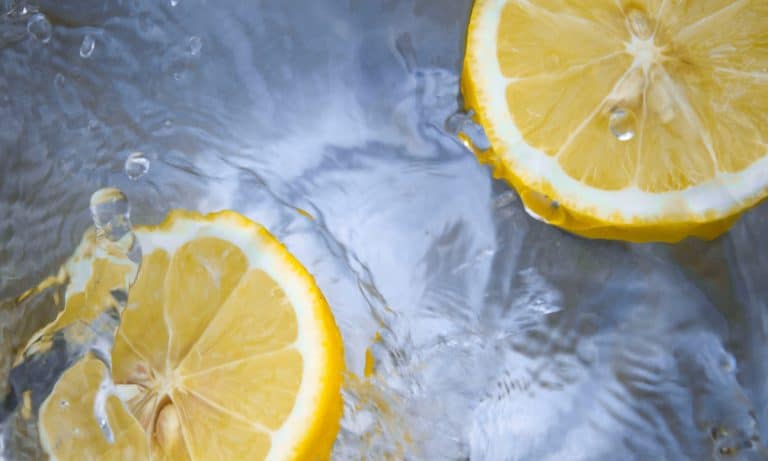
It just feels good to buy these things for some reason rather than to juice your own healthy sludge green drink at home, but if you are up for a DIY, I have fallen in love with the latest Dirty Lemon detox, and I have enjoyed every dime spent, but reality caught up with me and I decided that it was time to make my own version at home.
Okay, so you don’t get their incredibly chic packaging, but I have formulated a concoction that tastes similar and touts the same effects.
The Dirty Lemon Detox was originally introduced as “a cleanse for those who hate cleanses” because you are to sip this beverage on a full tummy at the end of your evening. The ingredients used for Dirty Lemon Detox are intended to balance your bodies’ pH, encourage digestion, and absorb toxins in order to flush them from the body. We know our livers do this, but hey, who couldn’t use a boost? The intention is to drink one 16 oz serving in the evening before bed. Its detoxifying properties can bind with any current medications, rendering them more or less useless, so it is suggested to not drink this sipper within 5 hours of taking any medication or pills that you would like to remain effective.
Photo by Ernest Porzi via Unsplash
I desperately loved my order so much that I decided to try to figure out my own non-$65 a case way to have it. I had heard of all of the ingredients before and actually had most of them on hand. My first pitcher of DIY D.L. was a success! It tasted great, I felt great after drinking, and when I woke up in the mornings after drinking, I just overall felt like any bloating was in check and I had bit more energy. I don’t drink it everyday; personally, I enjoy drinking it for six evenings in a row or so and then take a break for a few weeks before I resume. To each their own, of course. Try this gothy-black, detoxy, lemony-aid, elixir yourself with my DIY recipe.
Inspired DIY : Dirty Lemon Detox (Sort of)
About 6 servings
8 cups of filtered water
5-6 capsules of a high- grade activated charcoal (I like to use coconut husk activated charcoal)
15 lemons, juiced
Fresh ginger, two thumbs, grated with juices
Dandelion extract, alcohol free, about 10 full droppers full
Liquid Stevia, to taste
Stir together in a large pitcher, and store in the fridge, covered. Enjoy throughout the course of 1 week.
Though scientists who study cannabis, doctors and nurses who prescribe it, and pharmacists who provide it all gathered together for the Canadian Consortium for the Investigation of Cannabinoids — seemingly to pad their cannabis knowledge, to put it plainly — the group of intelligentsia made it clear that what they actually wanted was to get the herb back out of their hands once it’s legalized.
Dr. Jeff Blackmer of the Canadian Medical Association had this to say, “Our view is really that now that the government is obviously intending to legalize this, once this is a substance that’s available to all Canadians, there’s really no need for physicians to continue to serve in that gatekeeper role.”
And he’s right about the gatekeeper role no longer, or ever really, being necessary. But what about the medical roles? Shouldn’t doctors and nurse practitioners be educated enough about cannabis to recommend it to their patients who need medical marijuana in some capacity? Shouldn’t they know if a patient should take full plant extract or be vaping the oil?
In the U.S., doctors can’t be expected to discuss most of the aforementioned topics with their patients, as cannabis remains in the Schedule I category of drugs, meaning it’s federally illegal. Canada, however, has had fully legal medical cannabis in place since 2001. That seems plenty of time to brush up on the star plant of the last few decades.
A lack of high quality research is one of the reasons the Canadian Medical Association has said that its practitioners just aren’t comfortable writing prescriptions for pot, but as was also pointed out, there’s nothing keeping someone from asking their doctors medical based questions, no matter what substance it’s about.
James O’Hara is the president of Canadians For Fair Access to Medical Marijuana and sees this move by the Association as prejudiced. “There’s a lot of emotion behind that,” he explained, “[Patients] really want to talk to their doctors, because bottom line they want their doctors to care and have an interest in [them],” he said. “They do, but patients feel that there’s a bit of a dividing wall when it comes to medical cannabis.”
Perhaps the most concerning part about doctors not wanting to be involved is that it’s their interest in the medicinal properties of cannabis that often drives research.
Losing weight is not easy, especially when it comes to large amounts of it. Statistics show that most people who shed pounds through calorie restricting gain them back in a short period of time. Scientists have always been puzzled by this phenomenon and have discovered that your body works against you when you’re losing weight. A study shows that for every two pounds you lose, your body craves 100 extra calories, and your metabolism also slows down, fighting to preserve your weight.
It might be cliche, but evidence suggests that changing your relationship with food is more important than whatever diet you’re following.
A new study published in the International Journal Of Obesity puts an emphasis on habits and how much they influence our body weight. According to the research, weight-loss interventions that focus on making or breaking habits are the ones that deliver the best long-term results, even a year after the subjects first started to lose weight.
The Conversation reports that the study recruited 75 volunteers with excess weight, with their ages ranging from 18 to 75. They were split into three groups with different weight-loss programs: one promoted breaking old habits, another promoted forming new habits, and the third one was the control group where there was no outside intervention. None of the weight-loss programs offered a diet or a workout schedule that subjects had to follow.
The group that promoted breaking old habits encouraged subjects to shake up their routines via going to work through different routes, or sitting down and writing a story. The group that promoted forming new habits was the most efficient, drilling into their subjects that healthy eating and being active is something that they should incorporate into their routines. These subjects were asked to create an eating schedule, to try to walk more regularly every day, and to switch fatty snacks for healthy ones.
After 12 weeks, members of both groups that focused on changing habits lost an average of 6.8 lbs. An even more important result was the fact that, after 12 months of no interaction with the researchers, participants of both groups lost an average of 4.6 lbs. While it’s not a lot of weight, it’s an improvement that’s constant and that influences the subject’s quality of life.
Studies like this one might help us approach weight-loss differently — not by encouraging unhealthy and complicated diets, but by adopting a less sedentary lifestyle.
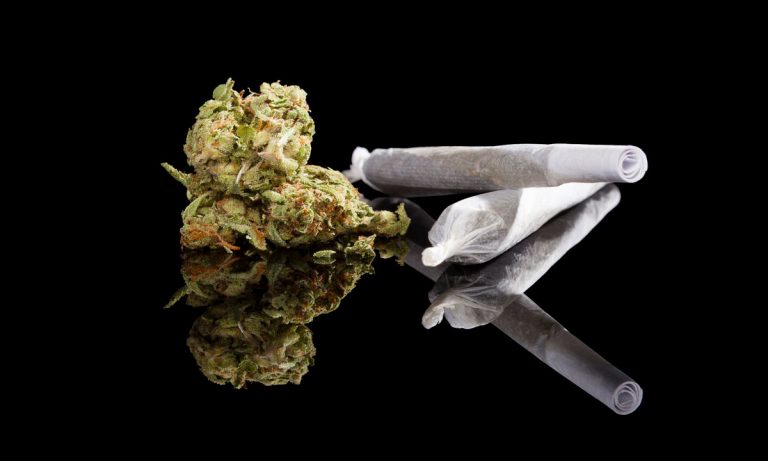
When your friend says they’re coming over with some “dank” weed, they’re immediately setting the expectations high. The word “dank,” though a great descriptive word all around, has become synonymous with cannabis culture and it means that the herb before you is simply the best. What is dank marijuana?
But what makes dank so good? Dank, simply defined, means “unpleasantly moist or humid; damp and, often, chilly,” at least at dictionary.com. And that first definition does sum up dank weed: it’s sticky and slightly moist, perhaps not to the connoisseur, but the smell of dank is often overpowering and even unpleasant to the uninitiated and though not chilly, it’s chill, whether indica, sativa or somewhere in between.
But even dictionary.com has a second and third definition. The first referring, yes, to cannabis, calling it, “excellent; high quality.” The third definition being that of internet memes that have gone stale or missed their cultural mark. Back to the dank cannabis definition, though. Excellent and high quality are certainly traits of dank weed, but they aren’t the full experience.
Dank weed has been cured perfectly, thus retaining humidity and stickiness. It should have perfect give when lightly squeezed and it should smell out of this world. Dankness means heady buds that don’t crumble when broken apart and don’t tear like a flimsy branch either. Dank is just right, whereas mids and even dirt weed don’t come anywhere near.
As a young pup of a smoker in Portland, Oregon, there were basically had three choices of weed with three different price points: Mexican brick weed, Vancouver BC beasters and “dank” bud, which I later learned was often Northern Lights or Blueberry, but grown indoors, hydroponically and with the utmost of care and skill. Dank bud ran our pennyanny paychecks through the wringer, even when buying by the eighth, but it got us so lifted that if we could get our hands on it, we did.
Now, dispensaries and pot shops are spreading across the nation and soon the choices will be dank, danker and holy dankness Batman! Already, if you live in a legal state, you have lofty wants when it comes to weed because you can. And that in itself is straight dank. So now you know what is dank marijuana anyway!
While the media is always the first to make incendiary claims suggesting that teens are more damaged now than ever, statistics show that, when it comes to drugs and alcohol, they’re doing pretty well. In fact, the decrease in drug and alcohol use has been so steady recently that researchers don’t know what to make of it.
Statistics from Australia claim that alcohol consumption is at it’s lowest point since the 1960s and that it’s all due to teens becoming less interested in drinking. Since the mid 2000’s there’s been a steady decline among alcohol use in teens. From 2004 to 2014, teens between the ages of 16 and 17 dropped their alcohol use from 48 percent to 33 percent. Follow-ups on teens as they age suggest that they’re maintaining these lifestyle choices, with young adults between the ages of 18 and 24 dropping their alcohol consumption rates from 32 percent to 22 percent.
While the previous stats were limited to one country, other researches from different areas of the world are reporting similar findings, suggesting that it’s a global trend. In Europe and North America, teens are consuming less alcohol on a weekly basis than they used to in previous years, and they’re not running towards cannabis and tobacco either. Despite the fact that cannabis is more accepted than ever before, use is still dropping among teens. According to a study, tobacco is a big contributing factor. Truth commercials and other advertisements have made it their mission to target teens and to highlight the perils of smoking. It seems like younger generations are finally reaping the benefits of all that hard work.
This trend, along with a switch into a more health-oriented way of living, has affected all of us. But it’s hit teens hardest, perhaps because social media affects them so deeply; Instagram, Snapchat, and other sites provide a source of distraction, making teens focus on other things and changing they way in which they’re socializing and interacting with the world. We’ll have to wait a few years to know what that means longterm.
Oklahoma may have legalized medical marijuana this summer, major state universities are still up in arms. In a joint statement, Oklahoma universities ban medical marijuana. OK Unveristy and Oklahoma State University are prohibiting students and faculty from growing, processing, or smoking cannabis on its properties.
The universities say that because they receive federal funding, they must comply with the Federal Drug-Free Schools and Communities Act (DFSCA), which bans the usage of federally illegal drugs on campus or school-sponsored events. OSU and OU are also bound by the Federal Controlled Substances Act (FCSA), which “criminalizes the growth and use of marijuana.”
“Despite the recent passage of State Question 788, the DFSCA requires OSU and OU to adopt and adhere to policies prohibiting the unlawful use, possession or distribution of illegal drugs, including marijuana,” the universities announced in a joint statement. “Moving forward, OU and OSU will adhere to federal law prohibiting the use, possession, distribution or cultivation of marijuana for any reason at their campuses across the state.”
Last month, Oklahoma legalized medical marijuana through a ballot measure (SQ 788). The measure was notable because it created one of the most liberal medical marijuana programs in the country, as patients didn’t have to qualify for a set of conditions approved by the state. Instead Oklahoma’s program allows medical marijuana to be prescribed based on the recommendation of individual physicians.
It’s worth noting that SQ 788 does not ban the usage of medical marijuana on college campuses. Students caught with cannabis will not be punished by state laws. Instead they’re likely to receive “disciplinary or administrative sanctions from OSU or OU, not criminal charges,” according to Tulsa World.
The issue regarding college campuses and medical marijuana usage doesn’t only exist in Oklahoma. Lawmakers in Arizona tried to create an amendment where it would become illegal to be in possession of cannabis in certain spaces, including college campuses. After an Arizona State University student sued, the Arizona Supreme Court ruled the amendment unconstitutional, making it illegal in the state to arrest medical marijuana patients who were on campus and in possession of the drug.
Among the most iconic intro songs to a TV show, “The Fresh Prince of Bel-Air” stands a cut above the rest. Next time you’re at a bar or party, wait until everyone’s a few drinks or puffs in, and start sing-rapping, “In West Philadelphia, born and raised.” See how long it takes until the room starts singing along.
Perhaps that’s what makes the song so ripe for parodies. One of the more memorable parodies in recent memory is SNL’s absurdist crime reinterpretation, where Will Smith’s (Chris Redd’s) past catches up to him. But it goes off the rails near the end, somehow involving the yakuza, FBI, and Philly street gangs.
A more faithful and delightful parody, in our opinion, is this recent one from “Sesame Street.” Yes, of all places “Sesame Street” decided to playfully use the “Fresh Prince” theme song to explain how the friendship between Bert & Ernie started. Included amongst the reimagined lyrics are bananas in your ear, having a kind attitude, and learning letters and numbers.
In other words, it’s classic “Sesame Street.”
“Sesame Street” also parodied NSYNC’s “Bye Bye Bye” for a Fourth of July theme song, so maybe this is a new thing they’re doing? Apologies for not being completely up to date on plot developments in “Sesame Street”. And if you just want to listen to the original “Fresh Prince” theme song, we embed it for your convenience below.
The federal government claims there are more than 100 million Americans either living with diabetes are or on the verge of becoming full-blown diabetic. This means millions more people will be diagnosed with this condition within the next five years, according to the Centers for Disease Control and Prevention.
Thos unfortunate souls who have this disease are unable to produce insulin in the same way as a healthy individual. Basically, the pancreas either ceases insulin production or no longer provides the body with optimal output. Either way, man-made medicines are typically employed to keep the person alive.
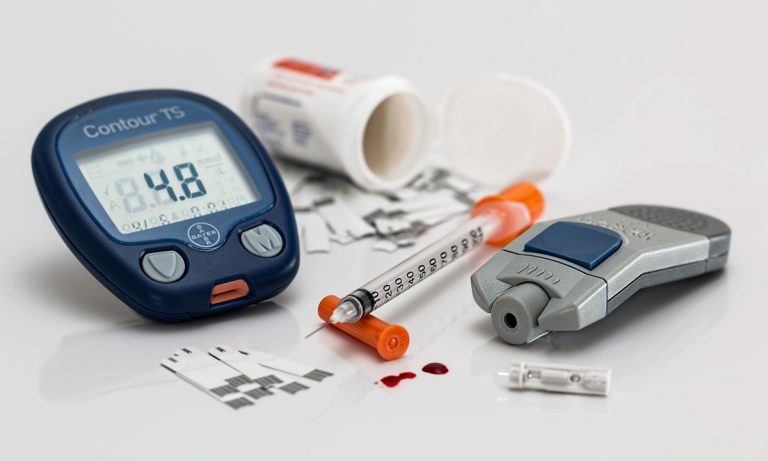
The treatment program for diabetics can range from modest changes to regimented treatment. Some can get away with changing their diets and incorporating exercise into their daily routine, while others must lean on regular prescription insulin shots to stay healthy. Anyone who has self-administered insulin will tell you — it’s no picnic.
But there is now a small body of evidence suggesting that medical marijuana, specifically its non-intoxicating compound cannabidiol (CBD), may eventually eliminate the need for insulin shots.
There are two kind of diabetes. Type 1 is when the body no longer produces insulin. A virus is typically responsible for causing this version. It is said that around 5 percent of the population has Type 1 diabetes, appearing mostly in children and young adults.
There is also the more common Type 2 – affecting around 95 percent of the population — in which the body still produces insulin, just not enough for proper function. This version is brought on by a variety of factors, including a high sugar diet and obesity. Genetics also play a role.
Most people diagnosed with diabetes are doomed to regularly prick their fingers to monitor their blood sugar levels. It may also be necessary for them to self administer insulin shots (Metformin or Avandia). But some medical professionals believe that CBD oil, which is produced by extracting nutrients from the cannabis plant, might be able help patients maintain healthy glucose levels.
Dr. Raphael Mechoulam at the Hebrew University of Jerusalem says CBD receptors, which are found all over the human body, are highly prevalent in the pancreas – where insulin is made. His preliminary studies have suggested that feeding these receptors with high doses of CBD may stimulate insulin production without prescription drugs.
Although these results have not been proven without a shadow of a doubt, the concept has inspired additional funding for diabetes research in the United States.
There is also evidence that CBD’s anti-inflammatory properties could help treat underlying medical conditions associated with diabetes. The compound is beneficial in improving metabolic function and repairing nerve damage – both of which can have a nasty affect on diabetics.
But when considering CBD oil, it is important to discuss it with a medical marijuana professional. Not all oils are created equally, so open dialogue with dispensary staff is a crucial first move. Some diabetics have experienced success with CBD, while others not so much. It is really about finding the medical marijuana product that works best for the individual.