Saturday, June 20, 2026
Home Blog Page 868

The Weird Reason Meghan And Harry Won’t Have Custody Of Their Kids

0

First, Meghan Markle isn’t pregnant (at least there have been no reported sightings of a royal baby bump). But there has been some interesting chatter revealing just how bizarre royal tradition can be when it comes to royal offspring.

One royal expert revealed that when Markle and Prince Harry do decide to have a family, their children won’t technical be in their custody. This strange tidbit harkens back 300 years, when a law was put into place giving the heads of the monarchy custody of lesser royals.

How messed up is that?

“The sovereign has legal custody of the minor grandchildren,” royal expert Marlene Koenig told news.com.au.

According to her, Queen Elizabeth has full legal custody over Markle and Harry’s kids, as well as Kate and Prince William’s. If you’re keeping score at home, it also means that both Harry and Will were never actually in the sole custody of their parents, Princess Diana and Prince Charles; it’s a fact referenced in the couple’s split.

“Custody is not included [in those divorce documents] because they did not legally have custody of their children to begin with,” Koenig said, who adds:

This goes back to King George I [who ruled in the early 1700s], and the law’s never been changed. He did it because he had a very poor relationship with his son, the future King George II, so they had this law passed that meant the King was the guardian of his grandchildren.

This law was passed by a majority of judges back in 1717, who decided the monarch’s “right of supervision extended to his grandchildren and this right of right belongs to His Majesty, King of the Realm, even during their father’s lifetime”.

Koenig says the archaic law still stands today, and has even affected the way the royals parent their children.

“When [Princes Harry and William] were little, Prince Charles asked the Queen if both children could fly on a plane together to Scotland, to which the Queen said yes,” she said.

“Technically, they needed permission for travel. The Queen has the last word on parenting decisions like that.”

How Often Do People Who Use Dating Apps Lie?

0

Nearly one-fourth of young adults are looking for love through dating websites or apps.

This relatively new form of courtship can give you access to a large pool of potential partners. It also presents a unique set of challenges.

For example, you’ve probably heard about – or have personally experienced – a date that was planned online but didn’t go well for one of the following reasons: He was shorter than his profile said he was, she looked different in person than she did in her photos, or he was talkative over text but it was like pulling teeth at dinner.

In other words, a person’s profile – and the messages sent before a date – might not capture who a person really is.

In a recent paper, my colleague Jeff Hancock and I wondered: How often do people who use dating apps lie? What sort of things are they prone to lie about?

‘My phone died at the gym’

Our studies are some of the first to address these questions, but others have also examined deception in online dating.

Past research focused largely on the dating profile. Studies have found, for example, that men tend to overstate their height and lie about their occupation, while women understate their weight and tend to have less accurate photos than their counterparts.

But profiles are only one aspect of the online dating process. Only after messaging your match will you decide if you want to meet him or her.

To understand how often people lied to their partners and what they falsified, we evaluated hundreds of text messages exchanged after daters swiped right, but before they met – a period we call “the discovery phase.” We recruited an online sample of over 200 participants who provided us with their messages from a recent dating conversation and identified the lies, with some participants explaining why these messages were deceptive and not jokes.

We found that lies could be categorized into two main types. The first kind were lies related to self-presentation. If participants wanted to present themselves as more attractive, for example, they would lie about how often they went to the gym. Or if their match appeared to be religious, they might lie about how often they read the Bible to make it seem as if they had similar interests.

The second kind of lies were related to availability management, with daters describing why they couldn’t meet, or giving excuses for radio silence, like lying about their phone losing service.

These deceptions are called “butler lies” because they’re a relatively polite way to avoid communication without completely closing the door on the connection. If you’ve ever texted, “Sorry I went AWOL, my phone died,” when you just didn’t want to talk, you’ve told a butler lie.

Butler lies don’t make you a bad person. Instead, they can help you avoid dating pitfalls, such as appearing always available or desperate.

Purposeful or pervasive lies?

While deceptions over self-presentation and availability accounted for most lies, we observed that only 7 percent of all messages were rated as false in our sample.

Why such a low deception rate?

A robust finding across recent deception studies suggests that the majority of people are honest and that there are only a few prolific liars in our midst.

Lying to appear like a good match or lying about your whereabouts can be completely rational behaviors. In fact, most people online expect it. There’s also a benefit to lying just a little bit: It can make us stand out in the dating pool, while making us feel we’ve stayed true to who we are.

However, outright and pervasive lies – mentioning your love for dogs, but actually being allergic to them – can undermine trust. One too many big lies can be problematic for finding “the one.” There was another interesting result that speaks to the nature of deception during the discovery phase. In our studies, the number of lies told by a participant was positively associated with the number of lies they believed their partner told.

So if you’re honest and tell few lies, you think that others are being honest as well. If you’re looking for love but are lying to get it, there’s a good chance that you’ll perceive others are lying to you, too.

Therefore, telling little lies for love is normal, and we do it because it serves a purpose – not just because we can.

David Markowitz, Assistant Professor of Social Media Data Analytics, University of Oregon

This article was originally published on The Conversation. 

Canadian Cannabis Stocks Are Soaring, But Which Ones Will Make The Cut?

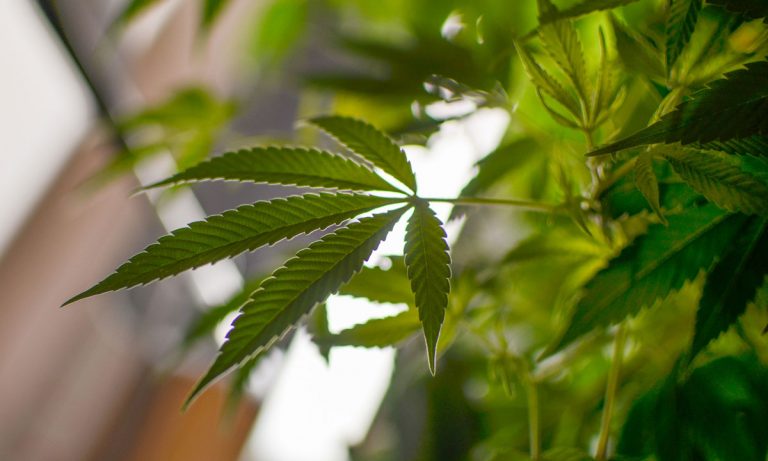
Canopy Growth made major headlines this past week when the enormous beer producer Constellation Brands invested $4 billion in their company. Constellation is the maker of such popular beverages as Corona, Pacifico and Modelo, so it’s not likely a shaky investment and the stock market had every reason to go wild over Canopy Growth and their quick surge in evaluation.

Hydropothecary experienced similar fortune when the Canadian beer brand Molson Coors invested in a joint venture with the cannabis conglomerate to make non-alcoholic, cannabis infused beverages. Their stock shot up with the news. Cannabis brands matching up with beverage makers is becoming a trend that’s getting a lot of positive fiscal attention.

Another canna-brand making big money moves, though not beverage-centric ones, is the Cronos Group, which is in the process of building out a 40,000 kilogram per year greenhouse in Ontario. The savvy group has also paired with the popular U.S. cannabis brand MedMen, which currently operates dispensaries in the U.S. and is looking to start opening stores across Canada.

One hot pot stock that’s getting a lot of attention, but also raising some eyebrows, is Tilray. They’ve been compared to other megastocks like Cronos and rank high in the Canadian medical marijuana market, but they’re the smallest of the new pot stocks to crop up and they don’t have major backers like the other brands.

There’s also the potential that the global cannabis market could impact Tilray negatively. If the market doesn’t expand as quickly as expected, the stock will become more unstable and could potentially fall. Still, optimists and adventure seekers are investing in all of the aforementioned companies with zeal, which bodes well for the cannabis market in general.

Tilray did get a boost this week when Ontario Cannabis Store announced supply agreements with 26 different cannabis companies, one of which is Tilray. Their stock saw an 8.8 percent surge after the news was announced, but if it will be enough to keep them in the top tier remains to be seen.

There are not a lot of pot stocks to invest in as of yet, but the ones making the cut are great bets at best, and fascinating to watch at the least. While past performance and product promises do not a future make when it comes to stocks, it’s still probably a good time to reevaluate your portfolio and turn it a little greener in the best possible of ways.

1 in 15 Americans Smell Odors That Aren’t There

Ghost smells are real. While they have always been around, it wasn’t until recently that a study proved how common they are. One in 15 Americans over the age of 40 report smelling scents that don’t exist.

While smelling things that aren’t there sounds innocent enough, the study discovered that phantom smells can affect your life negatively and that there’s a correlation between people who have poor health and who are of low economical status.

Phantom smells are almost always bad, with the most commonly reported ones including rotten eggs, garbage and spoiled food. Women are affected twice as often as men, and they’re more common among older people. The smells can occur among people who suffer from a tumor, head injury, epilepsy, and sinus infections, but they can also affect patients that are seemingly healthy.

“Problems with the sense of smell are often overlooked, despite their importance. They can have a big impact on appetite, food preferences, and the ability to smell danger signals such as fire, gas leaks, and spoiled food,” reports Science Daily. Another scientist claims that patients who perceive strong phantom odors often have a “miserable quality of life,” and that they “sometimes cannot maintain a healthy weight.”

This study is one of the first that focuses on phantom odors, so not much is known about where it comes from and why it occurs. Kathleen Bainbridge, the doctor that lead the study, claims that the research is an important first step to understanding this medical condition, giving future doctors context and information that may help them understand why it happens.

Oprah’s Sleep Doctor Advises Not To Do This Before Bed

We all took notes when Oprah Winfrey’s personal trainer told us how to shed pounds, and then again when her personal chef told us how to…shed pounds… and now, O’s personal sleep coach has some advice on how to ace your nightly slumber.

In an exclusive interview with FEMAIL, Oprah’s sleep doctor, Michael Breus, says he has a nightly routine that will ensure you a solid sleep.

Contrary to what you may have heard, your sleep routine starts way before you turn off the lights and set your alarm. Dr. Breus says we all need “wind down” time before our heads hit the pillow.

‘The secret to sleep is to pay attention to what you’re doing in those precious hours before bedtime,’ he told Daily Mail Australia.

“One hour before you are going to try and sleep, break up your time accordingly,” he said.

Dr. Breus says in addition to brushing your teeth, washing your face, and engaging in other nightly hygiene tasks, it’s important to give yourself time to relax, which is why it’s essential to avoid anything intense before bed. He explained:

Having big emotional discussions with your partner right before bed is one of the worst things you can do before trying to fall asleep. It sets off this whole level of autonomic arousal, you’re angry, you’re upset and you can’t stop thinking right before bed.

He says it’s also a good idea to avoid things like caffeine, nicotine and alcohol, which are known to disrupt your sleep cycles. Instead, focus on decompressing your body.

“Whether it’s muscle relaxation, Tai Chi, stretching or doing something for your mind like meditation or prayer, make sure you use this time for you,” he said, adding that failing to do so can lead to insomnia.

“Regular exercise can be tremendously helpful in alleviating insomnia too,” he said, “as can mindfulness practices and relaxation therapies.”

He says aim for 7.5 hours of sleep a night, which he refers to as the “sweet spot” for a good night’s rest.

New Bill Would Allow Students With Past Drug Convictions To Receive Federal Aid

Federal aid makes it possible for an untold number of college students to afford steep tuition fees. Each year, around 1,000 students lose that financial assistance because of a “yes” response to a specific question on the Free Application for Federal Student Aid (FAFSA) form: “Have you been convicted for the possession or sale of illegal drugs for an offense that occurred while you were receiving federal student aid (such as grants, work-study, or loans)?”

A bill introduced by New Jersey Sen. Cory Booker would remove that question from the FAFSA form and would allow those with prior drug convictions to still receive federal aid to attend college. Federal aid can be the difference between college dropout and college graduate for some, particularly those coming from low-income families.

Politicians and civil rights groups have fought to remove the question for that very reason.  The bill introduced by Booker, along with other Democratic Senators, would accomplish that goal, in addition to simplifying the FAFSA process and making FAFSA available to DREAMers. As a somewhat recent college graduate who relied on federal aid to get me through four years, I can attest to the baroque and confusing nature of the FAFSA form.

“We know that when a student completes the federal financial aid form, he or she is more likely to receive aid, attend college, and graduate from college,” Booker said in a release. “But sadly, less than half of today’s high school students complete the form, and students from underserved backgrounds complete the form at even lower rates than their peers. We must make the process of obtaining aid for higher education easier.”

Booker has been one of the most vocal pro-cannabis advocates in Congress. He introduced the Marijuana Justice Act in 2017, which would have effectively legalized cannabis at the federal level.

These Are The People You Should Unfollow On Social Media ASAP

0

It’s a challenge these days to be sane while engaging in social media. Many people you’re friends with on Facebook or follow on Instagram probably need to spend less time online and more time in a therapist’s office.

A new study finds that those who spend lots of time social networking tend to have lower emotional intelligence.

“People who are uncomfortable with their own and others’ emotions may be more comfortable online,” researcher Sara Konrath, a professor at Indiana University, tells Moneyish. “We think that they may prefer text-based interactions that allow them more time to process social and emotional information.”

Those who spend the most time on social media? Narcissistic, according to several studies, which conclude that places like Facebook provide the perfect platform for self-centeredness; constant and immediate gratification feeds into ego, creating a monster.

Relationship coach Rachel DeAlto pinpointed for Moneyish the types of people you should avoid all together on social media and it’s basically everyone who has access to a phone. Okay, not really, but we all likely know at least one of these people. Here’s how to spot them.

“If every picture is a duck face or selfie, buyer beware,” she said, as “self-absorption is evident.”

She says to also watch out for “victim mentality”. You know, the friend who is always upset or angry about something. It’s another prevalent issue on social media. “What are they sharing? Is it constant complaints and negativity? If they’re consistently looking to social for validation, it’s a sign they may need a therapist,” she said.

And finally, she says to beware of hostile engagement, explaining that  emotionally-intelligent people don’t harass or create conflict behind screens, “If they are initiating or engaging in constant arguments online, watch out.”

NJ Senate President: We Have The Votes To Legalize Cannabis

Expansion of the state’s medical marijuana program and/or full cannabis legalization has been just beyond the horizon in New Jersey for most of 2018. Gov. Phil Murphy, who campaigned on full cannabis legalization in the state’s gubernatorial race last year, has said he’d like the state to legalize cannabis by the end of the year.

Murphy’s wishes appear to be a legitimate possibility based on comments from New Jersey Senate President Steven Sweeney. In an interview with POLITICO this week, Sweeney says he has the votes to carry both cannabis measures by September’s end.

One of the major roadblocks Sweeney has faced comes from across the aisle. Though some Republican lawmakers support expansion of New Jersey’s medical marijuana program, opposition is heavy from Republicans regarding full cannabis legalization.

Another roadblock: neither of the bills have been fully drafted, causing major questions from both parties regarding how legal cannabis will look in New Jersey.

“Listen, we’re going to need to work with [Republicans] to pass it,” Sweeney told POLITICO. “I can’t get anyone to make a commitment on something that they have no idea what it looks like, nor would I expect them to make the commitment.”

“Don’t be surprised when people who say they were against it vote for it,” Sweeney adding, predicting possible Republican support.

Assembly Speaker Craig Coughlin publicly endorsed recreational cannabis legalization for the first time this month, making it seem like New Jersey’s top lawmakers were in coordination around cannabis. But Sweeney disagreed with Murphy’s previous proposal that cannabis be taxed at a 25 percent rate. In addition, legislators are still seeking clarity around a possible provision that could expunge the records of those with previous cannabis-related convictions.

“I don’t want [the tax rate] to be 25 percent, because then you’re just going to keep the black market alive,” Sweeney told POLITICO. “If you tax it too high, you incentivize people to use the black market because you’ve raised the price too high.”

Meanwhile, Attorney General Gurbir Grewal has instructed prosecutors to suspend any cannabis-related cases until September. The State Health Department also added five more qualifying conditions for its medical marijuana program in March, including migraines, anxiety, and chronic pain.

Chocolate Avocado Toast Has Twitter Up In Arms

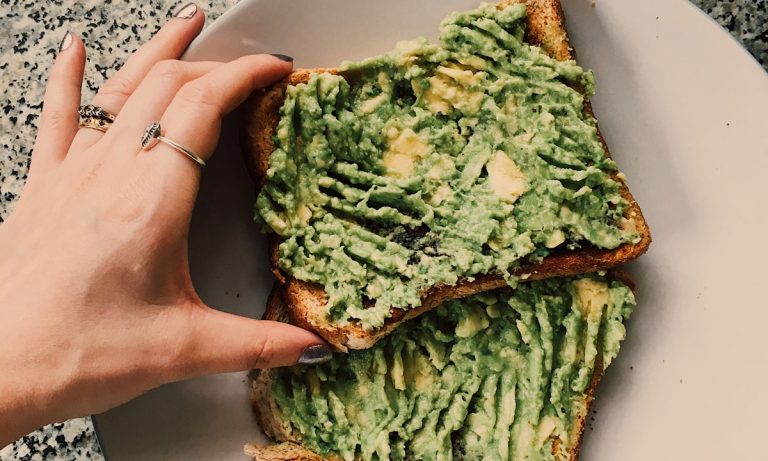
Avocados were immortalized by millennials when it came to light that they basically spread them over everything, and have no qualms about spending lots of money to have someone else spread it on a piece of toasted bread. They made the news again when it was announced that young adults were being rushed to the hospital at a rapid clip because they didn’t know how to safely remove the pit. In other words, avocados are a big deal for this generation. It’s understandable. They’re absolutely delicious, and they pair well with most foods.

Rising pop star Anne Marie randomly tweeted that she loves avocado toast with chocolate, and the internet freaked out. It’s not the craziest idea, it just seems like two flavors that wouldn’t go together very well.

Recently, peanut butter and pickle sandwiches made the news, with a lot of people screaming in outrage. That sandwich is a little easier to swallow, however, because of its intense flavors that actually complement each other (think of all the Thai food you’ve eaten that used lots of peanut and vinegary flavors). “If it had good bread, good peanut butter and good pickles, you could sell this sandwich at a restaurant for a lot of money,” said The Huffington Post. The combination makes sense. Avocado and chocolate doesn’t.

Following Anne Marie’s advice, a writer from Mashable tried the sandwich and claimed that while it wasn’t bad, it wasn’t good either.

She used a baguette, an avocado, and the chocolate from the inside of a croissant (which is very strange and probably not what Anne Marie used). She toasted the bread, piled in the ingredients and added a dash of salt to highlight the flavors. When she ate it, she said that the flavor of the chocolate drowned out the light taste of the avocado. This makes sense; avocados aren’t used for their flavors, they’re mostly added in to give texture to meals, something that’s unnecessary when you’re eating an already creamy chocolate sandwich. Maybe with Nutella it would have tasted better, but I don’t think so.

Tinder’s Super Like Function Is A Little Controversial

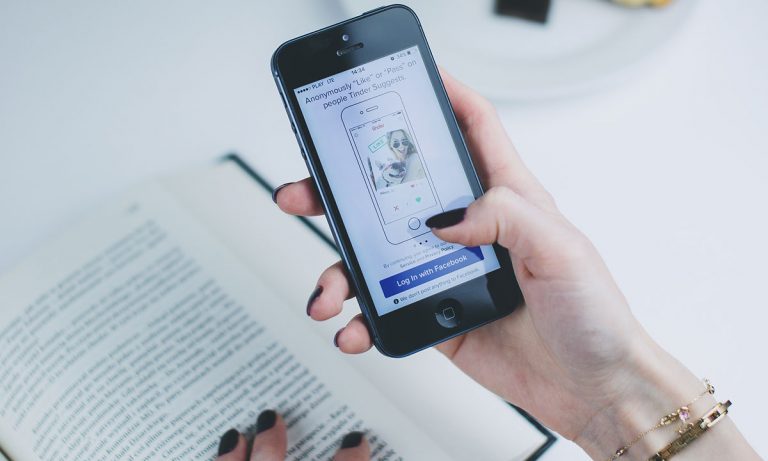
Tinder’s Super Like function, for those not on the dating app, is for those moments when you think a stranger is really, really attractive; when swiping right is not enough. Tinder probably intended for this feature to be flattering and for it to add a little personality to your profile. Sadly, it’s mostly creepy.

Super Liking someone’s profile is very easy to do it by accident, and it’s become one of Tinder’s most annoying trademarks.

Tinder is designed to give a Super Like when you swipe up on your screen, making it slightly more difficult than, say, accidentally liking someone’s first post on Instagram, which only demands a double tap of the screen. Despite this, swiping up is still something that happens on accident, especially when you’re using Tinder on-the-go or if you’re rapidly swiping through users. Using the buttons instead of swiping on Tinder makes things even harder because the Super Like button is located right next to the “No.”

Mashable interviewed different users on Super Liking, and concluded that most people don’t know what to do with the feature. “Pretty much the only time I Super Liked was accidental. I think I was just swiping too fast or I actually meant to swipe left,” says one Tinder user. Another user says that they believe all Super Likes are accidental, and that it’s hard to confess if you were being honest and thought that person deserved more than a swipe right. “I don’t think I would admit to accidentally Super Liking someone if we matched. [Admitting it] would inject a weird power dynamic.”

Mashable argues that most users who are on Tinder are also on Bumble and other dating apps, which all have their own gestures and swipes, making it very easy to get confused and to do the wrong swipe by accident.

Most dating apps have a version of the Super Like, so it’s safe to assume that the feature is here to stay. If you really hate it, the only simple way to avoid it is by being extra careful or by paying for Tinder Plus, which allows you to “Rewind.” This feature lets you take back your last swipe, no matter if it was left, right or up.

Don't Miss Your Weekly Dose of The Fresh Toast.

Stay informed with exclusive news briefs delivered directly to your inbox every Friday.

We respect your privacy. Unsubscribe anytime.