Wednesday, June 17, 2026
Home Blog Page 908

Canopy Growth CEO: Transforming Marijuana Into Products Is Key

Marijuana will be legal in Canada in October and the CEO of the country’s largest publicly traded medical marijuana company has his sights set on products. Bruce Linton told CNBC that products are the future of the cannabis industry.

Linton says in regards to Canada that “by 2020 or 2021, there will be too much cannabis produced. If I’m still selling primarily an ingredient, I have completely dropped the ball. You want to transform it.”

He specifically wants to produce beverages, just like Constellation Brands, which owns Lagunitas Brewing. The California-based company announced earlier this week that they are launching an infused sparkling water, and Linton is taking notes. He told CNBC, “I find that people would like to have a beverage that makes them more positive, uplifted and has a feeling of having a beer or glass of wine. And the real kicker is — how would you like to have zero calories?”

“When I look at an opportunity to transform the ingredient into finished goods, the margins are way better, the format’s more acceptable,” said Linton. “And I think what it turns into is Canada, this really governed, boring place, is the world’s model.”

When asked if he thinks beverages are becoming the preferred delivery [of cannabis] over vaping, edibles, and topicals, Linton said,

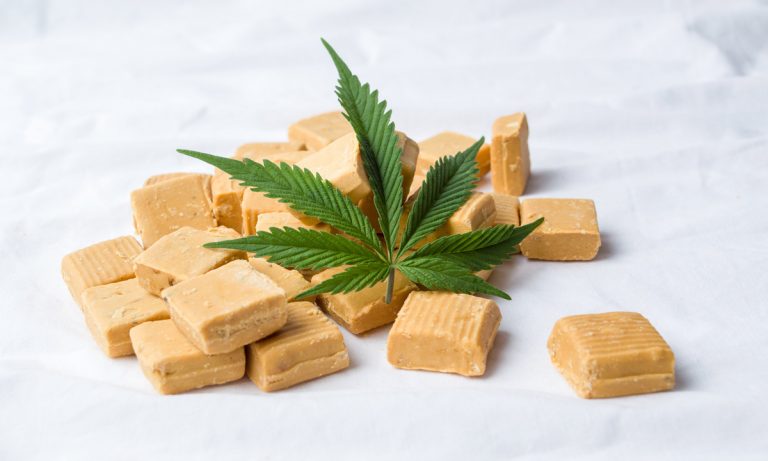
We’re going to do all of them and let people decide. But I fundamentally believe the reason we learned how to make pottery was so we’d have some place to put the wine. And so it goes back a long time, where we’ve been thinking about beverages as a way to mood modify and socialize. I don’t think it’s a big social jump. It’s for sure more normal than gummy bears.

Linton told CNBC that Canopy is also working on a sleep aid, which he describes a as a potential “disruptor to Ambien.”

Are You Addicted To Coffee? You Might Live Longer

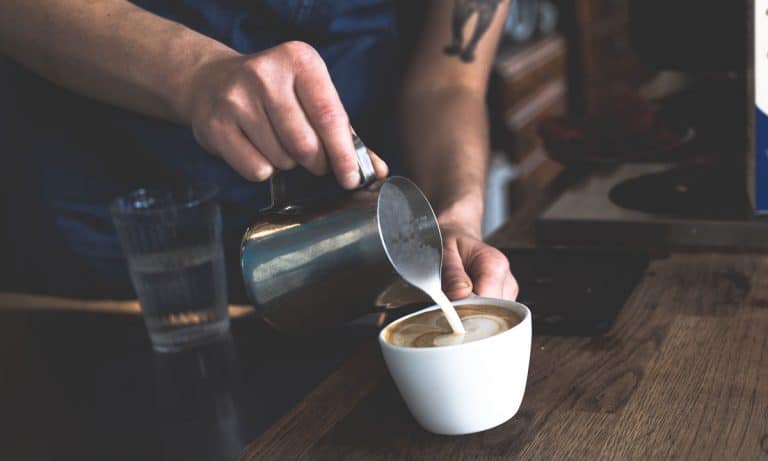
If you know more about your barista than you do the last person you dated, you might live longer. And science is here to prove it. Yes, your expensive addiction just may be protecting you from some serious old age issues and could actually be helping you live longer.

Scientists from Stanford Medicine found that the chronic inflammatory process that occurs in our golden years may trigger cardiovascular issues that can potentially be subdued by a cup of coffee.

“More than 90 percent of all noncommunicable diseases of aging are associated with chronic inflammation,” said the study’s lead author, David Furman, PhD, a consulting associate professor at the Stanford Institute for Immunity, Transplantation and Infection:

It’s also well-known that caffeine intake is associated with longevity. Many studies have shown this association. We’ve found a possible reason for why this may be so.

Furman’s colleague, Mark Davis, PhD, a professor of microbiology and immunology and the director of the Stanford Institute for Immunity, Transplantation and Infection, says their findings show a correlation between “an underlying inflammatory process” associated with aging and cardiovascular disease as well as “molecular events that we may be able to target and combat.”

And according to the study:

Notably, this inflammatory mechanism was found to be activated only in some, but not all, of the older study participants. Those in whom it was relatively quiescent tended to drink more caffeinated beverages. Laboratory experiments revealed that the mechanism was directly countered by caffeine and associated compounds.

Basically, coffee can help protect you from heart disease and deterioration that often accompany old age.

The study was published online in Nature Medicine.


A Timeline Of 200 Years Of CBD

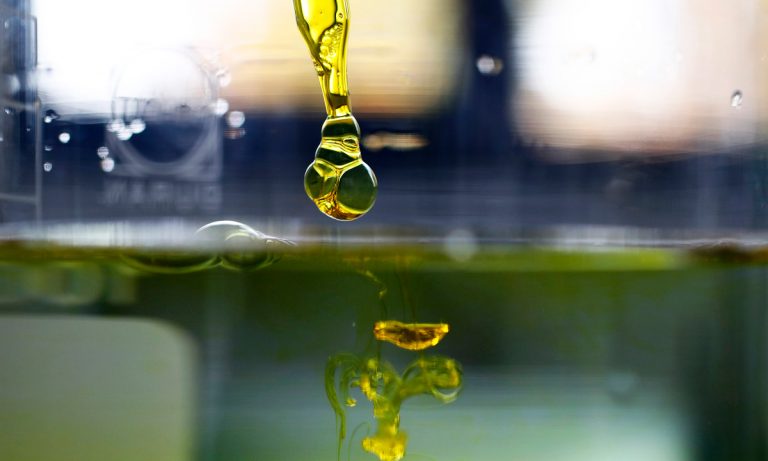
Cannabidiol, or CBD, is a botanical compound extracted from cannabis and hemp that betters bodies but doesn’t mess with minds. Here are timeline highlights of CBD’s use, from the crampy queen of the Victorian age two centuries ago to epileptic children in the age of legalization today.

1800s

https://giphy.com/gifs/bones-booth-brennan-26gs6jWEXGu4pAYDK

CBD in cannabis relieves Queen Victoria’s menstrual cramps.

1940

CBD is isolated at the University of Illinois. Researchers called CBD “very toxic” and stated “it is not active in cannabis.” Researchers said CBD had no role in the human body and admitted they did not fully understand CBD.

1946

CBD and THC tested on lab animals. Researchers find that while THC induced trance-like effects in rabbits and mice,CBD appeared to produce no observable behavioral effects.

1964

CBD’s structure determined by Dr. Raphael Mechoulam, a chemist at Hebrew University of Jerusalem, opening research into CBD’s hundreds of medicinal benefits.

Late-1960’s

CBD and THC tested on lab primates by Dr. Mechoulam’s team. THC, not CBD, was deemed responsible for intoxicating effects.

1973

https://giphy.com/gifs/sudden-realization-5AKUXoS6qA8vu

CBD, Brazilian scientists said, reduced or even prevented convulsions caused by epilepsy in animals. Research into CBD’s effects on humans was inconclusive.

1974

CBD, Brazilian scientists now said, functions as an anxiolytic,lessening epilepsy symptoms.

Mid-1970s

CBD demonstrated to reduce cancer patients’ nausea and vomiting caused by chemotherapy. CBD’s sedative effects also discovered. Other studies confirmed a phenomenon discovered in animals: CBD improves sleep in patients suffering from insomnia.

British Pharmacopoeia, a publication of quality standards for medicinal substances in the UK, released a licensed cannabis tincture containing CBD.

1980

CBD diminished convulsions suffered by children with epilepsy, according to results of double-blind trials conducted by Dr. Mechoulam and Brazilian researchers.

1982

CBD shown to have antipsychotic effects.

1995

https://giphy.com/gifs/jon-stewart-the-daily-show-11NGHc6dNM8Uy4

CBD first administered openly during a clinical test whose participants reported remarkable improvements.

Late 1990s

CBD found to be a powerful cellular antioxidant by researchers at the National Institutes of Mental Health. Other studies found CBD’s neuroprotective properties.

1998

CBD history made when the British government licensed GW Pharmaceuticals to grow cannabis and develop a precise and consistent extract for use in clinical trials. GW Pharmaceuticals co-founder, Geoffrey Guy, convinced the government that CBD-rich plants could produce cannabis-based medicine with little or no psychoactive effect.

1999

CBD medication Epidiolex by GW Pharmaceuticals begins trials.

2003

CBD is patented as a neuroprotectant by the United States government (U.S. Patent #6,630,507)

2006

CBD-rich cannabis strains emerge in California, led by dispensaries like Harborside in Oakland.

2008

CBD-rich Cannatonic seeds by renowned Resin Seeds debut at Spannabis.

2010

https://giphy.com/gifs/finally-atlast-itsover-J3hSvKHJC7d28

CBD’s largest nonprofit educational clearinghouse, Project CBD, launches, serving physicians, scientists, growers, cannabis-testing laboratories, patients and retailers.

2011

CBD, studies find, can be used to treat diseases like epilepsy, anxiety, cardiovascular diseases, schizophrenia and cancer.

2013

CBD captures the media spotlight when cable television network CNN reports the story of 6-year-old epilepsy patient Charlotte Figi, whose multiple daily seizures were treated with CBD.

2014

CBD is legalized for medicinal purposes by 11 states in which medicinal cannabis was not legal — Alabama, Florida, Iowa, Kentucky, Mississippi, Missouri, North Carolina, South Carolina, Tennessee, Utah, and Wisconsin.

2015

CBD-infused foods and treats for humans and pets emerge, from cannabis edibles-makers and other manufacturers, sold both in cannabis stores and some alternative retailers.

2016

CBD oils, tinctures and infused food and candies sold by retail giant Walmart.

2017

CBD oil sold by major retailer Target. CBD oil no longer sold by Target.

CBD, according to a statement by the U.S. Drug Enforcement Administration, “is being illegally produced and marketed in the United States in violation of two federal laws.”

2018

https://giphy.com/gifs/mtvawards-2018-mtv-movie-and-tv-awards-5z9K7xPIUV3O8pUYLq

CBD remains effectively outlawed after a federal appellate court in California rejected an industry challenge to a DEA rule in May.

CBD medication Epidiolex by GW Pharmaceuticals receives FDA approval on June 25 for sales and use starting in 90 days.

CBD products are approved for sale in Canada under Cannabis Act details released June 27.

Here’s Everything You Need To Know About ‘Wonder Woman 2’

Wonder Woman came out in 2017 and broke all sorts of records. As the first female-led superhero movie, or at least the first good female-led superhero movie, it was imperative for Wonder Woman to get things right, paving the way for other movies where women hold pivotal roles.

Directed by Patty Jenkins and starring Gal Gadot, the film managed to surpass everyone’s expectations, becoming one of the most successful movies of the year. Wonder Woman did something incredible; stuck in the middle of a flawed cinematic universe, it managed to be fun and positive and introduce us to an iconic character that had never been featured on the big screen. While the Warner Bros. DC Universe has had little critical success and has lost famous actors, Wonder Woman remains as the company’s best film.

The sequel was confirmed last year and it’s one of the most buzzed and expected blockbusters in sight. Check out this roundup of everything you should know about the film.

It’s Called ‘Wonder Woman 1984’

Warner Bros. announced the title of the film, which references the date and time period where it’s set. With this release of information, many people have speculated that the film will tackle the Cold War and that it’ll also be set in the United States.

Kristen Wiig Will Play A Villain

One of the most interesting developments of Wonder Woman 1984 is the fact that it cast Kristen Wiig as its main villain. Wiig will play Barbara Minerva, an archeologist also known as The Cheetah. This character has been around since the 1940s and is one of Wonder Woman’s biggest and most iconic enemies.

While Wiig is known for her comedic performances, she’s done successful dramatic roles in the past. In 2017,she had a brief and scary appearance in Mother! that was one of the film’s biggest and most jarring twists.

It’s Directed By Patty Jenkins

After the success of the first film, Warner Bros. made sure to hire Patty Jenkins again, making her the highest paid female director in Hollywood. Jenkins is very involved with the making of Wonder Woman 1984, having developed the initial treatment of the film, and co-writing the script with David Callaham and Geoff Johns.

The Film Will Also Feature Chris Pine And Pedro Pascal

Pedro Pascal, known for his roles in “Game Of Thrones” and “Narcos,” was cast in a pivotal role even though no information has been released. Jenkins also confirmed the return of Chris Pine via Twitter, sparking a lot of confusion since his character died at the end of the first film.

The Movie Will Be Released November 2019

Wonder Woman 1984 is scheduled to shoot this summer in locations that include the Canary Islands, Virginia, Washington D.C., and the U.K..

Seinfeld Writer Wants $1 McDonald’s To Pay For This

“It’s a million dollar idea.” If you’re a “Seinfeld” fan, you know that line is from The Muffin Tops episode; the one where Elaine gives her former boss Mr. Lippman the idea to open a muffin top shop because “I don’t like the stumps.” She sells him on the concept, convincing him that the tops are the best part because they’re “crunchy and explosive and where the muffin breaks free from the pan and does its own thing.”

Now, one of the writers of that episode is asking much more for the idea: $1 billion. Spike Feresten wants to be compensated for the line of muffin tops McDonald’s is about to launch. Of course, he’s kidding (we think).

RELATED: Here Are 7 Ways Jerry Seinfeld Refuses To Play Nice

McDonald’s announced last week that muffin tops would be arriving in locations across the U.S.. “We continue to look at ways to offer new breakfast menu items and experiences at the compelling value of McDonald’s. This includes our commitment to coffee, and continuing to give customers more tastes and choices from McCafé,” a representative for McDonald’s said in a statement.

https://www.instagram.com/p/BkkOCbig7JH/?tagged=muffintop

In a video posted on TMZ , Feresten says, “What took so long? This episode was written 21 years ago.”

He says it’s critical that McDonald’s use the same slogan as the one in the “Seinfeld” episode.

“Top of the muffin TO YOU…exclamation point. That’s the most important part,” Feresten said.

RELATED: 13 Life Lessons ‘Seinfeld’ Taught Us

“Secondly, you’re going to have to pay me a billion dollars, but I’m going to use that money very wisely; I’m going to buy a bigger car collection than Jerry Seinfeld and make him feel bad. So, that money will be put to good use.”

He says if one and two aren’t possible, McDonald’s can just sponsor his podcast, Spike’s Car Radio.

Meet The First Recreational Marijuana Shop In Massachusetts

Cultivate Holdings in Leicester is a seed-to-table dispensary in central Massachusetts that’s recently made waves, having gained the opportunity to be the first MA dispensary to open for recreational business.

The dispensary opened for medical use in late 2017, and though there are still hurdles before recreational cannabis can be sold, they’ve already built themselves a reputation of having a friendly, knowledgeable staff and good selection of products such as flowers, extractions and edibles.

As far as Mission Statements go, theirs is sweet and to the point, reading, “At Cultivate, we strive to deliver the best quality of Cannabis, whether it is a product we produce or one that we outsource, we aim to make our communities better through passion, dedication and commitment.”

One way that Cultivate builds community is by giving discounts to those who need them most. Veterans receive a whopping 20 percent discount and seniors and those with financial hardships get ten percent off. It’s a helpful, compassionate practice and one in step with the history of cannabis dispensaries from their humble yet exuberant beginnings.

Cultivate is open seven days a week, with a shorter block of 11am to 3pm on Sundays and they do good business, but opening up to the recreational market, especially as the state’s first of its kind dispensary, will make their stake all the more precious. Cultivate Holding’s President Sam Barber seemed a little shocked that they could be first to be licensed for rec.

“We’ve been kind of lining up everything and felt good about it, but I was not expecting to get that call this morning,” admitted Barber. But get it he did, and now it is up to the Cannabis Control Commission and other types of facilities to get the recreational sales going.

Though Cultivate is able to grow cannabis in the same building as retail sales take place, they still need to be given a licencing go ahead from the Commission for recreational and the product will have to be tested at a licensed and approved facility, which as of yet doesn’t exist. Their existing cannabis products do get tested through DPH regulations, but it is yet to be seen if that will hold up to the Commission’s standards.

Kudos are in order to Cultivate for the chance at making Massachusetts history and for their seed to table method, already in place. This is definitely a dispensary to keep an eye on.

A Guide To Your First Marijuana Dab

Dabbing is not anything like smoking a joint. It requires a whole new set of tools.

I remember — vaguely — the first time I did marijuana dabs. Within 15 minutes I had passed out. It didn’t have to be this way.

What is dabbing? Is it safe? Why am I hearing more about it now? Before you even consider dabbing, do yourself a favor and read this first. Chances are, you’ll avoid fainting and you may enjoy it. But it’s not for everybody.

Educate Yourself

Dabbing is not anything like smoking a joint. It requires a whole new set of tools. The cannabis is in completely different form. The psychoactive effect is exponentially more intense. And the intoxication will last longer.

Essentially, a dab is a small dose of highly concentrated cannabis that is heated on a hot surface and then inhaled. Focus on the word “concentrate” — and fully grasp the meaning. Cannabis concentrates are exactly what they sound like: Take the herb and extract all the THC out of it as you can. The extreme amount of THC in the concentrate means you will need very little (just a dab) to achieve the psychoactive effect.

Related: What’s The Deal With Dabbing 

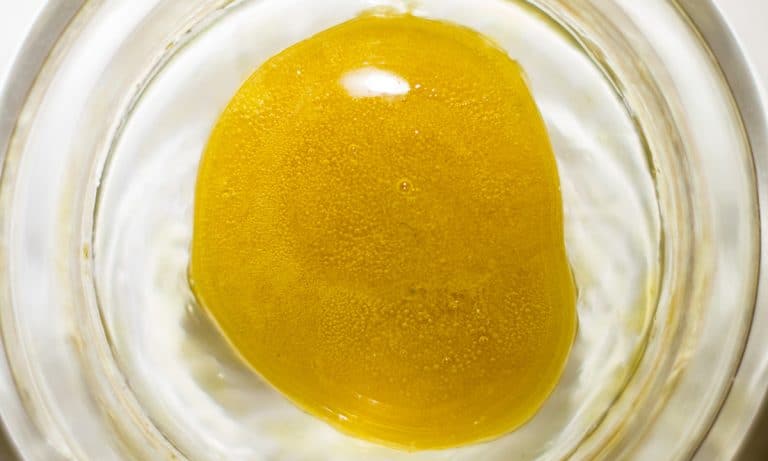
Dabs are concentrated doses — typically about the size of a Tic-Tac breath mint — of marijuana.  Dabs are manufactured by extracting THC, most commonly by using a solvent such as butane. The end product is a potent oil often referred to as wax, honey, shatter, budder, crumble or butane hash oil (BHO).

Typical marijuana bud contains roughly 15 to 25 percent THC; concentrates typically range between 65 to 85 percent THC, depending on the type and quality of the product.

Find A Dab Buddy

Dabbing alone is not advised the first few times you try it. Find a friend who is willing to experiment with you — or at least be your chaperone as you do it yourself. Ideally, you will know someone who not only has tried it, but can bring along his or her own dab kit — the set of tools one needs to dab correctly.

Related: 8 Ways to Enjoy Weed Without Smoking It 

Why a dab buddy? Just as a precaution in case you feel faint or paranoid. Other possible side effects include a rapid heartbeat and hallucinations. If you feel any of these symptoms, hydrate, lay down and close your eyes.

Remember, you can’t suffer a fatal overdose from cannabis — and that includes dabbing. But you can harm yourself if you should fall down. Your dad buddy is there for insurance just in case the situation becomes uncomfortable.

What You Need

The technology of dabbing is changing quickly, with more and more ancillary products promising more effectiveness, greater ease or lower cost. But, essentially, if you are going to dab on a regular basis, you will need to purchase some new tools:

  • The concentrate: Whether it is wax, honey, shatter, budder, crumble or BHO, this is the THC-rich product. It is highly recommended that you purchase the concentrate from a licensed, tested retailer. There is a lot of black market wax out there that is full of residual contaminants from processing. Trust me on this: The raw material needs to be high quality — and that does not mean high in THC, it means well made. Start small. A small dose looks no larger than a crumb. If you need more, go for a second dab. But it’s better to be cautious when it comes to dosage.
  • Dabber: The dabber looks like a small poker. Typically, the dabber is made of metal or glass or ceramic and is used to apply the concentrate to the nail. With the dabber, take the small amount of the concentrate and keep it on the tip of the dabber.
  • Dab rig: Dab rigs, also known as oil rigs, are basically glass water pipes (bongs) used for vaporizing extracts, oils, and concentrates. Like bongs found at head shops, there are sorts of sizes, shapes and colors. You will use the rig to inhale the fumes after lighting the nail.
  • Nail: The nail fits inside the gauge of your rig (or water pipe). Most experts swear by the nails made of high-quality titanium, but there are also ceramic nails and quartz nails. Glass nails are out there, but are a bit tricky.
  • A dome (or carb cap): There are some “domeless nails” on the market, that do not require a carb cap, but most standard nails need a dome to trap the vapor. Essentially, all the dome does is limit the amount of air flow inside the rig, allowing for the vapor to be inhaled rather than vanish in thin air.
  • A torch: Have you ever used a crème brulee torch? Well, if you have then you will be able to use a dab torch. A butane cigar lighter or something like that is simply not powerful enough for a dab. The torch is used to heat the nail to extreme temperatures. The goal is a red-hot nail in a short amount of time.
  • Butane: You’ll need butane to refill the torch.

Step-By-Step

  1. Sit Down: Dabbing is best sitting down. Get comfortable on a couch or chair. Have all the tools arranged in front of you.
  2. Heat Nail: Turn on the butane torch. Once you have properly adjusted the flame, heat the nail until it begins turning a medium shade or red.
  3. Dome It: Once the nail is red-hot, turn off the torch — the last thing you need is to accidentally start a fire. Turning off the torch is important. Now that the nail is ready, place the carb cap or dome over the nail.
  4. turn off your torch and place the glass dome over the nail. It’s recommended to let titanium nails cool for about 10 seconds and quartz nails about 45 seconds so the surface temperature isn’t too hot.
  5. Apply Dab: After the nail is domed or covered, count to 1o to let the nail cool just a little. Put the dabber in your dominant hand and touch the dabber on the hot nail. You will see white vapor (it looks like smoke, but it’s really vapor) collecting inside the dome. Slowly inhale. Rotate the tip of the dabber on the nail until the concentrate is gone.
  6. Exhale: Stay seated for a few minutes. Drink a glass of water. Enjoy the experience. And thank your dab buddy,


Meme Of The Week: Diego Maradona’s Crazy Celebrations

If you know even a tiny bit of soccer then you’ve probably heard of Diego Maradona. Almost solely responsible for Argentina’s legacy in the sport, Maradona is one of the most famous and accomplished athletes of all time. It’s logical that he’d be in the FIFA World Cup, supporting his team, which he also coached for a couple of years (with disastrous results). While his achievements in soccer cannot be disputed, Maradona is a controversial figure, known for his gigantic ego, drug problems and overall weirdness.

Argentina has had a pretty interesting World Cup thus far, barely managing to qualify to the knockoffs. Even though the team has drama going on with their coach and their star, Leo Messi, no one is capable of eclipsing Maradona, who milks every ounce of attention in order to make the headlines.

In the midst of a very stressful game, Messi managed to score his first goal of the cup and to pave the way for his teams to the knockoffs. Maradona was stressed, almost leaping out of the stands with his arms stretched out, with one of his security guards holding him by the waist. It was very reminiscent of Titanic, just much less charming.

Twitter couldn’t cope. Memes were born. Check out some of the best memes that Maradona’s bizarre behavior lead to:

Marijuana 101: Inside Cannabis Patents

In cannabis intellectual property (IP) law, as in most areas of cannabis law, separating the flowers from the weeds is difficult. There is a lot of misinformation available on the internet and elsewhere about whether pot is protectable under patent or similar laws, and what patentability means for the industry.

This post gives an overview of IP protection potentially available for cannabis strains and related plants. Under U.S. federal law, new plant varieties can be protected under the Plant Variety Protection Act (PVPA), as a plant patent under the Plant Patent Act (PPA), or as a utility patent under the Patent Act. Plant varieties could also be trade secrets or subject to contractual (licensing) protection.

PVPA: The Plant Variety Protection Act protects sexually reproduced (by seed) or tuber-propagated plant varieties, except for fungi or bacteria. The statute, which is administered by the Department of Agriculture, usually provides 20 years of almost-exclusive rights after the date on which the plant variety is certified. A variety for which PVPA certification is sought must be new, which is similar to the novelty requirement under the Patent Act. The variety must also be distinct, uniform, and stable, accordingly to USDA regulations. A certificate holder may pursue civil infringement remedies in court.

PPA: The Plant Patent Act protects asexually reproduced (e.g., by cuttings, grafting and budding) plant varieties, which are not tubers. For PPA protection, the Patent and Trademark Office requires that a variety be new, nonobvious, and have some de minimus utility, among other things. These requirements are common to all U.S. patents, and are the subject of extensive statutory and case law interpretation. In addition, a patented plant must differ from known plants by at least one distinguishing characteristic which is more than that caused by different growing conditions or fertility. A plant patent is limited to one genome of the plant, so that mutations or hybrids would not be covered in the patent, but would be separately patentable. Plant patents expire 20 years after the filing date of the application for the patent. A patentee may pursue civil infringement remedies in court.

Patent Act: Utility patents under non-Plant Patent Act law can be granted for plants, seeds, plant varieties, plant parts (e.g., fruit and flowers), and processes of producing plants, plant genes, and hybrids. As with other patents, a variety sought to be patented must be new, nonobvious, and have some utility, among other things. Civil infringement remedies are available in court.

Trade secrets/licensing: Though trade secret protection might be available to plant varieties, the ability of a skilled person to independently reproduce the variety in question could eliminate any protectable secret. Some breeders have sought to protect plant varieties by licensing contracts that purport to limit the use or distribution of the variety. Often known as “bag-tag” or “seed-bag” licenses, these are generally covered by state law.

The PVPA, the PPA, and the Patent Act all provide exclusive rights for 20 years, which can be enforced in court. The PVPA and the PPA differ primarily depending on whether the plant is sexually (PVPA) or asexually (PPA) reproduced. Utility patents may have more stringent requirements for applications than plant patents, but generally offer broader protections than plant patents. In particular, whereas a plant patent has only a single claim that defines the scope of the patent, a utility patent can have multiple claims, each addressing different parts of the plant or ways of using the plant that are disclosed in the specification of the patent. Also, utility patents are available for both sexually and asexually reproducing plants.

IP protection for cannabis plants used to be theoretical, but this changed recently. In the last two years, the PTO has issued plant patents, e.g., U.S. PP27475 P2 (Cannabis Plant Named ‘Ecuadorian Sativa’), and utility patents, e.g., U.S. 9,095,554 (Breeding, Production, Processing, and Use of Specialty Cannabis). In the next installment of the Cannabis Patent Primer, I will discuss what cannabis patents mean to the cannabis industry and try to dispel some of the patent myths common to the industry.

John Mansfield is an attorney at Harris Bricken, a law firm with lawyers in Seattle, Portland, Los Angeles, San Francisco, Barcelona, and Beijing. This story was originally published on the Canna Law Blog.

Marijuana Is So Mainstream There Are Now Clearance Sales

Weed is dirty cheap right now in California, but only for a limited time. Call it clearance cannabis, bargain bud, discount doobage or reduced reefer, dispensaries in the Golden State are blowing out their inventory over the weekend in order to prepare for a brand, spanking new set of rules and regulations set to take effect July 1.

It has been six months since California launched its recreational marijuana market, and now the state is phasing in updated safety regulations that will render most of the cannabis supplies on the shelves right now obsolete. All of the untested weed must go to make room for products that fall in line with the new testing and packaging guidelines. These changes are coming Sunday, July 1. After then, all of the pot products sold in area dispensaries will be required to adhere to stricter checks on pesticides and mold.

It has been reported that dispensaries are seemingly desperate to move their old cannabis supplies before the new regulations take hold. Pot shops are said to be discounting their pot products by 50 percent. This is because any untested marijuana that remains come Sunday will have to be destroyed, as per the state Bureau of Cannabis Control. So it is conceivable that discounts will increase significantly on Saturday evening. One medical marijuana operation called A Therapeutic Alternative even plans to give away its remaining inventory, according to the Sacramento Bee.

Due to California’s strict laws regarding cannabis advertising, none of the dispensaries have been able to promote their clearance sales through the mainstream media. They have been restricted to mostly word of mouth and online, passing the deals on to their regular customers and those lucky newcomers who stumble in.

But is it safe to consume this untested marijuana? More than likely, yes. People have been smoking untested weed in California for decades. Although some medical marijuana dispensaries had their products tested before, most of them took this step to show potency and ensure their patients that their weed was chemical free. There have been a number of reports surface from California over the past several months regarding pesticides and mold. All of the tainted products were pulled from the shelves and destroyed.

But the new rules aim to raise the safety standards for the recreational sector. Some of those connected to the cannabis industry are not happy about the changes, while others say they are “very necessary for consumer protections, environmental protection and public safety protections.”

However, there are concerns that the new regulations will bring about a shortage of clean weed.

Don't Miss Your Weekly Dose of The Fresh Toast.

Stay informed with exclusive news briefs delivered directly to your inbox every Friday.

We respect your privacy. Unsubscribe anytime.