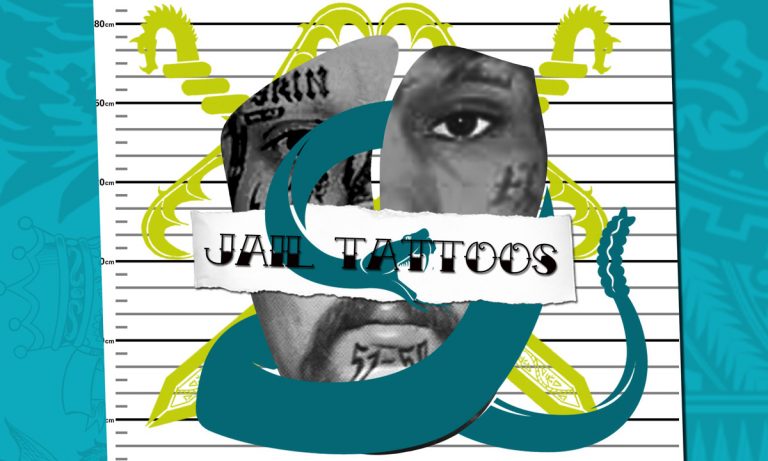
Last week, producer Jonathan Hay, a proven hit machine who made it to more than 10 Billboard charts this year alone, shared the first single from his upcoming album Jail Tattoos exclusively with The Fresh Toast. The initial cut from this album scheduled for release November 9, “Rhymes With Trees,” featured Bizarre of D12.
But Eminem’s bestie is not the only big name in this upcoming collaborative record. Today, Jon Hay is dropping the second single out of Jail Tattoos, a collaboration with Yung Bleu and Iliana Eve: “Message In The Bottle.”
Yung Bleu is currently touring with mega successful rapper Kevin Gates, and will be releasing a new album, Bleu Vandross 2 early next year through Columbia Records/Bad Azz Music Syndicate.
“‘Message In The Bottle’ is a cool song. It has chill vibes, just like I do. If you like what you hear, come see me and Kevin Gates on The Luca Brasi 3 Tour, probably hitting your town some time soon,” Yung Bleu told TFT.
Also singing on “Message In The Bottle” is the teen Iliana Eve, who, despite her young age, has already worked with Funny Mike (aka 22 Savage), Cyhi The Prynce and Snoop Dogg’s Doggy Style Records.
“Message In The Bottle” was produced by Jonathan Hay and his partner Ranna Royce. The Jail Tattoos LP is being released on November 9, via Hoodlum Ball Records/SMH Records. Keep tuned in for more new tracks.
Alcohol facilitates most things, for good or bad. You may be a very shy and quiet person but throw a couple of drinks in and suddenly you find yourself telling your life’s story and making out with a stranger.
The “1 alcoholic bev meme” owes its strange name to the “distance meme”, which it uses as inspiration. The distance meme got pretty popular a couple of weeks ago. It illustrates, with the help of pin and ruler emojis, how long it takes for someone to jump to conclusions or to get from point A to point B, most of the time in a way that’s funny or that’s super relatable.
It’s funny and a little self-deprecating, like most memes tend to be. And the “1 alcoholic bev” meme is no exception, using alcohol as a measure of distance. This meme can be used in most situations — the more creative and relatable the better. Check out some of the best versions:
“K”
?
? (1 alcoholic bev)
?
?
?”Soo ur just not gunna txt me back??”
On their wedding night, Prince Harry gifted his new bride Meghan Markle an aquamarine cocktail ring that belonged to his mom, the late Princess Diana. And when he proposed to her, he gave her a ring that included two diamonds from Princess Di’s personal jewelry collection. But wearing her jewelry is not the only way Markle permeates Di’s likeness.
From her modern style to her humanitarian work, the 37-year-old is very much Diana incarnate, and it isn’t lost the Royal Palace. Vanity Fairtalked to a source close to the royals, who says:
I’ve heard the duchess is referred to as Di 2, because of the similarities to Harry’s mother. It’s meant affectionately, and I think it’s quite true—they are rather alike.
Royal photographer Mark Stewart says he is often reminded of Diana when he photographs Markle. “Their wardrobes are quite similar; Meghan loves great tailoring and block color, just like Diana did. I remember photographing Diana in Japan, when she stepped out in a red and white spotted outfit.
“Meghan’s wardrobe choices on this tour really remind me of Diana’s, like the red dress she wore when she arrived in Tonga. It was pure Diana, honoring the national colors of the island before Meghan had even said a word.”
I don’t think we’ve seen a royal like Diana until now. Meghan has the confidence in front of the camera that Diana had, and that same love of fashion and top-end designers. Diana loved Versace; Meghan loves Givenchy. Their style is quite similar: classic, elegant, and with lots of block colors.
Stewart also says he’s reminded of Diana in the way Markle interacts with children and makes eye contact with the camera. “She’s terrific—just like Diana was.”
When herb is the word, botanical alternatives can get pretty high on the list of consumables that feel good. Pair that with foraging, which is also so hot right now, and you’ve got a long list of hand-gathered botanicals that are being infused into everything from browned butter sauces to beverages is seen in restaurants, breweries and, increasingly so, cideries.
Remember cider? Not the sweet sticky froth that would snap, crackle and pop in the late ‘80s and fizzle out by the late ‘90s, but the vibrant, complex and versatile drink that this great nation was founded on. Both the stately Tom J. and the proud, flatulent drunk Ben F. were huge fans of the fermented fruit, the former owned a historic cider apple orchard and the latter famously said apples were better used as hard cider.
Cider is a drink of the land, a drink of the people and a high-octane secret spike to the liver. Plus it tastes like fruit!
Since 2011, cider has broken the historic mold, shattering records as the fastest growing beverage sector in American history. Comprised of two simple ingredients — apples and yeast — cider is a drink of the land, a drink of the people and a high-octane secret spike to the liver. Plus it tastes like fruit!
Now take that heritage and love of agriculture and spin it back to botany, the study of plants. Two peas in a pod, cider and the potential botanical infusions list endlessly.
Master fermenter and forager, Sean Kelly of WildCraft Ciderworks in Eugene, Oregon, is also schooled in the ancient alternative practices of Aruyvedic medicine. Infusing his community and wild-sourced ciders — which are fermented with native yeast strains to boot — with feral botanicals in his area was a no-brainer.
“Apples are [a] very sustainable-based product as there is abundance of those that go to waste,” Kelly explains. “Blending [botanicals] is truly the nature of making a balanced cider or perry. These are just ingredients to blend in balance and to enjoy.”
Kelly likens his use of botanical ingredients to those of a chef — cooking up a cider’s profile requires a variety of spices, textures and flavors. “Preparation of one ingredient, if done right, always stands out, of course, but learning about each component that makes up the abundance around us is what it’s all about.”
Yeah, man. Enjoy the balance and abundance of life with these six botanical ciders.
Eugene, OR
6.5% ABV
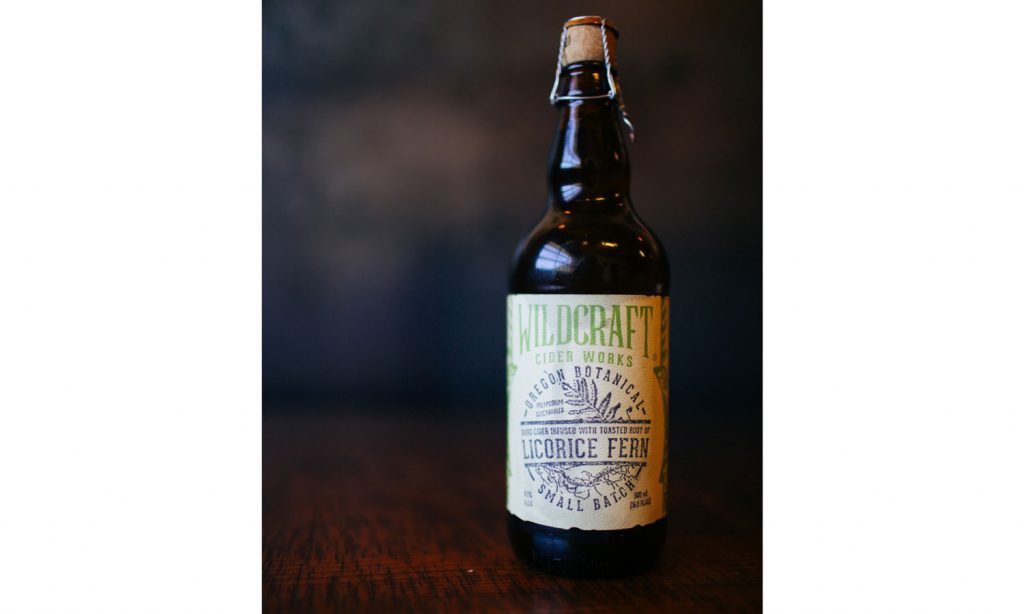
With hand-pressed whole fruit, wild ingredients and spontaneous fermentation, this Oregon ciderhouse stays true to its name. The small-batch Licorice Fern bottling infuses the base cider with toasted licorice fern root — traditionally used to alleviate respiratory issues — for a sustainably made, off-dry cider that will clear your sinuses while elevating your palate.
Chimacum, WA
6.5% ABV
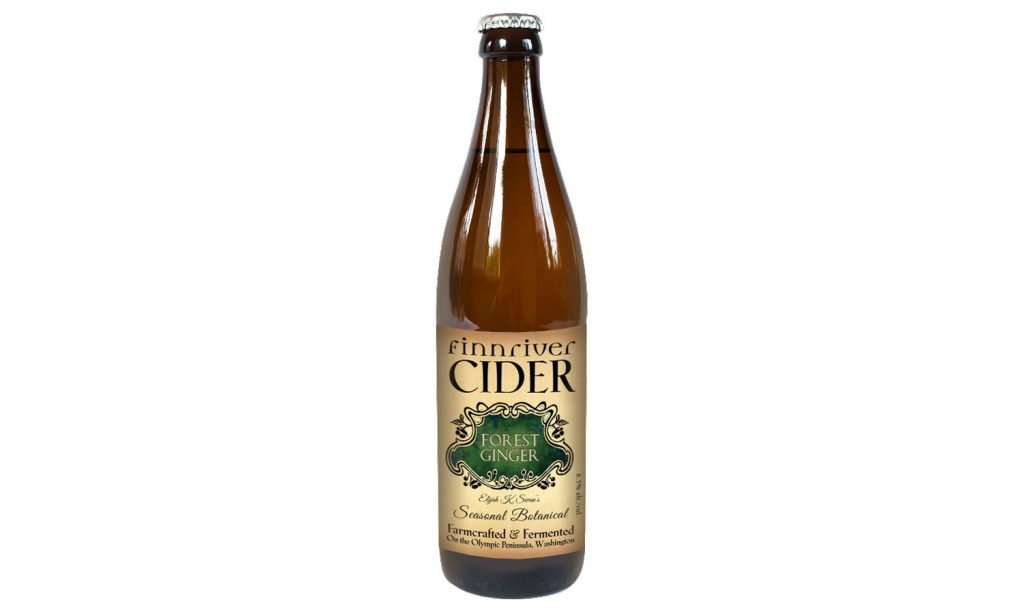
From the farm-based cidery’s seasonal botanical cider lineup, this cider is made up of local organic and heirloom apples, fermented with fir tips harvested from the trees surrounding the cidery and infused with organic ginger. Like a voyeuristic sun peering through thicketed woodland, the earthy resin of the fir tips meld with the spice of the ginger and fleshy, crisp juice of the apple.
Denver, CO
6.5% ABV
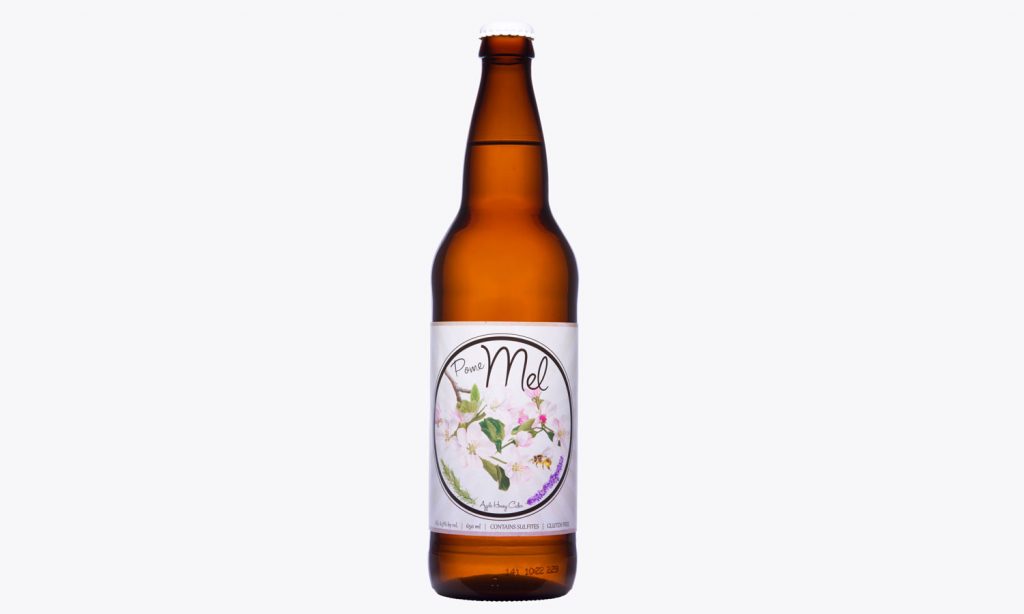
One of the pioneers of cider in the state of Colorado and crossover stars from the brewing world, this was the first in Colorado Cider’s growing botanical series. Lavender, rosemary and honey go into the tank with the fermented apple juice for an infusion that is clean and dry yet herbal and blessed by the nectar of the bees. Pome: apples, mel: honey. Name game!
Walden, NY
6.4% ABV
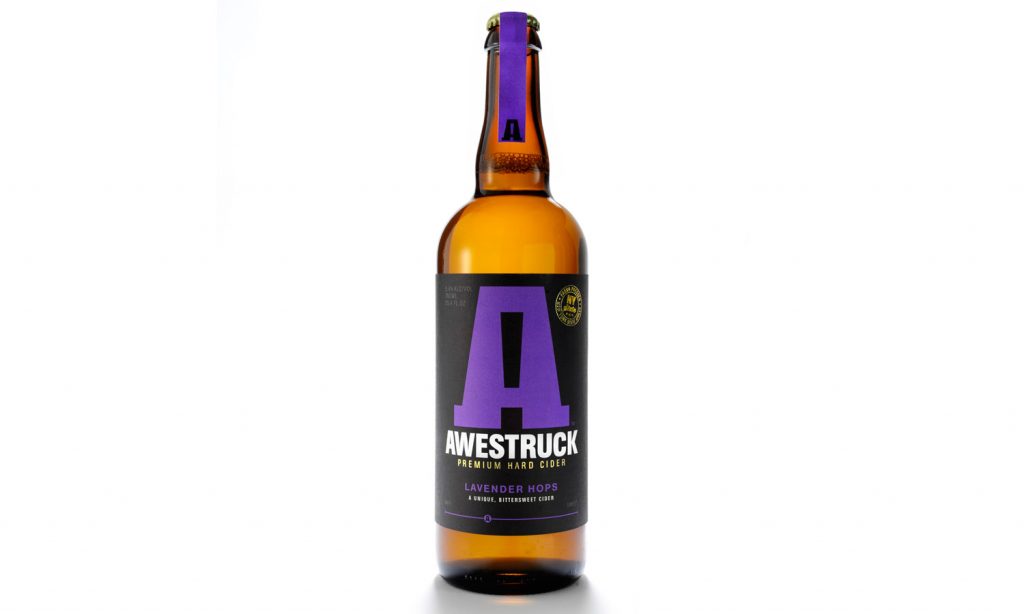
Can’t let go of summer just yet? This Hudson Valley maker eases the transition with its lavender-and-hops-infused sipper, capturing the sun-kissed lavender with the late-summer aromas of fresh-picked hops. The results are as billed: floral, citrusy and juicy in apple flavor, finishing with a bitter bite of hops and acid.
Newport, VT
16% ABV
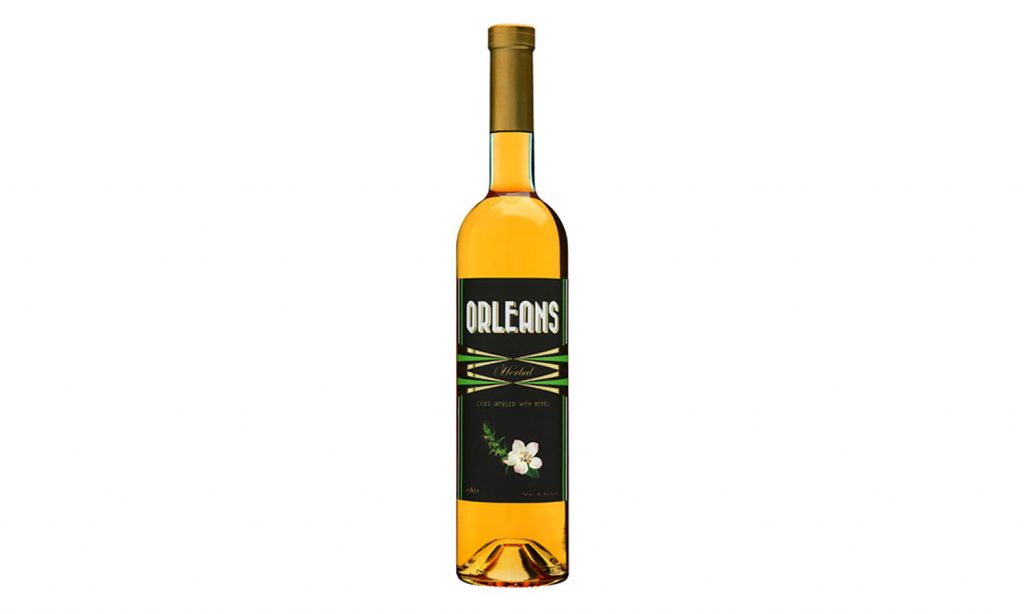
Better known as the first American cidery to make and master the Quebecoise gem of ice cider, Eden also makes its Orleans Herbal, a European-influenced aperitif cider (think Lillet or vermouth when it comes to wine aperitifs). Composed of a concentrated ice cider that is infused with a proprietary blend of Vermont-grown herbs, this tipple is elegant and delicate yet complex, like a lady in the street but a freak in the bed.
Garden City, ID
6.9% ABV
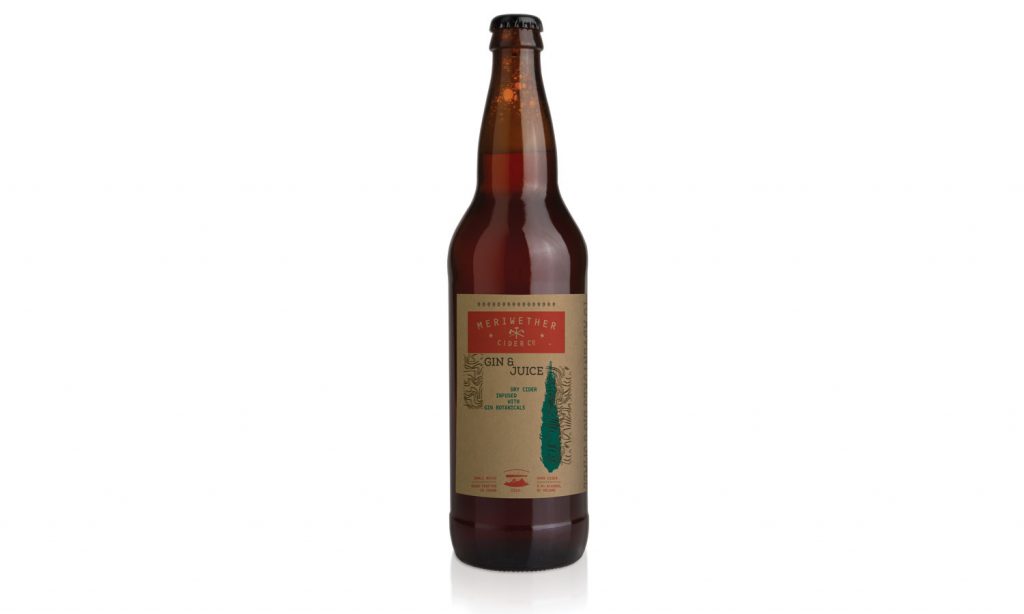
Spent gin botanicals are infused with a dry cider to produce one of the many seasonal offerings from this young Idaho cidery. The usual suspects of juniper, orange peel, anise and cinnamon are dominant aromas before apple steps in and tells them to sit down. The star of the show, Northwest dessert apples build a juicy and bright foundation for this quaffer that Snoop should seriously consider sipping while smoking indo.
A lot is riding on November’s midterm election, and Democrats are doing everything in their power to ensure the American people make them the dominant political force once again when they head off to the polls.
Considering that marijuana legalization is one of the hottest topics of the day, candidates at the local, state and federal level are standing in support of cannabis reform unlike ever before. Some are have taken a pro-pot stances concerning bringing prohibition to an end, while others are standing on the side of medicinal use. Whatever the case, there is hope that these greener positions will help them win.
It is a strategy that could work. After all, the majority of the population now supports legal weed in a big way. A recent Gallup poll shows that 66 percent of Americans are in favor of allowing marijuana to be taxed and regulated like alcohol and tobacco. And the numbers have been consistent for the past several years. In fact, the only demographic that remains cold on the issue are much older people. But when it comes to rallying the support of the America of tomorrow, legal weed is it.
There is also something to be said about Democratic candidates going up against President Trump’s administration. Although Trump himself has not been a problem for the cannabis industry, his attorney general, Jeff Sessions, is still considered a threat. This is the man who, at the beginning of the year, revoked an Obama-era memo that gave states the right to experiment with legalization without federal interference, and he never misses an opportunity to slander the cannabis plant. Sessions has yet to make a move against legal weed, but he continues to block research opportunities.
Although political insiders swear that Republicans are warming up to marijuana, the matter still remains one met with the most contention. The Elephant-eared controls in Congress have continued to sabotage modest cannabis reforms on banking, medical marijuana for veterans and federal protections for those states that have legalized for recreational use.
But that trend could change if Democrats gain back control of U.S. House of Representatives this year.
“This wasn’t brought up by Democrats in past years; it’s become a bigger issue,” said Mason Tvert, a spokesperson for the advocacy group Marijuana Policy Project, told the Huffington Post.
If the Democrats win this year as a result of promises made to the cannabis community, they better make good on the follow through. Failure to do so, at least at this point, would scar their political careers forever. U.S. Representative Earl Blumenauer of Oregon is doing his part to see the Democratic Party takes command on the marijuana debate in the next Congressional session. The lawmaker is working to prioritize the issue next year, which could lead to an end of marijuana prohibition nationwide. However, Blumenauer’s entire “Blueprint” to legalization is contingent on Democrats winning in November.
The overall message in the midterms: Vote Democrat if you ever want to see marijuana legal again.
They once made a BAD movie named BURLESQUE together, but Cher & Christina Aguilera had NO interest in chatting when they both were eating at the same Malibu restaurant recently.
An insider says, “The divas awkwardly arrived around the same time but wouldn’t say hello, snubbing one another and refusing to acknowledge the other’s presence!” Team CHER … ALWAYS!
Insiders say he has ZERO desire to accompany his wife to movie sets or industry events …. And it’s becoming a problem. When Natalie is working or in the midst of awards seasons, her hubby is Nowhere to be found.
The insider says, “She’s realizing more and more that his dedication to his own craft takes precedent over hers ….. It’s frustrating for her!”
As Megyn Kelly is negotiating her exit from NBC, her doppelganger Charlize Theron has been spotted portraying the television host on set of the new Roger Ailes film.
Theron, 43, was seen all smiles Thursday while on set in Los Angeles as she left a trailer sporting Kelly’s blonde locks in a white t-shirt and jeans.
https://www.instagram.com/p/BpZWQhSh_gU
Meanwhile, the real Megyn Kelly was last spotted publicly Wednesday in New York City with a solemn demeanor as she suits up for a $69 million battle with NBC and looks to enlist journalist Ronan Farrow when she begins her exit talks with the network as soon as Friday.
When Reddit user SalishSailor posted that Toronto “Pearson International installed a “free weed” bin 🙂” it took off like wildfire. The post included a picture of the receptacles to dispose of your excess or leftover cannabis before you leave Canada. People were comparing it to a library book exchange or a “Have a doobie? Leave a doobie. Need a doobie? Take a doobie.” concept.
Of course you can only put weed in the bins, not take it out. But one devious Reddit user had the great notion that, “I think the key here is that you should observe the uniform and gear of the airport janitor. Then, enter the airport wearing a custodian/janitor uniform, go to some garbage bins and take the garbage, and put in a new garbage bag, and then just walk over to the weed bin and do the same thing. Nobody notices the janitor.”
With over 1.6 thousand upvotes and more than 200 comments, it was definitely timely and hilarious. It is true that at the Toronto airport the bins weren’t anything more than wide open, rectangular garbage bins that one could easily stick their hand in. But according to the airport, the bins are “monitored” so that people aren’t actually helping themselves.
It’s a good bet that some of the disposed weed has made it into someone’s hands. It seems a shame to have all that good marijuana go to waste. Then again, when copping weed with unknown origin, it might be best to have it lab-tested first, and that is probably not worth the expense. It’s legal in Canada now and a dispensary or online order would undoubtedly be the more economic move.
The answer to where the weed actually goes is, “anything that passengers put in the containers is picked up and disposed of by a third-party service,” according to the Toronto airport.
Still, like u/quelar typed, weed happens. “Buddy of mine lands in Vegas, puts on his jacket to go out that night and then looks at me with a terrified stare… Pulls a crumpled joint out of his pocket that he’d unintentionally smuggled all the way there.” While the stoner stereotype is quickly being whitewashed, temporary memory lapse is a sometime side effect of getting really stoned, which, in reality may be a good idea for those with fear of flying or nervousness in general.
Still, remember to dispose of your weed when exiting Canada or to keep it to 30 grams when flying within country. For the state of global cannabis politics, it doesn’t really seem like such a bad deal.
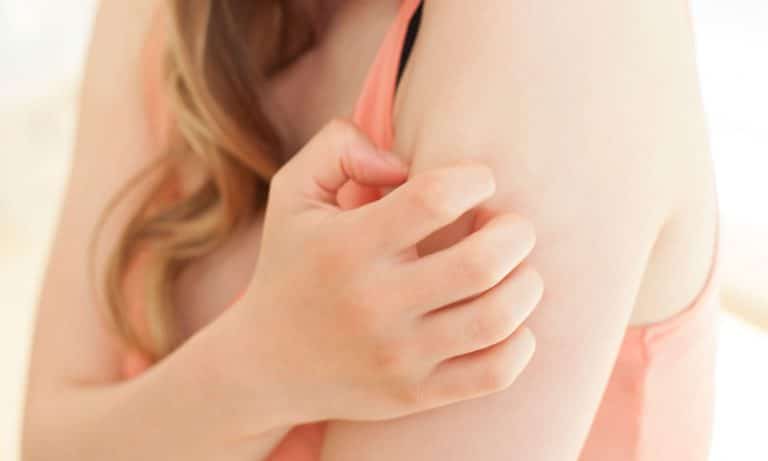
Pruritus is a medical/show-off way of saying “itchy.” Obviously, it has many causes, such as dry skin, allergies, or woolen undergarments. But itching is also a symptom of much more serious conditions, including liver disease and kidney failure. It’s also one of the common miseries that accompany chemotherapy.
While pruritus is not life threatening, anyone who’s suffered through, say, a case of chickenpox or poison oak knows that chronic itching is a genuine torment. A case study of three patients with chronic pruritus caused by liver disease describes them initially as suffering from “significant decreases in their quality of life, including lack of sleep, depression, inability to work, and suicidal ideations.” Been there; done that.
Happily for this trio, 5mg per day of THC at bedtime resolved the itch, and all of them were able to return to work. (One did remain depressed, however; maybe it was work that was the problem, or, you know, having a potentially fatal liver disease.)
These results are matched by lots of evidence, both anecdotal and clinical, from MS and chemotherapy patients.
At the level of basic science, a consensus seems to be emerging: Cannabinoids just might be good for itch. A 2009 overview of new research into endocannabinoid system and skin skin health wrote: “The ECS has a crucial role in central and peripheral processing, and in the control of such skin-derived sensory phenomena as pain and itch.”
This conclusion was based on a solid body of research suggesting that blocking the cannabinoid receptors induces itching in lab mice. (It’s a super complex topic, but a 2011 report gives a good overview of the research as well as more-or-less comprehensible introduction to recent revisions in how biologists understand and differentiate pain and itch.)
What about itching caused by plain old dry skin? There might even be evidence that cannabis topicals can help with that. But at this point we’re veering dangerously close to the realm of cosmetics and natural remedies—and we at RX are far too snobby to engage with any of that.
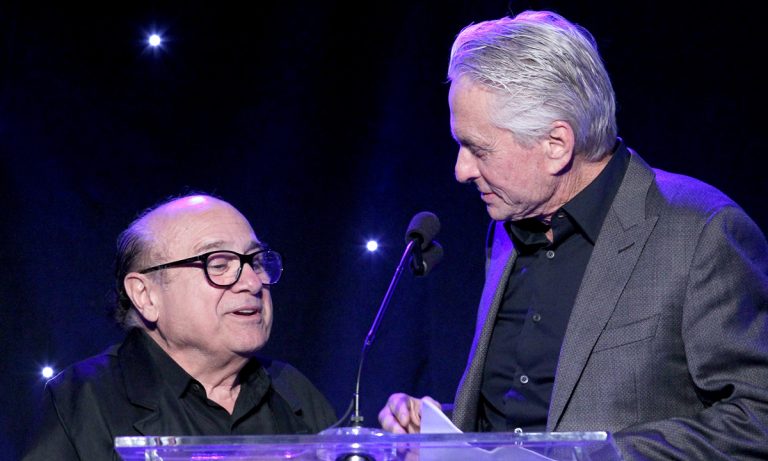
Perhaps on the surface, actors Danny DeVito and Michael Douglas don’t render as the most obvious pair of friends. But the Hollywood stars have been pals for more than 50 years, with DeVito once saving Douglas’ life on a movie set. The spark that lit that friendship? Cannabis, of course.
“I was on the beach, looking out at the Long Island Sound and this guy walks up to me, with this long head of hair, if you can imagine,” Douglas explained in an interview with Cigar Aficionado, regarding his first meeting with DeVito.
“He says ‘You get high?’ We were both 1967 potheads, so we smoked a joint and that was the beginning of a long, long friendship,” Douglas revealed.
Anyone who has watched It’s Always Sunny in Philadelphia should easily imagine those words coming from DeVito’s mouth. But a joint wasn’t all DeVito would give Douglas over their friendship. On the set of Romancing the Stone, DeVito saved Douglas’ life after a poisonous snake bit the actor.
“I overheard that the best thing to do is you suck the poison out right away,” DeVito told The Talk in September. “So I did.”
DeVito “grabbed his hand,” sucked out the poison, and was “spitting all over the place. And I said, ‘It’s a good thing this thing didn’t bite you on the balls, man! You would be a dead man!’”
So whenever a friendly stranger approaches you offering a joint, don’t be afraid to take a few puffs. It could save your life.
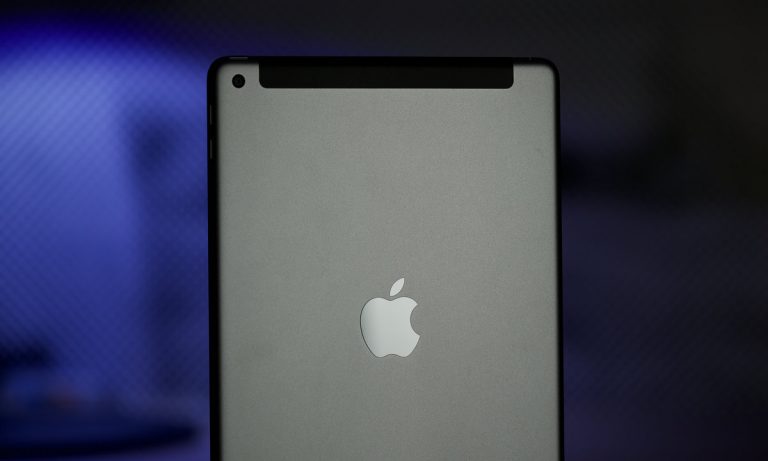
On October 30, Apple will be hosting a special event where the company will introduce new products and features. While not as popular as the company’s usual September event, Apple’s fall event is where they tend to introduce other products such as new generations of iPads and laptops.
Other products that are rumored to be featured on the event are new Airpods, a new generation of MacBook Air laptops and a smaller version of the Apple Home. Check out 5 of the most exciting and surprising rumors surrounding the 2018 version of the iPad:
According to Bloomberg, Apple has been working on two iPads of different sizes, one that measures 12.9 inches and another one that measures 10.5. The difference between devices is not yet known, but both iPads are rumored to take inspiration from the iPhone X, featuring larger screens, reduced bezels, and no notch.
The Verge reports a rumor that says that new iPads will change their ports to USB-C, which are more powerful and allow for fast charging. These ports are the ones used on Macbooks and Macbook Pros. Despite the fact that this sounds promising, this rumor is one of the unlikeliest ones out of this list due to the fact that iPads have been using the same ports since 2012.
9to5Mac reports that at least one of the iPad models will get rid of the headphone jack in order to include Apple’s lightning connector. This rumor seems pretty likely since Apple has been leaning away from headphone jacks in every direction. Be ready to carry several chords around or make the switch to wireless headphones.
With an increased size on most of their products, there’s no room for the iPad mini. Bloomberg reports that this rumor is true, claiming that the device hasn’t been updated since 2015. It also features very low storage that doesn’t fit with Apple’s current business model.
According to different sources, it’s still not possible for Apple to create large amounts of iPads with OLED screen. These screens are very expensive and the cost of the device wouldn’t make sense when Apple has such a big market that needs to have a cheaper option.