Monday, June 22, 2026
Home Blog Page 563

Cancer Deaths Are On The Rise — Here’s What You Can Do To Help Beat It

0

Is there a way to beat cancer? Researchers believe it comes down to multiple facets, including genetics, lifestyle and access to care.

A new report from the World Health Organization (WHO) states that cancer deaths are on the rise globally. In fact, according to the WHO, deaths from cancer worldwide are projected to reach over 13 million by 2030. Even more staggering, the number of cancer cases is expected to increase more than 80% in low-income countries — double the rate expected in high-income countries (40%). 

In the United States, early detection and prevention is saving lives, as well as access to care, but many in America face uncertainty when diagnosed. The American Cancer Society highlights that cancer rates were highest among African Americans, who have a 14% higher death rate. While the gap has narrowed from 33% in 1993, America still has a long way to go for health equity which hits especially hard due to socioeconomic status. According to the ACS:

“During 2012-2016, death rates in the poorest counties were two times higher for cervical cancer and 40% higher for male lung and liver cancers, compared with the richest counties. Poverty is also associated with lower rates of routine cancer screening, later stage at diagnosis, and a lower likelihood of getting the best treatment.”  

Here are three surprising statistics about cancer in the United States:

  • Cancer is the second leading cause of death in the United States after heart disease in both men and women. (American Cancer Society)
  • Kentucky, Rhode Island, Delaware, Louisiana and New Jersey have the highest incidence rates of cancer. New Mexico, Wyoming, Arizona, Alaska, and Virginia have the lowest incidence rates. (U.S. News) 
  • Cancer is the leading cause of death in children. In 2018, over 15,000 children died of cancer. (DoSomething
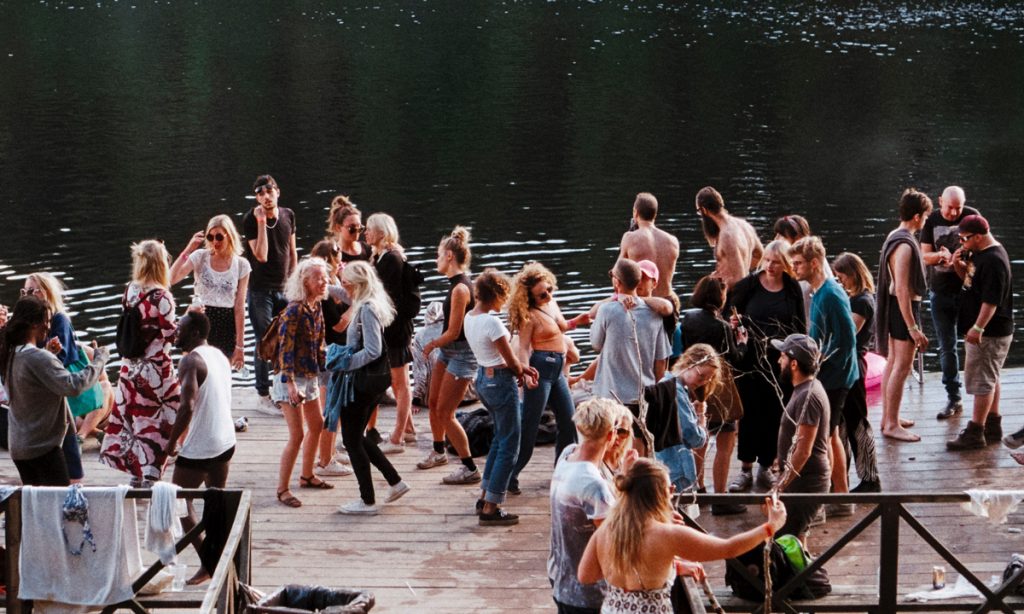
Runner's High: Cannabis-Infused Jogging Club In Denver
Photo by rawpixel.com

Defying the odds: Cancer prevention

Is there a way to beat cancer? Researchers believe it comes down to multiple facets, including genetic risk, lifestyle and access to care.

Here’s what the professionals say: 

Mayo Clinic states that cancer prevention comes down to modifying behavior that could increase your risk of being diagnosed. Eliminating tobacco, having a healthy diet, staying current with vaccinations, using sunscreen, and keeping annual checkups are vital to lessening your risk for cancer. 

RELATED: Cannabis During Breast Cancer Treatment: What Are The Benefits?

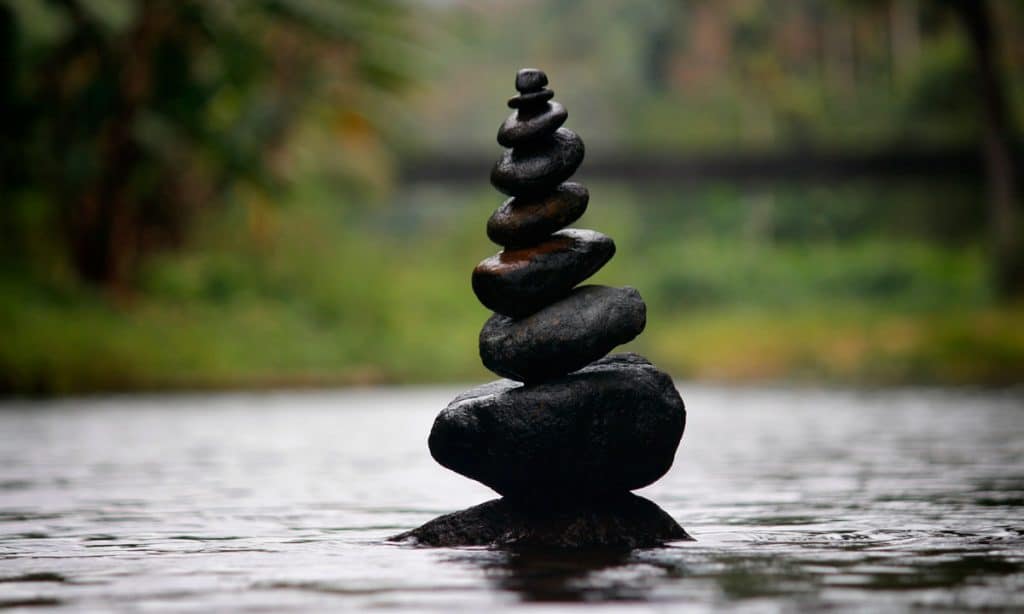
The Cleveland Clinic also recommends lessening alcohol and exercising regularly, as well as removing stress by practicing mindfulness. Meditation offers many benefits from curbing stress, offering relief from tense situations and giving the mind a moment of calm to prepare for what’s ahead.

Rogel Cancer Center believes sugar plays a role in cancer prevention as well, especially for insulin-resistant individuals because when blood sugar spokes, an increase release of insulin-like growth factor (IGF) occurs which can help cancer cells grow. The clinic recommends limiting processed grains and sugars. 

breast cancer
Photo by Danil Rudenko/EyeEm/Getty Images

Memorial Sloane Kettering Cancer Center explained sugar’s impact on cancer deeper citing that obesity is tied to cancer and cancer is tied to obesity, but the link from sugar to cancer is much more complex and cancer can’t be starved or prevented by just limiting sugar. 

RELATED: Cannabis Flavonoid Could Provide Breakthrough Treatment Against Pancreatic Cancer

“Everything about your biology has been naturally selected for at least 600 million years to make sure that no matter what you eat, you keep enough glucose in your system and don’t become deficient,” Memorial Sloane Kettering explains. In short, glucose or sugar, is actually needed in the body.

What does it all come down to? Living a healthy lifestyle, that is personally curated by your care team and what makes each individual feel best. As Americans age, cancer rates grow and instead of canceling aging, one of the best decisions patients can make is discussing their family history and lifestyle with their physicians and care teams.
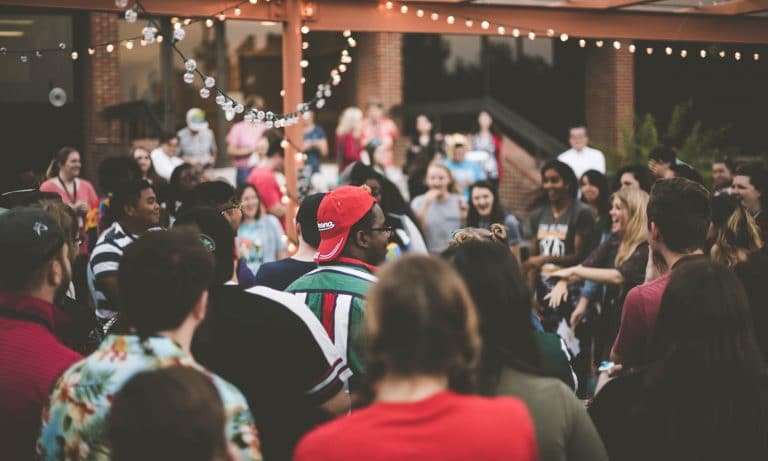

Millennials Are Fueling The Cannabis Economy

Among other things, millennials communicate and learn quickly, which makes them more flexible and prone to changes than older generations.

Editors Note: This is a guest post by New York-based writer Tiffany Harper.

Marijuana consumption is still a taboo, but it seems like the millennial generation is working hard to change this fact. They are the pioneers of recreational weed usage and the major reason why nine states decided to legalize marijuana since 2012.

Contrary to baby boomers, Millennials prove to be open to new experiences and hence turn into genuine drivers of social changes. And it’s not only about changing the social climate – Millennials are also contributing to the growth of a brand new industry. The global cannabis market size was $10.6 billion in 2018 and it was projected to reach almost $100 billion by 2026.

But how Millennials are fueling the cannabis economy? Keep reading to see what makes them so excited about recreational marijuana usage.

Who Are the Millennials? 

Jake Gardner, at the dissertation service, says that you need to understand the Millennials’ traits, values, and interests if you want to learn their motives to embrace weed.

Millennials are individuals born between 1980 and 2000. There are over 80 million Millennials in the US, which already makes them the largest social cohort in the States.

RELATED: Marijuana Use Among Seniors Is Growing Fast

What are the traits of an average Millennial?

First of all, they are tech-savvy persons who use social networks and other digital tools to discover new things, concepts, and trends. They communicate and learn quickly, which makes them more flexible and prone to changes than older generations.

Secondly, they are well-educated professionals willing to embrace new behavioral patterns. Instead of sticking to tradition and social routines, the Millennials are acting independently and reconsidering old and/or obsolete values.

why millennials dont want to talk about this health issue
Photo by jens johnsson via Unsplash

All this makes the Millennials the loudest supporters of recreational marijuana consumption. Various reports prove this point:

  • Nearly 55 million adults in the US currently use marijuana, with over 35 million being regular users.
  • More than 50% of all individuals who reported marijuana use were in the millennial age group.
  • As much as 76% of the Millennials believe marijuana should be fully legalized.
  • Almost 90% of the Millennials claim that weed is safer than booze.

“It seems like everyone is smoking weed these days, especially the remote writers,” says Martin Crick, the content writer from Killer papers review. Many studies reveal that Millennials are the real drivers of the cannabis economy, but let’s dig deeper and figure out the reasons why they do it.

Why Millennials Enjoy Cannabis?

Now that you know the traits of a typical Millennial, it is time to think about their motives to consume cannabis products. There is no one concrete reason to do it, but rather a whole set of ideas, causes, and intentions. We will point out the most important reasons here:

Cannabis doesn’t cause a hangover

The vast majority of Millennials prefer marijuana over alcohol because it doesn’t cause a hangover. They don’t have to suffer the day after going out and go through the pain and agony of the hangover, while they also behave better and remember everything they did the night before.

Marijuana is cheaper

Another major reason to consume cannabis products is the fact that marijuana is cheaper than booze. Instead of spending $50 to get drunk, they can create the same (if not better) effect for $15 to $20.

How Much Do Millennials Love Marijuana?
Photo by jens johnsson via Unsplash

Weed helps them relax

Very often when an individual who feels stressed out is going to check out and test cannabis products. Unlike alcohol, marijuana is ideal for persons who want to relax and fend off anxiety. According to the report, smoking cannabis can significantly reduce self-reported levels of depression, anxiety, and stress in the short term.

Weed is not toxic and has zero calories

The Millennials are all about health and fitness, which is yet another reason why they prefer cannabis as the primary relaxation method. Namely, weed is not as toxic as booze and it comes with zero calories. In other words, you can consume it without damaging your body.

Cannabis legalization allows authorities to focus on other crimes

We already mentioned that the millennial generation is prone to nurturing and promoting certain goals and values. One of their motives to support marijuana legalization has a broader social context. Namely, state authorities won’t have to deal with weed dealers anymore, so they can focus on other crimes instead.

Cannabis is a good investment opportunity

Millennials are not only cannabis consumers but also investors. Reports reveal that Millennials consider marijuana products to be a great investment opportunity, which is one of the most important success factors of the entire cannabis industry.

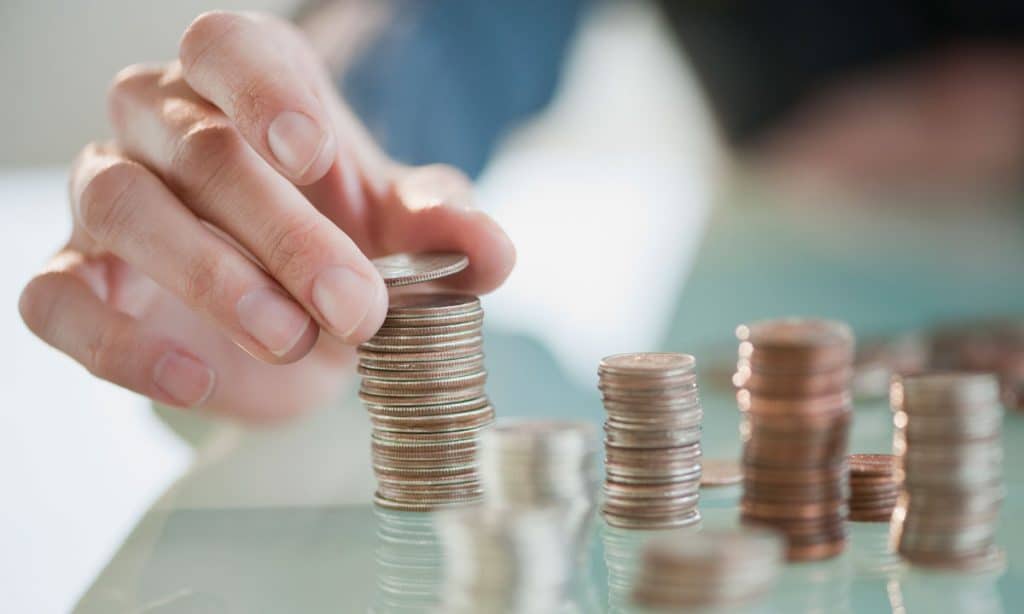
beginners guide to investing in the marijuana industry
Photo by JGI/Tom Grill/Getty Images

What Slows Down the Cannabis Industry?

The cannabis industry is obviously experiencing a breakthrough, but there are a few obstacles it still needs to overcome in order to achieve an even biggest impact on potential consumers worldwide.

First of all, the vast majority of decision-makers are still against it and it’s hard to imagine them changing their minds anytime soon. So far, cannabis is legal in nine states, but the pan-American legalization is still far away.

RELATED: Here’s Why Millennials Are Choosing Cannabis Over Alcohol

Secondly, the whole topic is still very controversial. A lot of people are raising eyebrows when they hear someone talking about smoking weed, which is why so many Millennials hide the fact that they consume marijuana on a regular basis.

Besides that, numerous studies show that regular pot use among adolescents permanently lowers IQ. Needless to say, it doesn’t make the parents happy and thrilled about marijuana legalization.

The Bottom Line

Although cannabis usage remains a widespread taboo in the US, the millennial generation is certainly doing its best to change this fact and make it a non-controversial topic. In this article, we showed you:

  • The basic traits of a typical Millennial
  • Why the Millennials enjoy cannabis
  • What slows down the cannabis industry

What do you think about recreational marijuana consumption? Do you agree with the Millennials who want to see it fully legalized? Make sure to share your opinion with us – we would love to see how you perceive the growing popularity of cannabis products on the millennial cohort.

This post originally appeared on Green Market Report.

5 Delicious Ways To Consume CBD Oil

0

CBD oil can treat a wide variety of ailments and give you a dose of relaxation.

Thanks to a booming CBD market, nowadays it’s not necessary to settle with boring oils and tinctures that have weird flavors. There’s plenty of products that feature CBD in new and inventive ways, and there’s also hundreds of recipes that will allow you to get creative and prepare your own CBD snack. If you’re interested in giving CBD a shot, here are 5 delicious was to consume CBD oil.

Although there’s only a small amount of studies conducted on CBD, the compound has demonstrated some benefits in treating inflammation, anxiety, pain, and more. If you’re interested in giving CBD a shot, here are a few snacks you can buy or prepare:

CBD energy bars

There’s plenty of different energy bars on the CBD market, with different flavors and dosages of the compound. Most of these bars are great options for people who are interested in a healthy snack that will satisfy a craving and provide you with some sort of mental or physical relief. While some of these bars have a grassy flavor thanks to the presence of CBD oil, products like Velobars and Snaac bars are known for their discreet CBD presence and delicious flavor.

CBD popcorn

5 Alternatives To CBD Oil
Photo by Georgia Vagim via Unsplash

RELATED: The Sale Of CBD Foods Is Legal In The UK

Holistic Corn is one of the few companies around that had the bright idea to mix popcorn and CBD (we have our own recipes for cannabis-infused popcorn toppings), resulting in a product that’s delicious and convenient. Their popcorn is microwavable and healthy, only having 30 calories per cup. According to the product makers, their CBD is heat-activated, meaning that each bag has a fresh dose of the compound.

CBD guacamole

While no company out there has yet packaged and distributed their own version of CBD guacamole, plenty of people have published their own recipes, which are very simple. Most recipes call for a good amount of ingredients to add flavor that will disguise the taste of CBD oil, but don’t go overboard; this is still just guacamole.

CBD lattes

5 Alternatives To CBD Oil
Photo by Tyler Nix via Unsplash

RELATED: 5 Everyday CBD Products To Complement Your Day

While you could prepare your own CBD coffee from scratch, there’s plenty of CBD coffee products out there, which you only have to brew. Once you have your cup of coffee or espresso shots prepared, you just have to steam the milk and put them all together.

CBD dressing

While people have tried to make raw marijuana leaf and CBD salads work, it is not easy. These leaves and oils are rough and have very specific flavors. CBD vinaigrettes, however, are much more tolerable and, when paired with the right elements, can taste really good. These salad dressings are made from a mixture of CBD oil and other ingredients that can change depending on the recipe and the cook’s personal taste.

How Does Meditation Fuel Wellness? Experts Chime In

Experts at yoga studios and clinics across the U.S. explain why meditation calms the soul and helps individuals to refocus intentions, while putting mental health first.

There’s something about giving yourself permission to stop, take a deep breath, and focus on the connection between mind and body. In trying to understand meditation’s restorative effects on the brain as well as on the muscles and bones, we explored the many ways meditation is proven to help heal and inspire. 

So, what truly can meditation do? Many believe the effects of meditation can span beyond the human body and into the community. Experts at yoga studios and clinics all over the U.S. recently spoke to The Fresh Toast and explained why meditation calms the soul and helps individuals to refocus intentions, while putting mental health first.

Jen Stavitsky, owner at CULTIVATE Meditation and Wellness, believes meditation helps us to power down and push through. She explained it like this:

The brain is similar to a computer. We all know that powering down a computer from time to time enables it to function with greater speed and efficiency when we turn it back on. Meditation allows us to power down from the main way we use the brain.” 

We know meditation can help decrease anxiety. A recent study featured in the US Library of Medicine showcased meditation’s effects on those with anxiety and found that meditation was beneficial in helping quell symptoms. 

Matthew Milèo, founder of Milèo New York, suffered his entire life from anxiety and stress. Affecting his speech and social relationships, Milèo explored yoga in high school in hopes that it would help, and it did. According to Milèo, “a light switch clicked on after standing in a dark room for years; I could finally see the exit.”

Explaining that yoga and wellness offered him a reprieve from stress, he took the aspects of the practice he loved most and integrated it into every aspect of his life and business. “Meditation was the glue that kept me from falling apart. I don’t think I would be here today if it were not for meditation, yoga, wellness, and honoring a compassionate lifestyle.” 

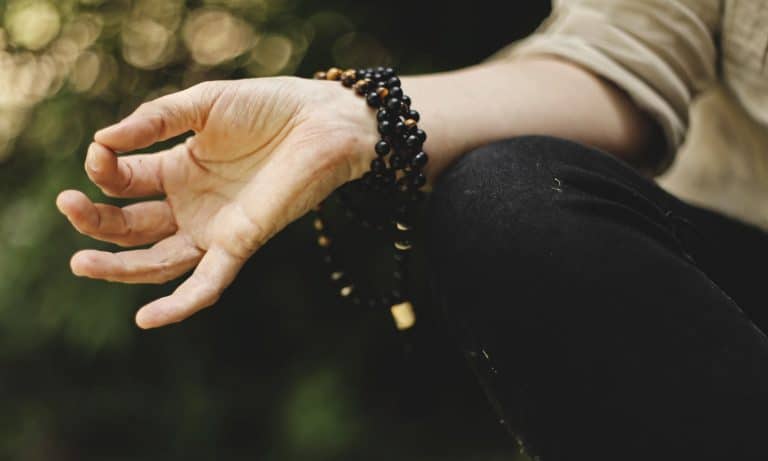
jogging or meditating whats the best way to boost your brain
Photo by Jared Rice via Unsplash

Healing from the inside-out

The National Center for Complementary and Integrative Health believes meditation has ties to improving quality of life for individuals going through illness as well as reducing blood pressure. 

Eileen Moran, a two-time breast cancer survivor and program director at YouCanThrive! (YCT!) and founder of Architects of Experience credits meditation—specifically therapeutic sound with wellness during a her cancer battle. 

RELATED: How Cannabis Can Help Take Your Meditation Practice To The Next Level

She illustrated, “I found meditation, specifically with therapeutic sound, to be by life blood going through the obvious stressors associated with my cancer diagnosis.” When asked why she wanted to build a life focused on wellness, Moran credits her resilience to meditation.  Moran explains that when meditation is accompanied by sound, the Vagus nerve is activated, sending positive energy, rest and digest throughout each body part. “We see people literally transform from stressed and agitated to peaceful in minutes using therapeutic sound in harmony with meditation,” Moran shared. 

Luana DeAngelis, founder of YouCanThrive! added to Moran’s statement, explaining, that true therapy comes from putting our brainwaves in a state of rest. “Studies have shown that by inducing (resting) brainwaves and spending more time in alpha theta brainwave states are very beneficial for many areas of healing.” 

Getting the most out of closing our eyes

Elana Frankel, Co-founder of Indigo and Haze and yoga teacher described, “Meditation is about non-judgmental, self-awareness and its learning comes from within. Instead of asking ‘How should I meditate?’ ask ‘What is the mediation that I was born to experience?’” Frankel pointed to a recent study in Harvard’s publication that suggested that meditation, “could affect activity in the amygdala (a part of the brain that processes emotions), and that different types of meditation can affect the amygdala differently even when the person is not meditating.” 

RELATED: A Beginner’s Guide To Meditating With Cannabis

She documented that meditation doesn’t always have to involve a dark room. Even while walking, taking time to focus on the movement of the foot and noticing how the heel and toe connect with the ground can bring a moment of peace and deep meaning. “There is greater good in action,” Frankel said. To this 19+ year yoga teacher, moments of calm can be found everywhere. 

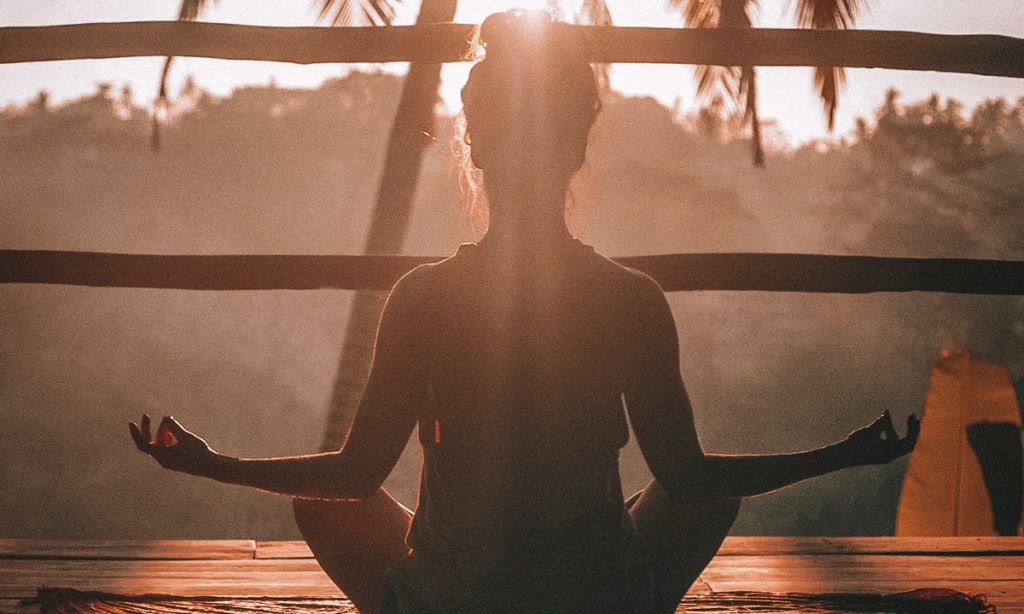
Meditation
Photo by Nandhu Kumar via Pexels

Meditation is changing workplace culture

Anxiety and depression has a tremendous economic impact on workplaces—to the tune of $1 trillion dollars per year, according to the World Health Organization (WHO). Lindsey Pearson, a former publicist for NBA players and the owner of Do You Mind(Fully)?, a holistic wellness company in New York City, believes in the power of meditation in corporate America. She’s seeing workplaces take meditation to new levels to help employees cope with stress and mental health. 

Lindsey is passionate about creating a culture of mindfulness. In fact, she insisted that mindfulness can elevate workplace culture, greater empathy for employees and gives employees permission to take care of themselves—all while creating greater empathy and compassion.

From workplaces to walks outside, meditation is growing as an element of wellness and staple of a calm, peaceful life.

Why Adults In Pain Are More Likely To Develop Marijuana Dependence

0

Adults with moderate to severe pain are more likely to self-medicate with marijuana, which could lead to problematic use.

Pain is among the most commonly cited reasons patients gravitate to medical marijuana use. A new study shows, though, that pain could also cause non-medical users to self-medicate with marijuana. This pattern could eventually lead to problematic marijuana use, including developing cannabis use disorder.

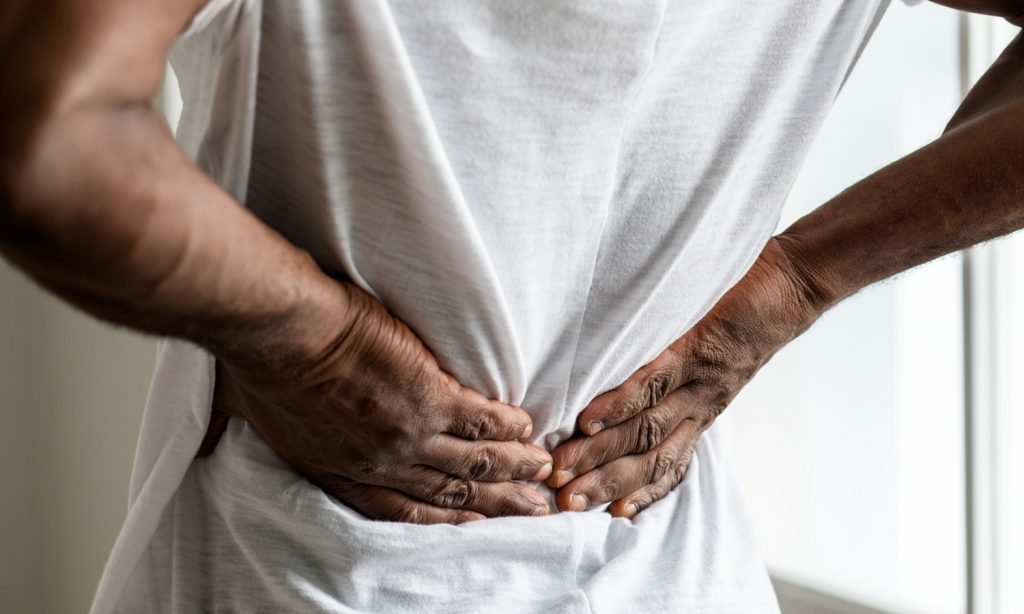
According to the new research, adults with moderate to severe pain are more likely to consume marijuana that adults without pain. The group is also more likely to develop a dependence on marijuana through their self-medication practices.

“Despite this evidence, many people view cannabis use as harmless, and non-medical use of cannabis on a daily or near-daily basis has increased,” said lead author Deborah Hasin. “In our study, we hoped to identify factors — such as pain — that may increase the risk of cannabis use disorder.”

RELATED: How One Pediatrician Uses Marijuana And CBD In Palliative Care

The researchers behind the study, which was published in The American Journal of Psychiatry last month, analyzed data on marijuana use from the National Epidemiologic Surveys on Alcohol and Related Conditions. They focused on datasets from the years 2001-2002 as well as 2012-13, dividing between groups of adults with or without pain issues. The goal was to better understand potential risk factors of problematic cannabis use, in light of 34 states legalizing medical marijuana and 11 states passing adult-use marijuana legislation.

cannabis may treat fibromyalgia pain according to new study
Photo by Ake via rawpixel.com

Overall, non-medical use has increased more than 5% in the United States between 2002 and 2013. Scientists found that adults with pain were significantly more likely to engage in non-medical marijuana use than those without pain (5.0% vs. 3.5%). They also concluded risk cannabis use disorder higher in adults with pain vs. without (4.2% vs. 2.7%).

RELATED: Can Medical Marijuana Help Alcoholics Stop Drinking For Good?

More than 66% of Americans view marijuana as beneficial to pain management. Other studies have shown that where marijuana is legal, opioid prescriptions fall. In this context, it appears scientists did not establish rigorous enough parameters for what qualifies as non-medical marijuana use. Still, it remains worthy of deeper analysis if adults with moderate to severe pain are at the same risk of cannabis use disorder as an opioid addiction.

“Psychiatrists and other mental health professionals treating patients with pain should monitor their patients for signs and symptoms of cannabis use disorder,” Hasin said.

5 Everyday CBD Products To Complement Your Day

CBD now shows up in all sorts of products, from coffee brews to sleep aids.

With CBD coming at us from all directions, there’s an astounding amount of products out there for your perusal. Despite a lack of legal clarity and FDA approval, these products have made their way into all sorts of households, from celebrities to your grandparents.

While there are some CBD products that will leave you scratching your head, there are others that, at least in theory, sound pretty interesting and worthwhile.

Here are 5 kinds of CBD products that will enliven your day. Just remember to spread them out throughout the day to avoid a CBD binge!

Protein shakes

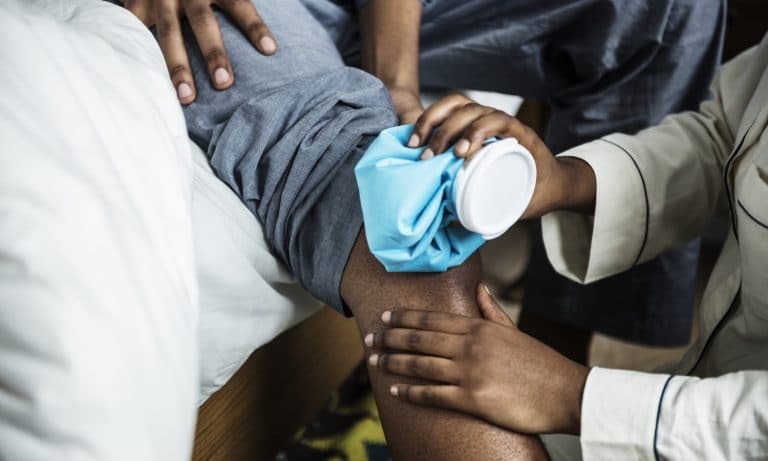
CBD protein shakes do what standard protein shakes do — help you build muscle and contribute to weight loss programs — with the addition of reducing inflammation. If your muscles are less inflamed, your recovery is faster and less painful.

While you can make your own CBD protein shake at home, you can also purchase ones that are ready to consume, containing up to 250 mg of CBD.

Coffee

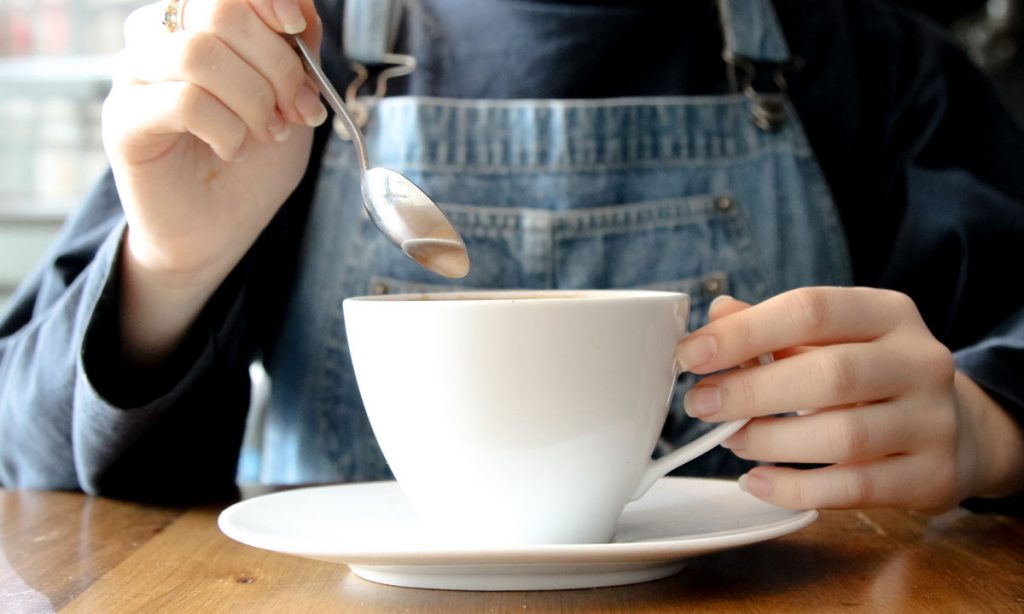
There’s no lack of CBD coffee, with many DIY recipes online and plenty of brands making their own versions. Depending on the blend and the maker of the product, each cup of coffee can contain different degrees of CBD, with all providing some relaxation and reigning in some of the anxious side effects of caffeine. Some brands you should check out include Strava Craft Coffee, Buddha Beans Coffee Co. and Flower Power Coffee.

Photo by Sara Johnston via Unsplash

Energy bars

If you’re planning on going through an intense workout class or hike, an energy bar is always a good thing to have on you. With the addition of CBD, these bars claim to help manage body and joint aches, ensuring your workouts are better and that your body can recover faster afterwards. Some of the most well reviewed brands include SNAAC CBD and Wise Bars.

RELATED: A Beginner’s Guide To Buying CBD Products

5 CBD Products To Use On A Super Productive Day
Photo by Dmytro Ostapenko via Unsplash

Cocktails

Although there are plenty of CBD beverages in the market, you can make your own CBD cocktails now with mixers like Aurora Elixirs, which have different flavors and some amount of CBD per serving. Although alcohol and CBD mixed together could quickly transform into a very sleepy experience, some research suggests that CBD can protect the liver from alcohol damage.

RELATED: How To Spot Fake CBD

alcohol
Photo by Nicole De Khors via Burst

As a sleep aid

Insomnia and trouble sleeping are ailments that affect most of us at some point in our lives, with sleep medications coming in with significant side effects. CBD sleep aids are available in different forms, like oral sprays and oils, and the effects are relaxing yet controlled, better for treating mild sleeping problems over full blown insomnia.

Hemp Farmers Still Searching For Companies To Buy Crop

What nobody told the farmers interested in incorporating industrial hemp into their plow and pick repertoire is that there might not be anyone out there willing to buy it after harvest. 

Cannabis advocates have spent decades preaching the need for industrial hemp production in the United States. Because not only is this plant a versatile product — one that can be used for fiber, fuel, food and even housing — they swore it would revitalize the national economy by providing the American farmer with another cash crop.

The big boys on Capitol Hill finally bought into this spiel a couple of years ago and legalized industrial hemp production at the federal level. 

The farming community was excited about this development, to say the least. After all, commodities prices on one-time cash crops like corn and soybeans have been dropping since 2013. But what nobody told the farmers interested in incorporating industrial hemp into their plow and pick repertoire is that there might not be anyone out there willing to buy it after harvest. 

In Wisconsin, a report from the Department of Agriculture shows that 94% of the state’s hemp crop has gone unsold. As sad as it sounds, only 6% of the hemp plants grown across the state have been turned into cash. And only a few farmers are reaping those benefits; the rest have been left with pipe dreams, more farm debt and a heap of hemp that no one wants. 

“So there is a lot of people sitting on material right now and nowhere to go. Part of it is lack of processors, lack of planning, especially in trying to create sales of their products,” Brad Hansen, Director of Operations at Ledge Rock Hemp, told NBC 26.

RELATED: First Year Hemp Growers Struggle To Reach Profitability

A lot of the problem is that while hemp has the potential to replace many traditional materials used to manufacture products here in the Land of the Free, only a select few companies are going that route. Not many changed the course of their production plans just because the government legalized industrial hemp. So, while thousands of farmers started getting into the hemp game once their state passed laws, they had nowhere to sell the crop once it was all said and done. 

Hemp Farmers Still Searching For Companies To Buy Crop
Photo by CasarsaGuru/Getty Images

The best some farmers can hope for right now is to sell off their inventories to companies in the business of manufacturing CBD products. After all, it’s a market that is predicted to generate more than $2 billion in 2020. But even that is a bust, considering the cost of hemp-derived CBD has declined by around 70% over the past year.

In Pennsylvania, the situation is much of the same. While some farmers have found the means to at least break even on their new hemp venture, others are taking it on the chin. “This year was, I think, probably in general a little bit of a disappointment for most people,” one hemp farmer told NBC affiliate WGAL. 

RELATED: Hemp Is On Its Way To Becoming An American Cash Crop, But Farmers Have Challenges

Hemp hopefuls attribute these dark days to the fact that there is no infrastructure in place yet to handle the business. 

“We’re building this entire new industry with new supply chains and new expectations, new paradigms, so it’s challenging in that regard, but also very exciting,” said Dr. Steve Groff, the owner of the hemp company Groff North America. Nevertheless, “I think the future is still incredibly bright for this and for Pennsylvania,” he added.

Agriculture experts say they agree that the lack of infrastructure is a big part of the problem. Still, they are cautioning farmers on this crop until that gets sorted. “There is no grain elevator where you can go and just sell your hemp,” said Liz Binversie, an Agriculture Educator with the University of Wisconsin. “I strongly recommend to not bet the farm on this, at least not now. Not until we have the infrastructure needed, not until we have pricing that’s maybe a little more reliable.”

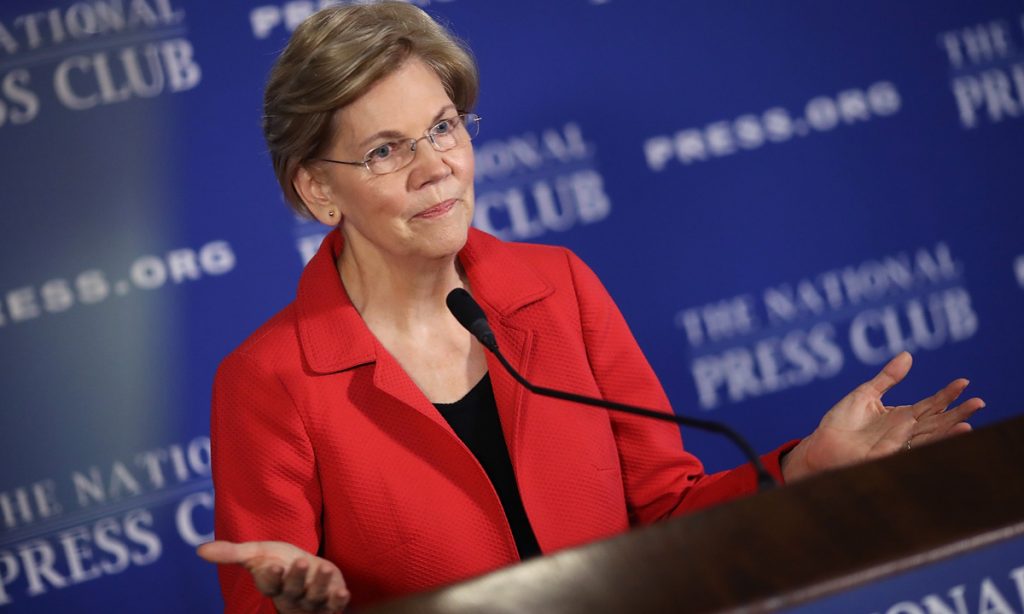
Elizabeth Warren Reveals New Plan To Legalize Marijuana

Elizabeth Warren won’t penalize states that don’t legalize marijuana, but only if they change their weed-related arrest disparities.

Early in the 2020 election cycle, Democratic candidates for the presidential nomination rushed to support marijuana legalization. They backed ending prohibition and the War on Drugs, with some including expungement of past marijuana-related crimes. Now, as the primary race heats up, a new trend has emerged among candidates: explaining how they would legalize marijuana if elected president.

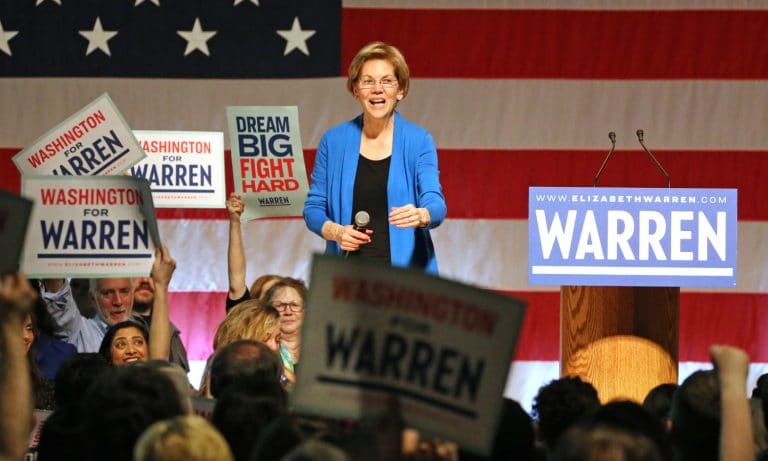
Bernie Sanders first detailed his plans to legalize cannabis through executive action in his first day in office. According to Politico,  during a rally in Denver over the weekend, Elizabeth Warren announced plans to decrease federal funding to states prohibiting marijuana legalization and enact legislation that would protect marijuana users and markets in legal states.

According to her website:

“Legalizing marijuana is about more than just allowing recreational use, or the potential medicinal benefit, or the money that can be made from this new market. It’s about undoing a century of racist policy that disproportionately targeted Black and Latino communities. It’s about rebuilding the communities that have suffered the most harm. And it’s about ensuring that everyone has access to the opportunities that the new cannabis market provides.”

RELATED: Why Michael Bloomberg’s Marijuana History Could Cost Him The Election

Unlike Sanders, Warren would not legalize cannabis during her first day in office. Instead, she would appoint leaders that back marijuana legalization and Warren’s criminal justice plans at large. The organization Warren would target include the Department of Justice, the Office of National Drug Control Policy, the Drug Enforcement Administration, and the Food and Drug Administration.

elizabeth warren reveals how jeff session catalyzed marijuana legalization
Photo by Win McNamee/Staff/Getty Images

Warren wouldn’t force conservative states to legalize marijuana, either. Her goal is to reverse the disproportionate impact from the War on Drugs on communities of color. States that don’t legalize cannabis who don’t improve their racial disparity in marijuana arrest rates would see reductions in federal funding for state law enforcement. The American Civil Liberties Union reports black people are nearly four times more likely than white people when it comes to marijuana-related arrests.

RELATED: The Surprising Effect Marijuana Legalization Has On Police Traffic Searches

In addition, Warren wants to protect legal state marijuana markets from “Big Tobacco.” Her goal would be to “preserve market access and competition,” so that communities of color and those currently building the young cannabis industry have a chance against “Big Tobacco.”

“Legalizing marijuana gives us an opportunity to repair some of the damage caused by our current criminal justice system, to invest in the communities that have suffered the most harm, and to ensure that everyone can participate in the growing cannabis industry,” Warren’s plan concludes. “We have an opportunity now to get this right, and I’ll fight to make that happen.”

New Orleans Mardi Gras Has A Cannabis Queen

0

One of the krewes in this year’s Mardi Gras parade in New Orleans will feature a cannabis businesswoman as their queen.

Mardi Gras is one of Louisiana’ most important events, without a doubt the state’s most defining experience. The Mardi Gras parade in New Orleans is a big draw for tourists and businesses, with different “krewes” having a spot in the parade, each with an amazing history and legacy.

This year, the Zulu Krewe, known for its well respected members and the fact that Louis Armstrong was their king in 1949, broke cannabis boundaries when they announced that the group’s queen this year is Dr. Chanda Macias.

Dr. Macias is the owner and general manager of the National Holistic Healing Center Medical Marijuana Dispensary (NHHC), located in Washington D.C. Her organization provides education and medical marijuana support for patients and caregivers all according to D.C.’s Department of Health.

This Year's New Orleans Mardi Gras Krewe Has A Cannabis Queen
Photo by skeeze via Pixabay

RELATED: Forget High Grade Marijuana, Consumers Just Want Cheap Weed

“It was interesting, it was about a culmination of our looks together but more importantly I think that we focused on our platform,” Dr. Marcias told WGNO TV. “So we did a lot of community service events. We did toys for tots, we had our baskets, we went to a lot of schools and helped with the children, encouraging them to go into different careers and so even though I love the clothes I think the message was bigger for me.”

The Mardi Gras parade in New Orleans will take place tomorrow, February 25.

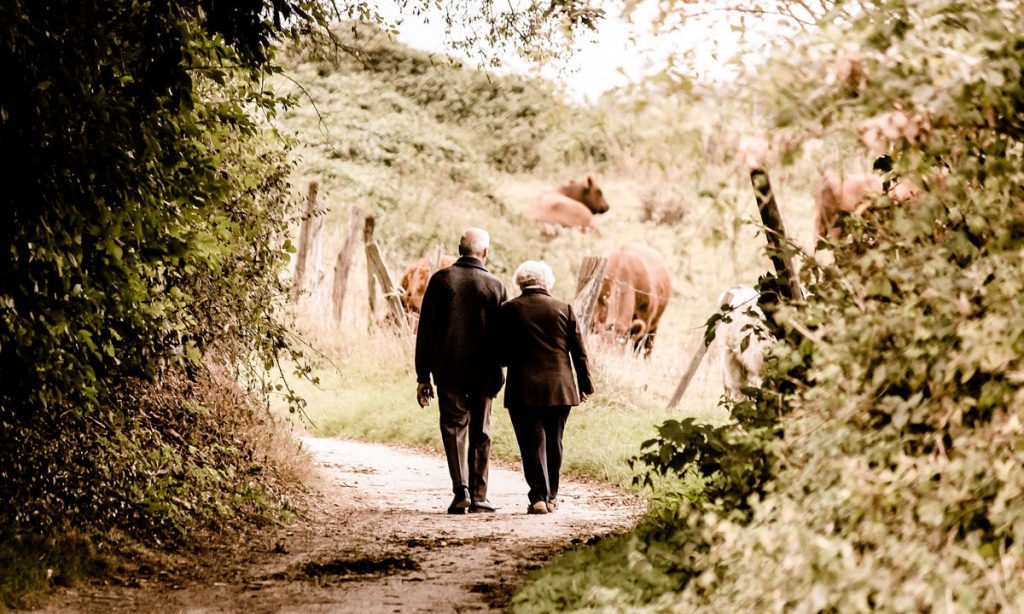
Marijuana Use Among Seniors Is Growing Fast

0

A new study says there’s been a 75% increase in seniors who consume marijuana.

Between 2015 and 2018, the number of seniors over the age of 65 who smoked cannabis or consumed edibles increased by 75%, making them the fastest growing group of cannabis consumers in America.

Published in the Journal of the American Medial Association, the study shows that the increase in cannabis consumption is more pronounced in women, especially in those with higher incomes and higher levels of education.

“Consider that not even 10 years ago 0.4% of adults 65 and older said they had used marijuana in the past year, and now it’s 10 times that at 4%,” lead study author Benjamin Han told the New York Times.

RELATED: 6 Ways Cannabis Can Improve The Life Of Seniors

It’s unknown whether the seniors who were surveyed used marijuana throughout their lives or if they started using the drug now that it’s easier to access. Although researchers speculate that the drug is used for medicinal purposes, a large majority of the people surveyed were in good health.

new study confirms that seniors love to spread fake news
Photo by PICNIC_Fotografie via Pixabay

While these changes show that marijuana is being embraced by all sorts of people, even those who you’d think might be resistant to change, they also highlight how important it is to conduct more studies that ensure the health of this demographic.

RELATED: Senior Citizens Are The Biggest Marijuana Users In Canada

“Without this data, we wouldn’t know what was going on in this age group. It’s the fastest growing one and it’s important to study,” said UCLA research director Ziva Cooper. “You want to know about the frequency of use, what percentage are using daily, weekly, monthly, and what are the consequences of use in this age group.”

Like many aspects regarding marijuana use, the long term effects of the drug among seniors remains unknown.

Don't Miss Your Weekly Dose of The Fresh Toast.

Stay informed with exclusive news briefs delivered directly to your inbox every Friday.

We respect your privacy. Unsubscribe anytime.