Tuesday, June 23, 2026
Home Blog Page 585

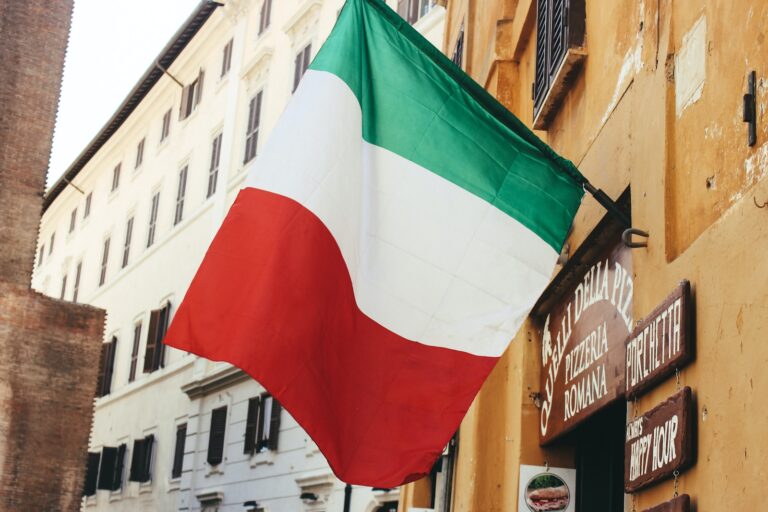
Italian Government Approves Marijuana Home Growing

Italy’s Supreme Court now protects the cultivation of small amounts of cannabis grown in people’s homes.

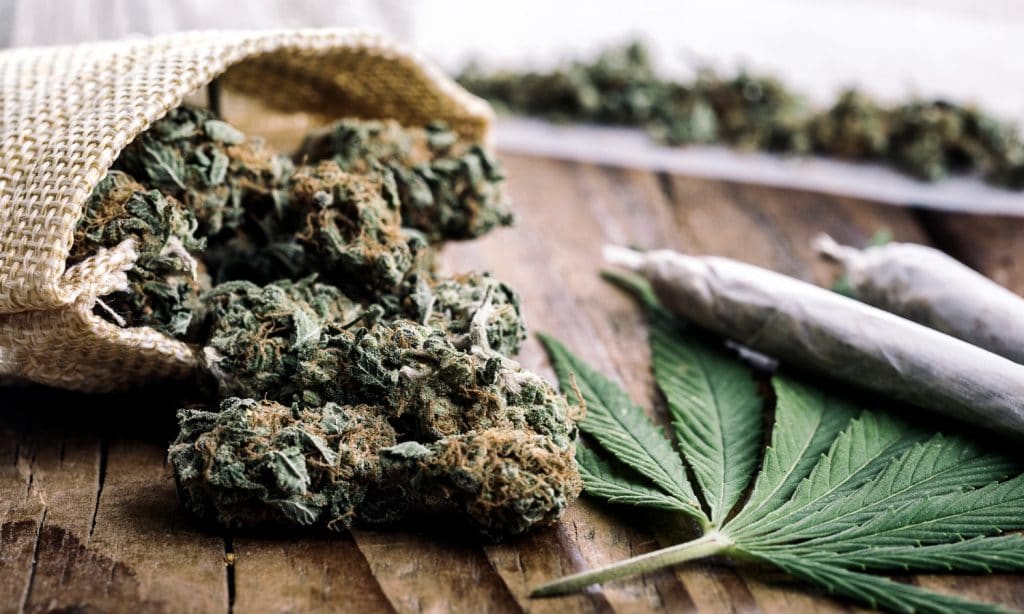
Over the holidays, the Italian Supreme Court ruled that it was legal to grow small amounts of marijuana at home for personal use. The court declared that narcotics laws should exclude “small amounts grown domestically for the exclusive use of the grower.”

According to the Independent, the ruling was approved on December 19, but it wasn’t announced until after Christmas. It has predictably caused outrage from conservative political parties and support from cannabis advocates.

“Drugs cause harm, forget about growing them or buying them in shops,” said Matteo Salvini, leader of the far-right League Party. Before leaving office in August, Salvini had been one of the most vocal opponents of cannabis, pushing for the closure of legal weed shops and looking to ban “light cannabis” products, which contain levels of THC below  0.6%.

RELATED: Italy Hopes To Nearly Triple Domestic Medical Marijuana Production

Italy's Ridiculous New Food Laws
Photo by Stocksnap via Pexels

Luca Fiorentino, founder of cannabis supply company Cannabidiol Distribution, expressed his relief and support of the Supreme Court’s ruling in favor of cannabis users. “It’s the end of a nightmare,” he said. “After Salvini’s witch hunt I had to fire 10 people and I lost 68% of my revenues.”

RELATED: Which Is Better, Indoor Or Outdoor Weed?

In Italy, the use of medicinal and industrial marijuana was legalized three years ago, but growing and cultivating the plant remained illegal. The Supreme Court’s ruling is credited to a recent case where a man was prosecuted due to the cultivation of two cannabis plants.

Although the Supreme Court’s ruling doesn’t specify what “small-scale cultivation” of cannabis entails, we can assume that growing a plant or two at home should fall under the protection of the law.

5 Things To Know About Cannabis In 2020

0

As taboos surrounding the plant erode, a more complete picture of cannabis is emerging, so here are five things to know as we start a new year.

As the cannabis landscape continues to change, notions and preconceptions about marijuana continue to evolve. This makes it challenging to know where medical professionals, the public, and politicians stand on the subject. As taboos surrounding the plant erode, a more complete picture of cannabis is emerging, so here are five things to know as we start a new year.

3-in-4 Physicians Support Marijuana’s Medicinal Use

The majority of physicians surveyed by the New England Journal of Medicine responded that they were in favor of medicinal marijuana, despite its use remaining verboten in most countries. While a clear majority of doctors are in favor of cannabis’s use for medical purposes, a deeper dive into the debate found that a larger majority still feel more research needs to be done. And still others felt that pot should be legalized, with patients allowed to make the choice for themselves — not physicians.

Both sides of the debate cite legitimate reasons for their position. Proponents say they have an obligation to alleviate suffering and have seen marijuana as a better alternative to narcotics, while detractors cite the problems of dosing, lack of science, and potentially harmful side effects.

Medical Marijuana Is Legal In 33 States And D.C.

Americans in 33 states and Washington D.C. now have access to medical marijuana, to varying degrees, as each state has set its own laws and regulations. Eleven states and D.C. also ring in 2020 with legal recreational marijuana. Complications in regulating cannabis, recreational and medicinal, has not been a smooth ride for every state; some like California are seeing less than projected tax revenue while struggling with a significant black market. Nevertheless, legal pot has created a burgeoning industry developing new ways to consume marijuana to serve a growing customer base.

RELATED: 4 Predictions For The Marijuana Industry In 2020

Saying 'Cannabis' Instead of 'Marijuana' Doesn't Influence Voters, Study Finds
Photo by Nastasic/Getty Images

Smoking Flower Is The Most Popular Way To Consume Marijuana

Ingesting weed the “old-fashioned” way — sparking up some buds either rolled up in a cigarette or smoked through a pipe — still remains the most popular way to get high, despite the availability of marijuana in a variety of forms. Sales and research data finds that flower remains king, but vape products have become popular enough to take second place.

Cannabis Is Now Mainstream Thanks Largely To CBD

2019 was the year CBD went mainstream, after the U.S. Farm Bill legalized hemp nationwide, effectively making CBD legal across the nation back in December 2018. This move ushered in a green wave, with consumer interest in cannabidiol exploding, as seen in Google search trends, large retailers adding CBD-infused products to their shelves, and even deep-red conservatives such as Fox News pundit “Judge” Jeanine Pirro and former House Speaker John Boehner joining the green rush.

RELATED: Are Marijuana Users Ditching Joints For Dabs And Vapes?

What You Should Know About CBD & Intermittent Fasting
Photo by Tinnakorn Jorruang/Getty Images

Signs Point To Alcohol Use Being Worse Than Marijuana

Alcohol is worse for you than marijuana. Thinking about ditching the traditional tipple for cannabis as a way to relax and unwind? That’s probably a healthy decision that your noggin will thank you for later. A study published in the journal Addiction and conducted by researchers at the Department of Psychology and Neuroscience at the University of Colorado Boulder compared the impact of alcohol and cannabis consumption on the brain and found alcohol more damaging than cannabis, which showed no change to white or grey matter.

How Long Does Marijuana Stay In Your Circulatory System?

0

If you’re a regular smoker and have a drug test coming up, the wisest thing to do would be to stop consuming cannabis for a minimum of 15 days before the day of your test.

Blood tests can be scary for regular marijuana users, especially when there’s a job or some sort of insurance on the line. While these sort of tests are becoming less and less common for all sorts of reasons, they are still required on special occasions. So, for how long does marijuana stay in the body?

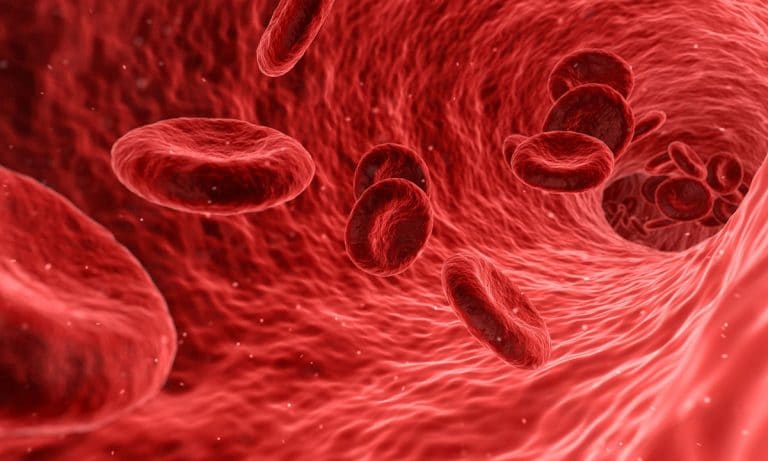
Depending on the quantity of what you smoke or consume, cannabis can stay in your circulatory system for a period that ranges from two to 15 days. As we all know by now, each body is different, and there are a few important factors that should be taken into account, like metabolism, the frequency and quantity of cannabis that was consumed, body mass index, and consumption method (edibles, smoking, etc.)

RELATED: How Long Does A Marijuana High Last? It Depends On A Few Factors

Occasional consumers can expect to be clean within a couple of days, but moderate and heavy users should expect a different story; cannabis can stay in their systems for about a week. If you’re a regular smoker and have a drug test coming up, the wisest thing to do would be to stop consuming cannabis for a minimum of 15 days before the day of your test.

neveda has the most expensive vape pens washington has the cheapest pre roll
Photo by Elton Clemente/Getty Images

Your body’s circulatory system is also affected by the way in which you consume cannabis. If you’re smoking, you can expect the THC to show up in your blood instantly. The good news here is that this method ensures that the drug will leave your body within a shorter period of time. When consuming an edible, it’s just the opposite. Once ingested, the cannabis will be processed by your liver, delaying the progress towards your bloodstream. When cannabis is ingested orally the drug will take longer to have an effect and it’ll stay in the body for a longer period of time.

RELATED: The Crazy Crap People Do To Pass A Drug Test

Cannabis is not only present in your blood, it’s also present in your urine and hair. Since there’s fat in these latter two, the THC will latch on and remain there for a period up to two months. Studies have shown that exercising causes dormant cannabinoids in your body pop back into your blood system, even if you’ve stopped consuming cannabis.

The most important thing you should know when asking yourself these questions is the kind of drug test you’ll be taking. Once you know, you can prepare accordingly, taking the necessary measures and precautions to ensure that you’ll get your body clean before you take it.

Anandamide: How This Natural Cannabinoid Makes Us Happy

0

Hey, no one said we were perfect. But there are some interesting aspects of the internal workings of the average individual — ones that make us seemingly less miserable — that we, perhaps, would never have found had it not been for the cannabis plant. One of those interesting aspects is called anandamide. It is just another piece of the puzzle collected over the past few decades that proves, without a doubt, that marijuana is medicine.

Anandamide is a natural cannabinoid produced in the human body. The compound gets its name from the Sanskrit word ananda, which when translated to English simply means bliss. Basically, this almost undiscovered compound, present in every singe person — even the most miserable of the breed — plays an important role in regulating mood. It also has responsibilities related to appetite and pain relief. But its primary role in a complex system is to try and make us happy and healthy. Good luck, right?

RELATED: 6 Things Everyone Needs To Know About Today’s Marijuana

We say “almost undiscovered” because scientists had no clue there was even a such thing as anandamide until they started trying to learn more about how THC (tetrahydrocannabinol) binds to the brain. It was during these studies that researchers discovered an unusual neurotransmitter manufactured in the brain that seemed to mesh perfectly with THC receptors. This compound was originally called arachidonylethanolamide, but, for obvious reasons, it was given the updated moniker of anandamide.

Without going full-blown science geek here (not that there’s anything wrong with that), let’s just say that anandamide is a part of the human endocannabinoid system that works to bring balance to our bodies and minds. In almost every facet of the emotional rollercoaster all of us are doomed to ride each and every day, this compound is doing everything it can to provide us with a sense of security and happiness. People with high levels of anandamide have been shown to be more fearless. Those with lower levels can suffer from mental disorders ranging from depression to schizophrenia.

RELATED: How To Control The Marijuana Munchies

So, it makes sense that we as miserable people need to do everything we can to increase the anandamide in our bodies. Otherwise, what hope do we have of ever living another happy day? The good news is there are ways to boost anandamide production in the body. Studies have shown that the feeling commonly referred to as a “runner’s high” is connected to anandamide enhancement.

Getting off the couch and engaging in some solid exercise is a good way to give the body an extra jolt of this all-important compound. Interestingly, consuming chocolate and cannabidiol (CBD) has also been shown to create an uptick in anandamide. So, give those a try. Or not. We don’t care.

Looking For Love In 2020? Try These 4 New Year’s Resolutions

0

Instead of aiming for marriage, how about setting smaller, more attainable goals, like going on two dates per week or striking up a conversation with 5 people this month?

If finding a significant other is one of your 2019 goals, there are several ways to increase your chances of finding that special someone. And (presumably) unlike your last date, they’re all cheap and relatively effortless. Here are four super simple tricks to increase your dating odds.

Smile

This may sound super cheesy, but it could actually help you land more dates. According to a 2017 study, researchers found that those whose resting faces seemed cheerful were judged as being healthier. Alex Jones, an expert in facial perception, wrote in The Conversation that:

“We discovered that faces look healthier when they are smiling, compared to a neutral expression, and that it doesn’t matter whether the faces are male or female. We also found that this effect increased with the age of the face: while younger adults look healthier when they smile, older adults look much healthier.

Photo by rawpixel.com

A smile was a more important cue than how old the face appeared to be, and more recent research has shown a happy expression is even more important than cues like adiposity or skin colouration. Scientific proof that a smile really is the best accessory.”

RELATED: 5 Common Online Dating Mistakes You Should Avoid

According to Jones, smiling basically sends a message to others that you’ll live a longer and healthier life by virtue of being optimistic and cheerful.

Set realistic goals

Instead of aiming for marriage, how about setting smaller, more attainable goals, like going on two dates per week or striking up a conversation with 5 people this month? As you cross these stepping stones, the larger goals will seem more doable.

Get out of your comfort zone

Swipe right on someone you may not otherwise consider. Just because someone is short, bald or a little out of shape doesn’t mean they aren’t worth your time. If nothing else, it’ll get you out of the house and into dating mode. Plus, your self confidence is likely to get a boost.

RELATED: Are You Sabotaging Your Love Life By Committing This Common Dating Sin?

The 4 Biggest Mistakes Men Make On Dating Apps
Photo by rawpixel.com

Give second chances

Did that first date not go so well? Don’t sweat it. Writing someone off after a single date could be a big reason why you’re still single. David Vermeulen, founder of elite dating app The Inner Circle, told INSIDER:  “Some people are really uncomfortable the first time they see somebody. You have to sell yourself in a way. Some people can do it really well, and some people can’t, but at the same time they’re obviously a nice person.”

Vermeulen says unless the first date was a complete disaster, you should give someone a second shot at romance.

Why Dry January Is Dumb And What You Should Do Instead

Dry January might add to such confusion giving the message that a month of abstinence does away with the need for regular breaks from drinking.

Alcohol Concern has thrown down the gauntlet to drinkers: can you manage a month without alcohol? The campaign, Dry January, aims to attract funding through donations, raise awareness of alcohol-related problems and educate people about the health benefits of abstaining from alcohol.

Aside from saving money, Alcohol Concern claims that abstaining will help you lose weight and improve your sleep.

There is no shortage of participants — more than two million people signed up last year, but is there any evidence that Dry January works?

RELATED: Can Legal Marijuana Fix America’s Binge Drinking Problem?

Gram for gram, alcohol contains almost the same amount of calories as pure fat, so abstaining for a month could reduce your weight, assuming you don’t compensate for the lost calories by eating more. Fat accumulates in the liver as a result of drinking. As little as two weeks abstinence can return your liver to good health, reducing the risk of alcohol-related liver disease.

As for improving sleep, there is clear evidence that you will get a better night’s sleep if you abstain from alcohol.

Photo via rawpixel.com

Things Have Been Getting Worse

So far so good, but the main ambition of Alcohol Concern is to change the drinking culture in the U.K. through events such as Dry January. Unfortunately, there is no evidence that Dry January achieves lasting change in consumption or in our beliefs and behaviour in relation to alcohol.

The campaign is premised on the idea of social contagion. If your friends start reducing their alcohol intake you are more likely to adopt the same behavior.

RELATED: This Is Why Your Wine Glass Is 7 Times Larger Than It Used To Be

Most people exhibit denial when asked how much they drink. This is demonstrated by the consistent difference between self-reported consumption of alcohol and total alcohol sales recorded by HM revenue and customs.

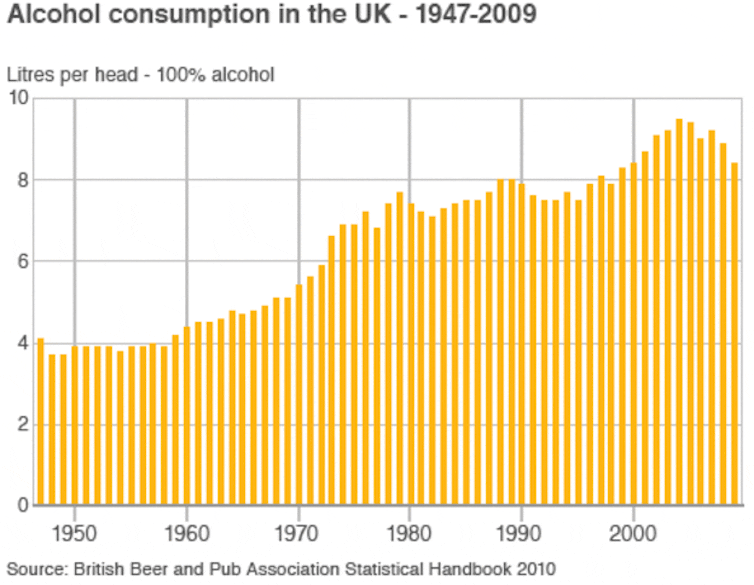
There has been an increasing trend in overall consumption of alcohol in the last sixty years. With estimates provided by the alcohol industry suggesting we are consuming 1.4 liters more of alcohol per person than we were in 1975.

As the long term trend in consumption has risen, so has the number of people developing alcohol-related health problems. Since 2009 there has been a 44% increase in those aged 50 and over accessing alcohol treatment.

More generally, alcohol costs every tax payer £120 a year through the one million annual hospital admissions attributable to its use.

If we discovered alcohol today, we would restrict and criminalize its use in the same way we have for drugs such as heroin. Objective examination of harms associated with 20 of the most commonly used legal and illegal drugs ranked alcohol as the most dangerous.

More Harm Than Good?

For people who have developed a dependency on alcohol, abstaining can produce a rebound effect. As a person experiences withdrawal symptoms such as anxiety, sleep disruption and restlessness — paradoxically the very things that many people find alcohol helps them overcome in the short term. This rebound effect could lead to more serious implications for heavy drinkers such as seizures and hallucinations. For this group Dry January may not be the right thing to do as it could cause more harm than good.

The consistent advice from the U.K. government is to have two dry days a week.The ConversationGuidance about alcohol has been difficult to communicate and there is generally confusion about safe levels of consumption. Dry January might add to such confusion giving the message that a month of abstinence does away with the need for regular breaks from drinking.
Ian Hamilton is a lecturer in mental health at the University of York. This article was originally published on The Conversation

5 Important Cannabis Discoveries Of 2019

0

2019 was a big year for cannabis. Here are some of the most important findings that researchers discovered.

Thanks to an evolving perspective on cannabis, every year there’s more we know about the plant. In the short span of time that followed weed’s legalization in several U.S. states, scientists and researchers have found the plant full of potential for a variety of medical conditions and even some ecological concerns.

Here are five of the most important cannabis discoveries researchers made during 2019. Although on paper these studies are very promising, keep in mind that more research is necessary and that the findings are preliminary.

Bees love male hemp flowers

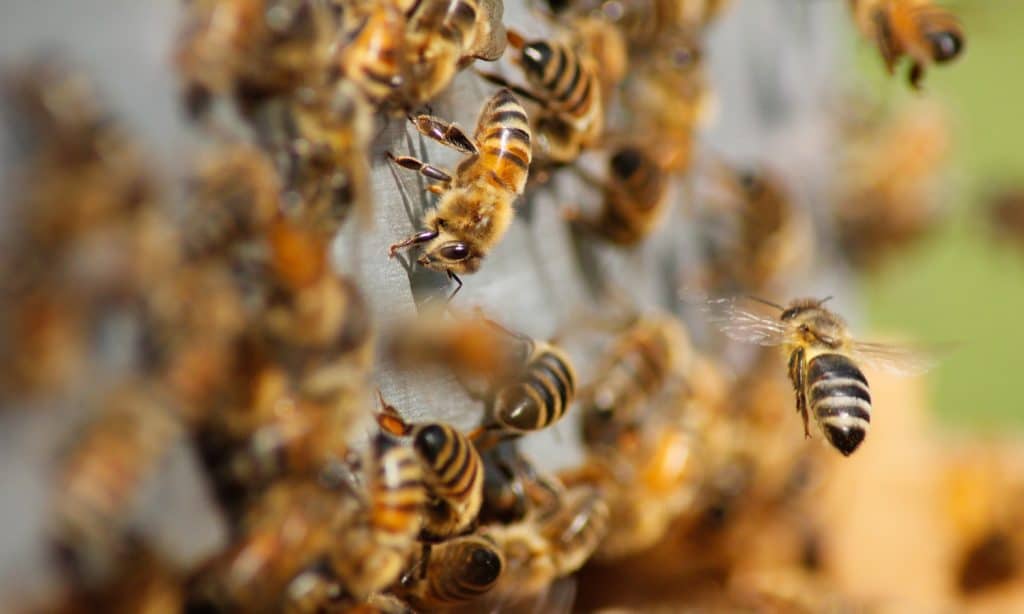
A study published this month in Environmental Entomology says that bees flock towards male hemp flowers due to unknown reasons. The study says that the greater the area covered by hemp, the greater amount of bees it attracted.

RELATED: Relationship Between Bees And Hemp Might Surprise You

Interestingly enough, the cannabis plant does not produce nectar or feature bright colors, traits that are normally what attract bees in the first place. No one knows why bees are so attracted to these plants, but this finding is intriguing because, if understood, it could influence pollination dynamics and the way in which we manage crops.

The Relationship Between Bees and Marijuana Might Surprise You
Photo by Damien TUPINIER via Unsplash

Flavonoids in cannabis are potent painkillers

Despite the praise thrown at CBD and THC, researchers discovered that cannabis’s most potent painkiller capability lies within its flavonoids, which are the chemicals present in all fruits and veggies and responsible for their color. An August 2019 study, published in the journal Phytochemistry, found that cannflavins A and B, which are only found in cannabis plants, are expected to be 30 times more potent than aspirin. These findings could alter our understanding of cannabis as pain management tool and widen the scope of cannabis research.

5 Predictions For The Cannabis Industry In 2020
Photo by FatCamera/Getty Images

Our genes might explain why we experience different highs

Some of the questions that have always plagued marijuana use is why it hits differently depending on the person, why some find it euphoric and motivating and others find it anxiety inducing. A couple of studies from 2019 suggest that our genes have something to do with it.

RELATED: Marijuana Makes You Paranoid? Study Suggests Your Genes Are To Blame

An April 2019 study, published in the International Journal of Molecular Sciences, found that some people are born with mutant CB receptors, thus influencing the way in which their bodies interact with THC, CBD and more. While one person might feel a sense of euphoria from a strain of marijuana, another one smoking the same strain might experience couch lock.

CBD for childhood autism

A January 2019 study, published in the journal Frontiers in Pharmacology, shows that cannabis could provide treatment for pediatric cases of autism. In it, 53 young patients with a median age of 11 showed relief in hyperactivity symptoms, rage attacks, anxiety and self harm behaviors when administered with daily doses of THC and CBD.

Could CBD Help With Weight Loss?
Photo by MysteryShot/Getty Images

Cannabis does not shrink brains

A February 2019 study, published in the journal Neuropsychopharmacology, featuring a sample size of over 700 teens showed that there were no significant differences between the brains of cannabis users and non-users, putting to rest the rumors that cannabis affects brain development and growth.

“There were no significant differences by cannabis group in global or regional brain volumes, cortical thickness, or gray matter density, and no significant group by age interactions were found,” concludes the study.

4 Items You Should Toss From Your Pantry Before 2020

Your pantry could use a New Year’s cleaning. Here are 4 items you should consider throwing out.

There are pantry staples that we rarely consider throwing out, things like flours, teas, coffee beans, vinegars and oils. However, these things all have expiration dates and may need to be discarded before they run out. Just because you haven’t used that giant jar of natural peanut butter doesn’t mean it’s still good.

Lisa Ruff, director of the organizational company Neat Method, told Huffington Post that  pantries should be cleaned thoroughly at least twice a year. “Pull everything out. You never know what may be hidden in the back of a shelf. Then look at the expiration dates and compost anything that’s expired,” she said.

It’s not easy being told that all grains should be periodically inspected since they can be infected with moths, and that they should be removed from their original container and transferred into someplace airtight if you hope to keep them stuffed in the dark for over a year.

RELATED: So You Got CBD For Christmas, Now What?

Here are some items you should inspect before the end of the year and what you can do to extend their shelf life for as long as possible:

Flours

Flours have a super long shelf life, and can last over two years when properly cared for. The catch is that most of the time they get spoiled due to contamination, making them taste and smell awful. What a way to ruin some cupcakes.

In order to extend the shelf life of your flours, store them in a cool and dry place and transfer them to an airtight container. Write down their expiration date so you can keep an eye on them. Add a bay leaf to the package if you’re feeling particularly crafty, thus repelling insects and other types of pests.

Here Are 4 Items You Should Throw Out Of Your Pantry Before The End Of The Year
Photo by Kaboompics .com via Pexels

Teas

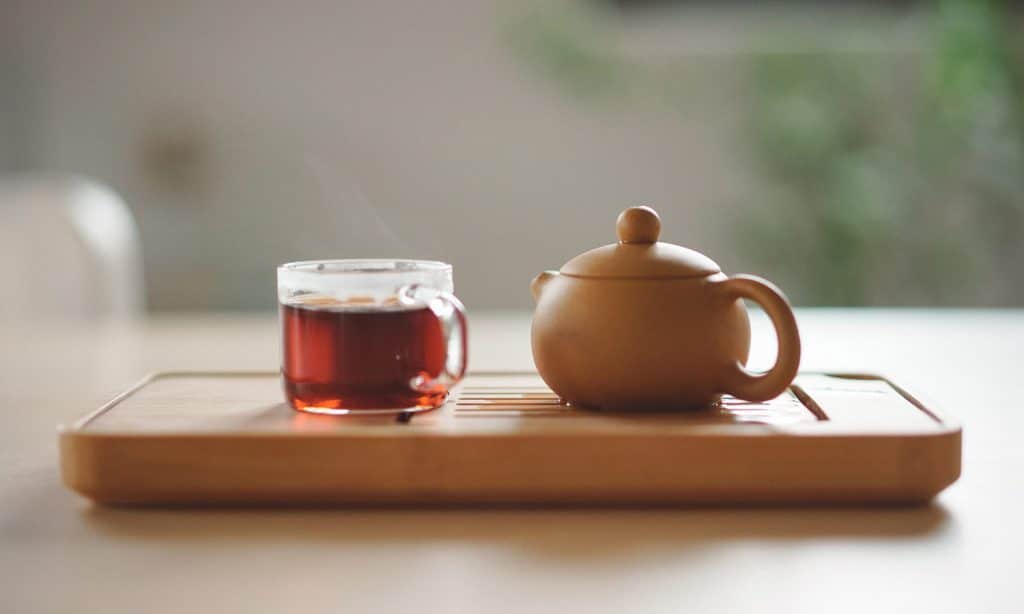
As with flour, store your teas in a dry place, away from direct sunlight. You can also transfer them to an airtight container, preventing contamination and ensuring they receive as little air as possible. Try to stock up on small amounts of tea, that way you’re forced to switch them out periodically.

tea staycation
Photo by Manki Kim via Unsplash

Oils

There’s a wide variety of oils, with large parts of them having a long shelf life for over a year. But many oils that are popular nowadays, like sesame, avocado and grape seed, have shorter shelf lives. Keep them in a visible area and taste and smell them before using, especially once you’ve had them for some months.

RELATED: 5 Ways To Relieve Holiday Stress

Here Are 4 Items You Should Throw Out Of Your Pantry Before The End Of The Year
Photo by jonathan ocampo via Unsplash

Canned goods

Canned foods are what people eat during the apocalypse, meaning that they have the longest shelf life of all. Still, they still get spoiled. High acidity canned goods, like tomatoes, jams and fruits, last 18 months. Low acidity foods can last for longer periods of time, up to five years when properly stored.

Here Are 4 Items You Should Throw Out Of Your Pantry Before The End Of The Year
Photo by Calle Macarone via Unsplash

Questions About Champagne You Always Wanted Answered

It is the champagne season and people are enjoying the fizzy treat!  But what do you know about this nose-tickling delight?

In 2022, 326 million bottles of Champagne were shipped globally. The US cemented its status as the top export market for Champagne as sales soared by 19.4% in 2022. Producers sold 33.72 million bottles in the US market throughout the year, according to new figures released today (6th April) by the Comité Champagne.

“Champagne, as the supreme wine of celebrations, has been the natural choice of the world’s consumers as they rejoiced at the end of lockdowns and rediscovered a taste for parties, for going out and for traveling.” added David Chatillon, president of the Union des Maisons de Champagne and co-president of the Comité Champagne.

Where Do The Bubbles Come From?

Assuming you’re looking at a decent bottle of sparkling, the answer is simple: fermentation. There are several different methods for trapping the carbonation, which I’ll explain below, but in all cases the carbon dioxide is a byproduct of fermentation. Only in really cheap sparkling wines will you find artificial carbonation, and those are wines to avoid.

What Is Champagne?

A place, and a way of making wine. The place is in northeastern France, and is the only region in the world legally permitted to label their wine “Champagne.” The method involves making a still wine (or many of them and then blending them), bottling it, and adding more sugar and yeast.

Champagne alternatives
Photo by RondellMelling via Pixabay

RELATED: Why You Should Skip Those Online Wine Clubs 

This second fermentation happens in a closed bottle, meaning the carbon dioxide stays trapped until you open it. This method is now used around the world, and is more commonly called the “traditional method,” or “method traditionelle.”

Wait, What Else Do They Do?

Well, there’s this thing called the Charmat method, where larger vessels are used for secondary fermentation, and then the wine is bottled. This is how most Prosecco and Lambrusco is made, which is why it typically those are slightly less carbonated than most other sparkling wines. The other method involves bottling the wine before the initial fermentation has finished, resulting in a mildly effervescent wine typically called “petillant naturel,” or pet nat if you’re feeling frisky.

What Are Some Wines To Look For?

To start with, Champagne! There’s a dizzying range of styles and terms to know in the region, but there are very few bad Champagnes out there. That said, you will definitely pay more for these wines than most other sparklers, so keep that in mind. If value is a consideration, Cremant is a great term to look for: it’s reserved for wines from France that are made in the “traditional method,” just not in Champagne itself.

RELATED: Why You Should Be Ordering Bottles Of Wine 

Cava, especially at the Reserva and Gran Reserva level, can also be a great option. Prosecco can really run the gamut from cheap and banal to less cheap and really tasty, so it’s harder to offer a blanket statement.

So, I Should Get Out My Flutes?

No! Champagne flutes are only good for one thing, and that’s showing off the bubbles. Just use a regular old wine glass, and you’ll actually be able to smell the wine, which is part of the appeal. Plus, you can fit a whole lot more wine in those glasses.

Sparkling wine, be it Champagne or otherwise, is one of the most amazing and versatile wines on the planet. Try having a bottle with dinner the next time you dine out or cook at home, and you’ll be amazed at just how well it pairs with almost anything you throw at it. Cheers!

Why Enforcement Is Not The Best Way To Combat The Illicit Market

0

It seems that California is following the traditional path of other states with regulated cannabis markets and stepping up enforcement.

It’s no secret that California’s illicit cannabis market is alive and well; a recent audit showed that there are nearly 3,000 unlawful cannabis businesses in the Golden State. A few months ago, I wrote a post offering a few suggestions on how the state could combat the problem of illicit cannabis, and I am not the only one who has made these suggestions.

Until very recently, it did not look like the state was taking serious action to do any of the things that I or others have suggested to combat the illicit market (in fact, the state recently announced tax hikes for cannabis which will just raise the price of legal cannabis and drive sales towards the illicit market). It seems now, however, that the state is following the traditional path of other states with regulated cannabis markets and stepping up enforcement.

Earlier this month, for example, the Bureau of Cannabis Control (“BCC”) and Los Angeles officials raided 24 allegedly unlicensed businesses in Los Angeles. This follows on the heels of the BCC mailing hundreds of notice letters to landlords of allegedly unlawful cannabis businesses across the state informing them that they could be subject to criminal and civil liability. This kind of enforcement activity is a major uptick in comparison to what the BCC had previously done. Up until recently, the BCC had only sporadically raided and shut down allegedly unlawful operators.

The BCC is not the only agency that has begun ramping up enforcement. On December 13, the California Attorney General, on behalf of the California Department of Food and Agriculture (“CDFA”), sued a number of persons and entities, claiming that they had cultivated and processed cannabis without licenses. That lawsuit claims that the defendants are liable for civil penalties of up to three times the amount of the CDFA’s nearly $10,000 license fee per violation, which could be a massive penalty.

RELATED: Op-Ed: California’s Thriving Illicit Market Leading To More Crime

The penalties that the state can seek are no joke. Under state law, the California cannabis agencies are entitled to seek penalties of up to $30,000 per day/violation for unlicensed commercial cannabis activity. Anyone can do this math. Being in the illicit market is beyond a major risk, especially now that the government is doing something about it. Just consider how many days it takes to get from seed to harvest, and this fine could get into the millions very quickly. In fact, Stanislaus County recently made the news by implementing a $1,000 per plant, per day penalty, which according to one source could amount to $90 million for a 3,000 plant unlicensed grow over 30 days.

Photo by casey via rawpixel.com

The enforcement trend is only going to increase. Just take a look at Washington, a state with a much more mature regulated recreational cannabis market. Any of our Washington cannabis lawyers will tell you that as the agencies became more sophisticated, they moved from compliance to enforcement (in fact, Washington went so full-in with enforcement that its legislators had to force the cannabis agency to focus its attention back on compliance by way of legislation).

RELATED: Green Rush Blues: Why The Illicit Market Will Thrive In California

In my opinion, enforcement is not the best way to combat the illicit market. No matter how high the penalties are, there will always be people who are willing to “risk it” and ignore the law. Prohibition never stopped many people from selling cannabis. The big difference between prohibition and enforcement, however, is that enforcement still leaves open the possibility that there is a regulated (yet very complicated and expensive) pathway to selling cannabis. But if the government really wants to eliminate the illicit market in California, lower taxes, lesser regulations, and expanded access to cannabis are a pretty good starting point.

Griffen Thorne is an attorney at Harris Bricken. This article originally appeared on the Canna Law Blog

Don't Miss Your Weekly Dose of The Fresh Toast.

Stay informed with exclusive news briefs delivered directly to your inbox every Friday.

We respect your privacy. Unsubscribe anytime.