Saturday, June 27, 2026
Home Blog Page 615

What To Expect When Combining Alcohol And Cannabis

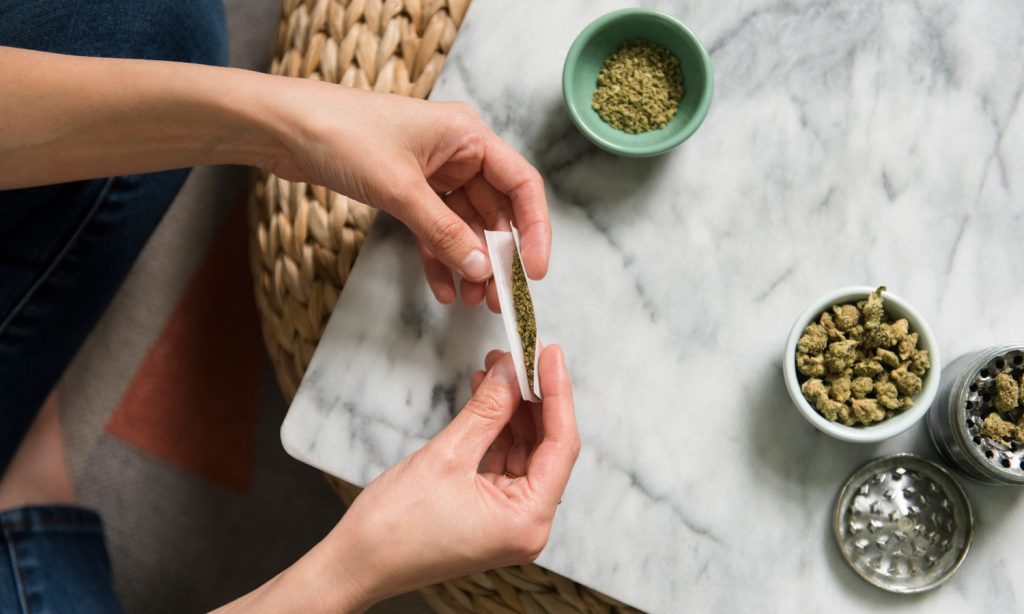
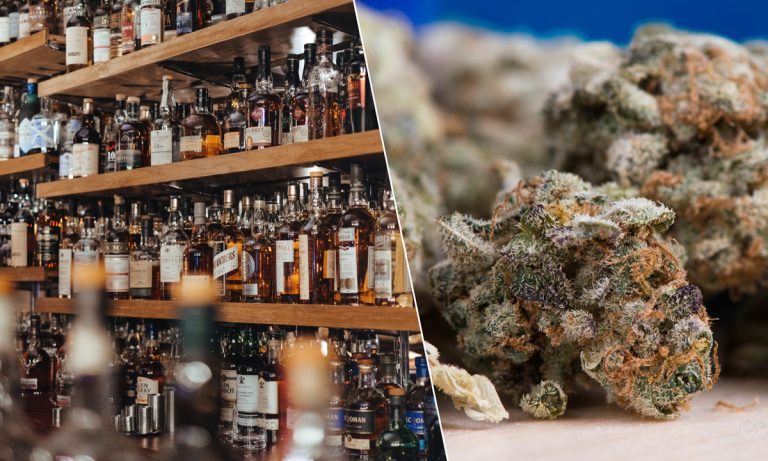
Cannabis and alcohol deliver their own unique effects, but the combination of these substances can have a significant mental and physical impact.

Cannabis and alcohol are two of the most widely-used drugs in the U.S. and around the world. According to a 2015 National Survey on Drug Use and Health, 86.4% of Americans age 18 or older have reported drinking alcohol at some point in their life, whereas 56% reported drinking in the past month.

According to a United Nations report, 158.8 million people consume cannabis worldwide, which is about 3.8% of the world’s population. Some people consume only alcohol and others consume only cannabis. However, there’s a large demographic who consume both substances. But what’s the outcome of mixing these two substances, and what should individuals expect afterwards?

Reasons for Mixing Cannabis & Alcohol

Most of us have probably heard the saying, “Everything in moderation”, which can apply to both alcohol and cannabis. Everyone has their limits, and we all respond differently to substances. Although it’s common to consume either alcohol or cannabis, a large demographic of people prefer both toking and drinking alcohol.

RELATED: Proof That Marijuana Is More Than 100 Times Safer Than Alcohol

In addition, there are many reasons why alcohol and cannabis are consumed together. Some people prefer to combine these substances to feel less anxiety and/or pressure at social functions, or they may be interested in feeling a euphoric sense of tingly bliss. There are also people who want to hold uplifted and interesting conversations, which may not occur from just alcohol consumption alone. But what impact does the combination of cannabis and alcohol have on the body and mind?
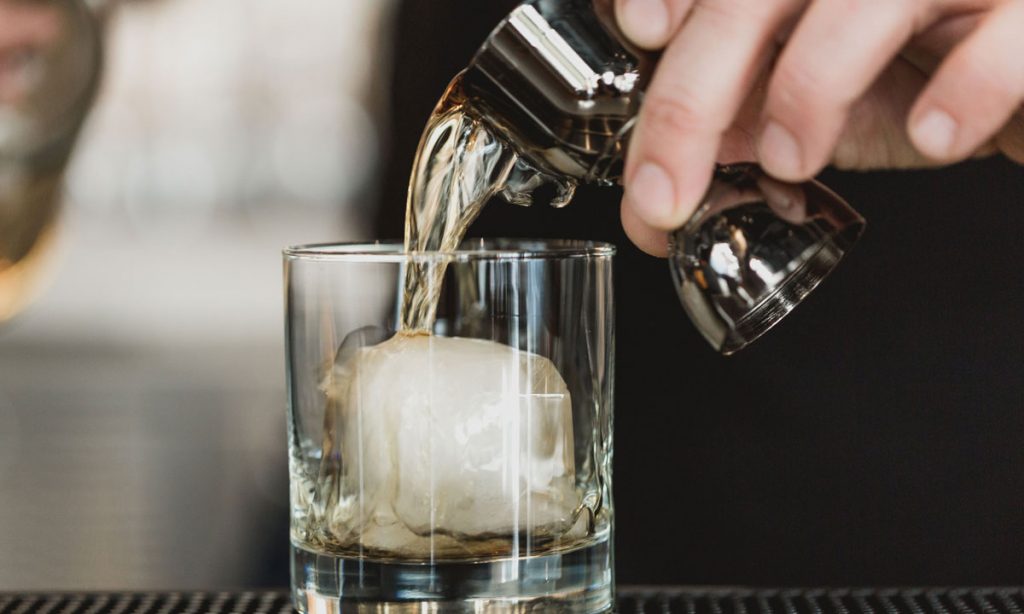
Cannabis May Help Treat Alcohol And Cocaine Addiction
Photo by Matthew Henry via Burst

Aftermath of Mixing Cannabis & Alcohol

Cannabis and alcohol deliver their own unique effects, but the combination of these substances can have a significant mental and physical impact. For example, alcohol consumption may increase THC concentration in one’s blood. In other words, alcohol might be able to increase the potency effects of cannabis. Then, Scott Lukas, a Harvard professor and researcher found some interesting discoveries in 2001 regarding the combination of alcohol and cannabis. Specifically, when ganja and alcohol are combined, it was discovered that ethanol in alcohol might enhance the human body’s capability to absorb THC.

Furthermore, Scott Lukas stated the following regarding the combination of these drugs, “For many drug combinations, when subjects consumed ethanol, they detected marijuana effects more quickly, reported more episodes of euphoria, and had higher plasma THC levels than when they consumed placebo ethanol.” If you decide to mix wine or beer with ganja, know that you’ll most likely experience stronger effects from smaller quantities of the herb.

Sedative Effects

On a similar note, since alcohol is a central nervous system depressant, it often leads to sedative effects while acting as less of an ‘upper’ or stimulator and more like a downer, whereas with cannabis, it’s a completely different ball game. For example, cannabis strains high in THC can incite stimulation, energy, and possible anxiety, while consuming relatively small doses of cannabis that contain little THC and more CBD can result in sedative effects. On its own, cannabidiol (CBD) delivers physically relaxing effects to users (some would even say a “sedative” effect).

RELATED: Young People Believe Alcohol Will Kill You Faster Than Marijuana

In addition, it was discovered that THC inspires the secretion of melatonin, which is the neurotransmitter that’s responsible for helping individuals feel tired and proceed to fall asleep. If cannabis and alcohol are combined, expect the sedative effects of these substances to become stronger. Also, keep in mind that sedation often comes with fatigue, sluggish-behavior, and motor coordination difficulties.

Dizziness, Vertigo, and The Spins

Generally, when cannabis and alcohol are mixed, it can cause dizziness, vertigo, and sometimes nausea. Millennials and adults may be familiar with ‘the spins’, which is one key side effect that occurs after consuming alcohol and cannabis. If too much of this mixture is ingested, it can result in nausea and vomiting. What may surprise some people is that cannabis can make it harder to vomit. This is because THC and CBD contain anti-emetic and anti-nausea properties. Since alcohol is a toxin, vomiting works to clear out excess alcohol from the body thus protecting the liver and preventing alcohol poisoning.
boozy parents
Photo by Jetta Productions/Getty Images

Because cannabis can suppress vomiting and reduce nausea, individuals may be able to tolerate alcohol better. However, cannabis could put individuals at a greater risk of developing alcohol poisoning if they need to vomit but cannot due to cannabis’s anti-emetic properties.

Impacted Absorption Rate

Lastly, cannabis has an impact on how fast the body absorbs alcohol. A 1992 study conducted by Scott Lukas found that alcohol enhances the body’s THC metabolism. Thus, cannabis could slow down the body’s ability to absorb alcohol.

Not only is cannabis complex, but it can also change the way humans digest different foods. Specifically, cannabis can slow down the transportation of food via the body’s intestinal tract. This slowed digestion rate means that the alcohol that’s consumed will get released into the body’s bloodstream gradually and over a lengthy period of time. When cannabis is present, it could result in a slower rise in the body’s blood alcohol level thus preventing individuals from feeling significantly drunk too quickly.

Overall, although cannabis contains numerous medicinal benefits, when it’s mixed with alcohol, it can cause unenjoyable effects, especially when consumed in large quantities. If you still want to combine these substances though, it’s suggested to start off small, go at a gradual pace, and be aware of the potential side effects that could occur.

What You Should Know About Flying With CBD

Tips abound on how to pack your cannabis in luggage or what the TSA would actually do if they discovered your stash, but what about flying with CBD?

Thanks to a patchwork of legalization across state lines, traveling with marijuana is a question many ask as of late. Particularly many worry about flying with cannabis—either for medicinal reasons, or those of you bring some home after visiting Colorado or California. The first thing you should know is that the Transportation Security Administration isn’t necessarily looking for your marijuana. Instead, they search for bombs or explosive weapons.

“Let us be blunt: TSA officers DO NOT search for marijuana or other illegal drugs,” reads a post from the TSA’s official Instagram. “Our screening procedures are focused on security and detecting potential threats. But in the event a substance appears to be marijuana or a cannabis infused product, we’re required by federal law to notify law enforcement.”

Translation: You can risk it, and you probably will be fine, but if you’re caught you will face consequences. Tips abound on how to pack your cannabis in luggage or what the TSA would actually do if they discovered your stash, but what about flying with CBD?

A recent Gallup poll found that 1 in 7 Americans use CBD products. Whether for pain relief or wellness, chances are you’ll want to bring your CBD product of choice on your travels. Do the same rules apply flying with CBD as they do with marijuana?

RELATED: How To Not Get Busted Smuggling Marijuana Into A Prohibition State

It’s complicated. As the Los Angeles Times reported, the TSA changed their rules around CBD this May. Former rules stipulated that CBD wasn’t allowed under any circumstances. But the new regulations follow guidelines established by the 2018 Farm Bill — CBD is permitted so long as it contains less than 0.3% THC. Any hemp-derived CBD you buy, which is what you’d likely have, especially in nonlegal states, should have less than 0.3% THC.

Here's What Doctors Know About CBD
Photo by Tinnakorn Jorruang/Getty Images

But that’s where things get hazy. Every state holds different qualifications around the legality of CBD products. For example, a state like Oregon allows you all the variations of CBD you could want. But if you fly with hemp-derived CBD to Idaho you could be in trouble. Idaho’s Attorney General stated that “the oil extract cannot contain ‘any quantity’ of THC—not just less than 0.3%.” To avoid any problems, you might need to carry a certificate of analysis with you. Or you can buy products that have clearly marked labels identifying your product is “THC-free” or hemp-derived, depending on the state you’re visiting.

Still, the TSA never clarified how they will test CBD products should the need arise. Should they run your CBD oil or gummies through laboratory analysis, you could run into trouble when thinking you’re following the rules. This September, Denver-based startup Ellipse Analytics tested 250 top-selling CBD products and their results found THC in 45% of them. Among products claiming they were “THC-free,” 21% of them tested with detectable THC levels.

RELATED: What TSA Would Do If You Got Caught With Marijuana

That’s what happened to a 69-year-old grandma visiting Disneyland in Florida. She was prescribed CBD by her North Carolina doctor and purchased peppermint CBD oil, which had “THC-free” claims on its label. When Orange County sheriffs tested the oil, they discovered THC and subsequently arrested the woman on charges of hashish possession. She was released on $2,000 bonds and the charges were dropped.

So while traveling with CBD might feel safer than flying with marijuana, consequences remain. It’s up to you whether the risk is worth it.

Why You May Want To Reconsider CBD-Infused Workout Clothes

Brands are infusing their workout clothes with CBD, but experts believe this function provides no benefits for users.

There seems to be a new wellness trend every couple of months, but few have been as strong as consumer interest in CBD. The cannabinoid is projected as one of the fastest growing industries, with the capacity to produce millions of dollars within a couple of years. It has been featured in all sorts of beauty and health products. It’s even been woven into athletic wear.

While CBD is an exciting industry filled with tons of promise for mental and physical health, we should be wary of where we invest our money. A quick Google search will show you several reputable CBD brands that make products with actual results, but it will also show that there’s a lot of misinformation going around. Plenty of products take advantage of the current disarray of the marijuana industry and lack of laws, claiming to contain CBD when they don’t and there’s no evidence of positive effects.

One of the most glaring examples of a brand just hopping on a fad is CBD workout clothes. In August, Acabada Active was the first to sell athletic wear infused with CBD, with their prices ranging from $100 to $200 for a sports bra or a jumpsuit. The site claims that each product has up to 25mg of CBD, which is activated when users start to move and sweat while wearing the clothes.

RELATED: This Company Makes CBD-Infused Workout Clothes

https://www.instagram.com/p/B3cSIvoAsV3/

https://www.instagram.com/p/B39ybjFAva9/

On paper, this sounds like a great technological development, providing relief for athletes as soon as they start to sweat. In practice, experts believe that there’s no sufficient evidence to provide back up for these claims.

Gizmodo spoke with Ziva Cooper, the research director of the Cannabis Research Initiative at the University of California. She said: “We don’t have good evidence that, from controlled studies with humans, CBD is going to help accelerate the healing process. And if CBD does have an impact on healing or muscle soreness, we are in the dark as of yet with respect to how well it gets absorbed by the body when given topically.”

RELATED: What Is The Functionality Of CBD In Skincare Products?

Other experts claim that applying CBD while exercising might even be counterproductive to the work out since inflammation helps make our muscles stronger. “If you immediately blunt the inflammation that occurs, you’re not really going to benefit from that workout,”  sports medicine physician Michael Fredericson told Allure. He also says that the benefits of CBD lotion occur when the product is applied directly on the affected area instead of the parts that are normally covered by a shirt or some pants.

CBD opens up hundreds of doors for wellness and health, but products need to support their claims with science and trials. At this moment in time, there’s just not enough information out there to ensure that the $100 you spend on a sports bra are going to be a worthy investment.

Prince Harry & Meghan Really Might Move To The US; Kevin Hart Shares Emotional Video About Near-Fatal Crash

0

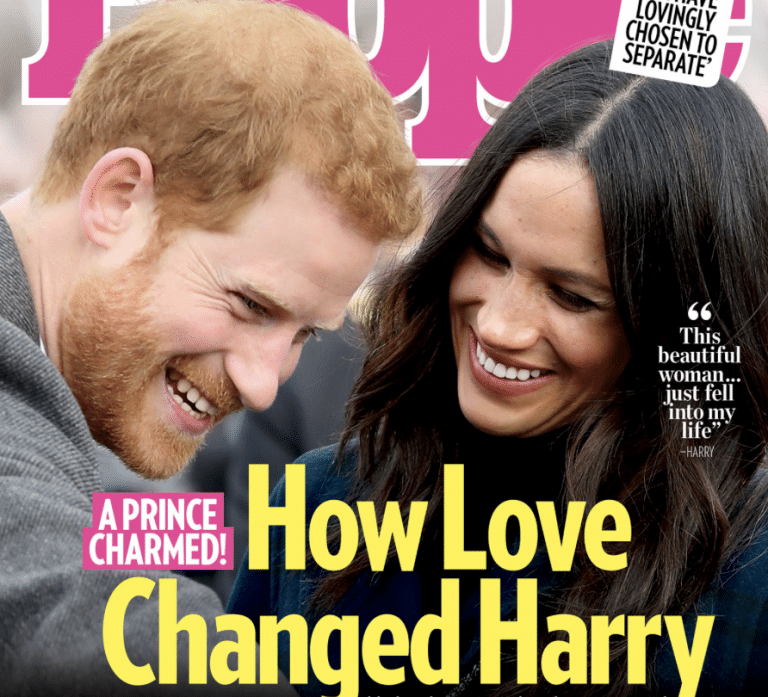
The U.S. is on the short list of possible new homes for the Duke and Duchess of Sussex who are eager to escape the U.K. tabloid scrutiny; Kevin Hart released an Instagram video about his horrifying car wreck.

Prince Harry & Meghan really might be considering a move to the US

Via People:

Behind the scenes, Meghan Markle is still adjusting to the massive changes in her life since marrying Prince Harry in 2018 and welcoming son Archie in May.

Several insiders say the couple are eager to escape the intense tabloid scrutiny in the U.K. — maybe even by establishing a second “base” in the U.S., Canada or Africa.

“It’s not possible for them to be [in the U.K.] like this,” a source tells PEOPLE in this week’s issue. “There’s more pressure now. There’s a shift that is happening.”

Meghan and Harry got real about the pressures of life in the royal spotlight in their recent ITV documentary Harry & Meghan: An African Journey. When asked how long she can manage the constant onslaught of attention, lack of privacy and ongoing tabloid rumors, Meghan said: “I really tried to adopt this British sensibility of a ‘stiff upper lip.’ I really tried, but I think that what that does internally is probably really damaging.”

baby archie meghan markle prince harry

In an effort to regroup, the royal couple are now planning to take six weeks of “much-needed family time” from mid-November through the end of the year, says an insider, noting that Meghan, 38, quietly worked throughout much of her maternity leave.

The young family will undoubtedly go to Meghan’s hometown of Los Angeles to spend time with her mom, Doria Ragland, with whom she’s very close.

“This would be Harry’s first Thanksgiving in the States,” adds the source. “It will be nice for them to be around people that love them and have him understand her traditions too.”

It’s also been rumored that the couple could spend some time in Canada, where Meghan lived before marrying Harry to film her TV show Suits.

Kevin Hart Shares Emotional Video About Near-Fatal Crash & Ongoing Recovery

Via iHeart Radio:

Late Tuesday night (October 29), the 40-year-old comedian shared a video to Instagram, detailing his road to recovery following his near-fatal car accident in September, and sharing his appreciation for life.

https://www.instagram.com/tv/B4OlTk0lT96

“Basically what you realize is that you’re not in control. No matter how much you think you’re in control, you’re not in control,” Kevin says at the beginning of the video, as footage of his totaled car appears on-screen. “At the end of the day, it can all be over.”

The clip then transitions to Kevin in the gym, seemingly in physical rehab for his injuries sustained the crash.

“When God talks, you gotta listen,” the Jumanji star continues. “I swear, life is funny. Because some of the craziest things that happen to you end up being the things that you needed the most. And in this case, I honestly feel like God basically told me to sit down. When you’re moving too fast and doing too much, sometimes you can’t see the things that you’re meant to see. But after my accident I see things differently, I see life from a whole new perspective.

“My appreciation for life is through the roof,” he adds. “I’m thankful for my family, and my friends. I’m thankful for the people that simply ride with me and have been with me because you stood by me. My fans, I’m thankful for all of your love and support. Don’t take today for granted because tomorrow is not promised.”

“More importantly, I’m thankful for God,” Kevin concludes. “I’m thankful for life. I’m thankful for simply still being here.”

As fans know, Kevin, sustained “major back injuries” after his 1970 Plymouth Barracuda, which was driven by his friend Jared Black, went off the road and rolled down an embankment in Calabasas, California. Two of the three occupants were reportedly trapped in the vehicle, which was completely smashed during the wreck. Miraculously, Kevin was able to walk away from the accident with the help of a bodyguard — he reportedly left the scene to his nearby home — but was later rushed to a hospital to receive medical treatment.

Due to his injuries, Doctors performed back surgery on Kevin, and he’s since been receiving “intensive outpatient therapy,” TMZ reports.

Facebook Is Now Monitoring The Use Of ‘Sexual’ Emojis

Facebook is cracking down on posts with a sexual nature, including emojis that may have sexual implications.

Social media websites have been facing more pressure to limit the sexual content that reaches users. Last year, Tumblr banned all sorts of sexual content and so did Craigslist, prompting impassioned responses from all sorts of people. Now, Facebook, which also owns Instagram, is cracking down on posts with a sexual nature, including emojis that may have sexual implications. Confused? You’re not alone.

According to XBIZ, an adult industry website, Facebook updated their community standards last year, but it was only recently that the final corrections became effective. Emojis of a sexual nature, like eggplants and peaches, play a part when the post appears to solicit or coordinate sexual encounters between adults.

RELATED: People Who Use Emojis Have More Dates And More Sex

study finds connection between emoji use and sex
Photo by Minty via rawpixel.com

Facebook explains:

“Content makes the aforementioned offer or ask using one of the following sexually suggestive elements: Contextually specific and commonly sexual emojis or emoji strings, or Regional sexualized slang, or Mentions or depictions of sexual activity (including hand drawn, digital, or real world art) such as: sexual roles, sex positions, fetish scenarios, state of arousal, act of sexual intercourse or activity (sexual penetration or self-pleasuring), or Imagery of real individuals with nudity covered by human parts, objects, or digital obstruction, including long shots of fully nude butts.”

RELATED: Are You Using The Most Popular Emojis On Facebook?

Since their explanation is vague and up to interpretation, this could mean that uploading a post with a peach emoji, something that’s very common, might result in a ban. Facebook community guidelines also state that after several warnings and banned posts, your account could be deactivated.

Where are people going to go for their sexy content among friends? Is Twitter the answer? We’ve experienced that once and it wasn’t great.

Binge Drinking Plummeting In States With Legal Marijuana

Compared to non-cannabis states, adult-use states experienced a 11% drop in binge drinking. Analysts believe further marijuana legalization will see subsequent drops.

We know that marijuana legalization is dramatically reshaping American lifestyles. Millennials are choosing cannabis over alcohol and one international study found that countries with legal marijuana saw a 12% drop in alcohol purchases. Legalization isn’t just lowering alcohol consumption, however; it’s also changing how people drink when they choose to do so.

Investment bank firm Cowen and Co. has placed an emphasis on covering the cannabis industry from a Wall Street perspective. As of 2016, Cowen and Co. reports binge drinking in recreational marijuana states have fell 9% against the national average. When compared to non-cannabis states, those rates dropped by 11%.

Currently, newly added states like California and Nevada still experienced higher rates of alcohol and lower rates of marijuana consumption. It’s worth putting those two states in context, however. Nevada has Las Vegas, the binge drinking capital of the world. Taxes and licensing fees in California, meanwhile, have pushed consumers away from legal marijuana markets — the state’s black market has eclipsed its legal one as of late.

RELATED: Here’s What Happens When You Mix Marijuana And Beer

“It is reasonable to assume that as more states continue to legalize adult-use cannabis, alcohol binge drinking rates will continue to falter,” Cowen said in a release to Financial Buzz.

youths smoke less weed adults smoke more following marijuana legalization
Photo by Jamie Grill/Getty Images

According to Centers for Disease Control and Prevention estimates, 17% of Americans participate in binge drinking. That means that 1 in 6 Americans admit to binge drinking four or more times a month.

RELATED: State Legalization Doesn’t Increase Youth Cannabis Use, Meta-Study Say

This isn’t just fueled by college frat parties or millennials. A study published earlier this year found that 1 in 10 seniors (65 and older) qualifies as a “binge drinker”.  Timothy S. Naimi, an alcohol epidemiologist who teaches at Boston University, told The New York Times the 1-in-10 number is “undoubtedly an underestimate.”

Curiously, marijuana legalization had almost no impact on binge drinking in Canada. Those provinces with the highest rates of marijuana consumption haven’t seen a subsequent drop in alcohol use.

5 Animal Videos To Save Your Week: Oct. 28

This week’s column features a couple of dogs in costume, two puppies playing with a stick, the smartest dog in the world and a puppy who loves to drink rain water.

There’s no better pick-me-up than the one you get when you see a clip of an animal acting silly, which is why we’ve compiled this weekly column. These short videos feature all sorts of animals and can provide that much needed mid-week rush of endorphins, anywhere at any time.

This week’s column features a couple of dogs in costume, two puppies playing with a stick, the smartest dog in the world and a puppy who loves to drink rain water. Have a look!

Halloween

Dog costumes are basically the best part about Halloween, but these costumes of a Ghostbuster and a ghost has got to be the best idea ever filmed. How can other costumes compete with this?

RELATED: 5 Animal Videos To Save Your Week: Oct. 21

https://www.instagram.com/p/B4Oj-iYgmM5/

Two dogs one stick

Instead of fighting over a stick, these two guys are happy to carry it around and split the burden between the two. There’s perfect music and great synchronicity. What more do you need?

https://www.instagram.com/p/B4NVBEUgaMu/

The smartest dog in the world

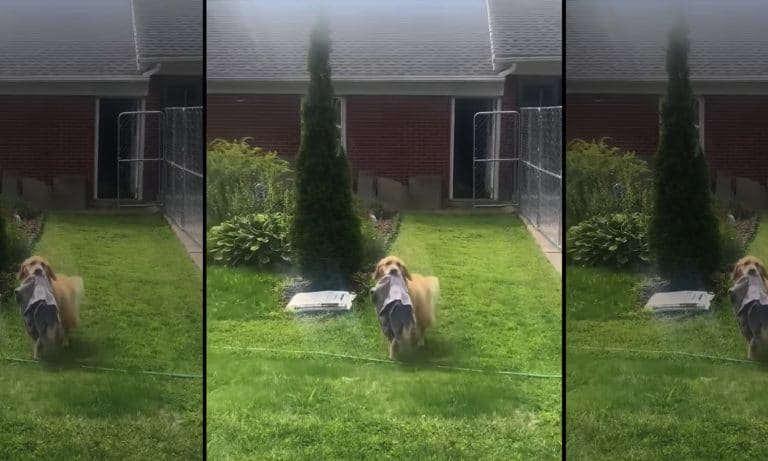
This clip from ViralHog quickly went viral for obvious reasons. In it, a dog fetches its own towel, hands it to their owner and patiently waits to be dried off.

Sebastian loves the rain

We Rate Dogs is one of the best Twitter accounts you can follow. On this clip, we see Sebastian happy to sit under the rain just as long as he can have a couple of drinks.

RELATED: Dogs Of Instagram: The Pug

Peaceful nap

This last video is the perfect antidote for stress. In it, a cat chills out to the type of music you’d listen to at a yoga retreat. You’re welcome and happy Wednesday.

https://www.instagram.com/p/B4QE2TIl9ZA/

5 Spooky Things Alexa Can Do This Halloween

Thanks to Halloween, Amazon has developed a new batch of skills your Alexa device can trigger. Here are some of our favorites.

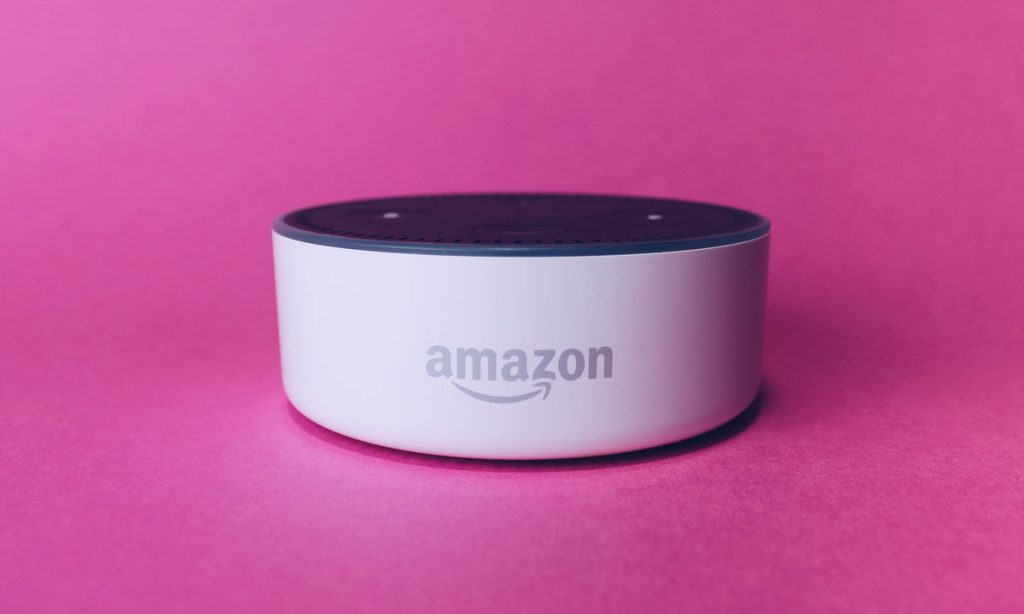
Amazon is constantly providing updates for Alexa, ensuring that customers always have new things to look forward to. And with Halloween upon us, Amazon has given Alexa some cool features that are easy to use and that provide fun results.

Alexa’s Halloween features range from the cute to the kind of scary. Check out 5 of the coolest ones you can use this October 31.

Tell scary stories

Alexa has different levels of scary stories, providing ones that are kid friendly and others that are a little more serious. The first is the easiest one, and can be triggered by saying “Alexa tell me a spooky story.” The story has sound effects and Alexa’s voice is sort of friendly, resulting in something that’s PG. To trigger the scariest version of Alexa, you have to install the Scare Me skill. Once you’ve done this, say “Alexa, ask Scare Me to tell me a scary story,” which is a little clunky but worth it.

Play spooky songs

You can play Halloween music on Alexa through different methods. You can install the Halloween Music trick or you can simply look for a Halloween playlist on Spotify and ask Alexa to play it.

this iphone feature deletes your data after several failed password attempts
Photo by Tyler Lastovich via Unsplash

RELATED: 4 Ways Amazon Is Upgrading Alexa

Tell Halloween jokes

Alexa devices have tons of jokes in their repertoire. These skills don’t even need to be installed. To hear one, just say “Alexa, tell me a Halloween joke.” The devices’ jokes are never too funny, but they’re a cute party trick if you’re into that kind of stuff.

Play with Alexa lightbulbs

If you have smart bulbs and home service like Yonomi, you can tinker with your lights in order to create something really cool and Halloween themed. You can tailor your Alexa to control all of these settings, turning them on or off depending on what you’re doing. You can check out a quick guide on how to do this, here.

RELATED: 5 Of The Coolest Amazon Alexa Skills

Alexa Can Now Let You Know If It Figures Out An Answer It Didn't Know Before
Photo by Flickr user Stock Catalog

Halloween games

Alexa has a bunch of cool games you can play, like Ghost Detector or Haunted Adventure. By asking the device which Halloween games are available, it’ll list different versions and how to trigger them. Once you say the command, you can play the game by responding and listening to the different Alexa cues. This is a cool activity for groups or for playing with kids, providing something stimulating without being too creepy.

Dummies Keep Stealing Hemp Crops Thinking They’re Marijuana

Low penalties for thieves and general miseducation between hemp and marijuana has caused farmers serious problems.

Hemp is supposed to be America’s new cash crop. Sales of hemp could reach $24 billion, according to Bloomberg. But farmers betting on hemp have experienced growing pains. First year hemp farmers are struggling to reach profitability, as crops yielding high CBD plants are hard to come by due to shortage of seeds and labor intensive methodologies.

Another problem? Thieves are stealing hemp thinking it’s some high-grade marijuana. It’s worth a reminder that hemp can’t get you high, as the plant contains less than 0.3% of THC, the psychoactive cannabinoid in marijuana. The problem is that inexperienced folks can’t tell the difference between marijuana and hemp, resulting in all the theft.

This a problem hitting farms in multiple states. Just this week, a Washington farmer is losing tens of thousands of dollars to hemp bandits. Matthew Morrell, who owns MM Hay Services, LLC, grows hemp crops to produce CBD oil. That CBD oil is then bought by CVS and Walgreens to place in their medications. In total, KOMO News reports, Morrell says he’s lost $70,000 because of people stealing his hemp.

“We started off with a few plants here and there getting pulled, and it’s gradually just ramped up kind of out of control to where last night (Sunday) we had people that were armed getting out of vehicles to come steal plants,” Morrell told KOMO News.

RELATED: Hemp Is On Its Way To Becoming An American Cash Crop, But Farmers Have Challenges

Morrel’s had to hire security, costly for hemp farmers trying to get off the ground. New York farmer Dale Weed has experienced a similar loss. Weed — which, yes, that’s his real last name — added industrial hemp farming to his company Pure Functional Foods, Inc., which provides various co-packing services for the dry mix industry, once it became legal last year through the 2018 Farm Bill. He too attests to losing tens of thousands from hemp thieves, who believe they’re in “marijuana heaven” when they stumble upon the hemp crops.

did the 2018 farm bill open the door to importing hemp
Photo by kumarfotographer via Pixabay

“You feel violated that people come here and steal from you when you’re trying to help a new industry get started that can help a lot of people,” Weed told local ABC news network WHAM. “It’s alarming, the fact with no theft in 17 years, and now I’m being robbed every night.”

Weed also shared stories with CBC Radio of fellow New York hemp farms being robbed at gunpoint multiple times. Asked if farmers should tell robbers they’re stealing hemp not marijuana, he responded that when you have someone pointing a gun in your face, “it’s really not a point—at that point—where you do a lot of discussion.”

RELATED: Why Is The Cannabis Industry In Such a Slump?

Many thieves record videos of themselves stealing the hemp crops then upload the videos to Facebook. Finding these robbers isn’t necessarily a problem for police, but it hasn’t deterred the thefts.

“I think it’ll come to an end when it becomes a felony. I believe that the government needs to make it a felony—like [in] Australia. It’s a felony there. It’s one year in prison, and a $15,000 fine,” Weed said. “So, you know, if they’re experiencing something with more bite in the law—right now, it’s just basically trespass. And so it’s hardly of any consequence for people to steal currently.”

USDA Releases Hemp Rules

The USDA’s release of these rules means that we are finally headed towards full implementation of the 2018 Farm Bill.

On Tuesday, the U.S. Department of Agriculture (“USDA”) released its interim hemp rules. This is a major step in the full implementation of the 2018 Farm Bill. These rules are not final but they will be effective as soon as they are published in the Federal Register. Stakeholders will have 60 days to submit comments on the interim hemp rules.

Expect to see additional analysis of these rules on this blog in the coming days. For now, we’ve highlighted some of the main points that stuck out to us.

State and Tribal Plans. The 2018 Farm Bill requires states and Indian Tribes to submit hemp cultivation plans to the USDA. The interim hemp rules require that these plans include a practice to collect, maintain and report information on hemp cultivators, the land where hemp is produced, and the status and number of licenses issued. Plans must include a procedure for testing hemp within 15 days of the anticipated harvest. Plans must also ensure that samples are representative of an entire hemp lot and the state or tribal agency charged with testing must have unrestricted access to all land, building, and structures used for the cultivation, handling, and storage of hemp. Hemp producers may not harvest before samples are taken. Hemp that tests above 0.3% THC is deemed a “non-compliant cannabis plant” and a state or Tribal plan must cover the destruction of such material. Non-compliant cannabis plants must also be reported to USDA, along with other information on hemp producers and production generally. States and Tribes must also establish lab standards for testing hemp.

RELATED: The FDA’s Problem With Hemp-CBD

The USDA will review state and Tribal plans within 60 days of receipt. States and Tribes can submit amended plans in the event that the USDA does not approve of the initial submission or if the state or Tribe alters a previously approved plan. The USDA will, from time-to-time, audit state and Tribal plans.

USDA Licensing. If a state or Tribal plan is not approved, would-be hemp producers can grow hemp in that state or Tribal area under a USDA hemp license, so long as “the production of hemp is not otherwise prohibited by the State or Indian Tribe.”

Photo by Nastasic/Getty Images

The USDA will issue hemp producer licenses. Applicants can apply 30 days after the rules are published in the Federal Register. After that, the USDA will accept applications between August 1 and October 31 each year. Applicants must submit their contact information and a criminal history report. Remember that a felony conviction, at either the state or federal level, results in a 10-year ban from participating in the legal hemp industry, unless a person was lawfully growing hemp under the 2014 Farm Bill before December 20, 2018.

USDA license will be valid until December 31st three years after the year the licensed was issued. Licenses cannot be sold, assigned, transferred, pledged or otherwise disposed of. An application is required for each location where hemp is grown. USDA licensees must submit tests within 15 days of harvest to the USDA or to a state agency, federal agency, or a person approved by the USDA to accept tests. Non-compliant plant material must be destroyed. USDA licensees will be subject to inspections and must maintain records relating to hemp.

Total THC Testing.  The interim hemp rules also cover THC testing, which was a point of concern in the lead up to theses rules being released. The interim hemp rules state that:

“A State or Tribal plan must include a procedure for testing that is able to accurately identify whether the sample contains a delta-9 tetrahydrocannabinol content concentration level that exceeds the acceptable hemp THC level. The procedure must include a validated testing methodology that uses postdecarboxylation or other similarly reliable methods. The testing methodology must consider the potential conversion of delta-9 tetrahydrocannabinolic acid (THC-A) in hemp into THC and the test result measures total available THC derived from the sum of the THC and THC-A content. Testing methodologies meeting these requirements include, but are not limited to, gas or liquid chromatography with detection. The total THC concentration level shall be determined and reported on a dry weight basis.”

This appears to require Total THC testing, which includes THC-A, and as has been implemented in Oregon.  Laboratories who test hemp will also report their “measurement of uncertainty” or “MU.” The USDA provides additional context on this concept:

“The definition of ‘acceptable hemp THC level’ explains how to interpret test results with the measurement of uncertainty with an example. The application of the measurement of uncertainty to the reported delta-9 tetrahydrocannabinol content concentration level on a dry weight basis produces a distribution, or range. If 0.3% or less is within the distribution or range, then the sample will be considered to be hemp for the purpose of compliance with the requirements of State, Tribal, or USDA hemp plans. For example, if a laboratory reports a result as 0.35% with a measurement of uncertainty of +/- 0.06, the distribution or range is 0.29% to 0.41%. Because 0.3% is within that distribution or range, the sample, and the lot it represents, is considered hemp for the purpose of compliance with the requirements of State, Tribal, or USDA hemp plans. However, if the measurement of uncertainty for that sample was 0.02%, the distribution or range is 0.33% to 0.37%. Because 0.3% or less is not within that distribution or range, the sample is not considered hemp for the purpose of plan compliance, and the lot it represents will be subject to disposal. Thus the ‘acceptable hemp THC level’ is the application of the measurement of uncertainty to the reported delta-9 tetrahydrocannabinol content concentration level on a dry weight basis producing a distribution or range that includes 0.3% or less. As such, the regulatory definition of ‘acceptable hemp THC level’ describes how State, Tribal, and USDA plans must account for uncertainty in test results in their treatment of cannabis.”

RELATED: Did The 2018 Farm Bill Open The Door To Importing Hemp?

Labs that test cannabis for THC levels must be registered with the DEA. The USDA is considering a fee-for-service that would allow labs to seek approval with the USDA for THC-testing.

New LA Cafe Sells $59 CBD-Infused Shake
Photo by Uriel Sinai/Stringer/Getty Images

Interstate Transport. The interim rules prohibit states or Tribes from “prohibiting the transportation or shipment of hemp or hemp products produced under a State or Tribal plan,” a license issued by the USDA, or “under 7 U.S.C. 5940[.]” What is 7 U.S.C. 5940? It’s the codification of the  2014 Farm Bill’s industrial hemp provisions. That means that states (looking at you Idaho) can not seize hemp produced under the 2014 Farm Bill, so long as it’s done in compliance with state law or cultivated by an institution of higher education.

Bottom line. We’ve just begun to scratch the surface. These interim hemp rules also outline hemp violations, the appeal process for hemp licensing, and touch on the interplay with the Controlled Substances Act. More than anything else, the USDA’s release of these rules means that we are finally headed towards full implementation of the 2018 Farm Bill. We expect the USDA to be inundated with state and Tribal hemp plans and applications for USDA hemp production licenses over the next few weeks, and then again early next year after many state legislature reconvene. We’ll keep an eye out for developments and suggest you do the same.

Daniel Shortt is an attorney at Harris Bricken and this article was originally published on the Canna Law Blog.

Don't Miss Your Weekly Dose of The Fresh Toast.

Stay informed with exclusive news briefs delivered directly to your inbox every Friday.

We respect your privacy. Unsubscribe anytime.