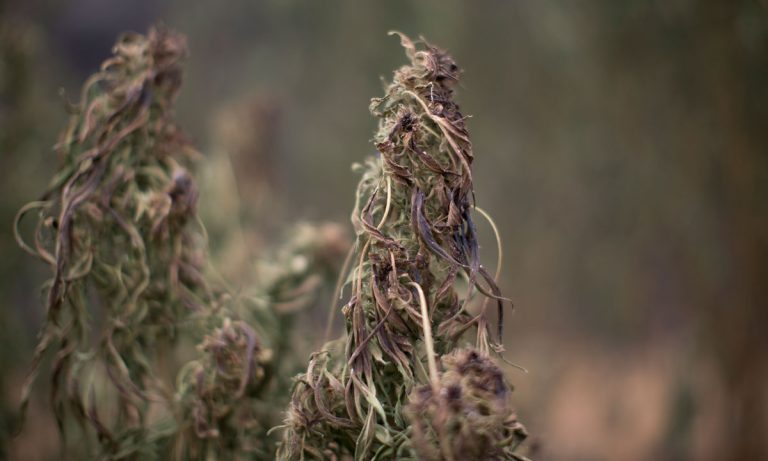
Here’s something that never would have happened without marijuana legalization: A California cannabis farmer received a $1 million insurance payout after ashes from the deadly wildfires destroyed his crop.
According to a report in the Santa Barbara Independent, many Northern California cannabis farms damaged by last fall’s wildfires were uninsured. But one grower in Carpinteria, a small oceanside city located in southeastern Santa Barbara County, will get compensated for his losses.
According to the report:
“A lot of this wasn’t insurable,” said Matt Porter, a vice president at Brown & Brown Insurance, one of the largest firms in the world. But in the last several months, Porter and his colleagues have won over area cannabis operators. They now have about 20 clients in Carpinteria and Lompoc, he said. They are expected to get up to $8 million in insurance claim payments for their Carpinteria clients.
Mere months before the Thomas Fire spread throughout large chunks of the state, Porter had written the crop insurance policy for the Carpinteria cannabis grower, the Independent reported. The policy language covered “change in atmospheric conditions” — that triggered the $1 million payout.
White ash particles circulated throughout the region, damaging the marijuana crop with high levels of asbestos, lead, arsenic, and magnesium.
A little bit of bad news: Because the payout was so large, the insurance carrier will no longer cover cannabis farmers. Porter said he is in talks with other carriers in Europe to fill the gap.
Last summer and fall, wildfires torched the western states, damaging property, homes and farms throughout the region. In Northern California alone, the National Interagency Fire Center estimates that 411,742 acres were destroyed or damaged by 3,692 fires.
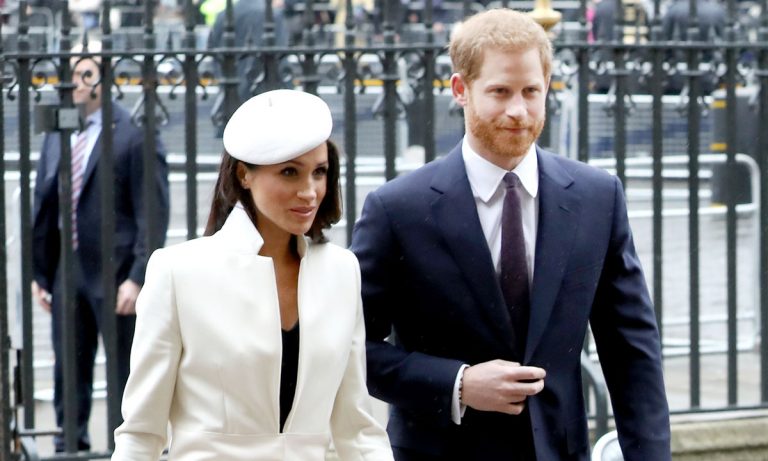
It’s hard to imagine Prince Harry and Meghan Markle not being under the media spotlight, but there was a time when the couple was quietly dating and no one suspected a thing.
Katie Nicholl, the world’s foremost expert on British royals, sat down with Town & Country to discuss her new book, Harry: Life, Loss and Love, where she discusses how the couple managed to keep things on the DL and how Markle was different than Harry’s previous girlfriends.
Nicholl has written books on British royals for most of her career, publishing different best sellers such as William & Harry, Kate: The Future Queen and Making of a Royal Romance.
She expresses that Prince Harry is quite talented at flying under the radar and keeping his business to himself, like Prince William and Kate. Harry used his usual set of tricks to keep his relationship with Markle under the radar and away from the media, taking scheduled flights, wearing baseball caps and dressing casually. Markle tended to visit him in London, where they could have more protection within the Palace.
They also spent some time in Toronto, where close friends would host them. According to Nicholl, Harry and Meghan were open with their inner circle of friends, who respected their relationship and helped them maintain their secret.
She also claims that Markle was different from Harry’s other girlfriends because she was older and knew what she wanted and what she had to give up to be a part of Harry’s life. Nicholl says “I think it was quite significant that she is older than him. This is a woman with experience, and I think that was a real call for Harry. Up until then, the two big loves of his life who he did truly love were younger, more inexperienced, less willing to accommodate everything his lifestyle brought with it.”
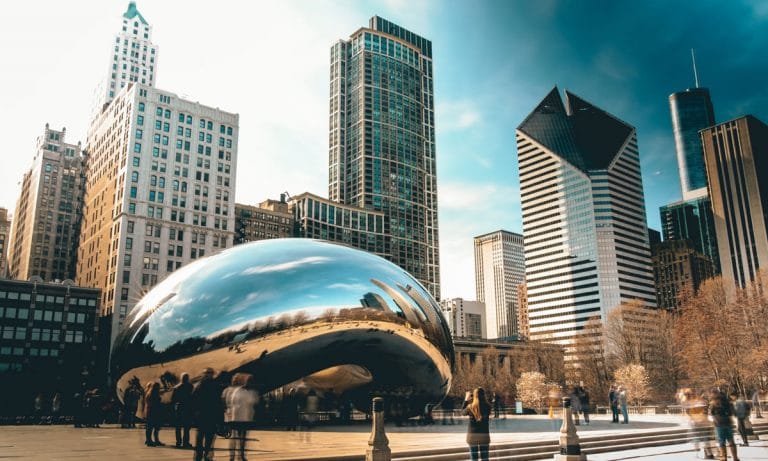
Illinois voters want state lawmakers to know that the time has come to drag marijuana from the underground and legalize it for recreational use. Two-thirds of the population want legal weed, according to ballot questions pushed through earlier this week in Cook County.
On Tuesday, 63 percent of voters responded “yes” when asked in a referendum, “Shall the State of Illinois legalize the cultivation, manufacture, distribution, testing, and sale of marijuana and marijuana products for recreational use by adults 21 and older subject to state regulation, taxation and local ordinance?” Nearly 260,000 people stood up in support of changing the state’s law against marijuana, while around 150,000 voted against it.
Although the ballot measure is non-binding, state lawmakers now know where the public stands on the issue of legal weed. For the past several years, legislation designed to bring a taxed and regulated cannabis trade to the Land of Lincoln has been discussed in the halls of the General Assembly. But there has not been enough support to bring it to fruition.
Republican Governor Bruce Rauner hasn’t helped matters. Calling it a “mistake,” he believes the state should wait and see what happens in Colorado and California “before we make any decision about it here.” The governor says he is concerned that drug addiction rates might skyrocket if this reform is allowed to take hold.
But there are potential leaders in line for the governor’s seat who do not feel the same.
Voters all across the state hit the polls on Tuesday to pick gubernatorial nominees. Some of the Democratic candidates, including Tuesday’s fan favorite, billionaire businessman J.B. Pritzker, have said that legalizing the leaf would be one of their first lines of business if elected. But Rauner is still holding strong in the primaries. The outcome of marijuana legalization could ultimately come down to which candidate take the reins.
“This campaign is about a fight for economic security about jobs, and wages, health care, education and human services for working families in Illinois,” Pritzker told the Chicago Tribune.
The Democratic nominee understands that legal marijuana would be a boon to the state economy. Some of the latest data shows the state stands to generate in upwards of $700 million a year in tax revenue through the sale of recreational cannabis.
Illinois continues to struggle with budgetary issues, so there is a desperate need for this form of income boost. A report published last week by Forbes shows that marijuana legalization can help rebuild struggling communities.
It’s been a popular claim with marijuana proponents that cannabis can help regrow brain cells, and it can…in animals. New research reveals that while experiments on rodents and other mammals have showed some brain cell regrowth in the past, it’s not quite the same with human adults, unfortunately.
That’s not great news for those suffering from degenerative brain diseases like dementia, ALS and Alzheimer’s. But it is a little more hopeful when you take into account that this study focused solely on the hippocampus and that other parts of the brain that marijuana may have had an effect on were not documented, at least for this research.
…a team led by Arturo Alvarez-Buylla at the University of California at San Francisco completely failed to find any trace of young neurons in dozens of hippocampus samples, collected from adult humans. “If neurogenesis continues in adult humans, it’s extremely rare,” says Alvarez-Buylla. “It’s not as robust as what people have said, where you could go running and pump up the number of neurons.”
That polarizing statement, as you can imagine, has been debated by people like Heather Cameron from the National Institutes of Mental Health, who tells The Atlantic, “There is a long history of concluding that adult neurogenesis doesn’t exist in a given species based on difficulty in identifying new neurons. This happened in rats and then in nonhuman primates, both of which are now universally acknowledged as showing adult hippocampal neurogenesis.”
The debate over whether or not humans can regenerate brain cells is still, well, up for debate. It will likely only be fully known what’s possible as more and new research is conducted.
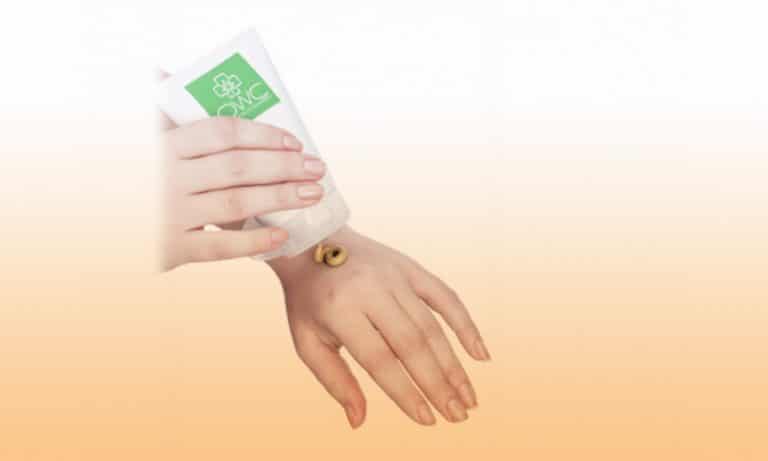
An Israeli developer of cannabinoid-based therapies targeting a variety of different medical conditions and disorders, announced it has received Institutional Review Board (IRB) approval to conduct safety testing on its proprietary topical crème compound for the treatment of psoriasis and related skin conditions.
The approval follows OWC Pharmaceutical Research Corp’s extension to the size and scope of its efficacy study on the same compound, which began November of 2017.
The IRB approved study encompasses the cream itself, as a delivery mechanism, as well as the proprietary psoriasis formulation, and is the first to formally make such claims with the NIH Registry. The double-blind study, which will be conducted on healthy volunteers at one of Israel’s leading academic hospitals, is designed to demonstrate the safety of the formulation in treating psoriasis on human skin tissue. Administrators began soliciting for study participants as soon as approval was received.
“This approval is a significant milestone for OWC, where our mission is to bring the same rigorous approach common to traditional pharmaceutical development to the medical cannabis field. As we reported earlier this year, the results of our efficacy studies were so encouraging that management decided it was in our interest to extend the size and scope of the study to check the biological markers that had been generated to date, among other things, “ said Dr. Yehuda Baruch, OWC’s director of research and regulatory affairs.
Dr. Baruch went on to say, “With each study we conduct, the ability of our formulation to provide relief for psoriasis-related symptoms to patients suffering from the condition are substantiated. The study that was just approved was designed to assure patients and caregivers that it is safe to use outside of laboratory conditions.”
Ziv Turner, vice president of business development and managing director of One World Cannabis, Ltd., the company’s wholly-owned subsidiary, went on to say, “As soon as we announced the formulation of our psoriasis treatment we began receiving requests for the product from patients suffering from the condition. After many years of research and development, this is the final study as we prepare to introduce it to the market. We expect to the program will be in full swing by the end of the month and hope to have it completed by during the second quarter of 2017, and in the hands of patients shortly thereafter.”
Psoriasis is an autoimmune disease that causes red, scaly patches to appear on the skin, and can be associated with other serious health conditions, including diabetes, heart disease and depression. Skin cells in patients with psoriasis grow at an abnormally fast rate, causing a buildup of lesions that tend to burn and itch.
While the real cause of psoriasis is not known, genetics are believed to play a major role in its development. According to the National Psoriasis Foundation, psoriasis affects 7.5 million people in the United States.
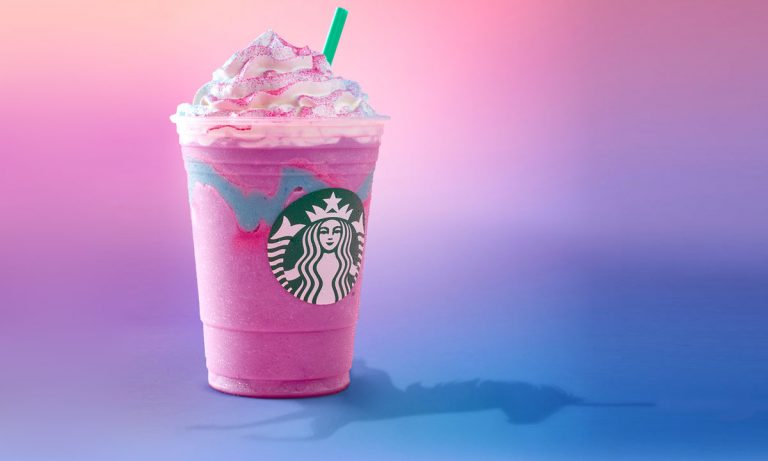
Not one to back down from a viral Instagram drink idea, Starbucks is debuting a new Frappuccino called the Crystal Ball, specifically to appeal to social media. The drink, just like the wildly successful Unicorn Frapp, is colorful, whimsical and photo ready.
While Starbucks corporate headquarters has yet to confirm the release date of the turquoise, peach-flavored drink, baristas are already posting pics online and neighborhood shops are not exactly being quiet about it either. According to them, the drink will make its debut Thursday and only be available for four days, or while supplies last.
https://www.instagram.com/p/BgfYuV6gvjk/
The Crystal Ball Frappuccino doesn’t look quite as impressive as the radioacative-colored Unicorn, although it does sound just as cavity-inducing: a cream-based Frappuccino flavored with peach syrup and topped with whip and rock candy.
https://www.instagram.com/p/BggQ8XNgfDJ
If you recall, the Unicorn Frappuccino was so popular, baristas were threatening to quit over it, because they could barely keep up with demand (and those multi-step drinks are a bitch to make!). But for every barista who snarled at the thought of having to make the intricate drink, there were about a thousand pics posted on Instagram, creating FOMO one fluoride-colored swirl at a time.
As Business Insiderreports, Starbucks’ Frappuccino sales haven’t been as successful as the Unicorn Frapp would have you think. In fact, sales have sucked for the past two years, with the company announcing plans to end its popular Frappuccino Happy Hour after the promotion failed to spike sales last summer.
However, the Unicorn Frappuccino did drive sales significantly when it debuted last April. And now, the company is hoping that lightening strikes twice with the Crystal Ball. If only the drink could actually see into the future we’d already know the answer.
Sipping and clicking is a boon for the economy. Like, to the tune of $30 billion.
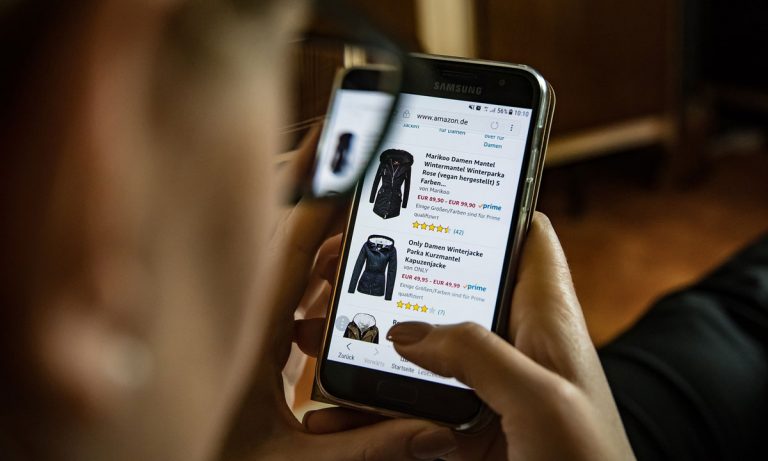
A new survey by Finder, which exists to help people make better financial decisions, shows that after just a couple of innocent drinks, all hell can break loose online. The number of people who purchase items online after getting a little buzzed? 68 million. And those are just the ones who admitted to drunk shopping. That number translates to about $447 per person spent — double the numbers from the previous year.
Here are some other statistics:
According to Finder, nearly 61 percent of shoppers say they spend the most on food when they’re tipsy—duh— followed by shoes and clothes (25.09 percent) and gambling (24.91 percent).
And while the survey finds that Millennials are most likely to shop while drunk, Gen Xers spend the most money on their drunk purchases, averaging $738.87 per purchase — more than triple the amount that millennials spent.
The study also finds something pretty interesting, seeing as how women are plagued with the stereotype of being shopaholics:
Surprisingly, men spend almost double that of women when under the influence, averaging a total $564.51 per spend, compared to women, who spend an average $282.65. Compounding this, men are also more likely to buy while boozed up, with 48.19 percent of men who drink regularly admitting to a drunken shop, compared with the 41.36 percent of women who do so.
And it’s absolutely not surprising that single people spend more while under the influence than married people: 55.78 percent vs. 43.63 percent. However, those married folk are likely to spend twice as much on “spontaneous drunk purchases” than their divorced counterparts: $327.62 vs. $147.71.
Katy Perry and Taylor Swift are never, ever, ever getting back together as friends. The two have been embroiled in one of the lowest-stakes celebrity beefs for a couple of years now, using the drama as source material in their pop songs.
All has been quiet on the beef’s front this year, until Perry fired a shady salvo on ABC’s yes-they-really-did-reboot-it reboot of “American Idol”. On Sunday night’s episode, judge Luke Bryan asked a contestant if there was anyone he “looks up to as an artist.”
The contestant, a sweet-looking, slightly nerdy boy, looked nervously at Perry. “I’m sorry for this, Katy,” he said, as the music cut out. “Taylor Swift. I love Taylor Swift.”
Perry knows a shade opportunity when she sees it and, with great aplomb, told the young man he didn’t need to apologize. “Oh, you don’t have to be sorry,” she said. “I love her as a songwriter as—as well!”
Welcome to the Royal Family, where unborn members get their own websites before they’re old enough to scroll. While we’re all over here fumbling with Square Space, Royal Baby Number Three has Buckingham Palace at their mercy.
The arrival of Prince William and the Duchess Kate’s third child is about a month away — she’s due April 23 — and the couple already has a new webpage dedicated to the newest bundle of joy, set up on the royal family’s official website. The baby’s website, according to Hello! Magazine, promises to share updates about the new arrival as soon as they become available, in addition to the Kensington Palace Twitter account (not to be confused with the Royal Family Twitter account).
It was officially announced last September that Will and Kate were expecting their third child. The statement released from Kensington Palace read: “The Duke and Duchess of Cambridge are very pleased to announce that The Duchess of Cambridge is expecting their third child. The Queen and members of both families are delighted with the news.”
It’s no secret that Kate has been suffering through some serious morning sickness, a condition called Hyperemesis Gravidarum. She went through the same thing with Prince George and Princess Charlotte.
As Kate nears her due date, the sex of the baby is still under wraps. Many believe it’s a girl, because Kate keeps wearing pink outfits. Plus, the way she’s carrying her baby (low and wide) suggests that she may be expecting another little princess, if you believe old wives tales.
The Mirrorreports that when it comes to playing the odds, Mary is the favorite name for the new Royal, followed by Alice and Victoria. And if it’s a boy? Albert and Arthur are the top bets.
Although craft beer has experienced explosive market growth over the past 25 years, the vast majority of Americans still don’t drink it.
Only about one in eight beers sold in America is a craft beer. For the first time, the three best-selling beers in America are light beers: Bud Light, Coors Light and Miller Lite. Bud Light alone has a greater market share than all craft beers combined.
So while the selection has broadened dramatically, most people’s tastes have not. Even craft beer companies are adjusting to this reality: A recent Chicago Tribune article noted that craft breweries are releasing beers that are “less hoppy and in-your-face” in order to appeal to the majority of Americans who prefer “big corporate lagers.”
In other words, they’re brewing blander beers.
How did Americans come to prefer such bland beer? As an economic historian, I’ve extensively researched the political economy of alcohol prohibition, and the unique history of the US temperance movement might bear some responsibility for country’s exceptionally bland beer.
The ‘Lager Bier Craze’ Clashes With Teetotalers
Unlike European countries with beer preferences and styles that have evolved over centuries, America lacks a homegrown brewing tradition.
The classic American beer is an “adjunct pilsner,” which means that some of the malted barley is replaced with corn or rice. The effect is a beer that’s lighter, clearer and less hoppy than its counterparts in countries like England, Germany and Belgium.
In colonial America, English-style beers and ales predominated, but rum and then whiskey were the drink of choice. Cider, easier to make at home, overtook beer by the early 19th century.
However, the American beer market grew during the great mid-19th century wave of German immigration. German lagers were an immediate hit, partially because the German brewing method of bottom fermentation – which involves a relatively long fermentation period and cold storage – made for a more consistent, storable product than top-fermented ales. The lagers were also mellower, though they were dark and hearty compared to what would become popular later.
But the “lager bier craze” dovetailed with another big trend: the temperance movement, which at various times sought to reduce problem drinking, reduce drinking more generally and eradicate alcohol consumption completely. From 1830 to 1845, the temperance movement gained momentum as more and more Americans were taking voluntary “temperance pledges” and giving up spirits and cider.
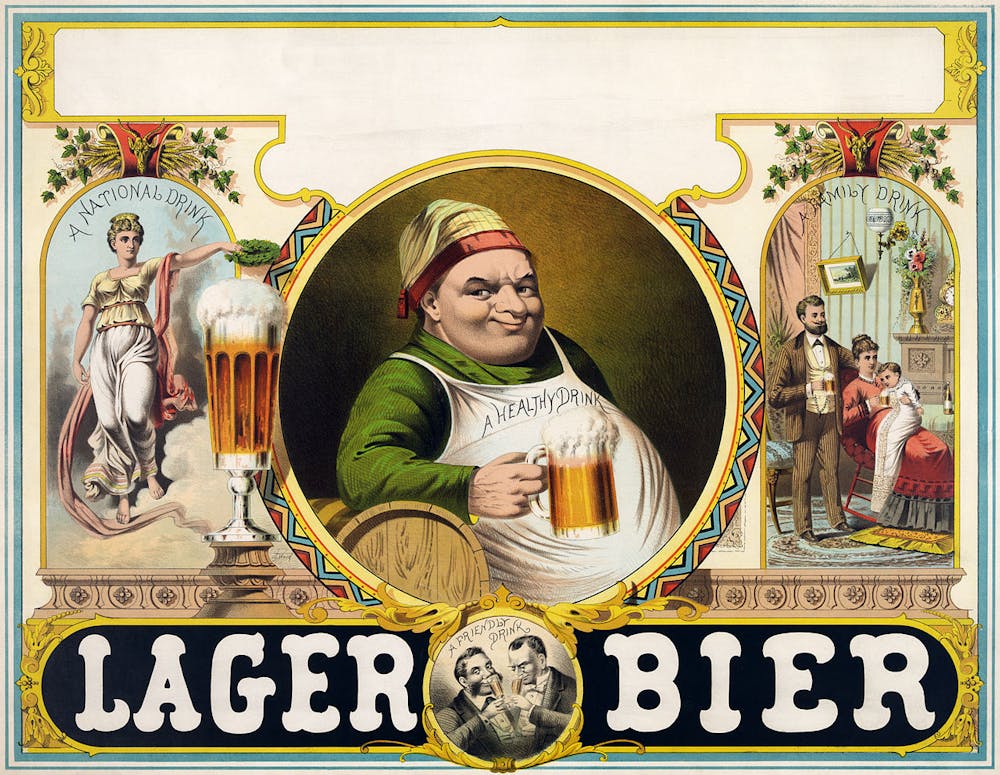
A print from the 1800s promotes ‘lager bier’ as a ‘healthy drink’ and a ‘family drink.’ Library of Congress
German brewers always maintained that beer was a “temperance beverage,” unlike ardent spirits such as whiskey. And indeed, European temperance movements did tend to regard beer as relatively harmless.
But activists in the American temperance movement – which by then had become more about abstinence and intertwined with evangelical Protestantism – didn’t buy the argument. The 1850s saw the first big push for state-level prohibition laws, which ended up being passed in a handful of states. Those laws didn’t last for a variety of reasons (including the Civil War), but they did serve notice to the brewers that they needed to work harder to convince the public that beer was a temperance beverage.
Perfect For A Midday Drink
In the 1870s, American beer would become mellower still with the advent of a new type of lager: the Bohemian pilsner. Clearer, lighter and blander than the Bavarian lagers that had previously dominated the market, pilsners looked cleaner, healthier, more stable and less intoxicating.
As an 1878 issue of the trade publication Western Brewer noted, Americans “want a clear beer of light color, mild and not too bitter taste.”
Brewers and drinkers who wanted to avert the temperance movement’s gaze naturally chose light pilsners over dark lagers. But lighter beer also was a good fit for the long hours of American factory workers, many of whom ate at saloons between shifts. Coming back to work drunk could get you fired, so if you wanted a beer or two with the salty saloon fare, the weakest beers were the best bet.
Pragmatism and personal taste soon became intertwined. Anheuser-Busch introduced Budweiser in 1876 – whose rice adjuncts produced an even milder beer – to great success. Pabst Blue Ribbon, with its corn adjuncts, became a national sensation as well.
In 1916, Gustave Pabst, the son of Pabst Blue Ribbon’s founder Frederick Pabst, told the United States Brewers Association that “the discrimination in favor of light beers (is strongest) in those countries where the anti-alcohol sentiment is strongest.”
Nonetheless, the drumbeat of the temperance movement started getting louder.
Prohibition Leaves Its Mark
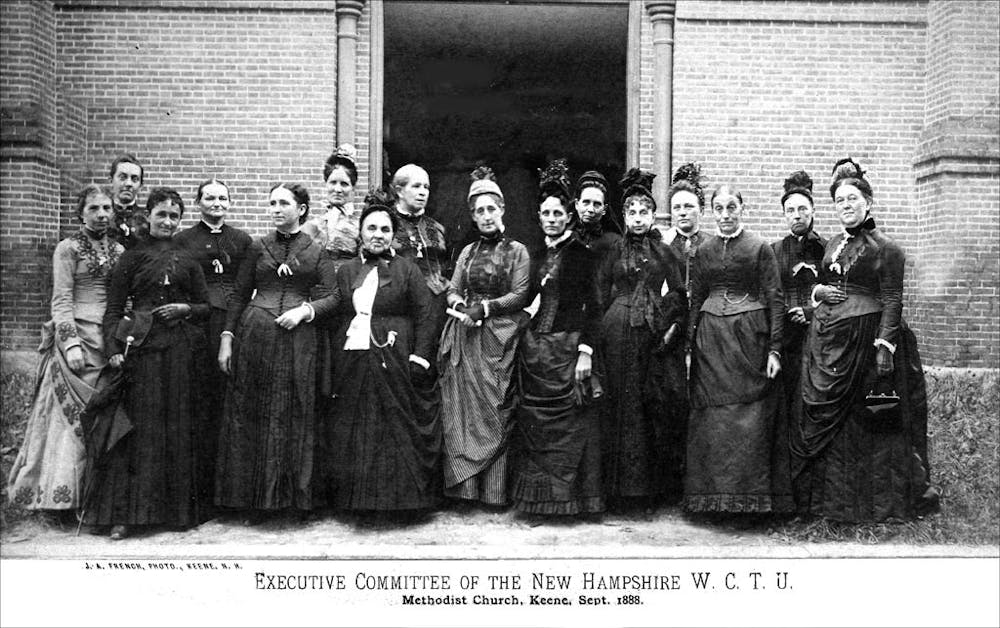
By the late 19th and early 20th century, the temperance movement had returned in force. Efficient organizing campaigns by the Woman’s Christian Temperance Union and the Anti-Saloon League led to a new wave of state and local prohibitions and, finally, a push for national prohibition.
National constitutional prohibition, as decreed by the 18th Amendment and the Volstead Act, was devastating to the beer industry in the short term. But in the long term, it further laid the groundwork for a nation of bland beer drinkers.
Careful estimates by economist Clark Warburton found that alcohol consumption during Prohibition may have actually risen for wine and spirits but fell by two-thirds for beer, which was harder to conceal. Although Prohibition may have introduced a generation of young people to cocktails, they had hardly any exposure to beer – and certainly hadn’t acquired the taste for hearty beer.
In March 1933, eight months before the 21st Amendment repealed Prohibition, Congress modified the Volstead Act to allow the production of “non-intoxicating,” low-alcohol beer and wine, with a maximum of 4 percent alcohol by volume.
The new, watered-down beer was a huge hit with the public, which hadn’t tasted a full-strength legal beer since 1917. Dark beers and ales had accounted for some 15 percent of the market before World War I. But in 1936 their share was just 2 to 3 percent. In 1947, researchers at Schwarz Laboratories analyzed the alcohol, hop and malt content of American beers in the 1930s and 1940s and remarked that many of these early post-repeal beers were “too hoppy,” “too heavy and too filling” for consumers’ tastes. The report noted “a corrective trend” in which brewers sharply reduced their hop and malt content.
More adventurous brewers and drinkers were also stymied by post-Prohibition laws. State and federal policies effectively banned homebrewing, and most states required a “three-tier” system of brewers, distributors and retailers that made it more difficult to make and market specialty beers.
The blandification of American beer continued for another 70 years. During World War II, American troops got 4 percent alcohol beer in their rations, exposing yet another generation to the joys of weak beer. The hop and malt content of beer fell sharply and steadily over this period. Hop content fell by half from 1948 to 1969, and the rise of “lite” beer in the 1970s accelerated the trend. Hop content fell 35 percent from 1970 to 2004.
Despite the phenomenal rise of craft beer, light beers are still dominant. The craft beer explosion is a remarkable story, but perhaps we should stop calling it a revolution.


 For now, bland beers are still king.