As Chief Evangelist Officer, Simmons, 68, will be charged with working on “branding strategy for the recreational market that is anticipated to be legal in Canada in 2018,” the company said, adding, “His responsibilities will include providing marketing counsel, serving as a spokesperson in the media, public appearances and participation in the Company’s annual general meeting and investor meetings, among others.”
“Values and family are very important to me, and when I first connected with Dan (Kriznicat, Chairman and CEO at) Invictus, I understood immediately that we enjoyed a shared passion for these key life foundations,” Simmons said. “Instead of launching straight into business, we talked about the things that matter the most.”
What has seemingly mattered most, marijuana-wise, throughout Simmons career, has been his repeated denunciation of drugs and alcohol.
“I’m not here to convince anyone of my lifestyle,” he said. “This is what I want for me,” he told the Los Angeles Timesin 2016, adding he said he doesn’t understand why someone would choose to hamper their ability to succeed by drinking and doing drugs.
My father prides himself (read: brags about it to anyone who asks) on never smoking, drinking, or getting high in his life—save for one incident when some “special” brownies were mistaken for… well, normal brownies … He is still, to this day, profoundly anti-drug.
… I knew people who smoked pot. Most people I knew drank. But I could not bring myself to conclude, as he did, that any negative health impacts of those choices were deserved. Life is risk, after all. I realized that I don’t believe marijuana and alcohol should be treated the same as heroin and cigarettes.
Part of the deal, according to the Invictus, includes acquiring “all the issued and outstanding shares of Gene-Etics Strains Co.” from Simmons.
KISS formed in 1973. The band, known almost as much for their wild theatrics and stage makeup as their pop-metal, was inducted into the Rock and Roll Hall of Fame in 2014. Simmons onstage persona, The Demon, breathes fire as part of the show. The band has sold over 75 million records worldwide.
He and his family were the subjects of the A&E reality show Gene Simmons Family Jewels from 2006 to 20012.
Born and raised in Boulder, Colorad0, 20-year-old Danny Sloat was experiencing chronic stomach pain and debilitating illness. After several extended hospitalizations, doctors were unable to provide a diagnosis and began treating him with opiate medications. It wasn’t long before his condition worsened and he found himself dealing with a multitude of issues including a non-cancerous brain tumor. By 2009 Danny was taking 19 different prescription drugs.
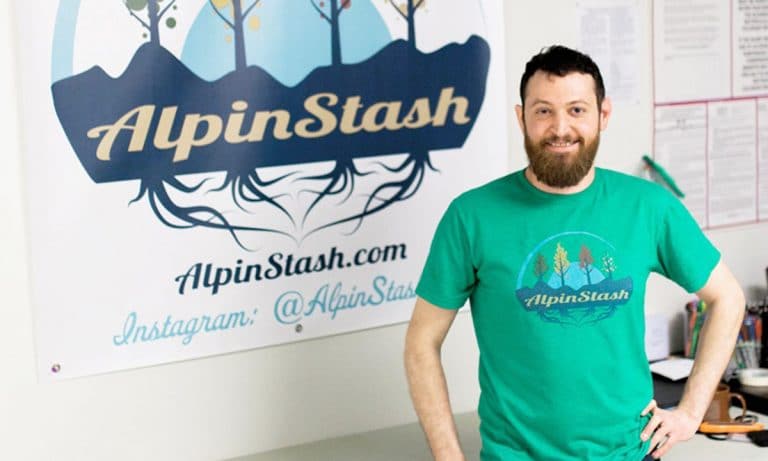
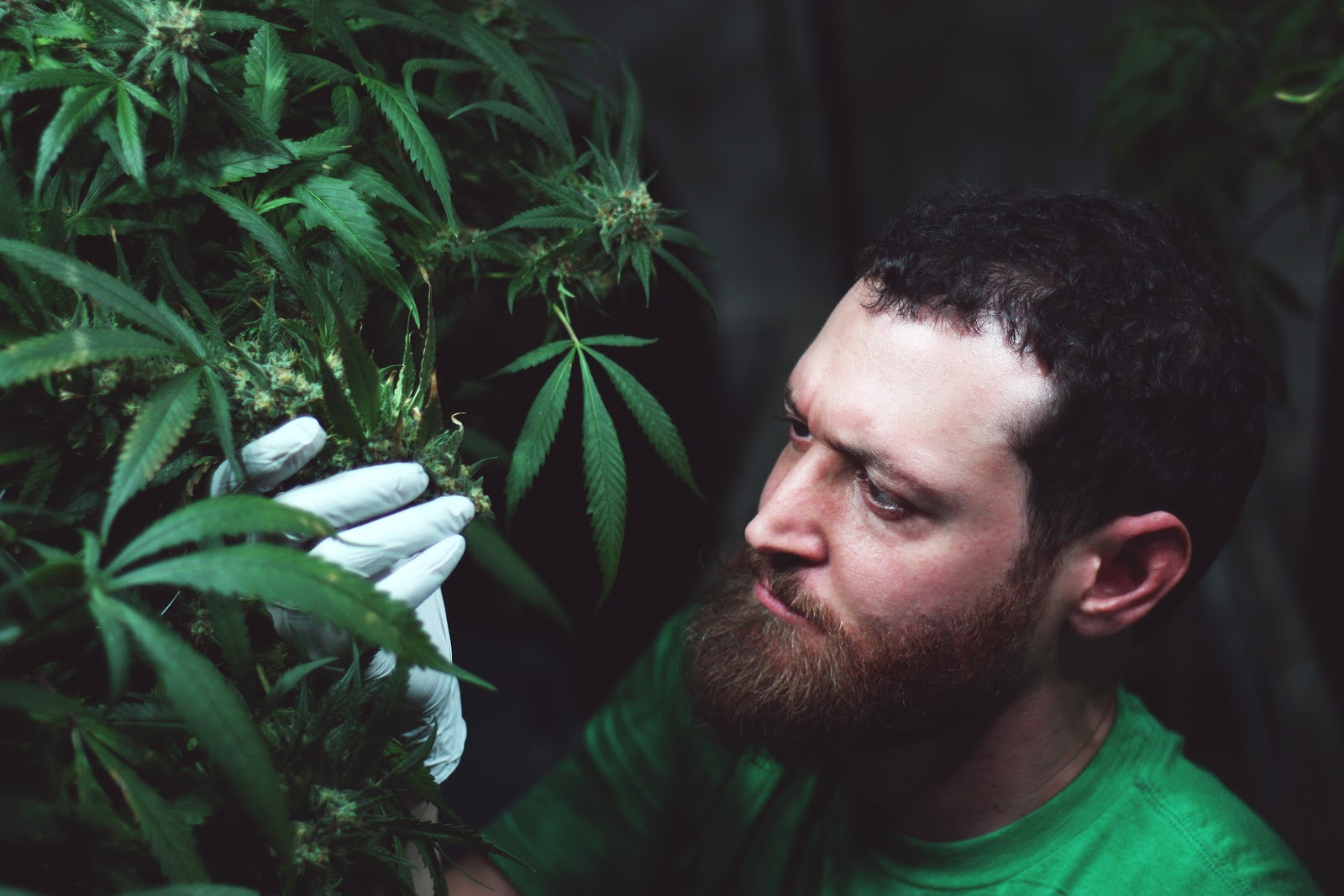
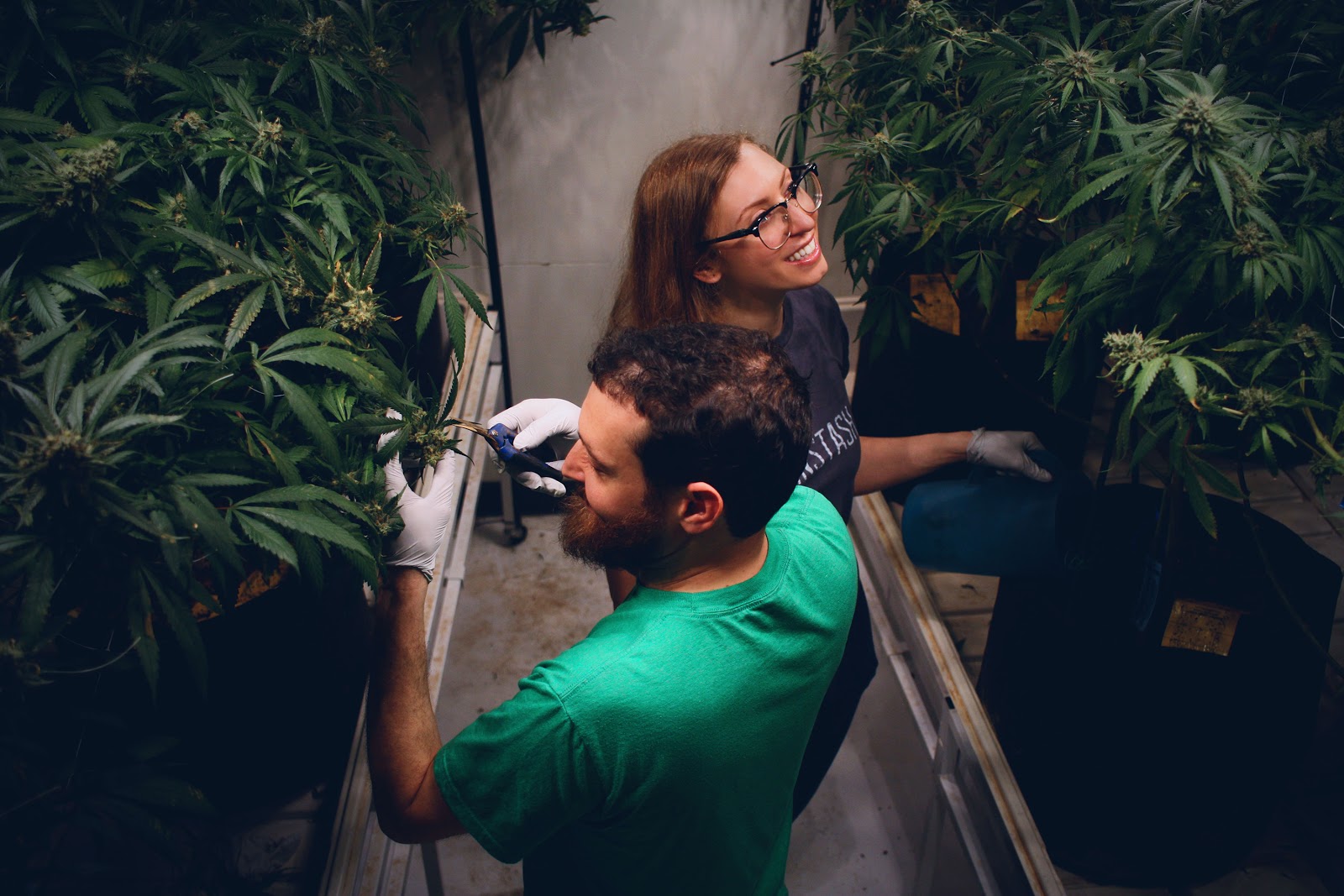
Refusing to live a life of dependency, Danny followed his father’s advice and began treating his symptoms with medical cannabis. It wasn’t long before he was able to wean himself off pain medication. After discovering the therapeutic quality of growing cannabis he started Alpinstash where he works alongside a team of talented women: his fiance Murr, sister Emily Sloat and family friend Sylvia Sylvia Anchondo.
We spoke with Danny and to get the scoop on his inspiration story and how cannabis changed his life.
The Fresh Toast: What are the benefits of using medical marijuana? Danny Sloat: With prolonged opiate use, especially with chronic pain, the pain actually gets worse. The more sedentary you are, the more your body has issues. Medicating with cannabis has allowed me to find relief and cut back on pharmaceutical medications. It didn’t improve my conditions, as much as it improved my sense of pain. When you’re in a chronic pain and opiate therapy cycle, you take your medication but you don’t necessarily feel better. Sometimes you feel a little better in a little bit less pain, but it’s not like you take it and the pain disappears.
How is medicinal cannabis superior to prescription pills? Pharmaceuticals takes the edge off or makes you not care as much. Or, you get so drugged out that you’re not present. Whereas, cannabis actually provides relief and allows me to focus on whatever I’m doing. It gives me the ability to forget the issues I’m having and pay attention to other areas of my life. Whether I’m watching a movie or exploring naturel, I’m able to find that emotional space away from the pain. Finding a holistic alternative to painkillers, something that makes me feel better physically and emotionally is huge.
What is the difference between conventional cannabis and craft cannabis? If you’re lucky enough to live in an area with good soil and you’ve got some knowledge about how to grow, you can plant a seed in the ground and get a good result. It’s the same with home growers. It’s not hard to grow a good plant, but to get it to an A+ level and in that 90th percentile, you have to have all aspects covered. Really, the difference between conventional cannabis and craft cannabis can be distinguished by the quality of the product itself, how often you can get those results, and the quality of the cure. The cure quality is an important aspect that’s underlooked in most markets.
Your fiance has experience with chronic pain, which inspired her to get into the cannabis world. Would you like to share her story? My fiance Murr grew up playing hockey. She’s been playing for 30 years. As a result, she has a chronic back injury. She uses cannabis for pain relief. In particular, Murr enjoys AlpinStash’s CBD strains like Sister Wife. Strains high in CBD take her pain from a seven or eight down to a two.
Photo by Emerald Lens
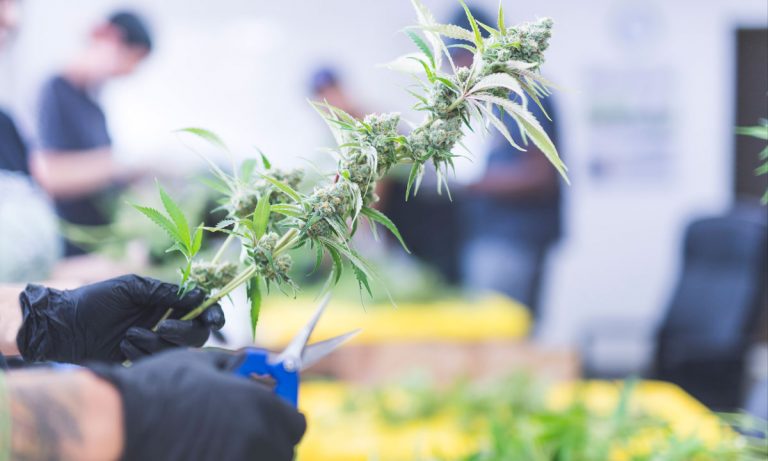
What makes AlpinStash unique? We’re a small craft cannabis grow dedicated to quality. I have asthma and my lungs are sensitive. I started this whole operation to grow the cleanest and best product I could find. Everything we do, we put our heart and soul into. Our end product is going to be some of the smoothest and most flavorful flower you can find. We use Nectar for the Gods, which is a sustainable and natural nutrient system handcrafted in Oregon from reclaimed rainwater, free range organic cow bones, and high quality nutrients that help us produce a high quality and clean plant. We hand trim everything, and cure the buds in glass for a minimum of a month — often two or three months. I can’t say enough how important a really good glass cure is under the right conditions. It makes all the difference in the world in terms of quality. It produces a smoother smoke and better high, and a more flavorful experience. It’s so underlooked and underutilized in the commercial market where many try to rush products out the door. We put all our efforts into making the cleanest product that we can, using sustainable gardening practices with a focus on having the smallest carbon footprint possible.
What long term goals do you see for Alpinstash? We’re getting heavy into the breeding side of things, and one of my long term goals is offering CBD and THC genetics to the public. Here in Colorado at first, but as business moves nationally, I would love to offer our genetics across the country. We offer unique and novel genetics, including CBD heavy strains of varying ratios — from 1:1 all the way up to 30 or 40 to 1. We’re always innovating. We’re always trying new things.
AlpinStash will always be a small, handcrafted craft cannabis company. I would love to see the market move in the direction where people value quality. Also, I want to share the knowledge I have. I want to empower people to grow their own cannabis plants in an eco-friendly way: Why is it important to use organic based nutrients and incorporate sustainable gardening practices? Why is important to know what goes in and on your plants, and therefore in your body? I’m very accessible, so if anyone wants to reach out, send an email to Dan@AlpinStash.com or connect with me on our social media platforms.
Red Sparrow is a lot to take in. The film stars Jennifer Lawrence and is directed by Francis Lawrence, the guy who directed The Hunger Games part 2, The Hunger Games part 3 and The Hunger Games part 3.2. The fourth collaboration of the Lawrences should make for a familiar formula, but Red Sparrow is anything but. It’s the complete opposite of a young adult romantic drama. Don’t take your kids.
Red Sparrow is like a a test of resistance. It’s slow-paced, extremely and realistically violent, and all sorts of campy (those Russian accents?). It’s a movie that while not for everyone, is much better, or at least more daring, than half of the movies that are being made in Hollywood today. That’s including The Hunger Games part 1,2,3 and 3.2.
One of the weirdest aspects of the movie— and there’s a lot of them— is the fact that Charlotte Rampling, a 72-year-old academy award nominated actress, is the Headmistress at a “whore school.” If you don’t know anything about Red Sparrow, the plot of the film revolves around Dominika Egorova, a prima ballerina who suffers an accident and is left unable to dance. She does something dumb afterwards and, with no other options left, joins Sparrow School, a secret evil agency where people are trained as sex spies. This all happens because it’s Russia, and that apparently makes sense.
In Sparrow School, aka Whore School, as Dominika lovingly refers to it, there’s the Matron. Portrayed fearlessly by Rampling, this lady is meant to turn Dominika into a weapon of sex, capable of extracting all sorts of information with the use of her sexuality. Sparrow School is a place where they train sex monkeys because there’s nothing sexier than a Russian girl, at least in the eyes of Hollywood.
Throughout the movie, Jennifer Lawrence proceeds to dance, train, get naked, get beat up, and get naked again until the film’s closing moments. It’s fun and good if you can tolerate the poor accents and the unending twists and turns, but the reason you should stick around is because of Charlotte Rampling’s sex-ed lessons which will make you question the meaning of life.
A Connecticut businessman has come up with a unique argument against cannabis legalization: Giving consumers choice is bad for his business.
George Motel, co-owner of Sunset Meadow Vineyards and President of the Connecticut Vineyard and Winery Association (CVWA), submitted testimony earlier this week to the Connecticut General Assembly regarding a bill that would legalize and regulate the retail sale of marijuana.
In the letter, Motel wrote that:
…alcohol sales have dropped 15% in states with medical marijuana laws. That’s a large percentage of revenue these wineries cannot make up for, and could drive good jobs and businesses out of Connecticut in a struggling economy.
Of course, Motel failed to omit that creating a new industry would more than make up for the jobs lost. His other arguments were even less logical.
The bill failed to advance out of the General Assembly’s General Law Committee on Tuesday, despite public testimony in favor of the legislation. The vote was 11-6 against the bill and all three committee co-chairs voted no.
H.B. 5458 was one of just five bills marijuana legalization measures currently in the legislature. One of those other bills could still make it the floor.
I am here in my capacity as the President of the CT Vineyard and Winery Association (CVWA) in opposition to HB 5458 An Act Concerning the Regulation of the Retail Sale of Marijuana.
From a business perspective, Connecticut small wine farms are deeply concerned with the liability that accompanies the regulation and retail sale of marijuana. Wineries are responsible for the well-being of their patrons. Since small wine farms already serve alcohol on premises, monitoring customers for yet another intoxicant such as marijuana puts a dangerous and costly burden on business owners. In the event of an accident, the winery bears the burden of defending themselves and paying the price. Furthermore, hiring and training staff to monitor and enforce a ‘no smoking’ policy on expansive vineyard property simply isn’t feasible – especially with the inconspicuous vaping technology surfacing in other states with similar marijuana laws.
In recent years, the Connecticut state legislature has passed a number of bills that have negatively impacted small farm wineries – Sunday sales, tastings in liquor stores, etc. HB 5458 has the potential to threaten sales beyond that of any recent legislation. Researchers from the University of Connecticut teamed up with top academics in January of this year to determine that alcohol sales have dropped 15% in states with medical marijuana laws. That’s a large percentage of revenue these wineries cannot make up for, and could drive good jobs and businesses out of Connecticut in a struggling economy.
HB 5458 has the potential to harm the local wine industry that has benefited Connecticut residents and tourists alike for decades and we urge your opposition. Thank you for reviewing our testimony.
While we’re all paranoid about being spied on, going as far as covering up our computer cameras and distrusting social media ads, China is taking their “security” measures to the next level, arming their police officers with special glasses that can tell them all about you in seconds.
According to Reuters, these glasses were first seen in action around a month ago, when the police captured seven travelers that were using fake papers during a test at Zhengzou station. Now, the glasses are being used on the outsides of Beijing, to check car registration plates and passengers.
Paper Magazine claims these AI surveillance glasses are capable of snapping photos of people’s faces and cross checking them with the police’s database; revealing the person’s name, gender, age and ethnicity in one tenth of a second.
The main concern in all of this extreme surveillance is not the prevention of crimes but the monitoring of people that the government of China disagrees with, such as human rights activists, journalists and political dissidents of the country. This technology puts them all in danger, facilitating negative consequences over no criminal activity.
These smart glasses also give police officers the ability to do background check son any person that they think is “suspicious.” Let’s all hope that these glasses don’t become more important, and that the technology isn’t adopted by other countries.
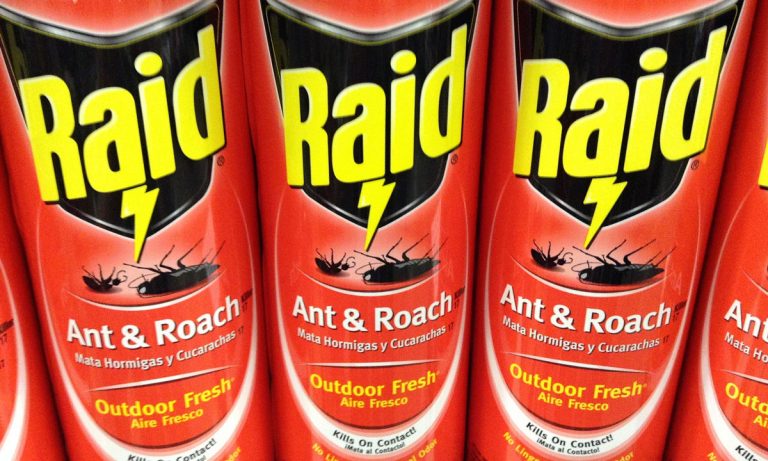
There is a frightening new trend erupting deep in the middle of the drug culture that stands to kill people dead. In the Midwest, drug addicts are reportedly getting high on a variety of substances doused in common household bug sprays, like RAID. It is a problem that has emergency officials both dazed and confused, as this bizarre new street drug comes with devastating effects. Convulsions, coma and cardiac arrest, have all been reported.
But there is one area of the country where this lunatic fashion is gaining the most traction.
In Indianapolis, Indiana, emergency responders have reportedly witnessed an increase in people overdosing in the streets from the bug drug. It was just last month that medics were called out to the vicinity of a local homeless shelter to clean up the aftermath when dozens of people high on insecticide-infused dope began experiencing seizures and other side effects.
Fortunately, emergency crews were able to get most of the people back on their feet without any issue. But at least one person was checked in to the ICU at a nearby hospital.
This dangerous concoction has become popular among downtrodden society because it provides the user with a cheap and intense high. Tobacco, marijuana, spice and even banana leaves have all been discovered laced with bug killer. Essentially, any smokeable substance can be turned into KD. So, for around $20 a bag, the user can visit a demission only known to a cockroach seconds before his death.
“Their movements are slow and lethargic, a lot of drooling and a loss of function. We find them with their clothes off, eating the grass, pulling dirt out of the ground and trying to put it in their mouth,” IFD Captain Chris Major told CBS-affiliate WTTV. “We find people passed out with it still in their hand. That is how fast it has an effect on them.”
The depravity of the situation only worsens when bug killer is used in conjunction with hard drugs. Last year, a Tennessee man terrorized a family and even cut his own throat after using a drug called WASP. This nasty stuff, which is sometimes called “Hotshot,” is created through a simple process of combining methamphetamine and bug spay. But rather than smoking it, users are injecting it directing into their veins.
Interestingly, this is the one situation involving a dangerous drug where police have limited power. It is not illegal to possess bug spray. It’s not even considered criminal to consume this harmful substance.
“If someone sprays a legal substance on something that is harmful to their health,” IMPD Sgt. Chris Wilburn told the Indianapolis Star, “that is not … in their scope to diagnose this person as being a criminal.”
Her celebrity clientele began with the rock band Def Leopard, when she was 15 years old and wanted to attend their concert for free.
Is it becoming a thing? Meet the masseuse bites celebrity butts for a living.
That’s what celebrity massage therapist Dorothy Stein told The Mirror recently, anyways. Stein, who goes by the name Dr. Dot, has become infamous for her unique technique of administering deep bites into the backs and buttocks of her clients.
According to the Daily Mirror, Dr. Dot boasts “an impressive roster of stars, including Kanye West, the late David Bowie, Rihanna, Keith Richards , Gwen Stefani , Eminem and Oasis – who were ‘massage virgins.’ ”
Her celebrity clientele began with the rock band Def Leopard, when she was 15 years old and wanted to attend their concert for free.
It was a choice of either blow jobs or money or massage. So I chose massage.
She claims to have been to more than 3,000 concerts free of charge, thanks to her masseuse capabilities. The biting thing stemmed from her childhood, when she would give her mother massages at the age of five. Being a child, she couldn’t deliver the proper pressure and was instructed to bite her mother.
However, the technique has gained steam, according to Dr. Dot. She claims to have trained more than 1,000 “Dot Bots” (seriously, that’s what she called them) in bite massage therapy. So you might soon receive a nice bite on your bum during a massage; you’ll be just like the stars.
Americans love their painkillers and it is killing us in record numbers. We make up only five percent of the world’s population, but we consume over 80 percent of the world’s opioid medicine. The Department of Health and Human Services reports that 116 people die as a result every day. It has been estimated that over 11.5 million people misuse the potentially lethal medicine every year. Epidemic is not a term used for dramatic effect. It is the largest drug abuse crisis we have ever faced as a nation.
Is it any wonder that people would be willing to look for a new answer to address the dangers? The Connecticut state Board of Physicians is considering adding opioid use disorders and opioid withdrawal to the list of qualifying conditions allowing a person to use medical marijuana. If approved, it would make the state the first of any in the country to include these conditions in its medical marijuana program.
In 2010 the Colorado Department of Public Health and Environment refused to add opioid dependence as a condition approved to be one of the qualifying conditions to receive medical marijuana. They did this despite the fact that annual opioid deaths in the state reversed direction and began a slight decline after cannabis was made legal in the state.
While legal cannabis exists in a patchwork of state laws, it is still considered by the federal government to have no currently accepted medical use. In 2009 the American Medical Association, AMA, urged the federal government to reconsider the fact that cannabis is listed as a Schedule I controlled substance to facilitate research and a better understanding of the herb. In their professional, peer-reviewed journal, they have published data showing that “ Medical cannabis laws are associated with significantly lower state-level opioid overdose mortality rates.”
The National Bureau of Economic Research has stated, “Our findings suggest that providing broader access to medical marijuana may have the potential benefit of reducing abuse of highly addictive painkillers.”
So, even though we are not certain that more widely available cannabis will help with this crushing epidemic, some professionals are willing to step ahead of many of their peers to try new therapies. One example is the “Cannabis-Inclusive Recovery” practiced at High Sobriety, a residential treatment center in Los Angeles that promotes a drug recovery program that is not total abstinence approach like most others. Cannabis is incorporated to help patients stay off of harder drugs.
Detractors argue that it is far too early to make assumptions about the effect of cannabis on the public’s use of prescriptions and harder drugs. In many ways, their argument is a valid one. We must always urge caution when opening opportunities for the public to be exposed to drugs of any kind. If the same caution had been at play before major drug companies flooded the market with opiates and even stronger synthetic opiates, we may not find ourselves at this critical point in this country.
Times of crisis can lead to ingenuity and resourcefulness that can lead to new approaches. But with over 100 deaths a day, we have no time to wait. We know that cannabis kills no one. That has been verified in studies and supported by thousands of years of human use. It seems well worth our time to give it a serious try in real time as we continue to do more formal research. Many people don’t have time to wait for more data.
According to a report by marijuana analytic group New Frontier, legalizing cannabis on the federal level would create 654,000 jobs in the immediate future and one million jobs by 2025. The move would also result in $105.6 billion in revenue between now and 2025. These are incredible numbers and as Forbes reported, “It’s clear that marijuana legalization can be a boon to local economies with robust regulatory regimes in place.”
The last several decades have been an uphill battle to first get medical marijuana in a few select states and now we’re here, with over half of the US legalized either medically or recreationally. From California to Maine, the ambiance has been that of the Wild West, forging new territory and making pathways for future activists.
We still have that outlaw culture, and should never let its spirit slip away, but regulatory measures are going to be key in moving our now robust movement into the mainstream where it can thrive. From proper labeling to grow op oversight, we must continue to create a safe market that thrives on its smart, forward movement.
And progress didn’t just get us to where we are now, it’s sped up so that change is being made at a rapid clip. States are starting to legalize via legislation and some states, like New Jersey, are climbing their way up the cannabis ladder, much to the delight and surprise of their constituents.
But if you want to follow the money, take Pueblo, Colorado for instance. Taxed and regulated cannabis made more than $58 million for the local economy in 2016, according to the Denver Post. To put a cherry on top, in an in depth report, researchers found no correlation between cannabis and increased homelessness or increased youth usage. The poverty line has also remained steady, with no up or downtick.
Pueblo County Commissioner Sal Pace feels validation from the report, stating, “More than two dozen Ph.D.s worked on this. It’s really the first of its kind, a really all-inclusive look at cannabis legalization in a community.” He went on to say, “The good news for the citizens of Colorado, is this has been a net positive for our community.”
Beauty is only skin deep, but being bilingual can reach all the way to your heart (or at the very least, your groin),
EliteSingles magazine and language learning app Babbel surveyed more than 6,000 singles from 11 countries, asking them what trait they found most attractive. Hands down, speaking another language boosted a person’s attraction. A whopping 75 percent of those surveyed said they think it’s attractive when someone speaks more than one language.
Result skewed even higher in the US, where 78 percent said they’re more attracted to people who can speak another tongue.
In fact, according to EliteSingles:
The survey also revealed another surprising fact: not only is multi or bilingualism attractive, it’s actually seen as more swoon-worthy than classic attraction factors like having a six-pack/ an athletic build. In fact, nearly all of US respondents (93 percent) would rather date someone with great language skills than date someone with a gym-honed body.
Forty-two percent said they find another language attractive because of their interest in other cultures, while 23 percent reported being attracted to “they mystery” of a foreign language. An additional 20 percent said speaking another language was a sign of intelligence.
So, what language is the most attractive? Americans rank French as the winner (53 percent), followed by Italian (32 percent), and Spanish (30 percent).
“Being able to communicate is fundamental to human interaction,” explains Julie Hansen, CEO US of Babbel. ‘’It’s no surprise that in 2018, in the global society that we all live in, being able to speak other languages is such an important quality in a partner.”
Sophie Watson of EliteSingles, agreed, saying that ‘’connection and great communication are vital parts of a first date – especially if you want to land a second one,” and says the survey proves that “the body’s most attractive muscle is the mind!’’