Monday, May 4, 2026
Home Blog Page 1194

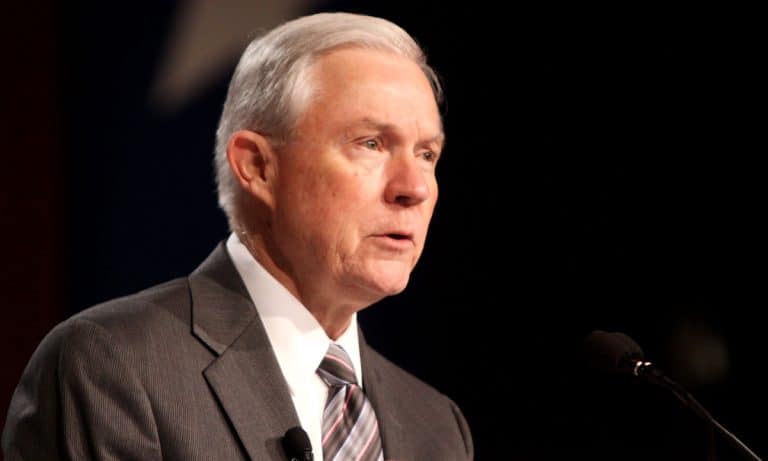
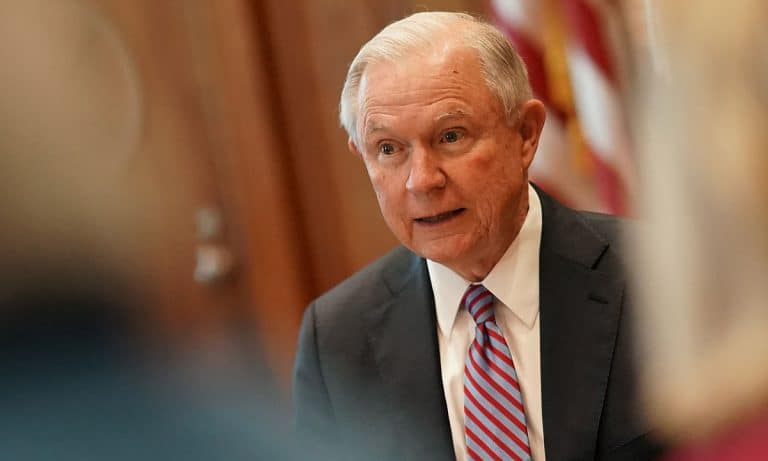
Jeff Sessions Remains Deeply Concerned About Legal Weed

Despite his own task force recommendations to leave the cannabis status quo alone, Jeff Sessions just can’t get marijuana off his mind. One would think that with everything else going on in this administration, Sessions would have better things to do than to mess with weed, but no. He simply and truly regards cannabis as dangerous and without value.

His paranoia bleeds into the cannabis connoisseur’s daily life as they wonder if a DOJ crackdown is not only in the works, but coming down fast. Last week, Sessions sent letters to the governors of Oregon, Washington, Colorado and Alaska in response to their requests that the Obama era policy of not interfering with state’s rights be left alone. Sessions letters were cool in tone and more than implied that compliances were being broken, that interstate trafficking and emergency room calls were at a high and that sales to minors were a serious concern.

The legal cannabis industry has produced thousands of new jobs and over $6 billion in revenue for states. That revenue is used for schools, local law enforcement, healthcare, drug treatment programs and many other social and governmental issues. Colorado has had so much revenue in the past from taxes that they gave part of it back to the people. These are good things in our society that bolster the economy. Plus, fourteen more states are geared up to pass legalization initiatives, many this year. So why is Sessions so hell bent on putting a stop to it all?

To put it simply, he hates marijuana and believe reefer madness hype, as evidenced by his letters. Last year, when he was yet an Alabama senator, he made the claim that this message needs to be sent with clarity: “Good people don’t smoke marijuana.” This year, as Attorney General for the Trump administration, he’s said that cannabis is “only slightly less awful” than heroin. Meanwhile, people are dying from heroin and other opiate fueled overdoses while cannabis has yet to kill.

The letters Sessions sent to the legal state governors warned that he had “serious concerns” about legalization. All four letters were very similar in tone. Though in Oregon he used a 2017 state police impact report that claimed that as much as two-thirds of the cannabis at dispensaries came from the black market and that interstate smuggling was at an all-time high. Then he asked two governors in the same language to prove that all cannabis businesses were compliant with the law and said the ‘regulatory structures’ of their programs were under question.

Colorado’s governor Hickenlooper recently met with Sessions regarding the letter and remains optimistic that a crackdown isn’t in the works. In part because Sessions has a lot more than space cakes on his plate as Attorney General.

Spokesperson for the New Federalism Fund, Patrick Rosenstiel, looked at Sessions’ letters with optimism as well, saying that they showed a willingness to work with legal states. However, he told the L.A. Times “that there is still a need for congressional action to provide clarity for officials at the local, state and federal levels.”

Session’s anti-crime task force’s lukewarm findings on cannabis and its societal harm effectively recommended that the Obama era “Cole memo,” composed by former Deputy Attorney General James Cole, stay in place, which basically outlines how states can avoid federal persecution by following the guidelines the people had voted in.

While Sessions ignores his own task force and sends ominous letters to governors, we can only speculate as to how far he’ll take his dislike for the herb. We can only hope that if he does go looking, he finds compliance, compassion and state revenue that are all very difficult with which to argue.

Just How Harmful Is Jeff Sessions To Cannabis Legalization?

President Trump spent some time attacking Jeff Sessions on Twitter in July. There are plenty of reasons why that was a bad thing. You don’t want the leader of the executive branch attacking the chief law enforcement officer in the nation for failing to stand in the way of an investigation into that leader. But if you temporarily ignore the threats to democracy, it was pretty fun watching Sessions get metaphorically slapped around. Mr. “Good people don’t smoke marijuana” was only able to come back with a lame comment that Trump’s behavior was “kind of hurtful” while still calling him a “strong leader.” Show some backbone.

Despite the attacks, it looks like Sessions is sticking around, which means we have to continue guessing how his Department of Justice is going to treat marijuana. On that front, there is some bad news and some potentially good news.

On the negative front, the Huffington Post uncovered a letter Sessions sent to Washington Governor Jay Inslee on July 24. In that letter, which was in response to various requests to Sessions from Inslee and others that Sessions reaffirm the validity of the Cole Memo, Sessions does not deviate from the Cole Memo. Instead, he cherry picks data and presents statistics in a way that negatively reflects on Washington’s marijuana regulatory system. The vast majority of his criticisms are unfair or are outright misleading.

This post isn’t a good place to refute each of his arguments, but here are some of the highlights.

He states that Washington’s medical marijuana system is considered “grey” due to a lack of regulation. But his information dates back to 2014 — Washington folded medical marijuana into its regulated system in 2015.

He claims that 90% of the “public safety violations” that occur in Washington involve minors. But this is because Washington groups its violations into four categories, and all violations involving minors are in the “public safety” category. Other violations that are more common are in other categories. Additionally, a percentage without any reference to the whole is meaningless — referring to the 90% without reference to the whole is purposefully misleading.

Finally, he stupidly claims Washington State isn’t well regulated because the leading regulatory violation is “failure to utilize and/or maintain traceability.” If the state is policing traceability so much that it is consistently nailing businesses for any deviation from the law, that is the definition of robustly regulating an industry. Regulatory enforcement isn’t evidence of a lack of regulation — it is the opposite.

My firm’s cannabis lawyers have since 2010 represented clients all over the country, and from this I can tell you that Washington State tends to have the toughest regulations and the strictest enforcement. The idea that Washington isn’t robustly regulating the cannabis industry is laughable. If Jeff Sessions wants to attack the principles of the Cole Memo, he should just do it instead of hiding behind weak accusations that Washington is violating its tenets.

But this is where the potential good news comes in, or at least a reason why Sessions is trying to couch his arguments within the terms of the Cole Memo. Sitting on Sessions’s desk right now is a report from his own Task Force on Crime Reduction and Public Safety. The Department of Justice hasn’t released that report, but the Associated Press got a copy of it, and contrary to expectations, the Task Force does not recommend any changes to current DOJ policy in the Cole Memo.

That makes sense of course. Even if you hate marijuana, the Department of Justice doesn’t have an unlimited budget. Every penny and every man-hour dedicated to marijuana is taken away from opioids, terrorism, violent crime, etc. If the states are not acting as partners in federal law enforcement, why would the feds use resources to target marijuana businesses and their customers in those states?

But no matter what policy the Department of Justice ends up pursuing, Sessions will never back down on the marijuana rhetoric. “Drugs are bad” are ingrained in his identity, as they have been in every hippie-hating conservative politician since Nixon. Marijuana usage, homosexuality, and alternative lifestyles that are indicative of someone being an “other” are anathema to the Sessions dream of Americana. But as demographics and polling show us, there are a lot more of us than there are of him.

Robert McVay is a partner at Harris Bricken focusing on corporate, finance, and transactional matters for clients both inside and outside the cannabis industry.

This story originally appeared on Canna Law Blog

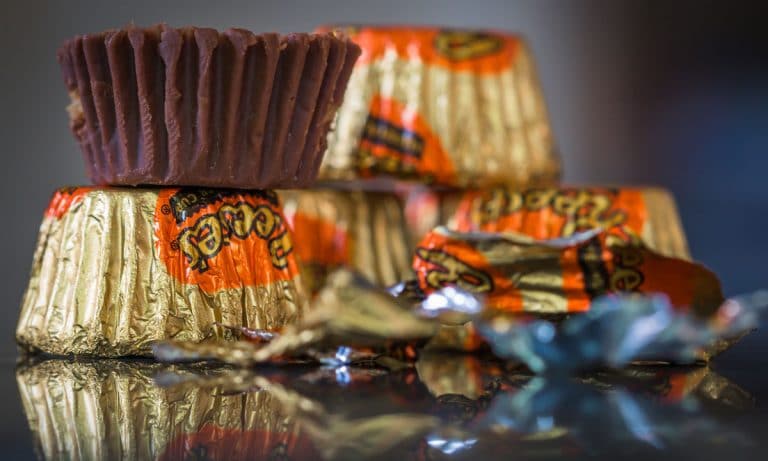
Why Reese’s Peanut Butter Cups Are Having The Best Week Ever

It’s official: Reese’s Peanut Butter Cups will never die.

Reese’s, which has been around forevah (1928 to be exact)has just morphed into two new incarnations. First, it was announced last week that Krispy Kreme would be partnering with Hershey’s to create a limited edition Reese’s Peanut Butter Cup doughnut.

“Similar to our hot, fresh doughnuts, the matchmaking of chocolate and peanut butter is a delicious combination that consumers have enjoyed for generations,” said Jackie Woodward, Chief Marketing Officer of Krispy Kreme Doughnuts. “In partnering with The Hershey Company, we’re satisfying an intense desire that Krispy Kreme and Reese’s fans never knew they had.”

Krispy Kreme introduced the Reese’s doughnut in Australia and the U.K. last year, so this isn’t exactly new territory for them. However, coffee creamer is. International Delights has released Reese’s Peanut Butter Cup creamer for when you really want to start your morning off with candy…followed by doughnuts.

https://twitter.com/LAGypsy2010/status/894775591232126976

It’s worth noting that International Delights has also ALREADY released their pumpkin spice flavored creamer. Why the eff not.

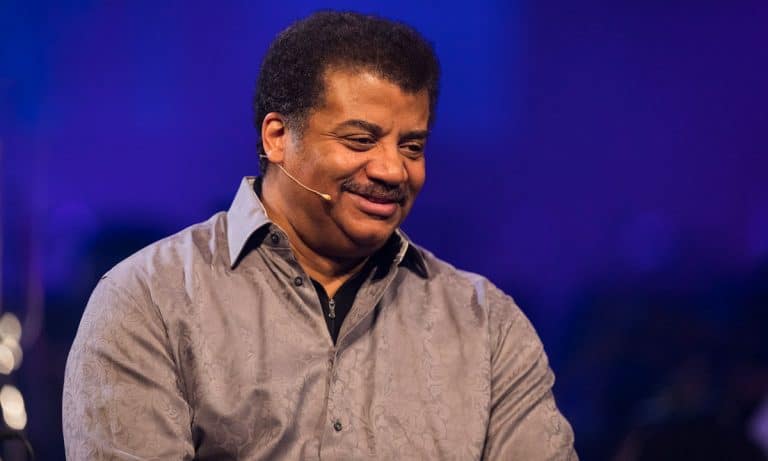
Neil DeGrasse Tyson Likes Legal Marijuana, So Will ‘Cosmos On Weed’ Become A Reality?

As one of America’s most celebrated scientists, Neil DeGrasse Tyson’s opinion can carry significant weight. And this week he announced a pro-legalization stance regarding cannabis. The astrophysicist shared his new stance as part of a Facebook Live event where viewers could ask “everything you ever wanted to know about the universe but were afraid to ask.”

One reporter took the opportunity to ask if Tyson shared the influential Carl Sagan’s opinions that cannabis should be legalized.

“There is very little I disagree with Sagan on,” Tyson said. “I think if you really analyze it, relative to other things that are legal, there is no reason for it to have ever been made illegal. Alcohol is legal and it can mess you up way more than smoking a few jays.”

This slightly backtracks Tyson’s opinion on marijuana he shared during a Reddit AMA in 2015. The question at the time regarded what impact drugs had on art over the years. “If you’re in an altered state, you can think something is good that you just created, but it really isn’t,” Tyson said.

He’d also add that he’d prefer people make decisions without mind-altering substances as it has helped his decision-making doing so.

This new stance, though, brings us one step closer to “Cosmos on Weed.” Tyson famously rebooted Sagan’s legendary show Cosmos and Tyson’s delivery style of information caused some to fantasize that the astrophysicist was just high while taping the show. YouTube channel Nacho Punch parodied the thought with hilarious accuracy. In the video Tyson rips a bong before telling you “how fucking rad space is.”

“We all were created from stars. Everything is star stuff,” says Fake Tyson. “This, this, this pizza. This cheese. And these pepperonis. Stars. They’re all…mmmm. How is that made from stars?”

So now that Tyson is pro-cannabis legalization, maybe this fantasy can become a reality?

This Guy Tried To Shoot An Armadillo—And It Shot Back

Shooting an armadillo is a jerk move. What could these armored, docile creatures possibly do to piss someone off so badly that they deserve to get shot at?

It’s a question we’re pondering again, two years after a Texas man shot an armadillo in his yard and regretted it instantly. The bullet ricocheted off the animal’s leathery armored back, and hit the man in the face—the kind of instant karma the internet thrives on.

The story’s going viral again, and as CNN noted, no one’s sure how or why this little guy’s gunfight is back in the news. A few journalists retweeted newly-published stories recapping the incident from 2015—ancient history in online years—but it’s difficult to pinpoint where, exactly, this story cropped up again after all this time.

Our gunslinging villain in this story spotted the armadillo in his yard at around 3 a.m., took out his revolver, and shot three times. One of the bullets came back, striking him in the face.

The man lived, although he had to have his jaw wired shut. The armadillo was never found. Since they can live for up to 20 years, it’s possible the little guy is still at large.

Gossip: Mariah Carey Admits She’s Opening For Lionel Ritchie; Jennifer Lopez And A-Rod Getting Married?

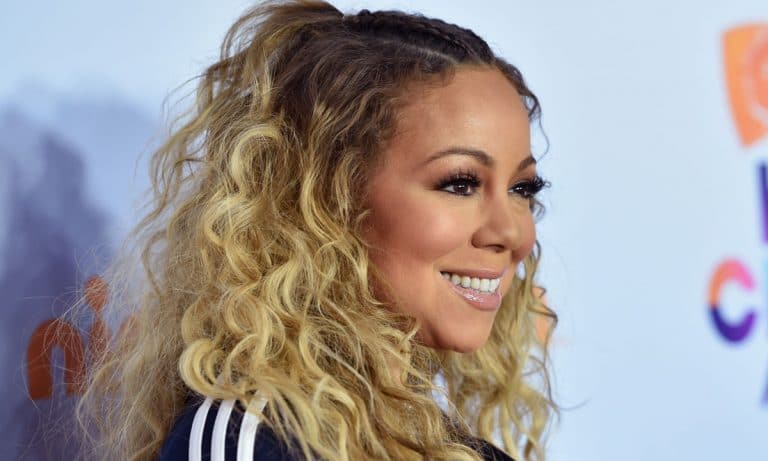
CONFIRMED …. After much debate, the fading Mariah Carey has admitted that she IS nothing more than an opening act on Lionel Richie’s current tour.

The singer says, “It’s his show, but I am the very special!

Guest …. My section is 60 minutes!” Poor Mariah …. How quick they fall !!!

Jennifer Lopez And A-Rod Are So In Love They Are Already Discussing Wedding Plans

Jennifer Lopez and A-Rod are so in love that the couple are ALREADY discussing wedding plans – and it is going to be a massive affair!

“Jennifer has been married three times and never had the over-the-top wedding of her dreams. With A-Rod she is planning to have the biggest celebrity wedding of all time and is talking about having ceremonies in New York, Miami and Los Angeles. Alex enjoys the spotlight as much as she does and this will be the closest thing to a Royal wedding that America has ever seen,” insiders tell Straight Shuter. “When all is good and done the couple could have spent over $10 million saying ‘I Do.”

Love the fresh dirt we bring over daily from Naughty Gossip? Let us know in the comments!

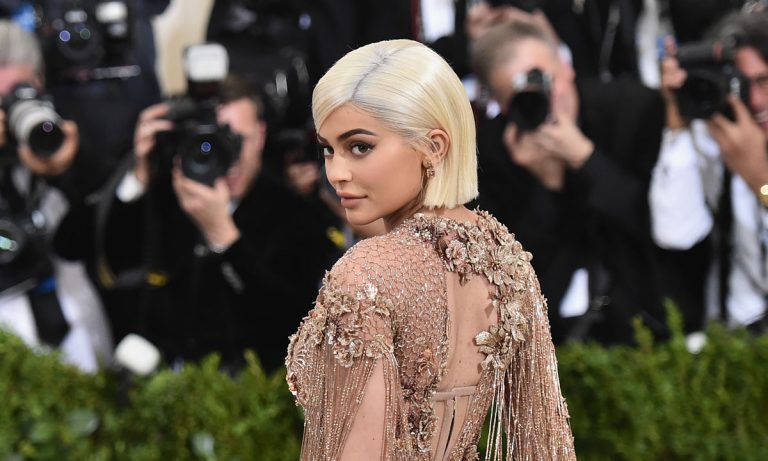
The Real Reason Kylie Jenner Didn’t Go To Her High School Prom

There are a lot of things Kylie Jenner could be sad about: the demise of her former lips, having four older annoying sisters, a demanding narcissistic momager, and being treated more like a brand than a real person.

But as her new reality show points out, it’s missing her prom that gives her an instant case of the sads.

In the KUWTK spin-off, Life of Kylie, which debuted Sunday, the youngest Kardashian-Jenner reveals the reason why she never went to prom: she was home schooled. One can only guess what her teachings consisted of and who was learnin’ her. Oh, lordy!

As crushing as that news is, there are plenty of celebrities who never made it to prom, mainly because they were busy being celebrities. Here are 9 for comparison:

Miley Cyrus

During the CMT Awards in 2008, she said wouldn’t be attending to her prom because she was shooting her move, The Last Song.

https://www.instagram.com/p/BXTAH7sBH_n

Niall Horan

If you had to choose between making millions of dollars being in One Direction and (probably) dancing to one of One Direction’s songs on a stupid dance floor, which would you choose?

https://www.instagram.com/p/BVQXOZTFsVU

Katy Perry

The closest she ever got to going to prom was crashing someone else’s. Not only did she crash a high school prom in Melbourne, she performed!

Charlie Puth

The young crooner told Teen Vogue in 2016 that: “I was basically bullied because I was unique, I was different than everybody” and that “I never went to prom or anything like that but some amazing things happened in my life.”

https://www.instagram.com/p/BWJRVREBs2a

James Franco

In a 1999 interview, Franco said his prom fell on his 18th birthday, and since his girlfriend at the time was an actress, they took a trip to Aspen, Oregon to see some plays instead.

https://www.instagram.com/p/BGNuDBTt9d2

Madonna

According to the Material Girl, she “sat home alone. Couldn’t get a date.”

But she did share a photo of her daughter’s prom nigh. (You just KNOW Madge had a killer dress in her closet, ready to wear.)

https://www.instagram.com/p/BXfuKsJhjfK

Paul Wesley

The Vampire Diaries star told Teen Vogue in 2009 that he could relate to the reclusiveness of his character Stefan, saying,”I wasn’t some weird loner in school, but I definitely wasn’t invited to any of the cool parties. Girls didn’t like me that much — I didn’t even go to my prom.”

https://www.instagram.com/p/-xYGl5yVMT

Justin Bieber

He doesn’t really seem like the the prom type, but The Biebs did end up crashing a high school prom back in 2015 (look what you started, Katy Perry!). His accomplice was Hailey Baldwin, who also missed her own prom because of work-related busy-ness.

They may not have been crowned King and Queen, but it all worked out for them in the end.

https://www.instagram.com/p/BXYoQ-YDwSU

Victoria Justice

She was too busy to attend her own prom, but she did something even better. In 2012, she donated her VMA dress to an organization that provides prom dresses to those who can’t afford them.

https://www.instagram.com/p/BWYEtSSlFgV/


Is Your Vape Pen Dangerous? Read This To Find Out

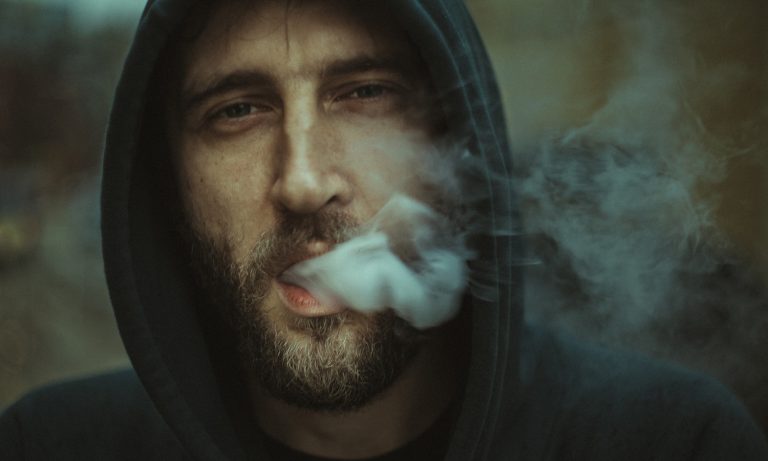
The vape pen is an increasingly popular item among medical marijuana patients and others because they provide a convenient, discreet, and presumably benign way to administer cannabis. But how safe are vape pens and the liquid solutions inside the cartridges that attach to these devices? Who knows what’s actually being inhaled?

It’s generally assumed that vaping is a healthier method of administration than inhaling marijuana smoke, which contains noxious substances that may irritate the lungs. Since a vaporizer heats the cannabis flower or oil concentrate without burning it, the active ingredients are inhaled but no smoke is involved. At least that’s how it’s supposed to work.

But there may be a hidden downside to vape pens, which are manufactured (typically in China), marketed, and utilized without regulatory controls. Available online and in medical marijuana dispensaries, vape pens contain a battery-operated heating mechanism, which at high temperatures can transform solvents, flavoring agents, and various vape oil additives into carcinogens and other dangerous toxins.

Of particular concern: Propylene glycol, a widely used chemical that is mixed with cannabis or hemp oil in many vape pen cartridges. A syrupy, thinning compound, propylene glycol is also the primary ingredient in a majority of nicotine-infused e-cigarette solutions. At high temperatures, propylene glycol converts into tiny polymers that can wreak havoc on lung tissue.

Scientists know a great deal about propylene glycol. It is found in a plethora of common household items—cosmetics, baby wipes, pharmaceuticals, pet food, antifreeze, etc. The U.S. Food and Drug Administration and Health Canada have deemed propylene glycol safe for human ingestion and topical application. But exposure by inhalation is another matter. Many things are safe to eat but dangerous to breathe.

A 2010 study published in the International Journal of Environmental Research and Public Health concluded that airborne propylene glycol circulating indoors can induce or exacerbate asthma, eczema, and many allergic symptoms. Children were said to be particularly sensitive to these airborne toxins. An earlier toxicology review warned that propylene glycol, ubiquitous in hairsprays, could be harmful because aerosol particles lodge deep in the lungs and are not respirable.

When propylene glycol is heated by a red-hot metal coil, the potential harm from inhalation exposure increases. High voltage heat can transform propylene glycol and other vaping additives into carbonyls. Carbonyls are a group of cancer-causing chemicals that includes formaldehyde, which has been linked to spontaneous abortions and low birth weight. A known thermal breakdown product of propylene glycol, formaldehyde is an International Agency for Research on Cancer group 1 carcinogen.

Because of low oral toxicity, propylene glycol is classified by the FDA as “generally recognized as safe” (GRAS) for use as a food additive, but this assessment was based on toxicity studies that did not involve heating and breathing propylene glycol.

Prevalent in nicotine e-cig products and present in some vape oil cartridges, FDA-approved flavoring agents pose additional risks when inhaled rather than eaten. The flavoring compounds smooth and creamy (diacetyl and acetyl propionyl) are associated with respiratory illness when inhaled in tobacco e-cigarette devices. Another hazardous-when-inhaled-but-safe-to-eat flavoring compound is cinnamon ceylon, which becomes cytotoxic when aerosolized.

Currently, there is no conclusive evidence that frequent users will develop cancer or another illness if they inhale the contents of vape oil cartridges. That’s because little is actually known about the short or long-term health effects of inhaling propylene glycol and other ingredients that are present in flavored vape pen cartridges. Many of these prefilled cartridges are poorly labeled with little or no meaningful information on their contents.

The possibility that vape pens might expose people to unknown health hazards underscores the importance of adequate safety testing for these products, which thus far has been lacking.

Scientists face several challenges as they try to gather relevant safety data. As yet, no one has determined how much e-cig vapor the typical user breathes in, so different studies assume different amounts of vapor as their standard, making it difficult to compare results. Tracing what happens to the vapor once it is inhaled is equally problematic.

The biggest variable is the device itself. The performance of each vape pen can vary greatly between different devices and sometimes there is considerable variance when comparing two devices of the same model.

Some vape pens require pressing a button to charge the heating coil; others are buttonless and one activates the battery simply by sucking on the pen. The surface area of the vape pen’s heating element and its electrical resistance play a large role in converting ingestible solvents into inhalable toxins.

Another confounding factor is the scant information on when and how long the user pushes the button or inhales on average, how long the coil heats up, or the voltage used during the heating process. A five-volt setting yielded higher levels of formaldehyde in a controlled propylene glycol study cited in the New England Journal of Medicine.

In the case of vape pens, there’s a great need for specific research on how people actually use these products in the real world in order to understand potential benefits or harms.

Such studies have been conducted using the Volcano vaporizer, a first generation vaping device that differs from a vape pen, a more recent innovation, in several ways. Utilized in clinical trials as a medical delivery device, the Volcano is not a portable contraption. The Volcano only heats raw cannabis flower, not oil extract solutions, and it doesn’t combust the bud.

Vape pen manufacturers don’t like to admit it, but when the heating element gets red hot in a vape pen, the solution inside the prefilled cartridges undergoes a process called “smoldering,” a technical term for what is tantamount to “burning.” While much of the vape oil liquid is vaporized and atomized, a portion of the vape oil blend undergoes pyrolysis or combustion. In that sense, most of the vape pens that have flooded the commercial market may not be true vaporizers.

Unlike vape pen devices, the Volcano vaporizer has been tested for safety and pharmacokinetics (a measurement of what’s in the blood and how long it stays there). Collectively, the data indicate that vaporizing whole plant cannabis exposes the user to lower amounts of carcinogens compared to smoke and decreases side effects (such as reactions to the harshness of smoke).

But nonportable vaporizers like the Volcano may still pose health concerns if the vaporized cannabis flower is below acceptable botanical safety standards. A recent article in the Journal of Analytical Methods notes that high levels of ammonia are produced from vaporizing cannabis grown incorrectly, perhaps due to the lack of flushing during hydroponic cultivation. There’s a growing body of data suggesting that the chemicals used to push the plant towards unnaturally high THC concentrations stay in the finished product.

Dr. Jahan Marcu is the chief scientist for Americans for Safe Access (ASA) and chief auditor for ASA’s Patient Focused Certification program. He serves on the board of various trade association and science organization committees, including the American Chemical Society, the International Association for Cannabis as Medicine, and the American Herbal Products Association. 

CBD Hemp Oil Vape Cartridges With Propylene Glycol

Project CBD research associate Eric Geisterfer conducted a limited survey of cannabis vape oil and CBD hemp vape oil cartridges. Several of these products were found to include propylene glycol as an additive. The list below is incomplete—vape oil products are continually being introduced and in some cases rebranded.

Hemp oil vape cartridges that contain Propylene Glycol:

  • Alternate Vape
  • Bluebird Botanicals
  • CannaVape CBD Oil
  • Cloud 9 CBD
  • Delta Liquids
  • Entourage Hemp Products also known as Cannoid LLC
  • Hemp Life Today (also known as Cannazall)
  • Hemp Pure Vape
  • Hemp Vap
  • KanaVape
  • Miracle Smoke
  • Michigan Hemp Company (also known as Bluegrass Naturals)
  • Pure CBD Vapors
  • Pure Hemp Vape
  • Tasty Hemp Oil
  • Zamnesia CBD Smart Liquid

Some cannabis vape oil cartridges also include propylene glycol or polyethylene glycol as a thinning agent. Both compounds may have adverse health effects when heated and inhaled. Neither has been safety tested by the FDA for inhalation when heated. Cannabis consumers should carefully scrutinize cannabis product labels.

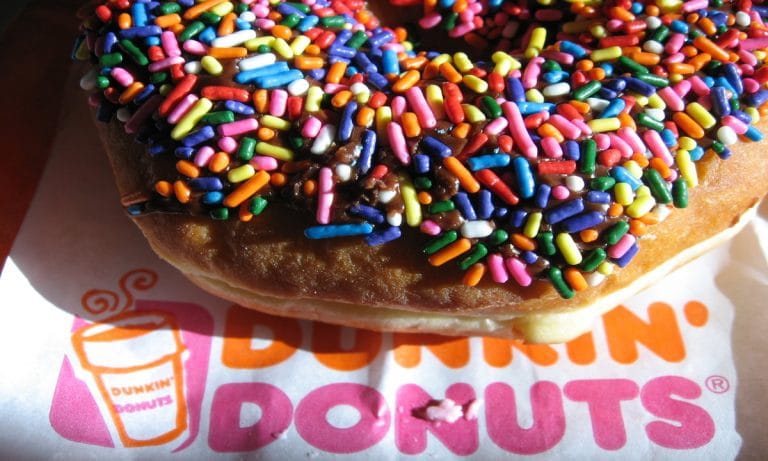
Dunkin’ Is Dropping ‘Donuts’ From Its Name And Nobody Cares

Dunkin’ has a nice ring to it, especially considering Dunkin’ Donuts sells a lot more than doughnuts these days.

And that’s the whole impetus behind their potential name change. Starting with their Pasadena location, the company will be dropping the Donuts from their California stores this summer and fall to try and get customers thinking of them as a place to get more than fried breakfast rings. The company wants Dunkin’ to be a destination for coffee. Ring a bell? Starbucks dropped the “Coffee” from its name back in 2011 and look how well that turned out?

Regardless, people don’t seem to care one way or another. In fact, Dunkin’ isn’t new to the American lexicon. Remember their tagline, “America runs on Dunkin” from 2006? Yeah, a lot of people aren’t exactly having issues adjusting.

https://twitter.com/neoTGX/status/895008346104893443

https://twitter.com/tipnkc/status/894007496343306240

The doughnut chain will also upgrade their menus and redesig their stores in order to make them more branded towards coffee and not fast-food.

Fortune reports a final decision on the name change is not expected until sometime in late 2018.

Hawaii’s First Medical Marijuana Dispensary Finally Opens

For two hours on Tuesday, Maui Grown Therapies opened its doors for the first time. They had to take it slow. Though the state of Hawaii legalized medical marijuana in 2000, they didn’t legalize dispensaries until 2015 and then it took up until recently for them to establish testing labs. Naturally, by now, demand is high.

Luckily, it’s time for the roll outs! Eight medical marijuana dispensaries were distributed licenses across the islands last year and the Honolulu dispensary Aloha Green has been inspected and is set to open for the people’s wellness today.

Tuesday was historic, but the newly opened dispensary program doesn’t come without its hiccups. Dispensary prices are on the high side with a gram going for $20 and a quarter going for up to $125, less depending on strain and quality. These higher price tags are due to the high cost of electricity in Hawaii, lab testing expenses and taxes.

Patients have been waiting 17 years for a place to go and legally obtain their medicine. Growing your own or even getting your own can be more than difficult when ill and having lab tested cannabis is equally if not more important. Labs test for things like powdery mildew, mold, pesticides and other contaminants. Contaminants can be deadly for certain disorders, such as when a patient has a compromised immune system.

So far sales have been by appointment only, as dispensary owners ease into a market that’s been waiting with bated breath and is ready to roll in and start purchasing. Maui Grown Therapies pre-registered patients to come in, avoiding a flooded doorway. Patients and dispensary owners alike are very excited, however, and walk-in sales are expected to begin in about a week.

Caregivers and the people they’ve been providing for are thrilled with the lab tested aspect and are also happy simply to have a place to legally obtain clean medicinal cannabis. Hopefully as time goes by more locations will be able to open, the locations that are already licensed will have access to lab testing and patient patients will have enough access to contaminant free weed to ease what’s ailing them.

Don't Miss Your Weekly Dose of The Fresh Toast.

Stay informed with exclusive news briefs delivered directly to your inbox every Friday.

We respect your privacy. Unsubscribe anytime.