Monday, June 22, 2026
Home Blog Page 658

Ways Sex Can Have A Negative Relationship Impact

0

Sex is great in a relationship and it is one way it bonds people together. But here are ways sex can have a negative impact. While sex tends to be associated with endorphins, intimacy and good things, it’s also one of the biggest sources of stress. Whether people are single or in a relationship, the question of whether they’re having too little or too much sex is one of the most common causes of stress, often leaving them feeling isolated and with no one to turn to.

Sexual problems can be caused by physical ailments, but they tend to have a psychological source. These issues are hard to explain to others, whether you’re speaking with friends or your romantic partner.

Here are some of the most common negative behaviors that sex can produce if you’re not careful.

RELATED: Study Says Teens Should Be Educated About Sexting Safely

This City Is Ranked Highest In Multiple Orgasms
Photo by Becca Tapert via Unsplash

A lot of couples don’t know how to cope with different libidos

One of the most common problems that plagues couples are different sex drives. This feeling can make both people feel out of sync, causing a lot of stress and making them feel unwanted, pressured and like their love isn’t appreciated. To resolve this issue, both parties should communicate openly and find a compromise that satisfies both. If there’s an underlying issue, like a previous affair, stress at work or family, it should also be addressed.

Some couples become entitled

Being in a long-term relationship gives people a lot of trust and comfort with their partner, something that can easily transform into entitlement. This occurs when one person expects the other to have sex with them or do whatever they want whenever they want.

RELATED: Too Tired For Sex? Try These 5 Things

There should be a balance; while you should feel comfortable enough with your partner that you can speak your mind and ask for sex, you should also take the time to know what’s going on in their head and to figure out why they’re behaving a certain way.

Sex can be weaponized

When a couple is experiencing problems in their sex lives, it’s common for sex to become a weapon. Psychology Today says that one party, probably the one who wants sex the least, can use sex as a way of getting what they want in other contexts of their romantic relationship.

When not addressed, sexual problems can harm your mental health

Problems with a couple’s sex life have many roots and can lead to tons of damage. People blame each other, foster resentment, and, in hiding the problem, open the door for infidelities and other harmful behavior.

“Partners end up alienating each other on a very deep, very primal and sometimes emotional level,” says sex therapist Sari Cooper to the Huffington Post. “Very frequently the couple not only avoids sex, but the discussion of the problem itself. That only leads to a further sense of isolation and loneliness for the partners.”


Cannabis, Alzheimer’s And Hope Are On The Horizon

CBD is getting all of the attention these days, and with that comes intense scrutiny. Does it really work? Are its claims bogus? Will the FDA ever fully accept it?

But one area of scientific research that deserves much more attention is that of cannabis and its effect on Alzheimer’s and dementia. There have already been a handful of studies conducted that show some positive results — not in preventing the disease or curing it, but in slowing its progression and improving quality of life.

In one mice based study, THC, CBD and other cannabinoids were combined and administered to the subjects while they were experiencing the early symptomatic stage of Alzheimer’s. THC and CBD did the most to “prevent learning impairment,” and there was change in the plaques responsible for building up and causing memory blockages.

The anti-inflammatory role of cannabis also played a large role in the experiment, and it was found that the most relief was obtained with a combination of THC and CBD rather than THC or CBD by themselves.

RELATED: Alzheimer’s Disease And Marijuana: What You Need To Know

There is an entourage effect in cannabis where the different cannabinoids, flavonoids, terpenes and other compounds play off and increase each other’s therapeutic effects and values. A glaring example of this was when THC was isolated to concoct the pharmaceutical Marinol to combat chemotherapy sickness. It soon became apparent to both doctors and patients that THC alone did not work as expected and was not nearly as effective as hoped.

It makes sense, then, that when combating illness as severe as Alzheimer’s that all the medicinal properties of the plant are needed for the best results. As pointed out on the Alzheimer’s Association’s UK website, “…As yet no studies or trials have looked into the effects of cannabis or its components on the underlying causes of Alzheimer’s disease in people. Whilst the studies in the laboratory show some promise, we need to understand the wider effects that these components have before we can know whether they have any effect – positive or negative – on the development of Alzheimer’s in people.”

Alzheimer’s
Photo by Flickr user Joris Louwes

As Joel Loiacono of the Alzheimer’s Association told us:

From our perspective, there are chemicals in marijuana that can be helpful, but we’re not coming out in favor of marijuana use. They’re just beginning to do studies about cannabinoids. We’re not closing off any avenues, the jury is just still out as we need to do more research in the area.

When asked if the Alzheimer’s Association would support a cannabis-based therapy if enough conclusive studies were conducted, he replied, “We’re going to come out in favor of anything, or most anything, that is a disease altering medication. We’re just not there yet with cannabinoids or marijuana. We’re not closing out this avenue of research. We want to keep all avenues of research open to include this one.”

More studies are clearly necessary and unfortunately cannot, as of yet, take place in the United States. As cannabis remains a Schedule I substance at the federal level, it can’t be taken seriously by the FDA. It just can’t.

RELATED: How Marijuana’s THC Breaks Down The Toxic Plaques Of Alzheimer’s Disease

In the meantime, however, as more states turn green and the world at large becomes more educated about cannabis and its many benefits, we must take into account even small proofs that cannabis can help ease symptoms of Alzheimer’s. At the very least it can soothe agitation in later stage patients and calm anxiety.

In another study published in Nature, it was found that stimulation of the endocannabinoid system in the brain prevented harmful inflammation and, “that this early form of proteotoxicity can be blocked by the activation of cannabinoid receptors.” These are promising results that shouldn’t be ignored and in fact should be springboards to further research, as affirmed by Loiacono.

However, recently, the Food & Drug Administration slapped cannabis company CuraLeaf with a warning letter for promoting their products as potential treatment for Alzheimer’s, Parkinson’s, cancer, and PTSD, among other claims. “Selling unapproved products with unsubstantiated therapeutic claims — such as claims that CBD products can treat serious diseases and conditions — can put patients and consumers at risk by leading them to put off important medical care,” said the FDA.

It seems that with cannabis there is always hope to be had, and that alone should be enough to unshackle the plant completely.

Data Shows Americans Love Trying New Drugs In Summer

Summer is a time of listless freedom, a dead zone of culture and news, and a period to gather with friends for lazy barbecue-filled afternoons. According to a new study, it’s also the season for experimenting with drugs. Conducted by researchers at New York and Columbia Universities, the study found that first-timers — both teenagers and adults — are more apt to experiment with illegal or recreational drugs during summer.

Other reports have previously discovered teenagers and college students were more likely to try alcohol, tobacco, or marijuana for the first time during summer months, but this study, published in the Journal for General Internist Medicine, focused its attention on age groups including adults. In addition, the researchers were interested in the time of initiation for cocaine and hallucinogenic drugs for various demographics.

RELATED: Marijuana Etiquette Tips For Backyard Barbecues

The U.S. Substance Abuse and Mental Health Services Administration reported in 2017 more than 3 million tried either cannabis, LSD, ecstasy, or cocaine for the first time. Among those new to using LSD, researchers found 34% of initiates first tried acid in the summer. Meanwhile, 30% of new cannabis use, 30% of MDMA use, and 28% of cocaine use first occurred during summer months.

Photo by Cassie Gallegos via Unsplash

“First-time users may be unfamiliar with the effects of various drugs, so it is important to first understand when people are most likely to start these behaviors,” study senior investigator Joseph J. Palamar said in a statement. 

Palamar, an associate professor in the Department of Population Health at NYU School of Medicine, and other researchers also suggested an explanation for why Americans were more likely to experiment with drugs in the summer. The emergence of music festivals — where recreational drug activity is encouraged — and more idle time served as factors, says Palamar.

RELATED: Both CBD And Psilocybin Show Potential In Fighting Alcohol Use Disorder

“Parents and educators who are concerned about their kids need to educate them year-round about potential risks associated with drug use, but special emphasis appears to be needed before or during summer months when rates of initiation increase,” Palamar said.

However, Palamar and his team encouraged potential users to be aware of potential side effects, should they be among the summer wave of drug initiates. In addition, they advised to only experiment in the company of friends you could trust while staying properly hydrate as best practices to avoid negative outcomes.

Raclette Cheese Is The Most Delicious Instagram Trend

Food trends are big on Instagram, especially if the photos feature gooey and greasy items. (Really, anything a human person shouldn’t be consuming.)

Cheese is one of the most photogenic foods around (right?), so it’s unsurprising that it produces a significant amount of likes on Instagram. Kind of similar to ASMR videos and the type of clips that you can spend hours watching on a loop, the new-ish trend of someone pouring raclette cheese over a dish has achieved tons of notoriety, becoming one of the five most Instagrammed foods in Europe.

RELATED: Understanding The Blissful And Bizarre World Of ASMR

While raclette is a little less known in the U.S., the influence has grown steadily. There’s a restaurant in New York that specializes in serving these kinds of cheese plates and tons of people are curious about it, even if they don’t know what the dish entails.

Most videos featuring raclette consist of someone scraping off large chunks of cheese from the block onto a dish. The contents of the dish tend to be made up of proteins like steak and an assortment of veggies.

https://www.instagram.com/p/Bz_fXKEBTX3/?utm_source=ig_embed

https://www.instagram.com/p/BzvuBe5gv4a/

https://www.instagram.com/p/B0jRnc_F4Vf/

RELATED: 5 YouTube Channels To Watch When You Have Nothing Else To Do

Raclette is originally from Switzerland. While it’s generally confused with cheese fondue, this dish serves the cheese on the side or on top of the food instead of acting as a dip. Both meals are delicious, but raclette seems to be the perfect food for Instagram. There’s something awesome and excessive about having so much cheese on your plate. The scraping process also works great on a boomerang.

Surprise! Kids Really Want To Study Marijuana In College

0

Interest is exploding around cannabis research and careers. So how are universities around the nation responding to these demands?

What a tricky (and sticky) proposition universities around the nation find themselves in regarding cannabis. On the one hand, cannabis remains a federally illegal Schedule I drug. That means cannabis has “no currently accepted medical use and a high potential for abuse.” Schedule I drugs are notoriously difficult to study and scientists hoping to research marijuana at many preeminent universities must jump through numerous loopholes— while potentially risking federal grants — to do so.

On the other hand, cannabis is among the fastest growing industries across the nation. A Glassdoor report published earlier this year “found 1,512 cannabis industry job openings in the U.S. in December 2018.” That amounted to a 76% increase from the previous year, with 53% of those jobs looking for “professional and technical” workers. As the industry legitimizes and modernizes itself in the legalization era, where will businesses find such workers?

RELATED: Why Is The DEA Flipping The Middle Finger At Marijuana Researchers?

Perhaps in any other industry, that answer would be simple—at the top educational institutions in the country. Until recently, universities have been reticent to unveil programs and degrees aimed at ushering students into the cannabis industry. But the demand has reached a point where even Ivy League schools have answered the call.

Photo by Ake via rawpixel.com

Earlier this summer, the University of Maryland announced a new graduate program around learning about the biochemical complexities of the plant, as well as treating potential medical patients through marijuana treatments. In addition, Cornell University revealed it was adding cannabis-focused courses around the plant’s cultivation and usage, while Clark University will now offer an online-only graduate certificate around cannabis regulation.

RELATED: CBD Oil For Wellness: Why Not All Doctors Are Buying The Hype

“I advise a lot of students in a lot of majors and they’re all like, this is going to be cool,” Antonio DiTommaso, Cornell’s program director for agricultural sciences, told The Wall Street Journal. “I think some of it is just a novelty, but it’s really going to be based on the cropping, the agronomics, the medicinal aspect, the chemistry, consumer attitudes and policy.”

While conducting marijuana research remains abhorrently difficult, thanks partly to the federal government’s monopoly on the cannabis available to scientists, universities have adapted to the changing ecosystem. Maybe next they could convince the federal government to do the same.

3 Secrets To Keeping Millennials Happy In The Workplace

As well informed and aware Millennials may be, the stigma of being entitled and lazy still follows them to the corporations.

Millennials, and I am one of them, are the original digital generation that’s arguably the most informed generation that has ever lived. According to Forbes, this subset is expected to make up nearly 75% of the workforce by 2025. Thanks to technology and the unlimited amount of data Generation Y grew up with, they’ll have no recollection of life before Google Maps or Venmo. And this is something every company is going to have to contend with.

However, as well informed and aware as this generation may be, the stigma of being entitled and lazy still follows us to the workplace; employers think they need only to provide bean bags and kale chips to keep us captivated. The good news is that there is a land of untapped opportunity in the millennial workforce pool. Here are three things that millennials actually want from their employers:

Millennials Want To Connect And Invest Their Energy In An Organization With Purpose

In order to really keep us engaged, employers need to give us a path to important ideas and source of energy we want to invest into the future. What most people fail to realize is that us jumping from one job to another isn’t entitlement, but our urge to be a part of something that brings value and let’s us connect to the world on a deeper level. Therefore, since we are concerned with organizational ethics and social responsibility, so should be the corporations w work with.

RELATED: Millennials Don’t Take Time Off Work And Here’s Why

The extent to which you can satisfy these concerns will determine the kind of genius you will be able to attract to your talent pool in order to fight for your company and not your neighbors.

Feed Our Desire For Freedom Of Expression And Achievement

c
Photo by rawpixel.com

It’s no secret that millennials are the most entrepreneurial generation that has ever lived. They are highly educated, career-driven, and politically engaged people who see that old structures no longer work. The downside? Our unrealistic expectations for advancement and impatience to put in work like our parents did in pre-Uber times.

As an employer, don’t be afraid to add on another task and remind your young talent what a valuable asset they are to the company. After all, we are known for being the generation who got medals for participation. Lastly, as the company that we work with, be the ethical organization that we will be proud to fight for on the battlefield.

Keep Them In The Loop, Tell Them Why

Even when it comes to food, many of us will do our research before buying a certain organic superfood that is non-GMO, locally grown, gluten-free, non-dairy, non-sugary… you get the idea. This is a normal routine for us. We want to know what we are consuming, but most importantly why. When it comes to our career it will be no different. You must stay as transparent as you can with the generation of been bags and soy lattes, so we feel like we are in the loop.

RELATED: Here’s Why Millennials Are Choosing Cannabis Over Alcohol

Tell us why the company wants to take a certain direction and approach and the reasoning behind a longer wait time for career advancement. By being open with us, we will stay open to the idea of longer hours compromising our work life balance to be a part of something that gives us a sense of belonging and self actualization.

Also, it can’t be said enough: Stop referring to Millennials as if they’re all the same. Keep the “M” word out of the workplace and let your younger workers know they are being judged on their performance and character, not their generation.

Online Fraud From Posting Pet Pics?

Over 90% of people under the age of 25 post personal information on social media, including their date of birth and the names of their pets.

There’s an entire industry devoted to pet Instagram accounts. These animals are very cute, and super famous, with millions of fans that allow them to earn thousands of dollars per post. These accounts are among the only positive parts of social media, well, until you realize that posting this type of content could make you vulnerable to fraud.

RELATED: Facebook And Google Know What Porn You Watch, Even When Browsing In Private Mode

CNBC reports that over 90% of people under the age of 25 post personal information on social media, including their date of birth and the names of their pets. While this sounds like a harmless thing that everyone does, this personal information tends to pop up in security questions and even passwords. CNBC learned that 1 in 10 people choose the name of their pet as a password for one of their accounts.

Jealousy
Photo by Krista Mangulsone via Unsplash

The bank Santander was in charge of leading this survey, calling attention to celebrities and how they should be more responsible. Celebrities are some of the biggest oversharers and have millions of young fans that copy their behavior.

“Make sure you get the balance right and don’t give fraudsters an easy ride. Check your privacy settings are on, stay vigilant and consider what you’re giving away before hitting post,” says Chris Ainsley, head of fraud strategy at Santander.

RELATED: We’re Supposed To Believe Instagram Is Not Eavesdropping On Our Conversations

According to social media expert Jodie Cook, pets, maiden and middle names, date of birth and other types of family insight are among the most common bits of information that could lead to fraud and online exposure. While that doesn’t mean you can’t post pictures of your pet anymore, maybe it means that your settings should be set to private and that their name should never be in your password.

Why Is the DEA Slow To Approve Marijuana Suppliers For Research?

The DEA announced plans to grant licenses to additional growers for marijuana research. In three years, no license has been approved.


Don’t expect people in power to back up their promises, kids. This week marks three years since the Drug Enforcement Agency (DEA) announced it would administer additional licenses for marijuana cultivations specifically designed for research purposes. While in previous years, blame was placed squarely at the feet of former Attorney General ⁠— and noted prohibition evangelist ⁠— Jeff Sessions, the excuses have run thin.

Legislators at the state and federal level have credited a lack of research for the reasons why they wouldn’t push through decriminalization or legalization measures. In addition, the marijuana currently available to researchers is grown by the National Institute of Drug Abuse at the University of Mississippi. Scientists have complained that NIDA’s cannabis is sometimes moldy and often comprised of blended marijuana flower, leaves, and stems, which isn’t ideal to conduct specific research.

RELATED: Can The ‘Costco of Cannabis’ Fix California’s Black Market Problem?

“We are still working through the process and those applications remain under review,” DEA spokeswoman Katherine Pfaff told STATS News.

But the actions from these federal departments reveal a contradictory nature. In a statement to STATS News, NIDA said “there has been no major increase in the level of demand for cannabis by researchers in recent years.” But just this month NIDA announced plans to grow its largest crop for marijuana research in five years and will also produce strains with varying levels of CBD and THC content, which wasn’t available previously. At the same time, the number of researchers who received NIDA marijuana totaled nine in 2010. But that number rose to 21 in 2017 and 20 in 2018, reports STATS News.

So are there more researchers who need more marijuana or not?

Photo by CasarsaGuru/Getty Images

This all explains in part why one doctor who received NIDA marijuana is suing the DEA. Dr. Sue Sisley recently completed a landmark study on the effects cannabinoids have on veterans with PTSD. Her report will be published later this year, but Dr. Sisley fears her study’s results were compromised due to the quality of NIDA cannabis.

“Most scientists end up with this mishmash of different strains (including stem sticks, leaves etc)—all of it seems to get thrown into a grinder in overzealous effort to standardize the study drug batches for clinical trials,” Dr. Sisley said in a statement. “I’m arguing that by doing that, they’re overprocessing the plant and decimating the natural efficacy contained in the flowering tops.

Further, in controlled trials we issue patients the study drug by weight,” Sisley added. “So if the weight of study drug is being augmented with this extraneous plant material instead of just the dry flower/bud, common sense suggests how this dilution could harm the outcomes of efficacy data.”

RELATED: Matthew Gaetz, Our ‘Trumpiest Congressman,’ Is A Marijuana Research Crusader

Dr. Sisley argues in her lawsuit that the federal government has essentially created a monopoly around cannabis made available to researchers. If this cannabis isn’t to the quality found at dispensaries nationwide—which is the quality many patients following the conclusions of cannabis research will be using—then these federal organization are acting unlawfully.

“Maintaining only one federally legal drug supply for any clinical trials in the US has been a huge impediment to research because it’s not allowing scientists access to necessary options,” Dr. Sisley said. “We can’t just study from one supplier who seems to be limited from purchasing new genetics. And when there’s a monopoly for this many decades, it tends to breed apathy.

“That’s why I spend so much time educating about the limitations of this monopoly and the fact that if we could ever license other growers for research and have options for scientists, it could create a renaissance of cannabis research in the US,” she added. “We could regain our rightful place at the helm of the most important cannabis clinical trials in the world.”

Here’s Why There Are No Mosquitoes At Disney World

0

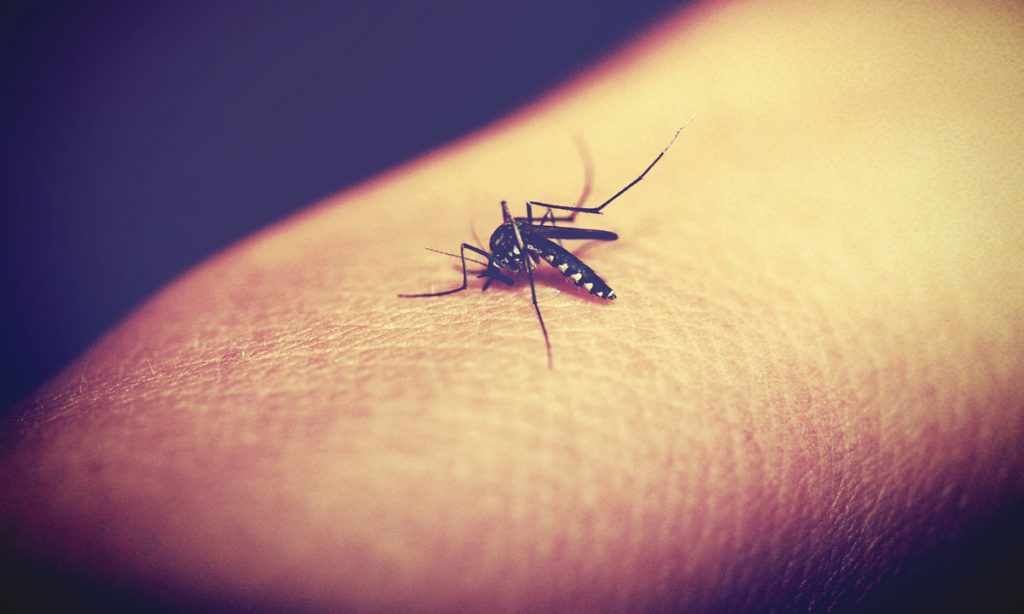
When was the last time you got bitten by a mosquito at Disney World? The answer is “never.” And if that’s not the answer, someone is getting fired. After all, it wouldn’t be the Happiest Place On Earth if you were eaten alive by insects. For a theme park that’s built on a swamp in Florida, you’d think there’d be a mosquito or two, but you’d be wrong.

Actually, there are lots of mosquitos at Disney World, but you likely will never seen one. Vlogger Rob Plays delved into the subject on Neatorama to explain this seemingly supernatural phenomenon.

Photo by 41330 via Pixabay

RELATED: 3 Little Words Disney Employees Are Never Allowed To Say

For one, Disney World — which is twice the size of Manhattan — is responsible for making sure guests don’t die. And that includes getting rid of anything that could potentially carry a deadly disease.

According to the World Health Organization, a million people die every year from mosquitos, specifically the diseases they carry (like Zika or the West Nile viruses). The park gets rid of these pests with a process that includes spraying the park with insecticides, growth regulators and maintaining natural predators.

And who can we thank for this pest-free zone? A man named Major General William “Joe” Potter, an MIT graduate who, according to Reader’s Digest, had previous experience serving as governor of the Panama Canal Zone (i.e. he knew his way around malaria-carrying mosquitoes). And according to According to Christoper Lucas, author of Top Disney100 Top Ten Lists of the Best of Disney, Walt Disney met Potter at the 1964 World’s Fair and hired him on the spot to keep the mosquitoes out of sight.

RELATED: All Disney World Restrooms Have This Odd Thing In Common

Everything from the architecture to landscaping at Disney World is designed to eliminate standing water, so as not to attract mosquitoes.

Other tactics used to rid the park of these pests includes surveillance. And all this time you’ve been worried about the government spying on you.

The Surprising Effect Marijuana Legalization Has On Police Traffic Searches

Roadside searches dropped by 70 percent in one local Vermont police department. But legalizing marijuana can also focus police’s attention to more …


Earlier this month, a study found that legalizing recreational marijuana discouraged teenage use of cannabis. Other research has shown this isn’t the only positive impact marijuana legalization can have. Legal cannabis can also make workplaces safer and can raise the property value of your home. According to a new report, legalizing marijuana also protects your civil liberties in a direct way.

Data from the Burlington Police Department, Vermont’s largest local law enforcement, shows that traffic stops have dropped 70% since the state’s legal marijuana legislation went into effect. Local news station WCAX reports that roadside searches have plummeted for all races as well. In their report, which will be fully released later this week, Burlington PD admits that police searches are down compared to other years due to legal possession of cannabis.

RELATED: Someone In California Called 911 On Weed Smokers, Flipped Out When Told It’s Legal

Vermont isn’t the only state where this has happened, either. An analysis of data from the Stanford Open Policing Project found that roadside searches were almost cut in half following marijuana legalization in Washington and Colorado in 2012. As NBC News reported, the data still found that Hispanic and black minorities are still searched at a higher rate than whites in those states. While in some cases traffic stops are just police doing their job, it can also lead to disruption of trust amongst different communities.

Photo by Flickr user Matty Ring

“Searches where you don’t find something are really negative towards a community,” Jack McDevitt, director of Northeastern University’s Institute on Race and Justice, told NBC News. “Have a police officer search your car is really like, ‘Why are they doing this to me?’ And you get more pissed off. If you’re trying to do relationship building, it’s not a good thing to do a lot of searches.”

Not only does the reduction of searches have a positive impact on civil liberties, especially for minority populations disproportionately targeted by roadside stops, it can also direct police attention to more serious crimes.

RELATED: Can I Become A Police Officer If I’ve Smoked Marijuana?

A 2018 study, as reported by Marijuana Moment, found that when marijuana possession arrests dropped, police made more arrests for violent crimes, burglaries, vehicular theft, and property crime in Washington and Colorado. Published in the Police Quarterly journal, the researchers concluded that allocation of police resources away from marijuana-related crimes was an overall positive development.

“While our results cannot specifically explain why police clearance rates have increased in Colorado and Washington, we think the argument that legalization did in fact produce a measurable impact on clearance rates is plausible,” the researchers wrote. “Our models show no negative effects of legalization and, instead, indicate that crime clearance rates for at least some types of crime are increasing faster in states that legalized than in those that did not.”

Don't Miss Your Weekly Dose of The Fresh Toast.

Stay informed with exclusive news briefs delivered directly to your inbox every Friday.

We respect your privacy. Unsubscribe anytime.