Friday, June 19, 2026
Home Blog Page 873

Cronos Group Is Soaring With Second Quarter Results

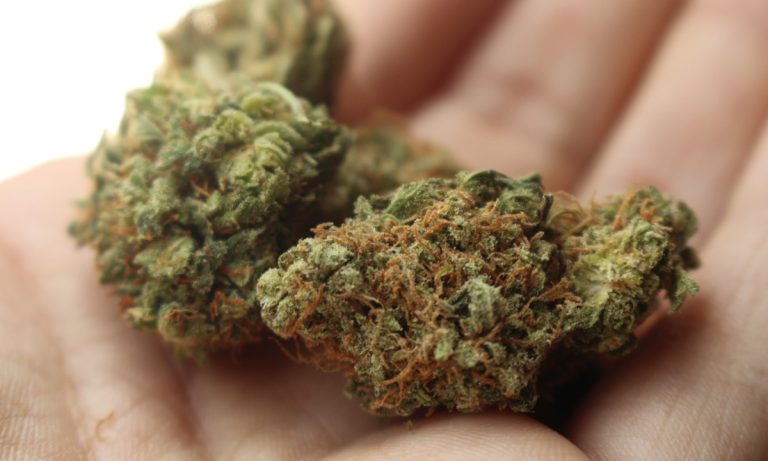
Investors are buzzing with Cronos Group’s 466 percent jump in year-over-year gross profit in their second quarter results. An increase in medical marijuana patients in their fold, a much high production capacity and an increase in cannabis oil sales all contributed to their great burst of growth.

Another factor benefitting Cronos is that their expansion efforts are on track and on point. Their Peace Naturals Building 4 is on schedule to begin cultivation by the end of 2018. The Canadian based pot stock (NASDAQ:CRON) is a hot ticket at the moment and continues to grow and expand its reach.

“Cronos Group is prepared for the domestic recreational market with the launch of our first premium-focused brand COVE and is applying a thoughtful approach to our supply and inventory build,” CEO Mike Gorenstein said in a statement. “Simultaneously, we are working to advance the operations within our current global footprint and bring new partnerships and distribution relationships to the table.”

Cronos has worked out a five year deal to keep the Canadian region of Cura flush in cannabis, contributing at least 20,000 kilograms annually. June saw a distribution agreement with Poland unfold and then Cronos joined forces with an Australian company and will soon be developing there as well.

With all the forward progress, it’s a tempting investment. The company’s mission statement, “We don’t strive to follow best practices; we aspire to set them by building industry leading companies that transform the perception of cannabis and responsibly elevate the consumer experience,” sets the stage for forward thinking advancement. A trait necessary to build up a brand with staying power.

A member of Gotham Green, Gorenstein comes from a law background that led him to venture capitalism and investor managements before becoming CEO of Cronos. His leadership is likely part of the reason Cronos seems so investable, he brings with him a solid foundation of financial success.

A visit to the Cronos site leads one to believe that they try and accomplish much more than making money, however. With a patient focus and an eye on quality of product, integrity of services and “writing history not reading it” they are poised to stay on an upward trajectory.

Ouch! Online Dating Study Finds Women Peak At 18, Men 50

0

Forty may be the new 30, but not if you’re hoping to get lucky with online dating. New (depressing) research finds that women peak at 18-years-old. EIGHTEEN! But, guys, you’re okay. You just get better with age! You don’t peak until age 50, when you have a nice head of salt and pepper hair. In other words, when you’re considered “distinguished” and not “out to pasture” like your female counterparts.

This new study, which focused on the hierarchy of dating, researchers were able to pinpoint some characteristics of desirability. The found that average desirability varies with age for both men and women, but that it varies more strongly for women, and the effects run in opposite directions:

Older women are less desirable, while older men are more so. For women, this pattern holds over the full range of ages on the site: The average woman’s desirability drops from the time she is 18 until she is 60. For men, desirability peaks around 50 and then declines.

How fun!

The study also showed clear and consistent dependence on ethnicity, with Asian women and white men being the most desirable potential mates by our measures across all four cities — New York, Boston, Chicago and Seattle.

What’s more, education doesn’t seem to pay off for ladies like it does for men:

Desirability is associated with education most strongly for men, for whom more education is always more desirable. For women, an undergraduate degree is most desirable; postgraduate education is associated with decreased desirability among women.

But don’t let any of this discourage you (or give you too much hope, if you’re a man).

“The fact that somebody is appealing or unappealing in an online dating profile isn’t particularly useful in predicting how compatible you’ll be with that person when you meet face to face,” Eli Finkel, a professor of psychology and management at Northwestern University, told CNN.

“I recommend that people spend less time browsing profiles … and more time meeting people for a cup of coffee or a pint of beer.”

The Only CBD User’s Manual You Need

In 2009, a handful of CBD-rich cannabis strains were discovered serendipitously in Northern California, America’s cannabis breadbasket, where certified patients could access medical marijuana legally. Thus began a great laboratory experiment in democracy involving CBD-rich cannabis therapeutics. The advent of whole plant CBD-rich oil as a grassroots therapeutic option has changed the national conversation about cannabis. It’s no longer a question of whether medical marijuana works—today the key question is how to use cannabis for maximum therapeutic benefit. But most health professionals have little experience in this area. Here is a CBD User’s Manual for patients that addresses key questions about cannabidiol and cannabis therapeutics.

What Is CBD?

Cannabidiol or CBD is a non-intoxicating component of the cannabis plant with enormous therapeutic potential. Although CBD doesn’t make people feel high like THC does, it’s causing quite a buzz among scientists, health professionals, and medical marijuana patients who are using CBD-rich products to treat a wide range of conditions—chronic pain, cancer, Crohn’s, diabetes, rheumatoid arthritis, PTSD, cardiovascular disease, anxiety, antibiotic-resistant infections, multiple sclerosis, schizophrenia, and more. Academic research centers in the United States and elsewhere are currently studying the effects of CBD on these and other ailments. Scientists refer to CBD as a “promiscuous” compound because it confers therapeutic benefits in many different ways while tapping into how we function physiologically and biologically on a deep level.

Extensive preclinical research and some clinical studies have shown that CBD has strong anti-oxidant, anti-inflammatory, anticonvulsant, anti-depressant, anti-psychotic, anti-tumoral, and neuroprotective qualities. Cannabidiol can change gene expression and remove beta amyloid plaque, the hallmark of Alzheimer’s, from brain cells.

Which Is Better CBD Or THC?

Cannabidiol and THC (The High Causer) are the power couple of cannabis therapeutics; they work best together. CBD and THC interact synergistically to potentiate each other’s curative qualities. CBD enhances THC’s painkilling and anticancer properties, while lessening THC’s psychoactivity. CBD can also mitigate adverse effects caused by too much THC, such as anxiety and rapid heartbeat. When both compounds are present in sufficient amounts in the same cannabis strain or product, CBD will lower the ceiling on the THC high while prolonging its duration. (“Relaxing but not intoxicating” is how one patient described CBD-rich cannabis.) CBD broadens the range of conditions treatable with cannabis, such as liver, cardiovascular and metabolic disorders, which may be less responsive to THC-dominant remedies. CBD and THC both stimulate neurogenesis, the creation of new brain cells, in adult mammals.

What’s The Best Way To Take CBD?

The most appropriate delivery system for CBD-rich cannabis is one that provides an optimal dose for a desired duration with few unwanted side effects. CBD-rich cannabis flower varietals for smoking or vaping are available in many medical marijuana dispensaries, but most CBD patients prefer non-inhalable products made with cannabis oil concentrates. Although banned by federal law, measurable doses of potent CBD-rich cannabis remedies are available in many non-smokable forms and can be utilized in various ways.

The time of onset and duration of effect vary depending on the method of administration. CBD-rich cannabis oil products can be taken sublingually, orally (as edibles, lozenges, beverages, tinctures, and gel caps), or applied topically. Concentrated cannabis oil extracts can also be heated and inhaled with a vape pen. Inhalation is good for treating acute symptoms that require immediate attention; the effects can be felt within a minute or two and typically last for a couple of hours. The effects of orally administered CBD-rich cannabis oil can last for four hours or more, but the onset of effects is much slower (30-90 minutes) than inhalation.

Can CBD Cure Epilepsy?

Marijuana has a rich history as a medicine for quelling seizures and convulsions going back thousands of years. In the mid-19th century, the U.S. Pharmacopeia listed cannabis tincture as a treatment for pediatric epilepsy, and subsequent scientific studies have documented the anticonvulsant effects of CBD, THC, and whole plant cannabis. CBD-dominant/low- THC cannabis strains and oil extracts can facilitate dramatic improvement in some children with intractable seizure disorders. Between 10-15 percent of severe childhood epileptics who are given CBD oil products experience a near complete cessation of seizures; most improve (with a decrease but not total elimination of seizures); and some children have worse seizures when they take CBD. Many parents of epileptic children have learned through trial and error that augmenting CBD-rich oil by adding some THC—or better yet, THCA, the unheated, non-psychoactive form of THC that’s present in raw cannabis flowers and leaves—helps with seizure control. The take-home message: Low-THC cannabis oil products don’t work for everyone. Patients of all ages need access to a wide spectrum of whole plant cannabis remedies, not just high CBD oil.

What Is The Right CBD/THC Ratio For Me?

Cannabis therapeutics is personalized medicine. There is no single ratio or strain or product that’s right for everyone. Optimize your therapeutic use of cannabis by finding the proper combination of CBD and THC that works best for you. A person’s sensitivity to THC is a key factor in determining the appropriate ratio and dosage of CBD-rich medicine. Many people enjoy the cannabis high and can consume reasonable amounts of any cannabis product without feeling too high or dysphoric. Others find THC unpleasant. CBD can lessen or neutralize the intoxicating effects of THC. So a greater ratio of CBD-to- THC means less of a high. In some states with medical marijuana laws, cannabis oil concentrates and other products with varying ratios of CBD:THC are available so users can adjust or minimize psychoactive effects to suit their needs and sensitivities. Those who don’t like THC have the option of healing without the high by using a CBD-rich remedy with only a small amount of THC. But a low THC remedy, while not intoxicating, is not always the most effective treatment option. In essence, the goal is to administer consistent, measurable doses of a CBD-rich remedy that includes as much THC as a person is comfortable with.

Are Specific CBD/THC Ratios Better For Different Conditions?

Some patterns are beginning to emerge. For anxiety, depression, spasms, psychosis, and seizure disorders, many people report they do well starting with a small dose of a CBD-rich remedy with little THC. For cancer, autism, and many other diseases, some say they benefit more from a balanced ratio of CBD and THC. Extensive clinical trials conducted outside the United States have shown that a 1:1 CBD:THC ratio can be effective for neuropathic pain. Some people use cannabis products with different CBD:THC ratios at different times of the day (more CBD for sunlight hours, more THC at night). Almost any cannabis strain or product theoretically could benefit a wide range of autoimmune and inflammatory disorders because THC and other cannabis components activate the CB2 cannabinoid receptor, which regulates immune function. Note: The CBD:THC ratio in not an indication of how much CBD or THC is present in a given cannabis product or strain.

What Is The Optimal Dosage Of CBD?

An effective dosage can range from as little as a few milligrams of CBD-enriched cannabis oil to a gram or more. Begin with a small dose of high CBD/low THC oil, especially if you have little or no experience with cannabis. Take a few small doses over the course of the day rather than one big dose. Use the same dose and ratio for several days. Observe the effects and if necessary adjust the ratio or amount. Don’t overdo it. Cannabis compounds have biphasic properties, which means that low and high doses of the same substance can produce opposite effects. Small doses of cannabis tend to stimulate; large doses sedate. Too much THC, while not lethal, can amplify anxiety and mood disorders. CBD has no known adverse side effects, but an excessive amount of CBD could be less effective therapeutically than a moderate dose. “Less is more” is often the case with respect to cannabis therapy.

What Should One Look For When Choosing A CBD-Rich Product?

Look for products with clear labels showing the quantity and ratio of CBD and THC per dose, a manufacturing date, and a batch number (for quality control). Select products with quality ingredients: No corn syrup, transfats, GMOs, artificial additives, thinning agents or preservatives. CBD-rich products should be lab tested for consistency and verified as being free of mold, bacteria, pesticides, solvent residues, and other contaminants. Best to avoid products extracted with toxic solvents like BHO, propane, hexane or other hydrocarbons. Opt for products that utilize safer extraction methods such as supercritical CO2 or food-grade ethanol.

If CBD Is So Good, Won’t Pure CBD Be Even Better?

Single-molecule CBD will inevitably become a federally approved Big Pharma medicine. Products infused with a crystalline CBD isolate, derived and extensively refined from industrial hemp, are already being marketed by unregulated internet storefronts. But single-molecule CBD is less effective therapeutically than whole plant CBD-rich oil extract. Scientific studies have established that synthetic, single-molecule CBD has a very narrow therapeutic window and requires precise, high doses for efficacy, whereas lower dose, whole-plant, CBD-rich treatment regimens are already showing efficacy for many conditions among patients in medical marijuana states. Whether synthesized in a Big Pharma lab or derived from industrial hemp, single-molecule CBD lacks critical secondary cannabinoids and other medicinal compounds found in high-resin cannabis strains. These compounds interact with CBD and THC to enhance their therapeutic benefits. Scientists call this the “entourage effect.” Numerous cannabis compounds have medicinal attributes, but the therapeutic impact of whole plant cannabis is greater than the sum of its parts.

Is There A Difference Between CBD Derived From Hemp And CBD Derived From Marijuana?

If you live in a state where medical marijuana is legal and available, look for CBD products made from high-resin cannabis (rather than low resin industrial hemp) that are sold in medical marijuana dispensaries. Hemp-derived CBD-infused products of varying quality are also available via dozens of internet storefronts. Compared to whole plant CBD-rich cannabis, industrial hemp is typically low in cannabinoid content. A huge amount of hemp is required to extract a small amount of CBD, thereby raising the risk of contaminants because hemp, a bioaccumulator, draws toxins from the soil. That’s a great feature for restoring a poisoned ecosystem, but it’s not recommended for extracting medicinal oil. Heavily refined CBD paste or terpene-free CBD powder is poor starter material for formulating CBD-rich oil products. The FDA has tested dozens of so-called CBD “hemp oil” products and found that in many cases these products contained little or no CBD. CBD-infused nutraceuticals have not been approved by the FDA as food supplements; nor are these products legal in all 50 U.S. states. By and large, however, interstate CBD commerce is tolerated by federal authorities.

Is It Safe To Inhale Hemp CBD Oil Fumes From A Vape Pen?

Many cannabis- and hemp-derived CBD vape oil products include a thinning agent, which dilutes the oil that is heated and inhaled by vape pen users. Beware of vape pen oil that contains propylene glycol. When overheated, this chemical additive produces formaldehyde, a carcinogen, as a byproduct, according to a 2015 report in the New England Journal of Medicine. Why do so many vape oil products contain this thinning agent? It’s because of the dubious quality of the extracted material from which these unregulated cannabis oil products are made.

Does CBD Have Any Adverse Side Effects? What About Drug Interactions?

CBD is a very safe substance, but patients taking other medications should check with their doctor about drug interactions, which are more likely when consuming high doses of single-molecule CBD products. At sufficient dosages, CBD will temporarily deactivate cytochrome P450 enzymes, thereby altering how we metabolize a wide range of compounds, including THC. Cytochrome P450 enzymes metabolize more than 60 percent of Big Pharma meds. CBD is a more potent inhibitor of cytochrome P450 than the grapefruit compound Bergapten, so ask your doctor if grapefruit interacts with your medication. If grapefruit does, then CBD probably does, too. Patients on a CBD-rich treatment regimen should monitor changes in blood levels of prescription medications and, if need be, adjust dosage.

Will Big Pharmaceutical Companies Control The CBD Market When Cannabis Is Legalized For Adult Use?

Only if we let them. Cannabis is a medicinal herb and it should be regulated as an herb, not as a pharmaceutical or a street drug.

This story originally appeared on ProjectCBD.

Tourette’s Syndrome: Marijuana To The Rescue

Tourette’s Syndrome is a mysterious medical curiosity that has puzzled doctors for more than a century. People who have it suffer from tics and other behavioral problems, such as obsessive compulsive traits and attention deficit disorder.

In addition, they are cursed by a stereotype that they swear loudly and inappropriately. In reality, 10 percent actually experience these verbal outbursts, but many are stigmatized and isolated nonetheless.

I have studied Tourette’s syndrome for years, and recently published a book about treatments and the common spectrum of behavioral disorders associated with it. Swearing isn’t even one of the more frequent ones.

The fact is that over the last several years, many exciting and life-altering treatments have become available to Tourette patients and their families. We have reached a crossroads in this disease where it will become increasingly critical to re-educate the public and to make new therapies widely available.

Twitches And Tics

French scientist Jean-Martin Charcot, the founder of modern clinical neurology, coined the eponym “Tourette’s syndrome” after his student, Georges Albert Gilles de la Tourette’s, who in 1885 described nine patients suffering from the tic “malady.”

Researchers soon noticed that Tourette’s occurred among multiple family members across multiple generations.

Over the generations, however, new knowledge came slowly. Critical gaps in our understanding of the syndrome remain, and half of all cases remain undiagnosed.

Even the precise number of people affected has been hard to know. For example, the Centers for Disease Control and Prevention (CDC) estimates that one in 362 children, or 0.3 percent, has Tourette’s. The Tourette Association of America, on the other hand, estimates the disease is twice as common, with one in 166 kids (0.6 percent) affected.

Some Tourette’s syndrome cases are mild, with symptoms such as non-bothersome eye blinking, or mild body twitching. In many cases, the motor tics will resolve in late adolescence or early adulthood. Many patients will even lead relatively normal lives.

Lessons from the brain yield advances

Knowledge of the syndrome has increased as scientists have learned more in general about the brain.

The normal functions of the human brain seem to be dictated by rhythmic oscillations that continuously repeat over and over, much like a popular song on the radio. These oscillations change and modulate, and they act to control various human behaviors.

If an oscillation “goes bad,” it can result in a disabling tic or other behavioral symptoms of Tourette’s syndrome.

An important secret to the development of new therapies for Tourette is that we can alter these oscillations with rehabilitative therapies, cognitive behavioral intervention therapy (CBIT), medications such as tetrabenazine or even deep brain stimulation, which involves a small straw-like probe being inserted into the brain. Electricity can be delivered through this probe to disrupt the abnormal oscillations responsible for tics.

Continued Study Also Helping

The genetics of Tourette’s remain opaque. Despite the fact that the disease tends to run in families, no one has discovered a single DNA abnormality linking all, or even most, cases.

In the meantime, however, technology is offering new means of detection and treatment. Scientists have recorded tic signals from the human brain and even deployed the first smart devices to detect and suppress tics.

Some investigators are studying newer generations of medicines that decrease the complications that can occur with old-fashioned drugs, such as Haloperidol, that have traditionally been used to treat Tourette’s. Scientists are also looking for way to suppress or modulate inappropriate brain signals, spurring development of new drugs with novel brain targets, such as cannabinoid receptors.

Using marijuana to treat the symptoms of Tourette’s syndrome makes some scientific sense. Cannabinoids occur naturally in the body, and cannabinoid receptors are found throughout many brain regions. In fact, CB1 cannabinoid receptors are located in high concentrations in regions of the brain thought to be involved in Tourette’s syndrome.

Living With Tourette Syndrome

While it may appear to the casual observer that someone with Tourette’s syndrome outgrows it in adolescence or early adulthood, in fact most do not. While the motor and vocal tics wane in most cases, the obsessive-compulsive and behavioral features may persist and even escalate.

These behavioral features in Tourette’s syndrome, if left undiagnosed and untreated, will make it harder to live a normal life and will affect the person more than the noticeable motor and vocal tics.

While new treatments may lie in the future, there are many things that patients and their families can do today. Many changes, often very simple, can be incorporated into patients’ lives.

Comprehensive care teams from different disciplines play a key role. For example, a social worker can help to set up an individualized school education plan and connect families to resources that can transform difficult school situations into success stories. A rehabilitative therapist can now in many cases successfully address tics without the use of a single medication.

Our care team has taken care of close to 10,000 movement disorder patients at the University of Florida and tens of thousands more with our colleagues in the Southeast Regional Tourette Association of America Center of Excellence, which also includes neurologists, psychiatrists, rehabilitative specialists, social workers and scientists at the University of South Florida, Emory University, University of Alabama and the University of South Carolina.

There are good reasons to try different treatments, even if none seems to work. Patients need to learn how to recognize when a plan or therapy isn’t working and how to speak with their doctors and care team about trying something else. The point is that left unchecked, brain vibrations can, in some Tourette’s cases, lead to neck-snapping tics which can cause injuries, even paralysis. Today even the most severe cases have a chance for treatment with deep brain stimulation.

The ConversationThough Tourette’s syndrome remains mysterious in the public eye, it is important that we teach families about the broad palette of options that provide tangible benefits for quality of life. That is definitely something worth shouting about.


Michael Okun, is a professor of Neurology at the University of Florida. This article was originally published on The Conversation. Read the original article.

Hundreds Of Instagramers Reporting Mysterious Hack

Hundreds of Instagramers reporting mysterious hack, where their usernames and passwords are no longer recognized, and the email addresses attached are switched to “.ru” domains.

Mashable interviewed half a dozen users who’ve reported incidents such as these ones, where their accounts become associated with Russian emails, their handles changed, and their profile images switched to Disney or Pixar avatars. Instagram hacks have become a bit of a trend lately, with Twitter reporting over 5,000 tweets from 899 different accounts mentioning these events during the past week.

Despite the fact that Instagram hacks are being very publicly discussed on social media, the company claims that there hasn’t been a spike in their hacks and that everything is working properly. “We work hard to provide the Instagram community with a safe and secure experience,” said an Instagram spokesperson. “When we become aware of an account that has been compromised, we shut off access to the account and the people who’ve been affected are put through a remediation process so they can reset their password and take other necessary steps to secure their accounts.”

According to Mashable, an influencing factor could be Instagram’s two-factor authentication, which most of the hacked users didn’t have turned on. These hacks are curious because hackers don’t upload new images or posts, they simply change all the information that links the account to the original users’ email and personal information, making it really hard to retrieve the account. Many Instagram users have also commented on Instagram’s famously complicated process of retrieving an account, which makes the process even more painful.

While for some users it’s simply a pain to get hacked, for others who work on social media, hacks have deeper repercussions that can affect their sponsorships and job opportunities. Instagram should have easier and more secure ways of helping out their users, especially now that it’s become a place where people work and make a living.

Wiz Khalifa’s Mansion Features Dab Bars And Weed Walls

Do you remember “MTV Cribs,” where camera crews would take you inside the million-dollar homes of the rich and famous? Of course you do. Well Architectural Digest does something very similar on its YouTube called “Open Door,” where you…see the million-dollar homes of the rich and famous, like Robert Downey, Jr. or Mandy Moore. But nothing compares to Whiz Kalif’s mansion features dab bars and weed walls.

Recently AD went inside the home of none other than Wiz Khalifa and wouldn’t you know — there’s a distinct weed theme to the rapper’s home. Located in the hills of the Sherman Oaks neighborhood of Los Angeles, Wiz rents the $4.6 million mansion for $16,000 a month.

“There’s always music, there’s always pot, there’s always an adventure,” Wiz says in describing his home.

Included withint the mansion is a recording studio and Khalifa’s personal “Weed Wall,” which features portraits of marijuana icons like Willie Nelson, Bob Marley, Devin the Dude, and Snoop Dogg.

We also get to peek inside the rapper’s game room, where a “HIGH LIFE” neon sign hangs over Khalifa’s “Dab Bar”, which doubles as a regular drink bar. The “Dab Bar” stores all the necessary rigs and goodies, including a device that can roll 100 joints at once. (Khalifa says 100 joints would take a couple days for him to smoke.)

Wiz Khalifa appeared on Complex’s “Hot Ones,” another internet TV series, where he discussed Snoop Dogg comparison and his thoughts on the booming cannabis market.

Rapper Wiz Khalifa was only a kid when he started writing and recording songs. In 2011, he scored his first big hit with “Black and Yellow.” Khalifa also co-starred with Snoop Dogg in the comedy Mac and Devin Go to High School around this time. He went on make such popular rap albums as O.N.I.F.C. (2012) and Blacc Hollywood (2014). In 2015 Khalifa enjoyed huge success with the song “See You Again,” which he performed with Charlie Puth. Being 6’4′ the star is an tall marijuana fan a and we are down to see Whiz Kalif’s mansion features dab bars and weed walls.

Researchers Extracted Cannabinoids Using A Keurig

0

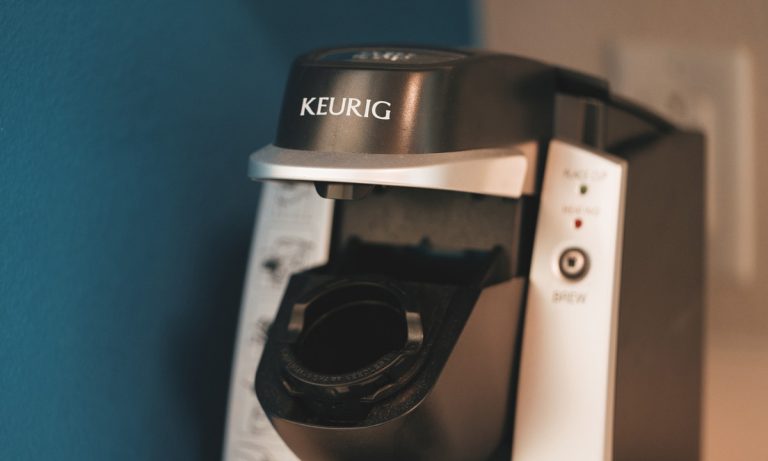
Keurig’s are amazing and have revolutionized coffee. They same to be everywhere and are branching into other beverages.  What is next? Mixed drinks? Soda water? Now researchers extracted cannabinoids using a Keurig!

A group of researchers from the University of Valencia in Spain have concocted a method for extracting cannabis compounds with a Keurig.

Their thesis describes quick “extraction of cannabinoids in marijuana samples by using hard-cap espresso machines,” such as a Keurig or Nespresso.

In a study published by the journal Talanta,  “A simple, quick and low-cost procedure was developed for the extraction of Δ9-tetrahydrocannabinol, cannabidiol, and cannabinol from marijuana samples, based on the use of a hard-cap espresso extraction with 2-propanol.”

Researchers detail that, “After extraction, cannabinoids were directly determined after appropriate dilution by gas-chromatography-mass spectrometry.”

Additionally, “a reference methodology based on ultrasound-assisted extraction,” was used.

Funding for the research was provided by the Ministerio de Economía y Competitividad (Ministry of Economy and Competitiveness).

Their concept is the first of its kind in Europe, however, it may be awhile before any table-top cannabis extraction machines are available on the market. In the United States, the closest equipment comparison is the Levo diffuser. In the meantime, you can still put cannabis coffee pods in your Keurig.

The original single-serve brewer and coffee-pod manufacturing company, Keurig, Inc., was founded in Massachusetts in 1992. It launched its first brewers and K-Cup pods in 1998, targeting the office market. As the single-cup brewing system gained popularity, brewers for home use were added in 2004. In 2006, the publicly traded Vermont-based specialty-coffee company Green Mountain Coffee Roasters acquired Keurig, sparking rapid growth for both companies. In 2012 Keurig’s main patent on its K-Cup pods expired, leading to new product launches, including brewer models that only accept pods from Keurig brands.

From 2006 to 2014, Keurig, Inc. was a wholly owned subsidiary of Green Mountain Coffee Roasters. When Green Mountain Coffee Roasters changed its name to Keurig Green Mountain in March 2014, Keurig ceased to be a separate business unit and subsidiary, and instead became Keurig Green Mountain’s main brand. In 2016, Keurig Green Mountain was acquired by an investor group led by private-equity firm JAB Holding Company for nearly $14 billion. In July 2018, Keurig Green Mountain merged with Dr Pepper Snapple Group in a deal worth $18.7 billion, creating Keurig Dr Pepper, a publicly traded conglomerate which is the third largest beverage company in North America.

Sacramento Is Awarding Cannabis Licenses To Those Impacted By Drug War

0

Sacramento is now the fourth city in California to implement measures to ensure that people living in certain zip codes, who have been most impacted by the War on Drugs, can now prosper from cannabis rather than be prosecuted for it.

“We have a goal of having 50 percent of all licenses be awarded to those who were impacted by the war on drugs,” Malaki Amen of the California Urban Partnership told KCRA 3, “If you were sent to jail or arrested and you were in an area that was disproportionately impacted — you experienced generational poverty. It doesn’t matter if you are Black, White, Latino or Asian. You will be able to qualify for this program.”

Eight neighborhoods in nine zip codes qualify certain people for the program. The California Urban Partnership stated that they hope to award 50 percent of all cannabis business licenses to those who’ve been most affected.

To qualify, between 1980 and 2011 you must have been arrested or jailed for a non-violent cannabis offense, have an immediate family member who has experienced the former or lived in one of the nine zip codes for over 5 years. Because of the disproportionate rate of which people were prosecuted for pot, there will be opportunity for many people.

Californians have been able to legally purchase marijuana since January 1 of this year. Since then Los Angeles, San Francisco and Oakland have already implemented similar cannabis equity programs.

The fight to end cannabis prohibition has always at its core been about keeping innocent people out of jail and especially stopping the excess of arrests of black and brown persons. When a teen is caught smoking a simple joint, it still has the potential to ruin their chances of going to college and sometimes even getting a decent job.

Fostering poverty and a cycle of arrests for victimless crimes has been a travesty on our nation and the example we set for other countries. As the cannabis movement continues to expand, already with 30 states and the District of Columbia having legalized cannabis in some capacity, these social reform measures will become the norm in more and more cities and then states and then hopefully the nation.

Activists and proponents continue to have feet on the ground, as is made obvious by this latest move by Sacramento to help those who’ve suffered most under draconian drug laws that are finally starting to fade away, every step forward counts.

MoviePass Is Ignoring People Who Want To Cancel Their Accounts

In a sleazy move, MoviePass managed to reactivate the subscriptions of some users who cancelled their accounts due to the app’s poor performance.

According to MoviePass’s new rules, a user’s new billing plan would start by the end of August, once their current billing cycle ended. If you didn’t opt in to the new plan or you had cancelled it, your MoviePass card would stop working the minute your old cycle ended. In the interim, you were free to use the perks of the old service, which included the ability to watch one movie a day. Even though the app was faulty over the previous weeks, you might have managed to watch a couple of movies. In order to access the app, you would have stumbled upon a notification stating MoviePass’s new rules. There was some text and an “I Accept” button at the bottom.

Users who had cancelled their accounts were shocked to discover that that wasn’t the case when their credit cards were charged, marking the beginning of a new billing cycle. In a recent email, MoviePass explained how their new plan works and all the new features that would be included. At the bottom, they added “If you had previously requested cancellation prior to opting in, your opt in to the new plan will take priority and your account will not be cancelled.”

While nothing is being hidden, it’s easy to see how this would trick a lot of users, since a lot of people don’t read every email they get from an app. There have been so many MoviePass updates in the past couple of weeks that it’s plausible that some people would just delete the email with out reading it.

MoviePass hasn’t addressed the issue directly, but people are outraged. The more situations like this arise, the harder it looks for the company to be able to make some sort of comeback.

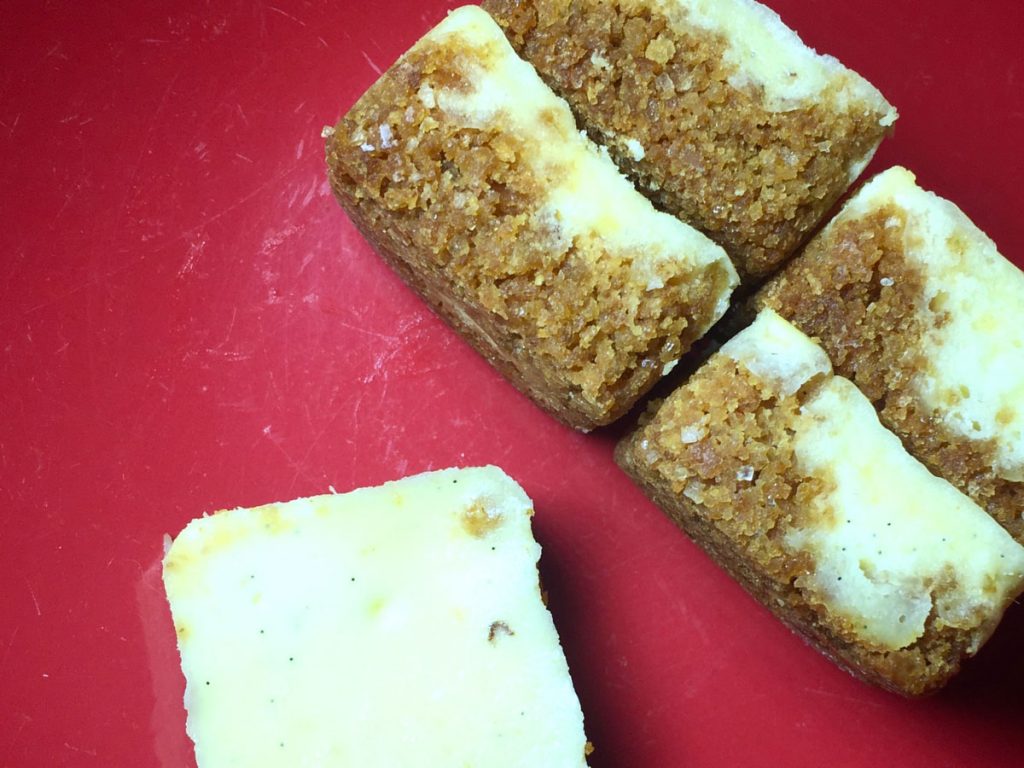
Picnic With These Easy And Portable Marijuana Cheesecake Bites

Cheesecake is my favorite memory of my star-baker grandma. She makes such good cakes and pies, I could definitely see her on ‘Great British Baking Show!’ Her red raspberry cheesecake bites were always my go-to, with fresh and barely sweetened whipped cream surrounding each tart and rich morsel of the cake itself. I always loved gathering tips when she is at the oven.

One thing I learned is that cheesecake should not be no-bake. It’s too delicious when done the right way! There’s nothing wrong with cutting corners when you have to, but if you are going to take the time to make cannabutter, you’ll want the best tasting cake possible to deliver a delicious treat, not a sugary cop out that won’t taste as fabulous.

Cannabis Cheesecake Bites

Adapted from the Philadelphia Classic Recipe, Danielle Guercio 2017
Makes 48 bites, 4mg THC per bite

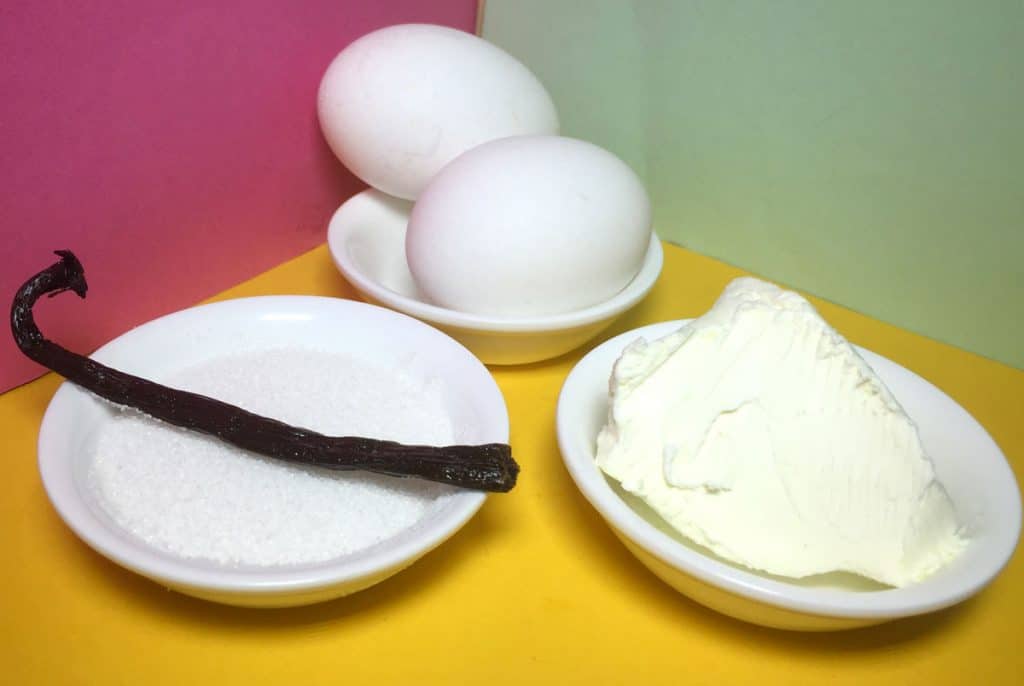
  • 2 blocks Cream cheese
  • 1 c Graham cracker crumbs
  • ½ cup plus 2 tbs Sugar
  • 2 Eggs
  • 1 tsp Vanilla bean paste
  • ⅓ c Cannabutter*
Photo by Danielle Guercio

Take the butter and cream cheese out to soften while you prepare your molds. Mist silicone square molds with cooking spray, don’t use a complicated mold as it won’t hold it’s shape after removal. Use them with cookie sheets or baking sheets so you can take them out of the oven easily.

Photo by Danielle Guercio

Preheat the oven to 350 degrees. Mix the graham crumbs, 2 Tbs of the sugar and the cannabutter until the crumbs are wet. Press 1 tsp each into the bottom of the molds. Use an electric mixer with a high sided bowl to whip together the sugar and cream cheese. Add the vanilla and one egg at a time, stop once the mixture is uniform, too much air will change the texture of the dessert.

Pour evenly over the crumbs and clean the edges with a spatula. Bake for 4 minutes before rotating the trays and continuing for another 4 minutes. Check the center of one with a toothpick, if it comes out mostly clean, you can remove. If you want to go for a little longer, 4 more minutes should be the max to make sure it stays soft.

Refrigerate overnight or for at least 3 hours before removing from the mold. Serve two at a time for a nice weekend dose and drizzle with some toppings if you like, but as plain vanilla goes, this is exquisite enough to not need any fruits, chocolates, or creams.

Photo by Danielle Guercio

*Cannabutter

Decarboxylate 3.5g of finely ground cannabis at 225 degrees for 20 minutes in a tightly sealed, oven safe container. Put cannabis in lidded mason jar or vacuum sealed bag with cannabis and one stick of butter. Heat in water bath just under boiling for at least 1 hour. Strain and chill to use in recipes.

Making these in individual doses is like doing meal prep on a month’s worth of dastardly desserts. Or they make a fabulous gift or party favor, as long as you let people know what’s inside!

Photos: Danielle Guercio

Don't Miss Your Weekly Dose of The Fresh Toast.

Stay informed with exclusive news briefs delivered directly to your inbox every Friday.

We respect your privacy. Unsubscribe anytime.