Tuesday, June 9, 2026
Home Blog Page 1203

Marijuana Extract Extended The Life Of This Girl Suffering From Zellweger Syndrome

Madeline, or Maddie, as most people know her, is four years old and suffers from a terminal genetic disease called Zellweger Syndrome. There is no cure or course of treatment and most kids with this devastating disease do not survive past their first year of life. Here is how whole-plant cannabis oil helped her.

Maddie is deaf, blind and completely dependent on a feeding tube. She also has osteoporosis, kidney stones, liver dysfunction, coagulopathy, anemia, adrenal insufficiency, low muscle tone, and in January of 2015 developed seizures.

The seizures immediately became life threatening; they were painful, daily hour-long events where she would stop breathing and require CPR. Within eight weeks of developing the seizures, she was on placed on 26 pharmaceuticals, lost what little motor skills she had gained, and was admitted into hospice with the expectation her life would end soon.

I could not accept that I would lose my baby, so during the weeks leading up to what we thought we be her final days, I began researching and found information on full-extract cannabis oil.

On the night we took her home, on what was supposed to be our last night with our daughter, we got her authorized to use cannabis. All we hoped was that the cannabis would keep her comfortable in her final moments. Instead Maddie began breathing on her own and her seizures began to reduce in frequency and duration.  Soon she was eight days seizure free.

Then we discovered her right kidney was full of stones and quickly realized Maddie was opiate sensitive (so much so she had an event requiring an opiate reversal and urgent intubation). A medicated cannabis cream on her chest helped get that tube out.

More About Whole-Plant Cannabis Oil Or FECO

Maddie uses a highly concentrated form of cannabis called FECO or full extract cannabis oil. Essentially you are using as much of the plants medicinal properties as possible.  Currently, Maddie takes 90mg. of CBD and 40mg. of THC every day. We tell people that CBD kept Maddie alive but THC-A brought her back to life.

Recently we have begun trying to rescue her from seizures with cannabis. For a couple days a high CBD, 18:1 spray that worked half the time. We then tried a THC-A isolate. One drop in her mouth, which by itself is unusual since she does not take anything by mouth, was tolerated extremely well, and two out of three seizures are stopped.

She has gone 15 days with no seizures and currently has not had a benzodiazepine (traditional rescue medication) in 22 days. She has been weaned off all but four pharmaceuticals, is off hospice, began relearning skills such as sign language, babbling, kicking her legs and is generally enjoying life again.

Cannabis is providing Maddie with a quality of life we never thought possible. Even more we are now effectively palliating the symptoms of a disease for which there is no course of treatment.
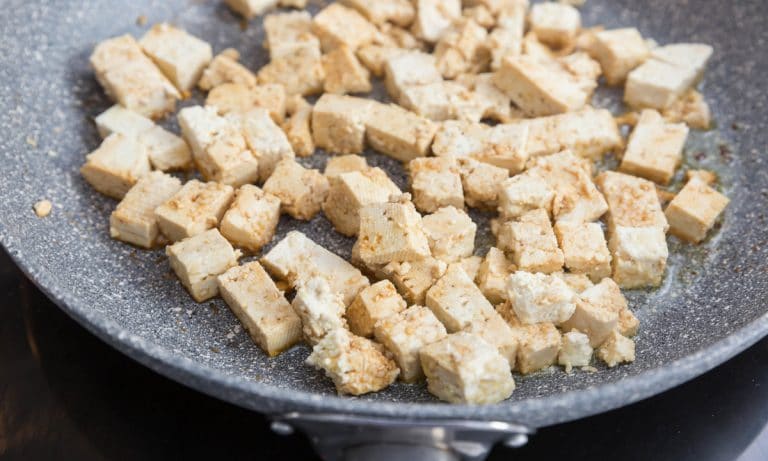
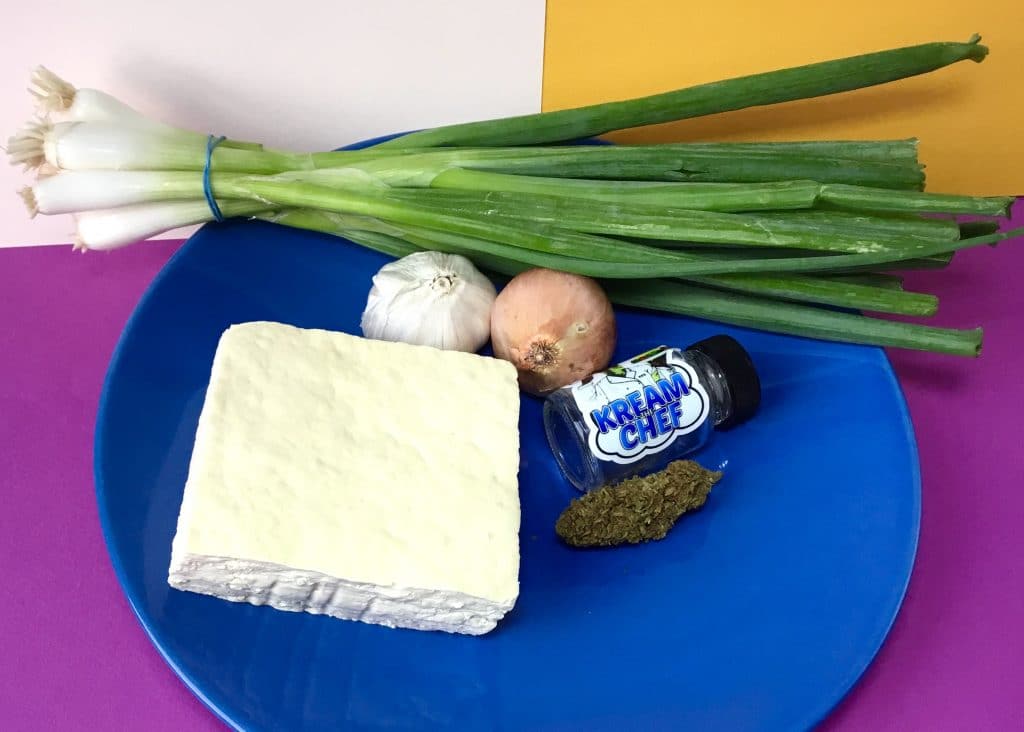
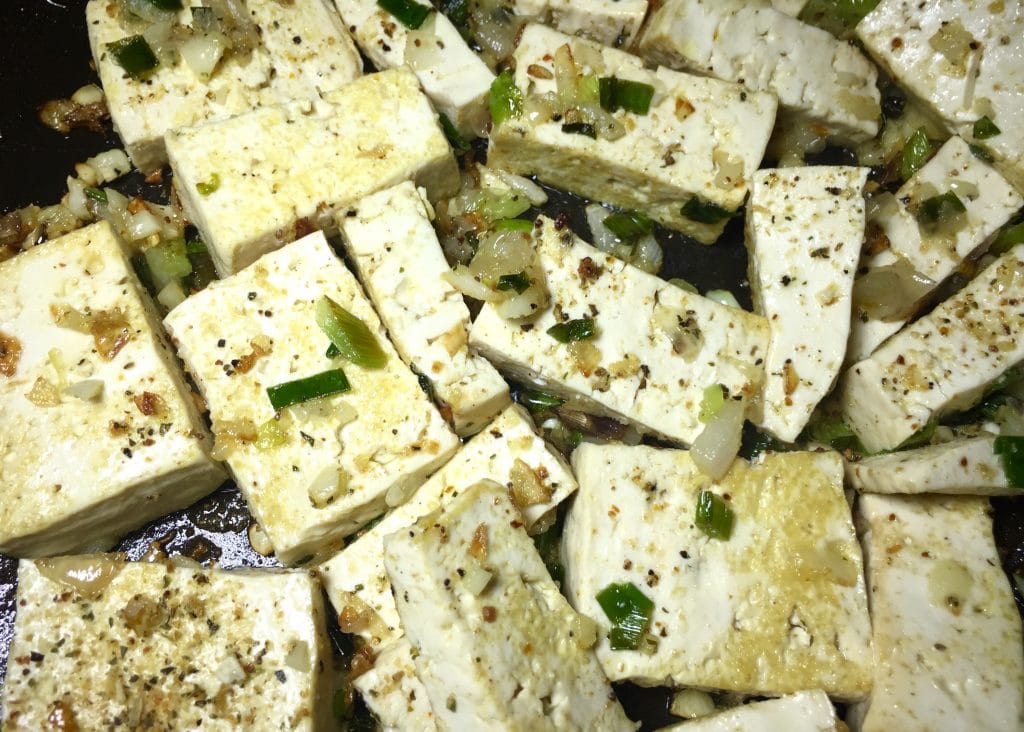
Oil-Free Jerk Tofu Summer Rolls With THC Sauce

Some don’t realize that there are Indians from India residing in the West Indies. Migration is such that when two distinct cultures are side by side, their tastes often start to play with each other. This is why the roti, a tasty and ubiquitous flatbread, is present on more than a few continents. In the Caribbean, roti are primarily had in Jamaica, Trinidad and Tobago, and Barbados, where ex-pat Indians have been living for some time.

Roti can be puffy and flaky like a paratha, torn and topped with meats like in Malaysia, or soft and thin with a layer of pea meal inside like in Trinidad. In many Asian shops, you can find Roti Paratha style in the frozen aisle. It’s a great meal addition or lifesaver when you run out of bread. It’s also hackable by defrosting and rolling up your toppings. Then when you pan-fry it, you can have a crispy, flaky crust without any added oil.

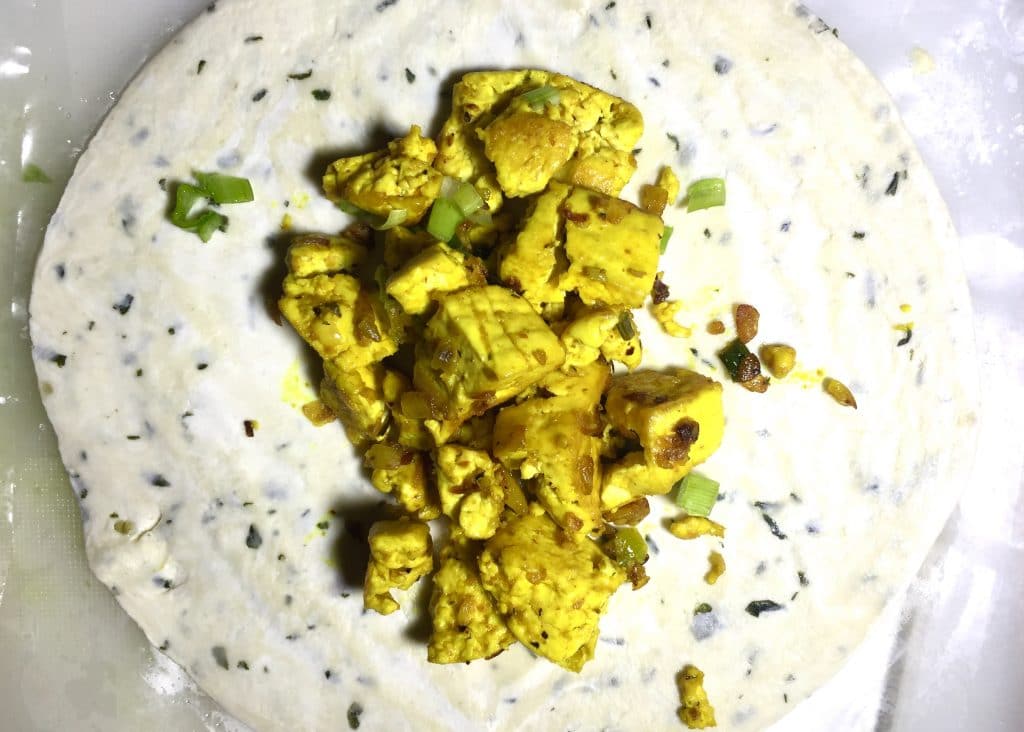
The filling can be anything you want, from fresh shredded veggies to leftover chicken from the night before, but my filling of choice is bringing the Caribbean flavor full circle, Jerk Tofu. For the marinade, I gave Chef Rasta Kream’s Antiguan Jerk Sauce a try, and it was spot on. Smoky, spicy, herb-rich, it was a really great take on the Jerk flavors I love so much.

Photo by Danielle Guercio

Jerk Tofu Summer Rolls

Danielle Guercio 2017
Makes 4 Rolls, 7mg of THC per roll

  • 4 Frozen Spring Onion Roti Paratha
  • 1 package extra firm tofu
  • 1 2 oz bottle *RastaKream Antiguan Jerk Sauce
  • 1 bunch scallions


Photo by Danielle Guercio

Wrap the tofu block in paper towels and press beneath a heavy pot to make ‘room’ for the marinade. After about 30 minutes, unwrap and slice the tofu in medium slivers.

Wash and quarter a bundle of scallions, put two in a thick 1 quart ziplock and reserve the rest for serving. Pour the sauce into the bag and add the tofu. Seal and refrigerate for 30 minutes.

Photo by Danielle Guercio

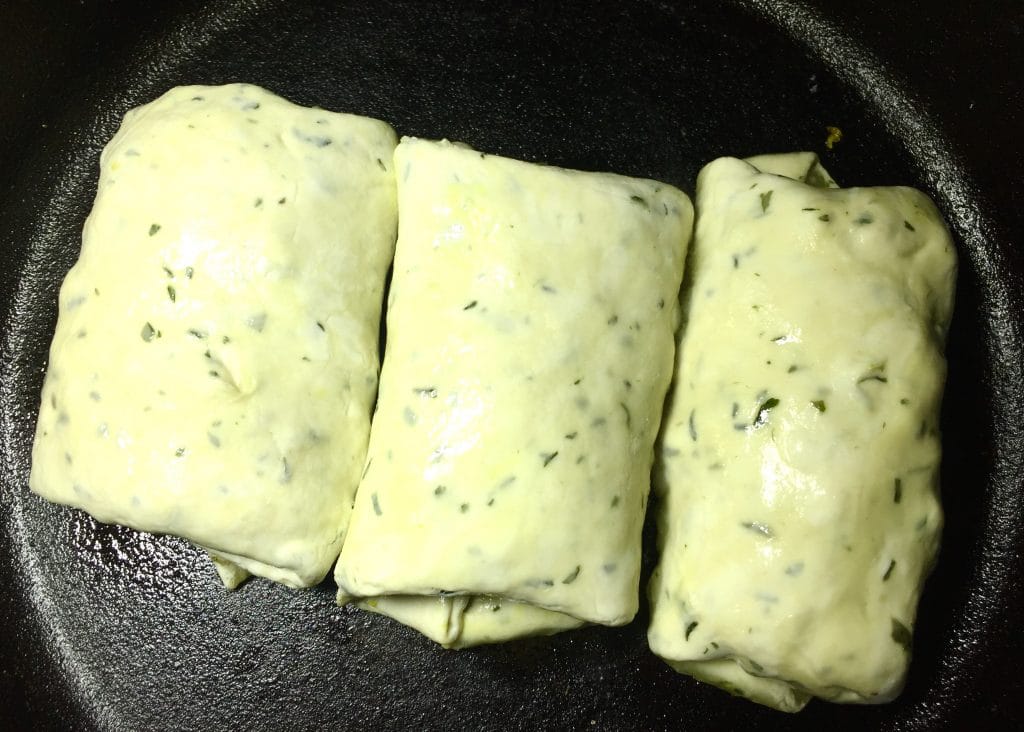
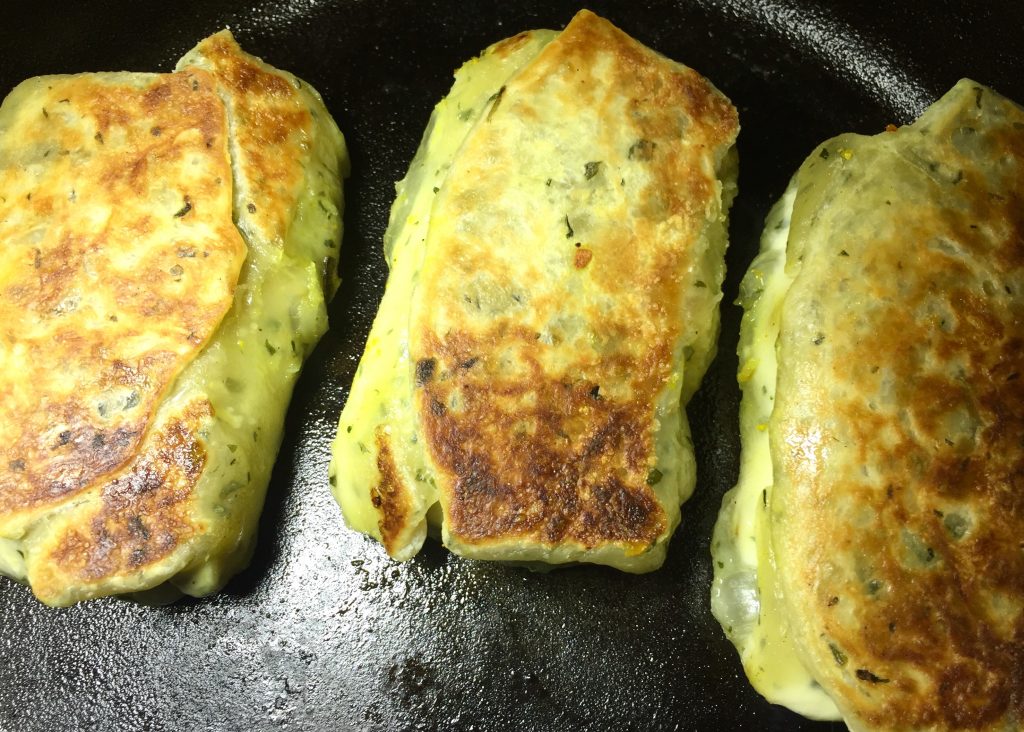
Preheat the oven to 350 degrees. Wrap a medium roasting pan in foil and add the tofu. Seal the top with foil. Roast for 30 minutes until there’s some caramelization on the edges. Remove from oven. Now take the paratha out of the freezer, it will defrost rapidly. Add ½ cup of the tofu mixture and roll like you would a burrito, tucking the sides in before a final flip. Heat a cast iron skillet, and brown the rolls on three sides. Serve with chopped scallion and any of the leftover marinade.

Photo by Danielle Guercio

Now that you’ve mastered the marinade, you can deploy this strategy on any meats or veggies you like. Keeping frozen roti on hand are excellent for last minute dinners and for completing dinners that are missing something. The built in cannabinoids in Rasta Kream’s sauces take all of the guesswork out of both dosing and extracting, and the result is as island fresh as can be.

Photos: Danielle Guercio 

California Is Growing Way Too Much Weed, And It’s A Problem

California produces 14 to 16 million tons of marijuana, and Californians consume 1.5 million to 2 million tons of cannabis. That’s a lot of leftover weed.

As the cannabis industry continues to expand there will be growing pains. The expansion of any new industry in its adolescence requires such issues but one headline you’ve perhaps seen regards marijuana shortage in certain states or countries. To those more aware within the cannabis industry, this comes across as false alarms. The panic is mostly manufactured.

But it appears California might have the opposite problem—the state could have too much weed. So claims a recent report by CBS 5 in California, who detailed the unique circumstance the state faces. California produces 14 to 16 million tons of marijuana, according to the report. However, it claims Californians only consume 1.5 million to 2 million tons of cannabis.

You can perhaps deduce that some product won’t remain within California borders. On its surface, this is nothing new. However, California Growers Association Executive director Hezekiah Allen indicated that the 800 percent surplus will force farmers and growers to keep stricter tabs on where their product goes.

“In the past, when a product left the farm there’s a really good chance the grower had no idea where it was going,” Allen told CBS 5. “But in the future, every single license holder is going to need to know exactly where every gram of product is ending up and so conditions are going to change very quickly.”

While recreational marijuana law was passed, California residents won’t be able to enjoy recreational cannabis until January 1, 2018. Then regulations will force growers to get a license and perhaps keep excess marijuana in-state, or continue to move product beyond the state borders violate federal law under the radar.

“Nobody wants to operate under the radar. They want to do this legally, They want to say, ‘Hey, look, what I’m doing is okay,’” said Dr. Aseem Sappal, Provost and Dean of Faculty at Oaksterdam University in Oakland.

Again this is a report with caveats. Whether California will continue to have excess marijuana when recreational usage becomes legal next year is debatable, as residents who previously purchased on the black market and potential visitors could buy up that product. Instead, it shows to what degree the marijuana industry continues to define itself as it grows beyond its adolescence. Well, actually, from this report it seems growing isn’t the problem at all. Now it’s about doing so legitimately.

Gossip: Donald Trump ‘Personally Dictated’ Don Jr’s False Statement About Russian Meeting; Rob Kardashian Using Food To Cope With Depression

On the sidelines of the group of 20 summit in Germany last month, President Trump’s advisers discussed how to respond to a new revelation that Trump’s oldest son had met with a Russian lawyer during the 2016 campaign — a disclosure the advisers knew carried political and potentially legal peril. The strategy, the advisers agreed, should be for Donald Trump Jr. to release a statement to get ahead of the story. They wanted to be truthful, so their account couldn’t be repudiated later if the full details emerged. But within hours, at the president’s direction, the plan changed.

Flying home from Germany on July 8 aboard Air Force One, Trump personally dictated a statement in which Trump Jr. said that he and the Russian lawyer had “primarily discussed a program about the adoption of Russian children” when they met in June 2016, according to multiple people with knowledge of the deliberations. The statement, issued to the New York Times as it prepared an article, emphasized that the subject of the meeting was “not a campaign issue at the time.”

The claims were later shown to be misleading. Over the next three days, multiple accounts of the meeting were provided to the news media as public pressure mounted, with Trump Jr. ultimately acknowledging that he had accepted the meeting after receiving an email promising damaging information about Hillary Clinton as part of a Russian government effort to help his father’s campaign.

The extent of the president’s personal intervention in his son’s response, the details of which have not previously been reported, adds to a series of actions that Trump has taken that some advisers fear could place him and some members of his inner circle in legal jeopardy. As special counsel Robert S. Mueller III looks into potential obstruction of justice as part of his broader investigation of Russian interference in the 2016 election, these advisers worry that the president’s direct involvement leaves him needlessly vulnerable to allegations of a coverup.
[From The Washington Post]

Rob Kardashian Using Food To Cope With Depression

Rob Kardashian is using food to cope with his depression and is now 300 lbs as sources say he’s ‘lost the will to live.’

The star, 30, is apparently so miserable after his recent online meltdown and the disintegration of his relationship with Blac Chyna that he’s turned to food to help cope, according to Radar Online.

‘He’s the biggest he’s ever been,’ a family friend says. ‘He’s well over 300lbs now – we don’t know as the scales don’t go up past that – and he’s a heart attack waiting to happen.’

Love the fresh dirt we bring over daily from Naughty Gossip? Let us know in the comments!

Marijuana Works As An Exit Drug From Pain Medications

Zahra Abbas has epilepsy and went through seizures multiple times a day throughout her life, despite taking four different prescriptions. A few years ago she tried medical cannabis to combat the seizures on the advice of her doctor. She had never tried marijuana before, but it didn’t take long to see results.

Three days of cannabis and her seizures had stopped completely.

Cannabis was a last result for Abbas, who was scared by all the misinformation about the plant, misinformation that made it out to be a hard drug and to be avoided at all costs. Reefer madness is still alive and well, but all’s it takes is a little truth to stop it in its tracks. Abbas tried it because it had come down to either brain surgery or try pot first. It was weed for the win.

Now 30 years old, Abbas has taken up the cannabis cause and has been helping greatly in the efforts to free the plant. She speaks on panels and collects signatures for marijuana based ballot issues. This summer she is acting as an unpaid volunteer to get signatures for the Coalition to Regulate Marijuana Like Alcohol on the 2018 ballot in Michigan.

This brings Abbas all the way from pro-prohibition to full on legalization warrior. Though her use is medical, she believes everyone should have access to cannabis.

One of Abbas’ arguments for the naysayers is that while cannabis is seen by some as a gateway drug, it is actually helping people get off of other drugs. Cannabis is at the very least anecdotally known to help people get off opiates, combat alcoholism and even quit cigarettes. A new study came out of The University of California showing that indeed, people on pain meds were able to substitute cannabis for their pills with great success.

While changing minds about cannabis isn’t a done deal, the majority of the nation approves of legalization, a majority of states have some sort of pro marijuana laws and support for the plant continues to rise. It’s stories like Abas’ that are capable of changing minds and it’s also studies like the one out of California.

Cannabis IS a gateway: to health, holistic well being and a higher quality of life.

Soon, We Could Be Buying Weed From A Vending Machine

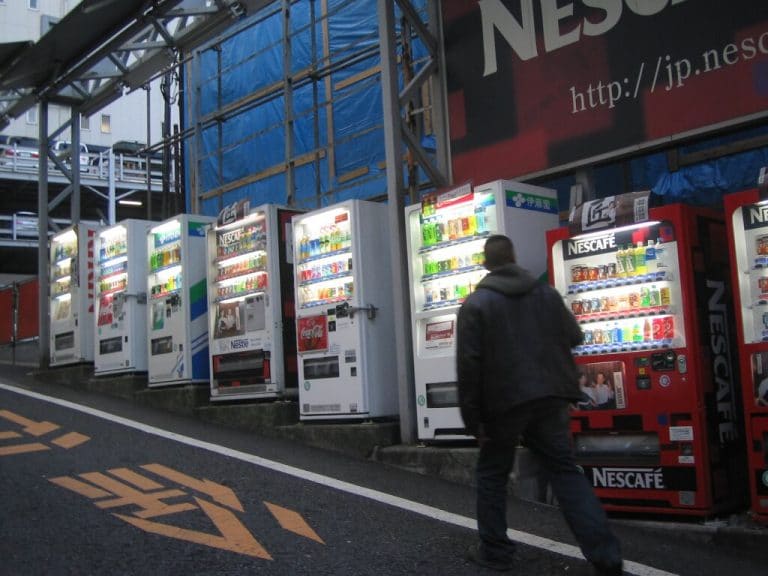
Technology company American Green Inc. is developing vending machines for easy access to age-restricted items. The marijuana vending machine could be filled with whatever the owner wants: Identity-sensitive things like medications, alcohol, firearms, and cannabis are their ideal case.

The machines scan for your age and identity using “finger vein technology,” as Fast Company reports. They claim it’s more secure than a fingerprint, which could be duplicated or, in some bizarre situations, chopped off and placed on the scanner. If you cut off a finger, the fingerprint stays—but the veins inside collapse.

Sales of these items would still have to follow state and federal laws, but once you’re set up in the American Green machine system, it remembers your ID at any location. If you want to buy your fav strain in California, and then hit up one of these futuristic vending machines in Colorado, you wouldn’t have to re-introduce yourself to the robo-budtender. Just scan your finger and go.

Will automation come for our beloved budtenders? Probably not for a while, but it’s an interesting venture to keep an eye on.

8 Historic Women Who Made Marijuana History

In celebration of Women’s History Month, educate yourself about these radical women who shook up marijuana history, from ancient Egyptian rulers to the brave moms in our neighborhoods.

Queen Victoria

Just because you’re the longest-ruling monarch in British history doesn’t mean you’re immune to PMS. Queen Victoria suffered from menstrual cramps. Victoria ruled from 1837 until 1901, and throughout her reign, was prescribed marijuana by her private physician.

Wanda James

The first black woman to own a dispensary was shocked to hear she has that title. “When somebody brought it to our attention at some point or another, it was completely shocking to me,” she told The Root. “I just don’t think any black person should be the first and only in this industry in 2016. You know what I mean?” A former Navy lieutenant who served on Barack Obama’s 2008 Finance Committee, she and her husband opened the first black-owned marijuana dispensary in 2009. And she’s not shy about it:

“I’m very excited about my cannabis use. I’m proud of my cannabis use. In the same way that ladies at lunch can talk about a fine merlot or a crisp chardonnay, I can break it down for you for what’s an excellent Indica or a vibrant Sativa. It’s time to get real about this.”

Louisa May Alcott

The 19th century author of Little Women isn’t the first person you’d think of when picturing a lady-stoner, but she most likely got blazed a time or two. She never admitted to using marijuana herself, but her characters did — and she wrote the line, “Heaven bless hashish, if its dreams end like this!” In Perilous Play, her main character eats a bunch of edibles and tries to get everyone to join her. We all have that friend. Alcott writes:

“A heavenly dreaminess comes over one, in which they move as if on air. Everything is calm and lovely to them: no pain, no care, no fear of anything, and while it lasts one feels like an angel half asleep.”

Dr. Ester Fride

A groundbreaking Israeli scientist, Ester hypothesized in the early 2000s that endocannabinoids played a role in nursing.

Margaret Mead

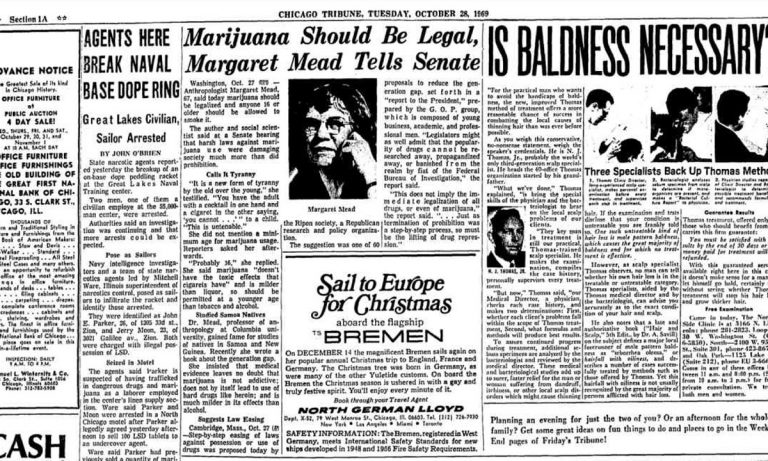
In 1969, the influential American cultural anthropologist Margaret Mead told the US Senate that marijuana should be legal. This incredibly controversial statement drew anger, criticism and harassment from her opponents. Basically, she caught hell for being a woman advocating for something that we now consider a perfectly reasonable argument. She was just thinking nearly 50 years ahead of her time.

Jodie Emery

As we previously wrote, Canada’s “Princess of Pot” co-owns a large chain of cannabis stores, ran for provincial office as a B.C. Marijuana Party candidate in 2005 and 2008, as a candidate for the BC Green Party in 2009 and 2013, and is an outspoken marijuana legalization activist.

Hatshepsut

The Egyptian pharaoh Hatshepsut wasn’t one to fuck with. She became queen of Egypt at 12 years old and predated Cleopatra’s reign by 14 centuries, as the first woman to fully own the power of the throne. But her rise to authority might have been aided by medical marijuana — studies and source materials show that the ancient Egyptians used cannabis for gynecological purposes, grinding it up into honey for childbirth or using it as a capsule for menstrual pain.

Mieko Hester-Perez

Not everyone who’s done the work of making marijuana mainstream is an activist or literal queen. Mieko is a mom who decided to take her autistic son’s health into her own hands when he was on the brink of starvation. She tried giving him cannabis to bring his appetite back, and it saved his life in a near-miraculous way. After seeing the effect of medical marijuana on her son, she started spreading the word, appearing in CBS and ABC news, Good Morning America, and more outlets to tell the world about the benefits of medical marijuana.


Is Delicious Probiotic Sour Beer The Next Big Thing?

Would a beer labeled as “healthy” spark your interest at the pub? Researchers in Singapore have created a beer that contains probiotics, which have been proven to improve gut health and boost the immune system.

The unnamed beer is made from the usual ingredient trifecta: malt, alcohol and hops. But it’s that last ingredient that really threw food researchers like Alcine Chan for a loop. She tells Reuters:

Hops is the main ingredient that kills probiotics, so we had to find a way to allow the probiotics to overcome the hops. So, this process actually is quite tedious.

Seeing the market potential for beer, Chan chose it as the host for her senior year project at the National University of Singapore’s Food Science and Technology Program.

Chan’s project supervisor, Professor Liu Shao Quan, tells Reuters that the beer is simply a new vehicle for delivering probiotics and the associated health benefits. Quan says his team has also experimented with flavored coffees and wines made from Southeast Asia’s popular lychee and durian fruits. Speaking to Science Daily he says:

The general health benefits associated with consuming food and beverages with probiotic strains have driven demand dramatically. In recent years, consumption of craft or specialty beers has gained popularity too. Alcine’s invention is placed in a unique position that caters to these two trends. I am confident that the probiotic gut-friendly beer will be well-received by beer drinkers, as they can now enjoy their beers and be healthy.

It will be a while before bars can start stocking up on the gut-friendly beer that’s only 3.5% alcohol and has a taste described as sweet; its inventors are still waiting on a patent.

Here’s What Scientists Don’t Know About Marijuana

The increasing legalization and mainstream acceptance of cannabis use is undoubtedly a good thing. Decriminalizing and destigmatizing weed will only make American society better: There will be fewer people imprisoned for non-violent offenses, hundreds of millions of dollars in new taxes, increased safety via regulation, etc. But that doesn’t mean marijuana is completely harmless, or that it’s even completely scientifically understood. Below find some of the most pressing questions scientists told Business Insider they have about the drug.

“There are so many basic questions that need to be addressed,” said Ryan Vandrey, an associate professor of psychiatry who researches marijuana at Johns Hopkins Medicine. “The practical use and legalization of these things is happening faster than the science can keep up.”

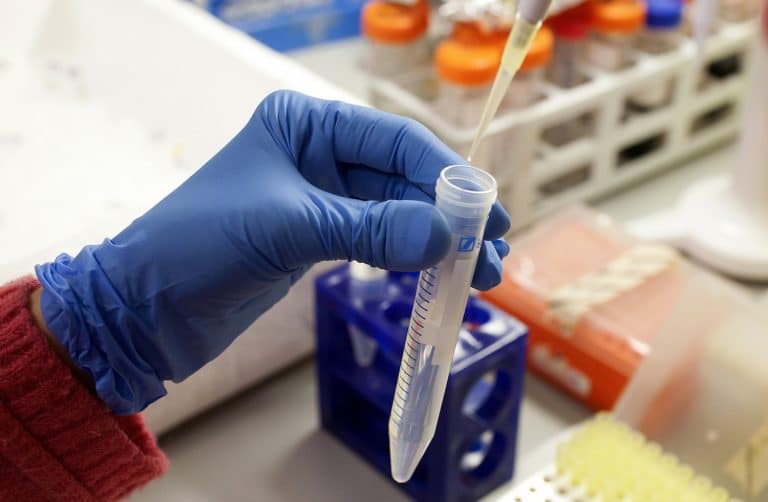
For example, there are more than 400 chemical compounds in marijuana. Of those, researchers have extensively studied THC, which is the cannabinoid that gets people stoned, and cannabidiol, or CBD, which could be important for future use of the drug to treat anxiety and other medical conditions. The other 398 or so compounds, however, remain mostly a mystery.

“We know a lot about THC and we’re starting to learn about CBD,” Vandrey said. “Out of about 400 [compounds] we know a decent amount about two.”

Staci Gruber, an associate professor of psychiatry at Harvard Medical School and director of the Marijuana Investigations for Neuroscientific Discovery program at McLean Hospital, said the rapid rise of the drug’s potency also raises some questions.

“We should probably be doing a better job of understanding what the effects are,” she said, adding that while the higher levels of THC could be harmful, she’s had some patients say they smoke less of more potent strains.

The lack of consistency across the industry is troubling for researchers, who note that improper labeling and varying potency of strains could negatively affect consumers. “[One] thing that’s absolutely critical is the development of standards around product manufacturing and labelling,” Vandrey said.

Gruber also detailed a major study into daily medical marijuana users. From Business Insider:

She stresses that it’s really early to draw conclusions from this ongoing work. But one of the first studies to come out of this particular project had an encouraging finding. Their preliminary results showed that three months into their medical marijuana treatment, a group of users (24 people, still relatively small) showed significant improvement in tests of cognitive function. Tests of heavy recreational smokers in the past have shown worse cognitive function. This was the opposite.

The imaging data they have seen so far also showed some interesting changes in brain activity. For patients like this, many of whom struggle with pain, previous brain scans showed abnormal blood flow when doing cognitive tasks. After a few months of medical marijuana, that mental activity started to look like the activity in a healthy control population.


Is Freezing Your Marijuana For Freshness A Good Idea?

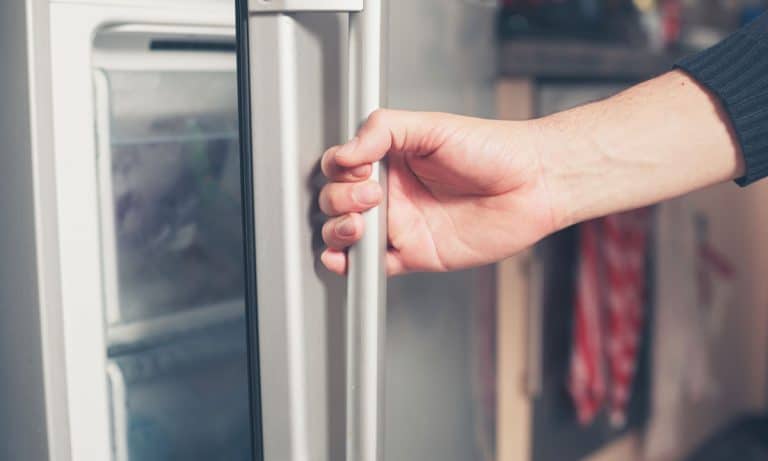
The freezer is the place where you store anything that you won’t be consuming for a while, preserving its quality and taste. The freezer is the perfect answer for any and all consumable stuff,  guaranteeing that nothing bad will happen to it. According to this logic, freezing your marijuana for freshness should work. Let’s break this down and see what would happen to your cannabis if it were to be frozen:

When you buy too much weed you put yourself in a tough spot, because humidity is the enemy and as the days go by, the herb loses its freshness and potency. Unfortunately, the freezer is not the place to store your weed because it ruins the trichomes of the plant and affects the decarboxylation process. This process is the one responsible for converting the THC-A – the “dormant” stage of the cannabinoid – into THC, which is the component that gets you high.

Freezing your marijuana will also ruin the plant’s trichomes, which are the small crystal-like particles on top of your bud, that contain the most cannabinoids and that give the plant it’s individual smell and taste. These trichomes will crystallize from the cold and will break off the minute you handle them.

If you’re looking to save a small amount of marijuana for a short period of time, your best bet is to use a glass container with an airtight seal and to store it in a cool and dark place. This will prevent humidity, mold, and mildew. If you want to store it for a longer period of time, your best option is to vacuum seal and dehumidify your marijuana, storing the right amount of oxygen with your bud and keeping it fresh for a longer period of time. 

Don't Miss Your Weekly Dose of The Fresh Toast.

Stay informed with exclusive news briefs delivered directly to your inbox every Friday.

We respect your privacy. Unsubscribe anytime.